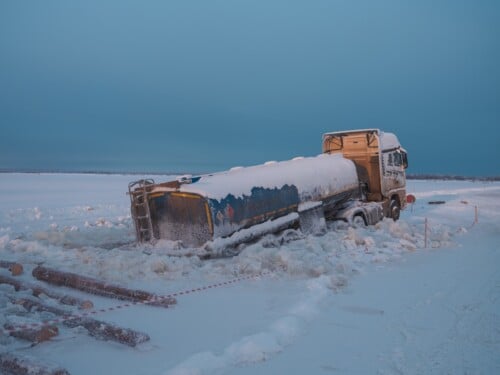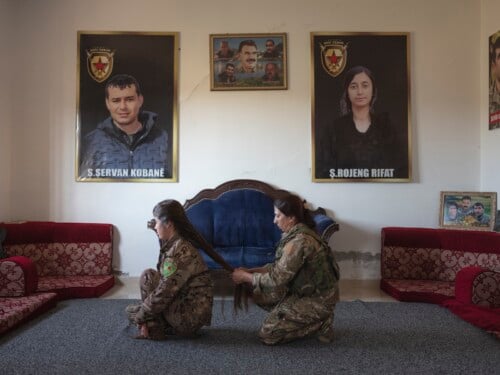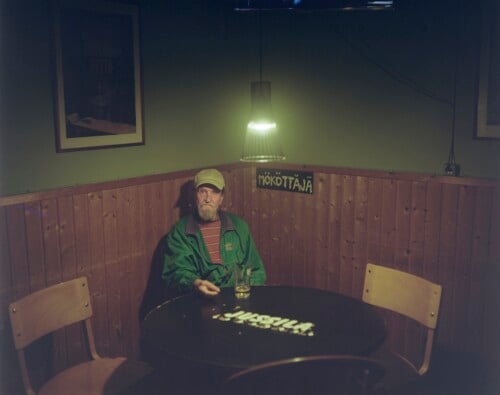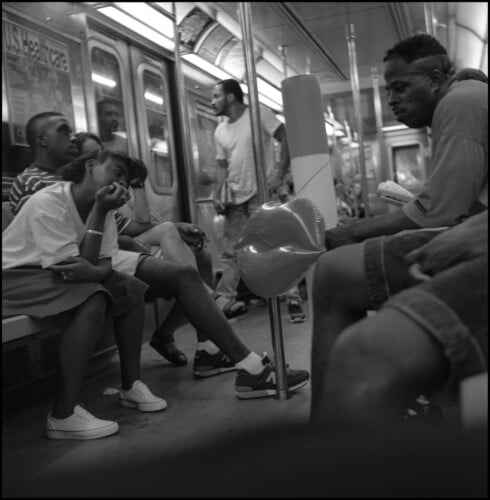
Sometimes the past is never truly past; it keeps resurfacing in everyday gestures, in lived-in spaces and in the faces of those who must come to terms with a present that still bears the marks of what has been. It is in this suspended dimension that Winter Sleep moves, the photographic project by Tural Rahmanli, an Azerbaijani photographer who uses street photography and documentary reportage to investigate the human implications of political, social and cultural transformations.
Born in the Karabakh region of Azerbaijan, Rahmanli moved to Istanbul in 2011 to attend university. It was during his years of study, in 2013, that he came to photography, gradually turning it into a daily practice and a project destined to accompany him for life. His gaze focuses on people, on their conditions of existence and on the contradictions that run through contemporary society. In Winter Sleep, this research unfolds through a narrative that intertwines documentary dimension and artistic sensibility.
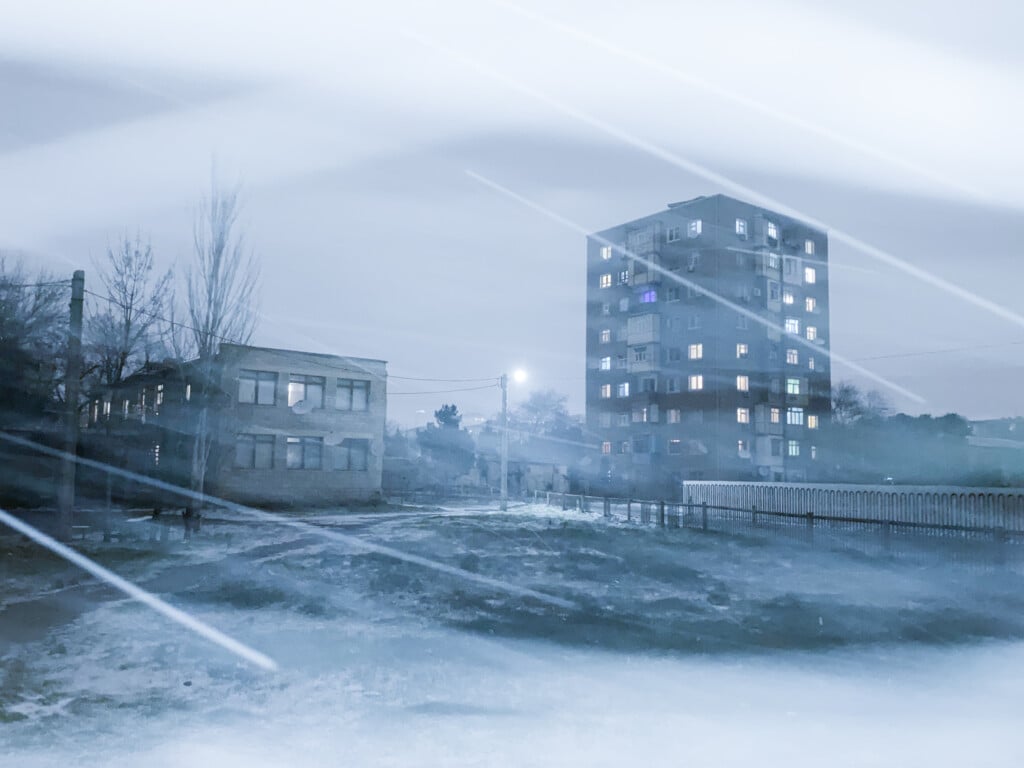
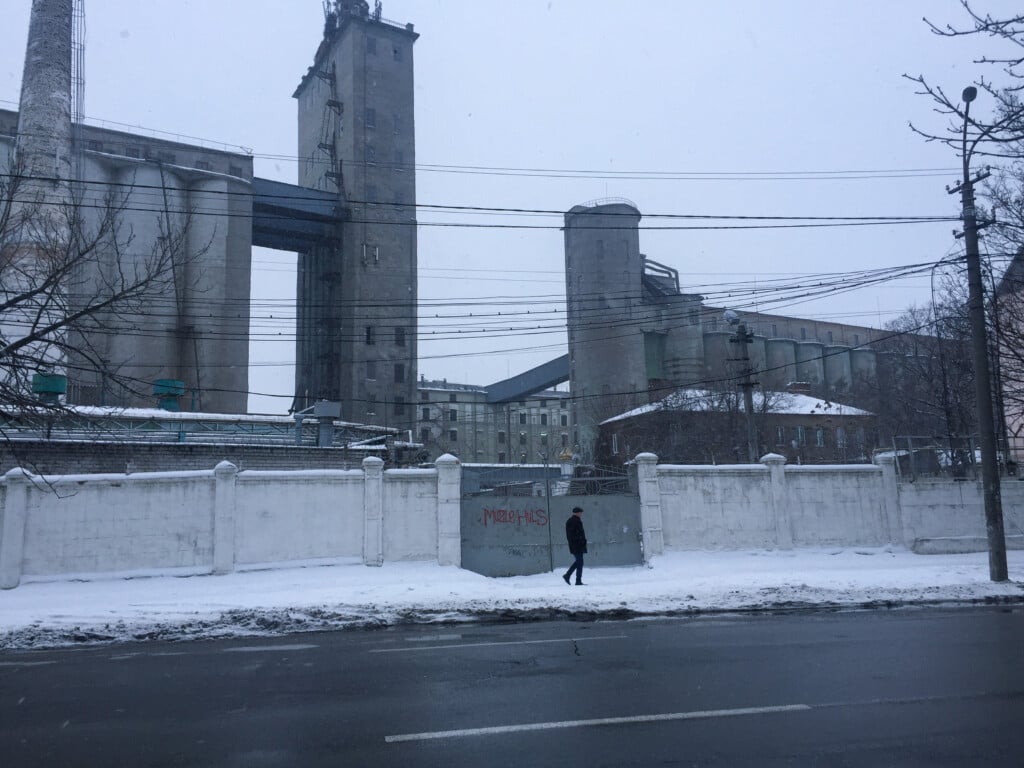
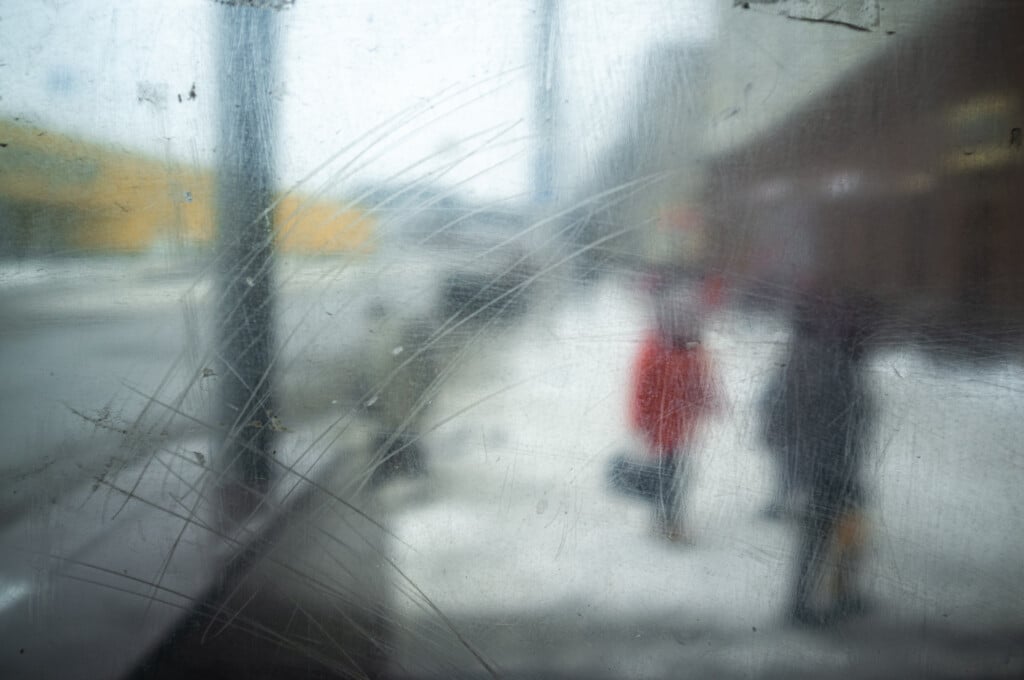
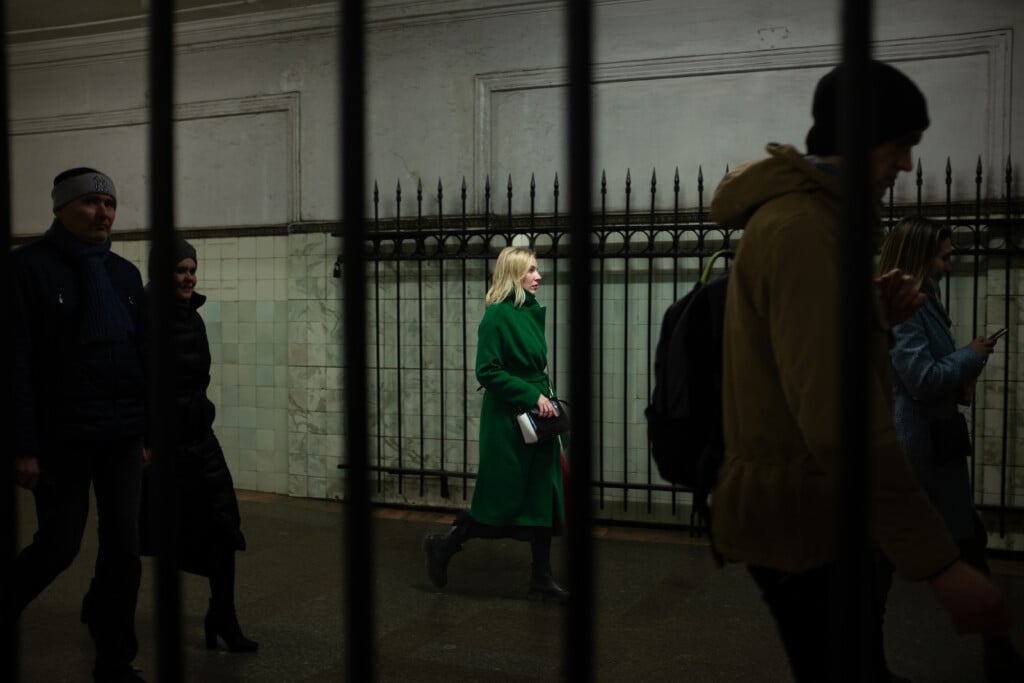
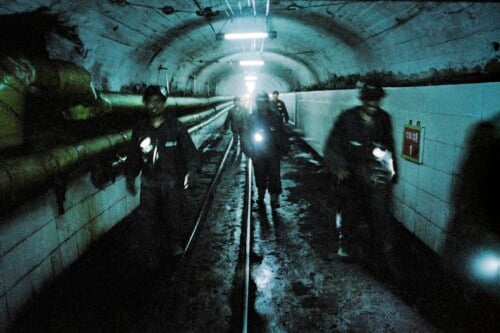
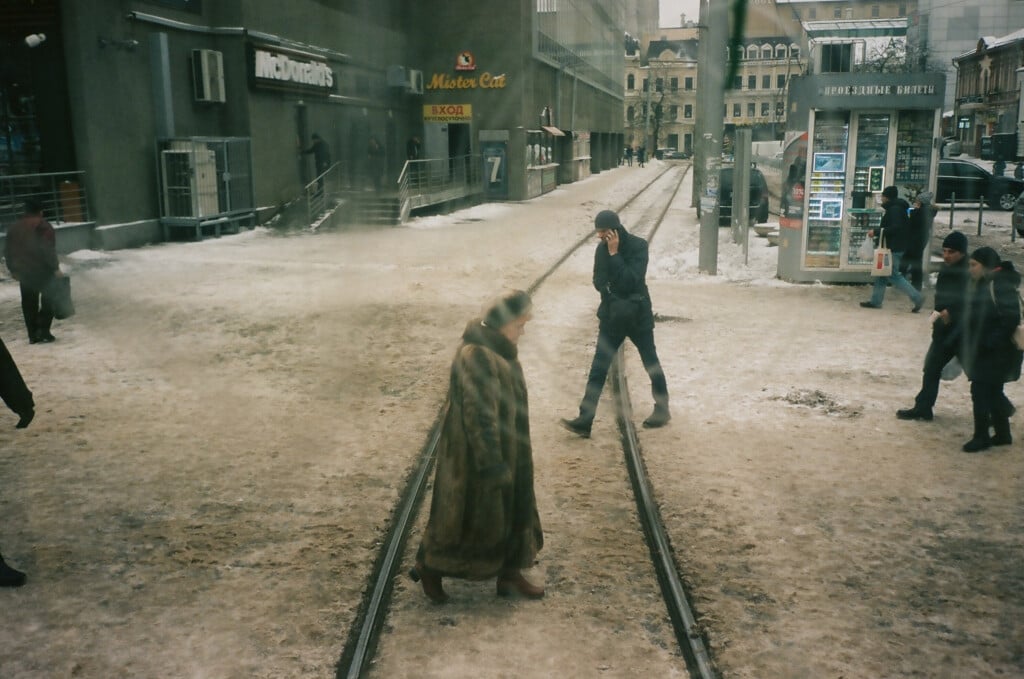
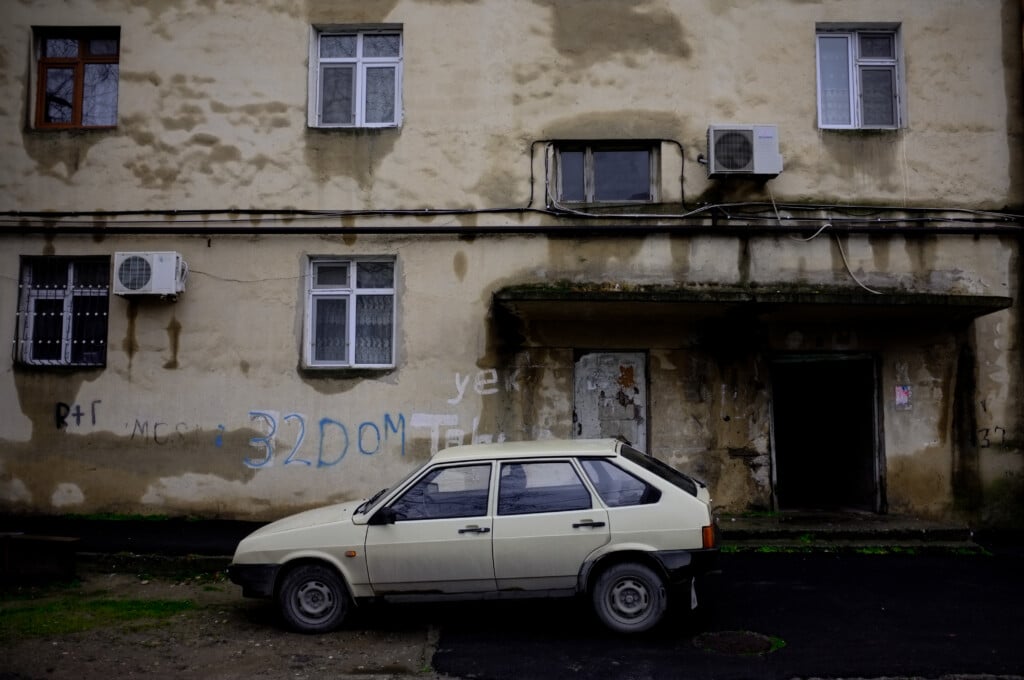
The project confronts the consequences of the post-Soviet social crisis, observing a society still deeply influenced by the legacies of the past. The journey to a foreign country becomes a condition through which to explore a sense of estrangement that concerns not only places, but also the relationship between individuals and history. The images seem to move in an uncertain temporality, where the present is constantly crossed by what came before it. It is not a matter of reconstructing a collective memory in a didactic way, but of giving back its traces through situations, presences and fragments of life.
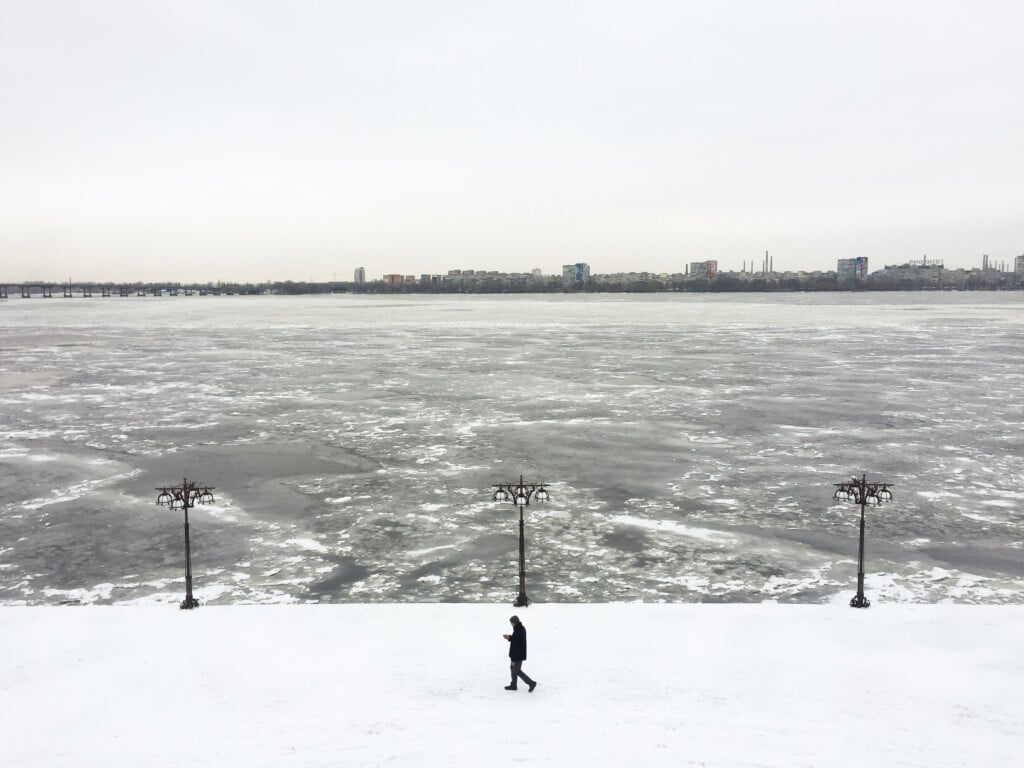
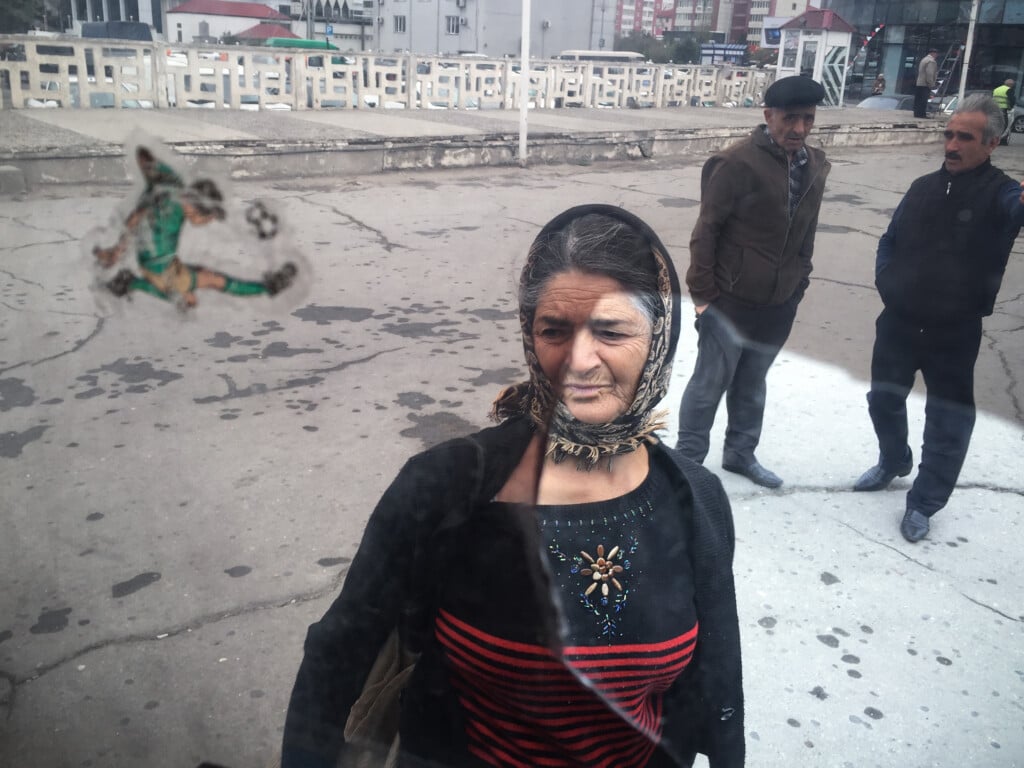
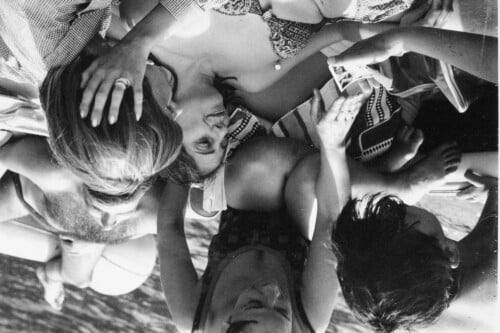
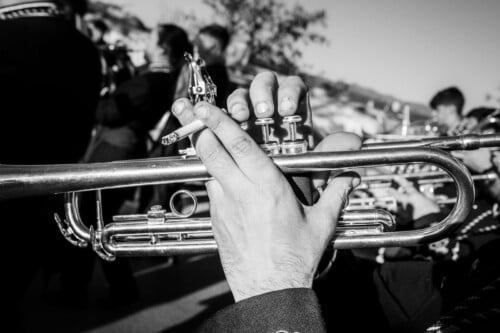
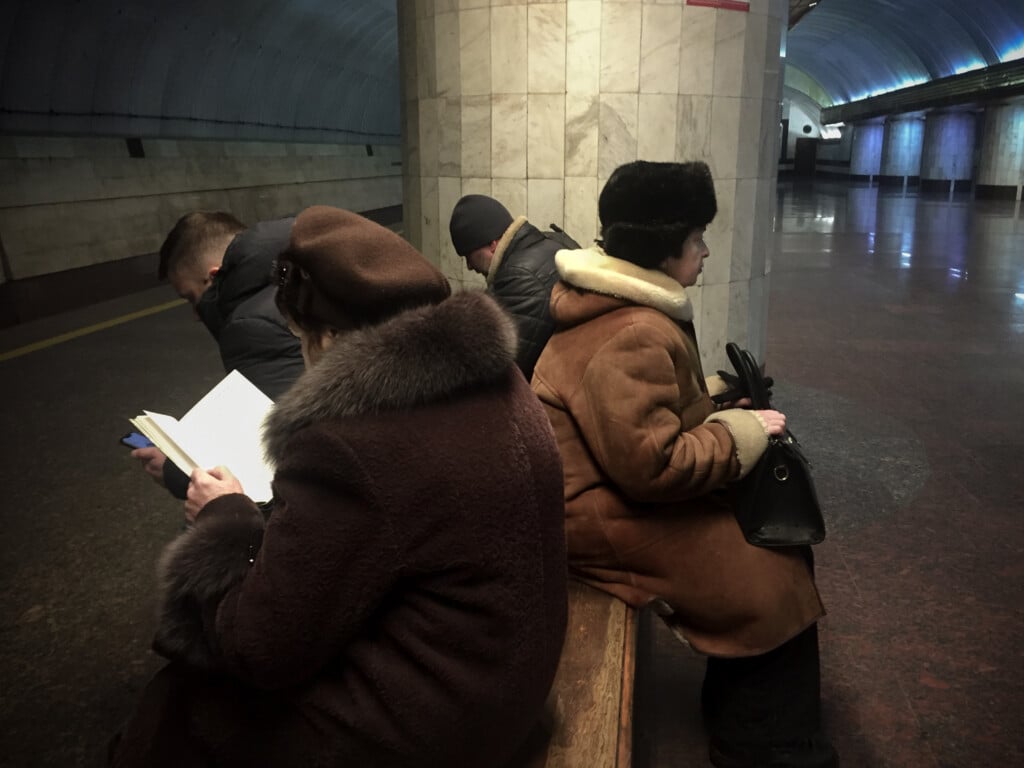
The title Winter Sleep suggests a condition of immobility, almost a time that has stopped. Yet within this apparent stillness, the photographed subjects become the center of a narrative that is anything but silent. Rahmanli contrasts the coldness of the images with close-up portraits, leading the viewer to confront directly the people and the social realities they represent. Faces thus take on a fundamental role: they are not mere elements of a landscape, but presences through which to read the tensions of a society put to the test.
Photography thus becomes a tool for approaching what often remains at the margins of representation. The boundary between reportage and artistic research grows thinner, leaving room for a visual language that does not necessarily seek answers, but invites us to observe more carefully. In Winter Sleep, the past is neither a closed chapter nor a distant memory: it is a presence that continues to influence the way people inhabit the present. And it is precisely through this intimate, documentary gaze that Tural Rahmanli gives a human dimension to the great transformations of history.