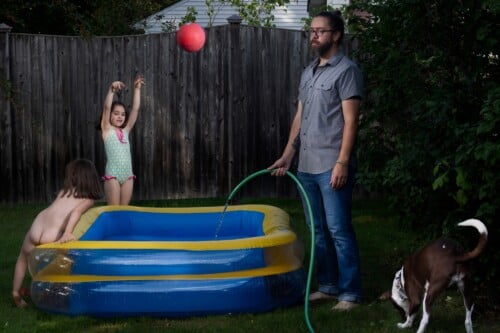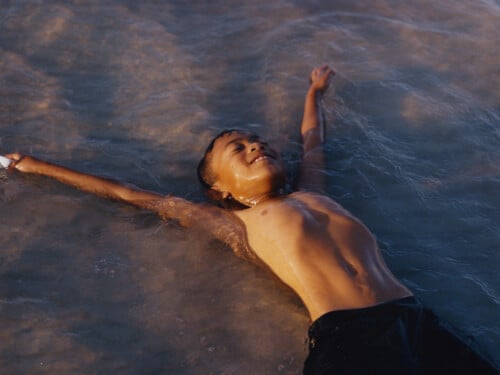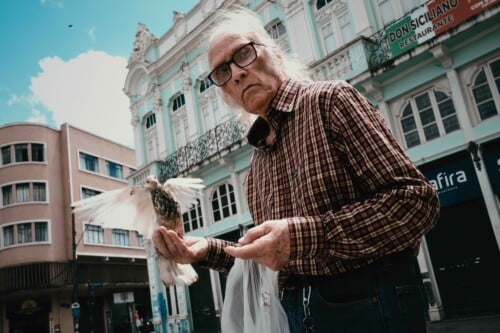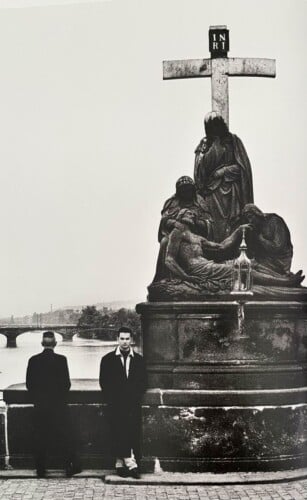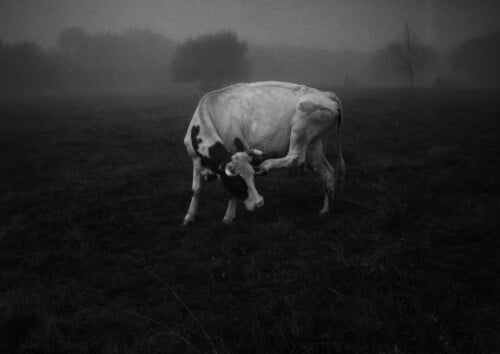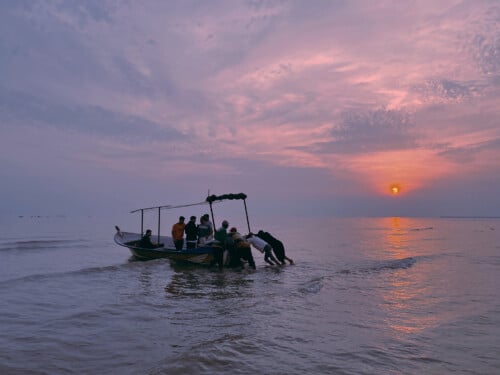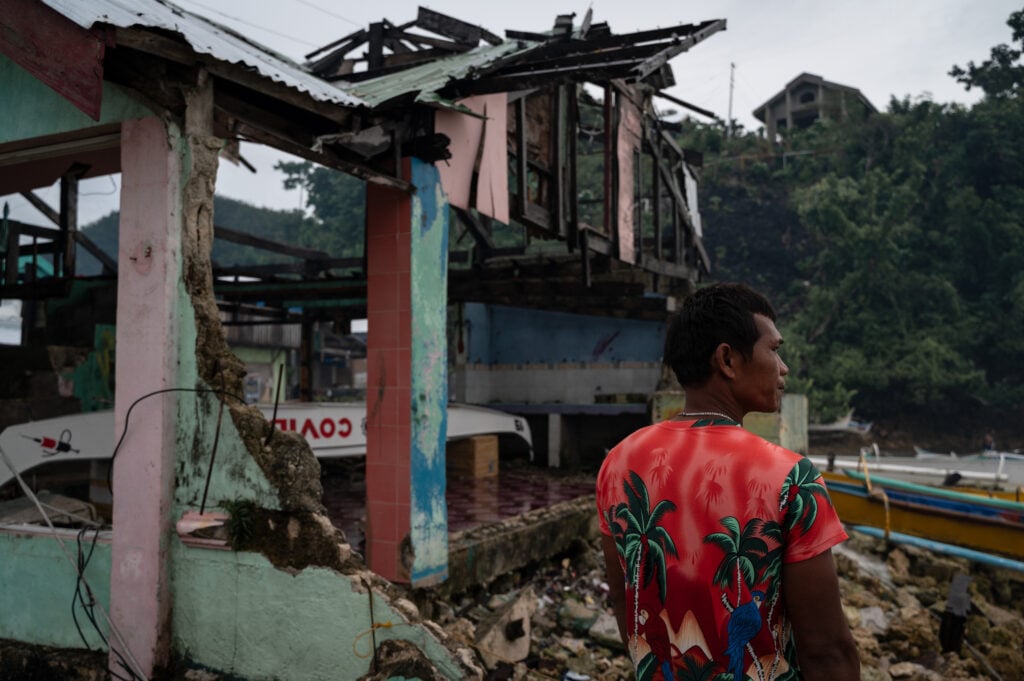
After the fury of nature, photographer and multimedia artist Gab Mejia embarks on a profound visual journey, capturing the enchanting aftermath of Super Typhoon Rai, also known as Odette, in the Philippines. The project, titled The Passage of Storms, narrates the scars left behind by super typhoons after their passage. Mejia’s work explores the lives lost and forgotten, painting a vivid picture of a sea that remembers, echoing the resilience and struggles of coastal communities facing relentless typhoons.

Super Typhoon Rai, the most powerful of 2021, struck the Philippines just days before Christmas Eve, leaving behind a trail of destruction. Mejia’s lens captures the raw and unfiltered reality of life after the storm, portraying not only the physical devastation but also the emotional cyclones gripping the hearts of coastal communities. The Philippines, grappling with an average of twenty typhoons annually, stands as a poignant symbol of the impacts of the climate crisis on vulnerable communities.

The Passage of Storms questions the gods to whom the inhabitants turn for salvation and, in the same vein, sends a message to leaders and corporations exploiting their vulnerability, perpetuating a cycle of disasters and losses. The project, made possible with the support of the United Nations Development Programme in the Philippines, highlights the urgent need for accountability and sustainable solutions in the face of a changing climate.

Who is Gab Meja?
Gab Mejia emerges as a multidimensional artist, seamlessly blending his roles as a photographer, multimedia artist, environmental engineer, and author. As a queer Filipino, born and raised in the Philippine archipelago, Mejia’s work reflects the intersection of a deep connection to his roots and a commitment to addressing pressing socio-political and ecological issues. His exploration of visual storytelling, environmental design, and ecology through various mediums offers a unique perspective on the intersection of art and activism. Through his lens, Mejia continues to explore the complex relationship between humanity and nature, pushing us to reevaluate our role in the ever-changing landscape of our shared planet.

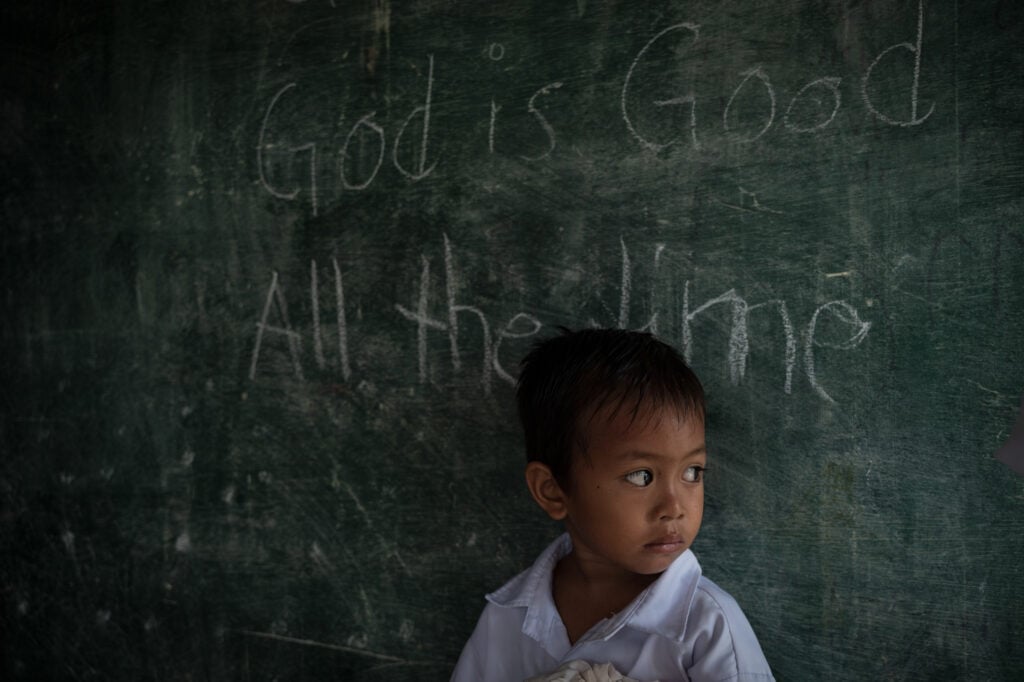


Courtesy Gab Mejia