From the underwear that went viral in 2021 to international collaborations, the brand born in Seoul turns biker aesthetics and hip-hop culture into a recognizable language: rough, raw and unconventional.
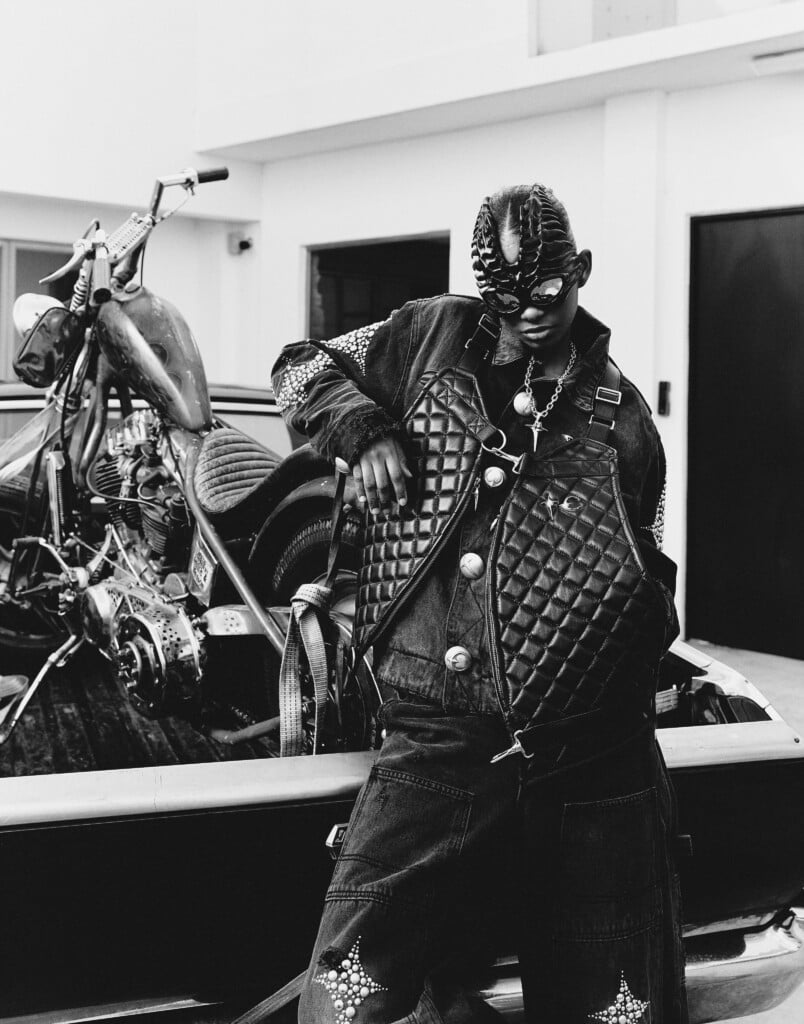
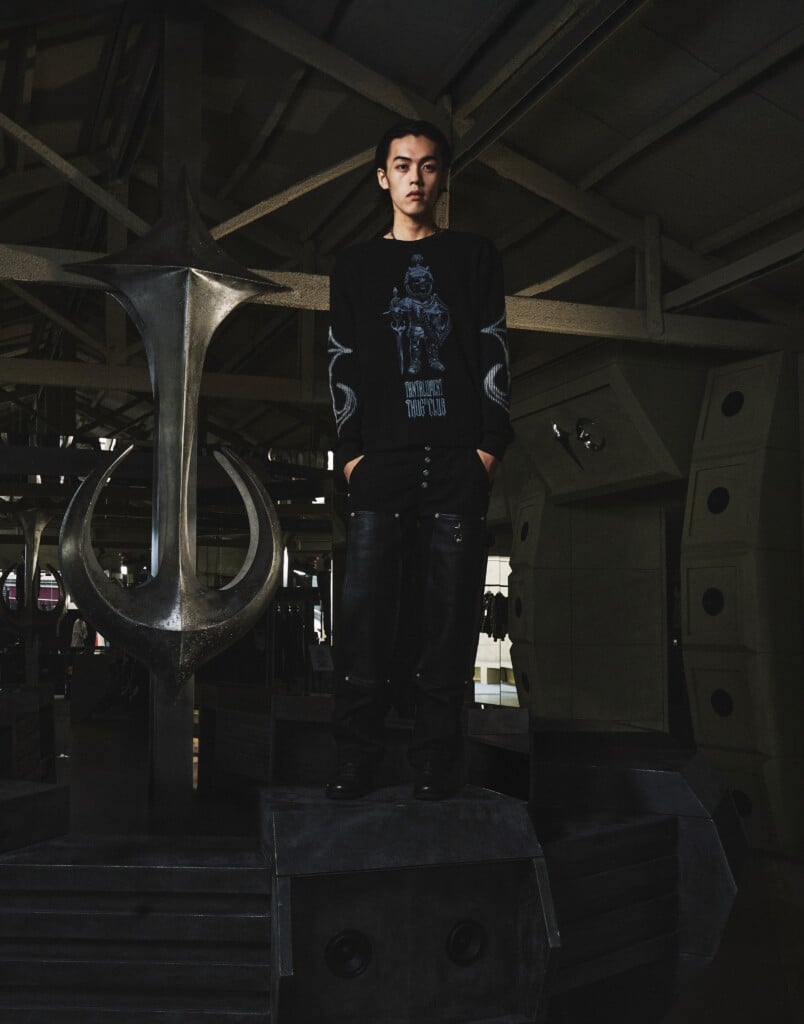
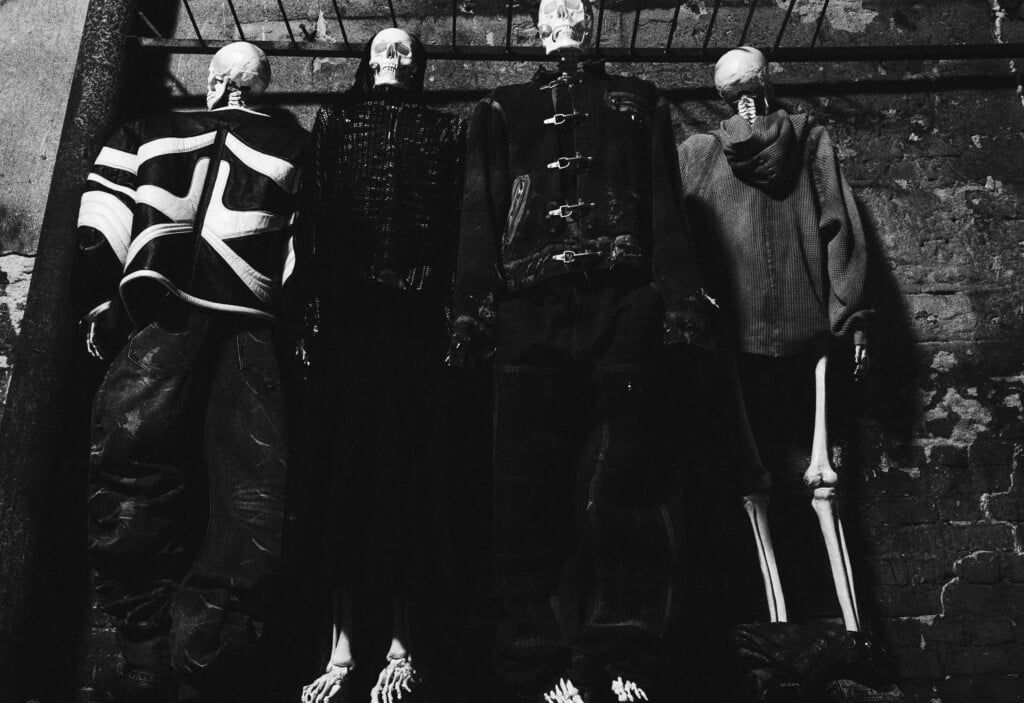
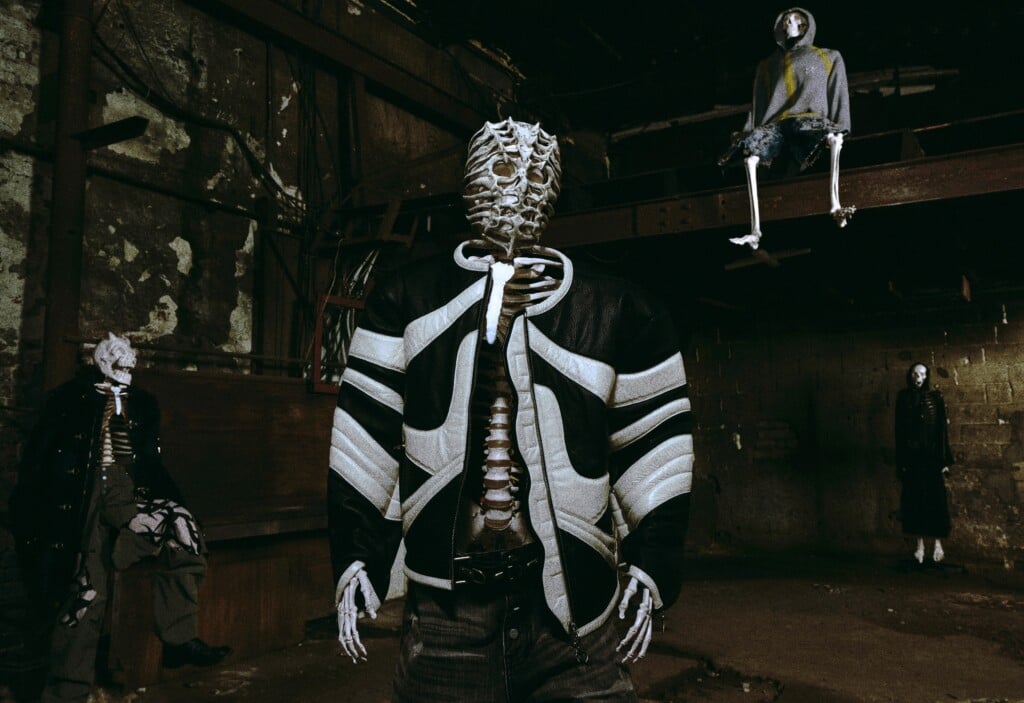
THUG CLUB is a brand that doesn’t try to stand out through a logo, a silhouette or a color, but instead seems to start from a different question: what happens when the codes of the street meet an almost medieval imagery made of armor, studs, metal and worn-out clothes? The answer takes shape in Seoul, where the South Korean brand has built an identity that escapes the more reassuring categories of streetwear. Its pieces seem to come from a dystopian future, from an underground garage or from a universe where clothing becomes a declaration of independence.

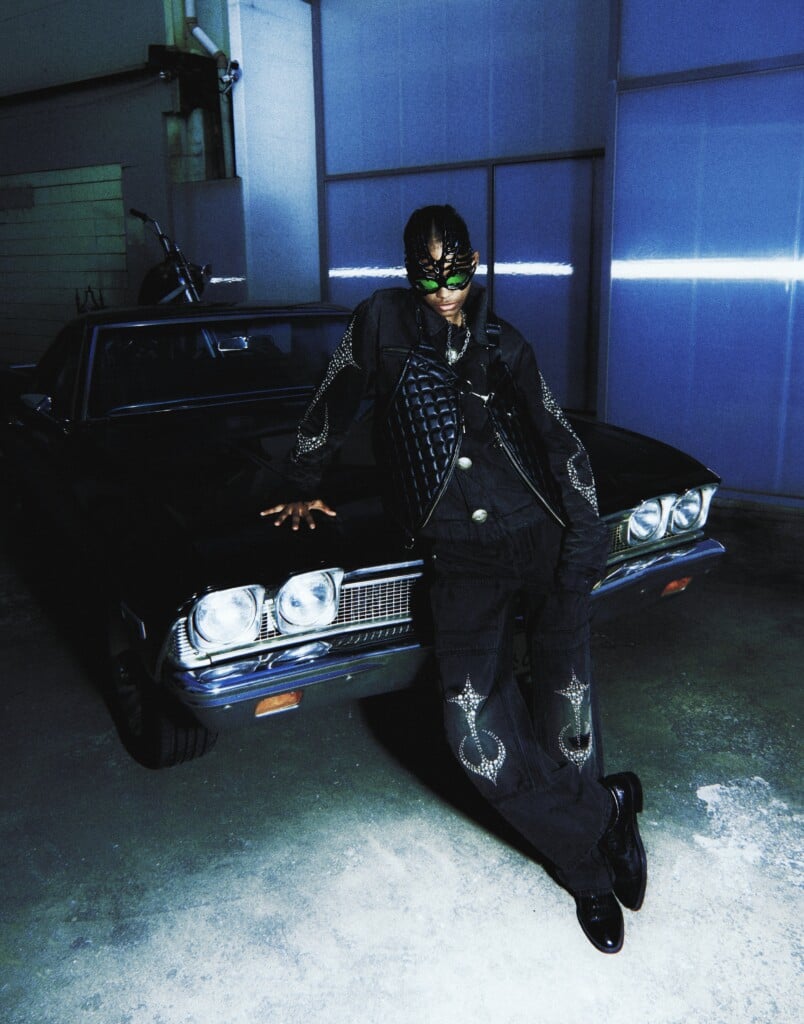
Founded in 2018, THUG CLUB grew on the margins of the more conventional fashion circuits, until it won international attention. Its journey also reveals another side of the South Korean creative scene: alongside the visual precision of K-pop and the refinement of many contemporary brands, there is a more aggressive, imperfect and irreverent streetwear that doesn’t need to make itself immediately understandable to attract attention.
A story born outside the rules
At the origin of THUG CLUB is Yeong Min Cho, known online as Thug Min, who started the project in 2018 after studying fashion design in Seoul and building a presence on social media. The brand was born in an independent dimension, with initially limited production and a direct relationship with a community of enthusiasts. In 2021, Kwon Jiyool joined the project, becoming involved in the development of the creative direction and helping to define an increasingly precise aesthetic identity.
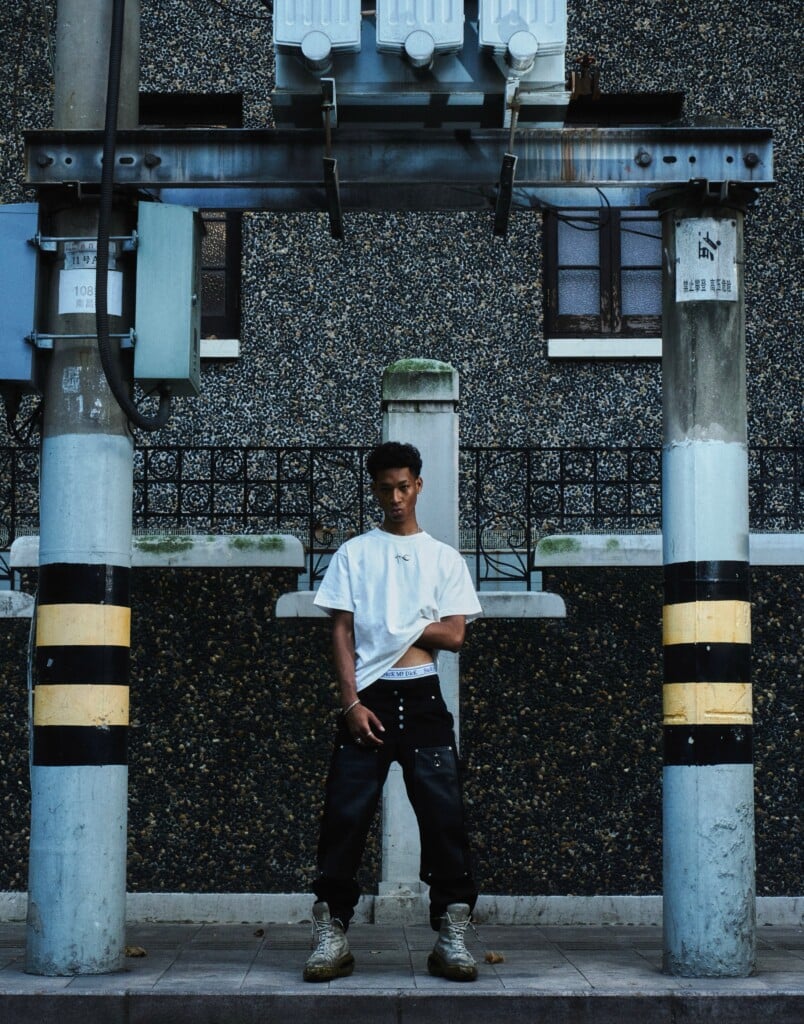
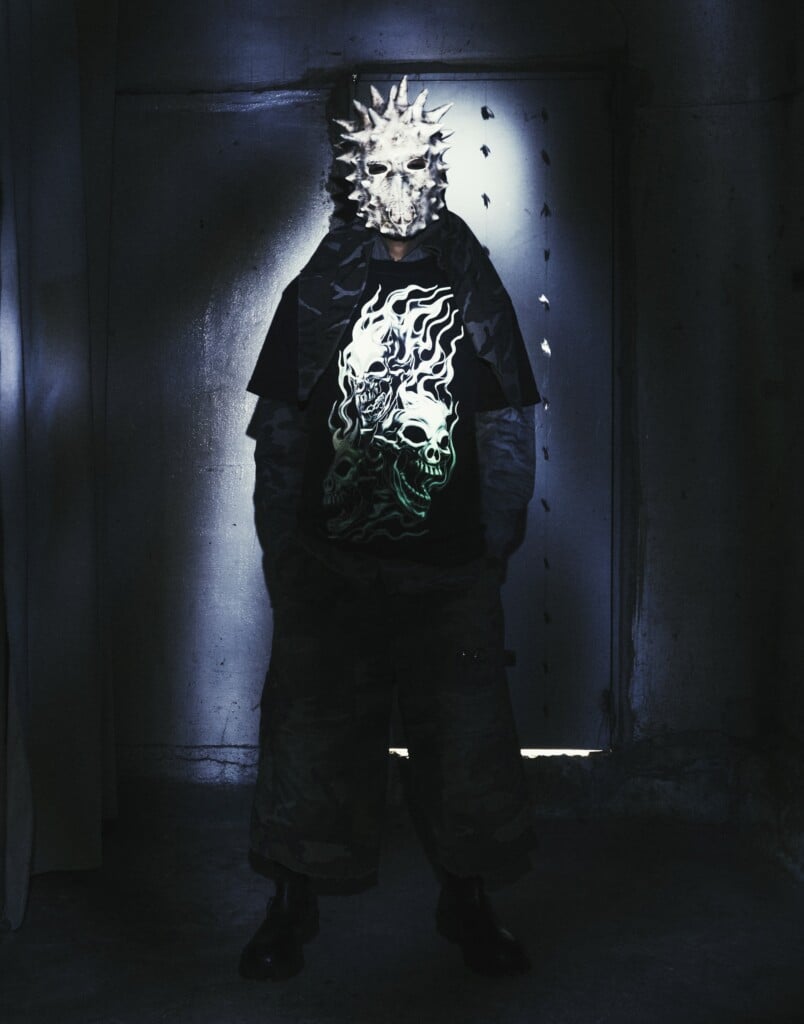
The idea behind the name is less about simple provocation than it might seem. THUG CLUB builds its imagery around the freedom to dress without having to answer to a predetermined aesthetic. Its universe draws on hip-hop culture, motorcycle subcultures and a punk attitude that rejects the need to look tidy, polished or conformist. It is fashion that doesn’t try to erase the signs of wear, but turns them into distinctive elements.
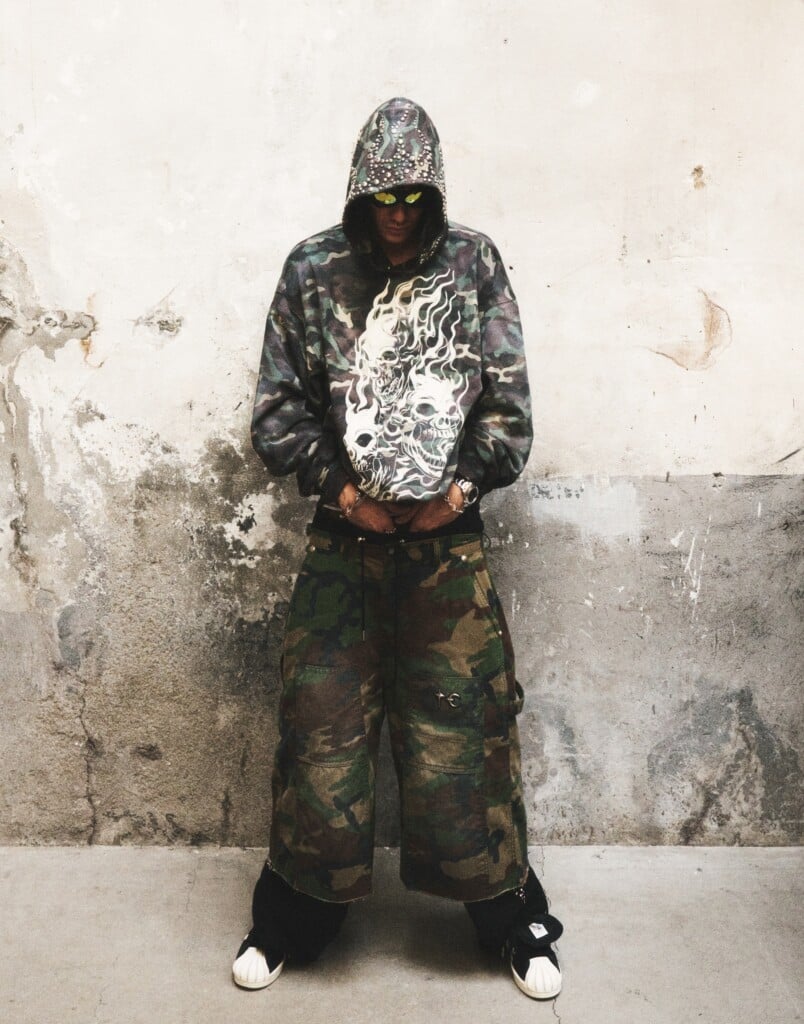
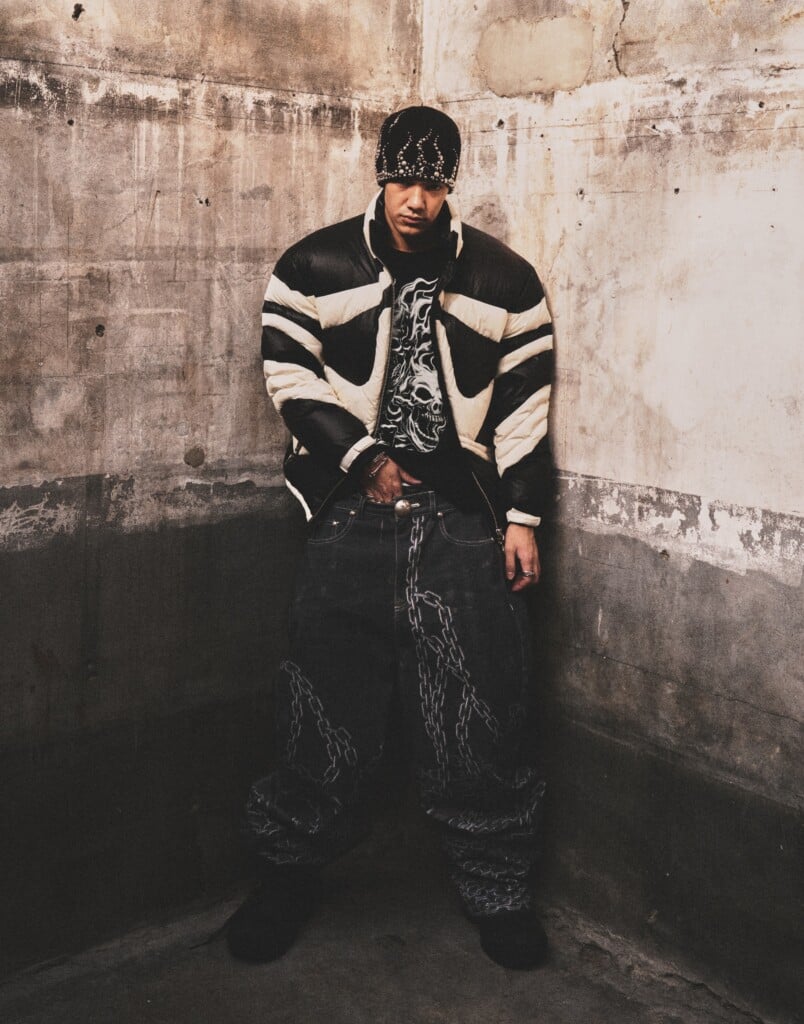
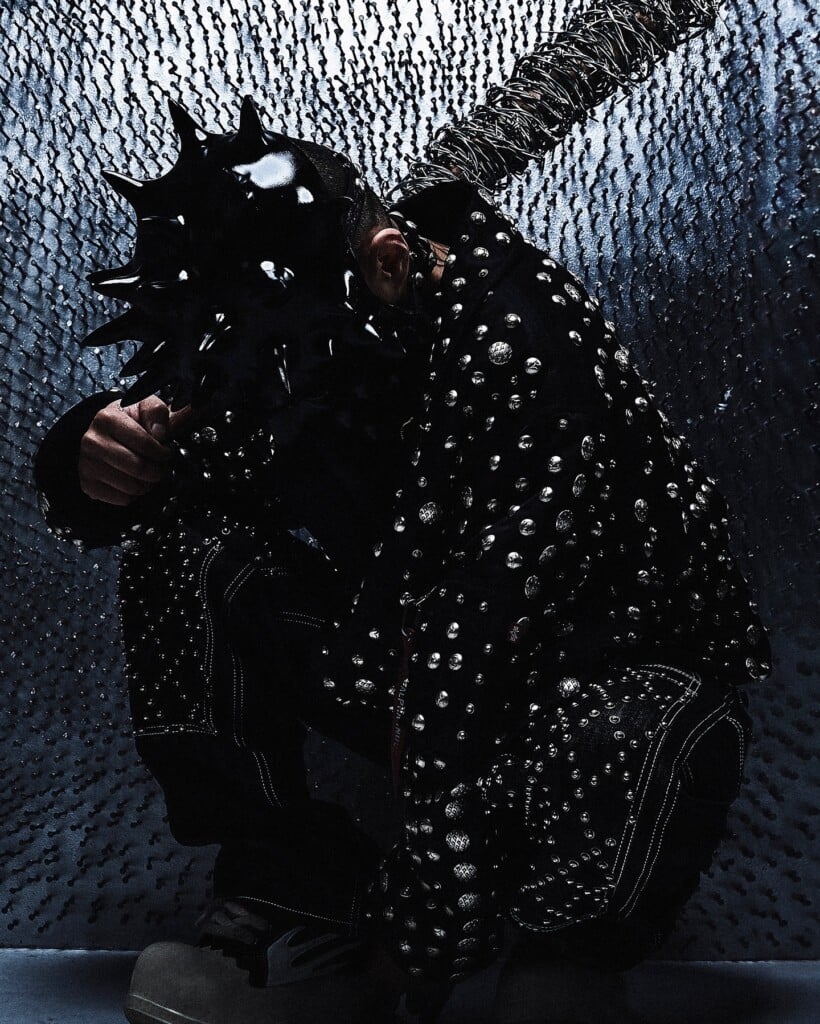
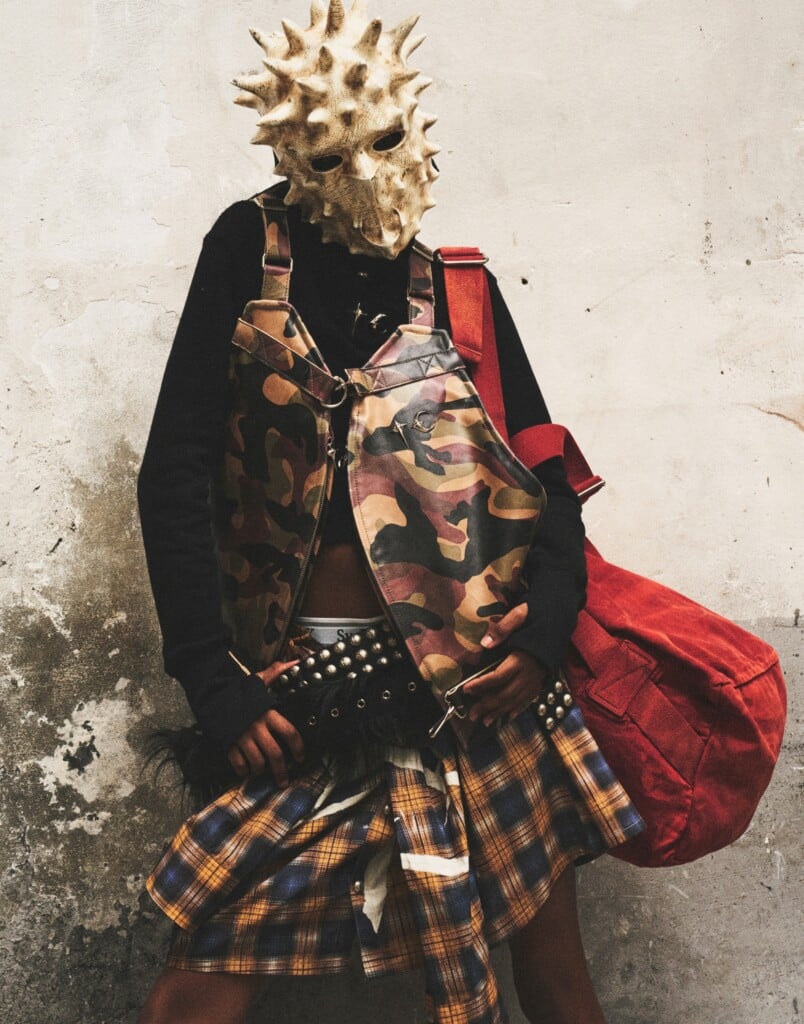
This philosophy translates into a wardrobe made of denim with lived-in washes, baggy trousers, structured sweatshirts, leather jackets and metal details. Proportions are often exaggerated, surfaces look marked by time, and the decorative details recall protections, armor and accessories belonging to an almost warrior-like aesthetic. The result is a balance between everyday clothing and theatrical construction: pieces designed to be worn, but capable of radically changing the presence of the people who wear them.
Success came through a pair of boxers
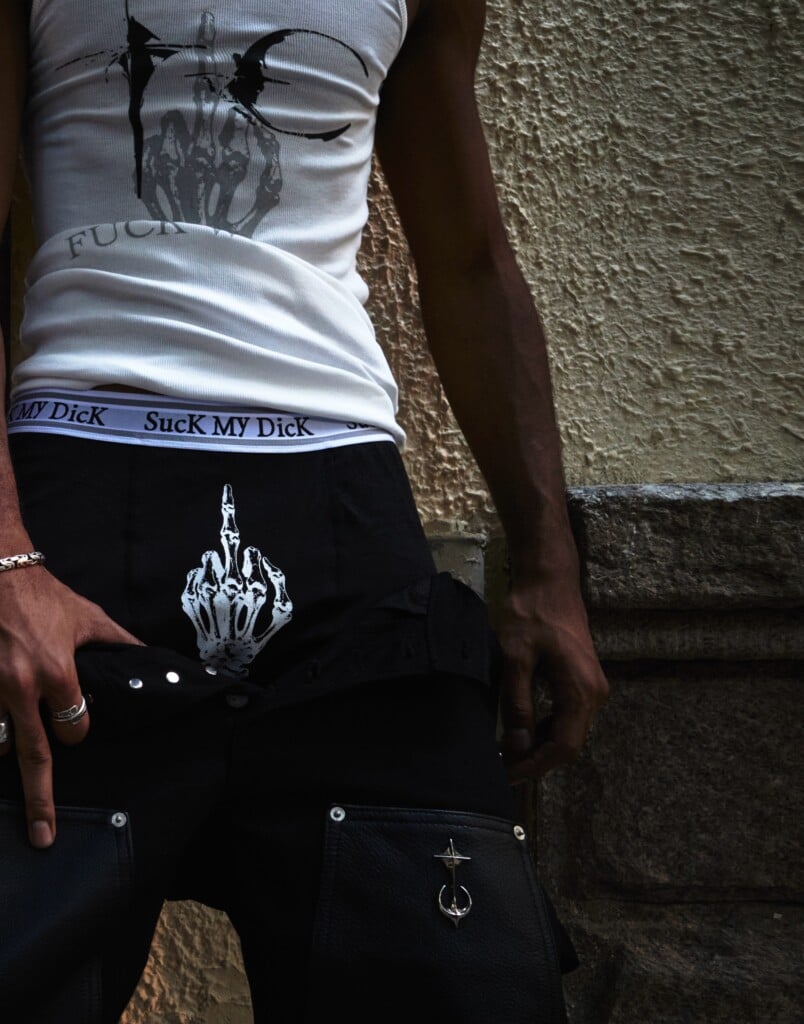
In THUG CLUB’s journey there is an episode that tells a lot about its approach to communication. In 2021, a pair of boxers with the explicit phrase Suck My Dick on the waistband went viral on social media. An apparently simple product, turned into a recognizable object thanks to a deliberately cheeky phrase, broke down the barrier between provocation, irony and desirability.
The success of that piece was not just a stroke of luck. In a digital landscape saturated with images and brands competing for a few seconds of attention, THUG CLUB proved it could condense its attitude into an immediately readable element. The phrase became a mark of recognition, while its spread online took the brand beyond its initial circle of enthusiasts. Among the artists who contributed to its visibility are A$AP Rocky, SZA, DaBaby and Central Cee, along with names from the South Korean scene.

But stopping at the boxers episode would mean reducing the brand to a viral stunt. Its identity is consolidated above all through the way it handles materials, volumes and cultural references. Provocation is the entry point; the aesthetic language is what allows the project to evolve.
Between biker, hip-hop and contemporary armor
Looking at the collections, it’s hard to trace THUG CLUB back to a single influence. The jackets recall motorcycle clothing, the denim carries the legacy of American workwear, and the oversized sweatshirts belong to the vocabulary of streetwear. Interrupting this familiarity are details that push the pieces toward darker territories: metal emblems, studs, asymmetrical constructions and graphics that evoke protections and imaginary uniforms. It is precisely this tension that makes the brand interesting. THUG CLUB doesn’t just reproduce the codes of biker or hip-hop clothing, but reassembles them into a personal vision, in which functionality coexists with an almost theatrical aesthetic. A work trouser can become a style statement; a sweatshirt can take on the presence of armor; a jacket can suggest a character before even telling who is wearing it.
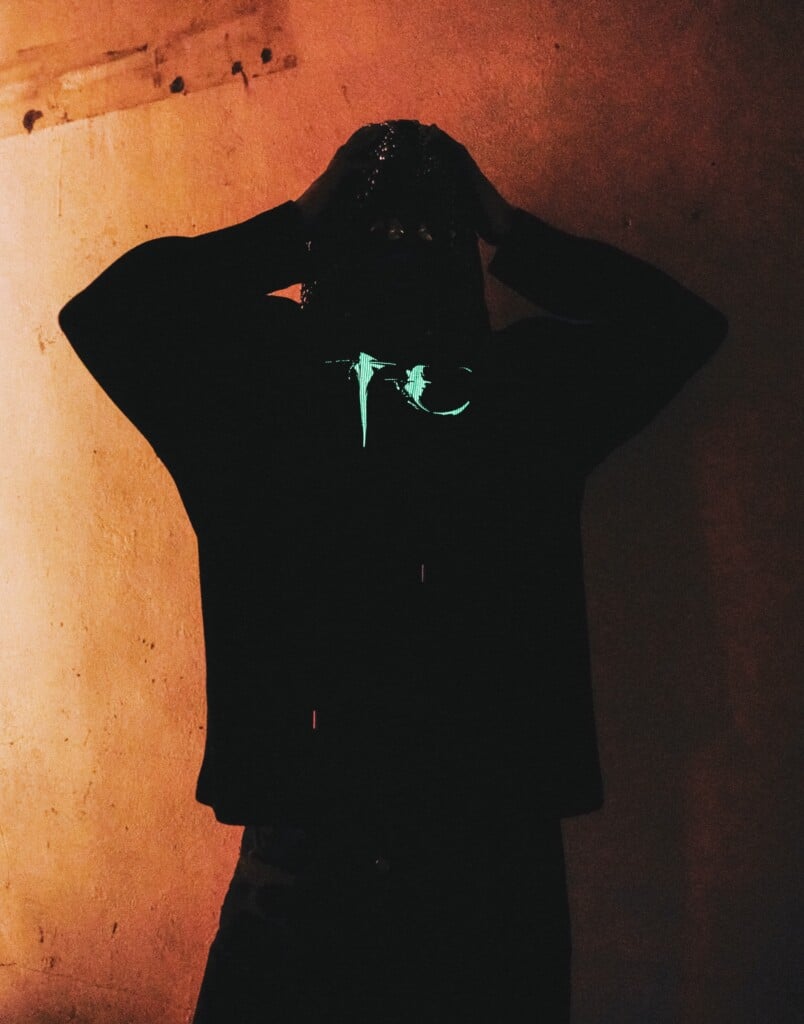
The TC logo also plays a central role. Repeated on garments and accessories, it helps create a coherent visual identity, without relying entirely on the recognizability of the name. The brand thus works on two levels: on one hand the building of a community that recognizes its codes, on the other the ability to produce strong images, understandable even to those approaching its universe for the first time.
From Seoul to the world, without losing its identity
In July 2023, THUG CLUB opened its first flagship store in Seoul, in the Itaewon neighborhood. Called TC Castle, the space takes the brand’s imagery and translates it into a physical place, with the logo as the protagonist and a strong presence of music-related elements. It is not just a point of sale: it represents an important step for a project born in an independent dimension, which begins to build a more direct relationship with its audience.
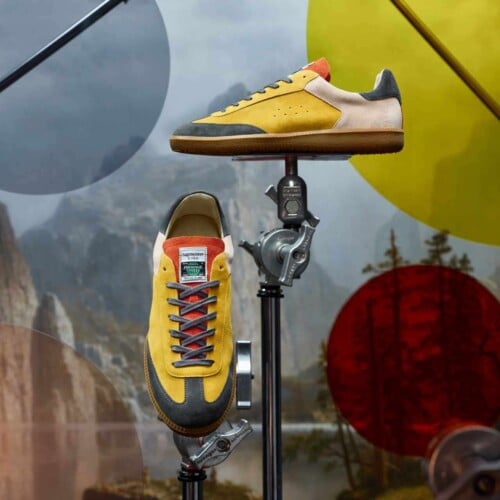
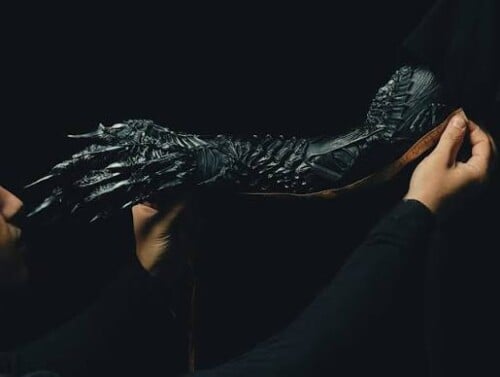
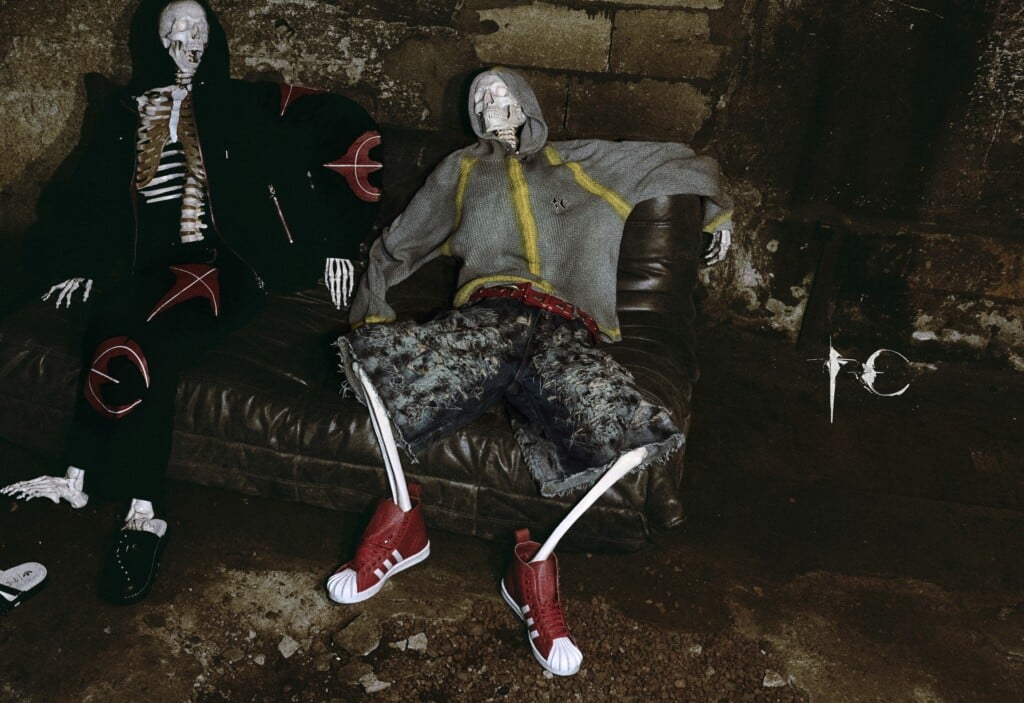
Around the same time came collaborations with established players: in 2023 the brand worked with MCM on a selection of denim pieces and with Gentle Monster on a series of sunglasses. In both cases, working with companies with a strong identity allowed THUG CLUB to bring its language into different categories, without abandoning the metal details and the attitude that characterize its collections. Another significant step is the one with adidas Originals. After a first capsule distributed exclusively in South Korea, in 2025 the two brands presented a collaboration aimed at the global market. adidas’ sporty silhouettes are reinterpreted through asymmetrical zips, studded details and graphics that incorporate references to fencing, a discipline Kwon Jiyool practiced in his youth. The classic Superstar is also revisited with a high-top construction.
It’s an interesting meeting because it brings together two different approaches to clothing: on one side a sports archive known all over the world, on the other a brand that prefers to distort existing codes rather than merely quote them. The collaboration takes THUG CLUB onto a broader platform, but also makes evident its ability to intervene on already recognizable products without giving up its own imprint.
Dressing as a form of self-determination
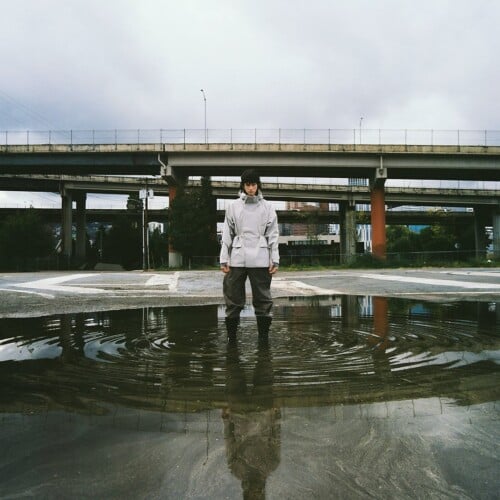
THUG CLUB’s growth comes at a time when South Korean fashion is expanding its influence well beyond national borders. Yet the brand’s strength doesn’t lie simply in being Korean or in belonging to a scene that has become increasingly visible. It lies rather in the ability to build an imagery that doesn’t try to please everyone.
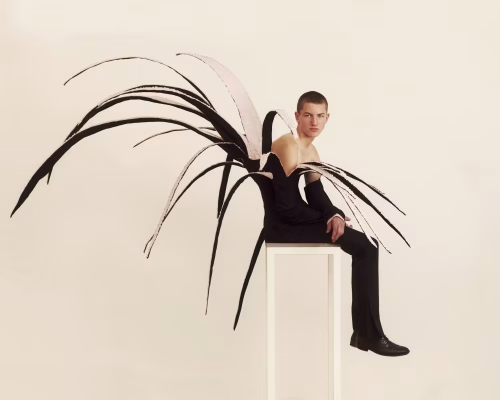
Its collections work on excess, irregularity and contamination. They don’t aspire to the polished perfection of an essential wardrobe, nor do they rely exclusively on nostalgia for the subcultures of the past. They take familiar references and make them harder, more theatrical, at times almost dystopian. In this sense, THUG CLUB doesn’t just propose an aesthetic, but a way of understanding dressing as a stance. The shift from an independent project to international collaborations could easily turn a language born in the underground into a commercial formula. The challenge for the brand is to keep evolving without making harmless the element of unpredictability that has defined its identity from the beginning.