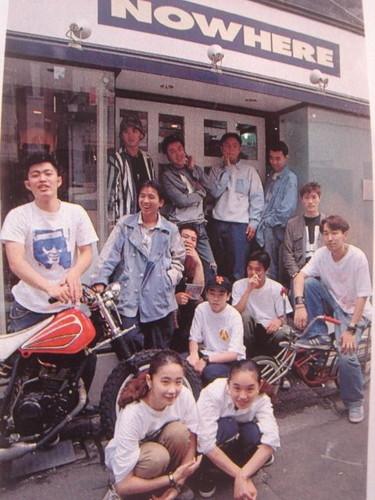
For a long time, telling the story of Japanese streetwear meant talking about Harajuku, hard-to-find sneakers, graphic T-shirts and the kind of collaborations capable of turning a garment into an object of desire. In the 1990s, the Urahara scene helped redefine the relationship between fashion, music and urban culture, giving rise to an imaginary that still influences designers and creatives around the world today.
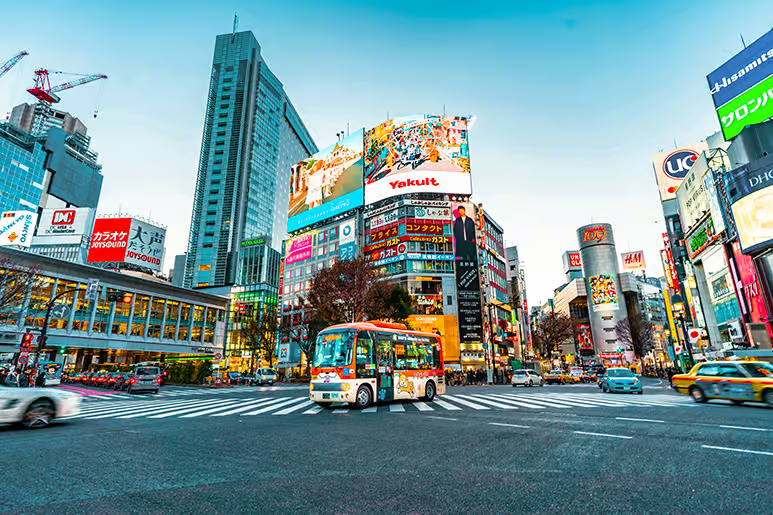
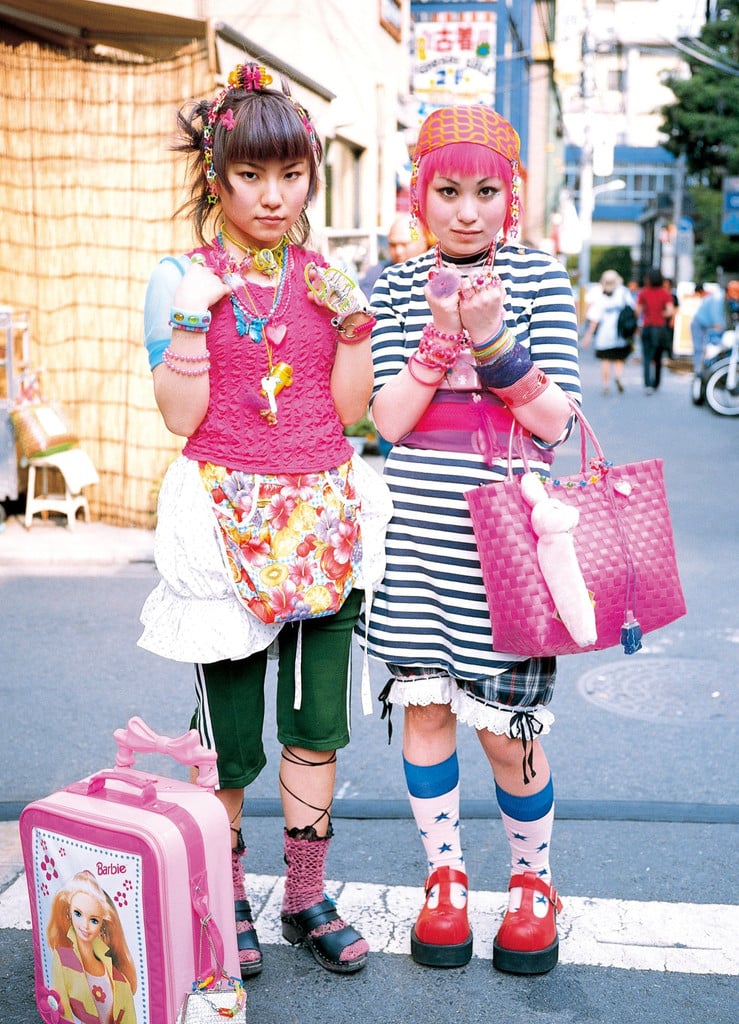
But reducing Japan to that era means losing sight of everything that happened afterwards. Alongside a streetwear driven by trends and the desire for exclusivity, a different way of understanding clothing has developed, in which what makes the difference is not necessarily a recognizable logo or an exclusive collaboration, but the construction of a garment, the choice of a fabric and its ability to respond to concrete needs.
Japan’s new urban wardrobe increasingly looks to worlds that seem far removed from fashion: outdoor clothing, fishing gear, technical materials and fabric research. Silhouettes get wider, pockets take on a central role and functional details become an integral part of the aesthetic. It is not just a question of fit, but of a different way of thinking about what we wear.
In this landscape, Goldwin 0, DAIWA PIER39 and nanamica represent three interesting perspectives. From material experimentation to the world of fishing, to the meeting of technical clothing and everyday life, these brands show that streetwear can find new directions without necessarily chasing the next collectible.
Goldwin 0: when technology becomes aesthetic research
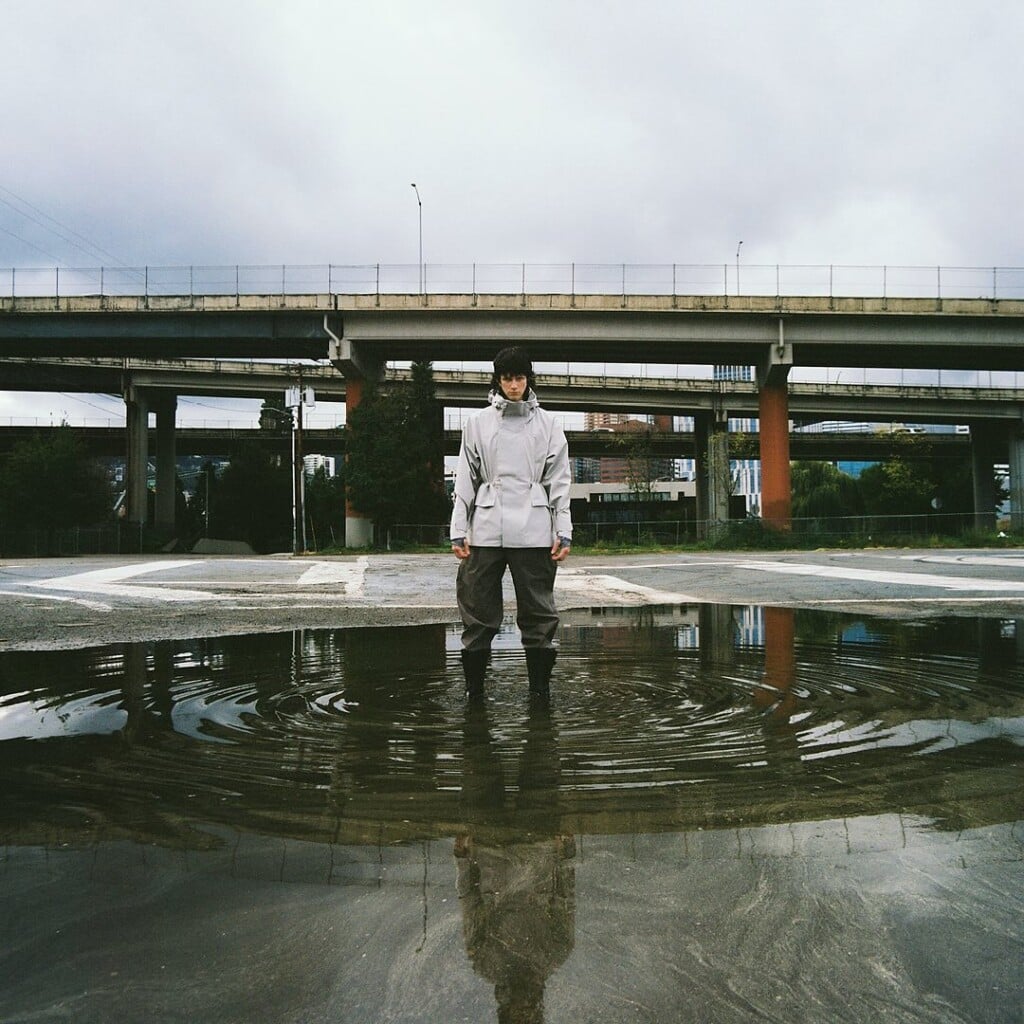
What if technical clothing didn’t serve only to protect us from cold, rain or wind, but also became a tool for rethinking the relationship between body, materials and environment? This is the perspective from which to read Goldwin 0, an experimental project born within the Goldwin universe, a Japanese brand with long experience in sportswear and outdoor clothing.
Unlike a wardrobe built exclusively around essential, easily recognizable pieces, Goldwin 0 uses research as its starting point. The collections explore new possibilities through shapes, constructions and materials, challenging some conventions of technical clothing. The result sits in a borderland between performance, design and experimentation. The silhouettes may look essential, but they conceal particular attention to proportions and to the relationship between the body and what envelops it. Volumes, layering and the choice of materials help create garments that don’t need flashy graphics to stand out. It is the construction itself that becomes the protagonist.
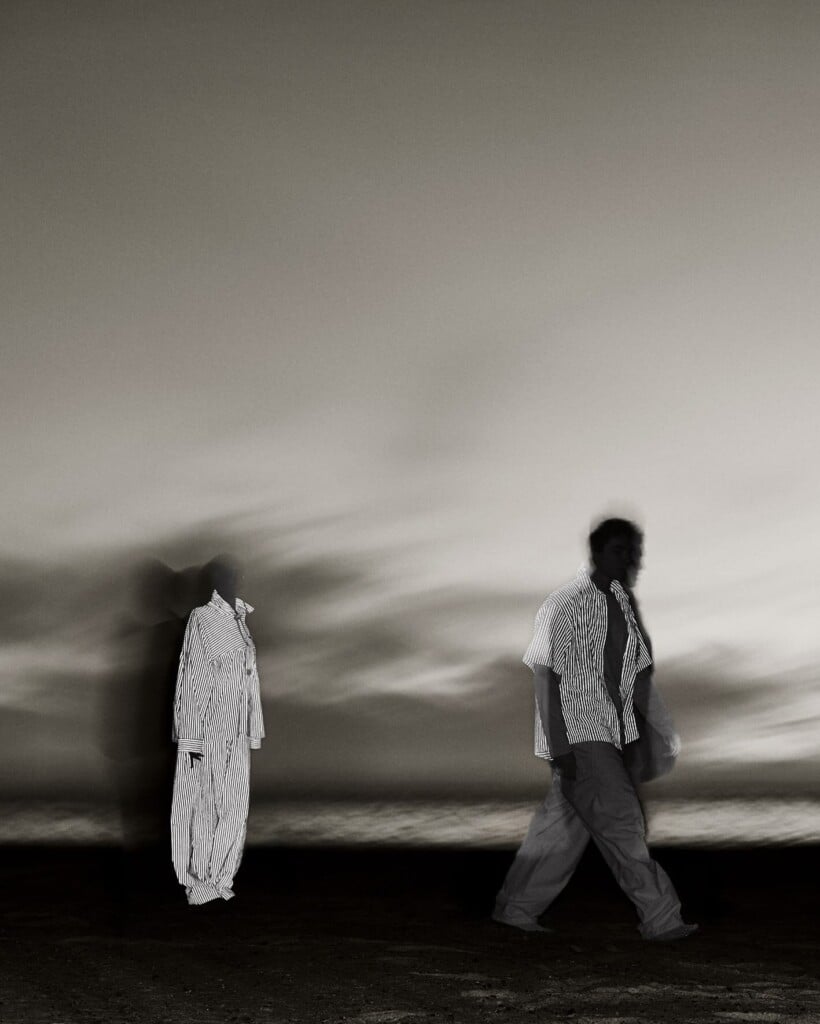
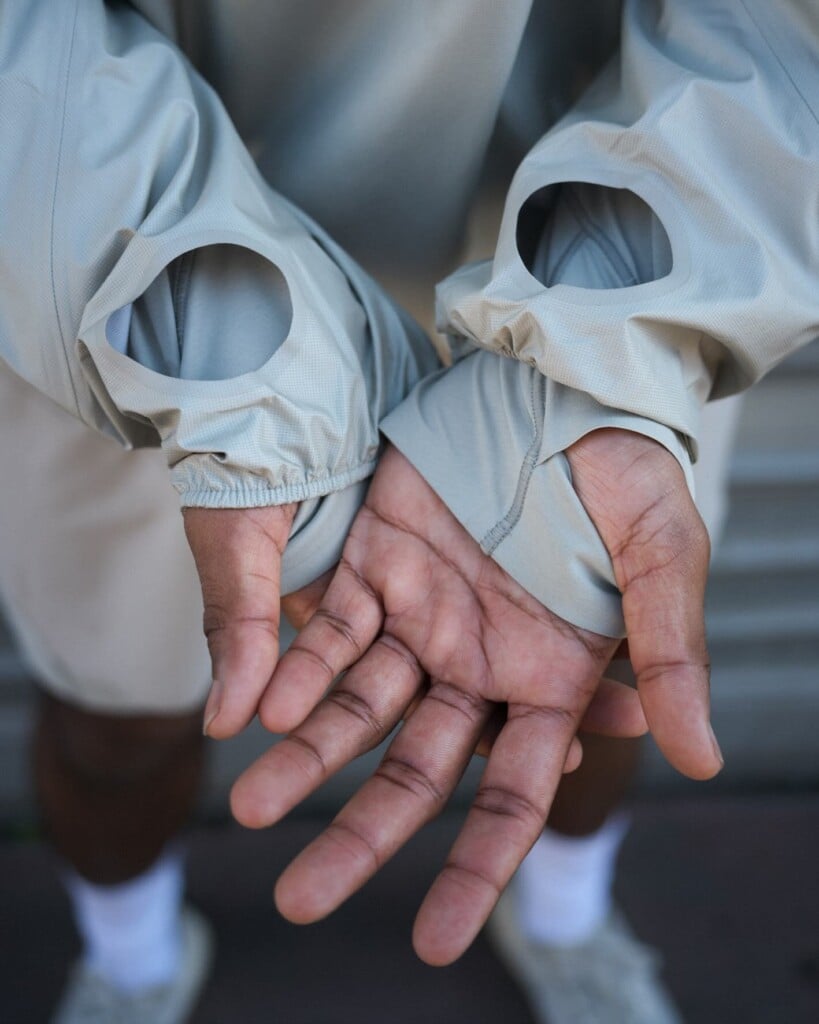

This approach points to an interesting direction for contemporary fashion: technology is no longer just a feature to be communicated through labels and technical specifications, but an element that directly influences the shape of a garment. A fabric, a seam or a particular construction can change the way a garment moves on the body and is perceived by the person wearing it.
Goldwin 0 thus brings the language of the outdoors into a more experimental territory, in which functionality does not exclude visual research. The clothing comes from a technical culture, but is not necessarily destined to remain confined to the mountains or sporting activities. It is precisely this freedom that makes it interesting in the discussion of Japanese streetwear. Instead of taking a traditional garment and simply updating its look, Goldwin 0 starts from the possibilities offered by materials and design to imagine new forms. The result is a wardrobe in which performance is not just something the garment must guarantee, but part of its aesthetic language.
DAIWA PIER39: dressing as if the city were a territory to explore
Fishing is not exactly the first thing that comes to mind when talking about streetwear. Yet it is from this very universe that one of the most interesting projects in contemporary Japanese menswear emerges.
DAIWA PIER39 reworks the experience of DAIWA, a historic brand tied to fishing equipment, translating its technical heritage into clothes designed for urban life. The project connects nature and city, bringing together the needs of those who love open spaces with those of people who move through the metropolis every day.
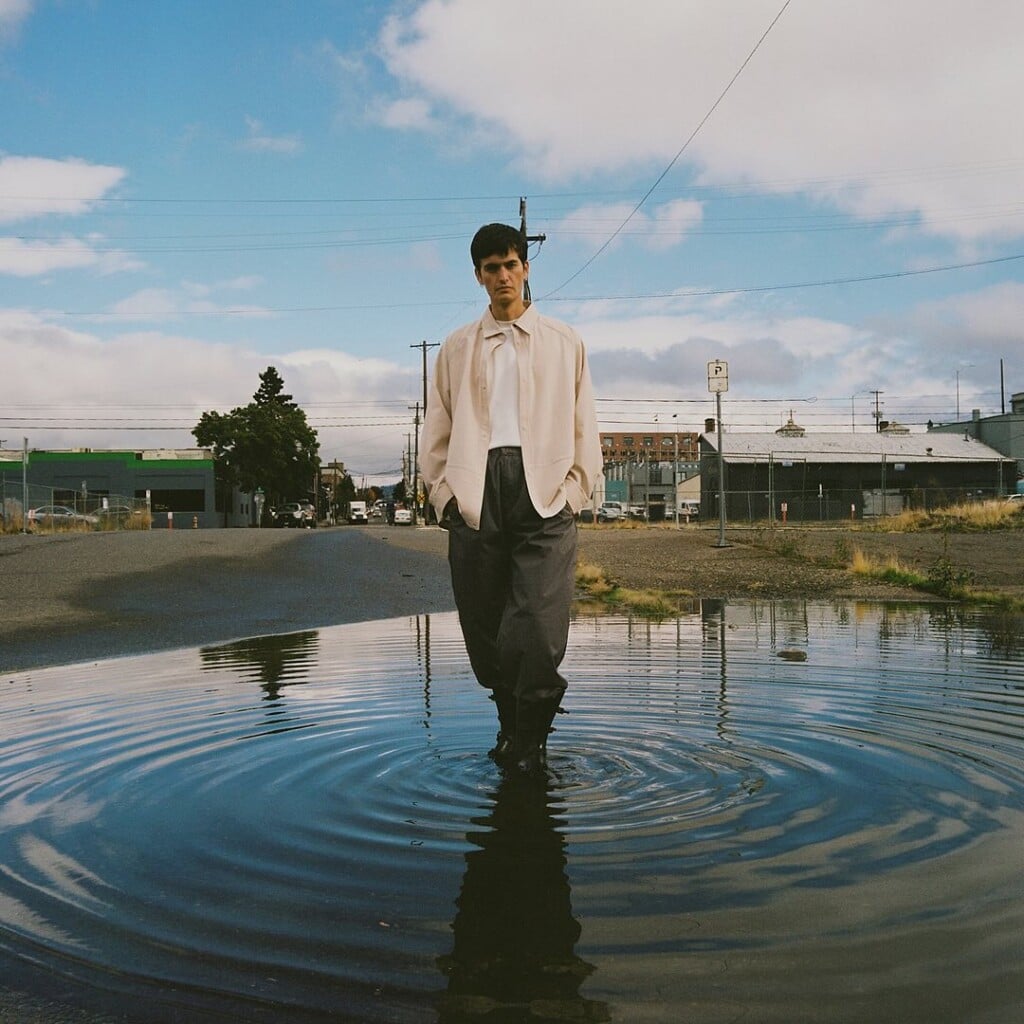
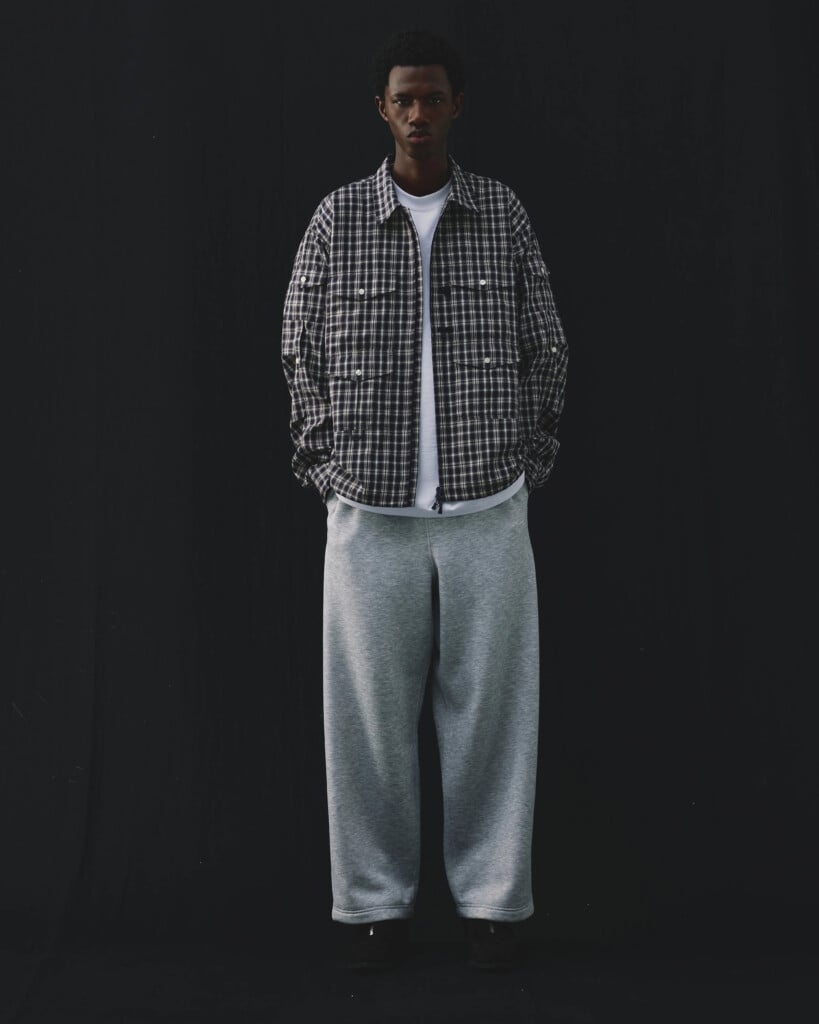
The result is not a simple outdoor collection with a few sporty details, but a wardrobe in which pockets become central elements of the silhouette, volumes leave room for movement and constructions draw inspiration from the equipment used by fishermen. Multi-pocket jackets, wide trousers and shirts with elaborate structures seem designed to hold, protect and accompany the wearer, without giving up a precise visual identity.
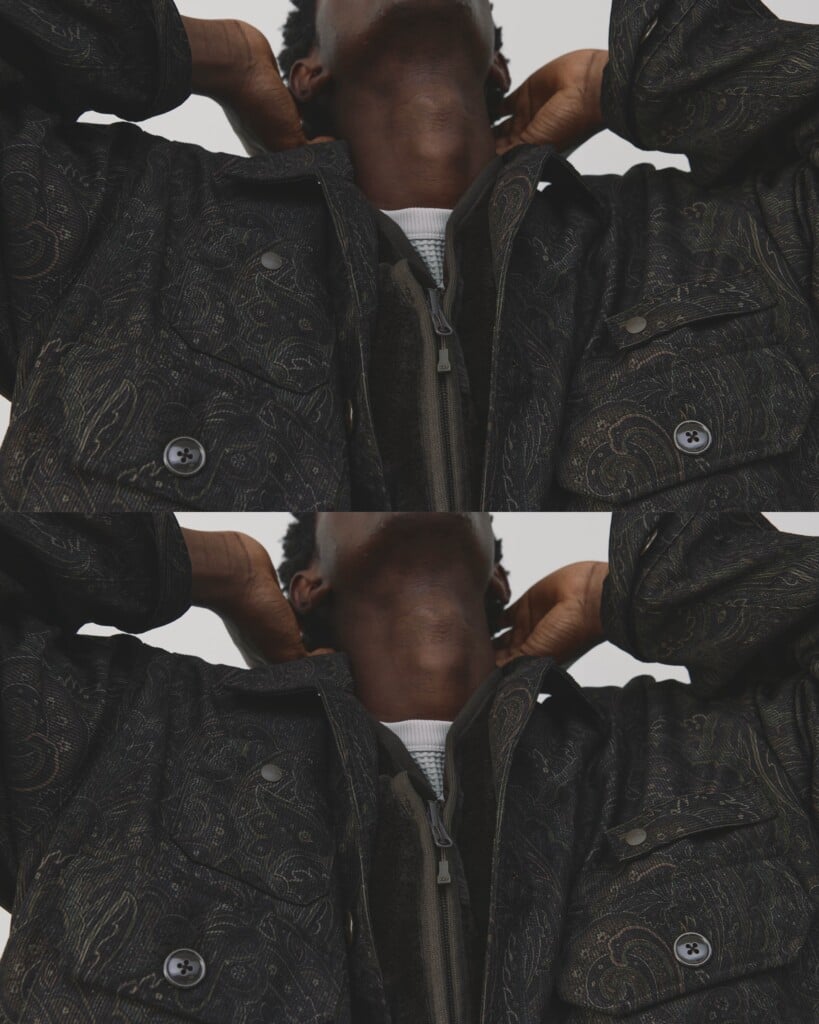
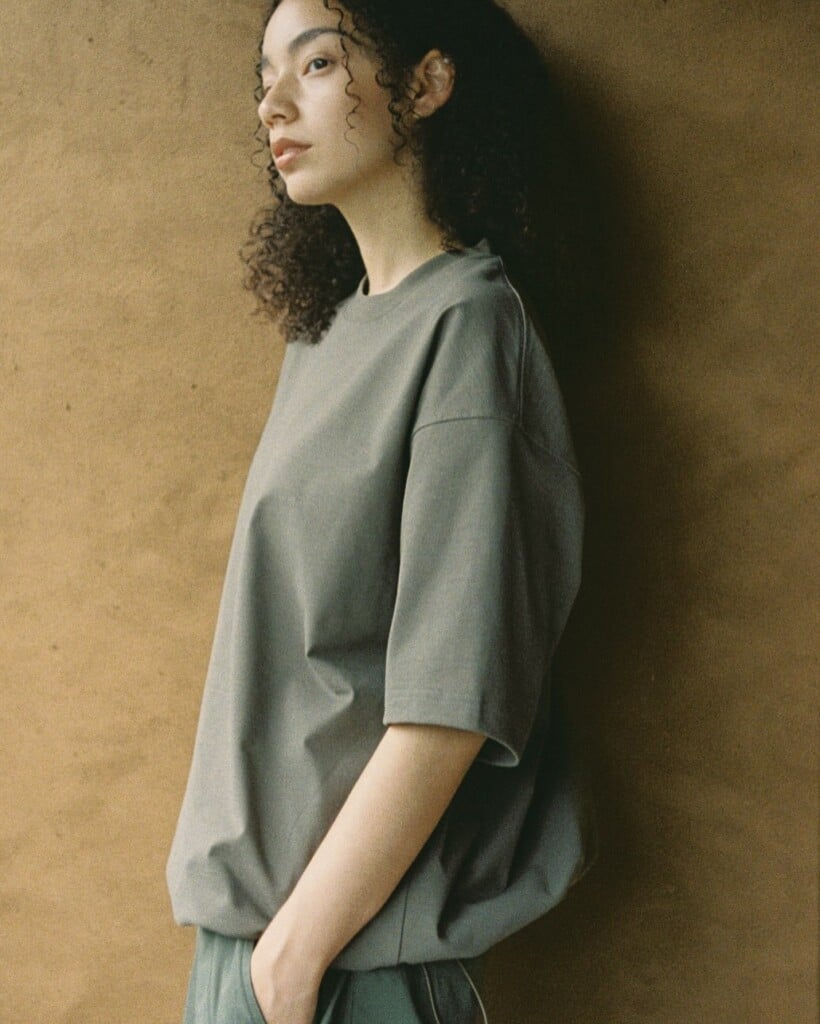
What sets it apart is the change of perspective. A pocket created to keep a lure, an accessory or a tool within reach can also become a useful solution for someone crossing Tokyo with a backpack on their shoulders. A technical detail thus becomes a design element, while a garment conceived for a specific environment takes on a new life in a completely different context.
The choice of oversized silhouettes also contributes to this result. Generous volumes evoke a conception of clothing in which freedom of movement and the possibility of layering play a fundamental role. The reference to fishing, then, is not just an aesthetic pretext: it influences the way garments are constructed and organized. DAIWA PIER39 shows that it isn’t necessary to constantly invent new shapes to make a garment interesting. Sometimes it is enough to observe existing objects carefully and understand how to adapt them to another reality. The city, in this vision, is not so far from a natural landscape: both are territories to cross, with different conditions and needs.
nanamica: the meeting point between functionality and everyday life
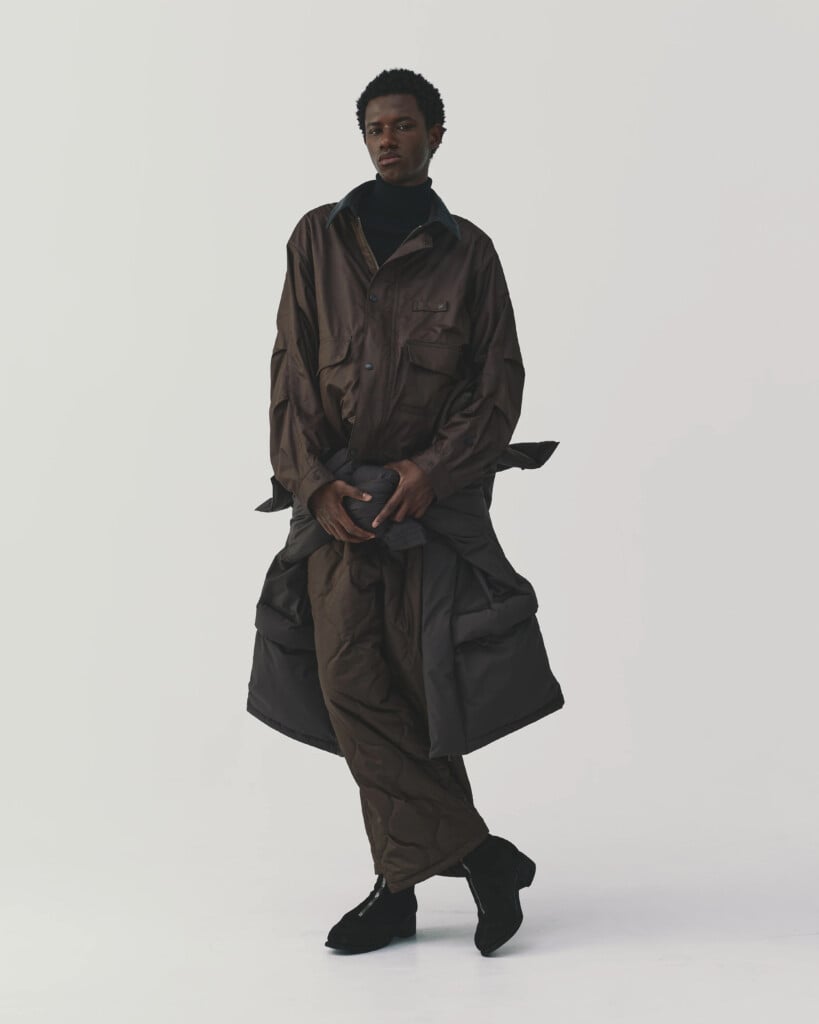
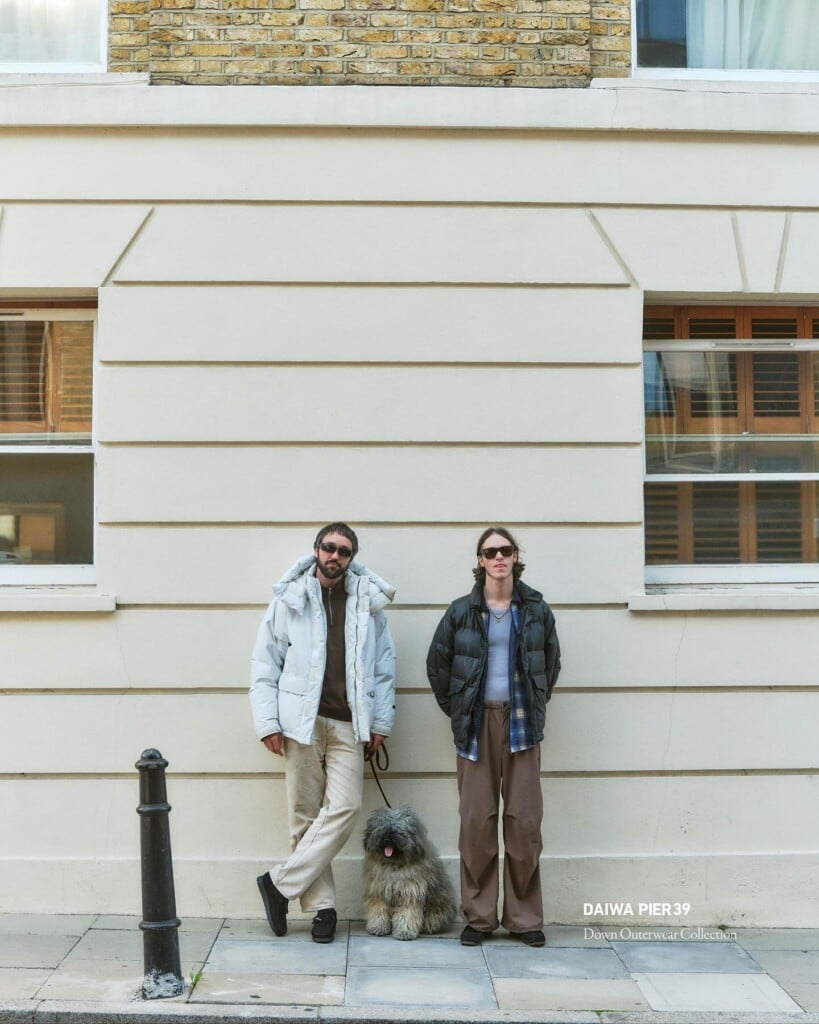
There is another way of bringing technical clothing closer to the city, and it is that of nanamica. Founded in Tokyo in 2003, the Japanese brand develops a vision of the wardrobe in which functionality, comfort and design coexist without any one of these elements necessarily prevailing over the others.
The name itself, which in Japanese evokes the idea of a house on the beach, suggests an imaginary tied to movement and outdoor life. But the project does not limit itself to borrowing the aesthetics of sportswear: it rather tries to bring its qualities into everyday life, building garments suited to different contexts.
Jackets, trousers, shirts and outerwear move between classic references and technical solutions. The shapes can recall the traditional American wardrobe, from workwear to sportswear, while fabrics and constructions respond to contemporary needs. It is precisely this contrast that defines nanamica’s identity: an often understated aesthetic, behind which lies careful research into materials and performance.
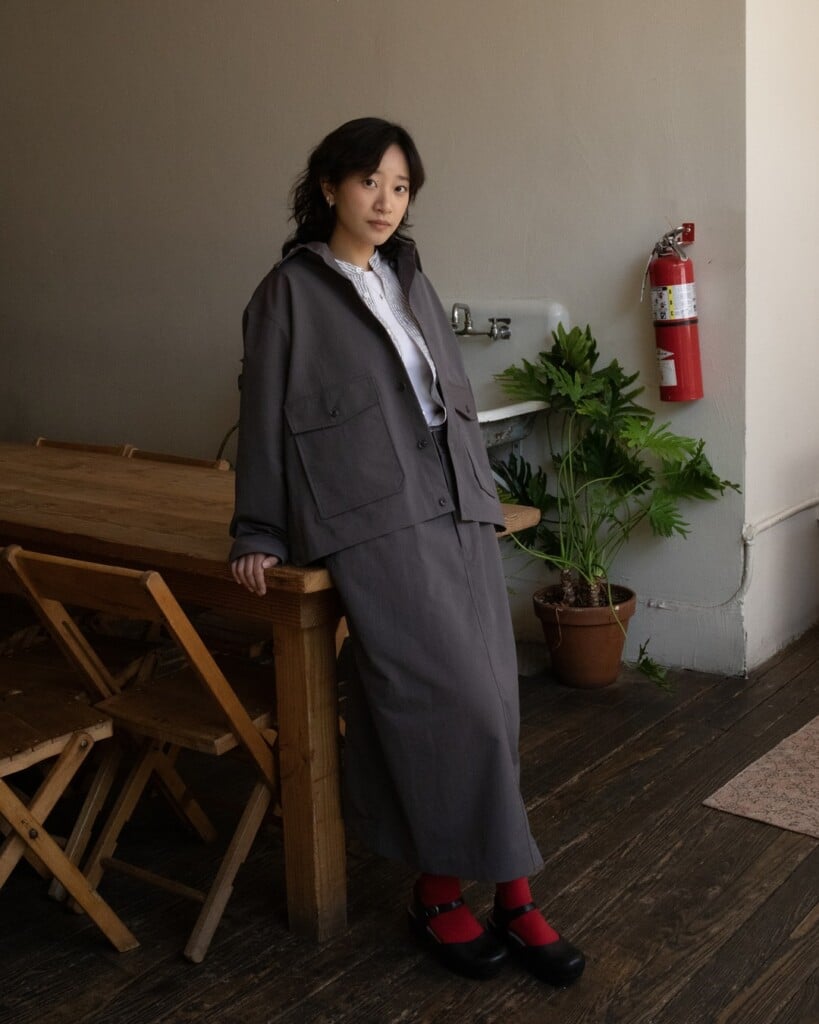
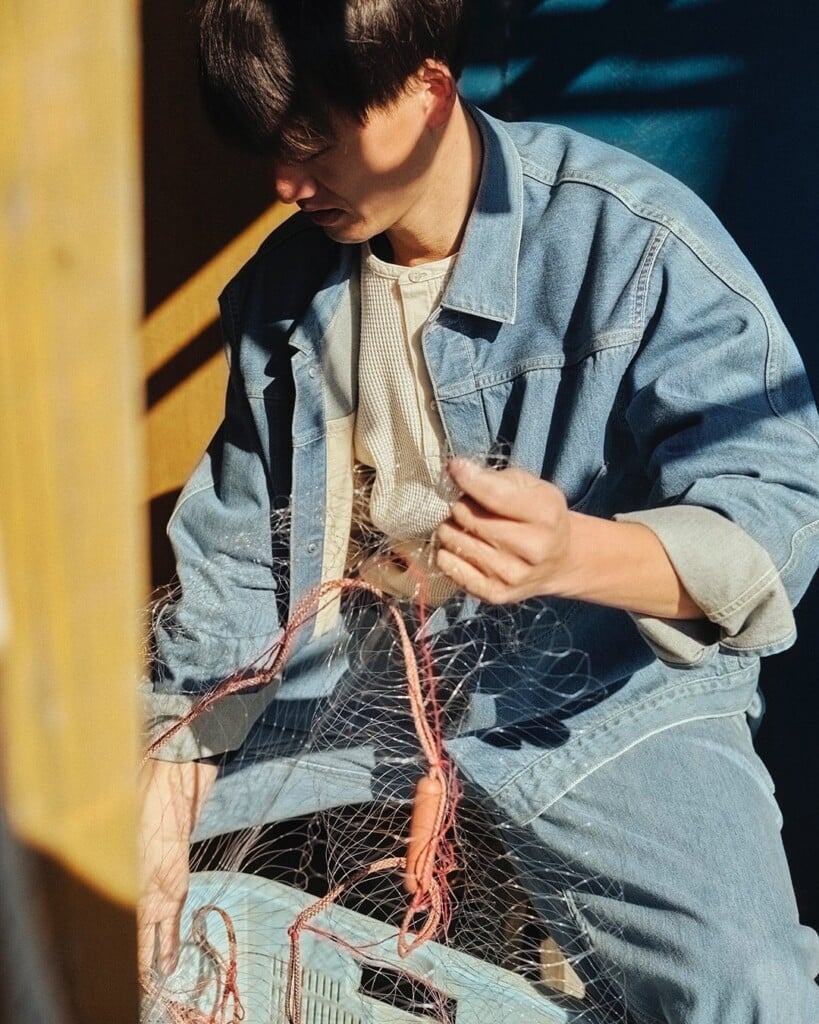
In this case, functionality does not necessarily manifest through an accumulation of pockets or showy details. It can be entrusted to a fabric able to handle variable weather conditions, to a construction designed to improve comfort, or to a silhouette that allows the same garment to be worn in different situations.
The idea is to reduce the distance between the technical wardrobe and the everyday one. There is no need to change after a day outdoors, nor to choose between an aesthetically interesting garment and one designed to be practical. The two aspects can coexist in the same piece. It is an approach that fits perfectly into the evolution of Japanese streetwear, especially at a time when the boundaries between sportswear, outdoor and urban fashion are increasingly blurred. The technical jacket is no longer just something to wear on a hike, just as work trousers do not belong exclusively to the professional world.
Nanamica works precisely on this transition, without needing to turn every garment into an aesthetic statement. Its identity emerges from its ability to make technical research part of a wardrobe that remains easy to read and to wear.
A new idea of the wardrobe
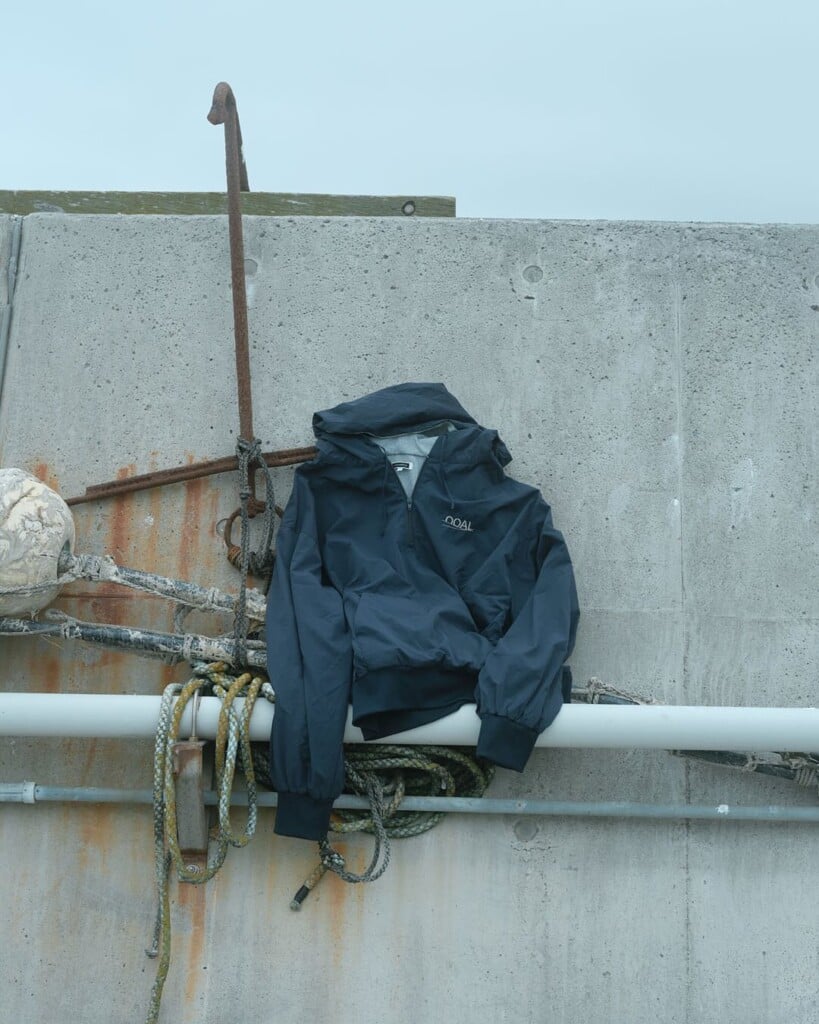
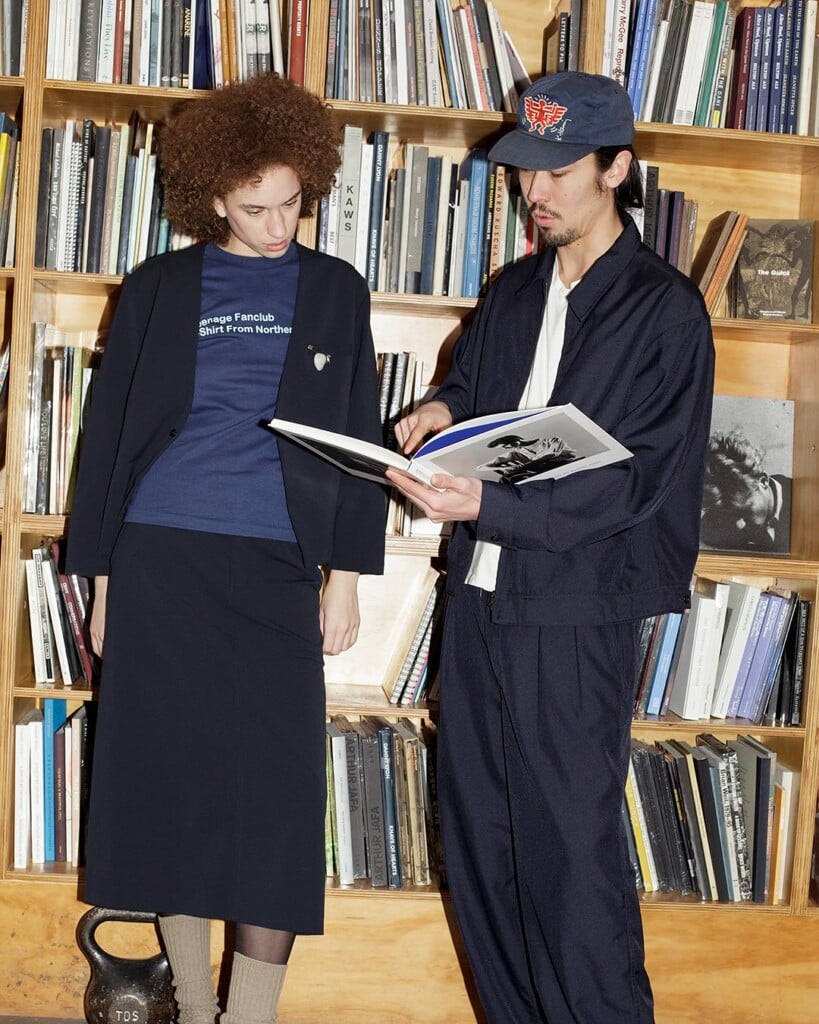
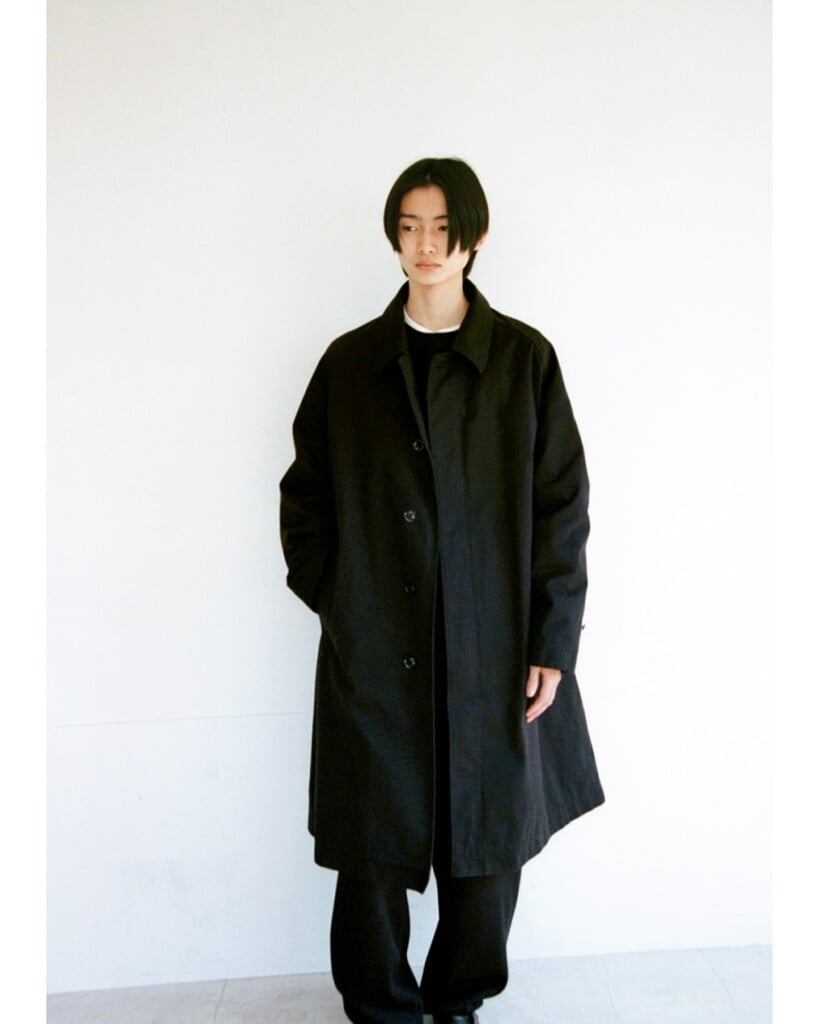
Goldwin 0, DAIWA PIER39 and nanamica do not represent the whole contemporary Japanese scene, nor do they mark a definitive break with Urahara culture. They show, rather, how the language of streetwear has broadened, opening up to references that don’t necessarily come from music, sneakers or collaborations between brands.
The differences between the three projects are significant. Goldwin 0 uses technical clothing as a testing ground; DAIWA PIER39 turns the needs of fishing into a repertoire of urban shapes and details; nanamica seeks a balance between performance and everyday life. Three different approaches, united by a desire to go beyond the mere appearance of the garment.
This is where Japanese streetwear finds its direction today: less in the search for a new symbol to be recognized from afar than in the ability to observe what surrounds us and turn it into something to wear. The mountains, fishing and the city stop being separate universes and become sources of inspiration that influence one another. Harajuku remains a fundamental part of the story, but it is no longer the only lens through which to read this culture. The new imaginary is also built through technical materials, functional constructions and garments designed to accompany the body in different contexts.