No, we’re not done talking about ugly things yet. Today, it’s all about the Ugly Shoe Trend, and on this occasion, we’ll be discussing the trends it has intercepted over the years and why we are so intrigued by ugly shoes. In recent weeks, Birkenstock, one of the brands that best represents this trend, has gone public. Although the financial aspect of this issue is particularly complex, it remains an indicator of the relevance of a brand that has been promoting this trend for years. But how did the Ugly Shoe Trend originate, and what are the shoes and variables that have shaped the evolution of this trend?
The Genesis of the Ugly Shoe Trend: From Birkenstock to Balenciaga’s Triple S
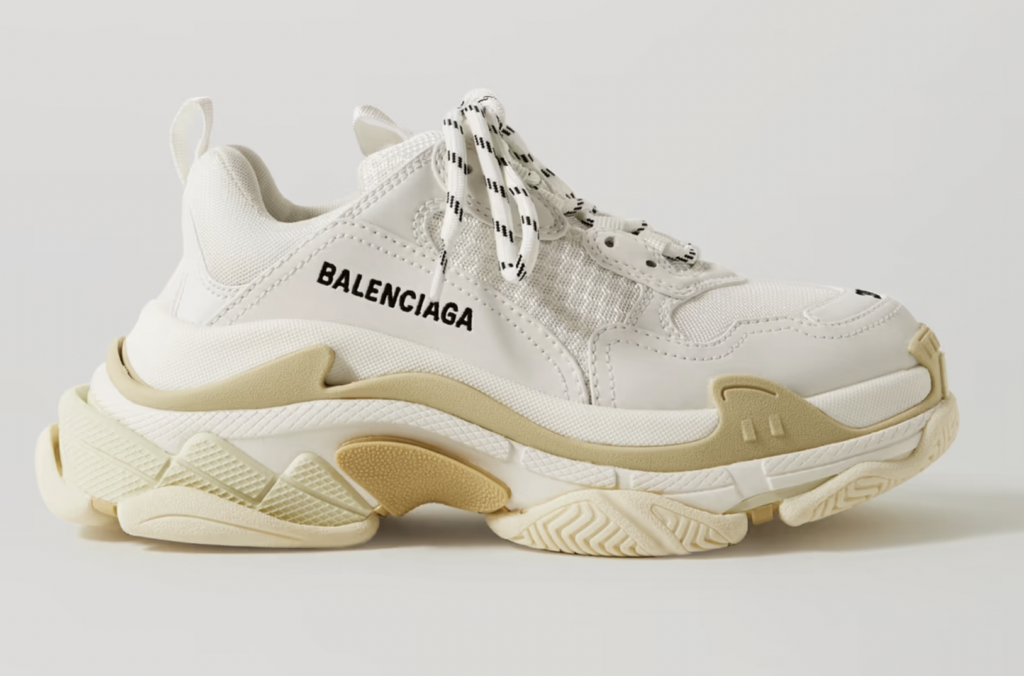
The genesis of the Ugly Shoe Trend may seem uncertain, but if we go back to Balenciaga’s Fall/Winter 2017 collection, we find the Triple S sneakers. These shoes became extremely popular due to a curious feature: they combined three different types of soles, one from running, one from basketball, and one from a track racer, instantly capturing the chunky dad sneaker trend. Ugly shoes are no longer just functional footwear; from this point on, they became genuine fashion statements. Notably, Birkenstock also played a role in this story. They first gained popularity in the 1960s and made a definitive comeback in the 1990s and early 2000s.
The case of Crocs also underscores the supremacy of ugly shoes, as they’ve initiated numerous collaborations in recent years, from Balenciaga to a partnership with Selehe Bembury. The trends picked up by the brand on TikTok are particularly interesting in the Ugly Shoe Trend landscape, ranging from the weird girl aesthetic to kidcore, and it seems that Crocs are here to stay. The collaboration with artist Anna Uddenberg for the launch of Balenciaga Crocs 2.0 in 2021 was remarkable. The artist created a series of sculptures wearing the result of this partnership.

Other Ugly Shoes
We’ve already discussed UGGs and how far they’ve come over the years. The brand’s somewhat mysterious history led to great success in the 1990s and the early 2000s before becoming the quintessential footwear for the “basic bitch” from the 2010s onwards. Subsequently, we witnessed an evolution that led the brand to collaborate with numerous other brands like Telfar, Palace, Collina Strada, and more, making a comeback in the wardrobes of hit girls.
Visualizza questo post su Instagram
The case of Margiela’s Tabi shoes, which went viral over the past year, has entered the common imagination as the quintessential niche shoes while remaining firmly in the category of ugly shoes, albeit conceptual. More than any other shoe, the Tabi sparks a conversation about fashion that is less mainstream but more conceptual, yet it manages to go viral, partly thanks to the curious case of the stolen Tabi.
@nextlevellexuss Girls and gays of TikTok please get to work 😭 #nycdating #tinderhorrorstories #hingedating #margielatabis #nyc#greenscreen ♬ bad idea right? – Olivia Rodrigo
Some Ugly Shoes Stay on the Runway but Go Viral
We haven’t discussed another type of ugly shoe: those that remain on the runway but travel as viral content on Instagram and other social media platforms. Before them, there were many iconic shoes that have contributed to the history of visual culture, such as Alexander McQueen‘s unforgettable Armadillo shoes or, more recently, Comme Des Garçons’ two-toed moccasins. Jonathan Anderson has also experimented with Frog shoes and other animal-inspired forms.

Why We Like Ugly Shoes
After this overview of ugly shoes, we continue to wonder why this trend continues to dominate the market. But above all, why do we still like these shoes? It could be that ugly shoes make us feel safe as the world falls apart, but there’s more to it. There are many other reasons that promise longevity to this trend. First and foremost, there’s comfort. We have, at least in part, abandoned the painfully uncomfortable stilettos or Cardi B’s beloved red bottoms. Wearing ugly shoes is also an act of rebellion: those who wear them resist the social construct that dictates conventional shoe shapes. Additionally, wearing comfortable, functional, and less visually appealing shoes can be seen as an indicator of taste, leading us to make unique choices. In short, if we reverse the logic of beauty standards, we also take responsibility for making bolder choices. Let’s not forget the need for escapism that characterizes the spirit of our time; sometimes, dressing more extravagantly than usual grants us the freedom we need in such polarized times.