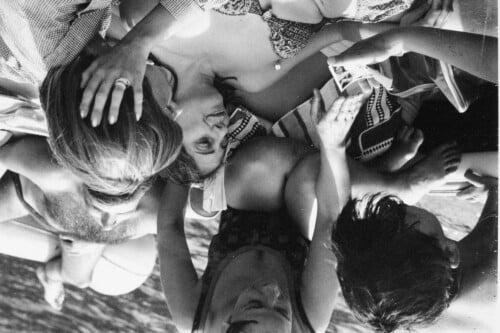
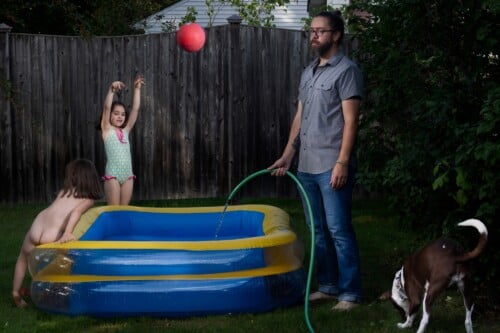
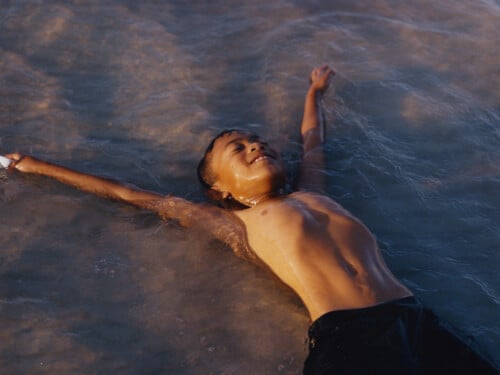
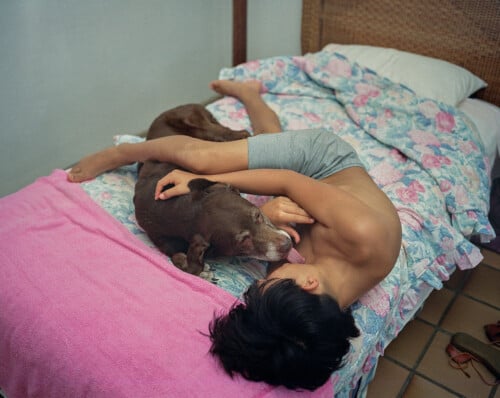
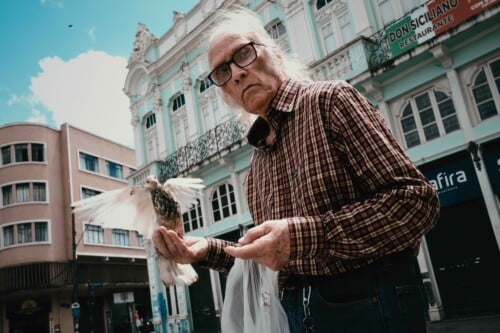
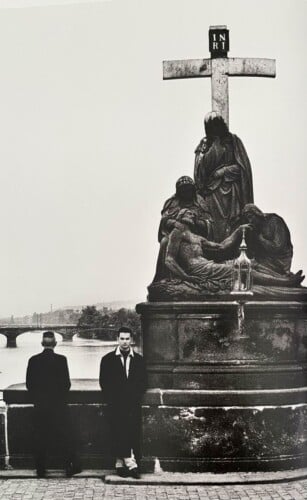
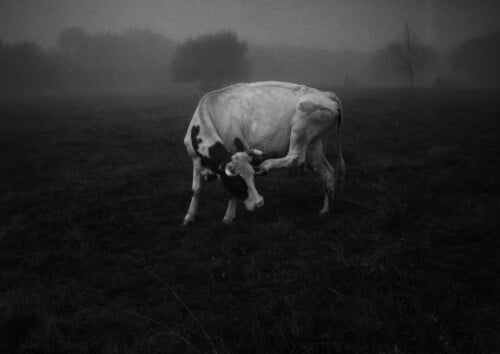
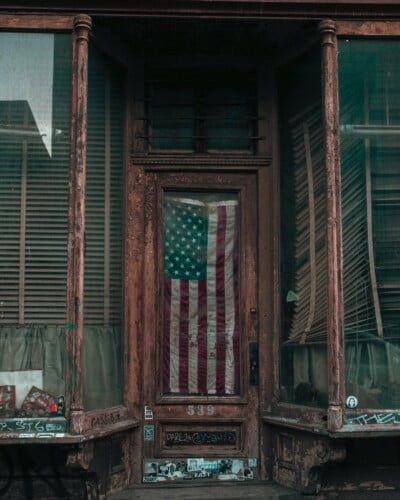
Blurring the boundary between reality and dream life, Forever in Dreams by photographer Victor Cobo pulls the viewer into a sequence of images that feel more like visions than photographs. There is no linear narrative and no comforting explanation: Cobo shows, he doesn’t tell. Words seem unnecessary.
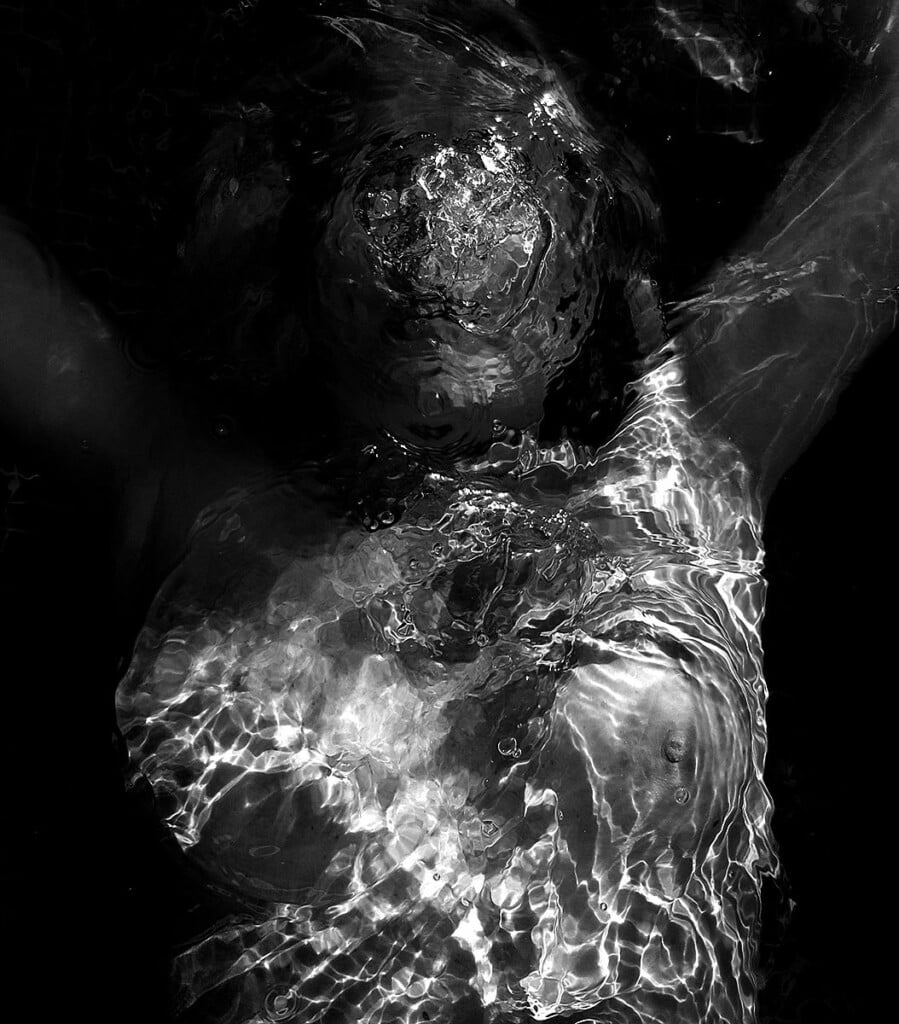
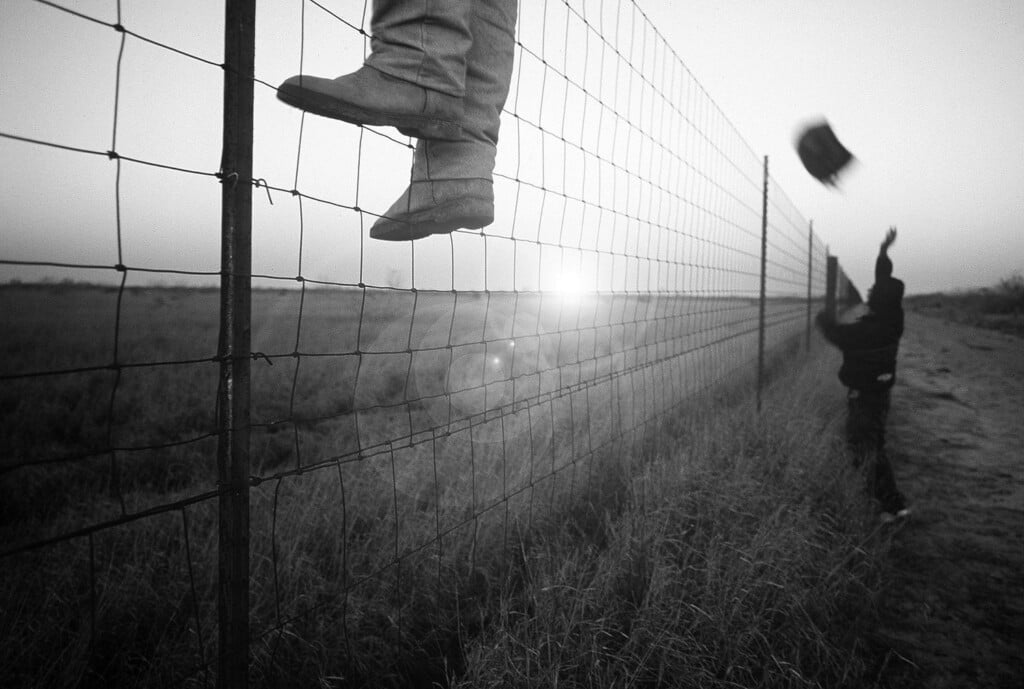
The book unfolds like a descent into the subconscious. Dark, windswept landscapes alternate with high-contrast figures: animals, spectral self-portraits, female presences suspended between adoration and threat. Desire and fear coexist within the same frame. Everything hangs in the balance between revelation and dissolution.
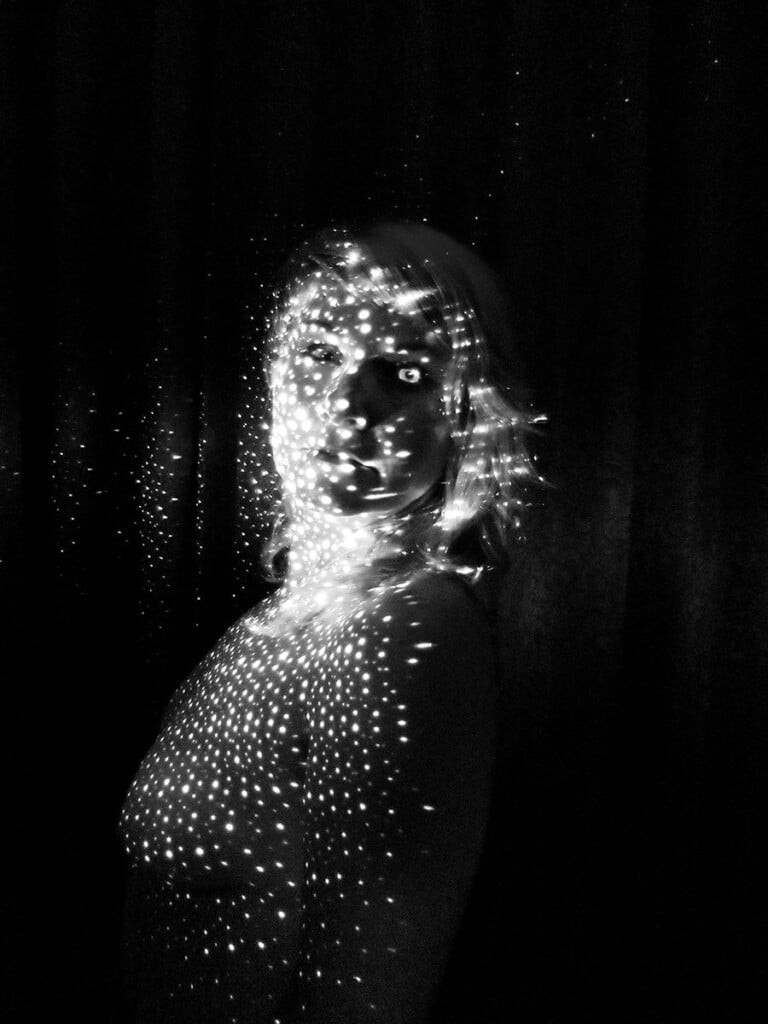
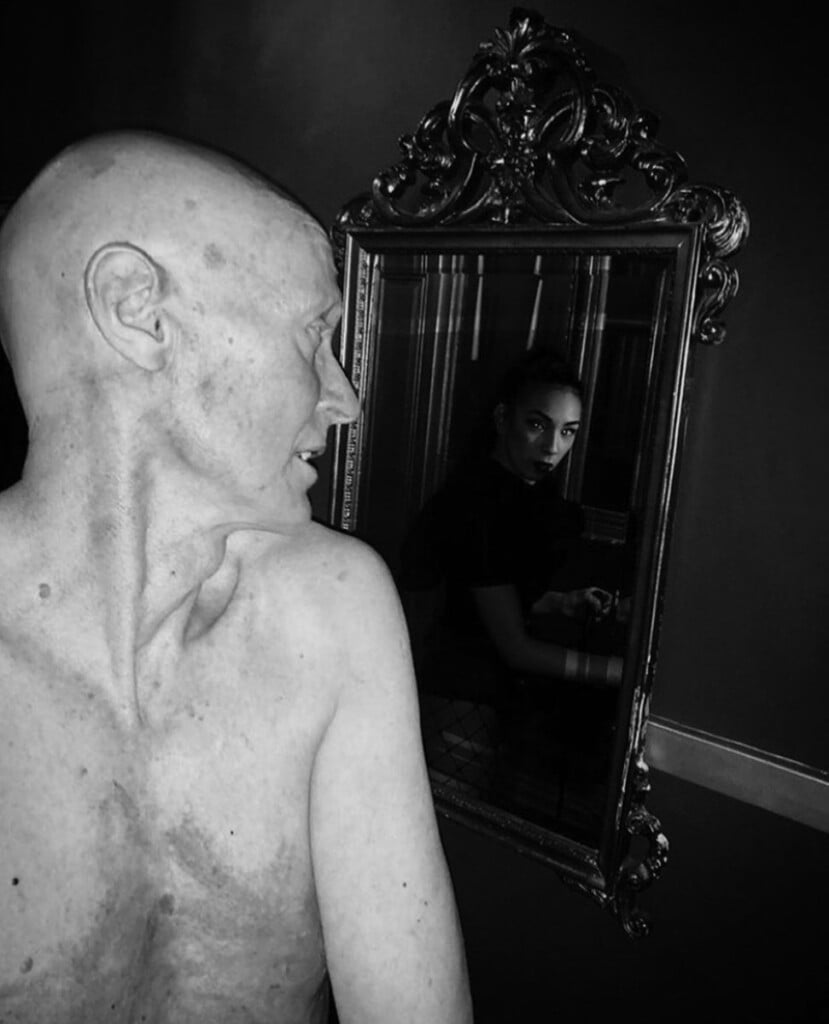
Victor Cobo is a self-taught photographer, yet deeply shaped by Surrealism, Film Noir, and German Expressionism. Childhood visits to the Prado Museum with his grandfather and late-night thrillers watched in Florida with his father built his visual world: high culture and dark cinema coexist without hierarchy.
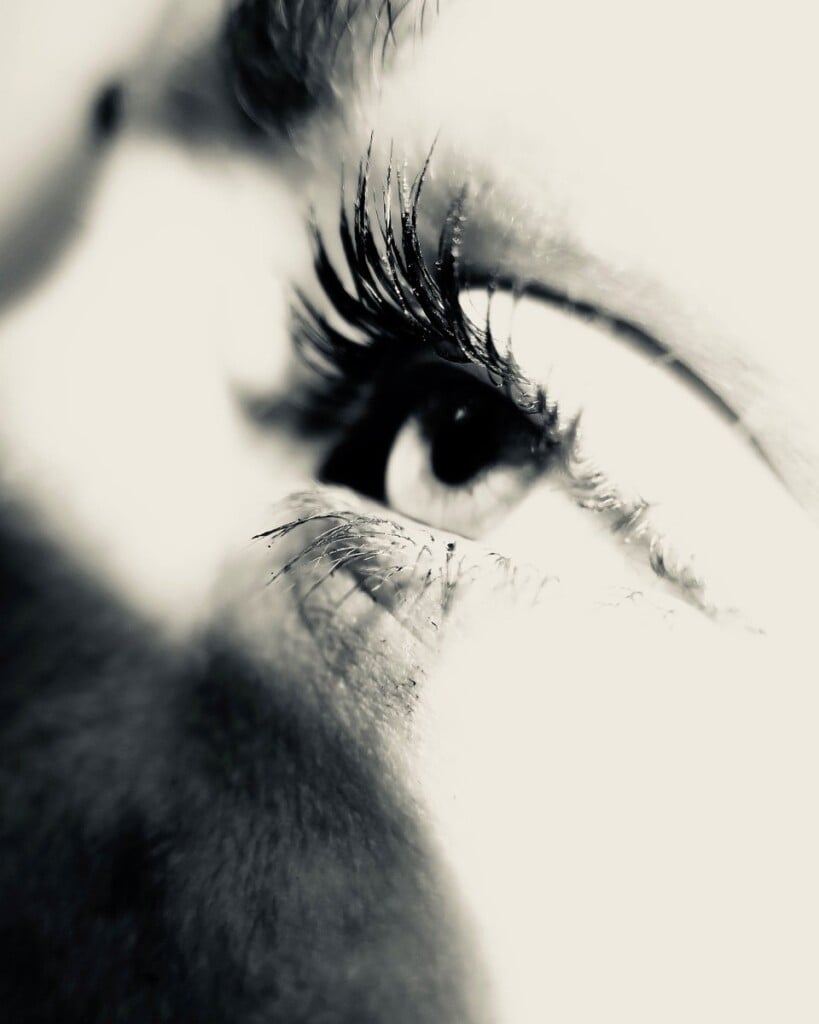
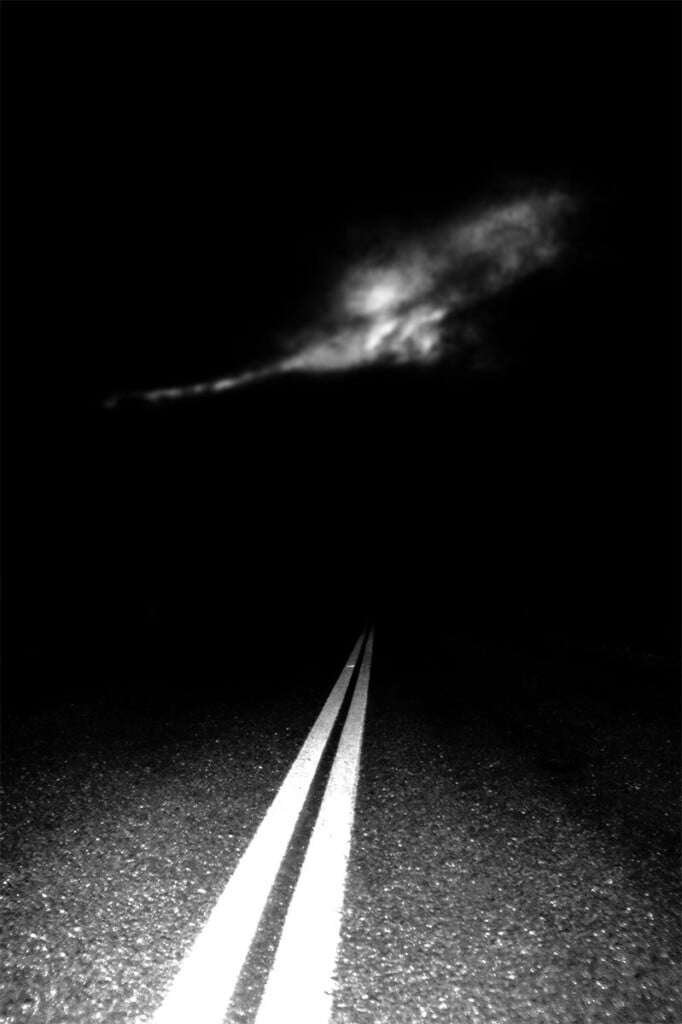
The autobiographical dimension is central. Cobo has spoken about his parents’ violent divorce and his father’s addiction; during summer visits, his father forced him to stage photographs of an imagined relationship. Only later did he understand that those images were documenting a fiction. Today he describes the private universe of his work as an escape mechanism.
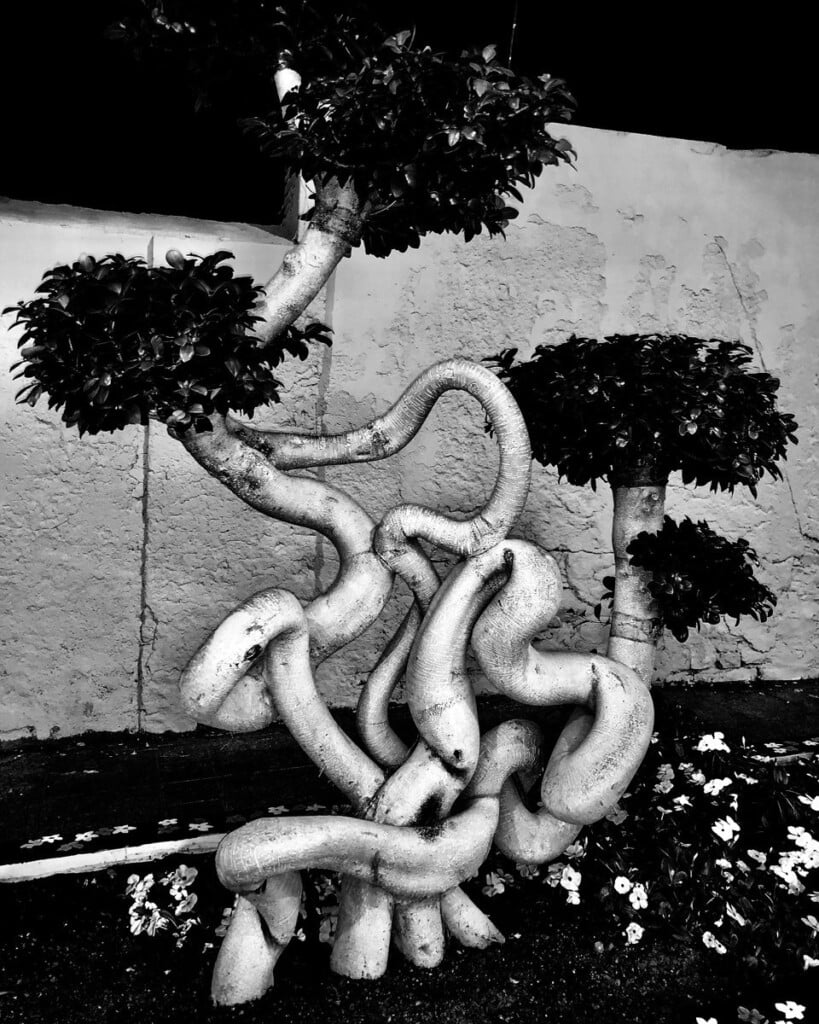
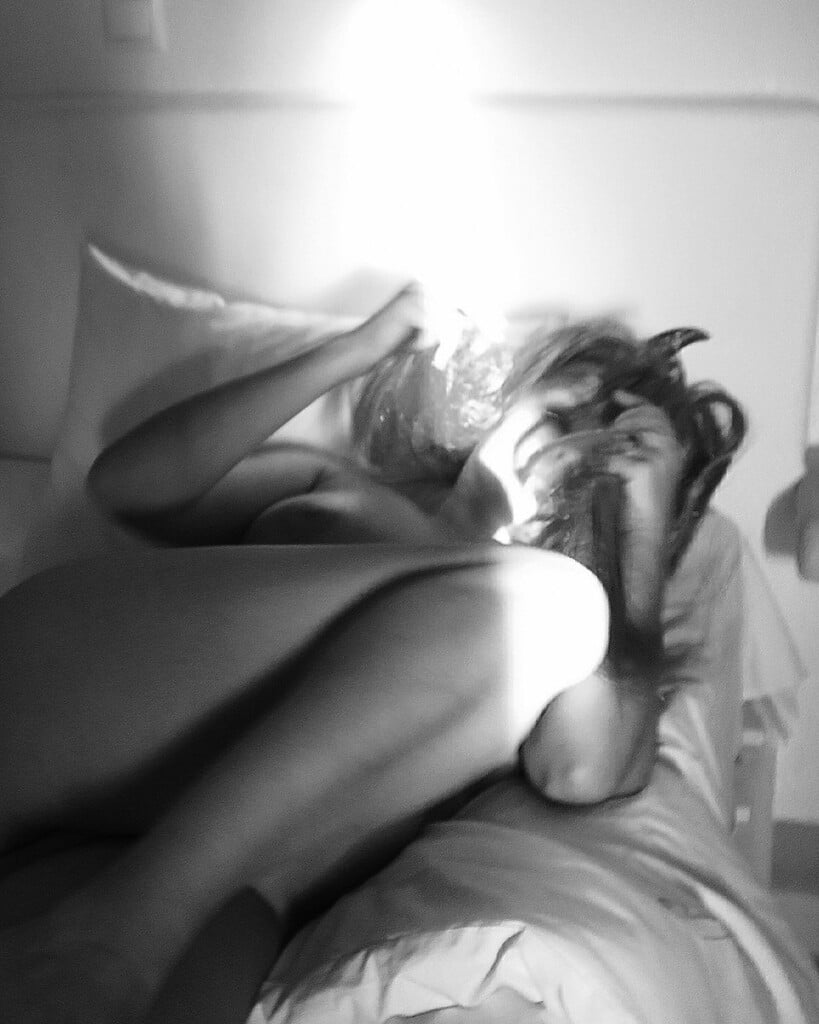
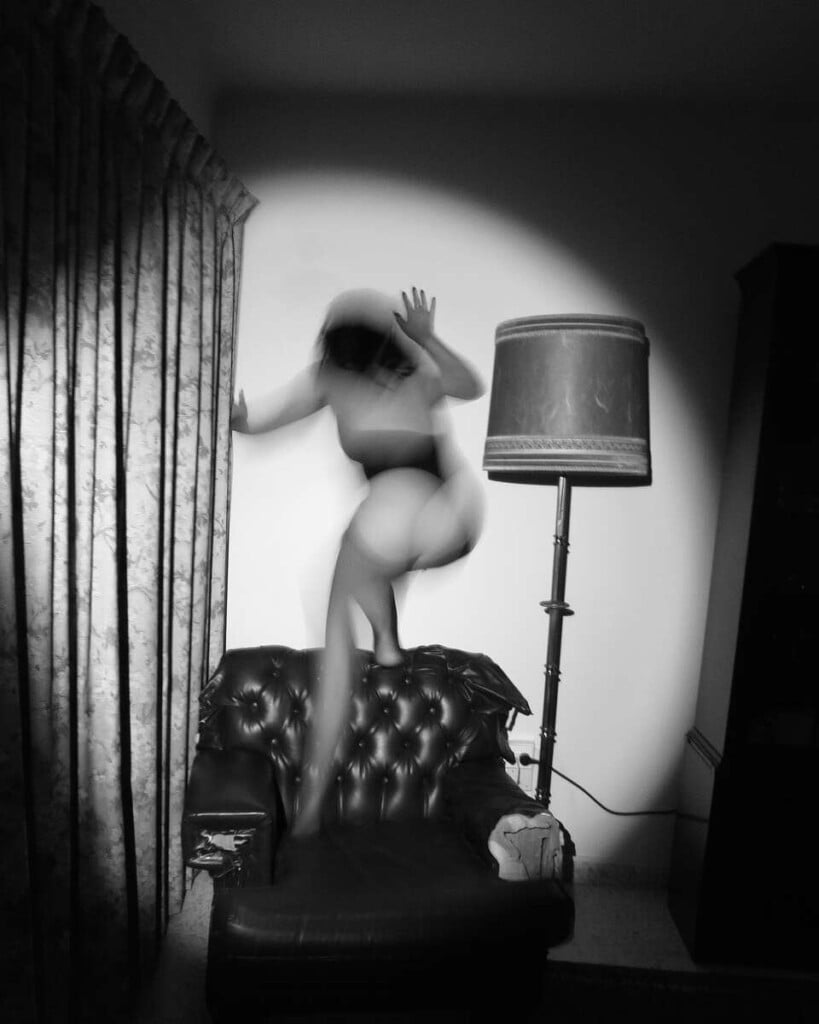
In Forever in Dreams, trauma and fantasy merge into a visual ritual that confronts the primal mysteries of sex, birth, death, damnation, and salvation. A tension already evident in Exit Pleasure, published in 2016 by L’Artiere Edizioni with an introduction by Larry Fink, who spoke of ritual, pleasure, and the absence of redemption.
Forever in Dreams remains a book that offers no answers, but invites us to move through the darkness and recognize—perhaps—something of our own inner landscape.