These are not places meant to be photographed. There is nothing iconic about them, they were not designed to be looked at, and they often go unnoticed even by those who pass through them every day. Industrial sheds, functional buildings, faded facades, infrastructure on the edges of small towns: this is where William Gustavsson builds his photographic practice.
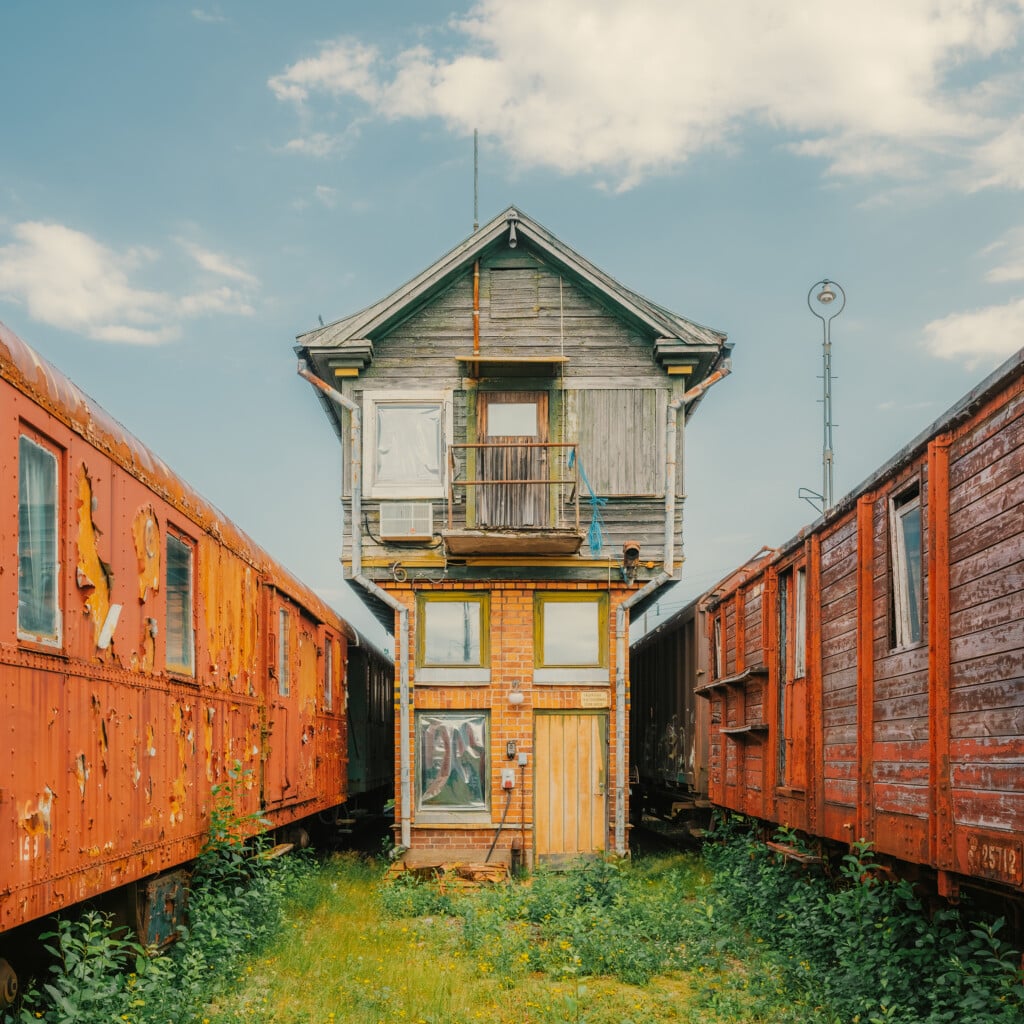
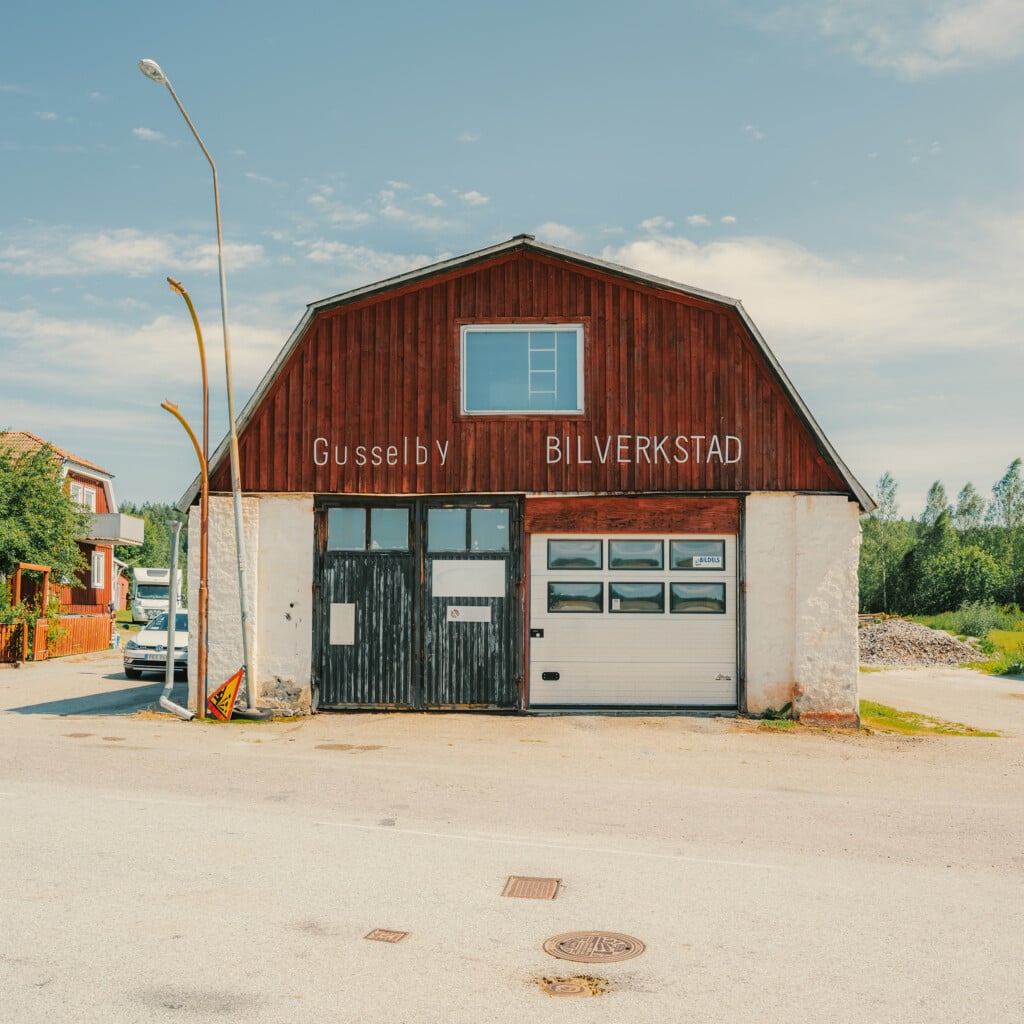
Gustavsson’s work starts from a precise idea: photographing ugly, forgotten, or ordinary places in a beautiful way. It is an approach that does not seek the picturesque, but instead focuses on pragmatic architecture and spontaneous environments, built without any aesthetic ambition. These are buildings shaped over time by human activity, spaces that accumulate textures, layers, and unexpected colors, generating an unintentional aesthetic that becomes the core of his images.
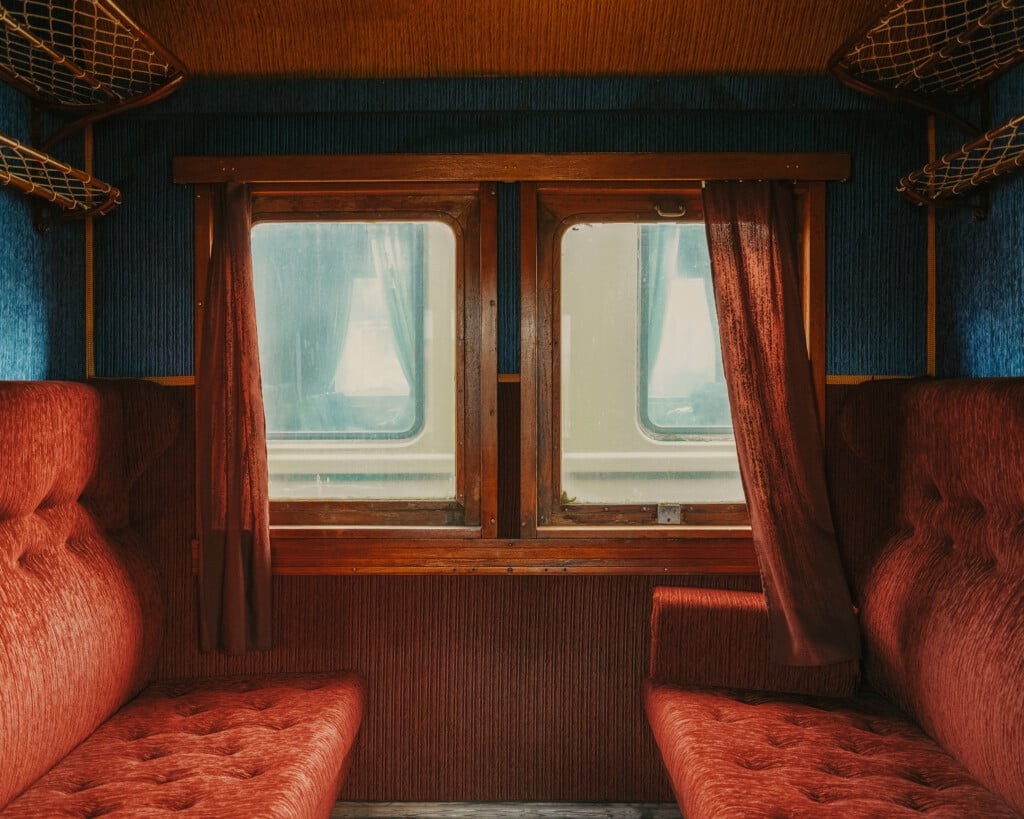
His interest in industrial architecture and overlooked places translates into essential photographs, where composition highlights worn surfaces, accidental geometries, and functional details. Gustavsson observes these spaces as silent archives: every wall, every improvised alteration, every mark left by time tells a story of past uses and of the people who once inhabited these environments.


In the series dedicated to central Sweden, the photographer explores small communities once dominated by large-scale industries, now marked by a slow economic decline. Here, industrial buildings continue to exist as suspended presences, traces of a productive past that shaped the identity of these territories. The structures remain while the activities disappear, leaving behind landscapes filled with memory and silence.


Gustavsson’s images move between documentation and abstraction. The absence of human figures heightens the sense of suspension, while natural light and clean compositions transform these places into almost painterly scenes. The result is a kind of photography that does not emphasize decay, but instead finds balance and harmony in surfaces marked by time.

William Gustavsson’s work invites us to reconsider the visual value of the ordinary. Where the eye would normally just pass over, his photographs slow time down and restore an aesthetic dignity to marginal spaces. In this way, what was originally designed to be purely functional becomes something else entirely: a visual memory made of silent architecture, unexpected colors, and stories that continue to exist even after their original function has come to an end.