The name Willy Chavarria has been circulating insistently for several seasons now, and today we want to talk about why. With his theatrical, radical runway shows loaded with political messages, the American designer seems to have rewritten the rules of contemporary menswear, making it the perfect medium to speak about identity, culture, and social injustices. But before arriving on the Paris runways, Chavarria’s story began in California’s Central Valley. Let’s start from the beginning.
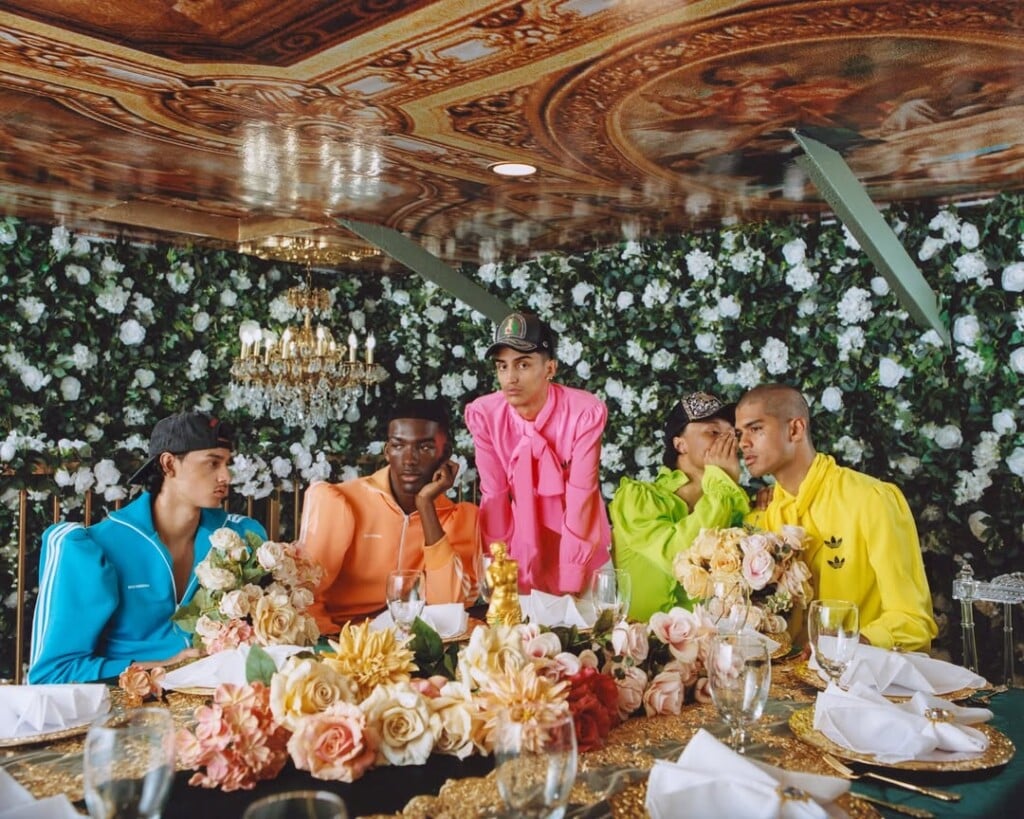
The son of a Mexican-American father and an Irish mother, Chavarria grew up in Huron, a small town populated by migrant workers. It’s from there that his obsession with redemption and authentic representation of the American working class—particularly the Latino one—was born. After a background in graphic design and a key experience at Ralph Lauren, he launched his eponymous brand in 2015. The aesthetic was clear from the start: monumental tailoring, oversized proportions, sculpted silhouettes evoking the pride of pachucos, the style of cholos, religious liturgies, and the pathos-filled imagery of prisoners and the marginalized.
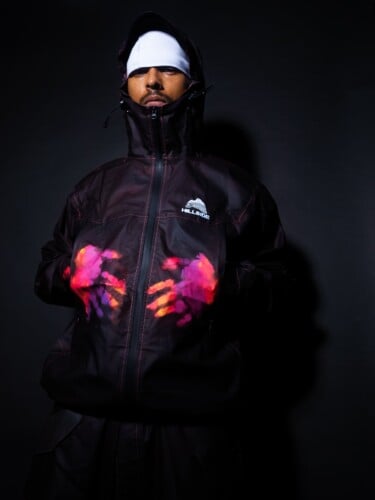
In recent seasons, Chavarria has turned every show into an act of protest. At the January 2025 Fashion Week, in Paris’s American Cathedral, the FW25 Tarantula collection blended spirituality and queer culture, accompanied by live music and styling that resembled a theatrical installation. But it was with SS26 HURON, unveiled in June, that he seemed to push even further. The show opened with 35 men kneeling, shirtless or in oversized white t-shirts, in a scene evoking ICE deportations and Central American prisons. Then came an explosion of color, Italian-made sartorial elegance, fluid trench coats, ultra-high-waisted pants, sculpted bombers, and the debut of a sneaker created in collaboration with adidas.

At the center of it all is always the body, the presence, and the truth of the models: queer men, Latinos, Black men, often non-professionals, who bring personal and community stories to the catwalk. All of this is amplified by iconic castings like James Harden and Stefon Diggs, and by a collective-ritual kind of energy. Unsurprisingly, Chavarria was included in the 2025 Time 100 list and has won the CFDA Menswear Designer of the Year award two years in a row.
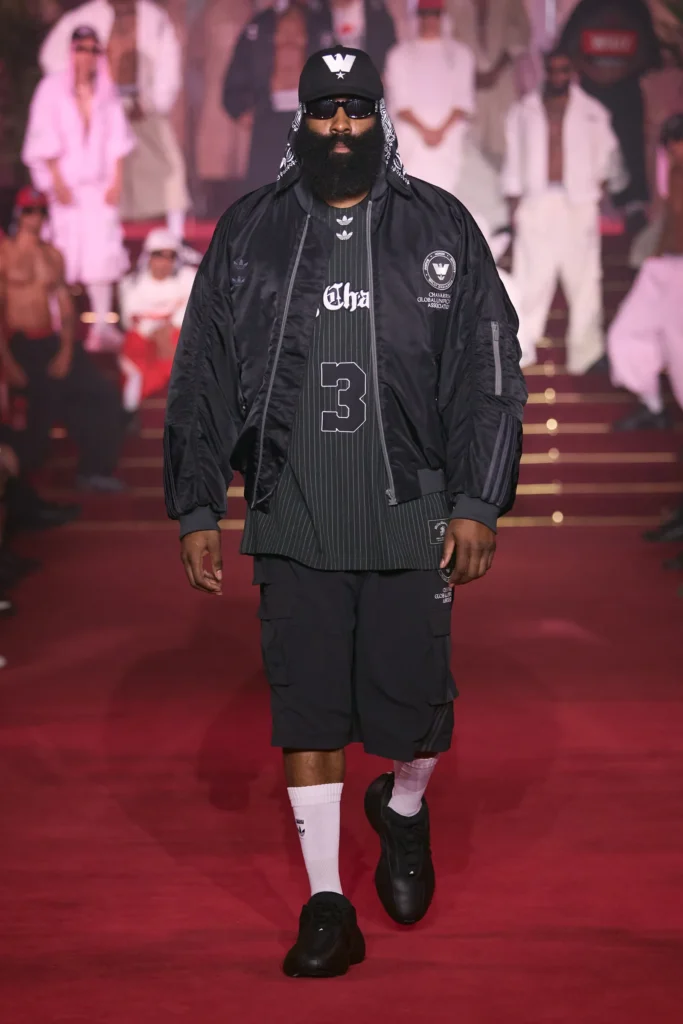
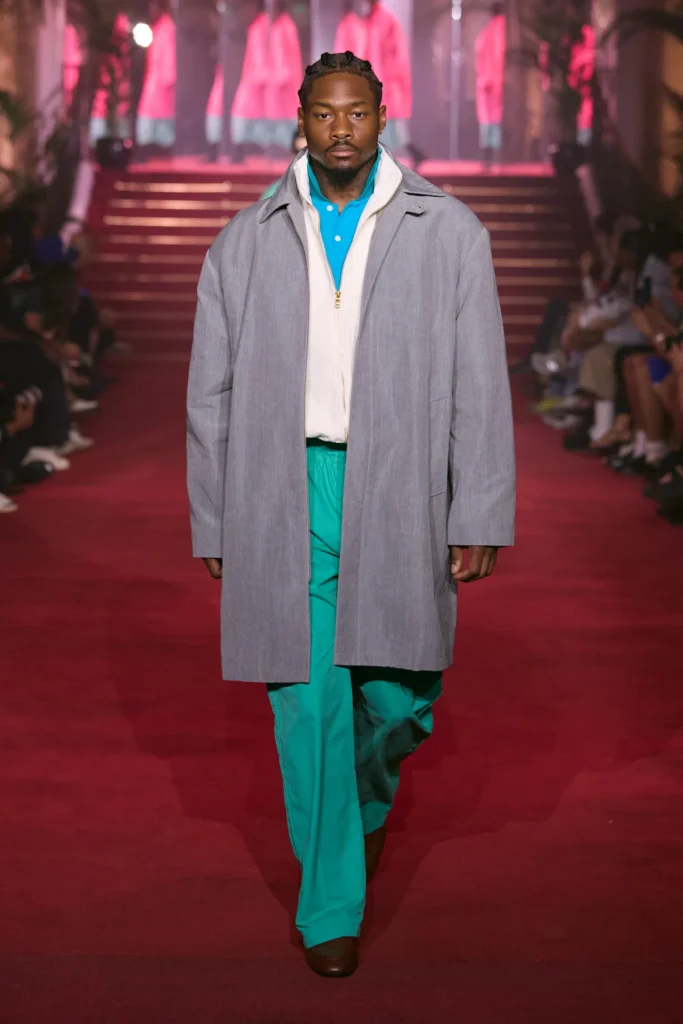
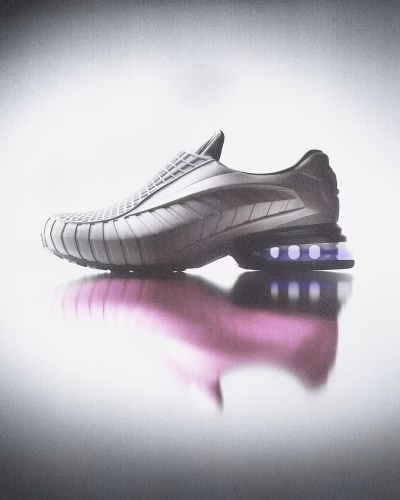
Back to the adidas collaboration: James Harden and several other models wore the Megaride AG/XL, a sneaker blending the bold aesthetics of the early 2000s with a future-forward design. A detail that didn’t go unnoticed, adding yet another layer to the narrative Chavarria is building.

The strength of his work lies not only in the content but also in the form. The collections are refined, made with high-quality materials, and manage to merge the precision of European design with the visceral nature of American storytelling—now ready for real change. At a time when many runway shows seem to struggle to move us, Willy Chavarria brings the audience into a real, raw, sometimes uncomfortable—but necessary—experience.

In short, if everyone is talking about Willy Chavarria today, it’s because he has achieved something important: making fashion not just a mirror, but a tool for resistance. And he does so with a voice that doesn’t ask anyone for permission.