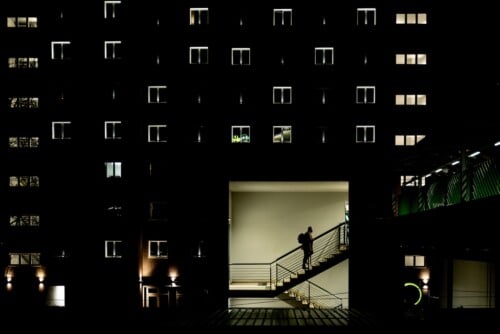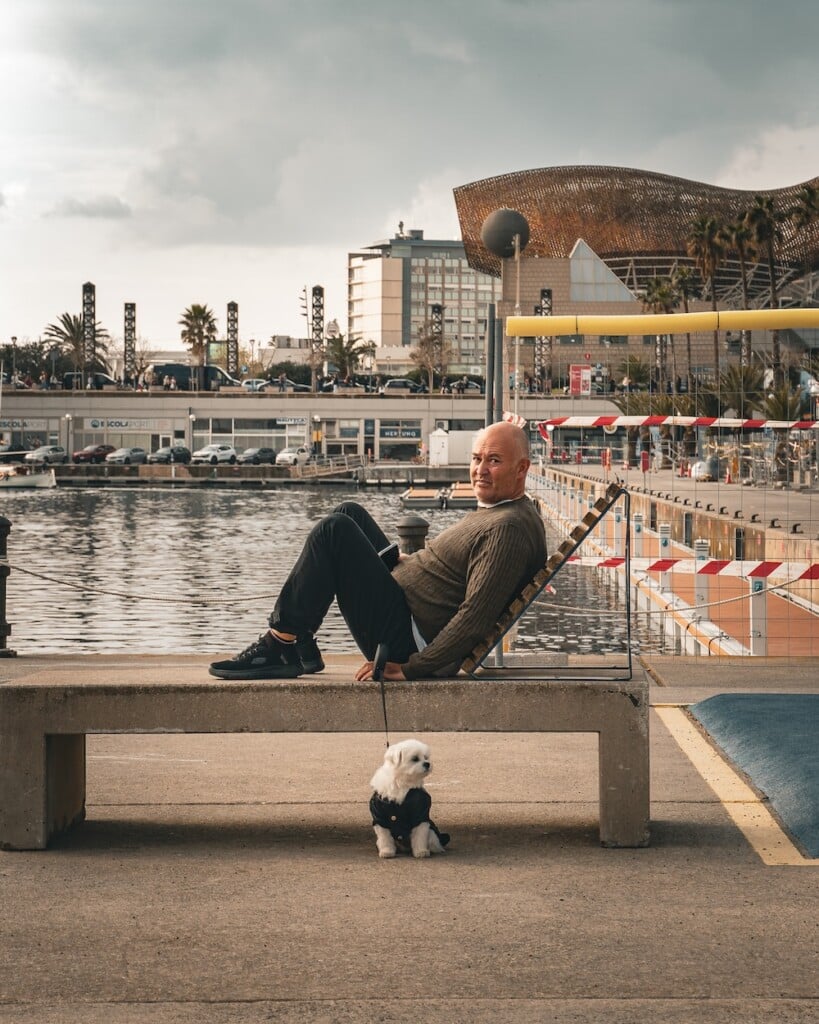
We often hear that smartphones can replace professional photo/video equipment. But in the real world of industry professionals the debate is heated and not always objective. With these premises I went to Barcelona, on the occasion of MWC 2026, for the presentation of the Xiaomi 17 Series and a selection of AIoT products and accessories.
Despite my twenty-year passion for technology, among tech journalists and content creators I am an outsider, which allowed me to experience this event from a different perspective.
February 28
The billboard posted on the Palau de Congressos de Catalunya reads “THE NEW WAVE OF IMAGERY”. Outside, a crowd surrounds a rare specimen of Xiaomi YU7, the atmosphere is electric and it couldn’t be otherwise.
The theatre is packed, the conference begins. The protagonist is one (or maybe two): Xiaomi 17 Ultra and LEICA LEITZPHONE.
The hardware setup, as per Xiaomi tradition, is the best that can currently fit inside a smartphone, starting with the Snapdragon® 8 Elite Gen 5 processor. As a professional filmmaker and photography enthusiast, I couldn’t help but focus on the camera department co-engineered with LEICA. This partnership has been going on for quite some time but this year it promises to take a further step forward.
The conference continues with the presentation of the new REDMI Buds 8 Pro headphones, the new Pad 8 series, the Electric Scooter 6 Ultra (designed for off-road use) and two new entries such as the tag and the ultrathin magnetic powerbank.
But there’s a “One more thing”: Xiaomi Vision Gran Turismo, a prototype electric hypercar with breathtaking lines created for the legendary Gran Turismo series. The render of a driving simulator that mirrors the interior of the car is also stunning.
Once the presentation ends, hundreds of people rush to the demo area to get their hands on all the newly announced products. It’s fascinating to see how every journalist/content creator has a different way of telling stories and making videos. What unites all the nationalities present in the room is the enthusiasm to show their audience something truly innovative, something increasingly rare in recent years, starting with smartphones.
But this is not their habitat, I have a Xiaomi 17 Ultra in my pocket and a Barcelona that feels like early spring.
I deliberately decided to document my experience exclusively with this device using the PRO mode in the native camera app. I didn’t set goals, rules, or impose a story to tell. Just follow instinct and shoot.
Needless to say, for everyday use the device with its 6.9″ Xiaomi HyperRGB OLED display is spectacular from every point of view, but when it comes to shooting photos and videos, will it make me miss my trusted mirrorless camera?


March 1
My Sunday walk through Barcelona begins. From Port Forum to La Barceloneta, the seafront and beaches are full of people doing sports or relaxing.
A complex situation, but perfect to test all the rear sensors of the smartphone.
The RAW files combined with the 1-inch 50-megapixel LOFIC sensor (an advanced image sensor technology designed to significantly increase dynamic range, preventing pixel saturation in high-brightness conditions) with a 23mm focal length deliver surprising image texture and dynamic range, allowing post-production comparable to that of a camera.
The telephoto lens features LEICA APO optics, a characteristic reserved only for flagship LEICA products, delivering remarkable detail and color fidelity. If that weren’t enough, the 75–100mm zoom is mechanical optical zoom, meaning zero crop and no loss of quality.
I especially enjoyed using it to capture moments and details in video mode, stepping away from the subjects to tell their story from a different perspective.
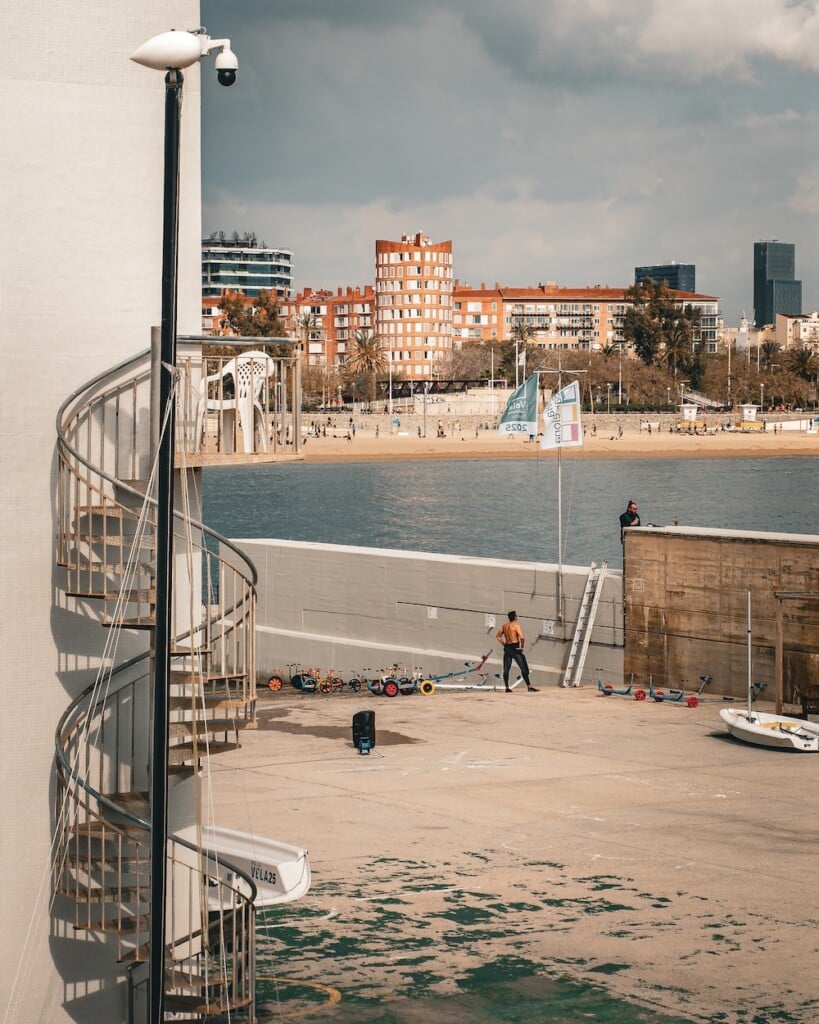

The possibility to shoot video in LOG mode with LUT preview applied allows you to expose the scene perfectly while maintaining full flexibility during the color grading phase.
The bokeh, soft and natural, is another feature that makes this device genuinely difficult to distinguish from a professional camera, especially when the content is viewed on social media.
The walk continues through the city streets up to the Bunkers del Carmel, where I watch the magnificent panorama during golden hour, also using the 14mm focal length.
Night has always been the worst moment to shoot with a phone, but the LOFIC technology on the main sensor produces shots free from the digital artifacts we normally see in smartphone photography. Here the difference with other devices is truly noticeable.
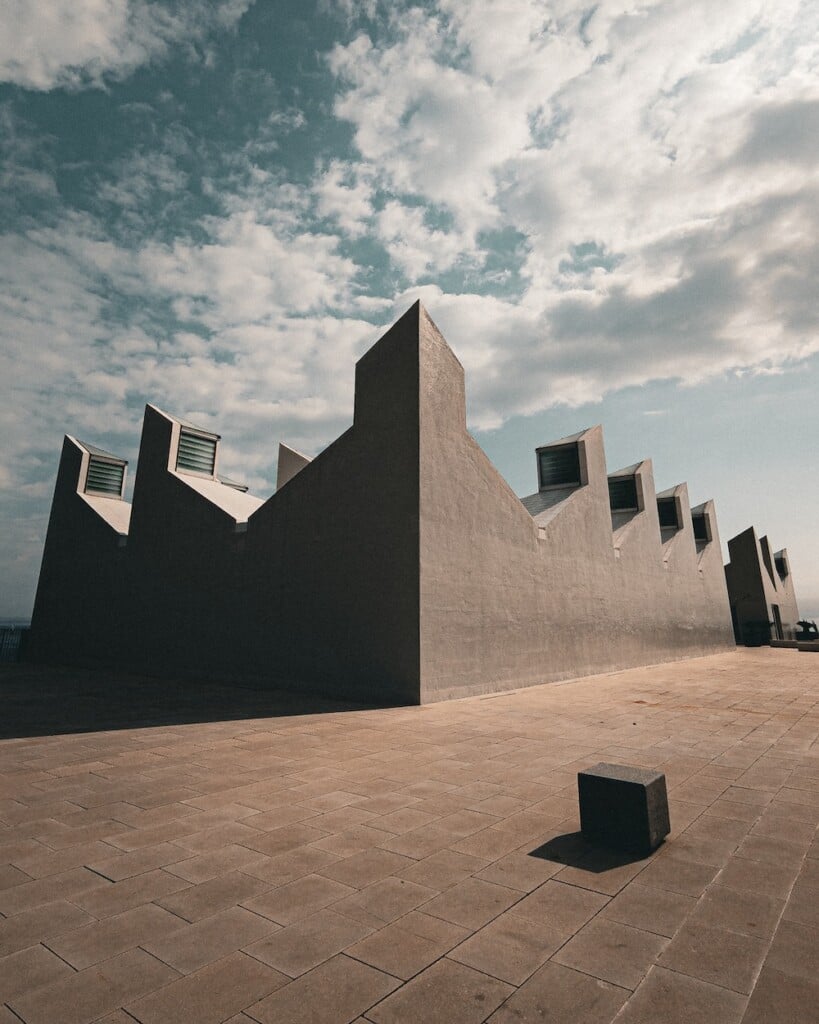

The day comes to an end, the kilometers walked are more than 20 and the 6000 mAh “Xiaomi Surge Battery” has only dropped by 60%.
Knowing that you have a tool in your pocket that allows you to capture any type of scene makes you want to shoot, especially in situations where you would never even turn on a camera.
This is the key to smartphone photography: versatility.


However, we cannot avoid asking whether all this really makes sense. Does having so few compromises move us away from “true photography”? Is it just marketing?
Here we reconnect to the initial question, to which I can obviously give only a personal and subjective answer.
After seeing the files produced by this Xiaomi 17 Ultra, especially from the main sensor which in my opinion is the real star, I wouldn’t be afraid to use it for professional work.
With the right accessories (such as the Photography Kit PRO) and proper lighting, I believe remarkable results can be achieved. But beyond all the technical aspects, shooting with it is simply fun, and that is probably worth more than a thousand other things, and in the end it’s what makes you choose one product over another.

Photo by Andrea Giani