At the World Design Congress in London, hosted in the iconic spaces of the Barbican Centre on September 9 and 10, Zaha Hadid Architects presented a project that envisions the future of coexistence between architecture and nature. The theme of this edition, Design for Planet, invited architects and designers to reflect on the role of design as a tool for environmental regeneration. In this context, Nereid was born: a 3D-printed marine habitat designed to promote the revival of coastal ecosystems.
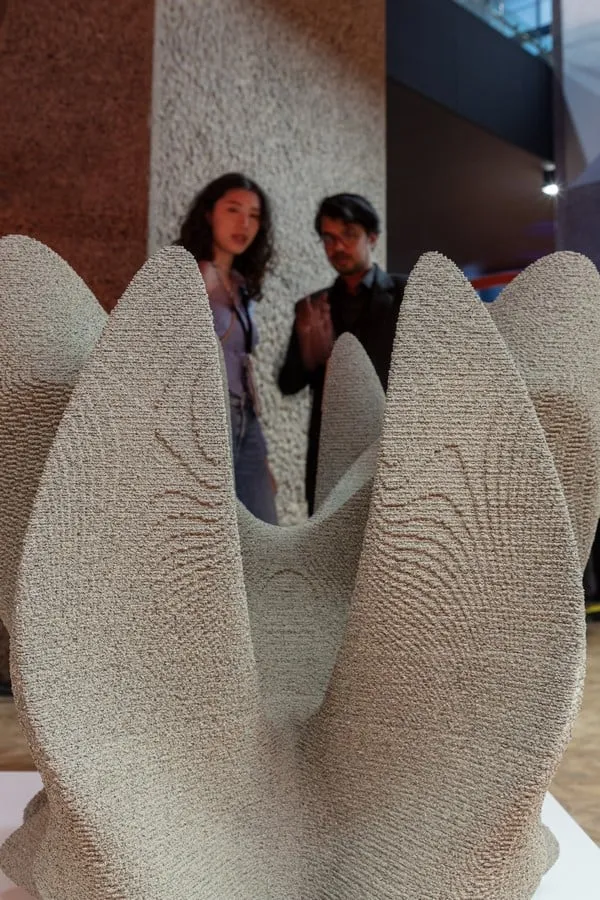
Built with D-Shape technologies, a startup specializing in large-scale 3D printing, the prototype was developed together with James Fang, a marine physiologist and toxicologist at the Hong Kong Polytechnic University, who has long been engaged in research on ocean health and the sustainability of the food chain. Nereid focuses specifically on regenerating foundational resources, creating the conditions for the growth of phytoplankton and filter-feeding mollusks, which are essential to the survival of the entire marine system.

The project uses a low-carbon, neutral-pH concrete mix shaped into biomimetic forms that replicate the porosity and complexity of natural barriers. Its geometries draw inspiration from benthic systems such as kelp forests, offering shelter and colonizable surfaces for various species. Beyond fostering biodiversity, the structure also acts as a barrier against destructive practices such as bottom trawling.
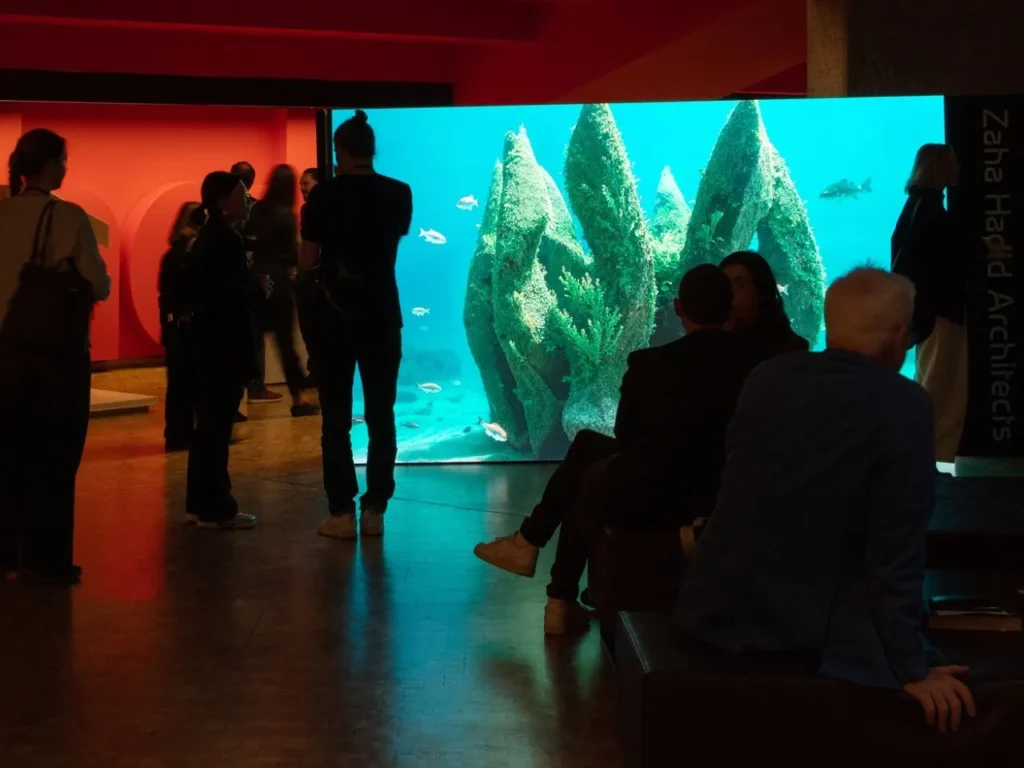
Nereid was conceived specifically for the congress, but it looks further ahead: the goal is to deploy it on a larger scale in coastal areas increasingly undermined by urbanization, shipping traffic, and pollution. In Hong Kong, marine ecosystems have already suffered severe consequences, yet parallel initiatives have demonstrated the effectiveness of artificial solutions. Near the international airport, for instance, reefs installed in recent months have encouraged the colonization of species such as gobies, oysters, sponges, corals, and several varieties of commercially important fish.