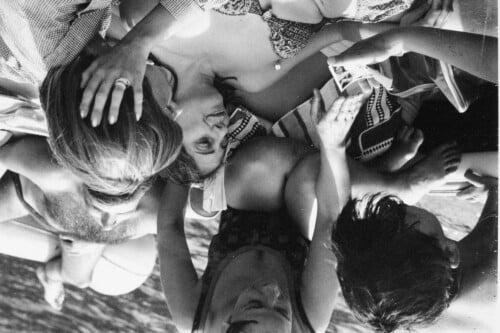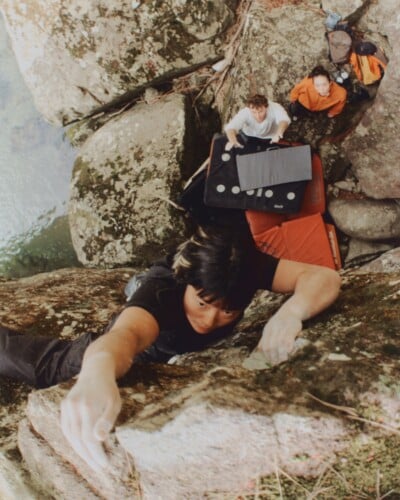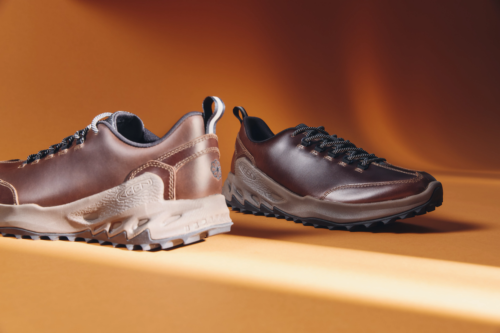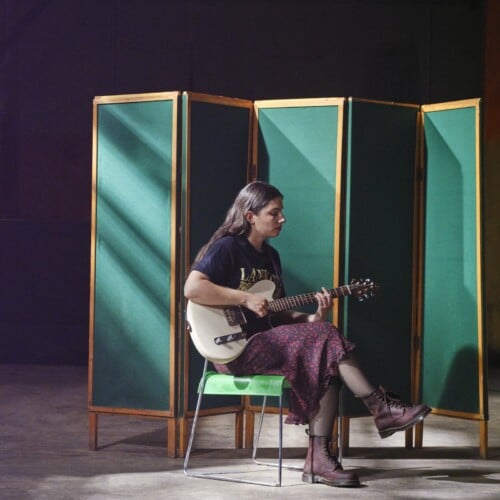
Zara turns fifty, and as of last May it has already decided to celebrate, unsurprisingly, in grand style. It all began with the campaign by Steven Meisel that brought together 50 iconic supermodels — from Naomi Campbell to Linda Evangelista, from Cindy Crawford to Vittoria Ceretti — in a black-and-white video set to Donna Summer’s I Feel Love. Then came the initiative 50 Creatives for 50 Years, which calls on contemporary designers and artists to reinterpret the brand’s legacy. Two moves that seem to say just one thing: Zara is no longer “just” fast fashion.
View this post on Instagram
Ilaria Caifa, on Substack, captured this shift well: the idea of a brand trying to shed its haste and embrace a slower narrative built on heritage, quality, and longevity. Tailored cuts, more refined materials, storytelling worthy of a luxury label. A metamorphosis that, at least on the level of communication, works. But are we really sure all this can convince us that fast fashion is a healthy system?
50 Years of Zara, starting from La Coruña
The first Zara store opened on Calle Juan Flórez in La Coruña, Spain, on May 9, 1975. Five decades later, as both the store and the brand turn 50, it’s essential to pay homage to its roots and honor the place where it all began. The characteristic seaside “galerías” of La Coruña’s buildings, part of the city’s architectural DNA, now become the defining feature of this “new store,” which has been temporarily adapted for the anniversary. This architectural installation frames a unique display of limited-edition pieces and objects created to commemorate Zara’s 50 years: a deliberately nostalgic gesture that ties past and present together.


Can we look at Zara with fresh eyes simply because it chooses to surround itself with creatives we admire, with models who make us dream, and with aesthetics that seem to promise “timeless luxury”? Or do we risk once again falling for the allure of the surface?
The creatives involved in Zara’s 50th anniversary
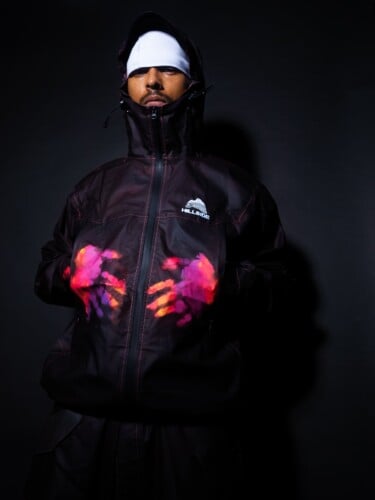
To celebrate half a century of history, Zara has assembled a team that feels like a contemporary dream cast: from the genius of Alex de Betak to the touch of Anna Sui, through the iconic photography of Annie Leibovitz and the architectural sensibility of Axel Vervoordt. There’s the digital wit of Beka Gvishiani, the pâtissier Cédric Grolet, the timeless magnetism of Charlotte Rampling and the ethereal elegance of Christy Turlington and Cindy Crawford. In photography, names like Craig McDean, David Bailey, David Sims, Mario Sorrenti, Paolo Roversi, and Tim Walker stand out, while on the architecture and design front we find giants such as David Chipperfield, Marc Newson, Norman Foster, and Vincent Van Duysen.


There’s the luminous theatricality of Es Devlin, the editorial style of Ezra Petronio and Fabien Baron, the mastery of hair styling by Guido Palau, styling by Harry Lambert, the visceral fashion of Karl Templer and Ludovic de Saint Sernin, the eye of Leslie Zhang and the imagination of M&M Paris. Other icons of our time are also present, such as Karlie Kloss, Kate Moss, Linda Evangelista, Naomi Campbell, and Vittoria Ceretti, along with filmmakers like Luca Guadagnino and Pedro Almodóvar. The list goes on with the tailored cuts of Narciso Rodriguez, the avant-garde of Nick Knight, the visionary energy of Pierpaolo Piccioli and Pieter Mulier, the creations of Philip Treacy, the olfactory narratives of Ramdane Touhami, the voice of Robbie Williams and that of Rosalía, the innovative force of Samuel Ross, and the pop curatorship of Sarah Andelman. To complete the picture are the material art of Sterling Ruby and, of course, the gaze that opened and closed the circle: that of Steven Meisel. A constellation of names that, together, redraws the brand’s cultural perimeter and aims to project it beyond fast fashion.

And yet fast fashion remains one of the most impactful sectors on the planet, and an anniversary celebrated with capsule collections and blockbuster campaigns does not erase the contradictions of a production model still based on speed and mass accessibility. At the same time, it’s undeniable that the presence of figures of a certain caliber is helping to shift the perception of Zara onto different ground—more sophisticated, more “culturally relevant.”

Perhaps the question we should ask ourselves is this: if so many creatives we admire have chosen to collaborate with Zara, should we rethink our criteria for judgment? Or is it right to maintain a critical eye, recognizing the artistic and communicative value of these operations without forgetting the environmental and social weight of fast fashion?
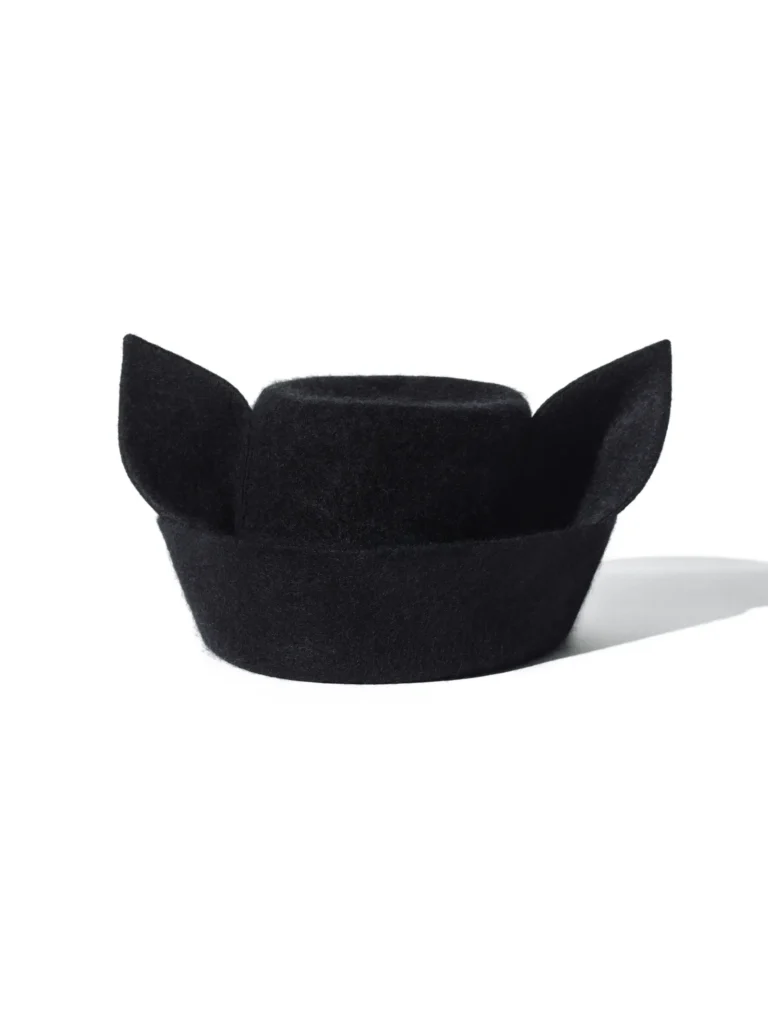
It seems the task falls to us to ask what kind of future we wish for Zara—but above all, what kind of future we wish for ourselves as consumers, suspended between the desire for the latest look-alike of that Miu Miu skirt we can’t afford and the urgency of sustainability on a planet that’s burning.