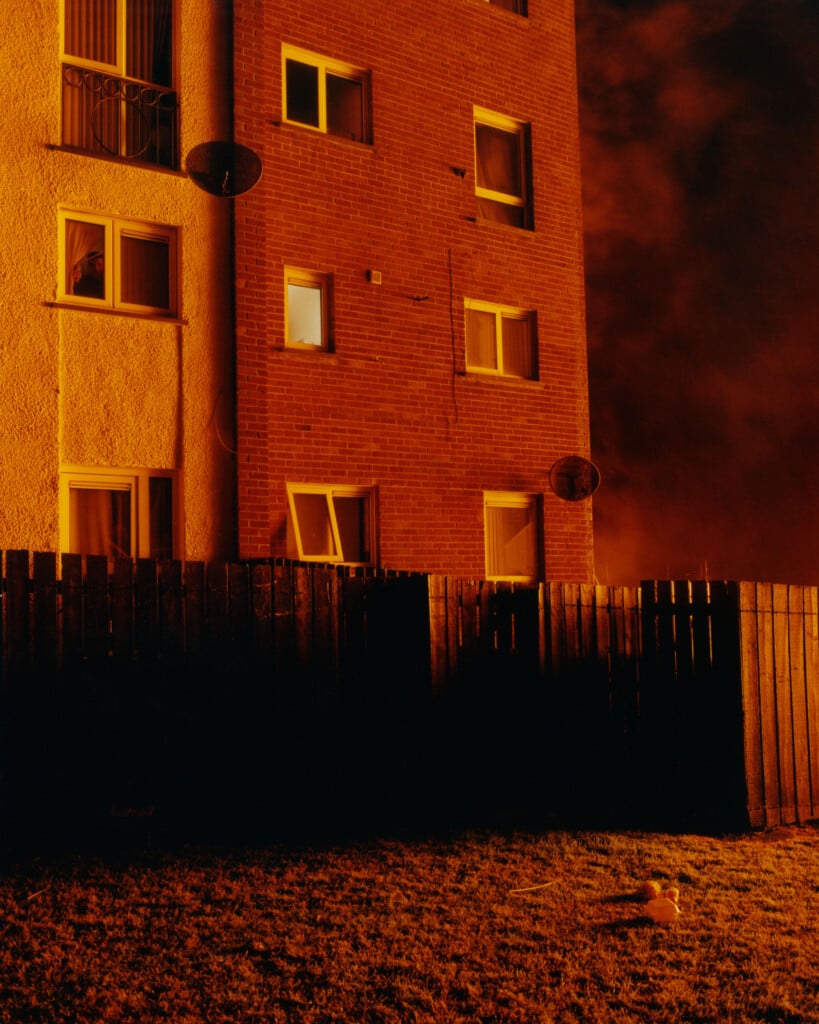
In Belfast you only need to cross a few streets to find yourself in a neighbourhood that tells a different story. The buildings and the landscape don’t necessarily change, but the identities, the sense of belonging and the way people inhabit the space do. A daily reminder comes from the Peace Lines: kilometres of walls and barriers that still divide the city between Catholic and Protestant communities. It is along this dividing line that Zen Lefort, a photographer, spent four years, returning to Belfast many times to create This Wall, a project that takes a close look at the lives of those who grew up alongside a division that, despite the passing of time, has never disappeared.
Lefort is a french photographer, who took up photography very early. At just seventeen he began working as a photographer’s assistant in Paris, gradually developing an interest in documentary photography. In 2014 he left for Central Africa to document a conflict as a photojournalist, an experience followed by reportages on the Maidan revolution and on the war in eastern Ukraine. After two years in photojournalism, however, he decided to steer his work towards broader projects, capable of following over time the transformations of places and of the people who live in them.
For six years he lived in the United States, where he documented the lives of Native American communities, even spending several months inside the reservations. This period marked his path and consolidated an approach based on closeness to his subjects and on staying in the territories he portrays. In 2022 he joined MYOP, an independent French photo agency that brings together photographers and photojournalists. It is precisely this attention to stories that unfold at the margins of the more immediate narratives that also characterises This Wall. To understand the project, we need to go back to the history of Belfast and to one of its wounds that is still open: the Peace Lines. They are a network of walls, fences and barriers built to physically separate predominantly Catholic and nationalist neighbourhoods from Protestant and unionist ones. The first structures date back to 1969, when, at the height of the escalating violence between the two communities, the British army stepped in and installed barriers that were meant to be temporary. A solution designed to contain the clashes which, over the years, has become an integral part of the urban landscape.
Today these divisions continue to shape the daily lives of those who live in the affected neighbourhoods. The crossing points that connect the two areas are closed at night, limiting movement and reinforcing a separation that belongs not only to the geography of the city, but also to the collective memory of its inhabitants. Peace, then, has not erased every trace of the conflict: some are still there, visible and hard to ignore.
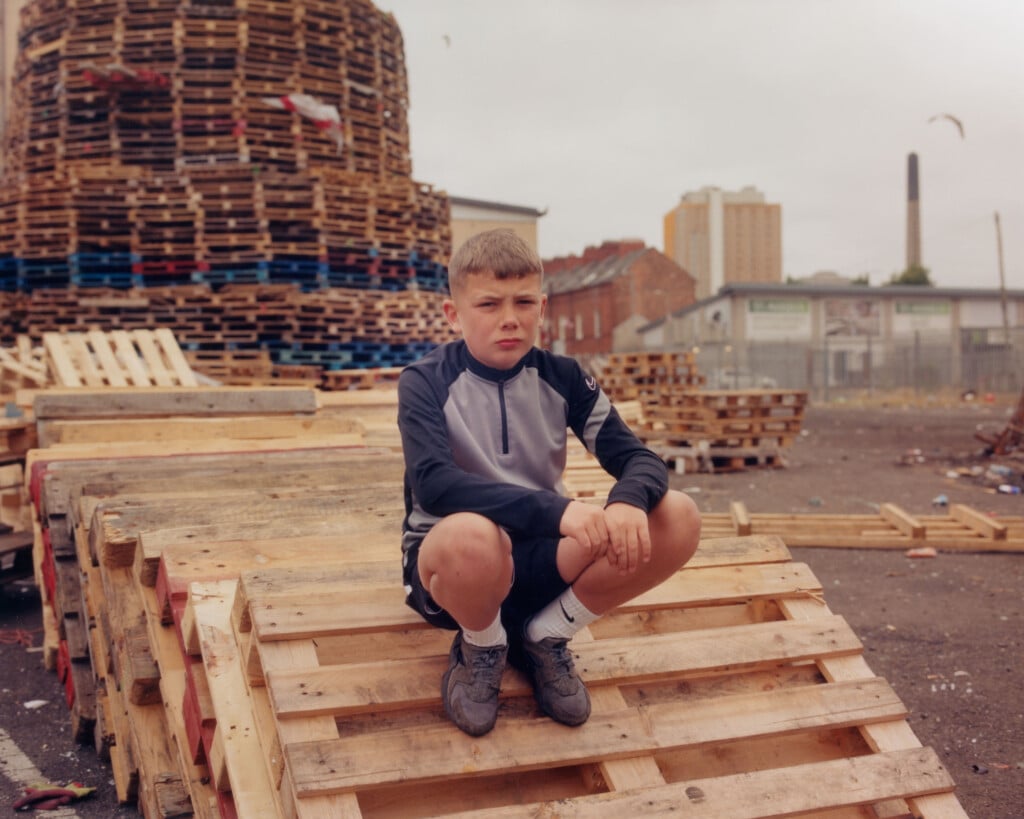
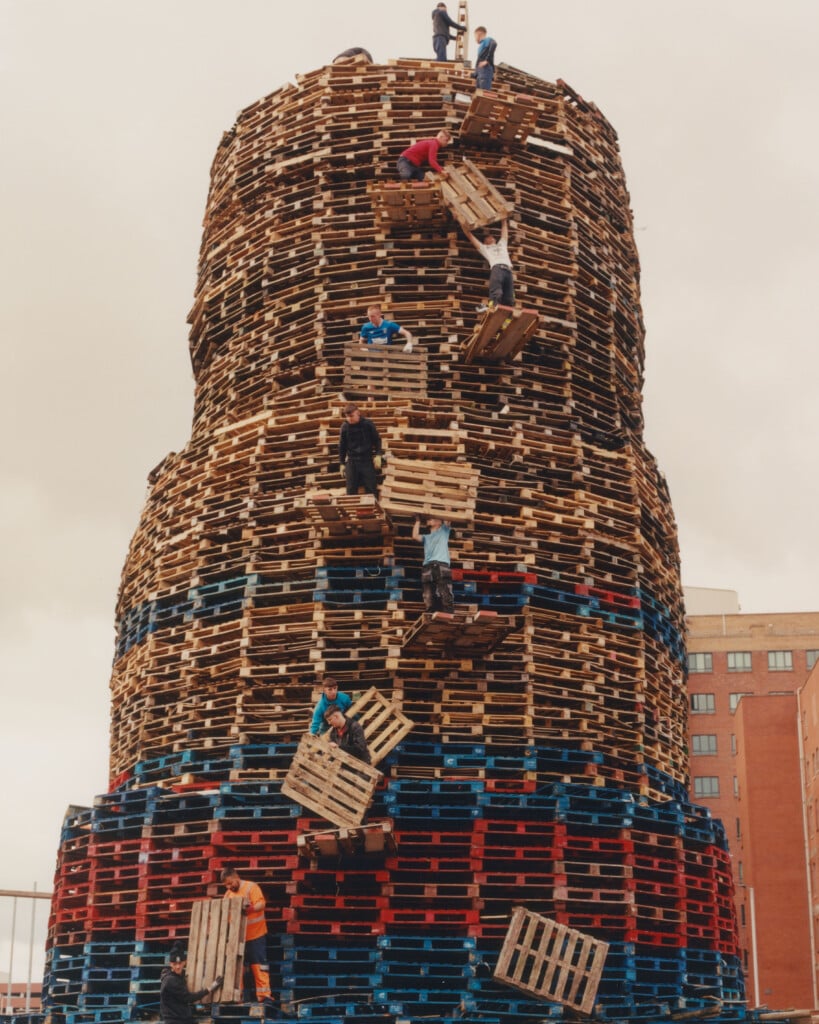
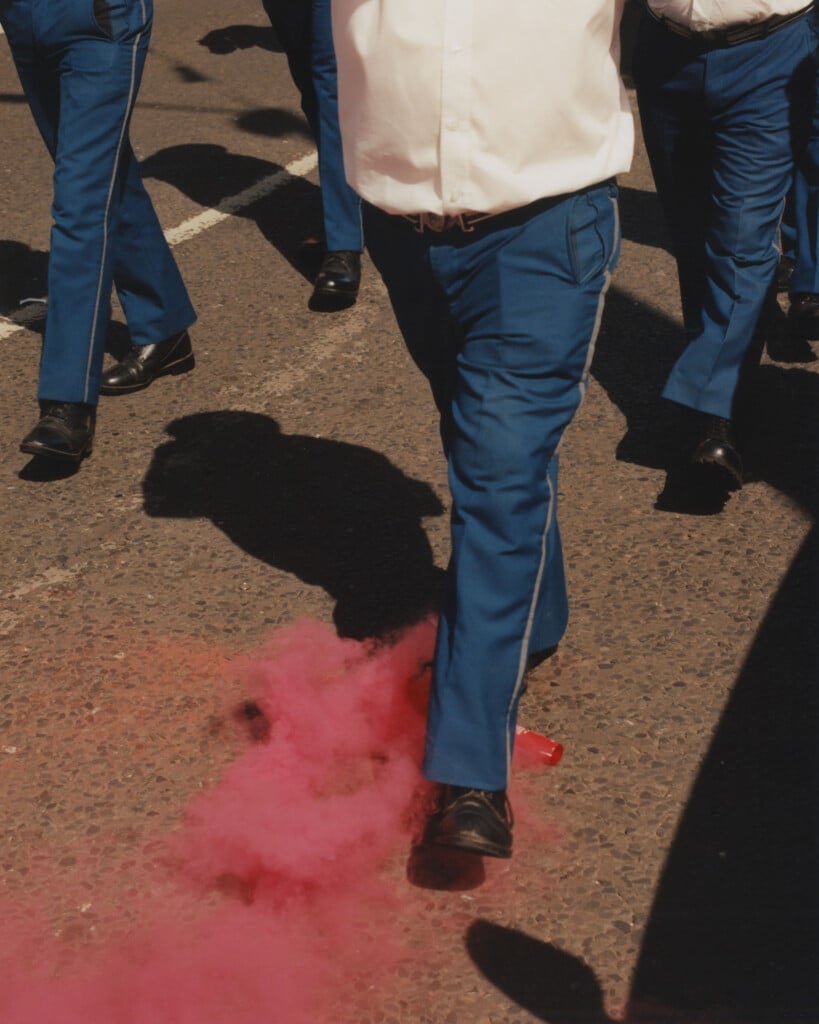
One moment when these historical and identity-based tensions become particularly evident is the night between 11 and 12 July, when large bonfires built from wooden pallets and other materials are lit in unionist and loyalist communities. The celebrations, known as Eleventh Night, commemorate the victory of the Protestant King William III of Orange over the Catholic King James II at the Battle of the Boyne in 1690. An occasion that still carries strong cultural and political significance and that makes visible divisions still present in Northern Irish society.
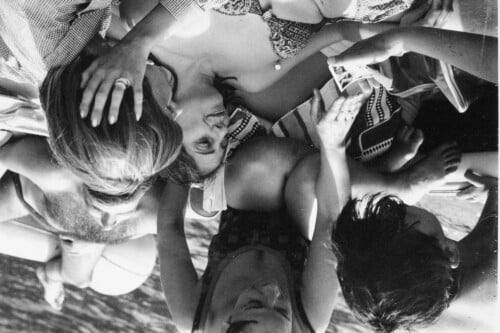
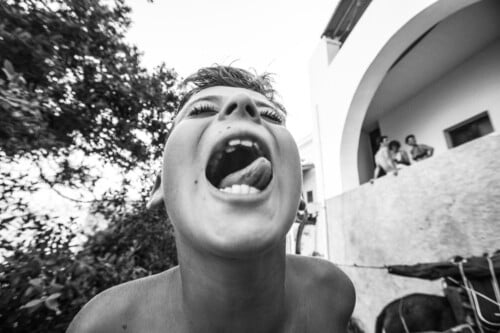
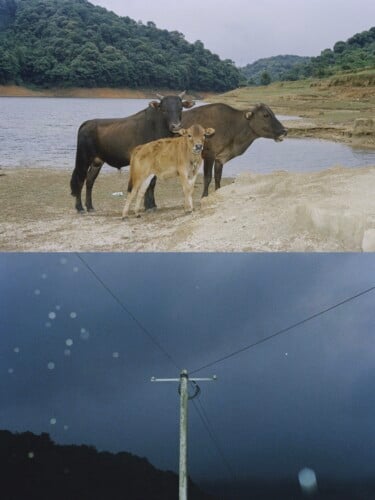
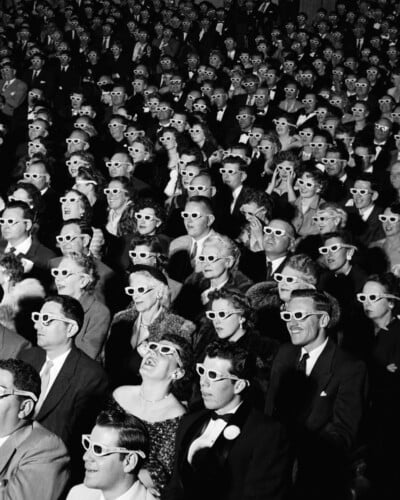
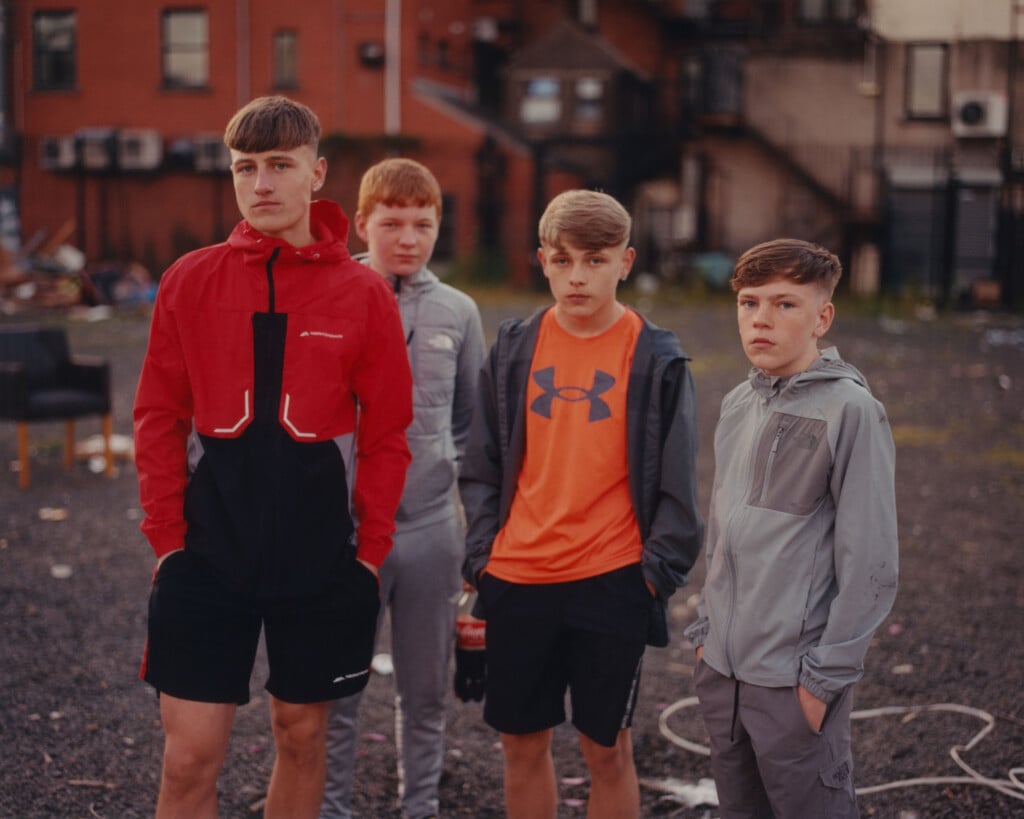
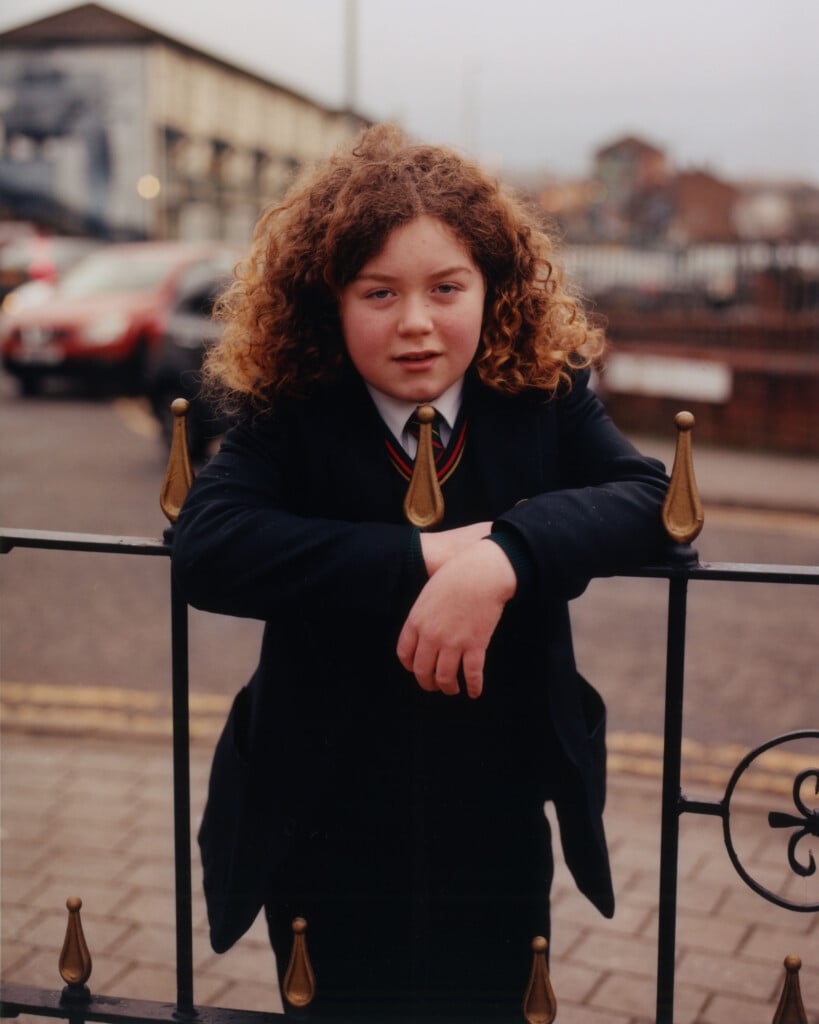
It is in this context that Zen Lefort builds This Wall. For four years he returns repeatedly to Belfast, walking along the kilometres of barriers that separate the neighbourhoods and meeting the people who live in their immediate vicinity. It is not a reportage focused exclusively on architectural structures or on a historical reconstruction of the conflict. The wall is rather the starting point for getting closer to a reality made of habits, belonging, relationships and memories that continue to be influenced by its presence.
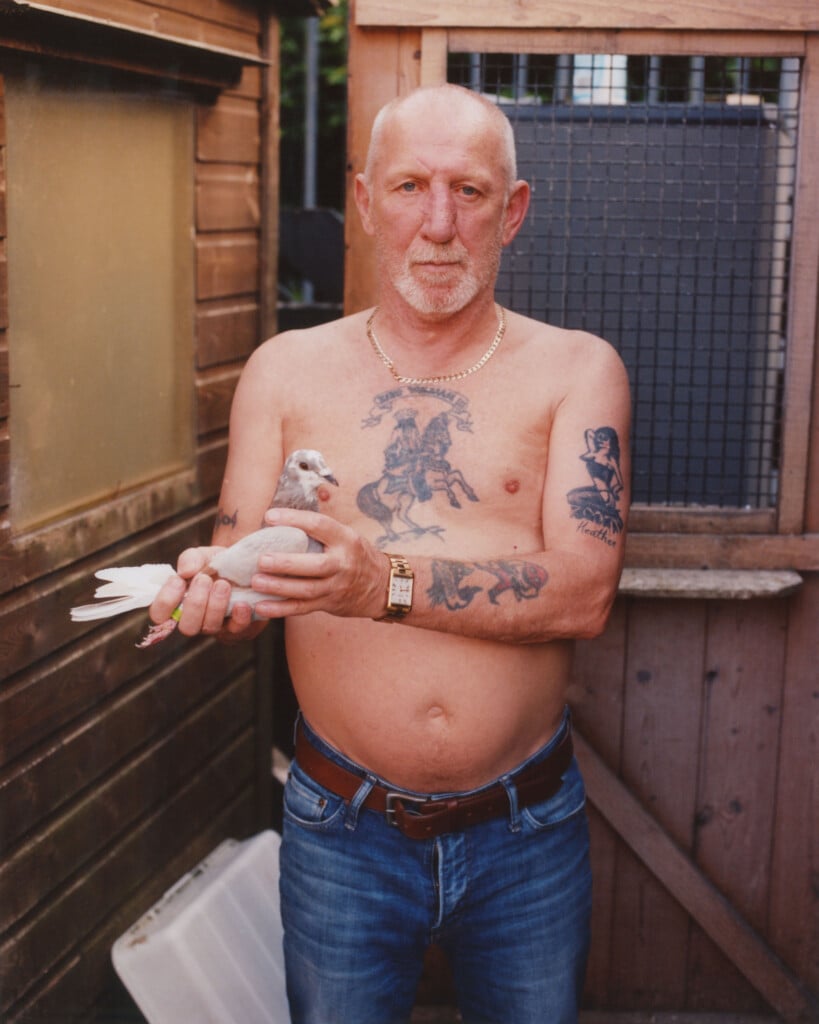
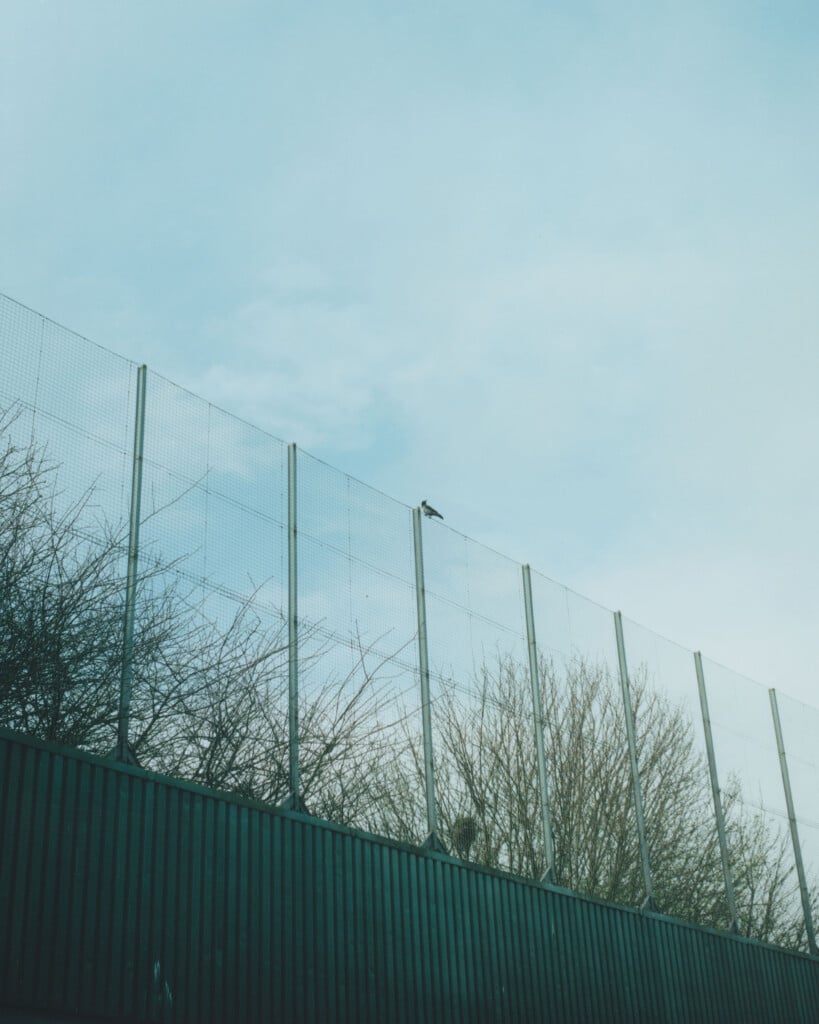
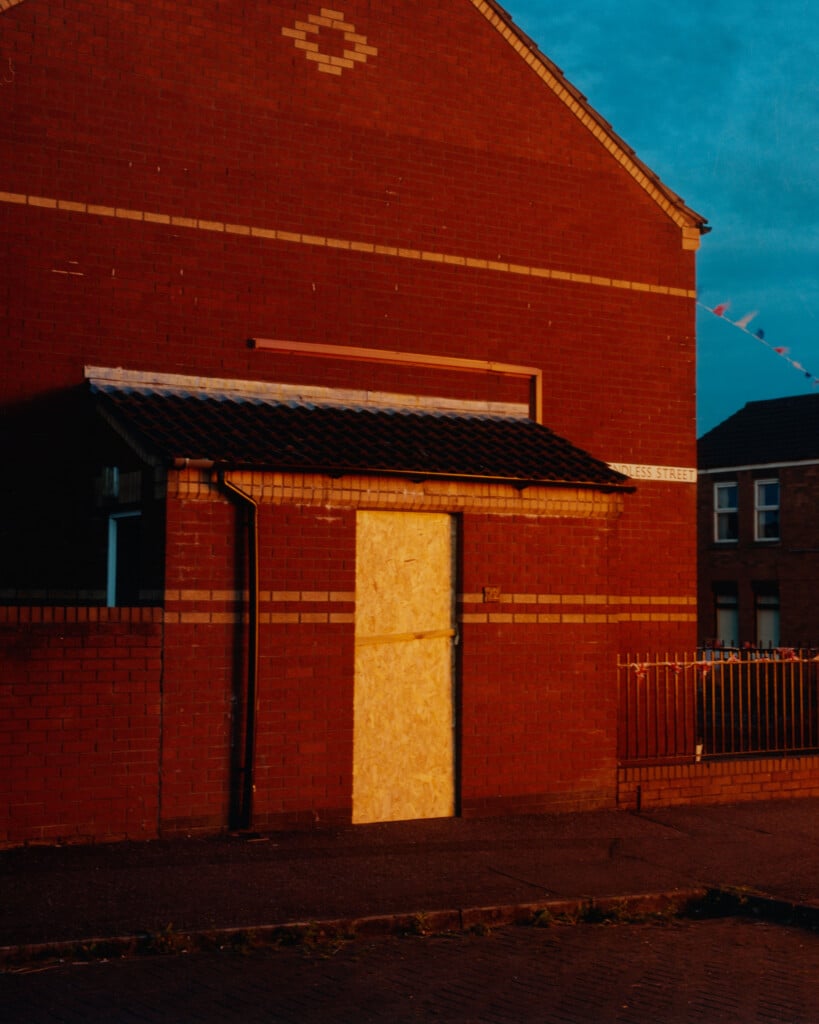
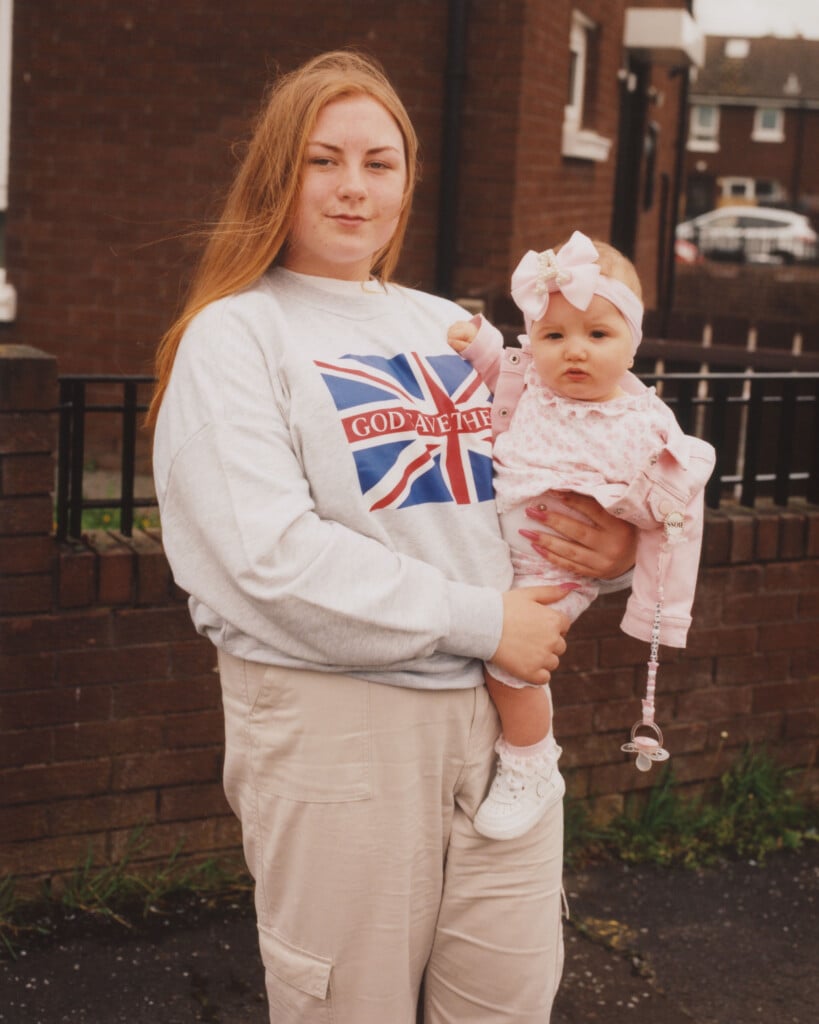
Lefort’s choice is significant above all in the way he decides to portray the people he meets. The portraits are not accompanied by any indication of the subjects’ religious or political background. We therefore do not know whether the person in front of us belongs to the Catholic or the Protestant community. A choice that frees people from the need to be immediately placed in one of the two camps and allows the images to take on a broader dimension. Attention thus shifts from identity categories to individual lives. The faces, the streets and the spaces crossed become elements of a narrative that does not try to establish on which side of the wall it is harder to live, but tries to understand what it means to grow up in a city where division is an ordinary component of daily experience.
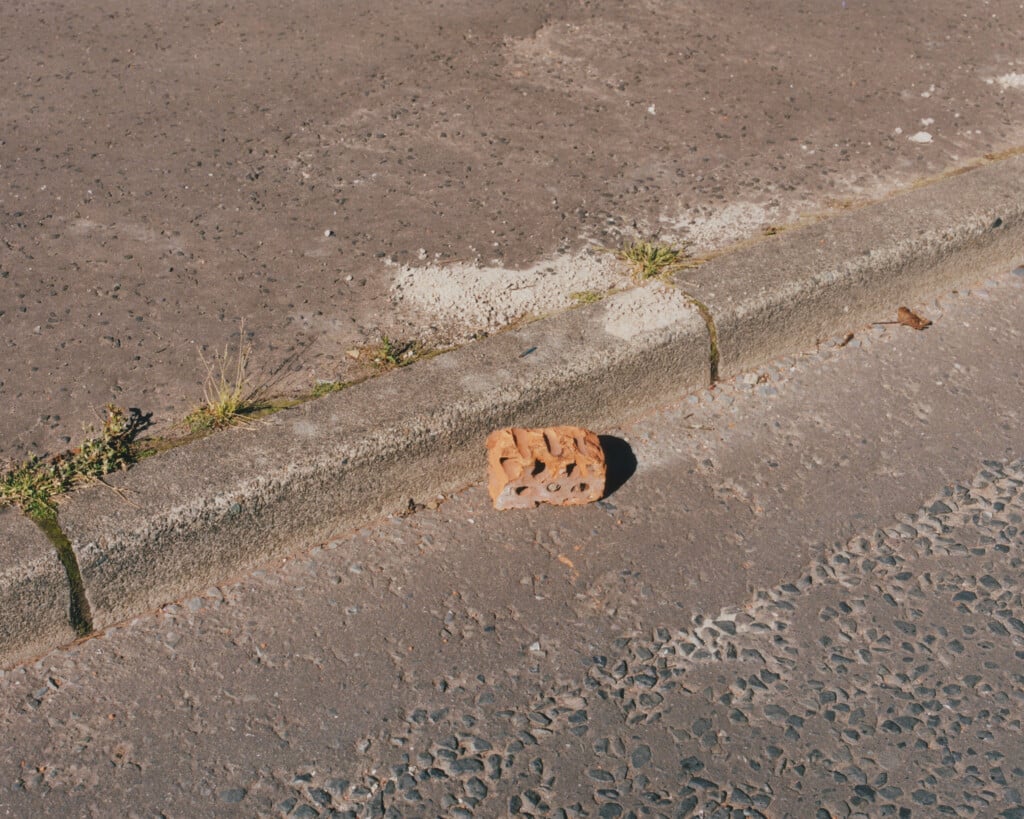
In This Wall, photography becomes a tool for observing what often remains hidden behind the most immediate representation of a conflict. Lefort does not merely document a barrier, but dwells on the life that develops around it. On either side there are two parallel worlds, separated by a physical distance that does not prevent individual experiences from showing deep similarities.
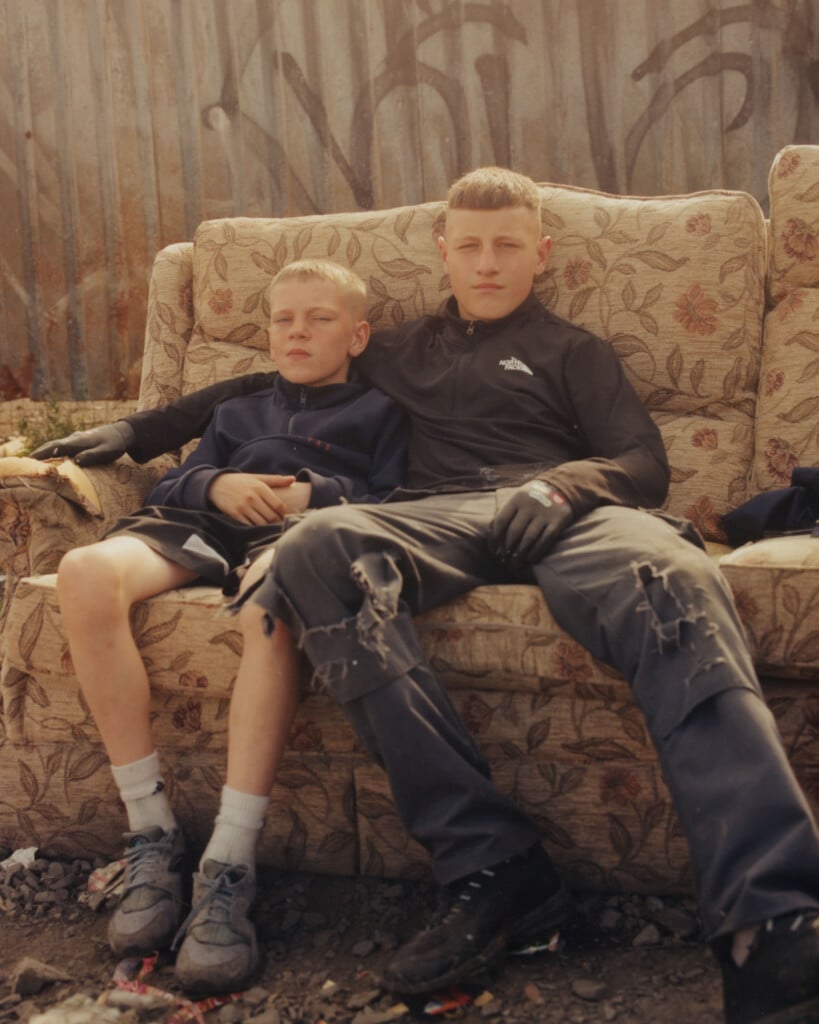
It is precisely this contradictory closeness that makes the project interesting. People live a few steps from one another, share the same city and face a daily life that, in many respects, is not so different. And yet, a structure built to prevent contact continues to organise space, movement and the way the communities perceive themselves and others. The title, This Wall, leaves little room for abstraction: it points to something precise and concrete, something that exists and can be observed. But, through Lefort’s work, that structure ends up telling much more than its own function. It becomes the visible trace of a story that has not come to an end and of a memory that continues to be passed from one generation to the next.