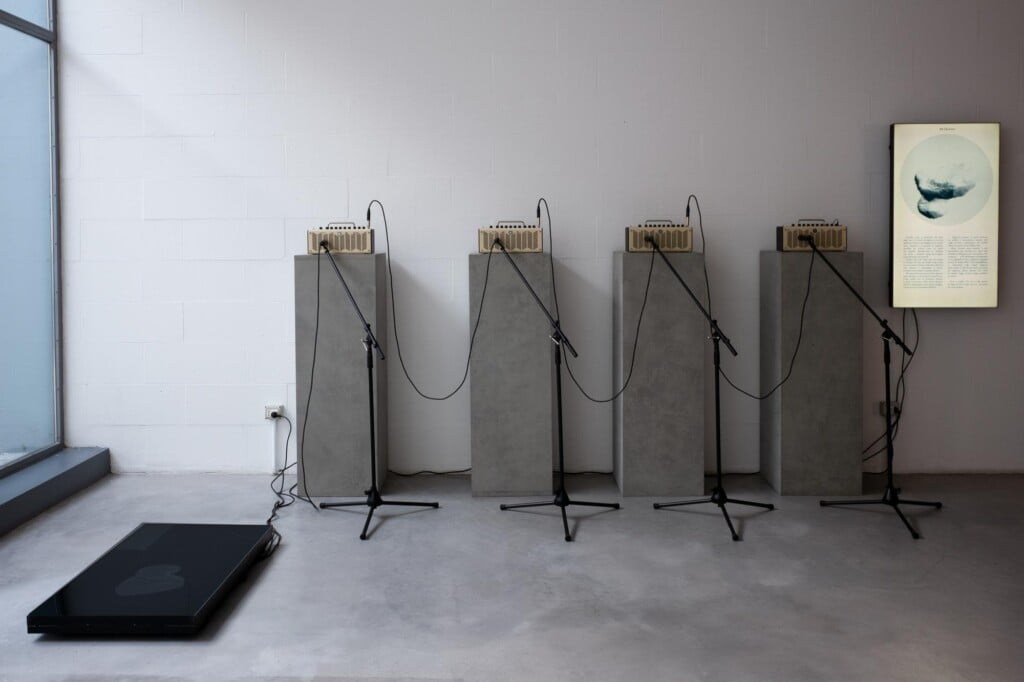
At this year’s Milano Digital Week (running in the city until Sunday, October 5), among the protagonists of the Chiaravalle Pavilion is Alessandro Capozzo, a digital artist who has been exploring the relationship between code, language, and the imaginary for years. His work moves along the boundary between algorithmic abstraction and the noise of imperfection, where technology stops being transparent and becomes poetic.
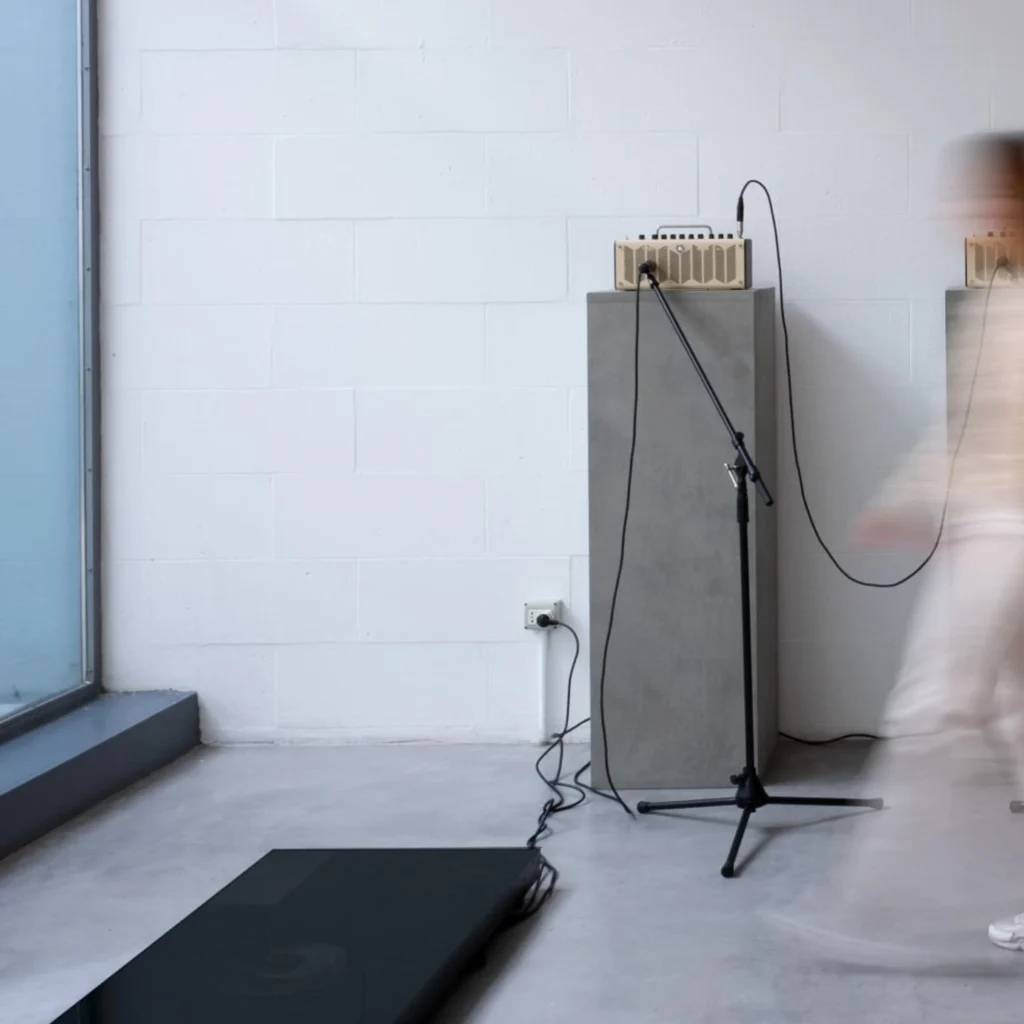
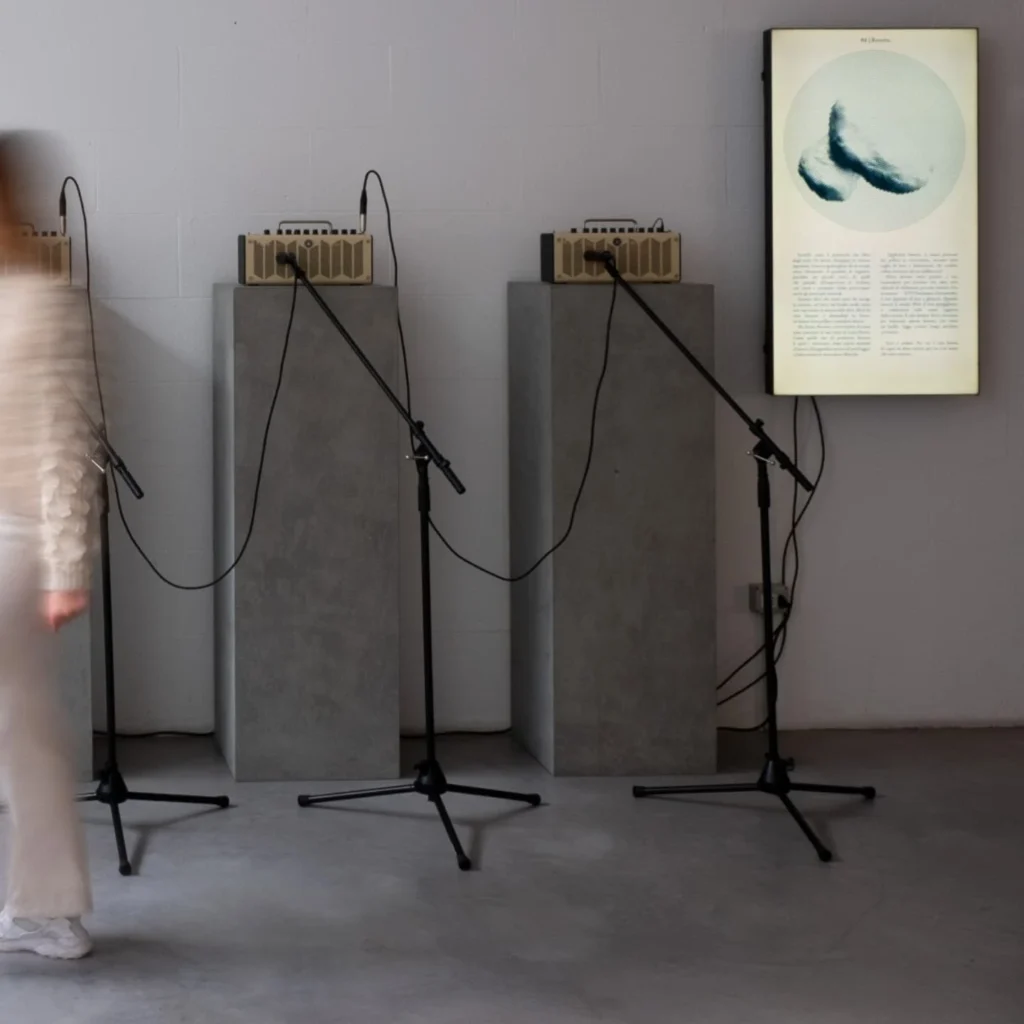
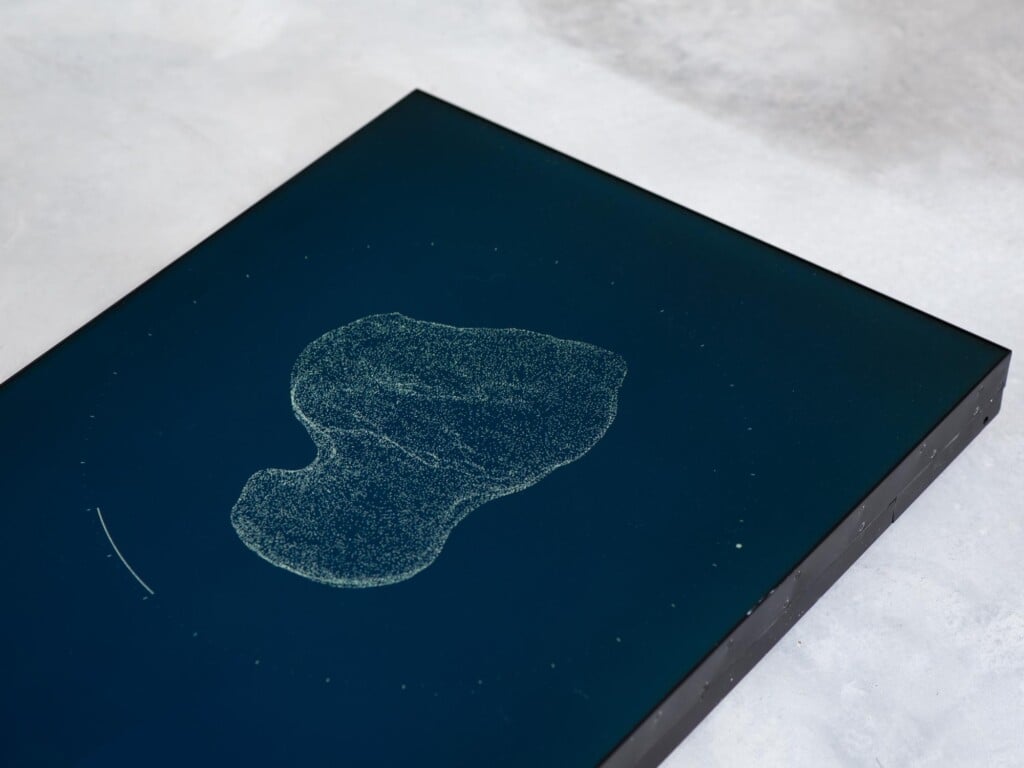
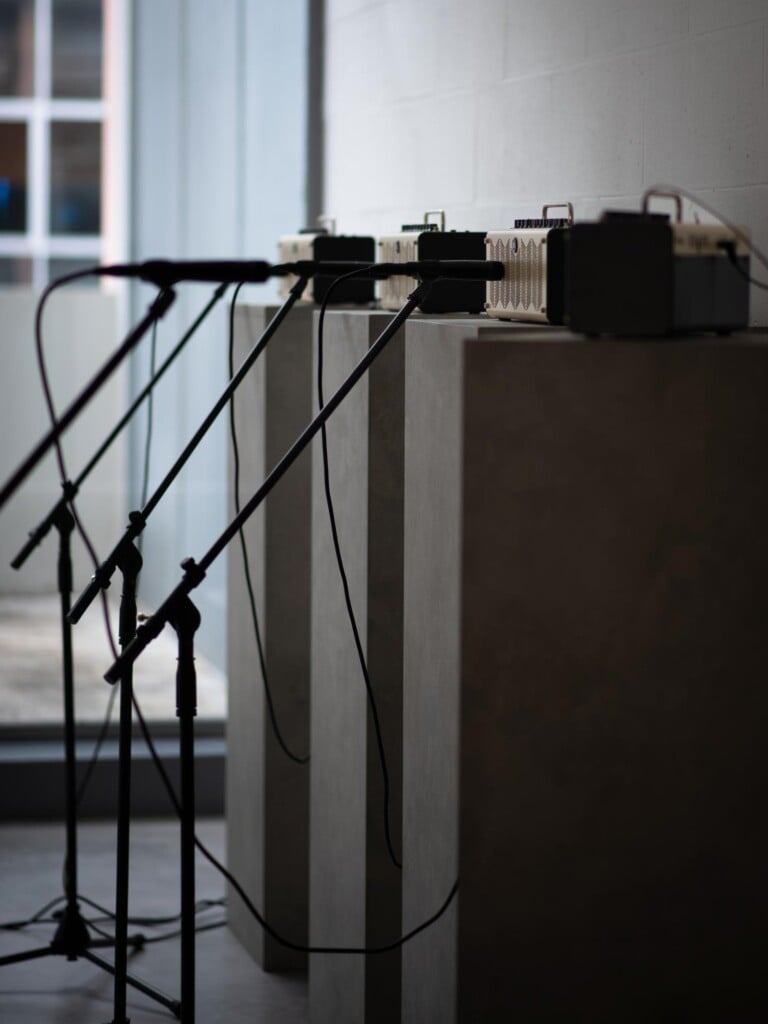
For the occasion, Capozzo presents two installations that speak to each other across time, united by the theme of space as an imaginary element. In M0t3tu5 (2019), the text is generated by a neural network specifically trained for the work, capable of producing sequences that oscillate between familiarity and alienation. In Rosetta (2024), by contrast, the micro-narrative underpinning the piece was written by the artist himself, as if to reclaim control over a language he had previously entrusted to the machine. It’s a gesture that opens up a broader reflection: sometimes technologies are most interesting when they fail, and it can be just as necessary to set them aside—without regrets.
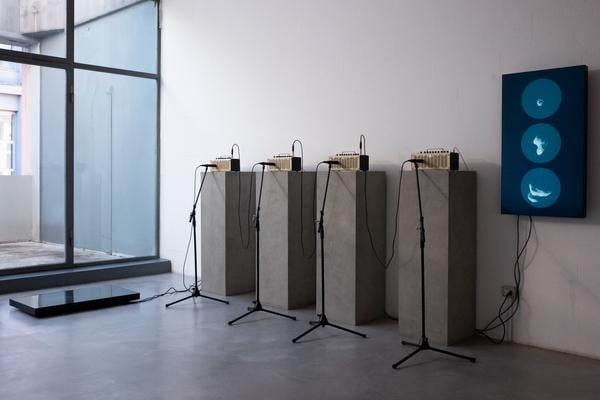
Included in the Stupor Mundi program, Capozzo’s installations transform the Chiaravalle Pavilion into a place suspended between the digital and the real, between automatism and authorial writing. A space that invites the public to explore not only the potential of technology but also its limits, reminding us that it is precisely in imperfection that wonder can arise.