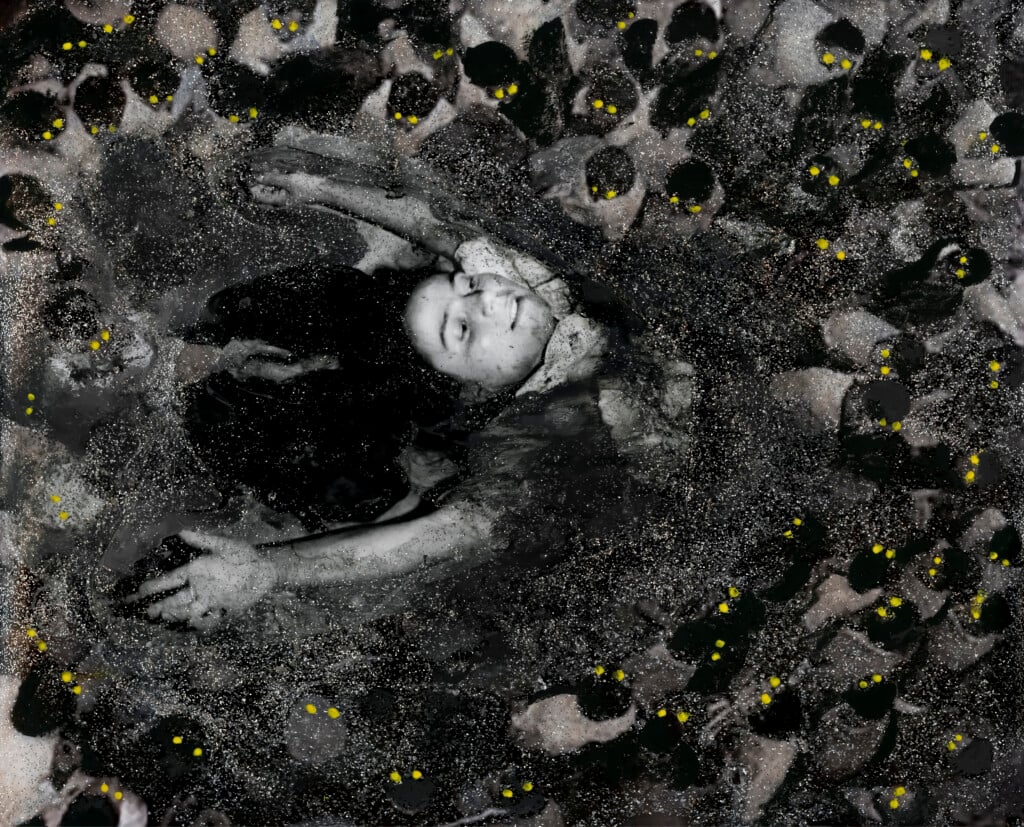
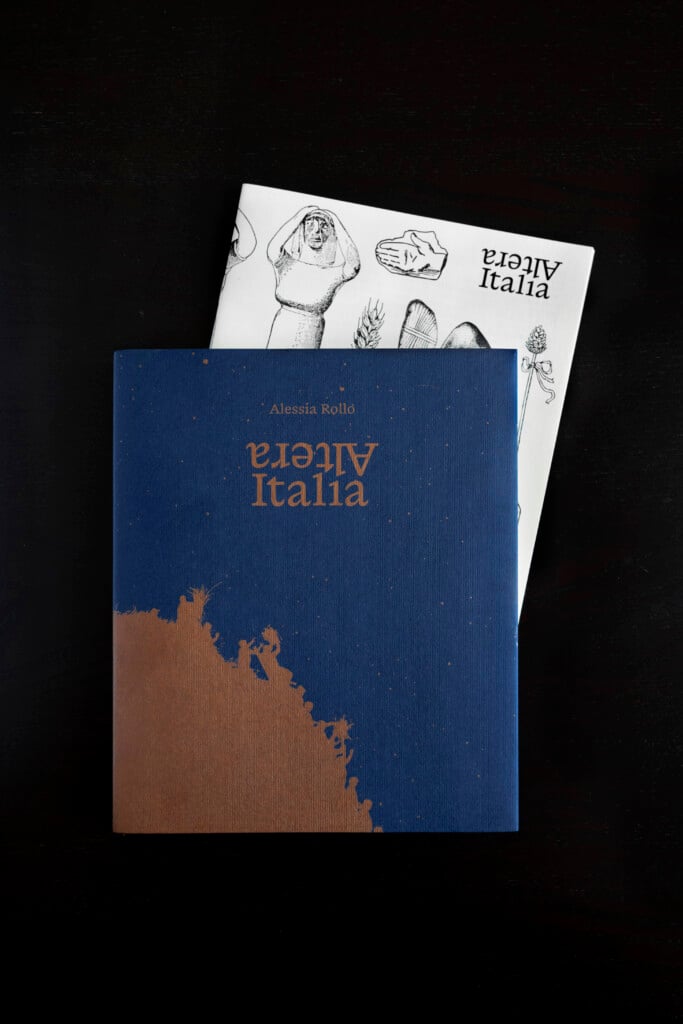
Altera Italia is Alessia Rollo’s attempt to look at Southern Italy from a different perspective, far from the stereotypical narratives that have shaped its image for decades. In this project, which has also become a book published by Miracoli Visivi, the Italian photographer constructs a visual and anthropological investigation that moves through rituals, symbols, and collective memories, giving Southern Italy a contemporary dimension suspended between past and present.
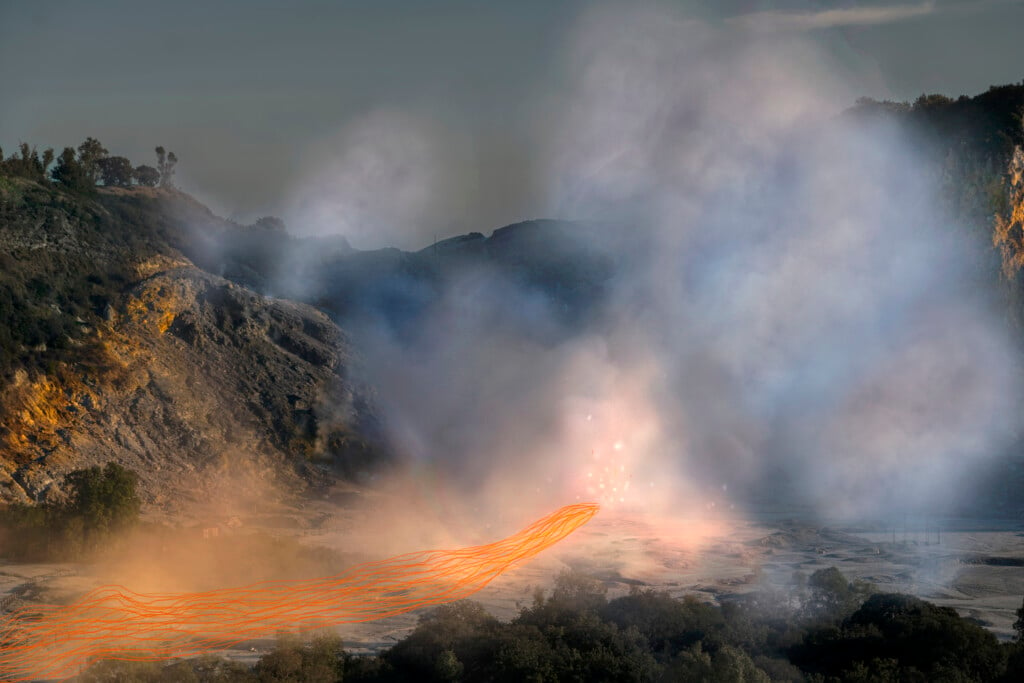
The work stems from a reflection on the historical representation of Southern Italy. Between the 1950s and 1960s, anthropologists, filmmakers, and photographers, often following the research of Ernesto De Martino, documented Southern ritual traditions, helping to build an imaginary that ultimately described these territories as archaic and marginal. Photography, used as a “scientific” tool, flattened the cultural and symbolic complexity of local communities. “Altera Italia” starts precisely from this legacy, seeking to overturn it and reconsider the identity of the South through a contemporary visual reading.


The project unfolds in two connected sections. The first is a reappropriation of the historical archive: Rollo recovers images from past anthropological expeditions and intervenes directly on them through painting on negatives, digital manipulations, and analogue interventions, restoring a magical and ritual dimension to the photographs.
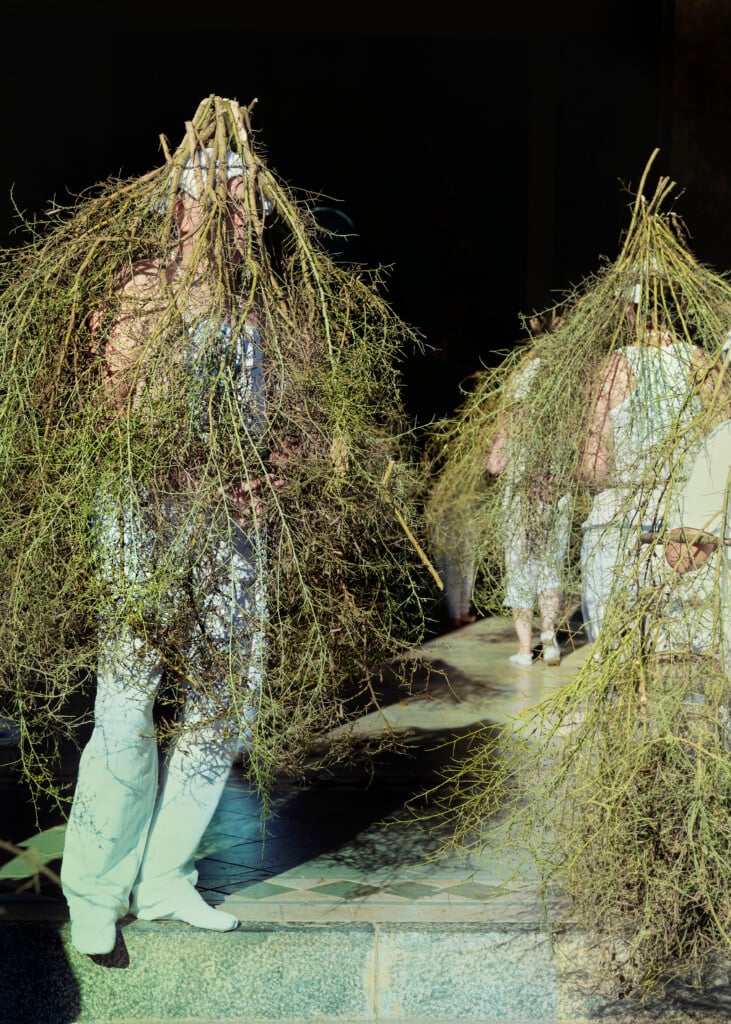
The second part consists of a new photographic body of work dedicated to the rituals still practiced in Southern Italy today. Here too, the intervention on the image creates evocative atmospheres, far from a purely documentary approach. Alessia Rollo’s aim is not to catalogue these celebrations, but to invite the viewer to feel them through symbolic associations and visual suggestions.
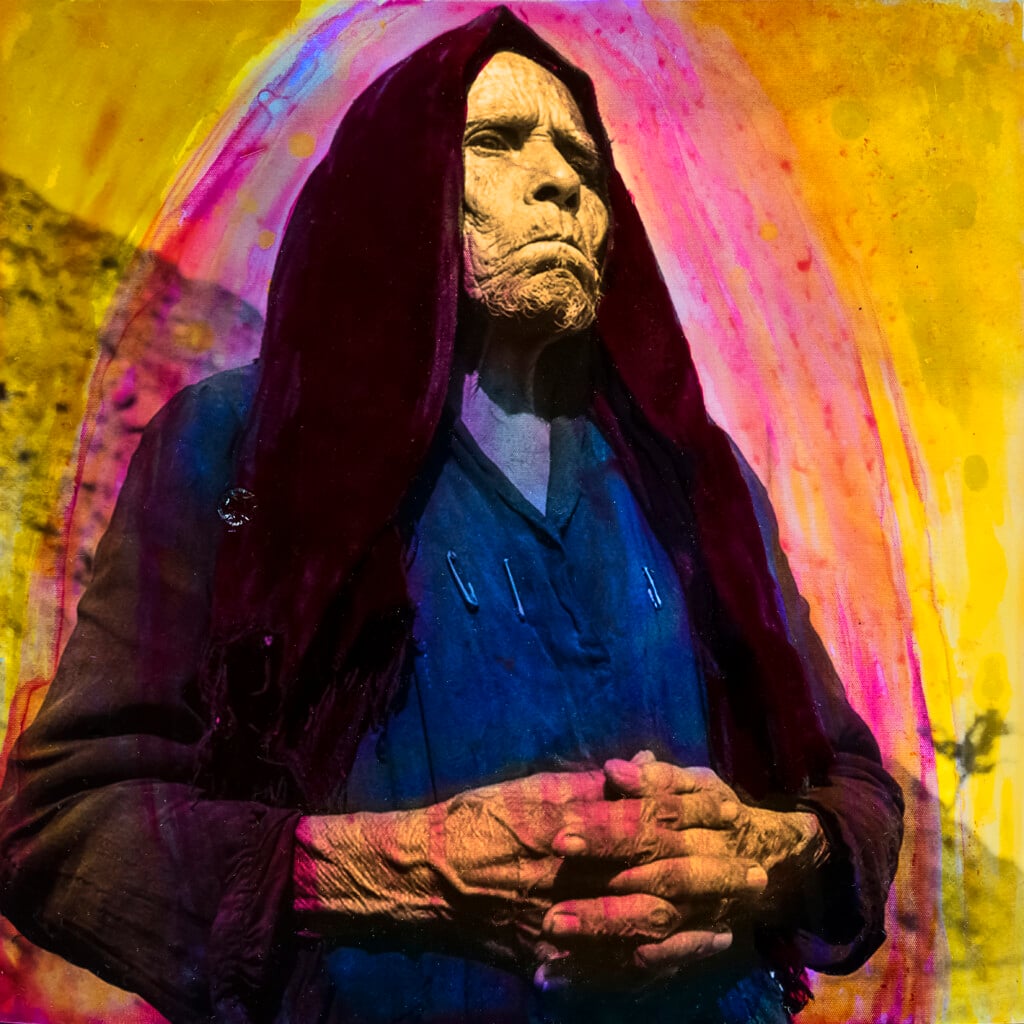
Halfway between visual anthropology and artistic research, “Altera Italia” becomes an attempt to decolonize the gaze on Southern Italy. The images build a circular narrative in which rituals, symbols, and deities intertwine with the intention of “re-enchanting the world” and restoring a living, contemporary dimension to ritual culture.
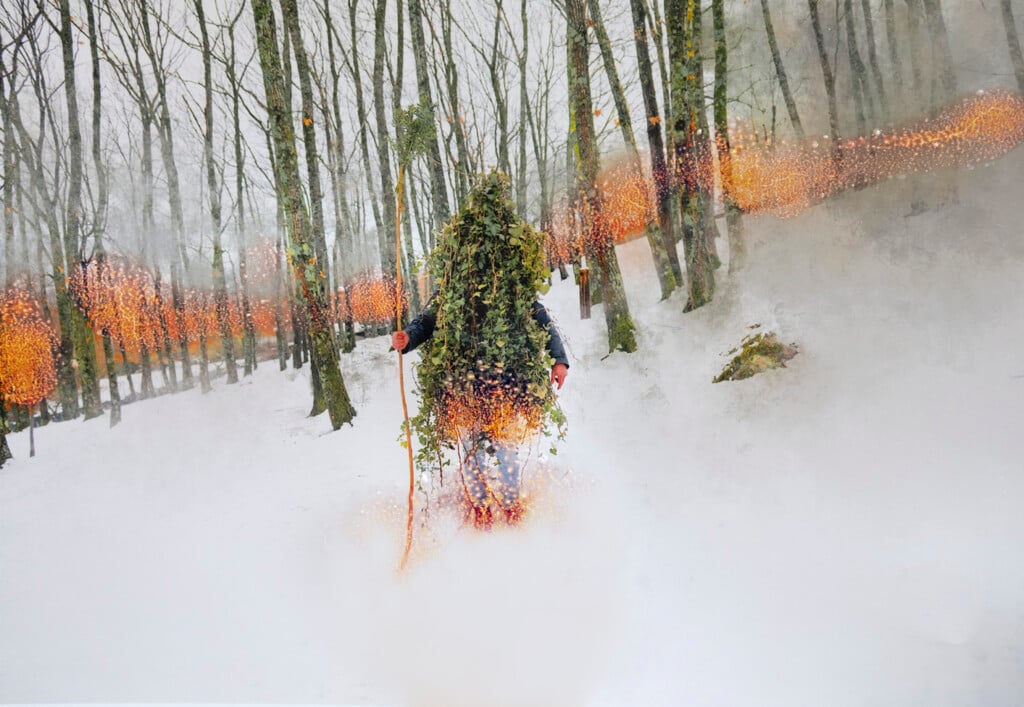
Ecological themes also emerge: the documented rituals tell of a deep relationship between humans and nature, an ancestral connection that still survives today in many Southern communities. Altera Italia thus presents itself as an editorial and photographic project that challenges the dominant gaze and proposes a new reading of Southern Italy, one that is more complex and layered.
Read also: Lisa Mazzei rewrites the imagery of the frontier with Private Outlands