Article by Floriana Savino
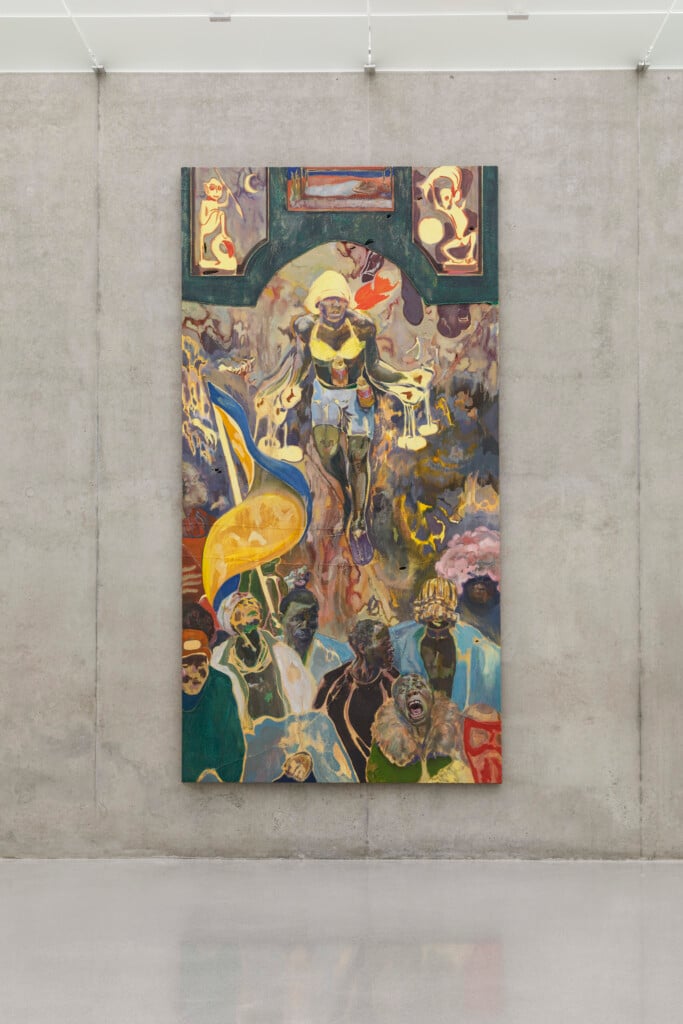
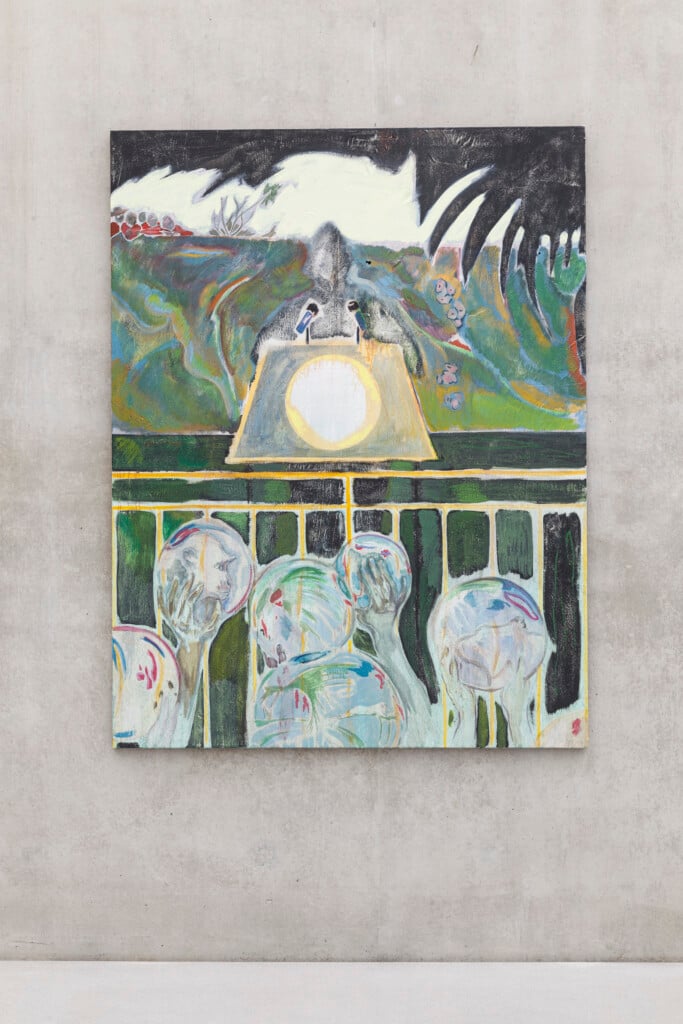
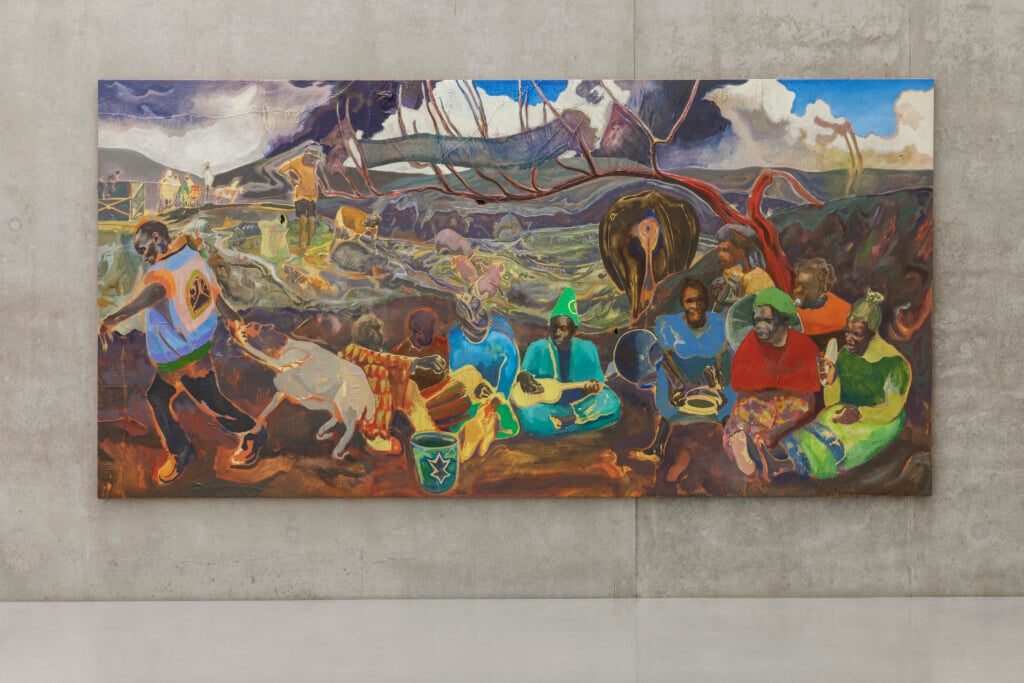
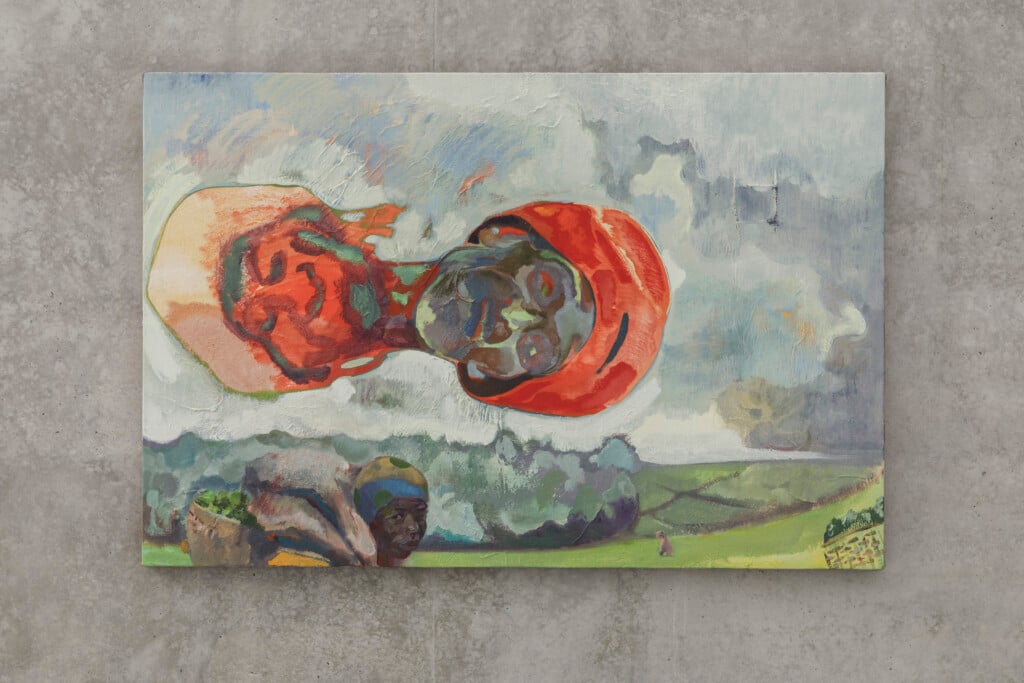
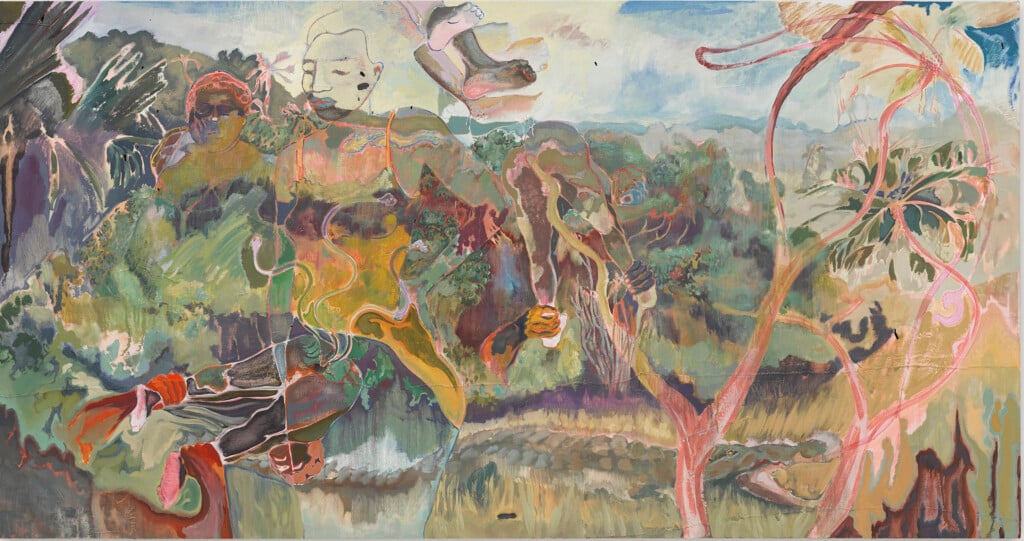
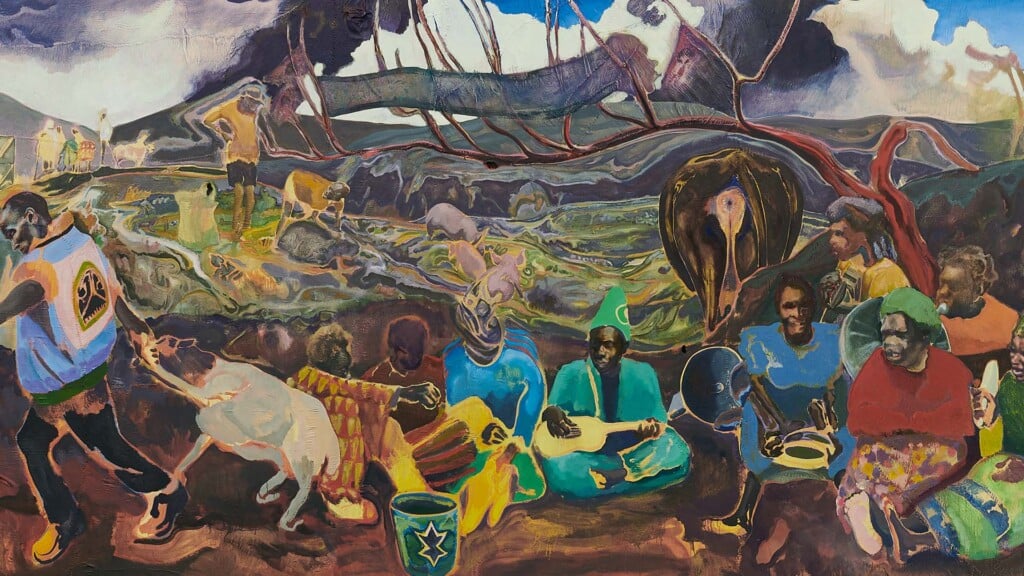
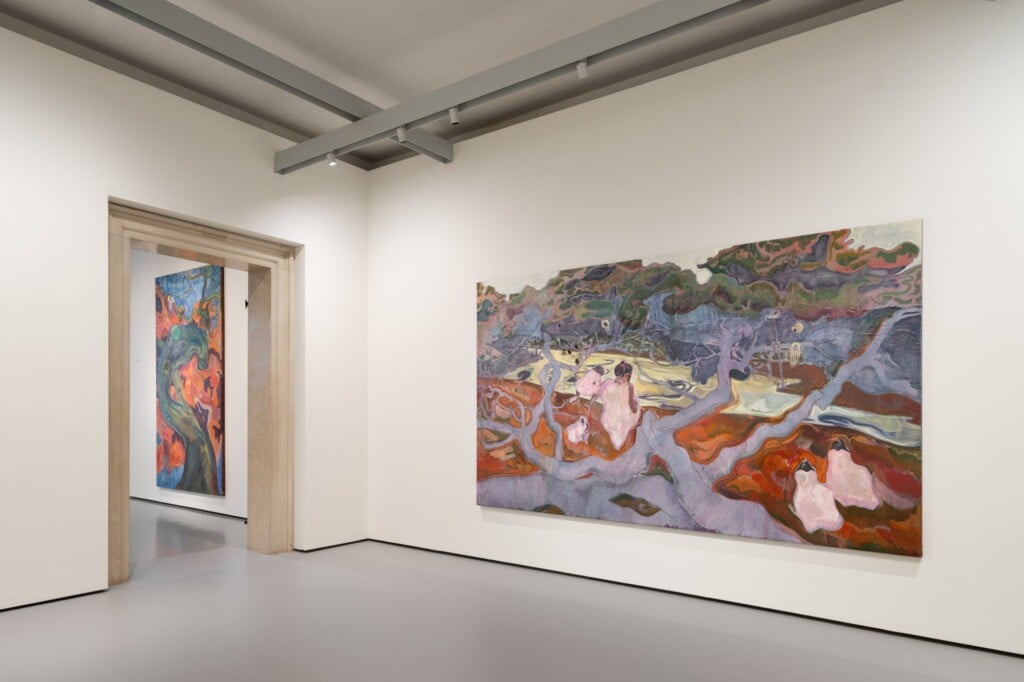
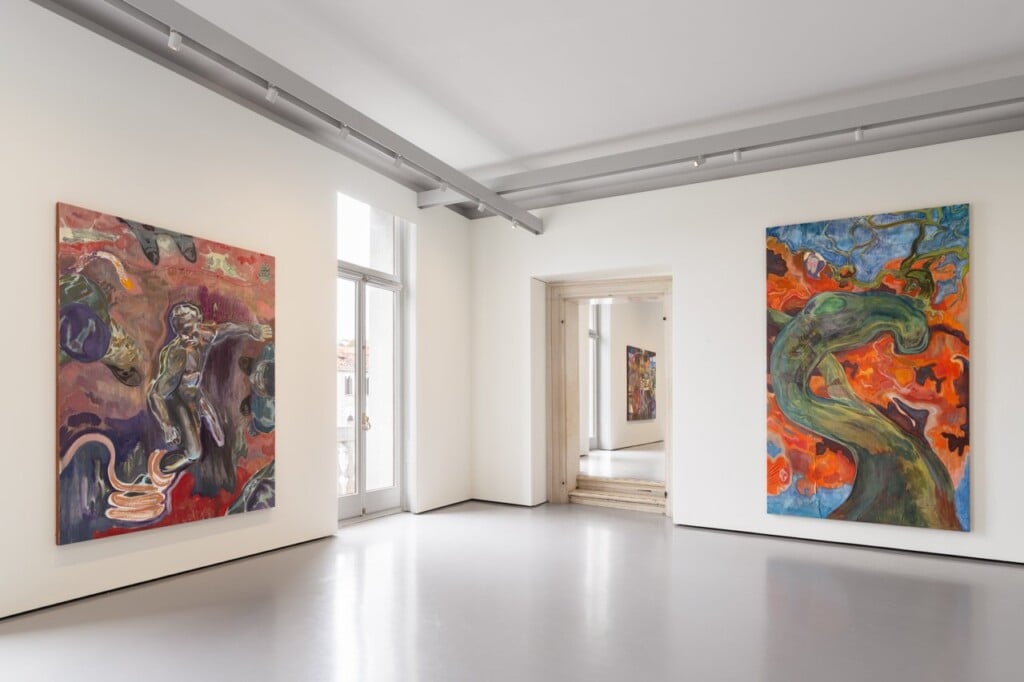
From 29 March 2026 to 10 January 2027, visual artist Michael Armitage (Nairobi, 1984) will inhabit the grand spaces of Palazzo Grassi in Venice with a selection of paintings that majestically conveys the imagined poetics of a mysterious and pulsating universe.
In a recent editorial contribution to Outlook India, Zenaira Bakhsh identified the grave risk of a genuine “compassion fatigue” in the face of the redundant media proliferation and the seemingly endless reach of the conflicts gripping the present. According to the argument put forward by the Indian journalist, the continuous, daily flow of images of an increasingly toxic, malevolent and bloodthirsty nature does nothing but serve up desensitisation on a silver platter, even to those who have always consciously abhorred the senselessness and atrocities of war. Exposure at the click of a button seems, in fact, to have brought the analysis so brilliantly conveyed by Susan Sontag in her essay Regarding the Pain of Others (2003) to an ever higher level of perverse acceptance.
The destruction that floods social media and news outlets across half the world seems in some way to have given way to the most irrational and insensitive unfulfilled belief in a life lived at the pace of video games. In the blood and the wretched disappearance of bodies alive just a moment before, the improvised and constantly online spectator of the third millennium seems to lose themselves in the hazy smoke of propaganda and the illusion of always remaining at the safest possible distance.
If the mothers of Gaza, desperately searching for whatever remains of a child’s poor little body, already represent the ultimate image and abomination of what we have collectively failed to protect and safeguard, the raw, wounded, and anguished painting of Michael Armitage strikes up an ode to a vision intent on unmasking a more insidious and pervasive indifference.
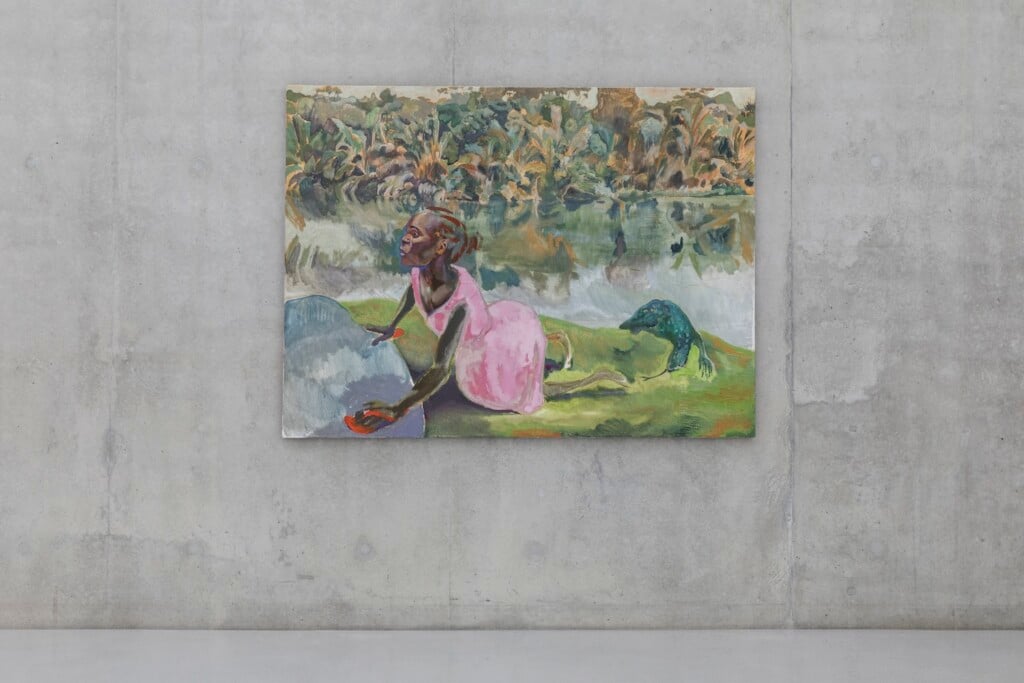
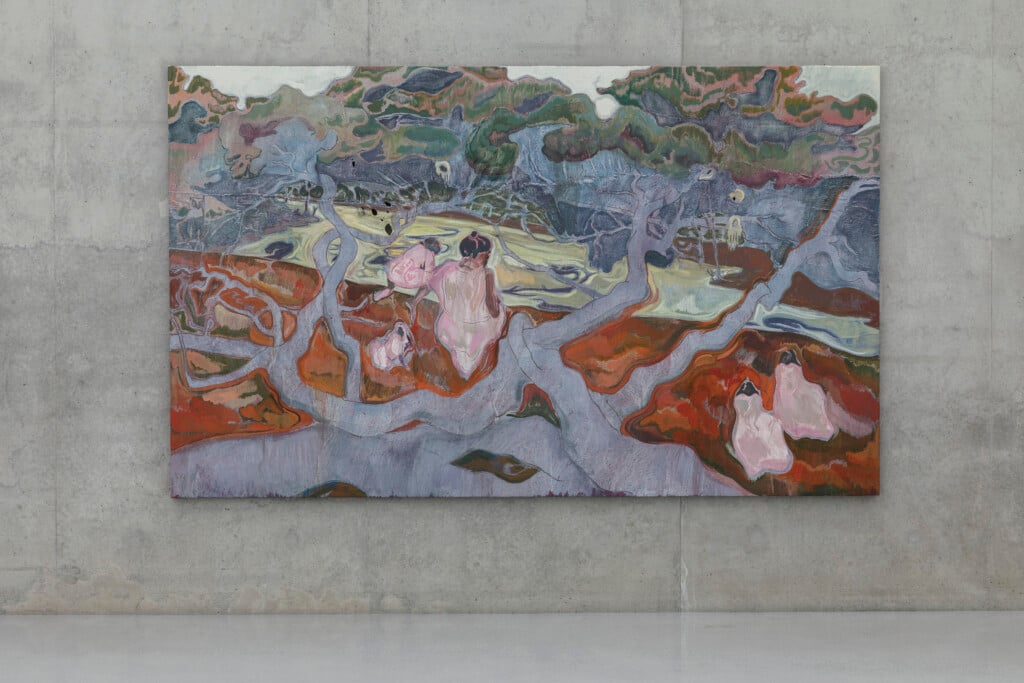
Along the trajectory of an era in art that one might symbolically define as memorable, Armitage’s large canvases have dominated outstanding international exhibitions, attracting demand and attention from the most coveted art collections. Drawing inspiration from an infinite African history, accompanied by the beauty of myth and the power of its most sacred and heartfelt rituals, the British-Kenyan artist has clothed his palette in wondrous, richly textured colours that speak to a vibrant and shared vitality. In his encounter with the wider world — spanning European and even Asian traditions and mythologies — the hand of an artist who has shown himself capable of portraying pain and injustice with the same mastery and pathos as Francisco Goya reverberates like a stone cast beyond the murky pond of the most wilful and malign indifferences.
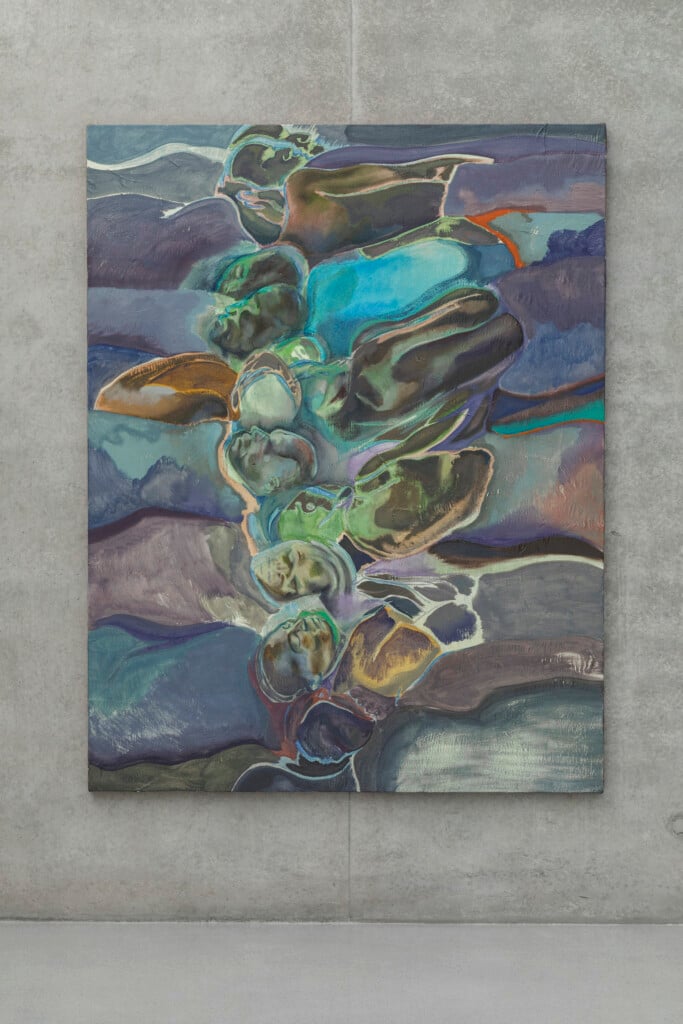
The majestic painting Detention Cell (2021) — evoking the tangible presence of an aqueous substrate and the surreal, metaphorical arrangement of bodies lying in a herringbone pattern — seems to illuminate, with the most heartbreaking and precious poetry, the silenced end of the countless deaths at sea. A largely avoidable crime, hushed up by the powerful and minimised by governments, occupies the conscience of art in the desperate echo of prisons and places of detention that cruelly extends far beyond the standard image of iron chains and concrete cages.
In 1998, Polish reporter and writer Ryszard Kapuściński, holding close to his heart the generous, living breath of a vast and multifaceted land, entrusted to his pen:
“Africa is too large to describe. It is an ocean, a separate planet, a varied and immensely rich cosmos. It is only for the sake of simplicity and convenience that we call it Africa.“
Believing in a varied and equitably possible universe, Michael Armitage entrusts to painting the emphasis of the dreamed and the unspeakable, of the suffered and the achievable. Within the fabric of territories both real and unconsciously adrift, song and the most ancient myth offer countless faces and a thousand essences to a daily, against-the-current dance that, held close to the heart, gives life its purpose.