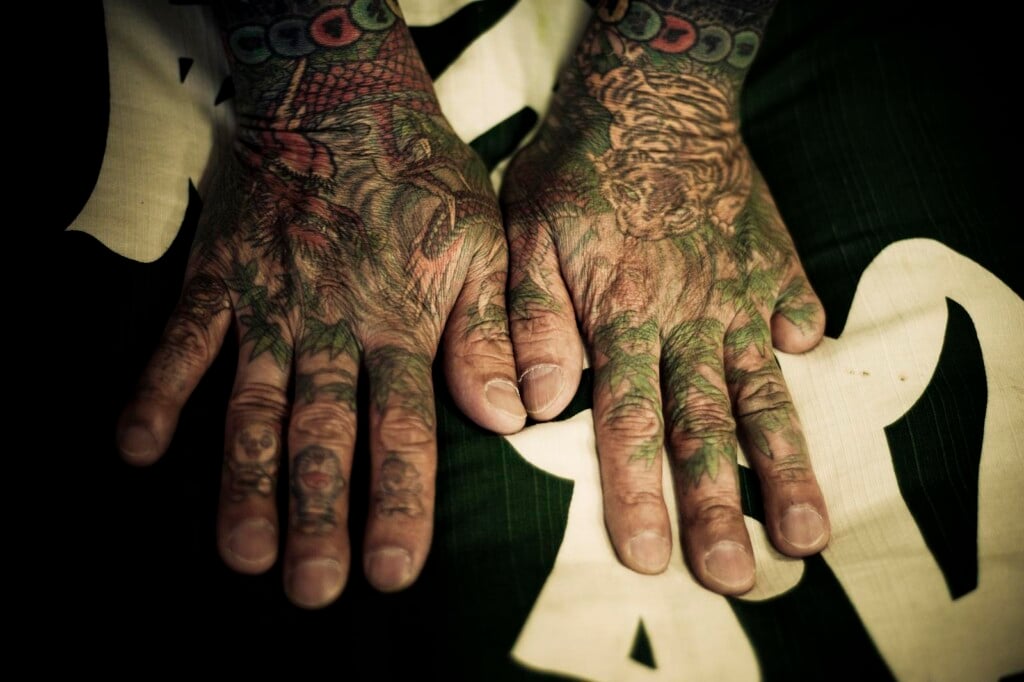
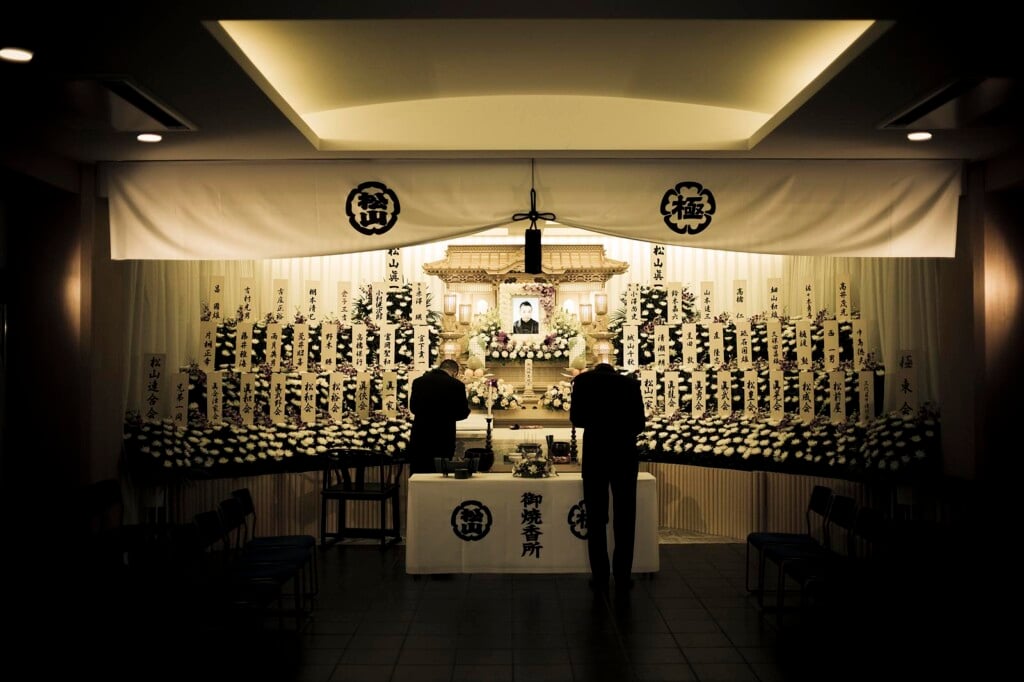
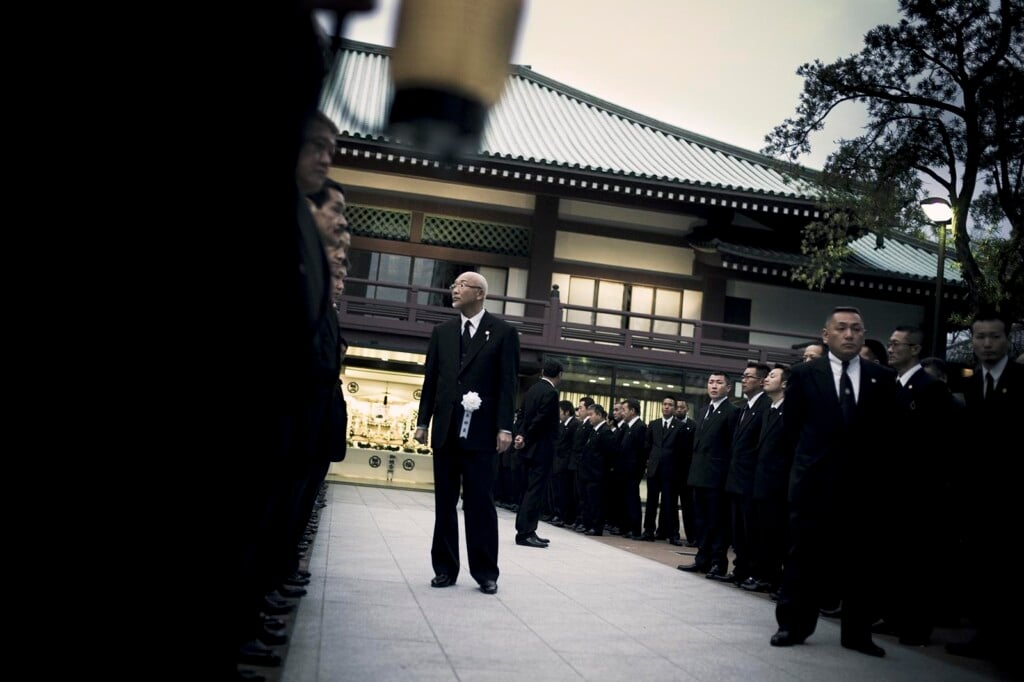
When it comes to documentary photography, few contemporary projects have sparked such an intense critical conversation as Yakuza – The Secret World of Japan’s Mafia by Anton Kusters. The Belgian photographer managed to gain extremely rare access inside one of the most closed and ritualized clans in Japanese organized crime. His work is not a report on violence, but an exercise in attentiveness, respect, and patient observation.
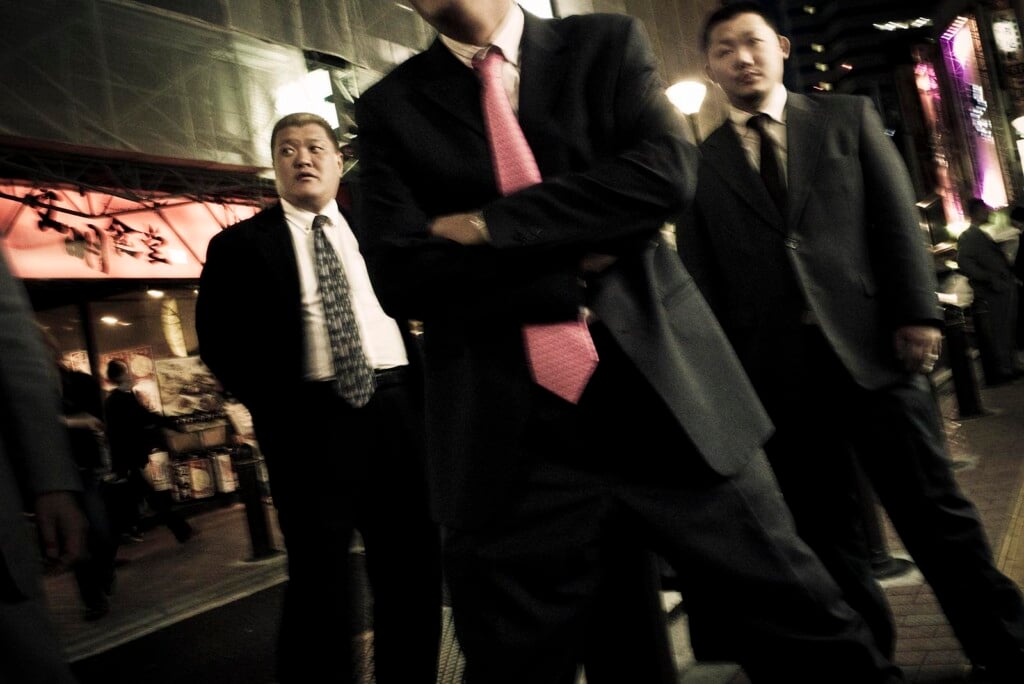
For two years, Kusters followed the daily life of a group of men whom Japanese society considers both present and invisible at the same time. But his access was not immediate: it came after months of uncertainty, negotiations, and a very delicate balance between trust and distance.
The turning point came during his first formal meeting with the clan members. As he entered a room and showed visible nervousness, Kusters was immediately reprimanded. As he recounts in this interview with The Malestrom, one of those present told him: “You are allowed to photograph us for two years. The fact that you are nervous shows us that you do not feel safe, and this is a sign of disrespect towards us. Our word is our bond; nothing can happen to you as long as you are with us.”
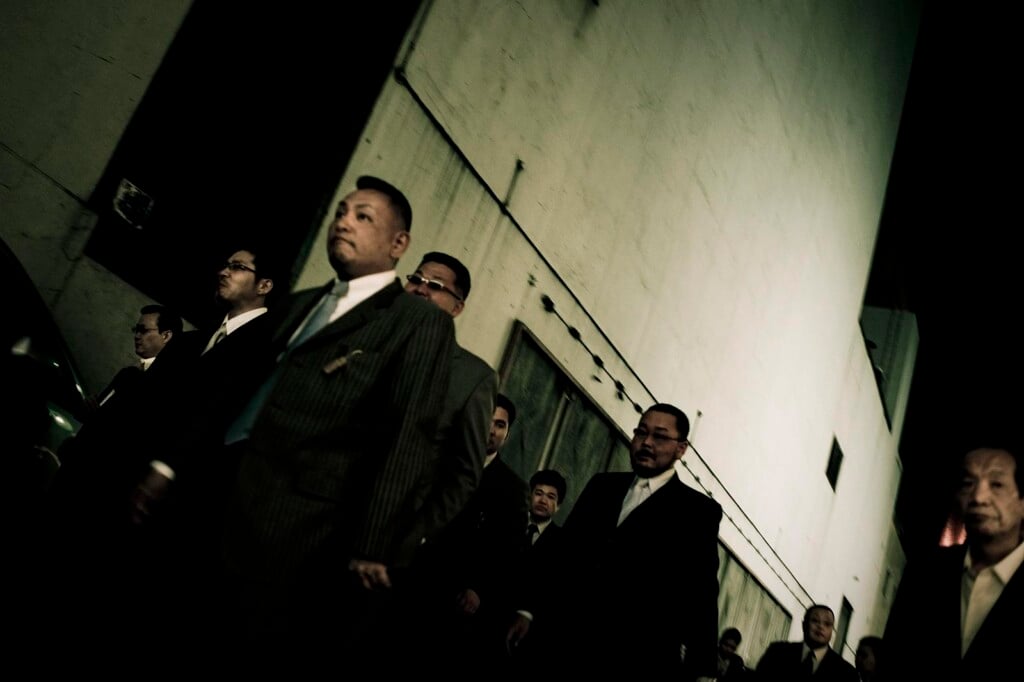
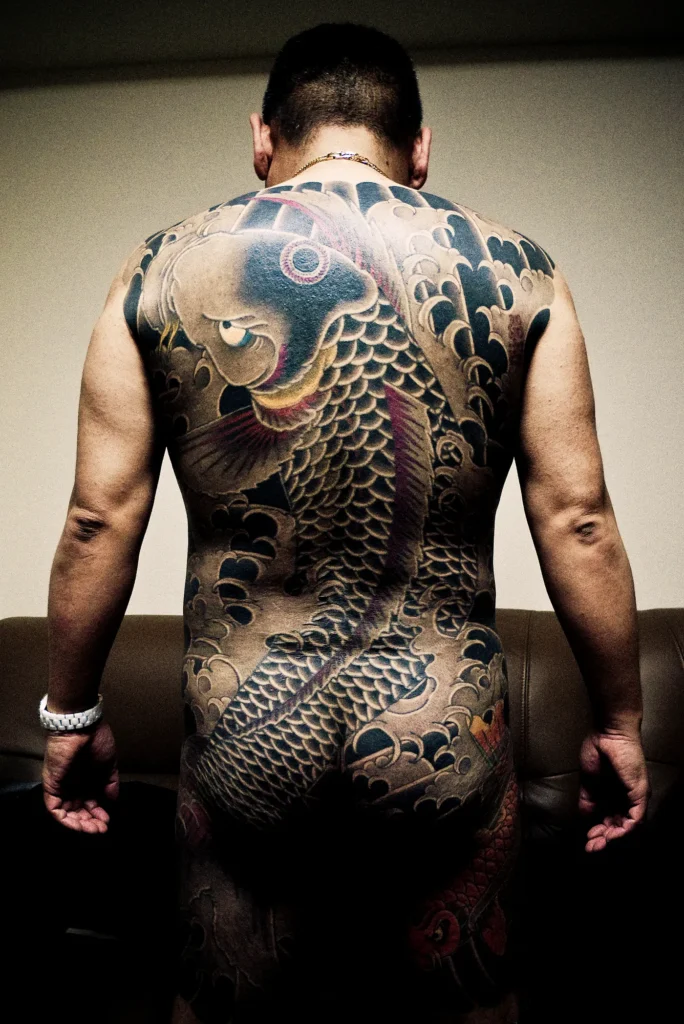
That sentence changed the trajectory of the project: to photograph the Yakuza it was not enough to be an observer; it was necessary to enter a particular form of presence, in which emotions and prejudices were bracketed. Kusters’s images never shout. They are photographs that speak through subtraction: tight framings, awkward angles, nighttime light, skin stretched beneath pressed shirts, opaque windows that let only a minimal portion of the outside world filter through.
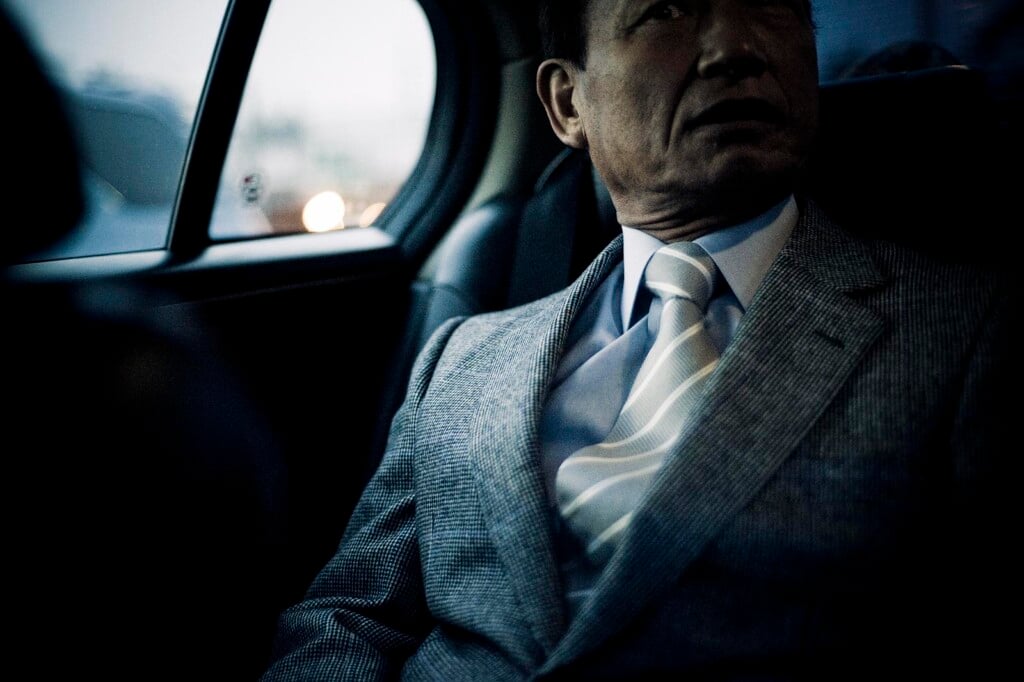
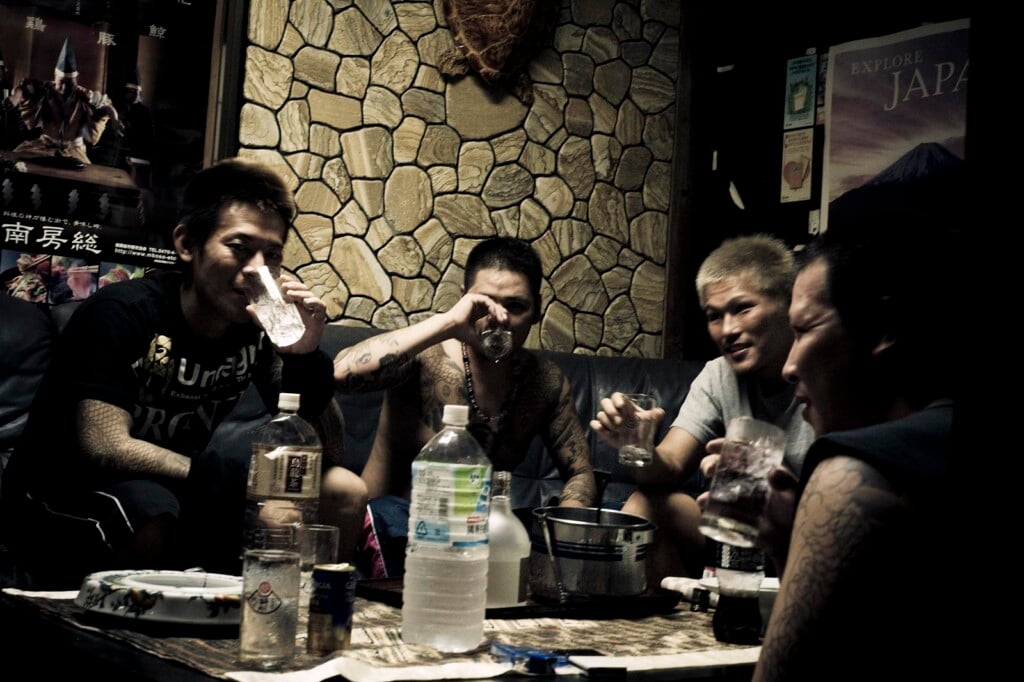
Unlike cinematic portrayals—rich in tattoos, rituals, and violence—Kusters chooses to remain in the ordinary, in the everyday, where power is suggested rather than shown.
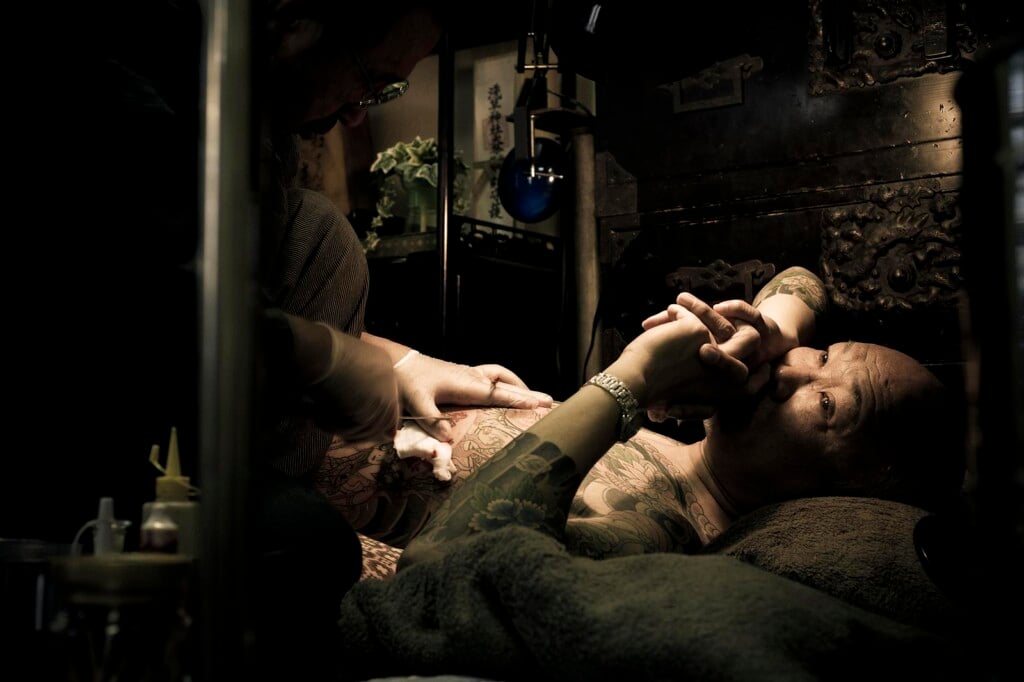
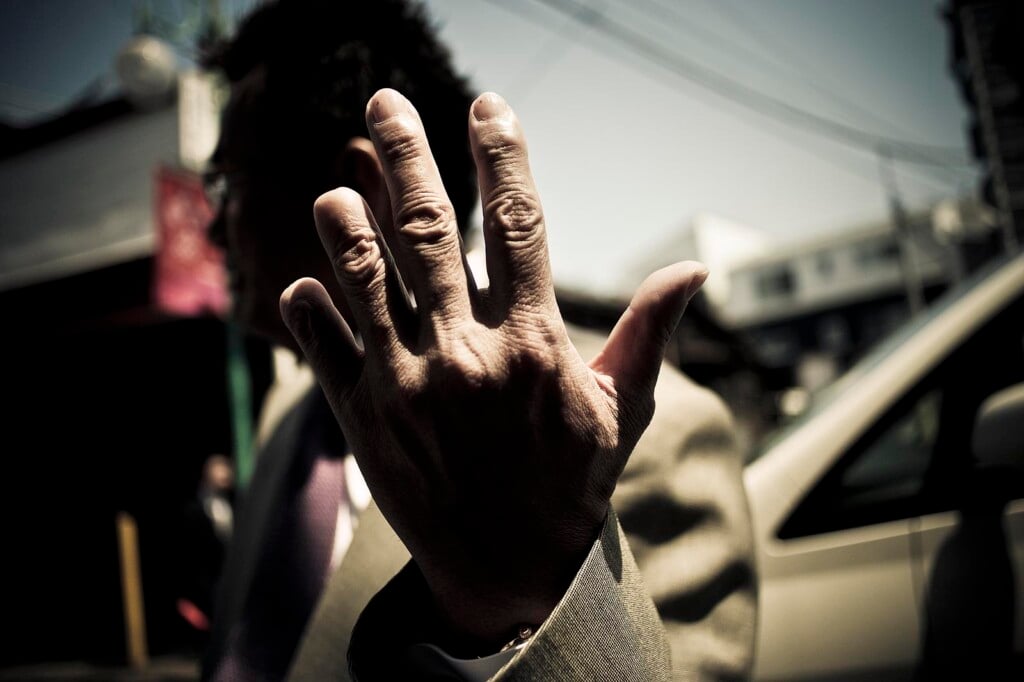
In Kusters’s project, the only real emergence of violence does not come from weapons or clashes, but from a detail that speaks silently: hands photographed with one or more fingers amputated. It is a sign deeply rooted in Yakuza tradition, a ritual gesture known as yubitsume. In the past, when a member made a serious mistake or put the group at risk, they were required to cut off part of their little finger as a form of apology and personal responsibility.

This article was produced in collaboration with Luigi Falanga aka @super8otto.