Today, Wednesday, September 9, at 7 pm Italian time, Apple will once again be at the center of attention with the “Surprise and Shine” keynote. It will be the first major event of the John Ternus era, who became CEO after Tim Cook moved to executive chairman. Rumors point to the iPhone 18 Pro, a first foldable model, and a possible postponement of the standard model to spring. A strategy that, if confirmed, would concentrate the event on the highest end of the market.
The real question, though, is what Apple represents today. A status symbol communicates a social position, real or desired. A cultural icon produces meanings that go beyond the product and shapes the way a society looks at itself. Then there’s what marketing calls an identity signal, a signal through which we tell people who we are and which community we feel we belong to. For many years, Apple was all of these things at once.
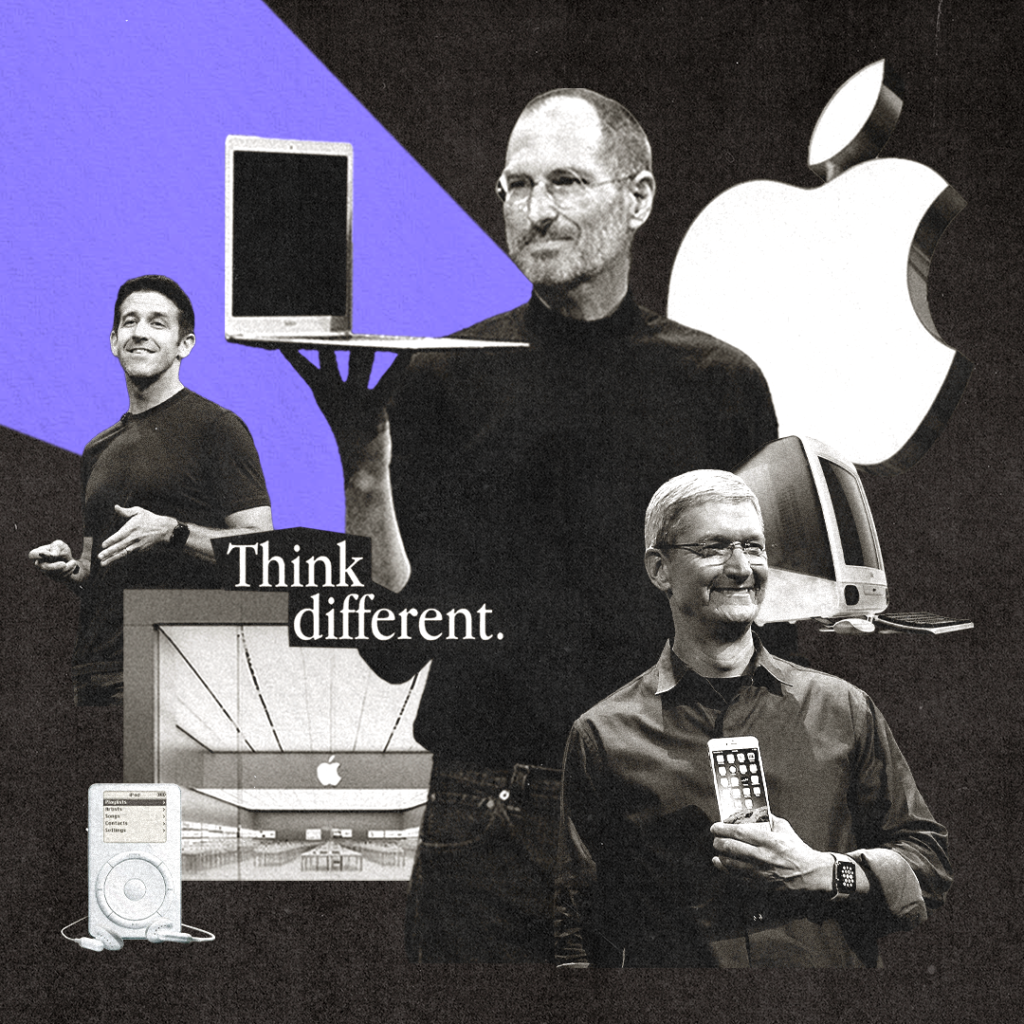
The “1984” ad, directed by Ridley Scott for the Macintosh launch, remains one of the highest points ever reached by tech advertising. An athlete smashes the screen of Big Brother with a hammer, promising a free world and breaking the Orwellian prophecy. It didn’t describe a computer’s features, and Apple presented itself as the alternative to a uniform system. Between the end of that century and the start of the new one, with the “Think Different” ad, Steve Jobs’s voice celebrated the crazy ones, the rebels, the ones who see things differently. The product stayed in the background because Apple was asking people to recognize themselves in a worldview.
The soul was inseparably tied to Steve Jobs’s charisma, but it also lay in the consistency between what the brand declared and the role it assigned to technology. Computers weren’t meant to replace creativity, but to expand it. With the iPod, MacBook, and iPhone, that conviction entered everyday life, and owning an Apple product meant declaring a certain familiarity with the future. A Mac said something about the work, tastes, and identity of whoever used it.
One last example that comes to mind is the 2014 iPad Air commercial titled “Your Verse,” in which Robin Williams’s voice recites Walt Whitman’s poem “O Me! O Life!” to inspire people to leave their mark on the world, to become poets, “What will your verse be?”…
Today that signal is clearly weaker. The iPhone still points to belonging, but it has become too widespread to really set anyone apart.
Blaming this shift on Steve Jobs’s death would be a shortcut. Under Tim Cook, Apple has become bigger and more profitable. It has strengthened its services and turned its devices into an ecosystem that’s hard to leave. Jobs’s Apple promised a direction, while Cook’s has bet on continuity. “Think Different” invited people to break with convention; “Relax. It’s iPhone” promises there will be no need to think about it at all.
Apple has gone from being a worldview to becoming infrastructure. It’s a very effective strategy, but infrastructure, unfortunately, can be indispensable without generating the same emotional pull.
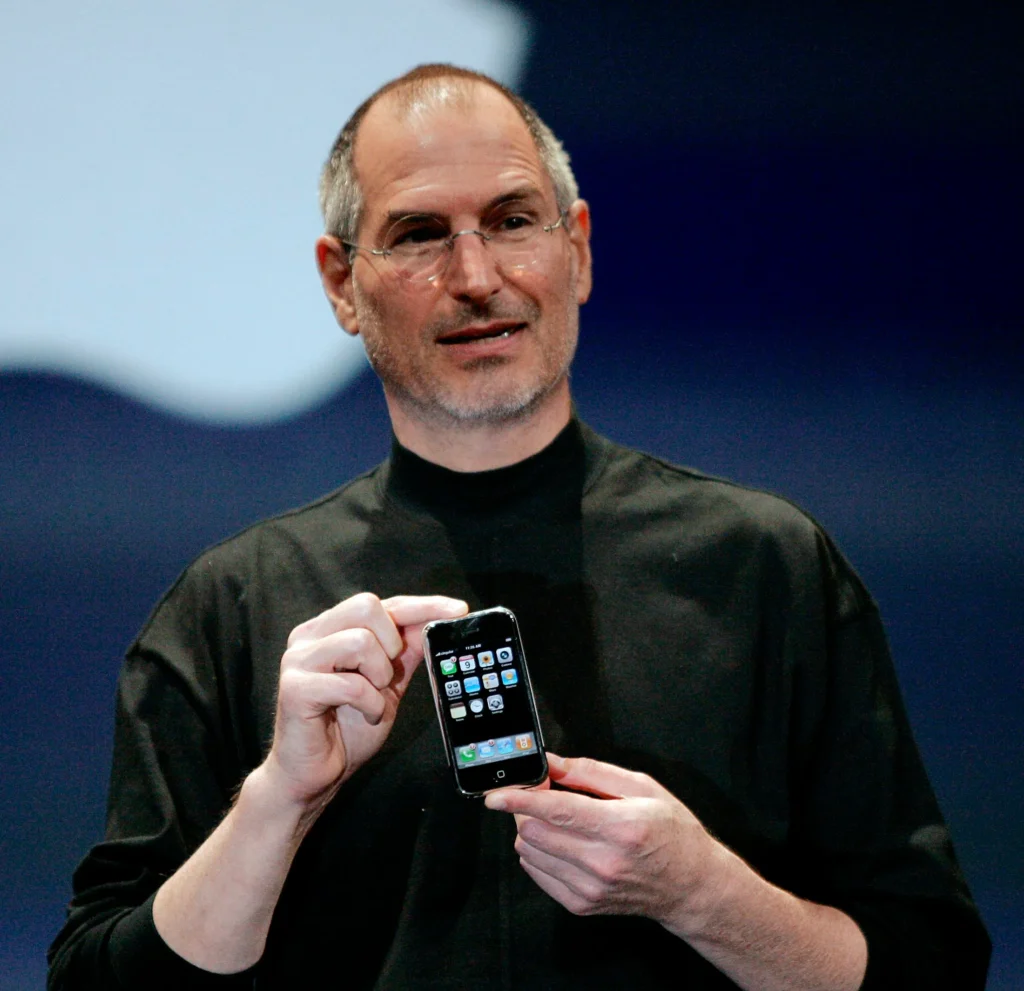
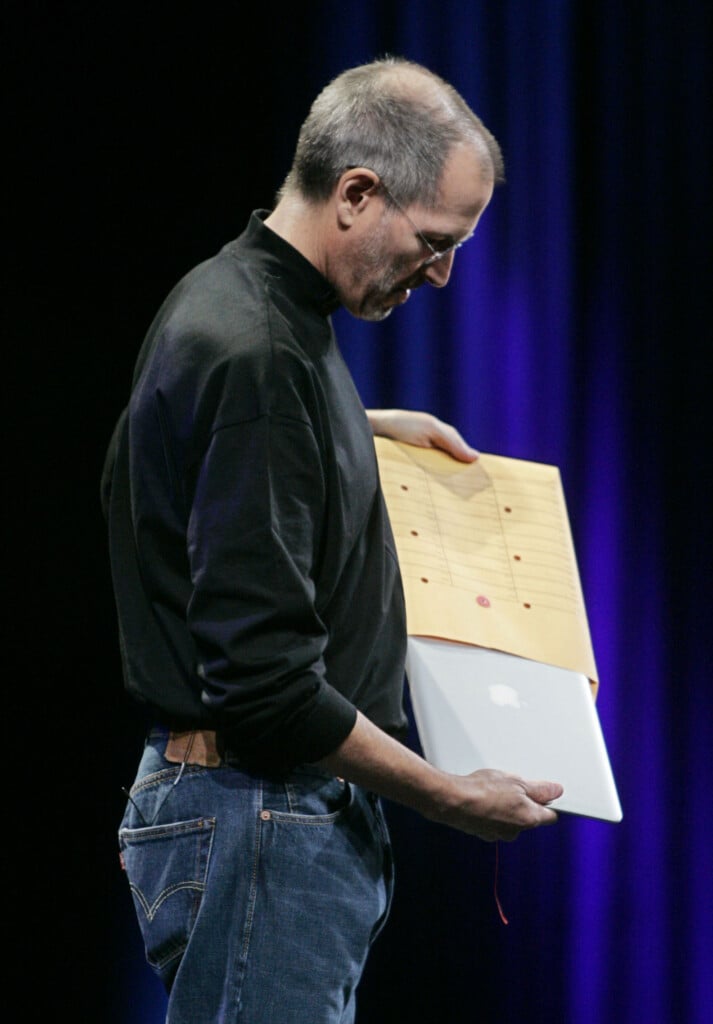
The context has also changed. In the eighties, the personal computer could be presented as a tool of emancipation. By the end of the nineties, the internet seemed to open up new possibilities for self-expression. Today the smartphone is an omnipresent object. It’s also the place where we work, consume, and lose a growing share of our attention. It’s no longer a revolution.
The company, moreover, is no longer the underdog fighting against the system, it’s one of the companies that defines that system, and continuing to play the rebel risks turning the role into a pose. Repeating “Think Different” today wouldn’t automatically give the brand its soul back.
Its communication is therefore also a product of the times, and it leaves less room for a cultural vision.
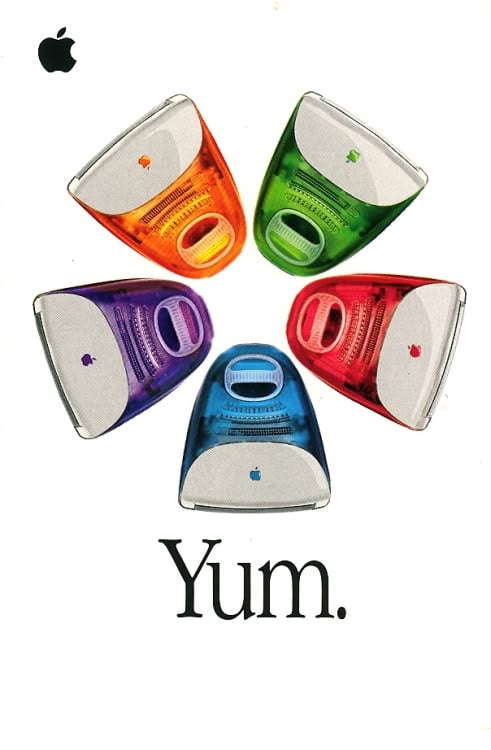
In 2024, the “Crush!” ad, made for the iPad Pro launch, showed a hydraulic press crushing musical instruments, cameras, statues, and books, only to reveal, at the end, an ultra-thin tablet. The intent was to talk about power and lightness, but the result was a wave of outrage from musicians, artists, and creatives who read an unintentional, rather crude metaphor for the replacement of human creativity in that image. Apple publicly apologized and pulled the ad from TV rotation.
The comparison with “1984” is almost perfect. In the old ad, a screen was destroyed to set people free. Forty years later, the world was being destroyed to fit inside a screen. The form was similar, but the meaning had flipped. The old Apple presented technology as a tool in people’s hands, while “Crush!” seemed to put people and their tools at the service of the device.
The backlash was also a product of the moment. At a time marked by fears that artificial intelligence could replace creative work, that image couldn’t simply be read as a demonstration of efficiency. Apple kept talking about the product while the public was already discussing the consequences of the technology.
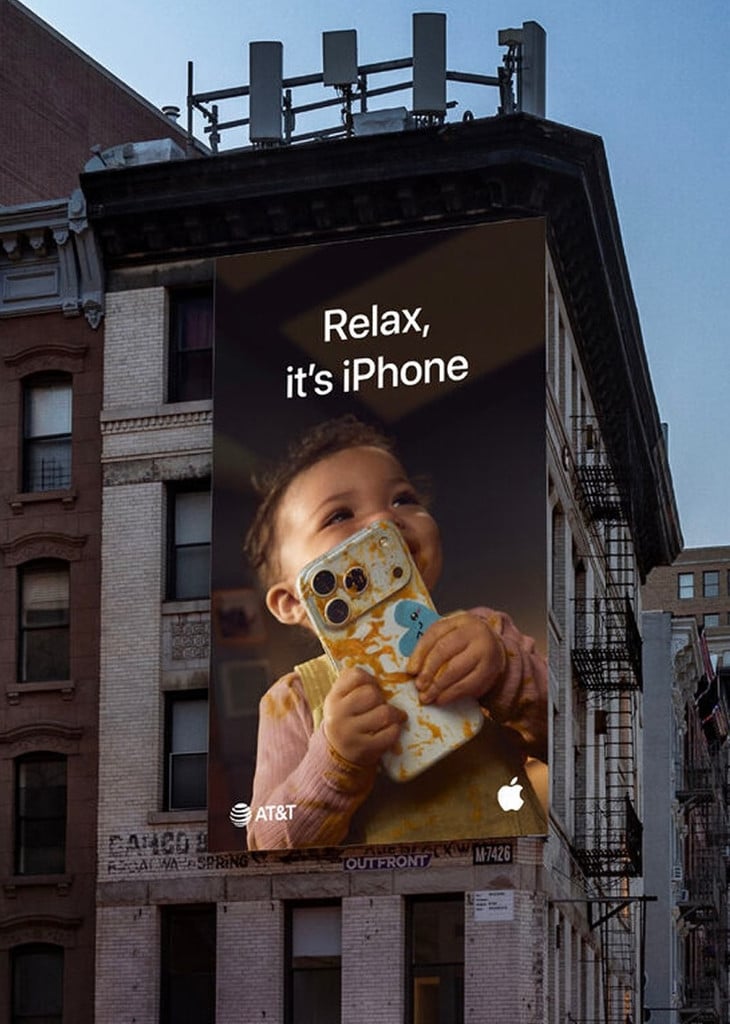
A similar gap emerged with the “Relax. It’s iPhone” campaign (translated into Italian as “It’s all okay. It’s an iPhone”). A billboard showing a very young child holding an iPhone was probably meant to communicate the device’s durability, its ability to hold up, but the public saw the problem of screen dependency instead. At a time when the global debate is focused on smartphone use among teenagers and children, with countries adopting strict policies (like the one recently passed in neighboring France, which extends the ban to high schools as well), the company that revolutionized how tech brands communicate made what can only be called an amateur mistake.
This doesn’t mean Apple has lost its status. In the second quarter of 2026, it reached 20 percent of global smartphone shipments, capturing 49 percent of the entire market’s revenue. Quarterly iPhone revenue topped 54 billion dollars. Apple sells about a fifth of the world’s smartphones and takes in nearly half the value the industry generates.
The iPhone therefore remains a status symbol. In its most expensive models, it signals spending power. In its earlier versions, it still lets you into the club. But as a cultural object, it has increasingly become an object that demonstrates a person’s wealth, power, or social position instead. What has weakened is its value as an identity signal: owning an iPhone no longer says much about what job you have or what relationship you have with the world and with creativity. If in the past it was the public choosing Apple as a declaration of belonging, today it is increasingly Apple choosing its own public, filtering it upstream with a price list that excludes anyone who can’t afford to get in.
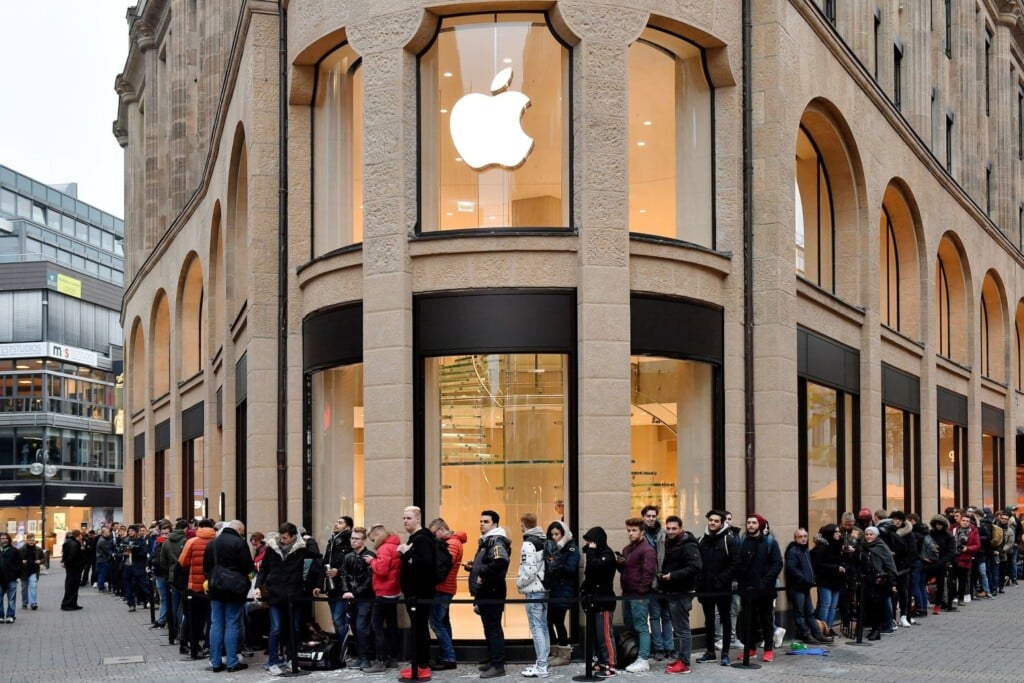
Apple is still a cultural icon in the historical sense, it has changed how we experience technology and continues to influence the behavior of millions of people. Today, though, it shapes culture mainly through its own ubiquity, not because it offers a different way of looking at the world.
John Ternus’s first keynote will be interesting for exactly this reason. Apple today probably no longer needs to prove it can build another desirable object. It needs to make clear why that object should matter culturally. It needs to find a new tension and take a stand on the role technology should play in people’s lives, now that access to technology, its potential and its risks, are so evident and so pressing.
If the keynote presents only more powerful, more expensive products, Apple’s status will remain intact, and its strength as a cultural icon will keep living mostly off what it used to be.