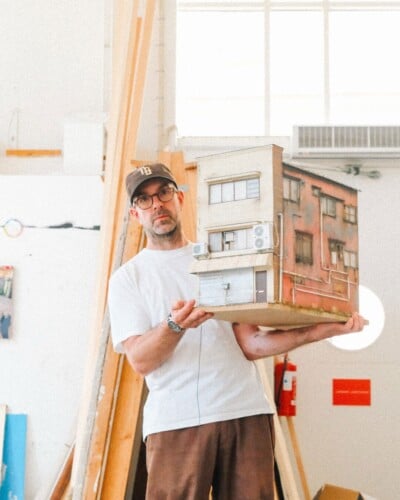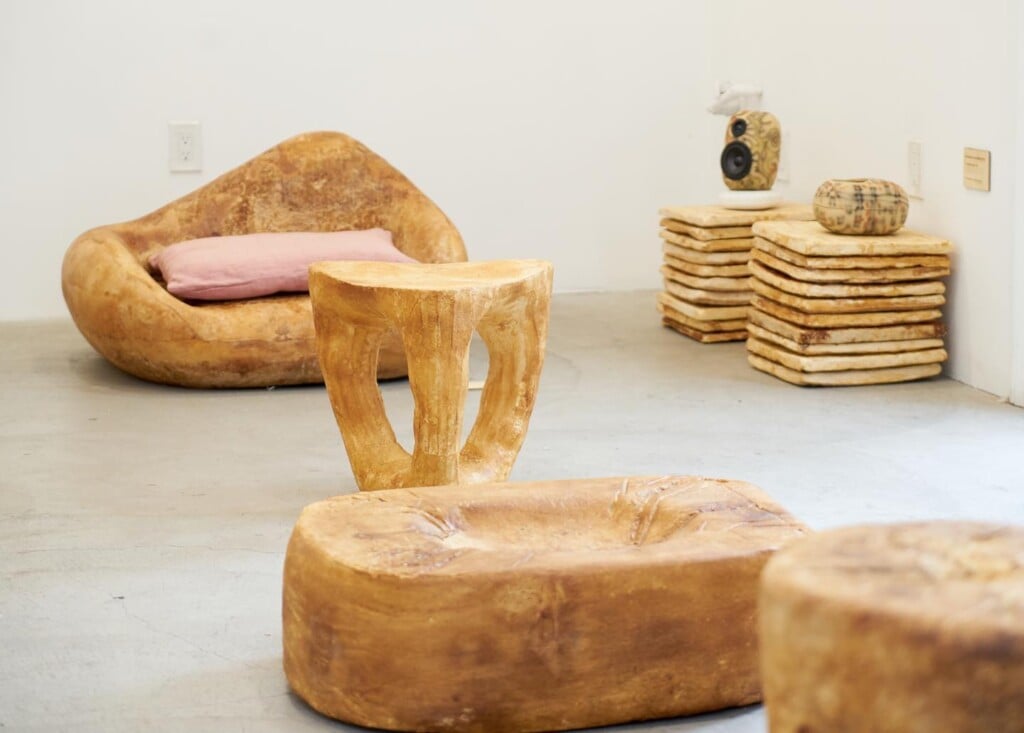
We are used to thinking of design as a practice of control. A shape is drawn, a material is chosen, dimensions and finishes are established and then the object is produced. But what happens when the material has an autonomy of its own?
Now a coffee table can be designed, drawn, cut and assembled, or it can grow.
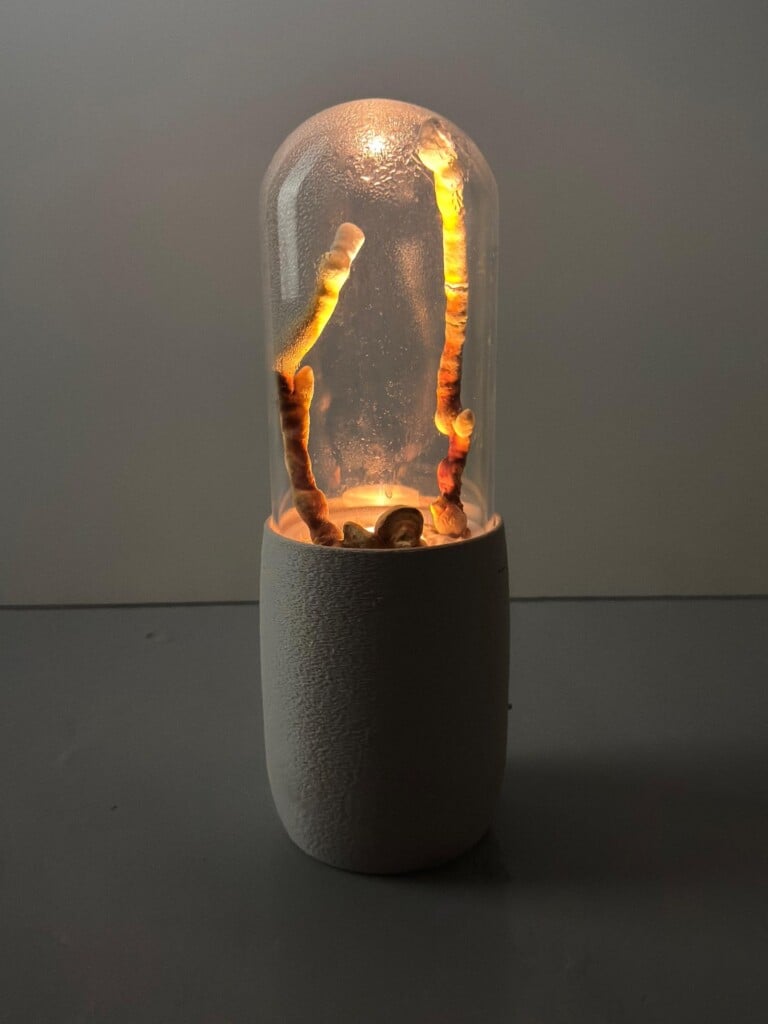
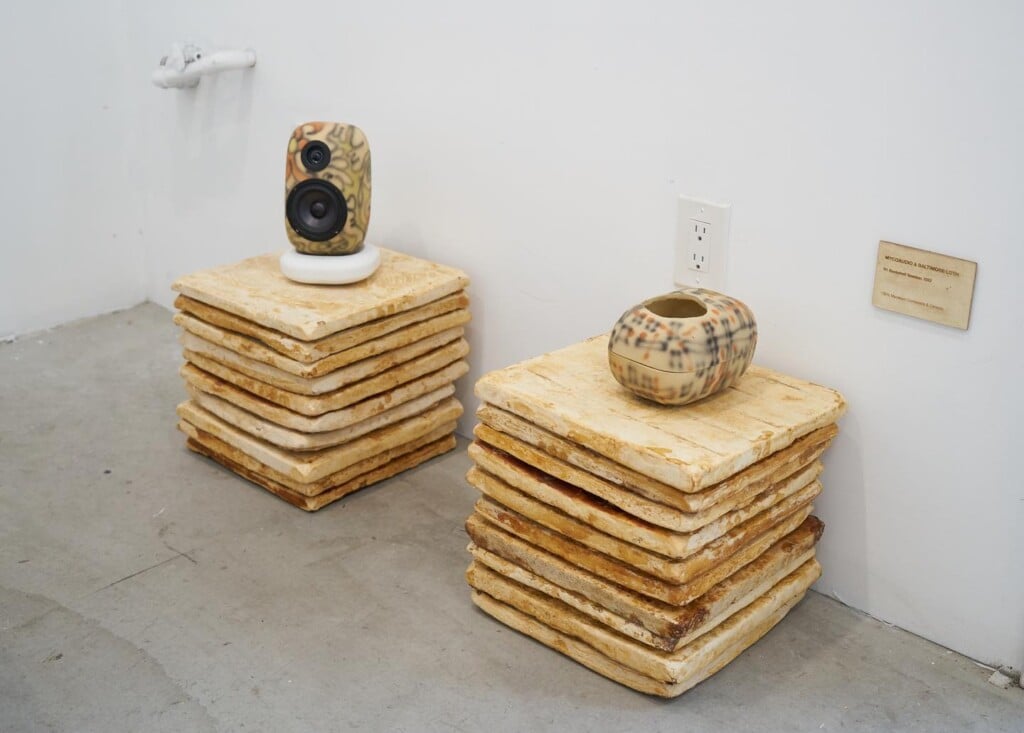
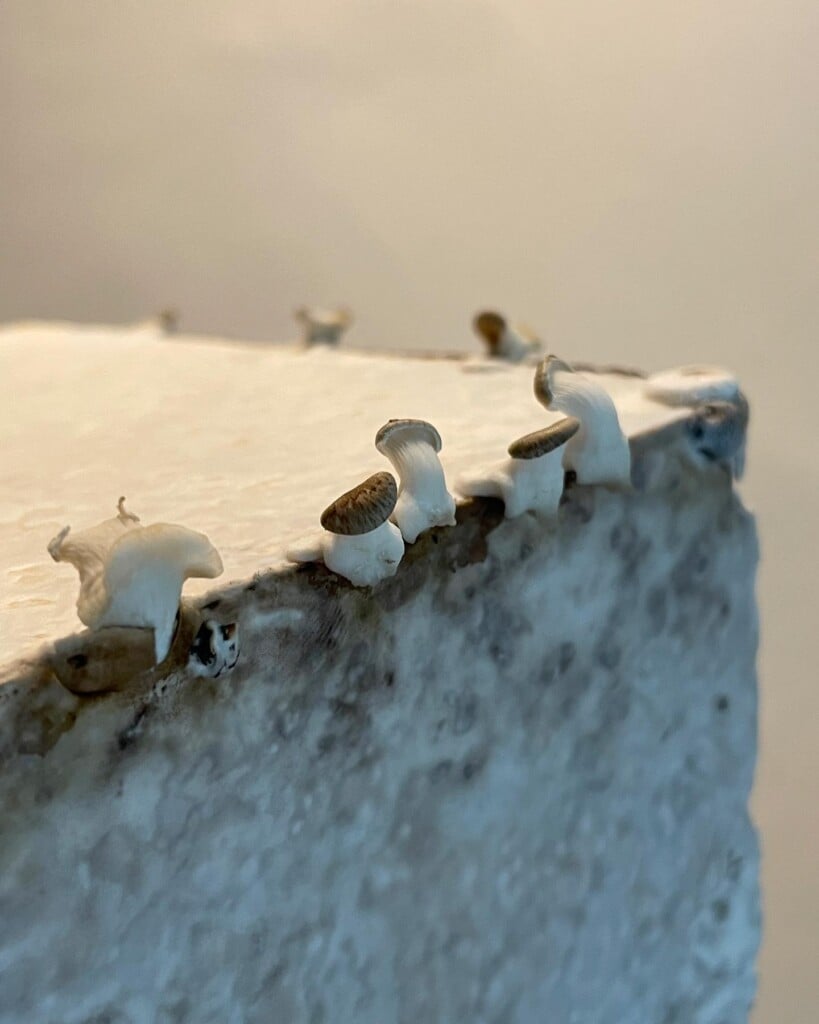
It is from this second possibility that Bewilder starts, a Singapore studio that works exclusively with the kingdom of fungi and that tries to shift the boundary between cultivation, research and design. Here mycelium is not simply a material to be shaped like any other: it is a living organism, with its own timings, behaviors and forms. The designer’s job, then, is not just to decide what an object will look like, but also to create the conditions for something to develop.
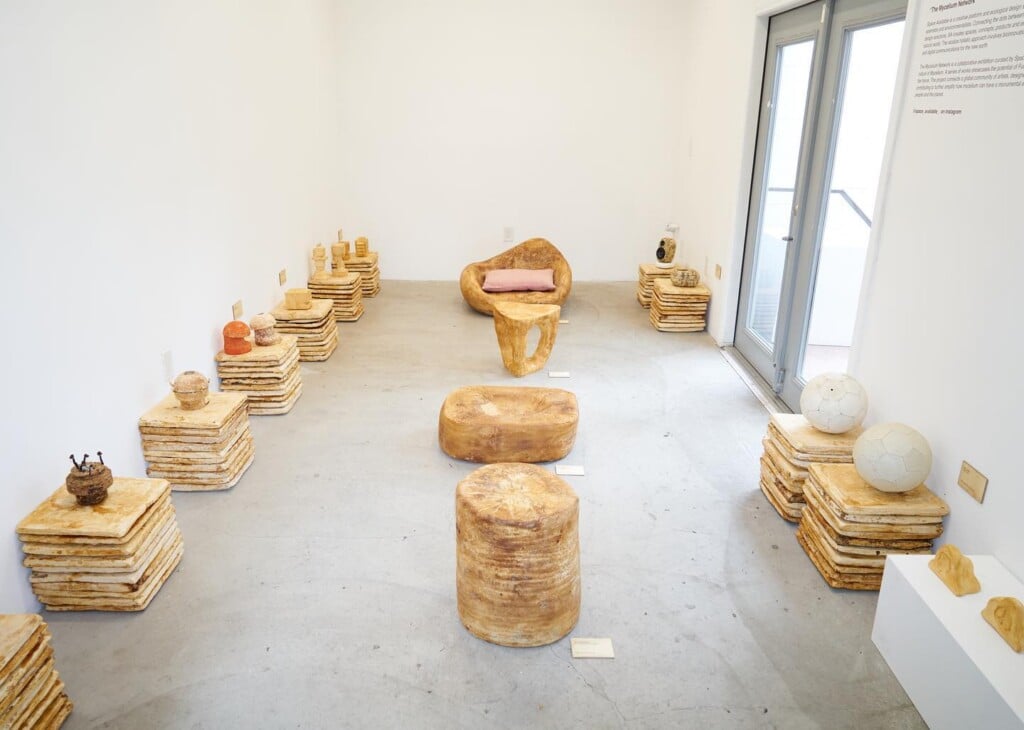
Founded in 2020 by Sze Kiat Ng, Bewilder today grows over 40 species of gourmet and medicinal mushrooms, with particular attention to Ganoderma and local species. But from their activity have emerged applications that go well beyond food: lamps, tables, sculptural objects, bouquets and Fungariums, small ecosystems designed for growing mushrooms. Everything comes from the same biological universe, observed however from different perspectives.
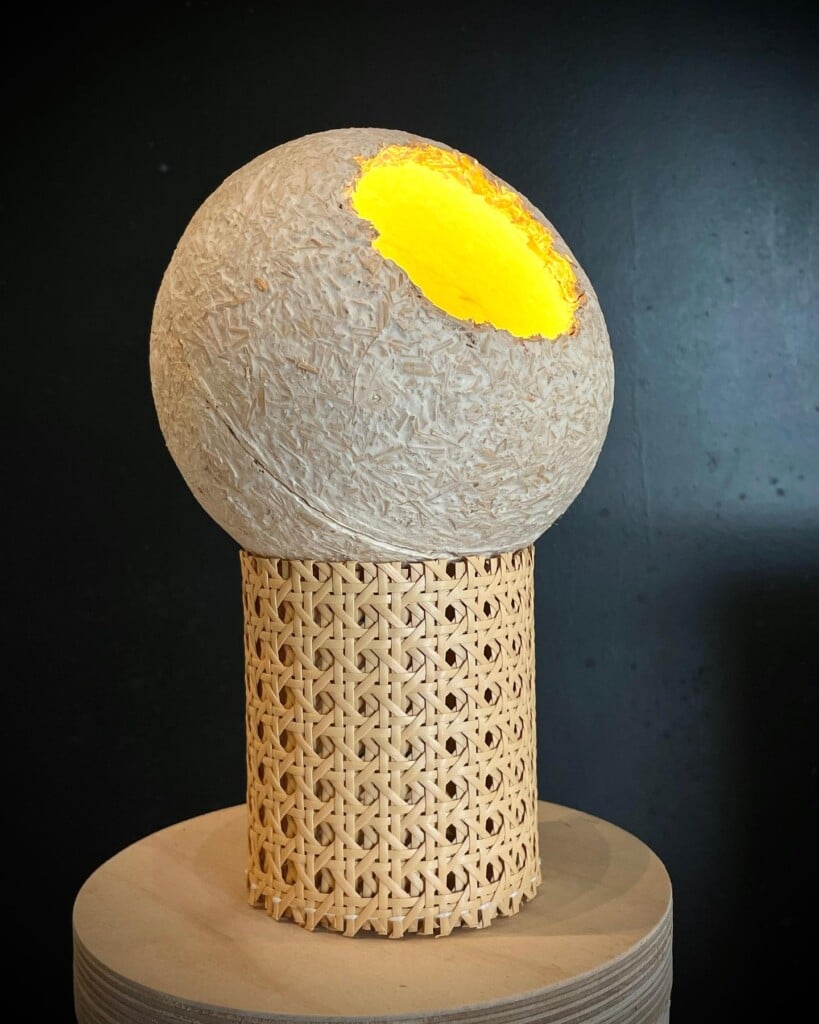
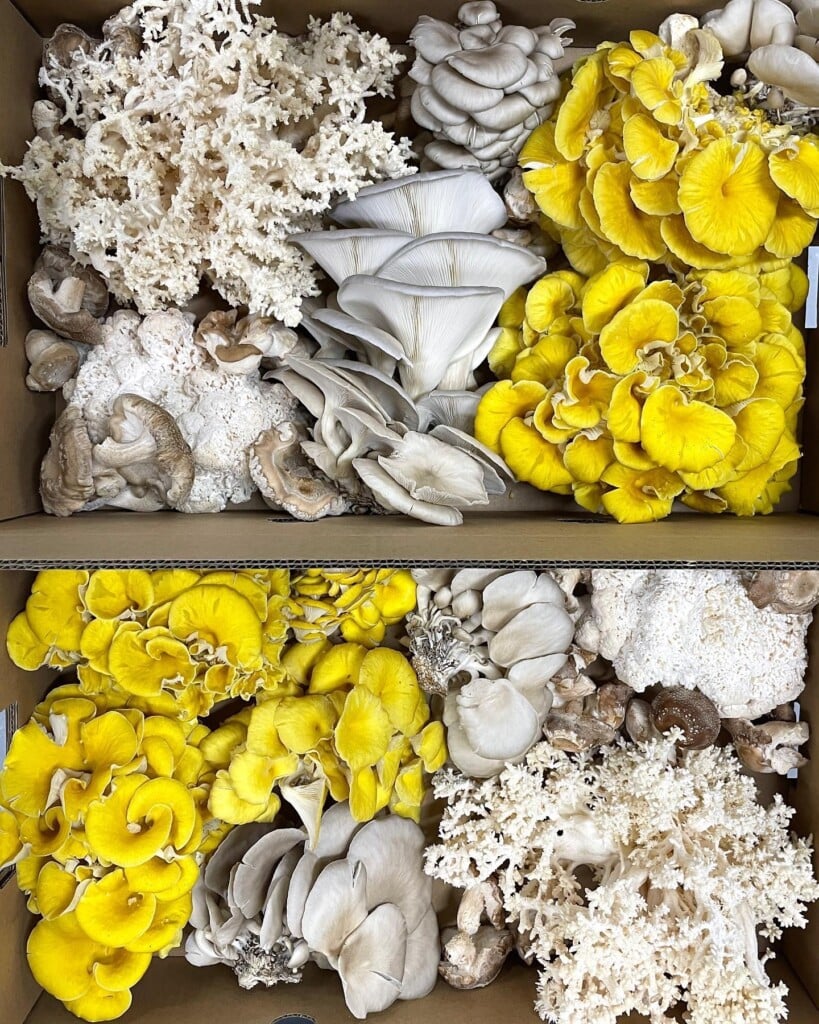

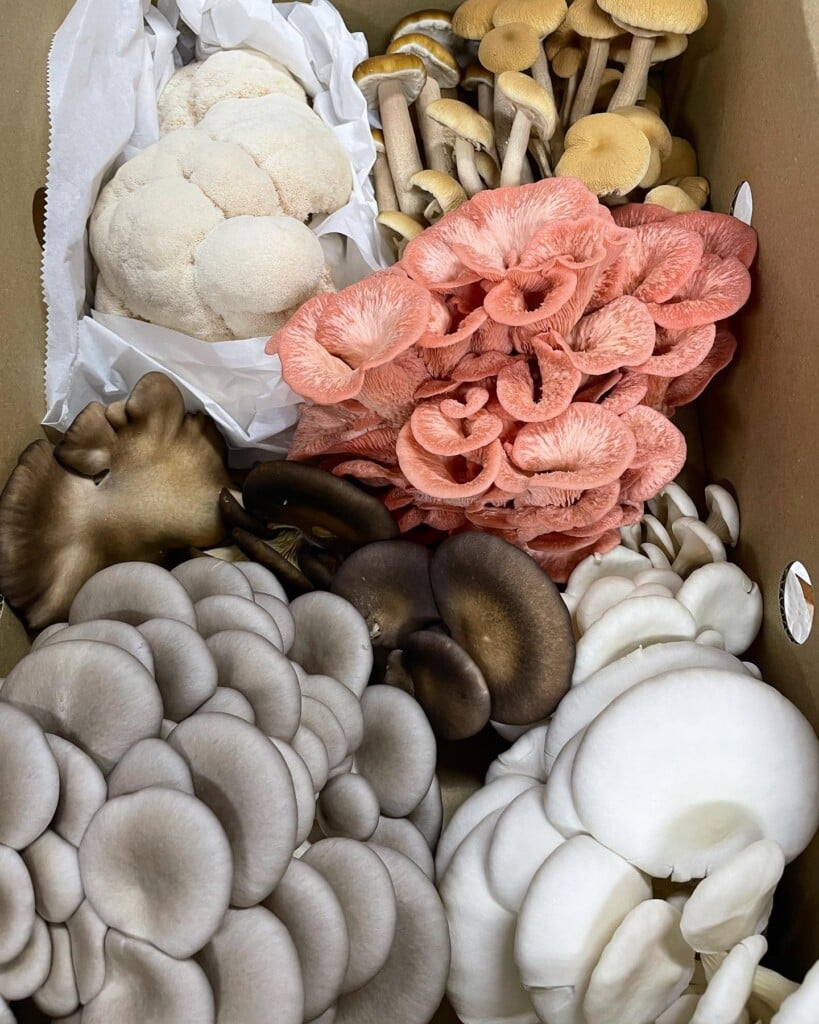
The most interesting part, however, is the way Bewilder calls into question the relationship between designer and matter. The studio’s lamps and objects come from a process that can be guided, but never fully programmed. The mycelium grows, reacts to its environment and develops its own textures and forms. The project establishes certain initial conditions, then has to accept that something may change along the way.
Bewilder’s works do not try to hide their organic origin in order to resemble industrial objects. On the contrary, they let branching patterns, irregular surfaces and hard-to-replicate forms emerge, every piece retains a degree of unpredictability, because the material keeps taking part in its own construction.
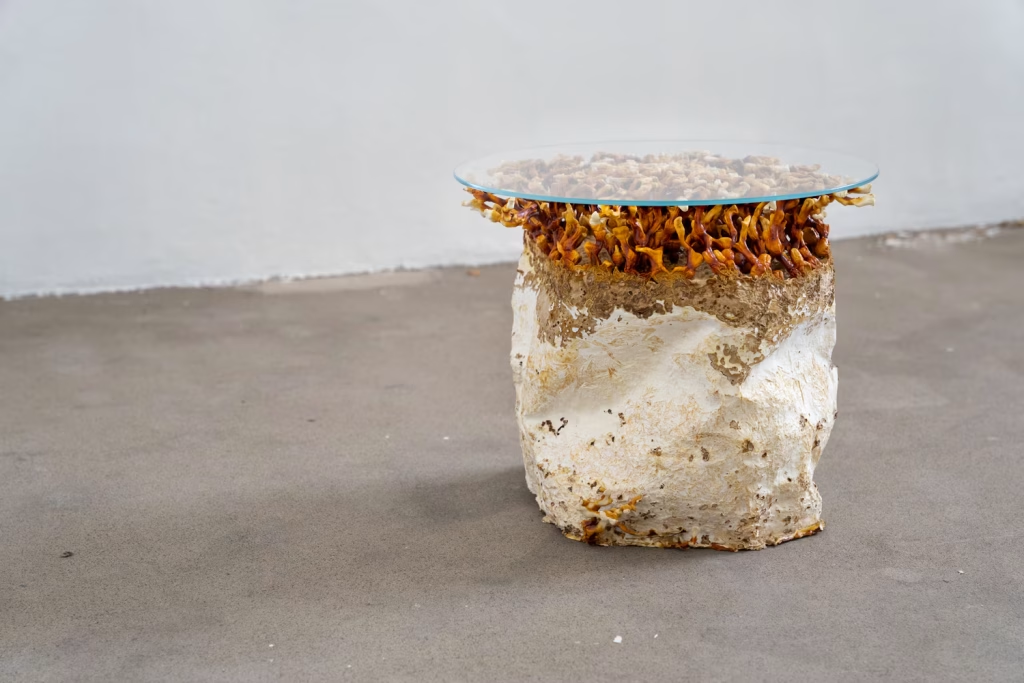
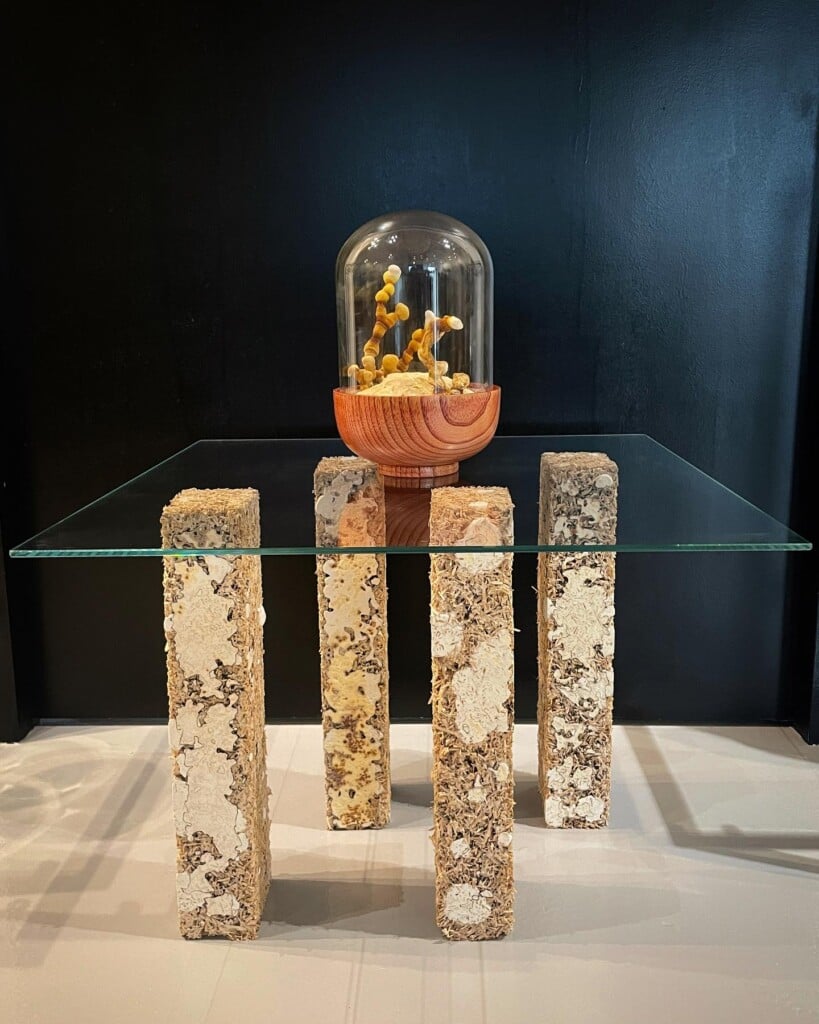
One example is The Weight of Nothingness, the coffee table presented at Homo Faber 2026. The piece, created in 2025, is made of mushrooms grown inside a mold and progressively guided toward an upper crystal-glass surface. The result challenges one of the most immediate associations we have with mushrooms: fragility. An organism perceived as soft, ephemeral and almost devoid of structure becomes, in fact, the base that supports a heavy element.
But perhaps the point is not to prove that mycelium can simply replace another material. Bewilder seems interested in something more complex, namely understanding what happens when design stops fully imposing shape onto matter. Designing then becomes a form of collaboration, in which control gives way to observation and growth enters the production process.
This is also what sets the studio’s objects apart. A lamp or a table is not simply the final result of a drawing turned into a product, but the trace of a process that lasted months. According to Homo Faber, Bewilder’s works can take from three to nine months to grow and are made entirely in-house, from mushroom to final form.
At a time when biomaterial risks becoming just another label for contemporary design, Bewilder brings attention back to the actual behavior of matter. It doesn’t use mushrooms just because they’re natural, but tries to understand what a material that doesn’t stay still, that changes, grows and can never be fully controlled, can teach the design process.
The designer doesn’t disappear, but changes role, no longer just someone who gives shape to an object but also someone who prepares an environment, guides a process and, at a certain point, has to let nature play its part.
What if, instead of asking a material to perfectly obey a design, we sometimes tried letting the material itself suggest what it could become?