The passing of Brigitte Bardot brings us back to the life and career of a figure whose legacy is layered and complex. An actress, a popular icon, and a deeply divisive public voice, she was born in Paris in 1934 and reached a global audience with her role in And God… Created Woman in 1956.
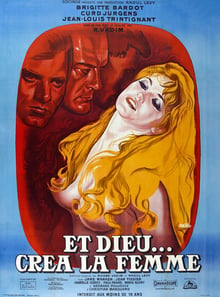
From that moment on, she established herself with a new idea of femininity, far from the bourgeois restraint of European cinema. “I didn’t want to be a symbol,” she would say years later, “I became one without even realizing it.”
Brigitte Bardot’s style, from the nude look to striped T-shirts
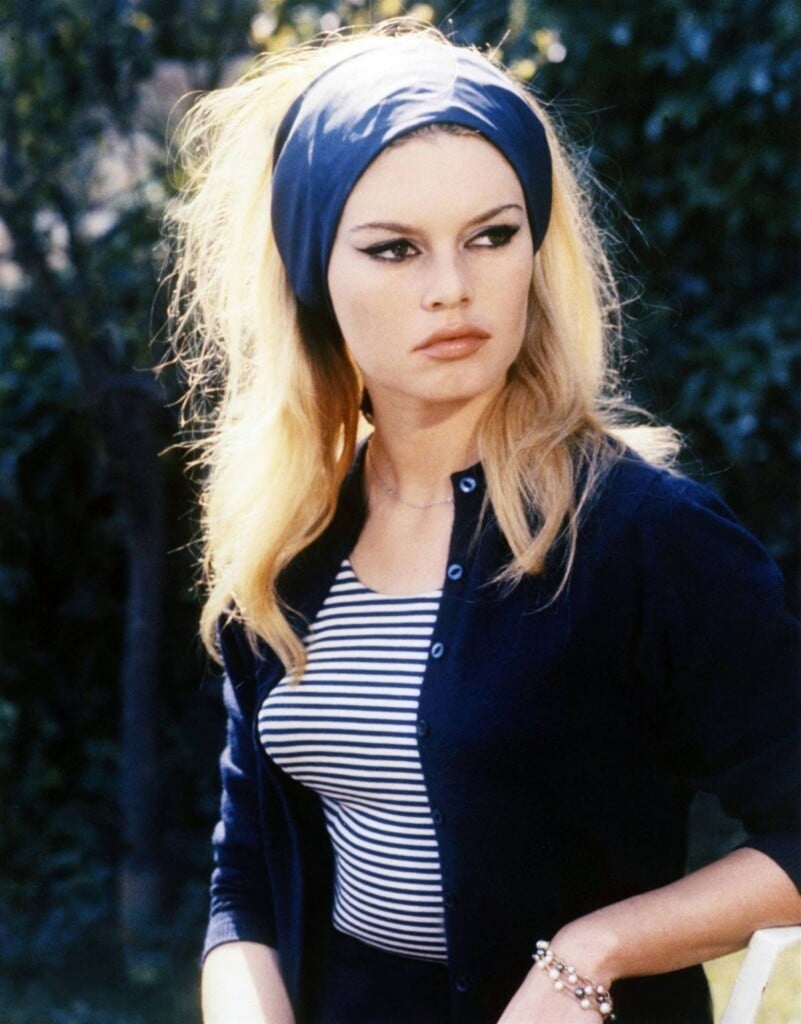
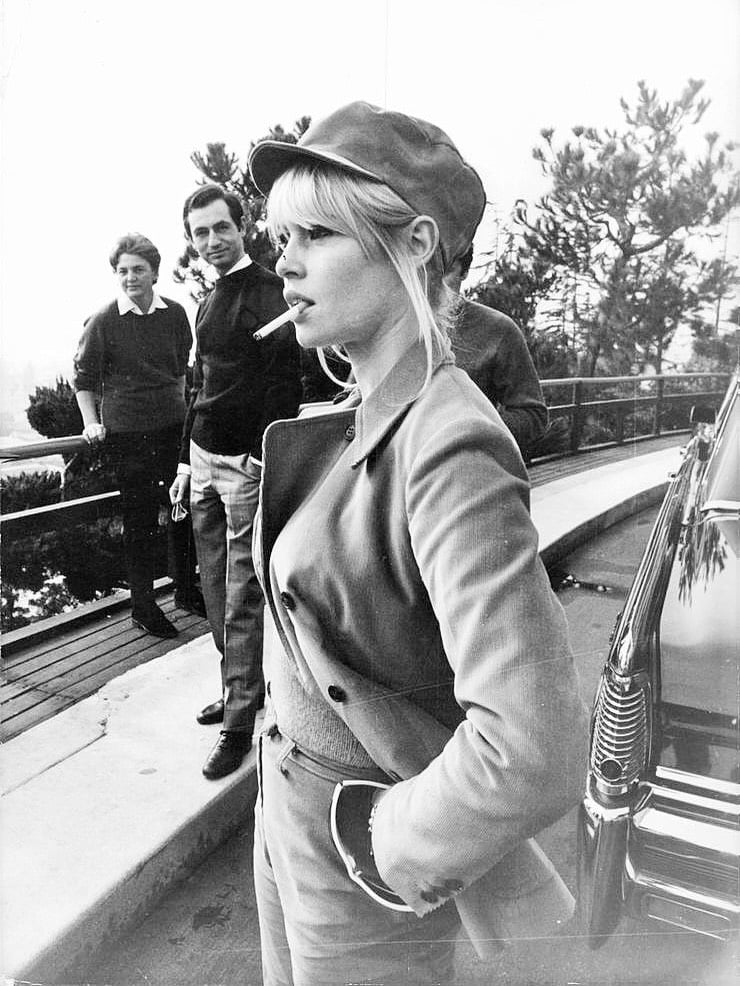
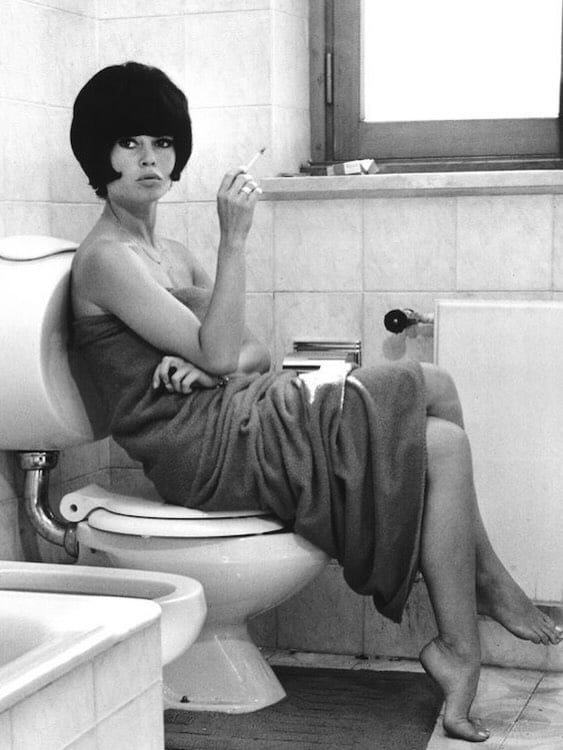
On an aesthetic level, Bardot also represented a radical break. Her style—seemingly spontaneous and unconstructed—redefined the very idea of European glamour: blonde hair worn loose or pulled back into deliberately imperfect updos, heavy eyeliner, plunging necklines, circle skirts, and ballet flats instead of heels. She turned everyday elements—like gingham summer dresses, striped tees, and an early, not-yet-codified idea of the nude look—into a visual language of freedom and sensuality that couldn’t be domesticated.
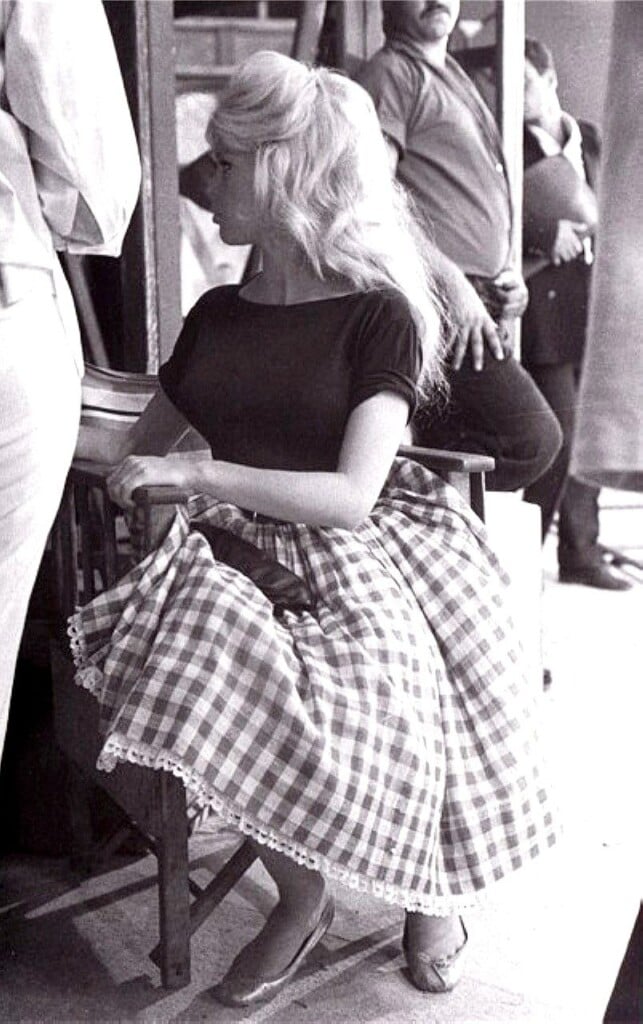
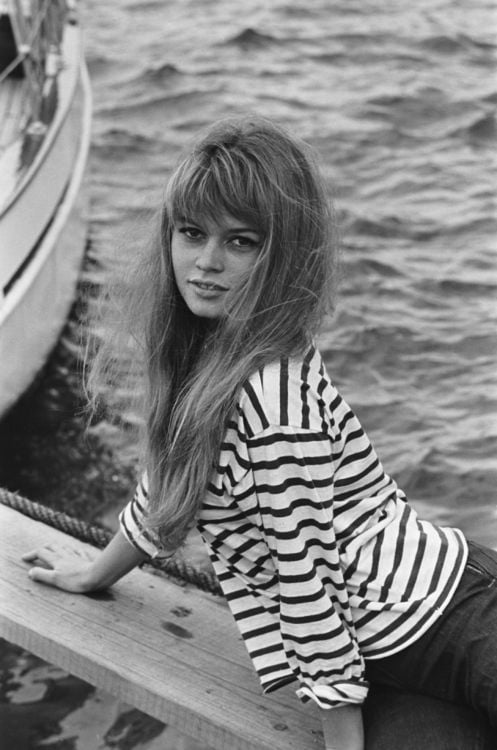
All of these elements defined the 1950s and 1960s. Bardot dressed by subtraction, rejecting the rigidity of haute couture in favor of an instinctive, almost feral image—one that anticipated an autonomous and contradictory femininity. A style that became archetypal, replicated and quoted for decades.
Controversies and her commitment to animal rights
But the power of her style and iconic status does not overshadow the controversies that marked BB’s life. Bardot left cinema at the peak of her career to devote herself entirely to animal rights, founding the Fondation Brigitte Bardot in 1986. For her, it would be “the only battle worth fighting,” the only legacy she wished to leave behind. And yet, in parallel, her public voice took an increasingly controversial direction. For over thirty years she openly supported the French far right, turning her symbolic capital into a political megaphone.
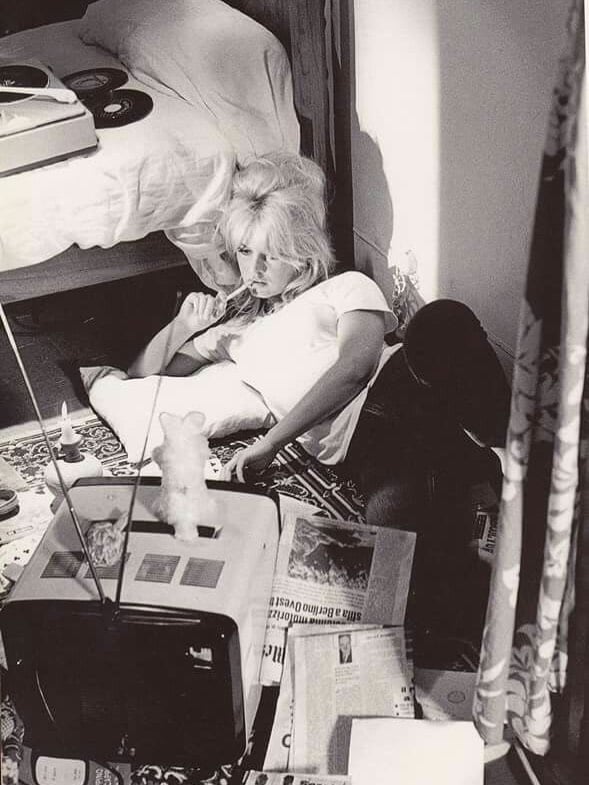
Even in recent years Bardot never recanted—if anything, she expressed satisfaction at the electoral rise of Marine Le Pen’s Rassemblement National, seeing it as a response to what she described as the country’s decline. Her words, often dismissed as the provocations of an aging icon, carry a different weight today: no longer eccentricity, but an integral part of a political and cultural legacy that is hard to separate from the myth.
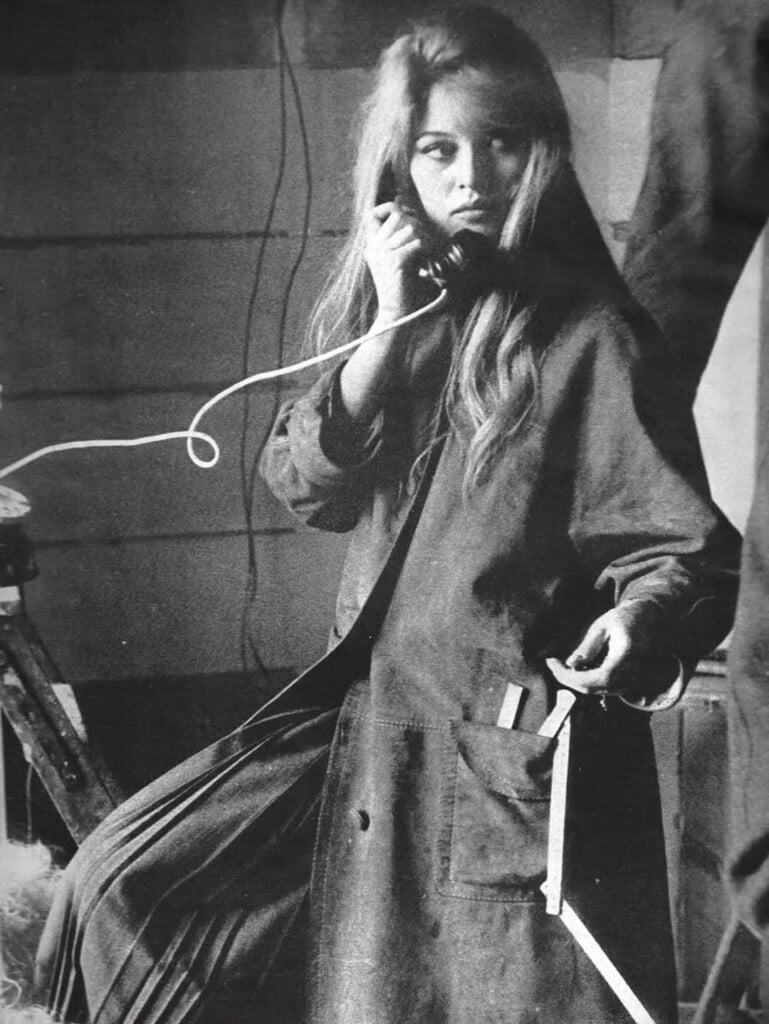
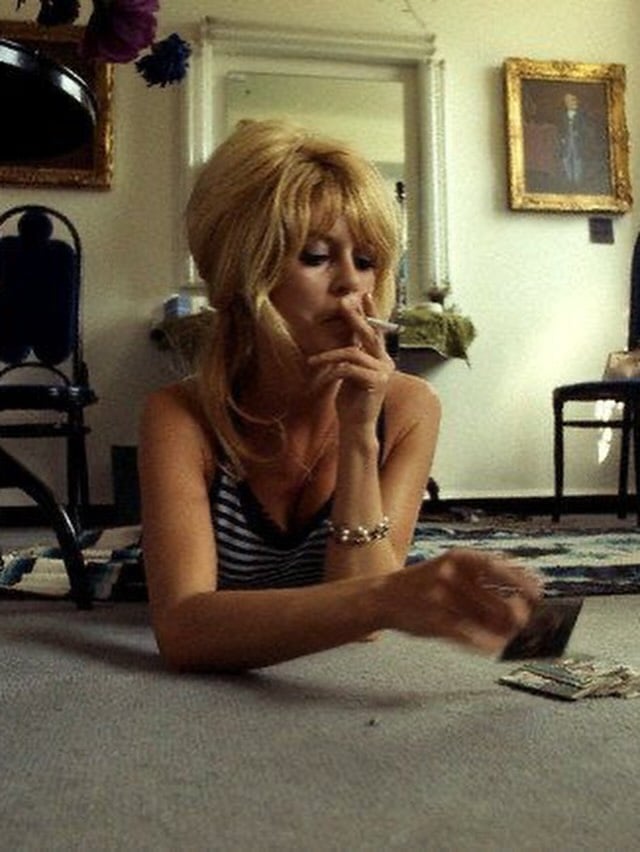
The story and legacy of Brigitte Bardot force us into layered reflections that reject any glorified, simplistic rereading. The icon who transformed the language of cinema, fashion, and the collective imagination coexists with a public figure marked by divisive positions and political responsibility. Two images that do not cancel each other out, and that continue to live within the same person—compelling us to remember Brigitte Bardot without separating the myth from its shadows.