What if the value of a garment didn’t depend on the era in which it was made, but on everything that happened to it afterwards? This is the question from which Solid Works Studio takes shape, an independent project of vintage research and selection born near Venice. The studio starts from a precise perspective: looking at clothes not only for what they were originally, but for what they have become through time, use and contact with the people who wore them.
In a market where vintage is often told through rarity, brand prestige and the pursuit of pieces kept in impeccable condition, Solid Works Studio shifts the focus to another ground. Here, a faded T-shirt, a repaired jacket or a worn fabric can have more character than a much older garment preserved to perfection. It is therefore not age alone that determines the interest of an object, but its material condition and the set of transformations that make it different from any other.
It’s not age that makes the difference
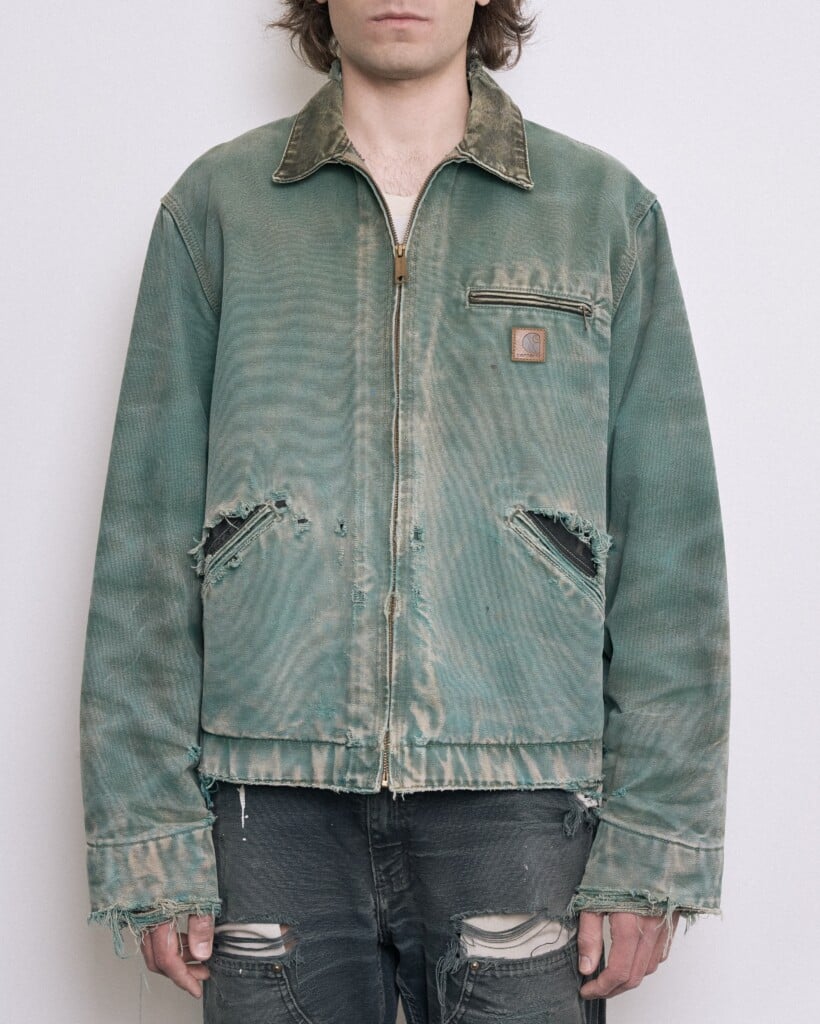
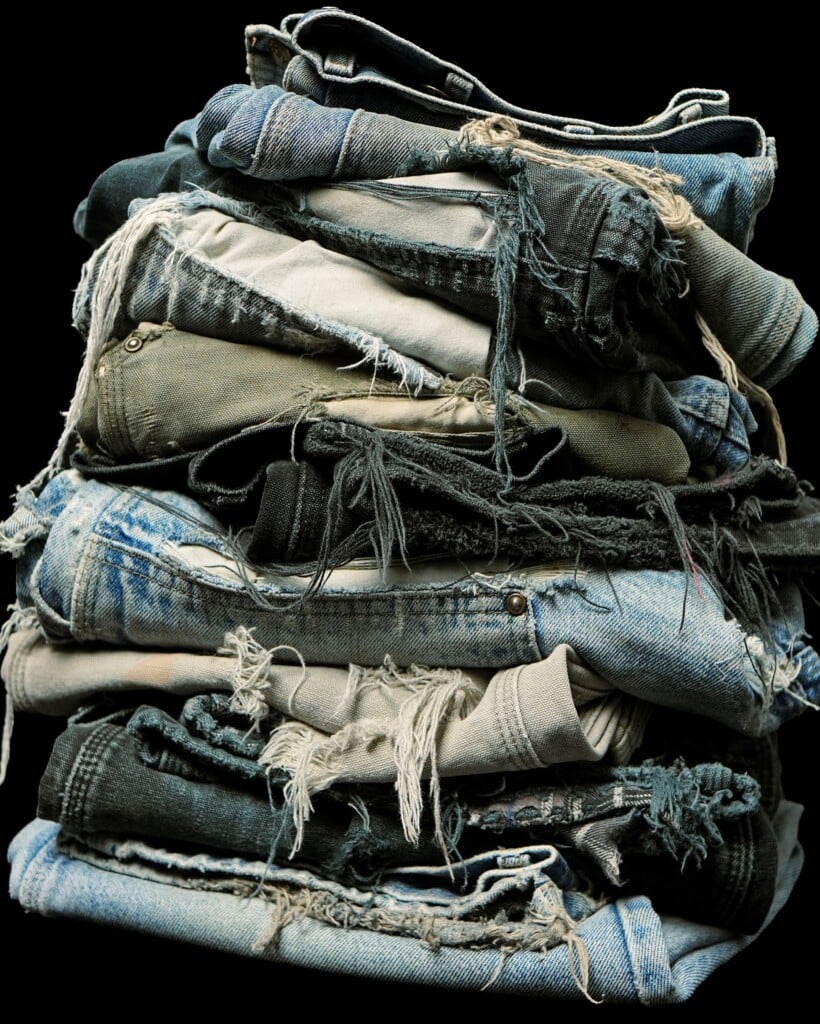
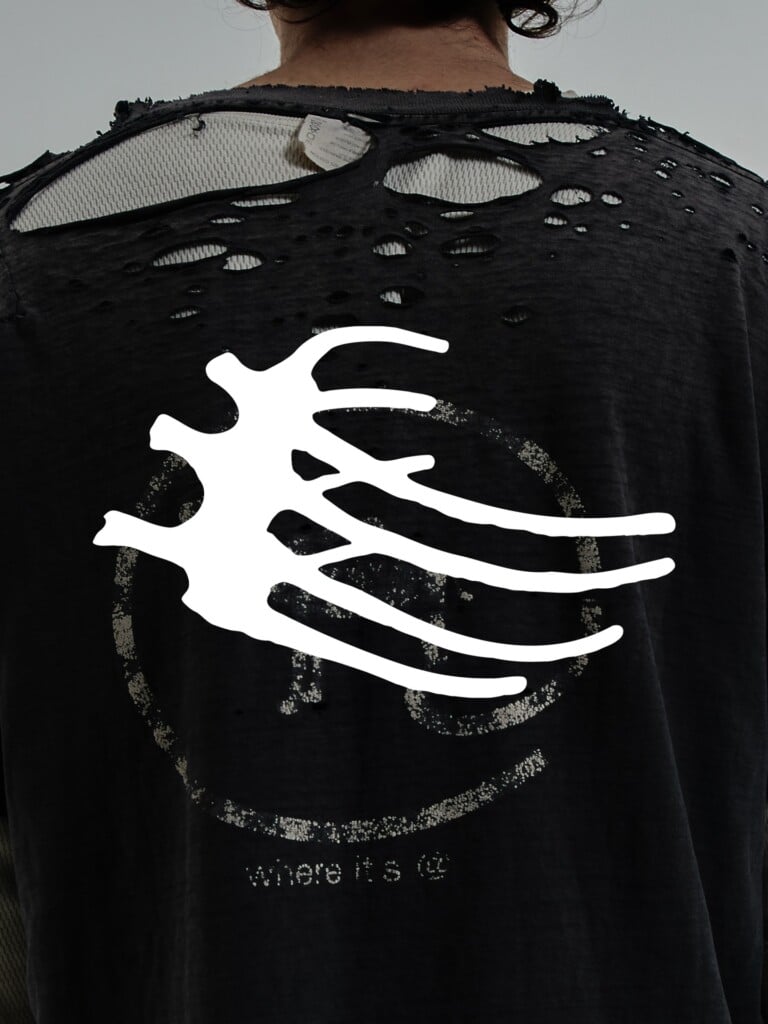
Solid Works Studio‘s research begins precisely with what is normally considered a flaw. Fading, stains, abrasions, repaired seams, altered surfaces and deformations are not details to hide, but elements to observe and evaluate. They are the traces of real use, silent testimonies of a life prior to selection and sale.
The project thus moves away from a conception of vintage tied exclusively to the preservation of a past aesthetic. A garment doesn’t become interesting merely because it belongs to a certain decade or comes from a sought-after brand. What matters most is the way time has acted on its material, changing its appearance and building its character.
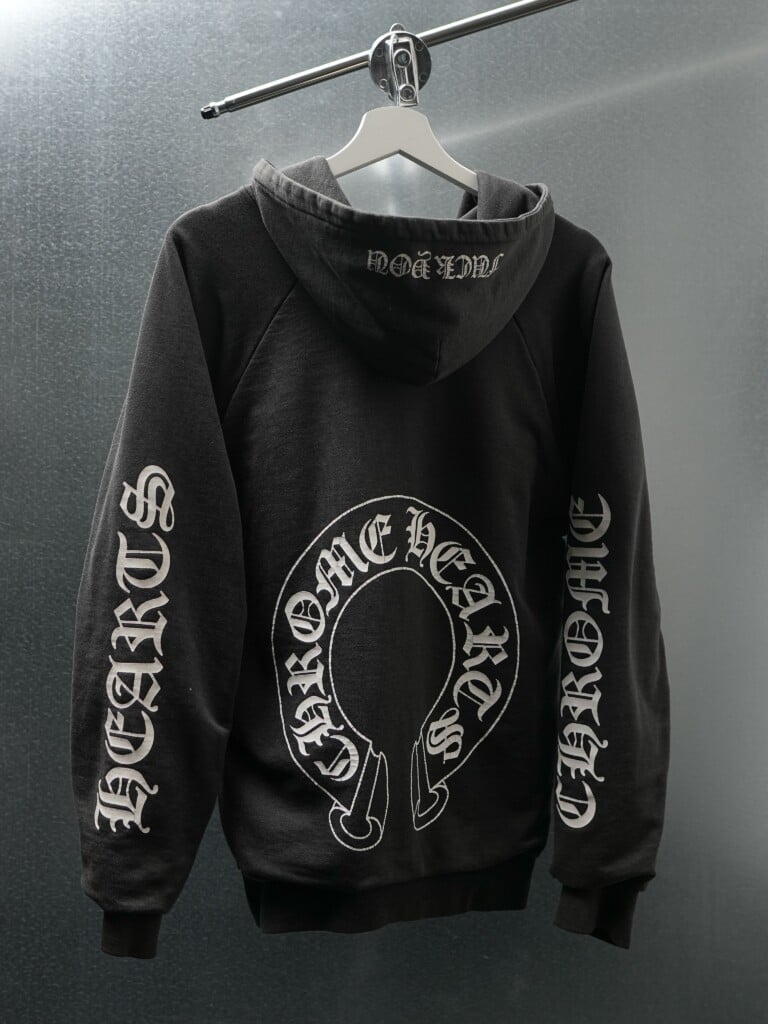
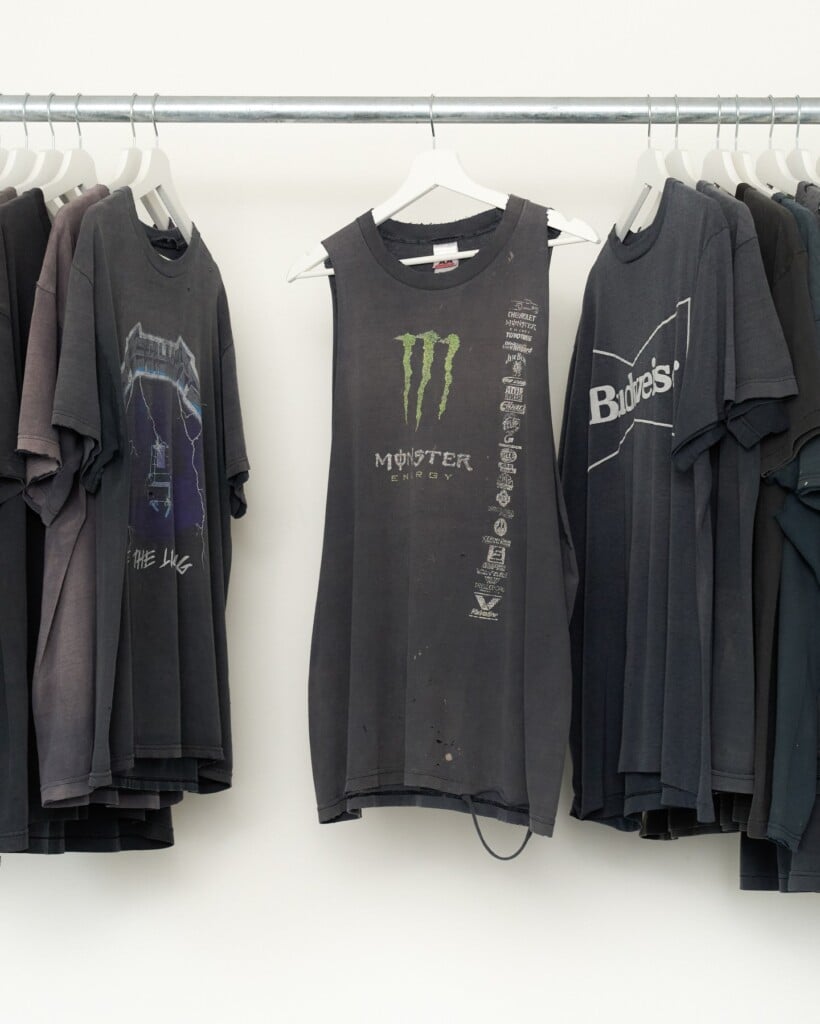
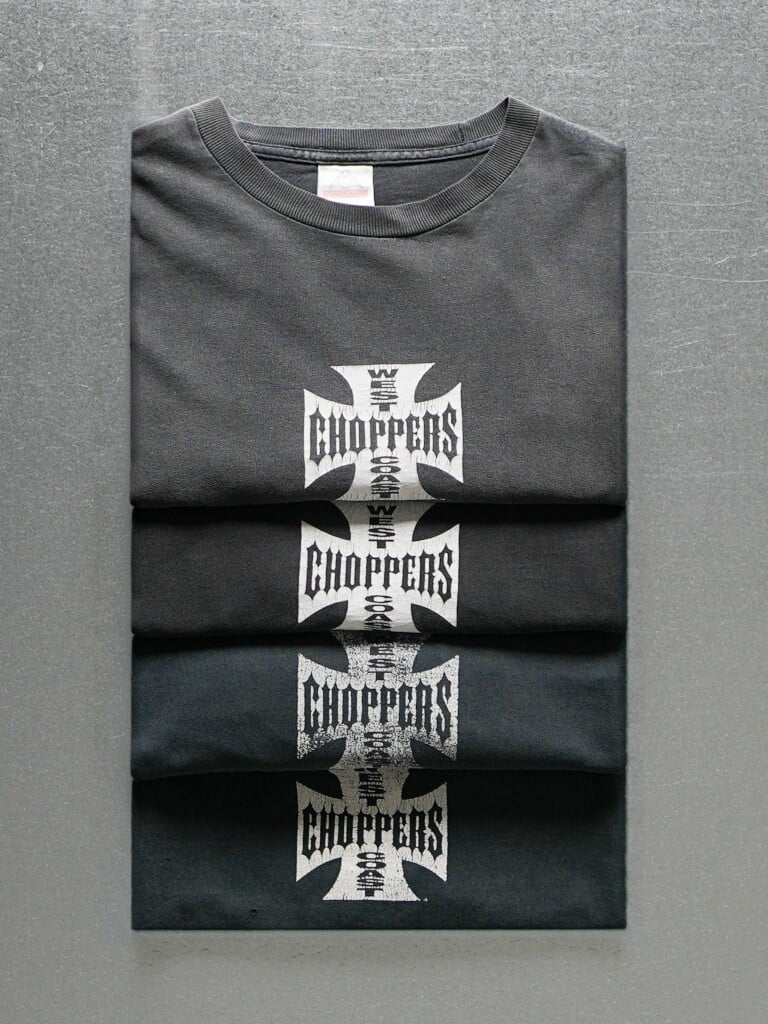
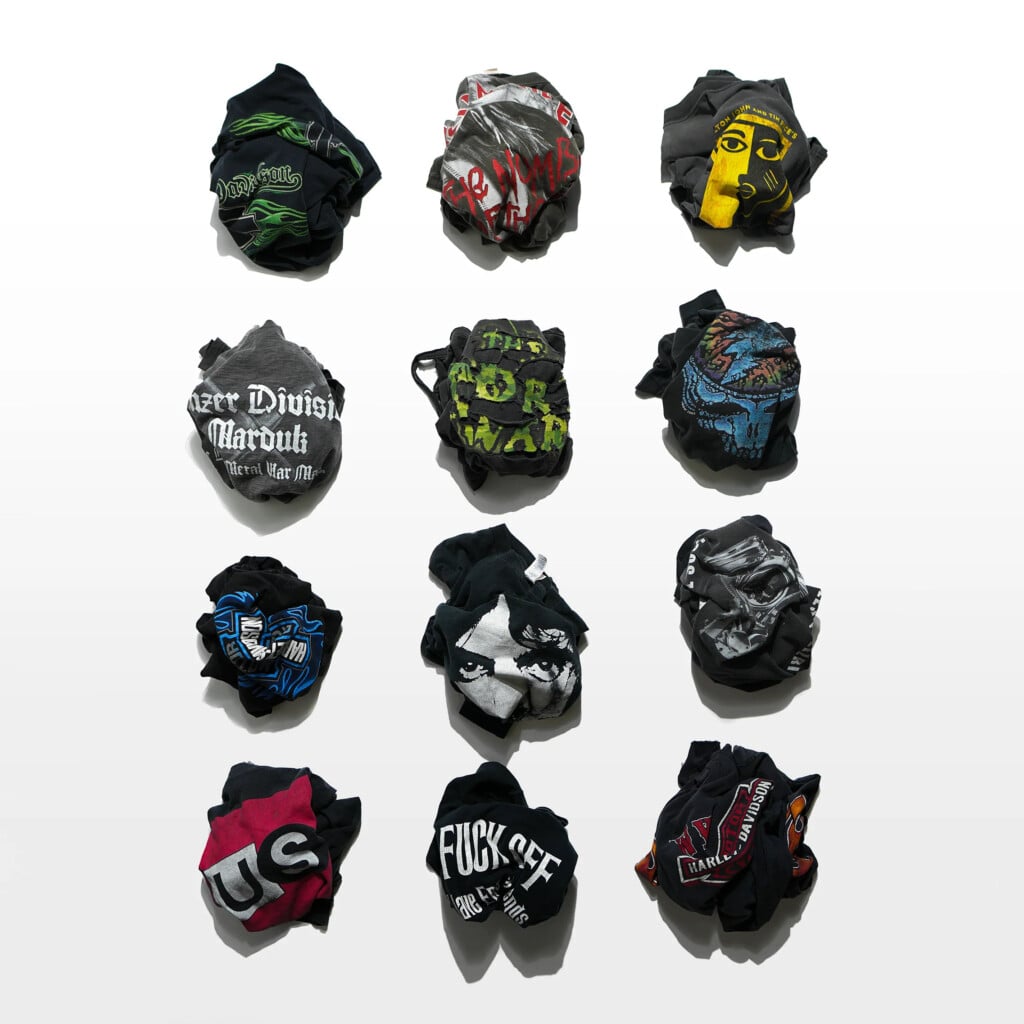
This attention also redefines the concept of uniqueness: four garments born as the same product can turn into completely different objects after years of use. This is the case with the Harley-Davidson graphic T-shirts, used in the press kit as an example of this difference: the same graphic, crossed by different fading, wear and alterations, yields four unrepeatable results. The original identity remains recognizable, but the surface tells a distinct story.
Authenticity isn’t built at a desk
There is an important distinction in Solid Works Studio’s method: wear is sought out, not simulated. The selected garments are not artificially damaged to achieve a lived-in look, nor subjected to treatments that imitate the transformations of time. The alterations must already be present when the garment enters the archive.
It is a choice that takes on particular meaning in a fashion landscape where the worn-in aesthetic has long since become a recognizable language. Treated denim, faded graphics, abraded surfaces and apparently imperfect details are often recreated to give the look of something that has already been through years of use. Solid Works Studio, instead, focuses its research on objects that have genuinely lived through those transformations.
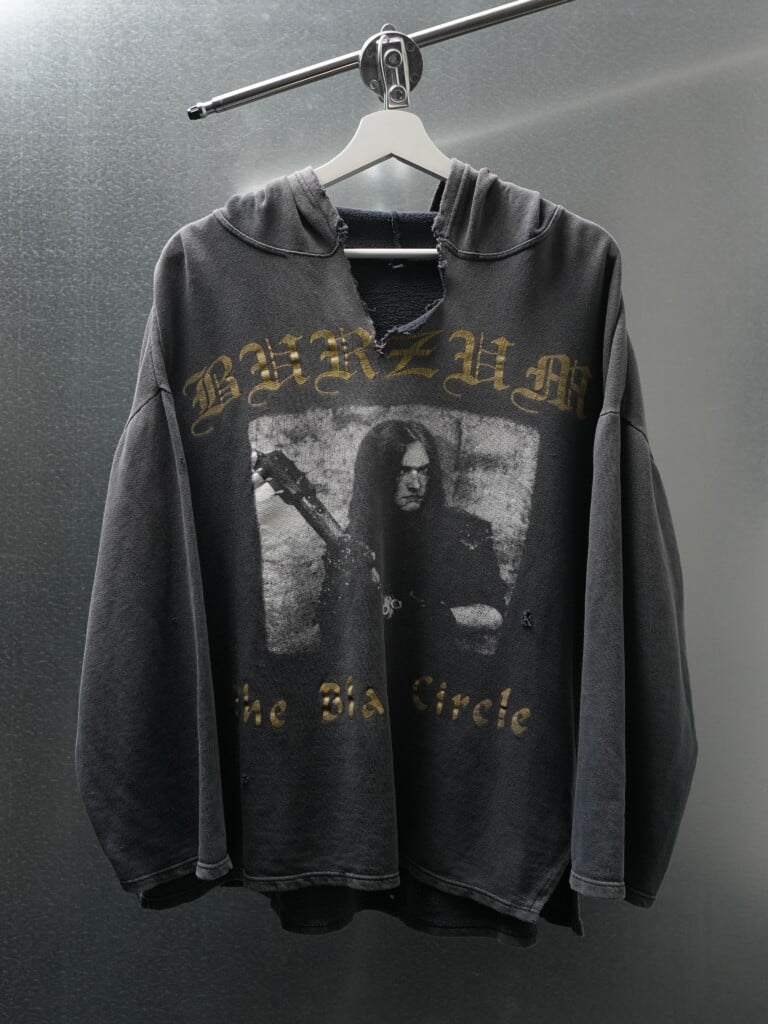
The difference is not only about the visual result. It concerns the origin of the mark, the fact that it was not designed to look authentic, but arose from use. A repair tells of a necessary intervention; a stain interrupts the original surface; a faded graphic shows how the fabric reacted to time. These are details that strip the garment of its initial uniformity and move it away from the idea of a replicable product. In this sense, the studio’s work comes close to a form of archival research: collecting existing objects, recognizing their characteristics and preserving their material history without erasing their irregularities.

From workwear to graphic culture
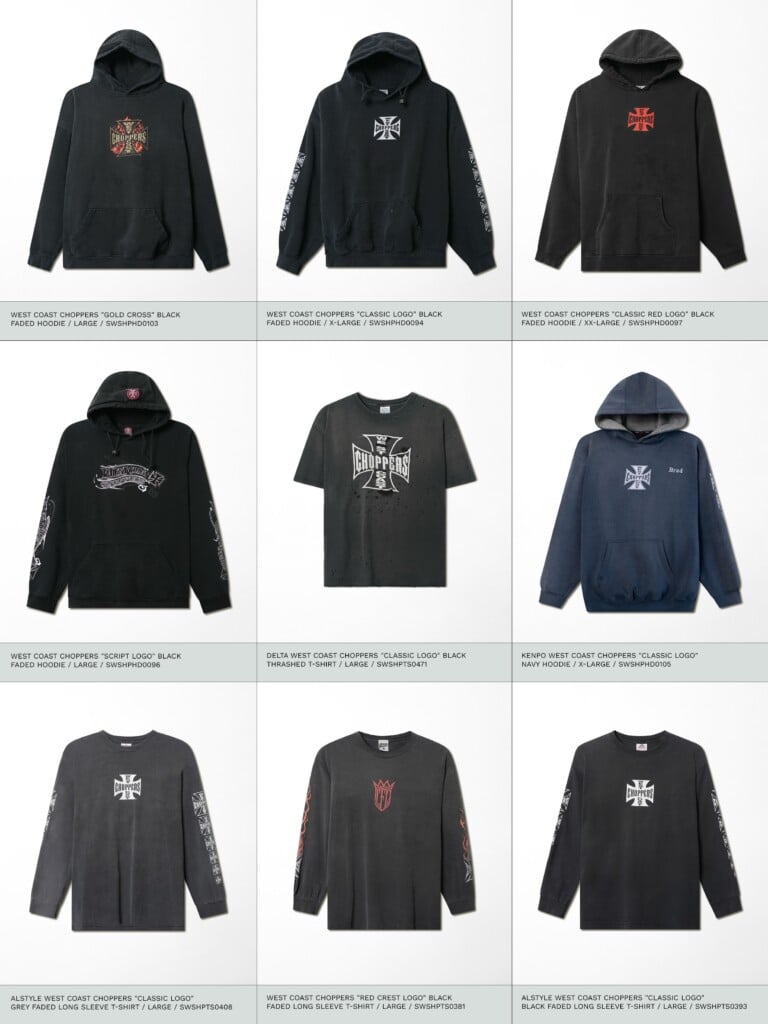
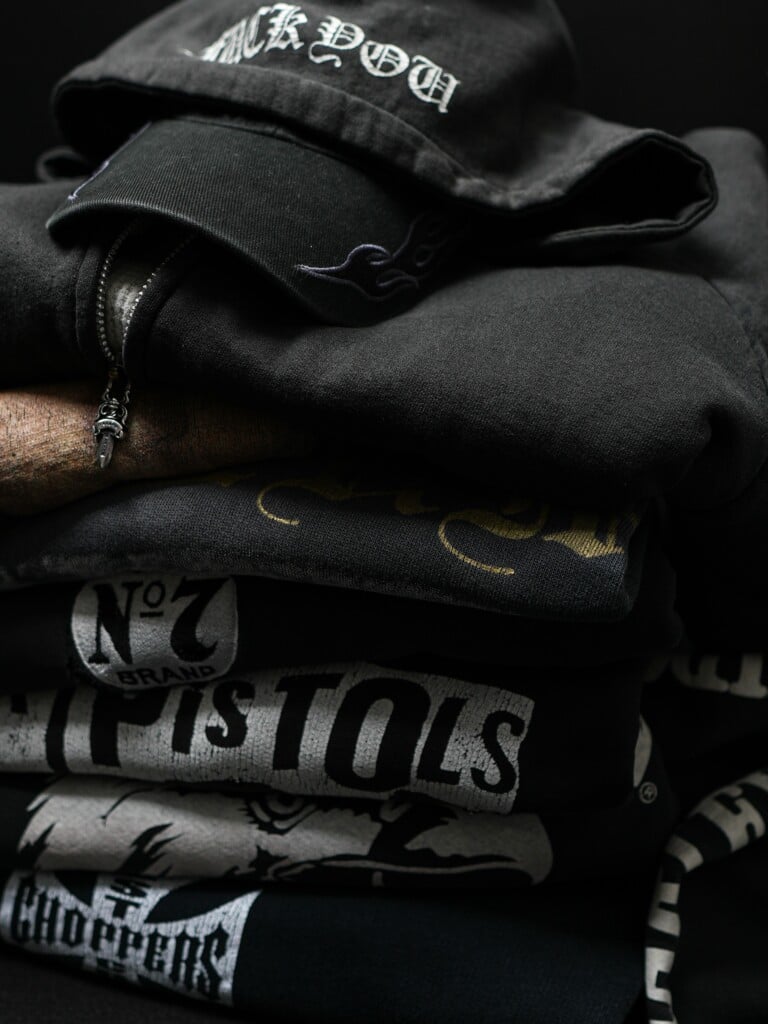
Solid Works Studio’s selection spans different categories, from workwear to denim, from motorcycle clothing to music merchandise, all the way to garments featuring distinctive graphics. These are not areas necessarily united by a historical period or a specific aesthetic, but by the possibility of finding, within them, surfaces and transformations worthy of attention.
Brand, rarity and era still play a role, but they are not absolute criteria. A garment becomes interesting when it has a visible character, when its condition tells something that goes beyond the category it belongs to.
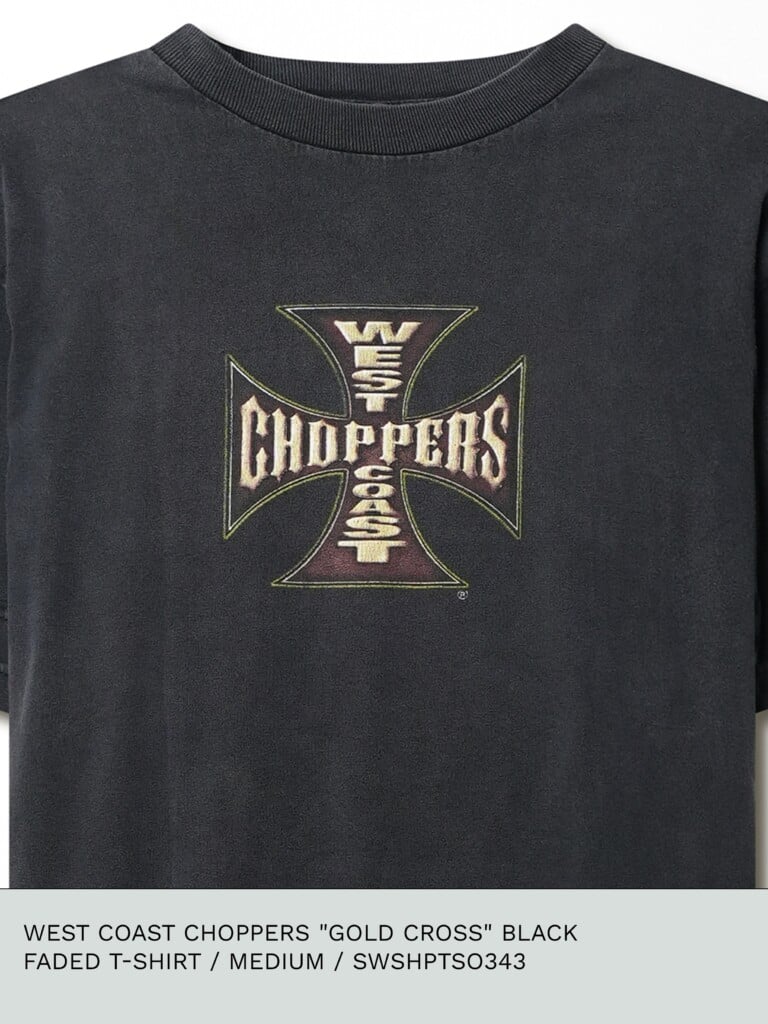
It is a perspective that makes it possible to look at vintage outside the usual hierarchies of fashion. Value does not automatically coincide with the commercial desirability of a logo or with belonging to a particularly sought-after season. It can be found in an altered print, an irregular seam or the unpredictable combination of materials and marks accumulated over time. Attention thus shifts from the ideal object to the concrete object: not what a garment should have been when it left production, but what it has become after years spent outside any catalog.
A physical archive, a contemporary eye
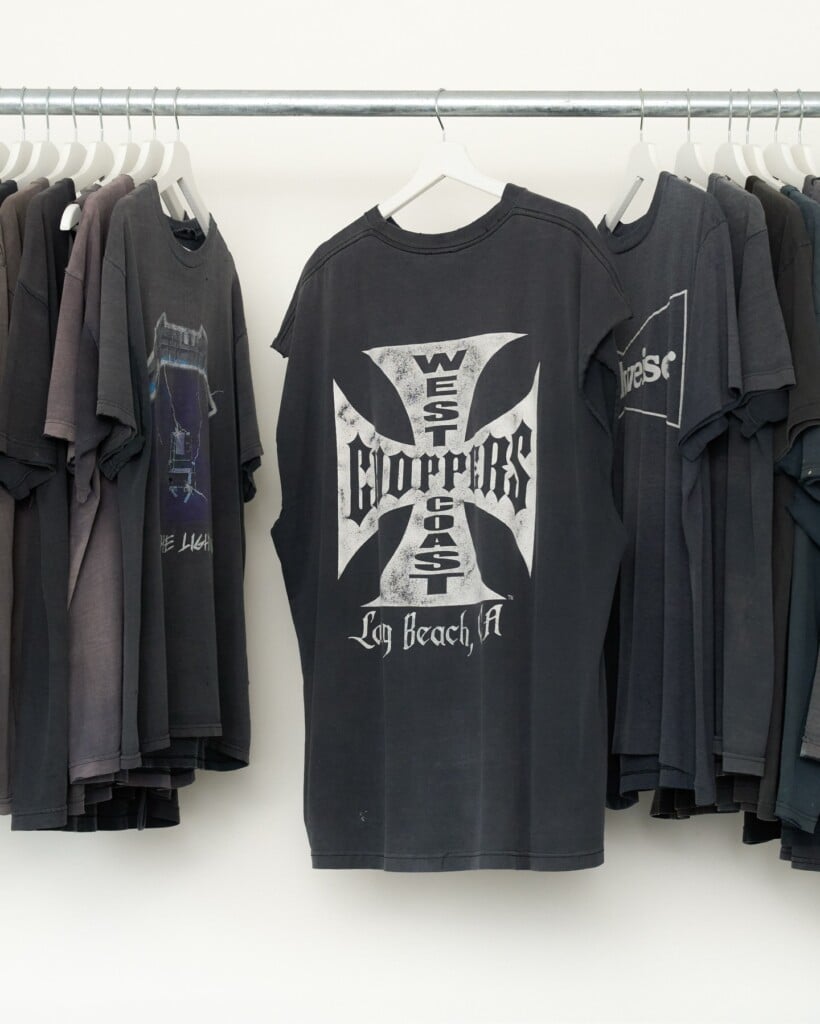
The project lives online and through a private showroom near Venice, accessible by appointment. The latter is not conceived merely as a sales space, but also as a physical archive where the garments can be observed up close, tried on and used for styling and visual research.
This dimension sits alongside an editorial effort that plays a central role in the studio’s identity. Shoots, image selection and the construction of photographic content allow the clothes to be placed within a contemporary language, highlighting shapes, materials and details. Vintage is not presented exclusively as a commercial category, but as a material to be interpreted through photography and styling.
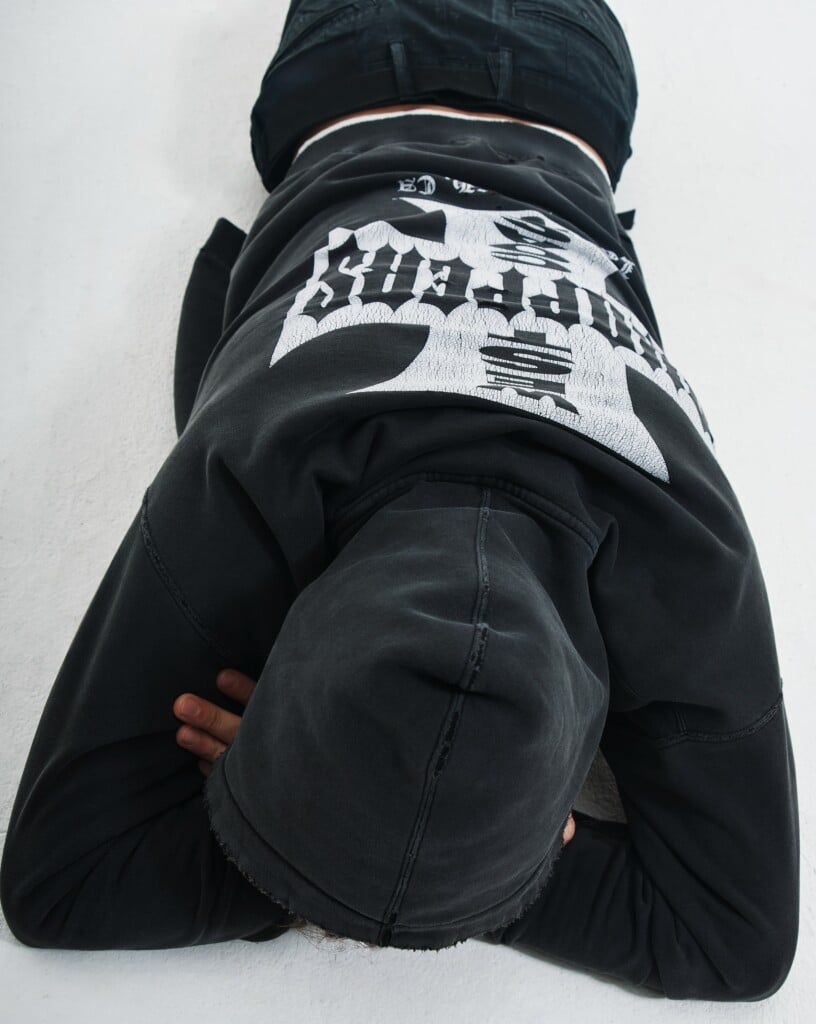
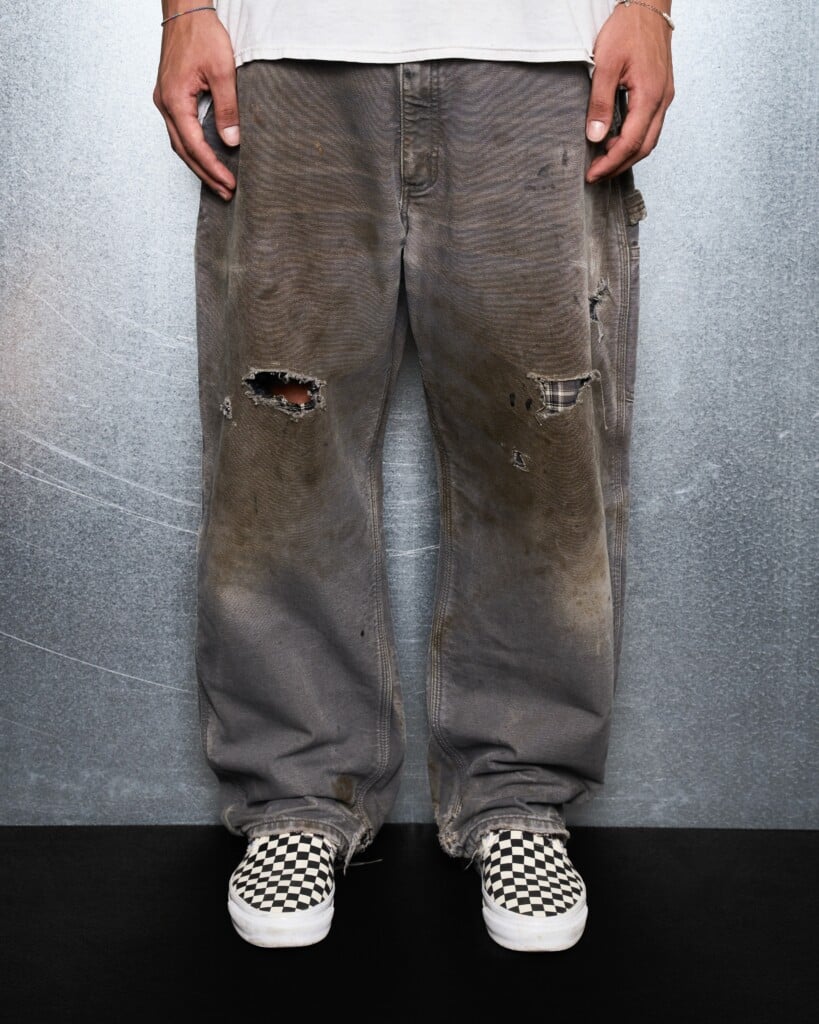
The online platform, too, answers the same need for precision. Each product comes with detailed images, accurate measurements, information on condition and structured data, making the evaluation of a purchase clearer. In a selection where every piece is different from the next, describing a garment correctly becomes an integral part of the curatorial work.
Time as part of the project
Solid Works Studio builds its identity around a simple but far from obvious idea: wear is not the end of a garment’s story, but a part of its existence. Every piece arrives with a past that cannot be completely reconstructed, but that leaves concrete clues on its surface. The task of the selection is to recognize them, understand which ones make that object interesting, and preserve them instead of erasing them.
In a system that tends to reward novelty and uniformity, looking at these marks also means changing the way we look at clothes. Not everything that is worn should be rescued, nor does every imperfection automatically make a product special. The research lies precisely in the ability to discern, to read the condition of a garment and to recognize when its transformations give it an unrepeatable character.