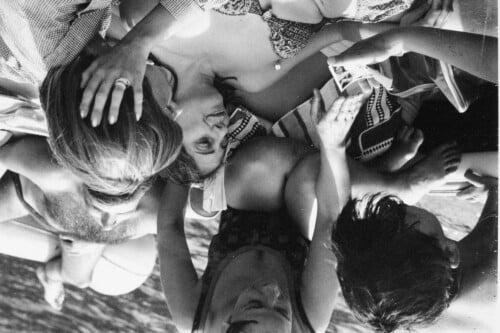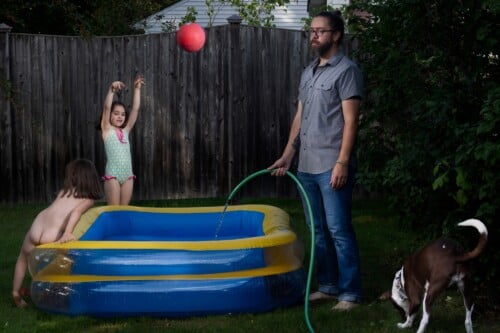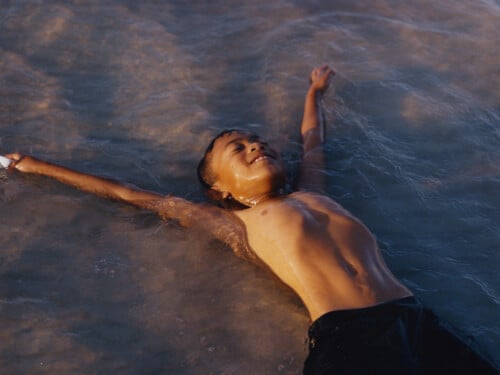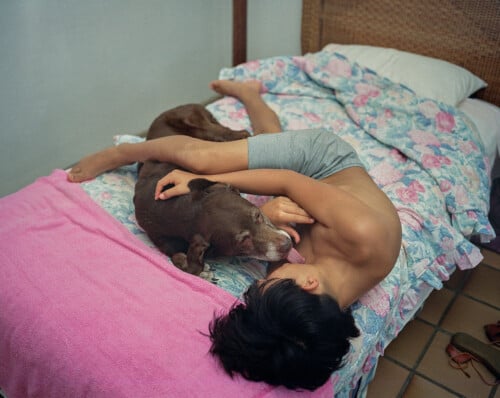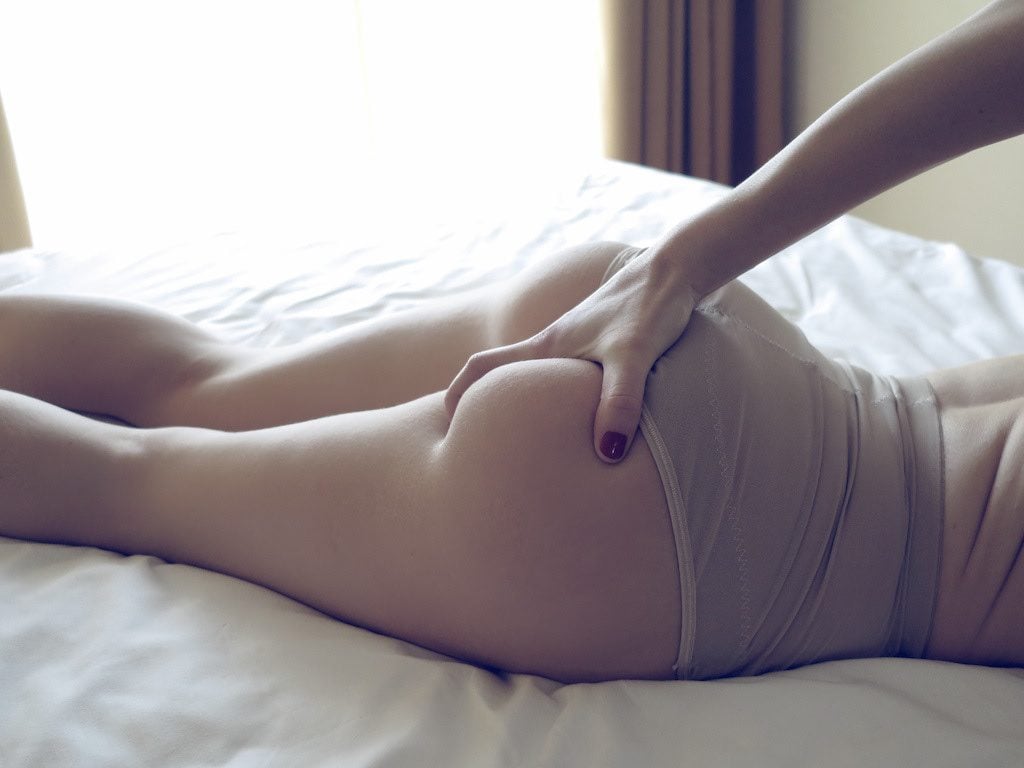
Italian photographer Corrado Dalcò told Collater.al about the meaning of his erotic photographs. Talking about provocation and censorship, the photographer made a point of the current state of photography and how it might change in the coming years.
When and how did you start photographing?
I wanted to become a comic book artist when I was younger, but comic book school didn’t like my work and I had a rough start. I had almost given up on the dream of doing anything creative, then I took pictures at a party for a friend of mine and it was fun. I got into photography because it’s so pure, immediate, almost detached. When I was nine, my dad gave me a camera and then I started photographing friends on the street. I studied art and communication, then as I said before I went through different disciplines before continuing with photography. I also did work as a DoP and some adventures in filmmaking, mainly to see how far I could go in research. Everything else came as a result, although I think I’ve always done the opposite of everything, I’m always the opposite of everything.

What do you like to tell through photography?
I usually want to tell stories. Stories of people, of places, of events that never happened. I would say that my photos tell my stories, and those of the people I interact with. A thousand photographs, a thousand thousand stories.
The female body is at the center of Corrado Dalcò’s images. Is it part of a search for beauty? Do you want to communicate something through those forms? Is it provocation?
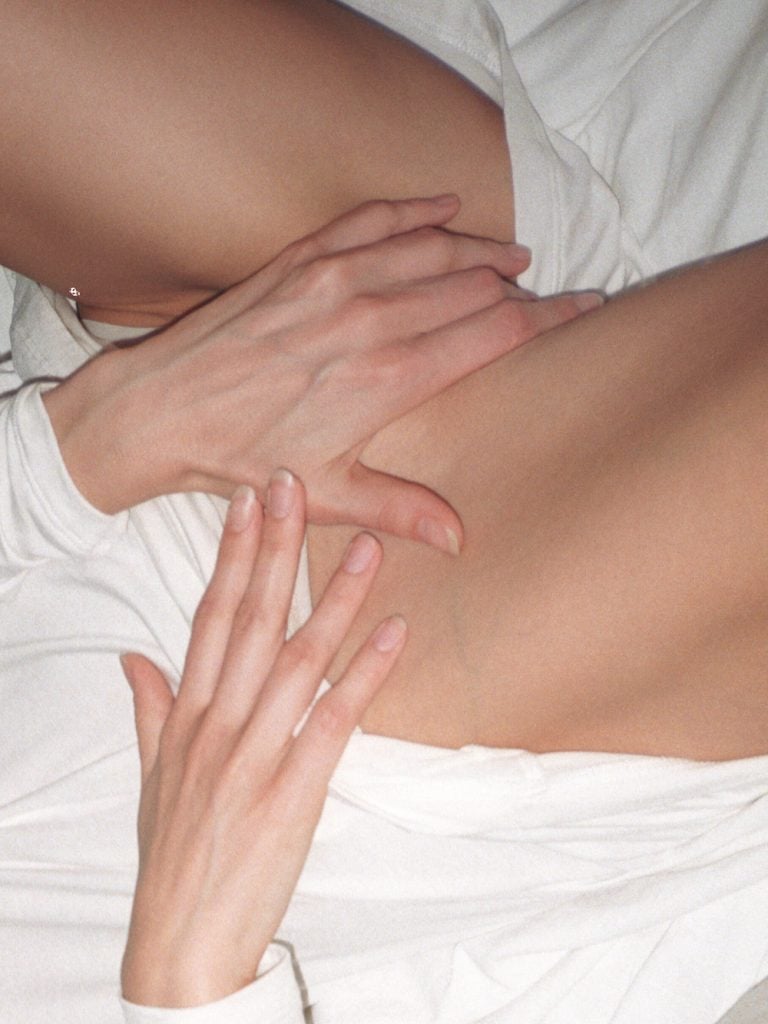
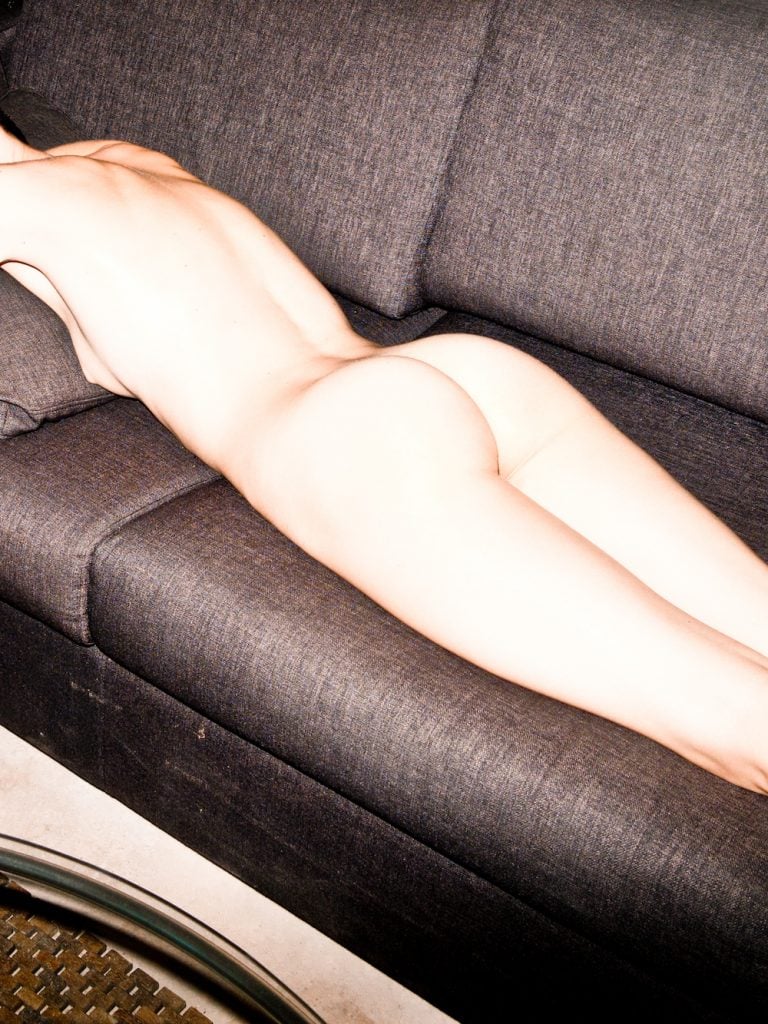
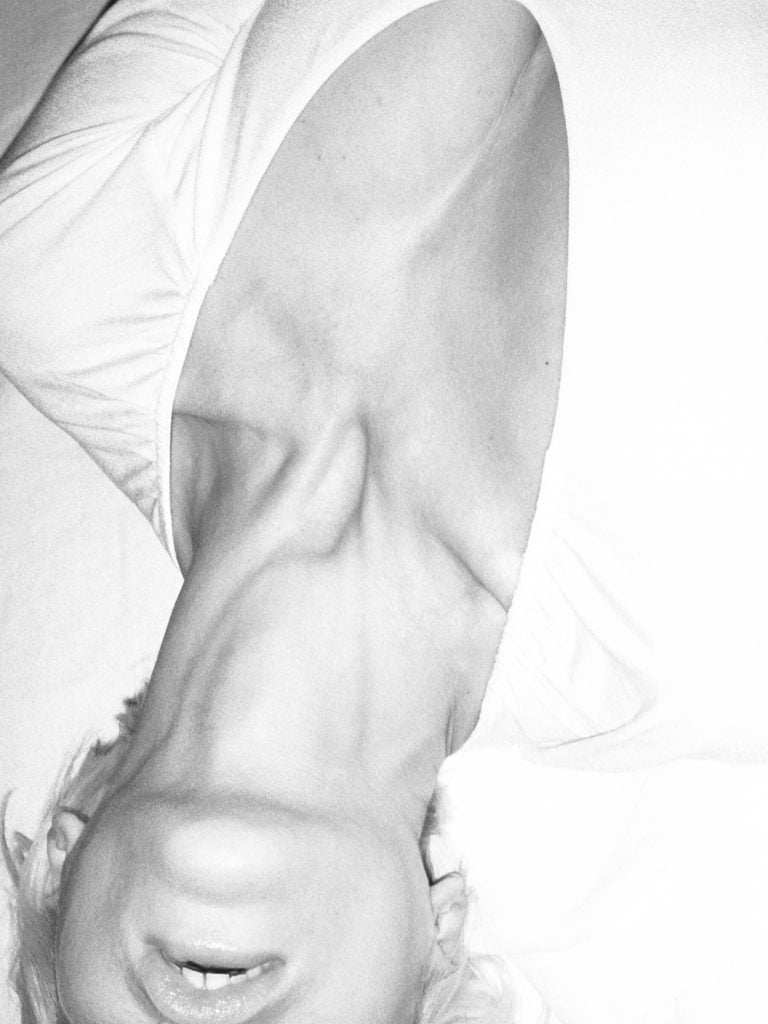
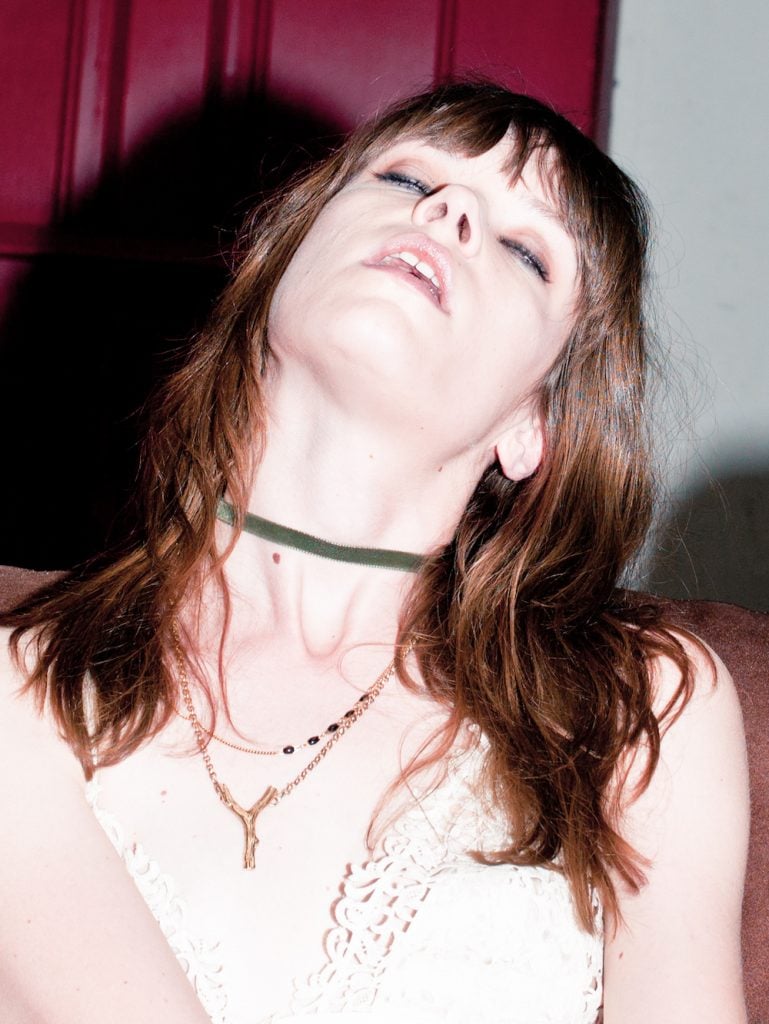
My female nude project was born a few years ago, noticing the absence of eroticism in many nude photos. I often notice that the stereotype of the woman replaces the image of the woman herself. I was used to women flaunting a caricatured femininity, this helped me to take a different path, working to bring out the subject portrayed through a process of identification and the relationship between the photographer and the photographed. I choose women in whom I sense a potential that I can translate into an image, in order to be able to bring out as much as possible that naturalness that makes the situation sexual and therefore realistic. The more real the subject, the more erotic the photo is for me. I work a lot on the set to have a feeling of centrality of the woman, as a person before being a subject, and of the relationship that is established between the person who photographs and the person who is photographed. This passage is very important, that is, the meaning of photographing a person, and photographing a naked person.
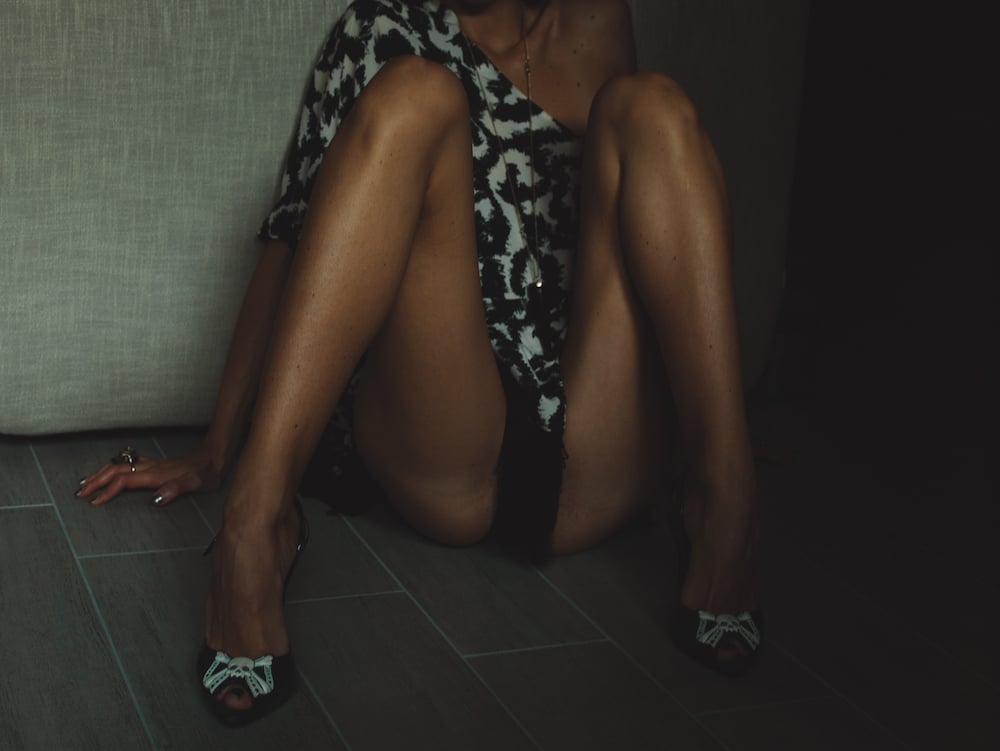
What are the reasons for preferring to photograph a naked person and what are the reasons for subjects to be photographed naked?
Photography lends itself to amplifying things because it is a means of mechanical multiplication. Personally, I think it’s nice when you can find a hint of provocation in art, and for me it’s almost a necessity. I find that there is a substantial distinction between a work that aims to provoke reactions and a provocation as an end in itself. Mere provocation is not art, but a forcing. In my images, that fund of provocation and experimentation can always be found, as is my desire to always push myself a little beyond pre-established limits. I like the agent’s spirits to be stirred, that the viewer is led to ask himself some questions. I doubt that I would ever be able to make a shot that satisfies everyone, that is reassuring to the viewer, at least when it comes to artistic photography.
What is sensuality for you?
One of the most heterogeneous feelings: excitement, arousal, astonishment, shame, disappointment. It’s not easy to render sensuality in a photograph, so I take a lot of inspiration from people who, in one way or another, want to tell me something. In the last period I am studying sensuality a lot, trying not to fall into provocation, but it is very difficult. I love to have very difficult tasks, just so I can work as I want to.
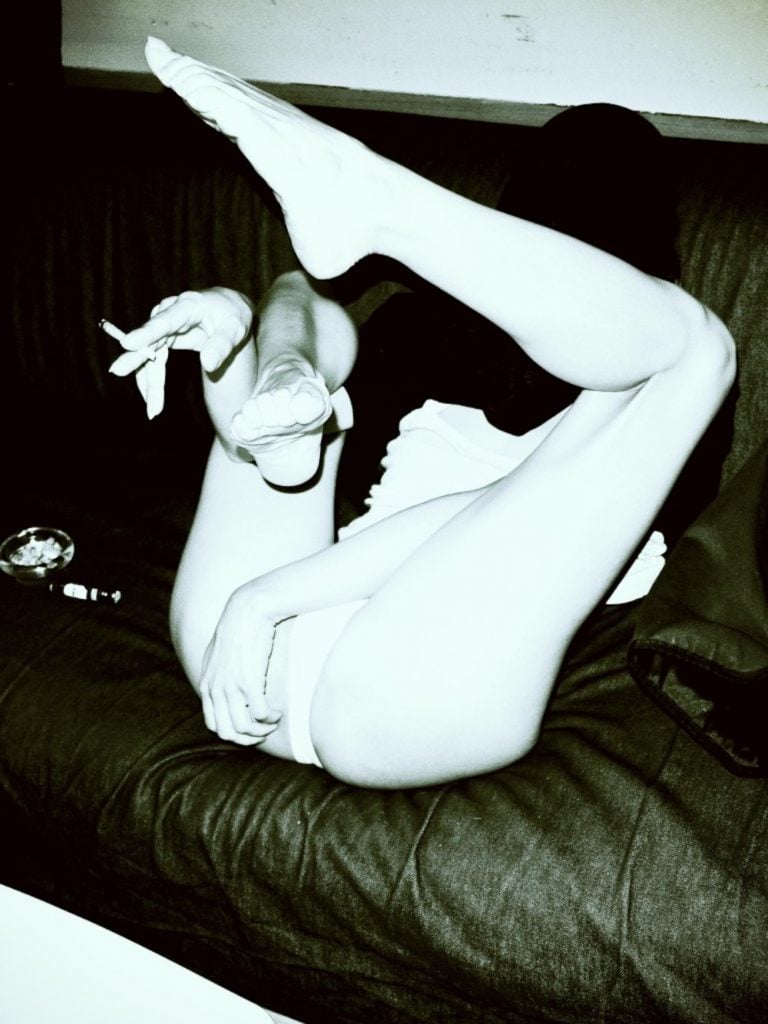
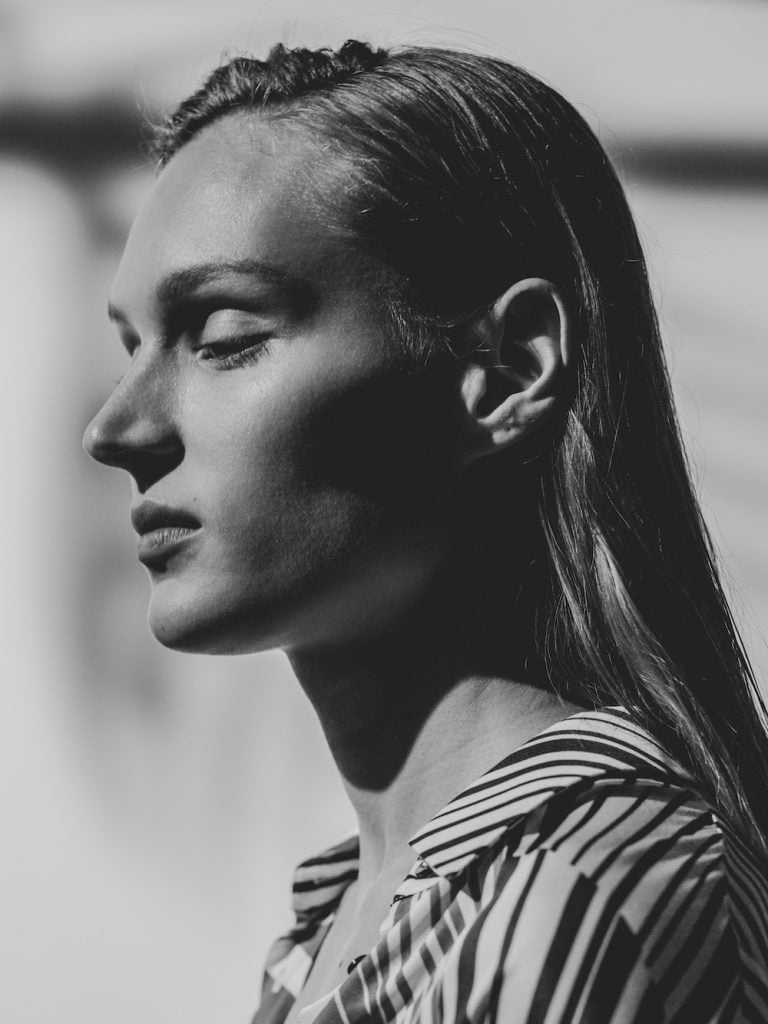
What is transgression and is it hard to be transgressive in 2021?
You’ve hit on one of the main issues of discussion in all my work. I have always sought transgression, if we want to call it that, for the reasons mentioned above, or rather mainly for provocation, to try to establish a dialogue with those who read the images and those who create them. Thanks to social media you can see everything, but the point is that now those who look does not have a culture of image trained enough to be able to distinguish what is really transgressive and what is not. Someone about me and my photographs used a nice term “obscene” and the use of this adjective is not accidental. The obscenity to which I refer is the concept on which Carmelo Bene based his theater. O – sceno, that is, “out of the scene”. The answer to your question is yes, it is difficult to be transgressive in 2021, above all because a cultural abyss has been created that withers the minds of young artists, creating only panic.
What do you think about the moral panic that has infiltrated art in recent years and the censorship of the nude body on social platforms?
Photography, not only that defined as erotic, has changed profoundly for two reasons: censorship that follows guidelines and policies; the indiscriminate use of the commercialization of the image to fit into the commercial canons of social. I believe that what you call “moral panic” (an adjective I think is accurate) is only one of the consequences of censorship. I believe that it is useless for a photographer to continue to publish photos with more or less ridiculous censorship, generating a non-photography and dirtying the beauty and purity of art. Some photographers justify themselves by brandishing the weapon of liberalism. I do not believe in the hypocrisy of censorship, in the oversimplification of the guidelines set by the media activated only to be commercially exploited and not to express a concept, a way of being that in recent years has radically changed. Nudity is normal, there is nothing “forbidden” in nudity; submitting to or accepting the guidelines of social media only impoverishes freedom of expression. I believe that a photographer, as an artist, must open a parenthesis and try to “interpret” the censorship of social media if you want to share your work on these media. That’s why for years I’ve been changing my production on social media and for certain projects I’m focusing on the publication of limited edition projects; I’m collaborating with DIY, a community of photographers who periodically organize exhibitions of self-produced fanzines and more; it’s a sort of sharing of our experiences and projects, sharing also criticisms and suggestions, together with a lot of beer.
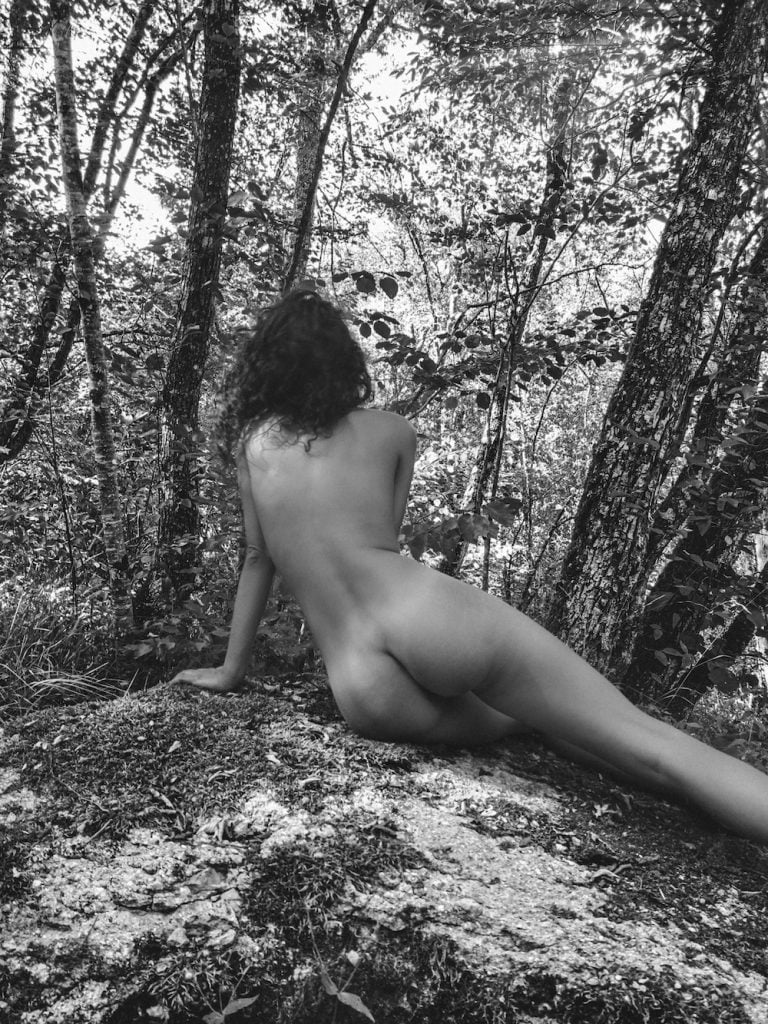
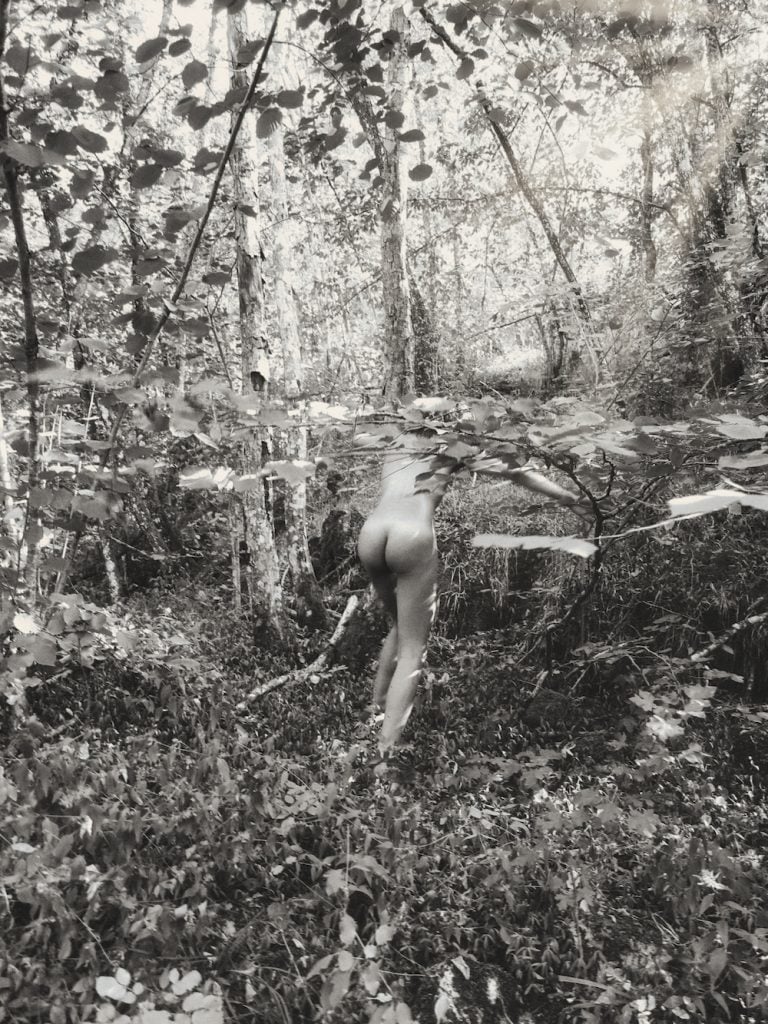
Do you think that beyond this, is the attitude towards beauty canons really changing?
I would say yes, although the correct answer would be “it depends”. Working in fashion, the canons of beauty are mainly imposed by designers, although lately the forays into new beauty models is intensifying, probably because fashion always needs new stimuli. But let’s take it as a positive thing, that helps new ideas to come out, to consolidate, even if the general impression doesn’t seem to be working very well. I get the impression that things are going the right way, but all it takes is a moment that we revert to a feudal concept of beauty standards. I’ve always guided my projects outside the guidelines of normality, outside the canons of beauty first imposed by fashion, then by social media, and yet I always have the impression that I’m up against a flaccid rubber wall; as I said at the beginning, I’ve always been the opposite of myself.