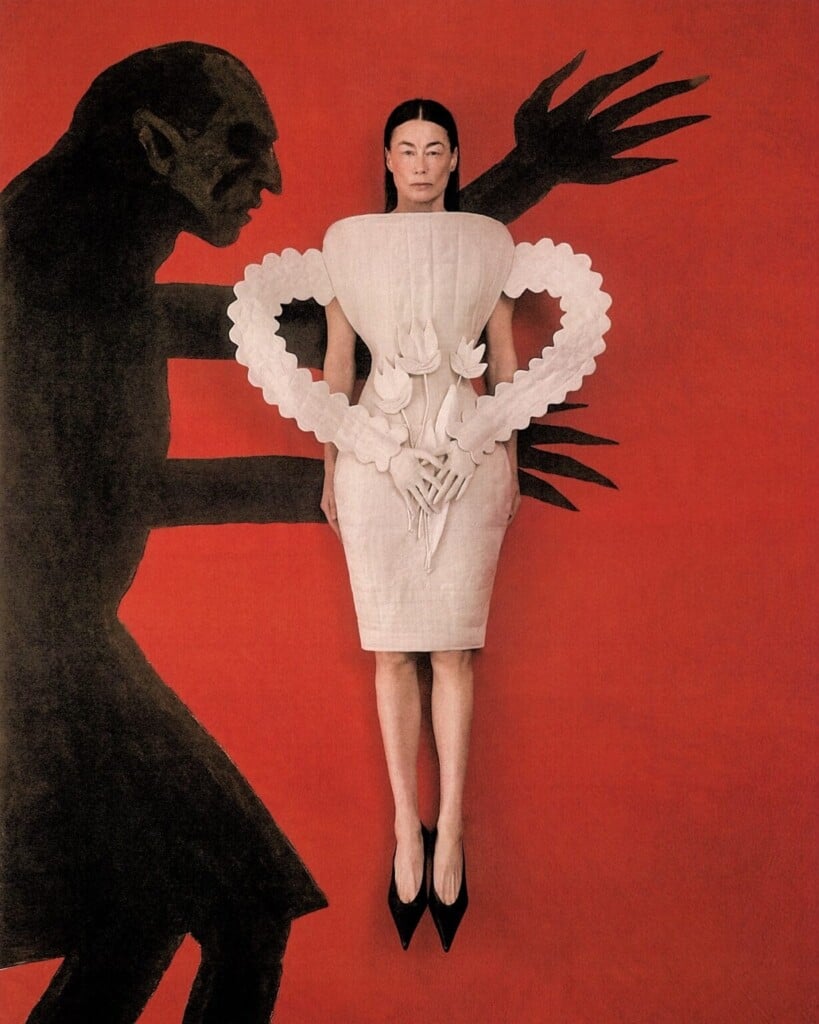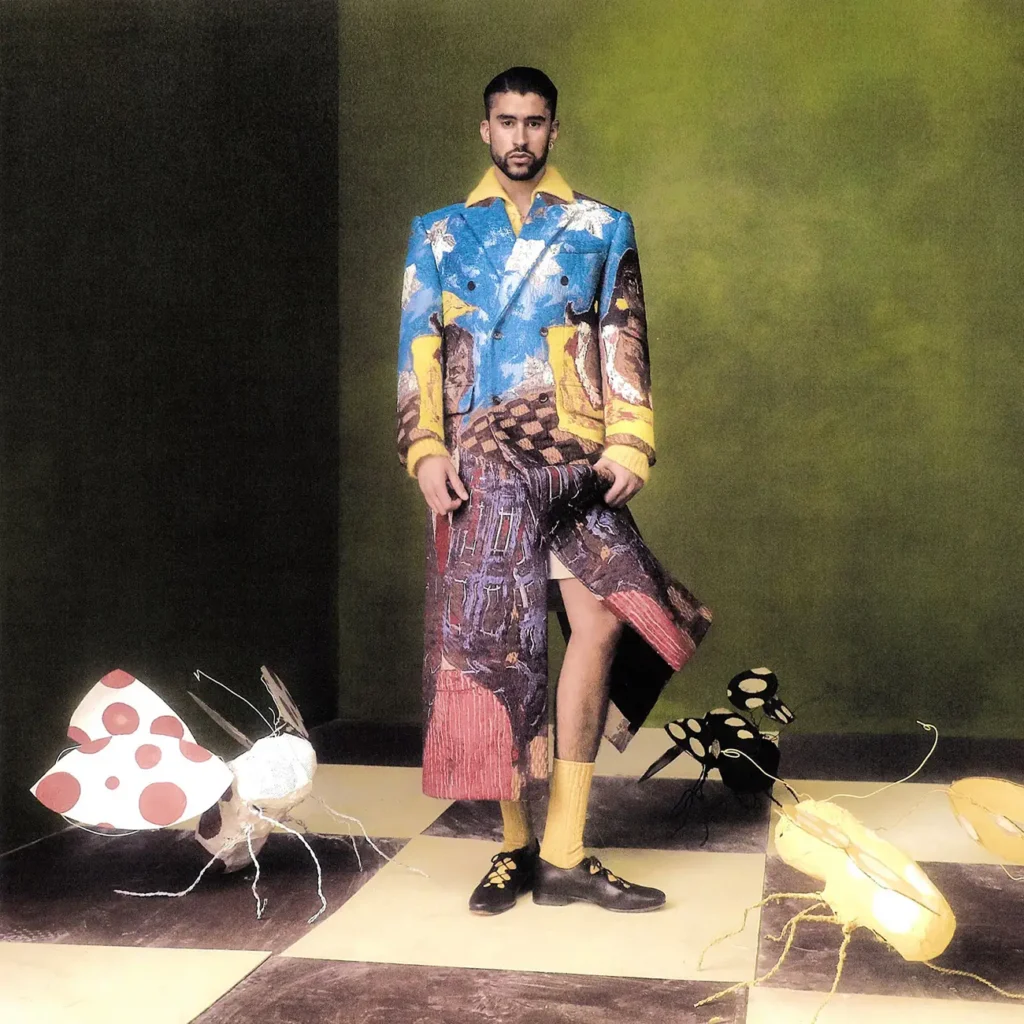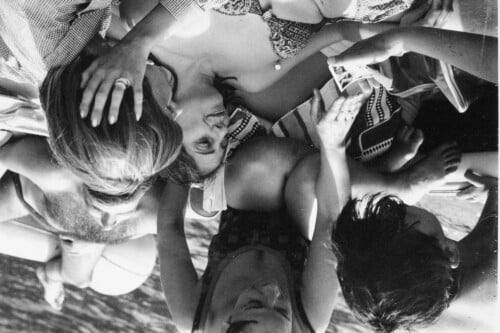
Szilveszter Makó seems to have understood one thing: if you have to photograph yet another celebrity in front of a backdrop, you might as well build an entire world around them.
And indeed, he does.
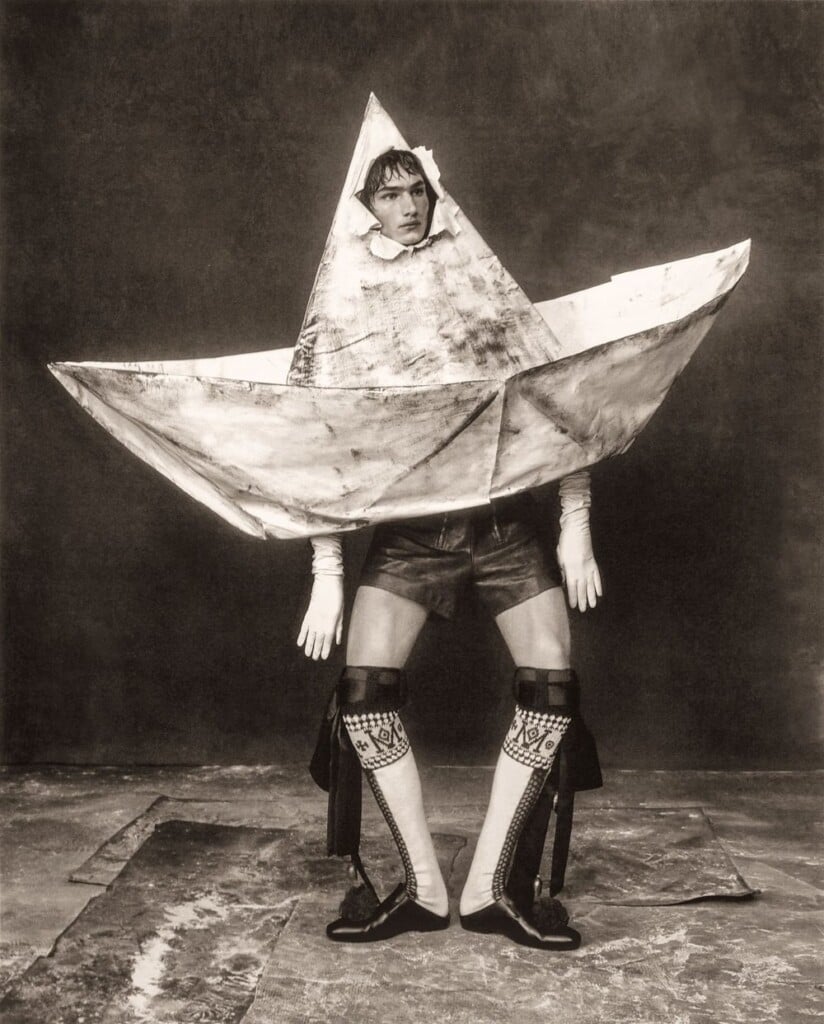
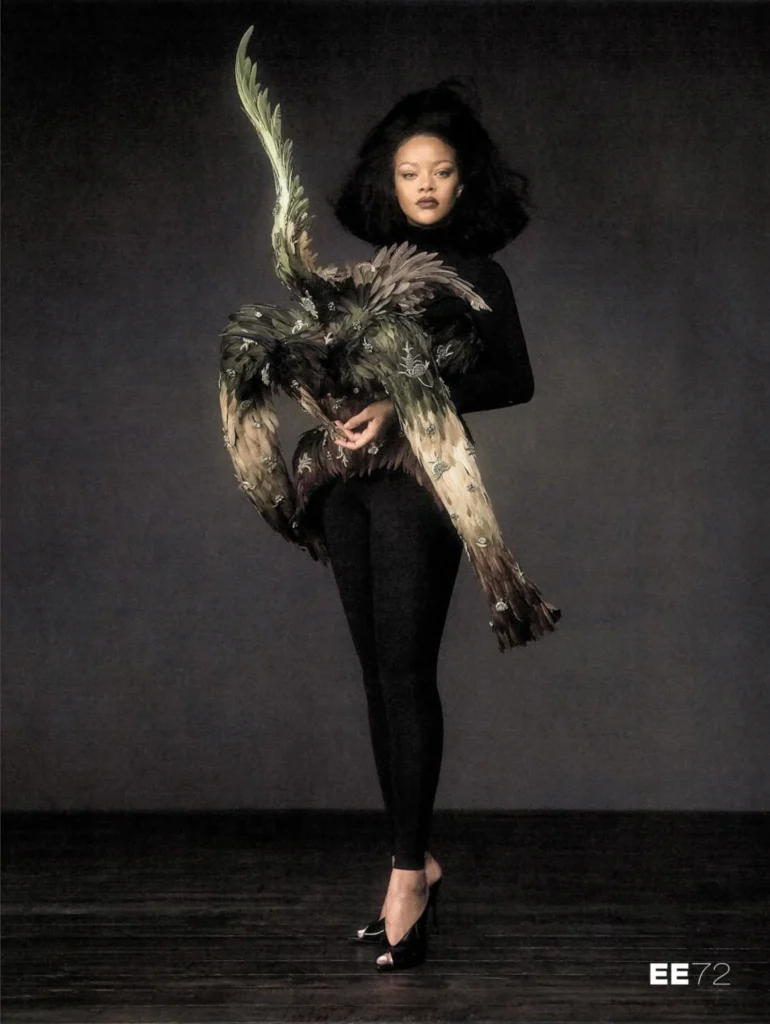
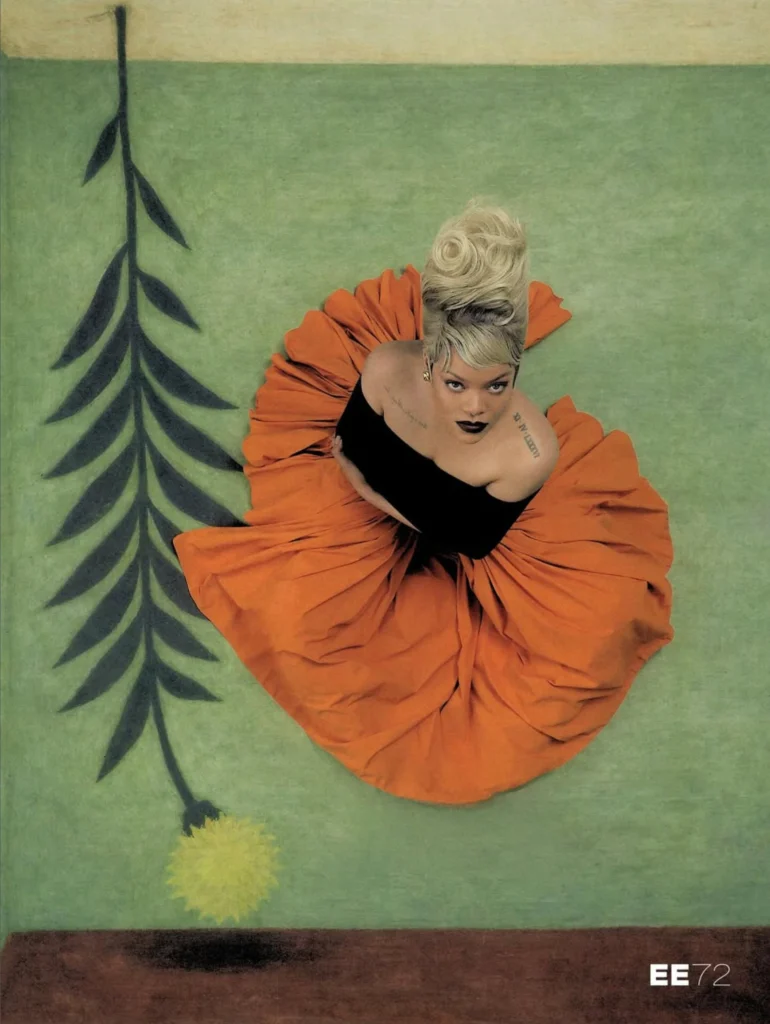
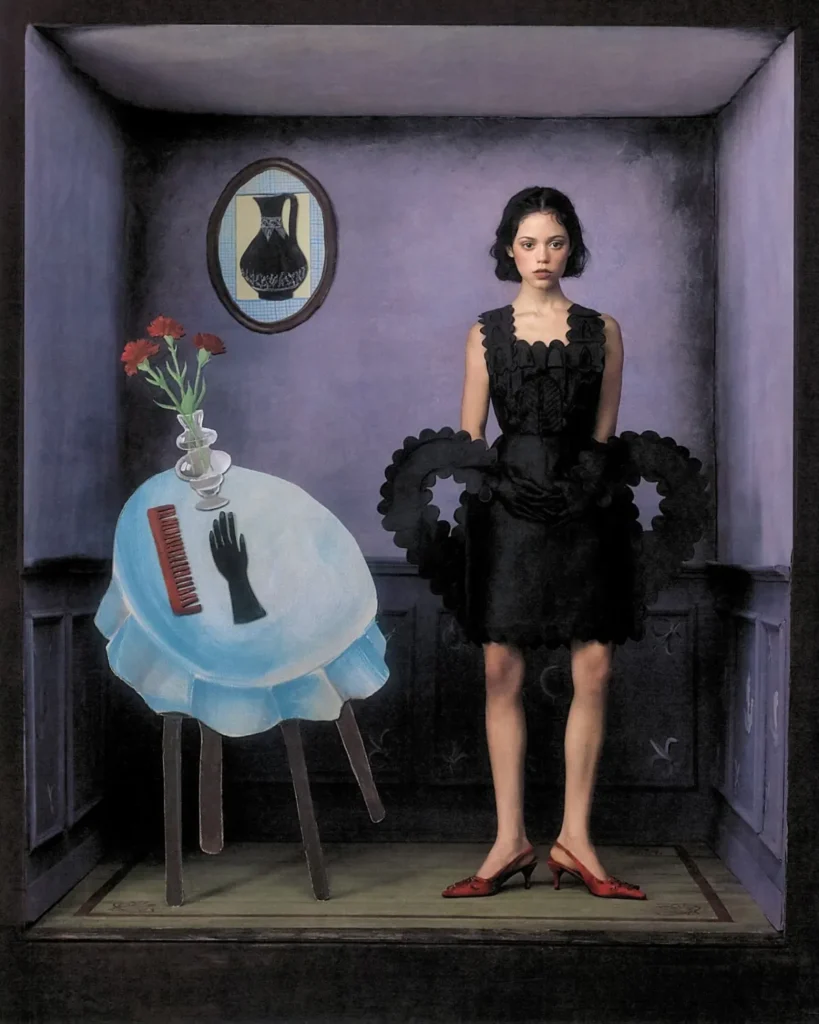
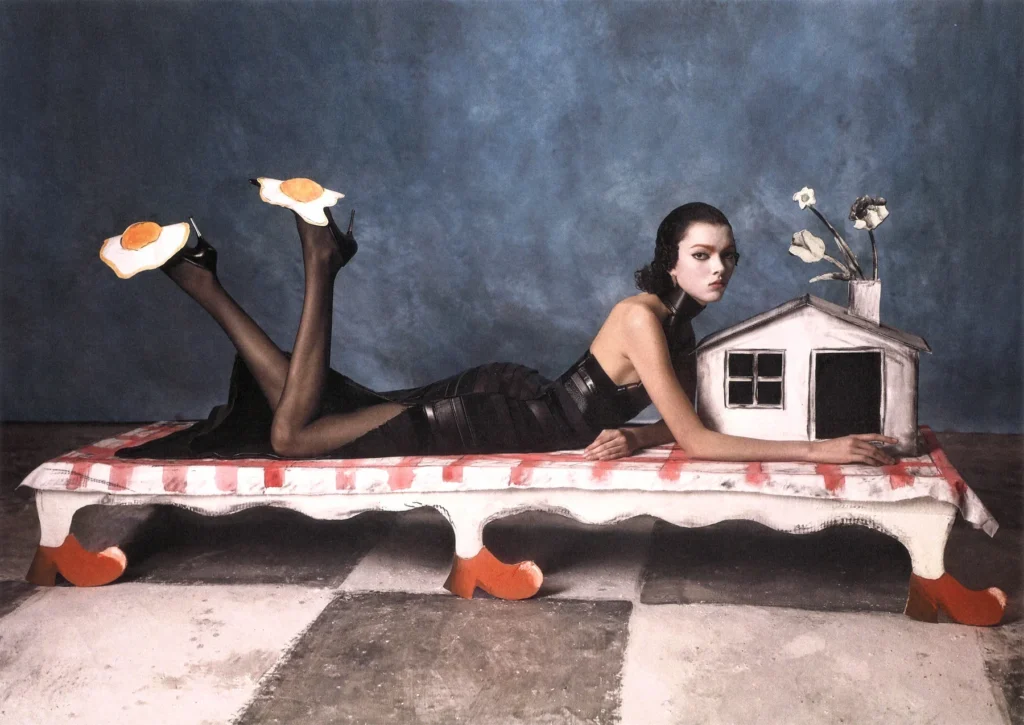
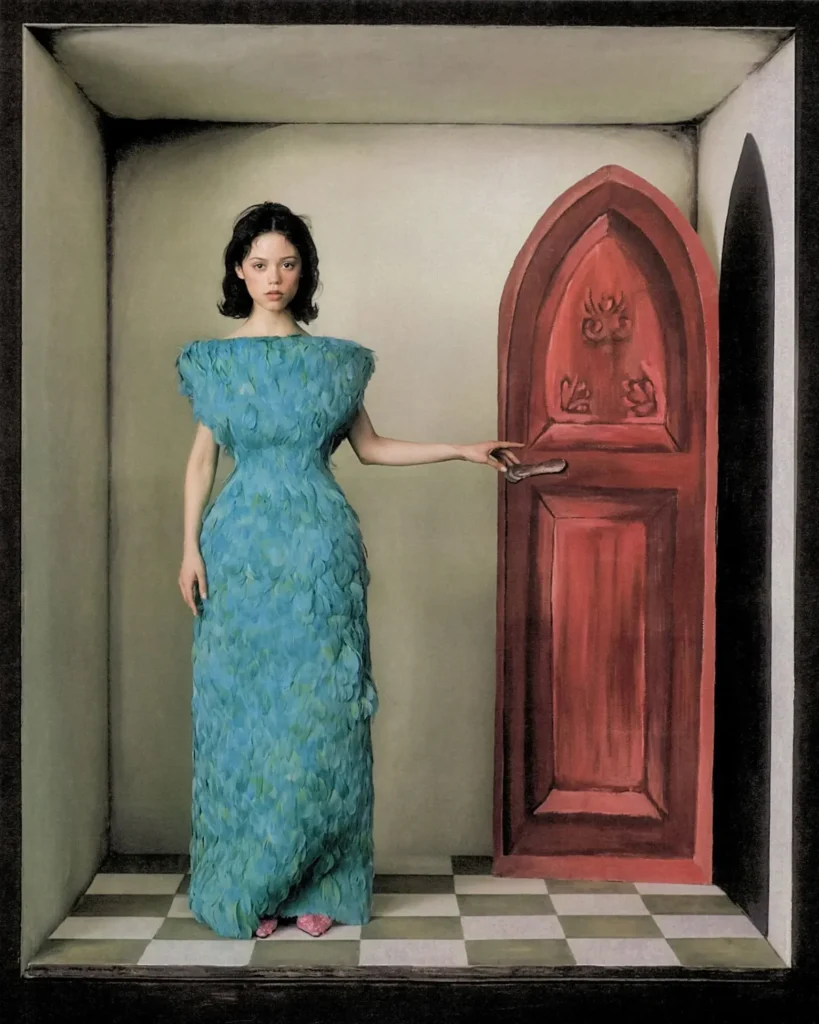
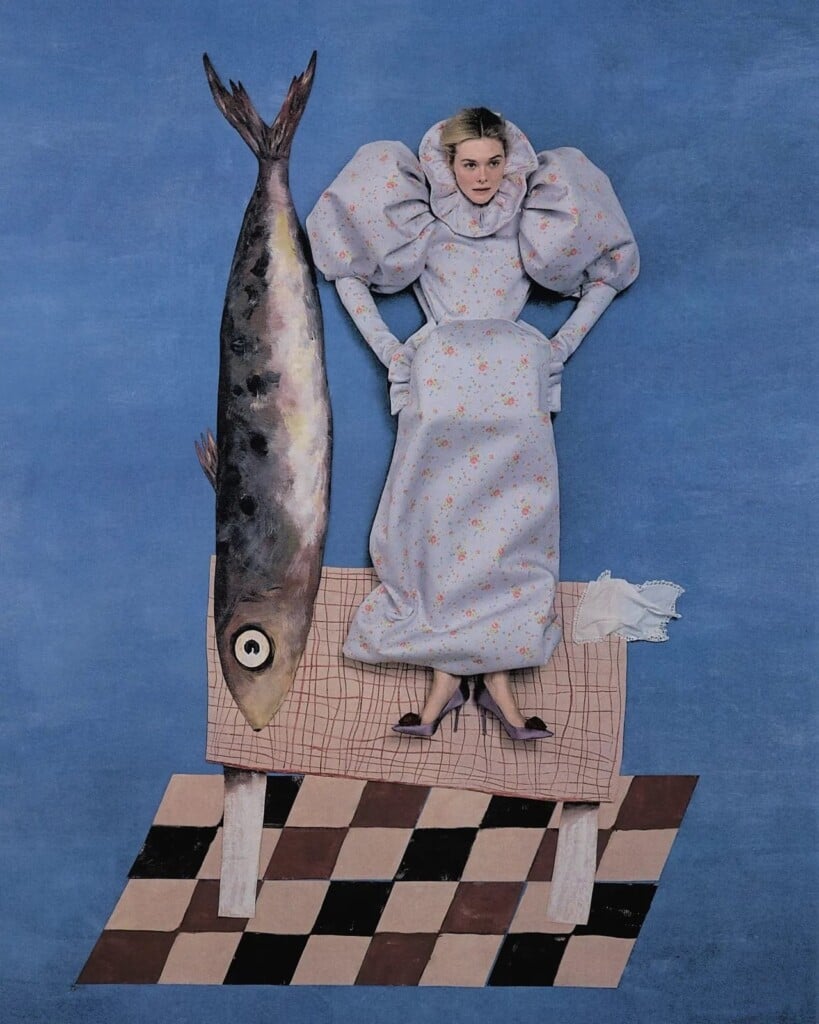
Rooms that are too small, squashed perspectives, real animals, old furniture, cardboard, salvaged fabrics, apples, family cutlery. Then he takes a world-famous person and treats them as just another element of the composition.
It’s no longer just portraiture. It’s painting, theater, set design and photography coexisting within the same image.
Makó draws openly from the Renaissance, Dada, Surrealism, the Bauhaus, Hungarian folklore and the memories of the Eastern Europe he grew up in. But the point isn’t recognizing the references. It’s what happens next: he takes them, dirties them, compresses them and turns them into something that seems to belong only to him.
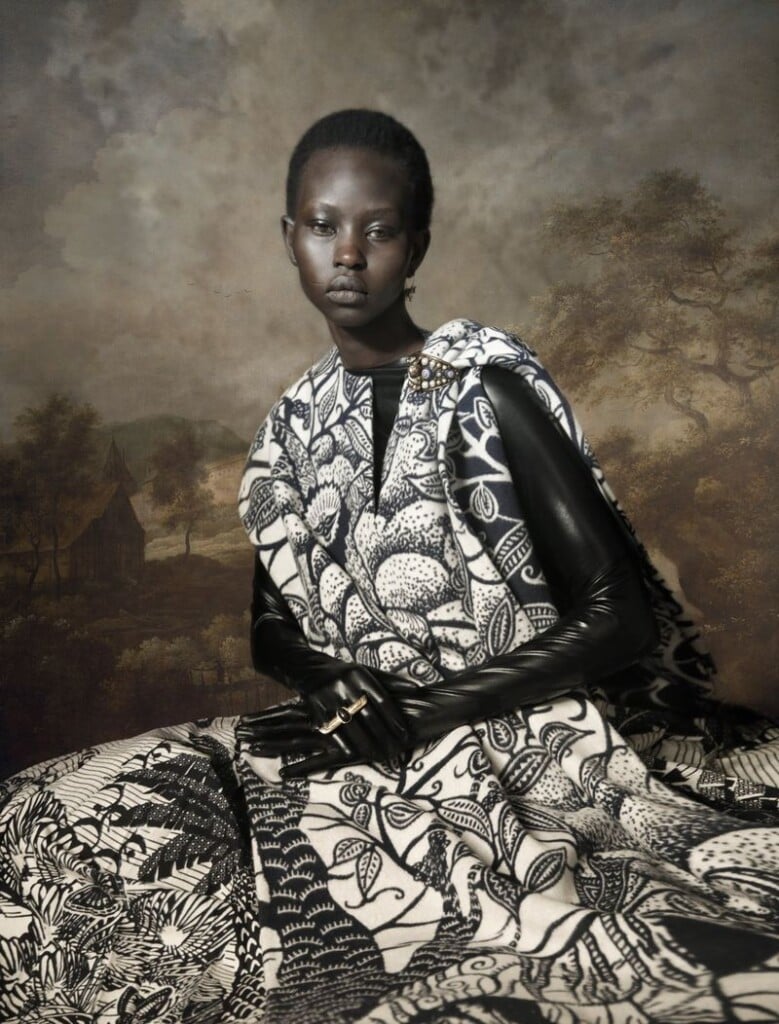
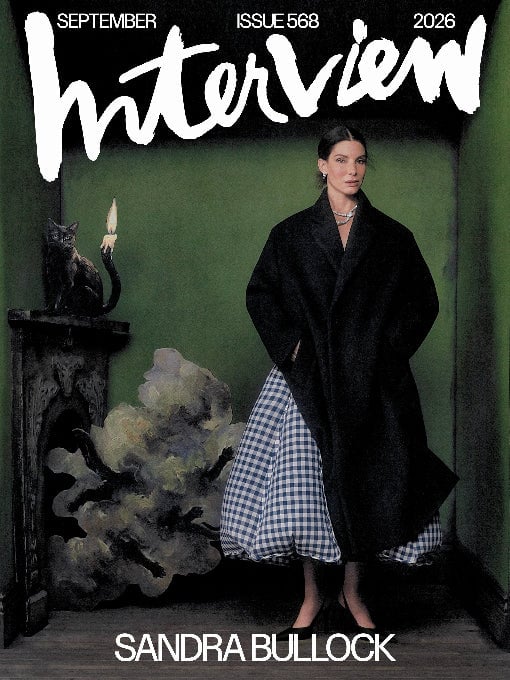
His famous “box” sums it all up. For Makó it is both constraint and liberation: it limits the space in order to concentrate the image. Inside that geometry he can distort perspectives, proportions and hierarchies. A pop star can matter as much as a chair. An actor can become part of the furnishings. A cat can completely steal the scene.
And this is exactly where Makó becomes interesting.
For decades, fashion photography has tried to make the subject larger than reality. Makó does almost the opposite: he builds a reality so strong that even the celebrity has to adapt to its rules.
He doesn’t use art history as an elegant moodboard. He puts it back to work.
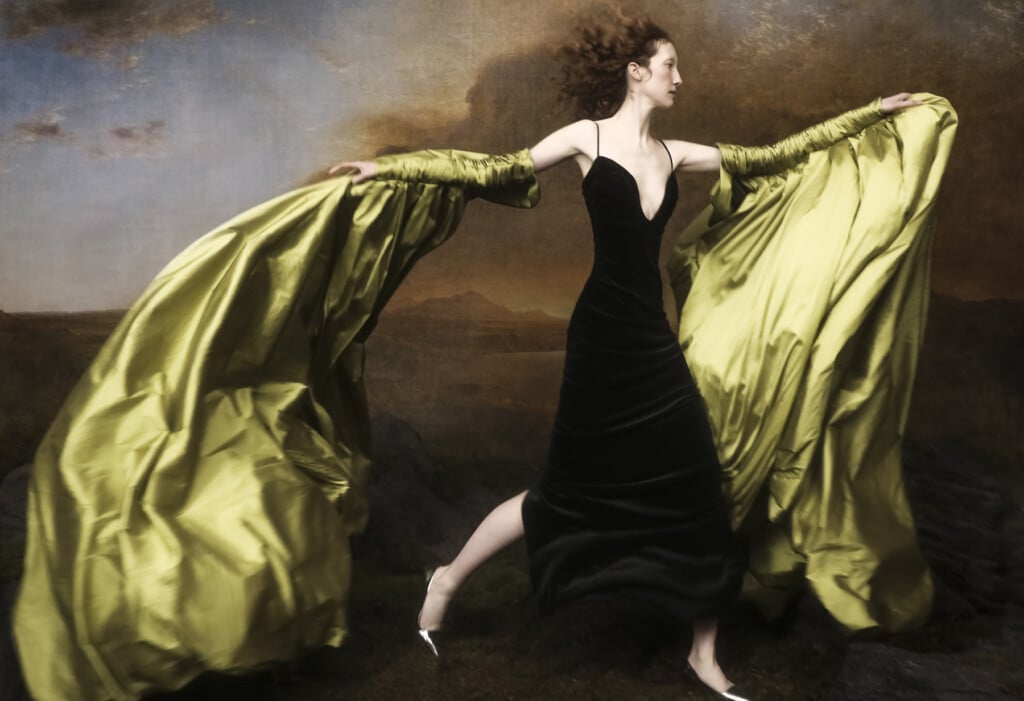
In 2026 he took this logic even further with Bauhaus Ballet: six rooms in New York where the public could physically step into the world that until then had existed only inside his photographs.
And this is perhaps the most radical thing about his work.
Makó doesn’t wait for the world to become interesting in front of the camera. If the world isn’t enough for him, he builds a better one.
This article was produced in collaboration with Luigi Falanga, also known as @superottomag