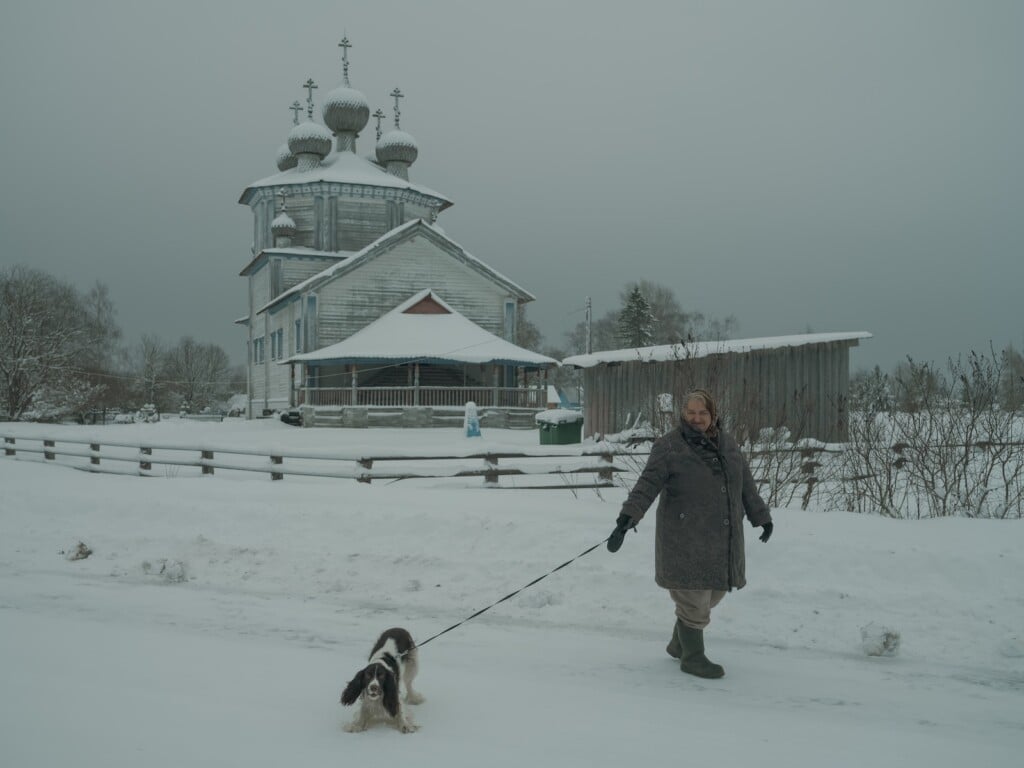
In the North of Russia, snow settles on the roads, covers the forests and turns every distance into something harder to cross. And yet, even in this seemingly hostile geography, life finds a way to go on: inside homes, along the railways, in small wooden shops and in the daily gestures of those who inhabit these lands. It is precisely this coexistence of vastness, isolation and familiarity that the photographer Damir Faizulin tells in The Russian North – On the choice to stay.
The project grew out of a journey to the Arkhangelsk region, a territory where the climate and the shape of the landscape seem to dictate the rhythm of existence. Faizulin moves between remote places, observing a North that cannot be reduced to the mere image of an extreme land. In his photographs, in fact, distance is not only a geographical condition, but becomes part of a way of living, of building relationships and of recognizing oneself in a place.
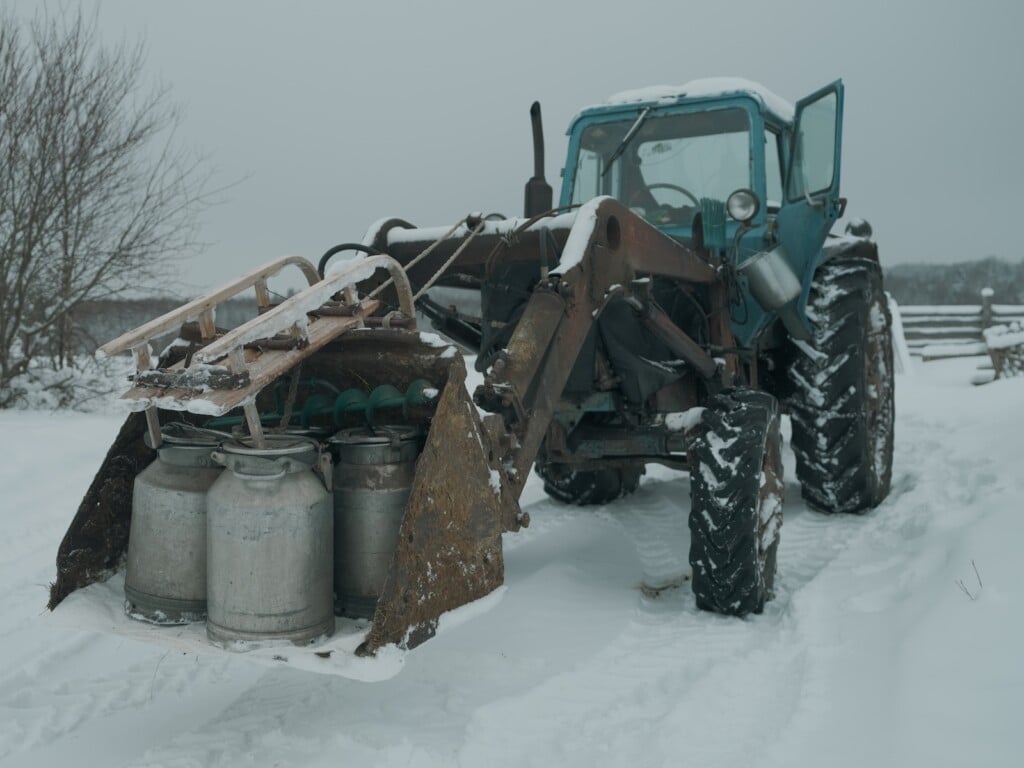
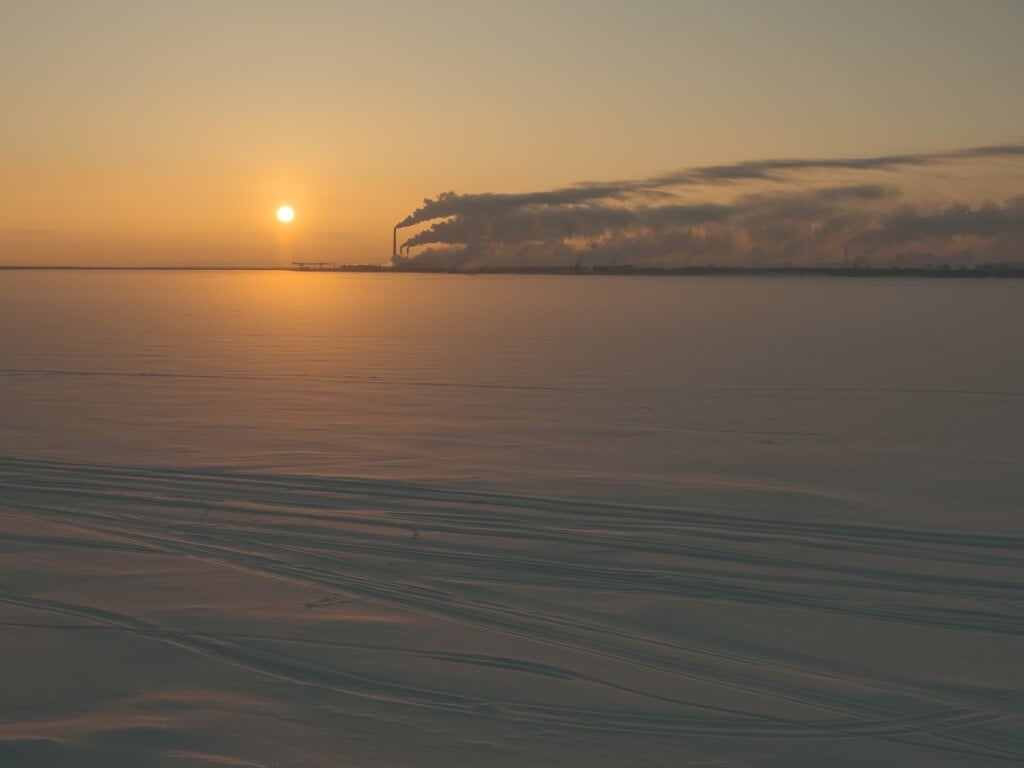
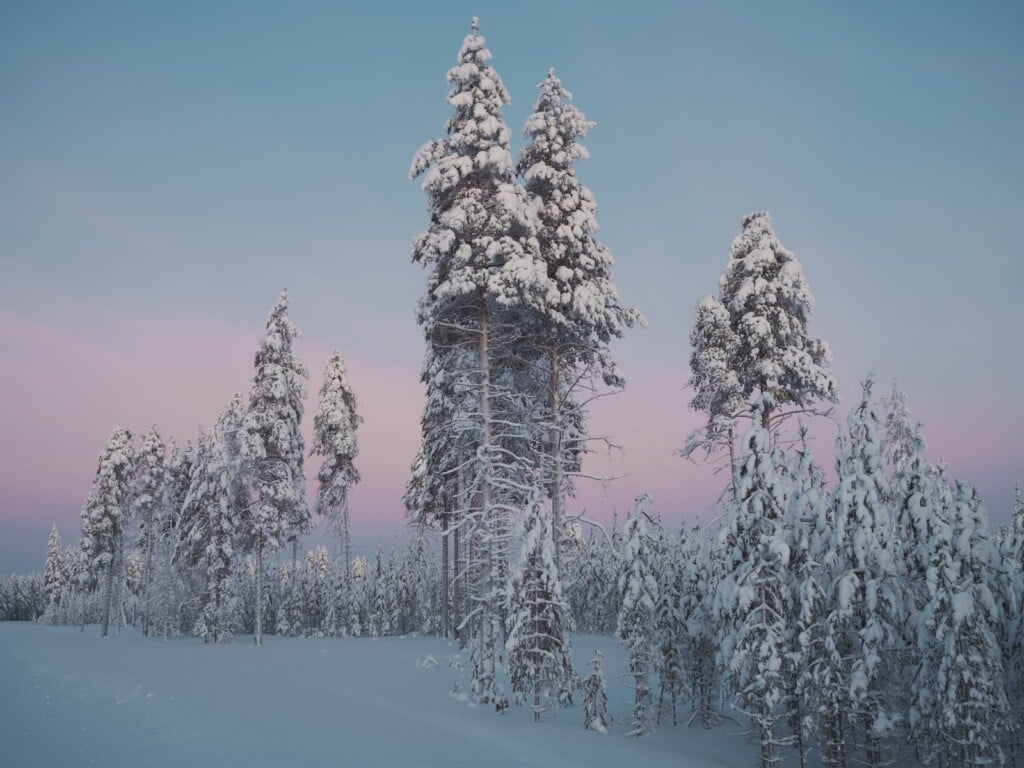
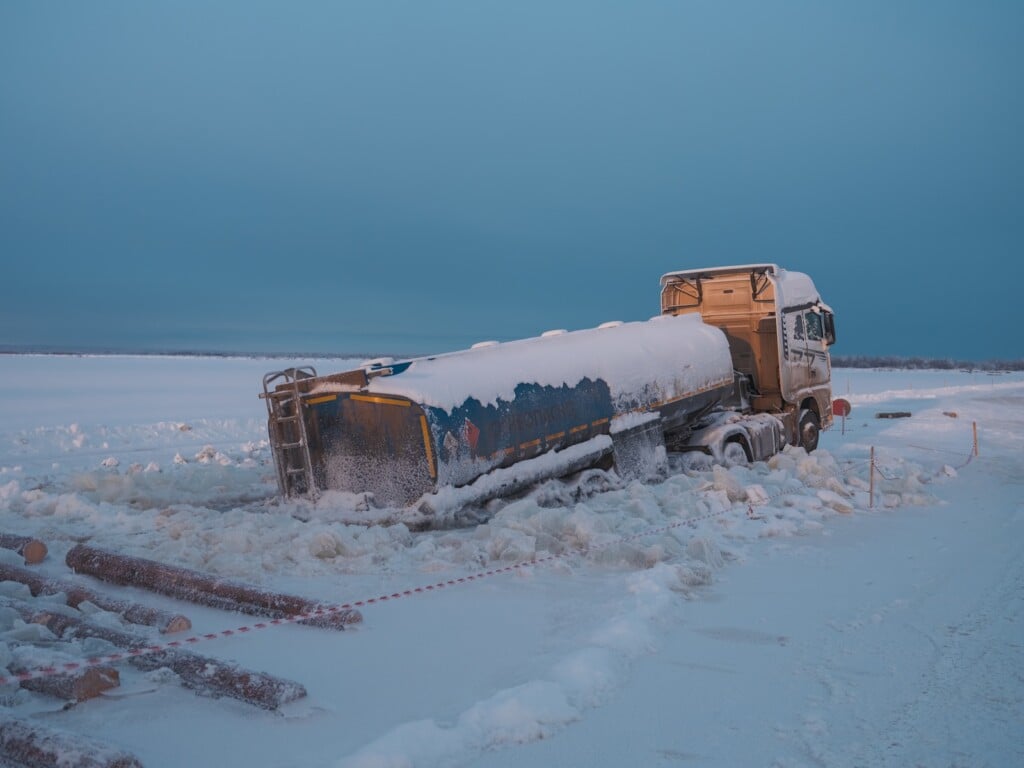
The series unfolds through two distinct moments, winter and summer, which offer almost opposite images of the same territory. During the cold season, the landscape appears rarefied: snow-laden trees stand out against skies of delicate colors, while the port and the streets are wrapped in a gray, uniform light. In one photograph, a lit hockey rink is observed from inside a window; in another, a tractor crosses a snowy expanse carrying some containers. These are scenes that connect the natural dimension with the concrete one of dwelling, without separating them.
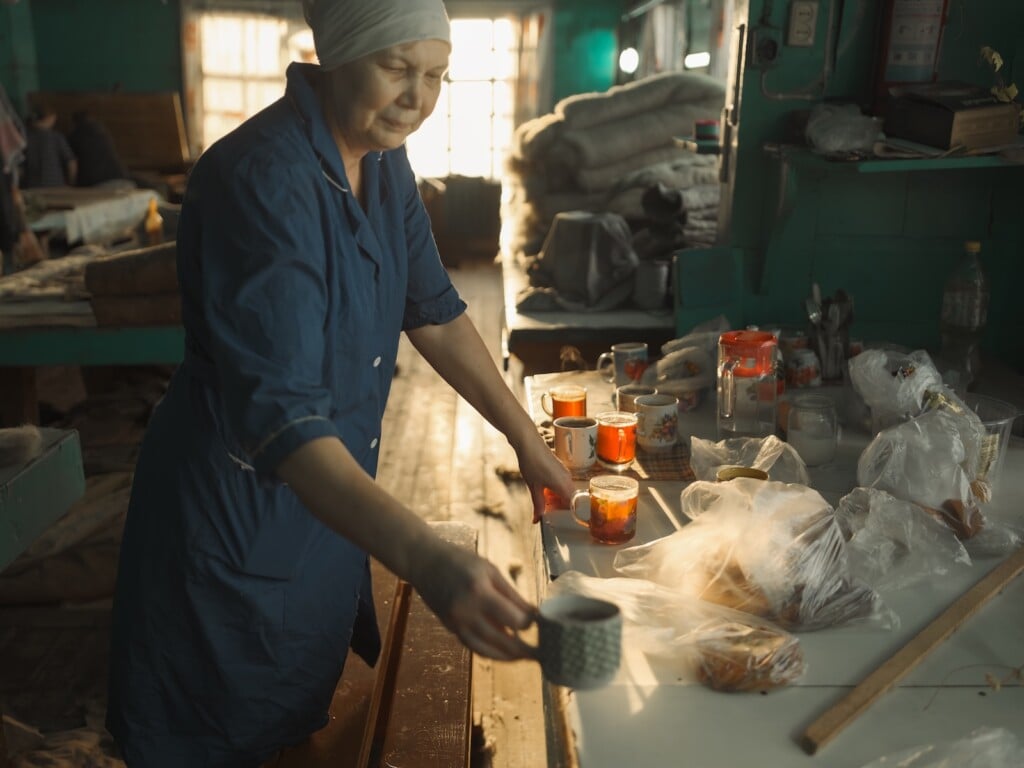
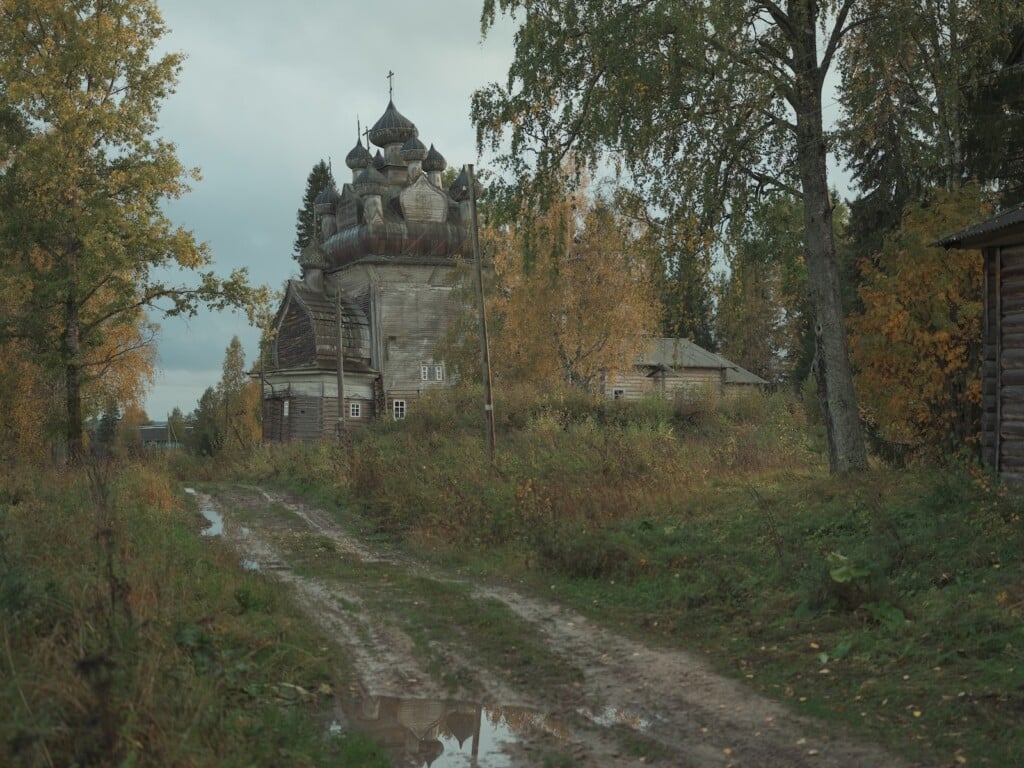
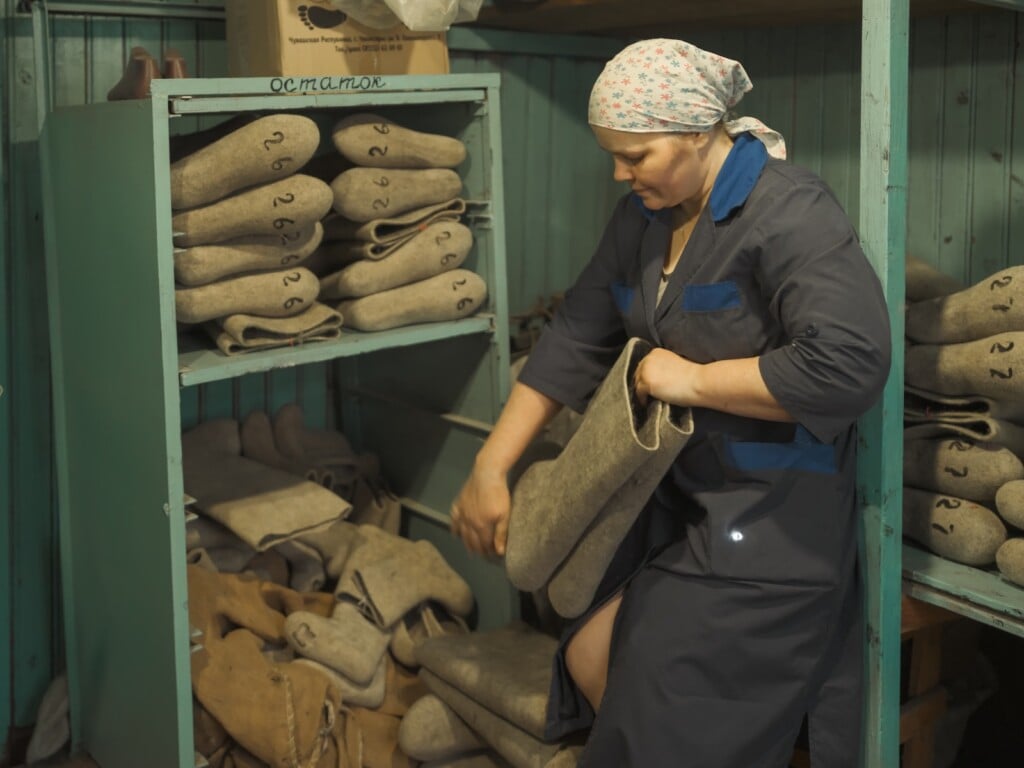
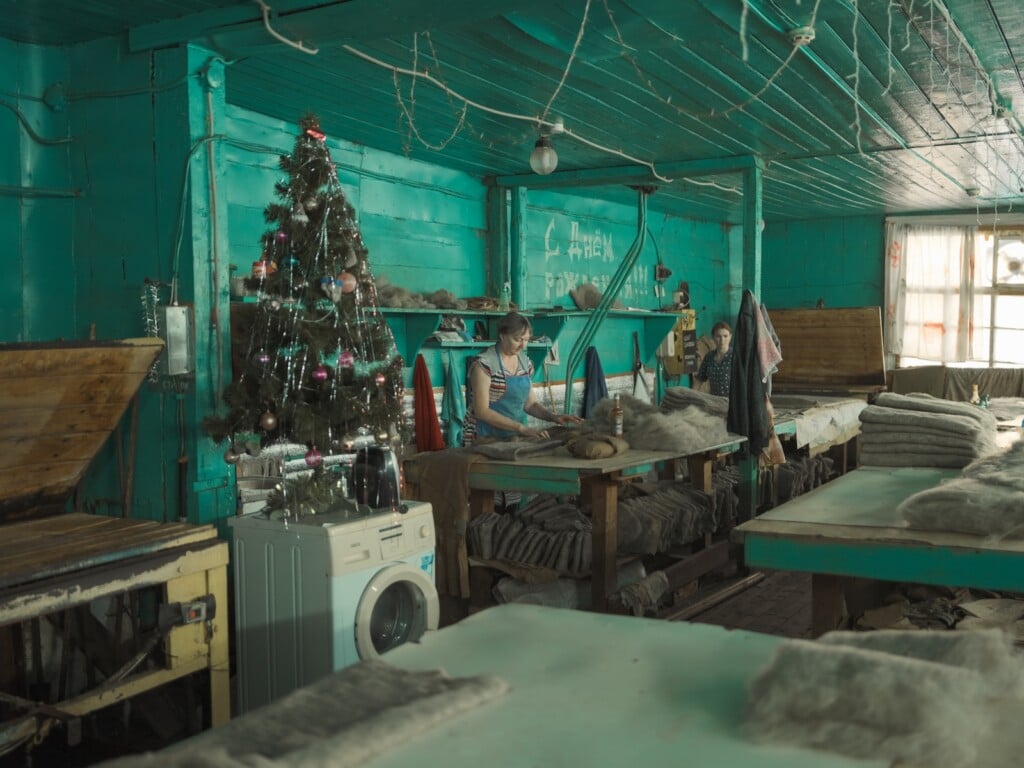
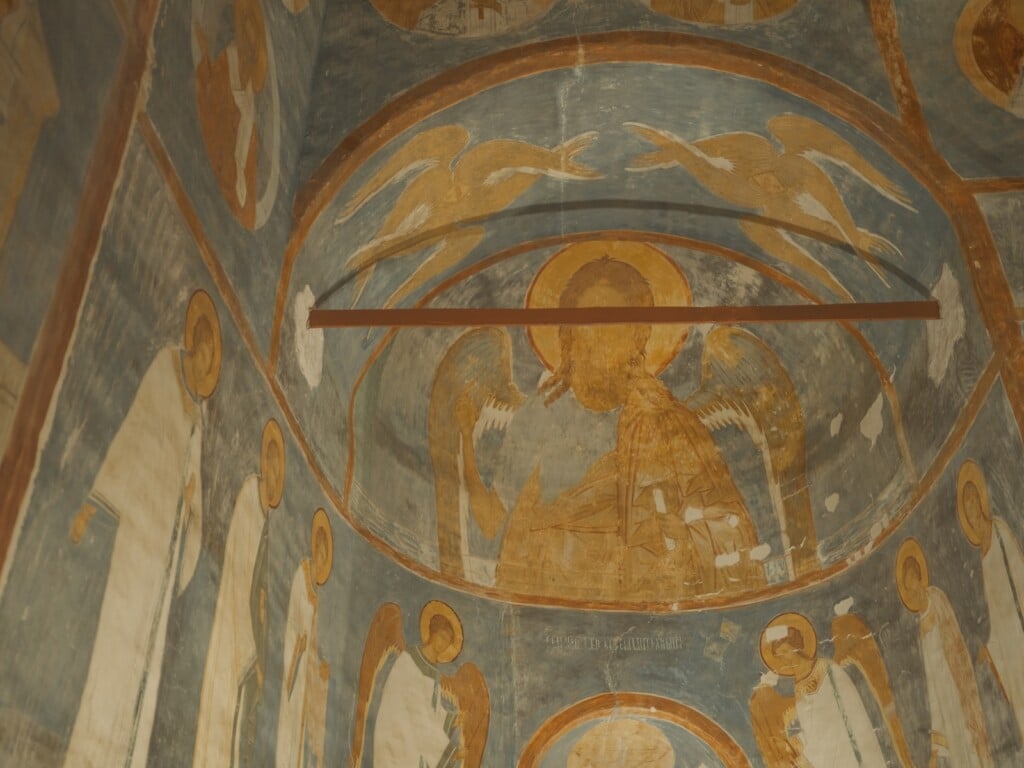
The interiors also tell something of this balance: a woman, seen from behind, works in a room with green walls, next to a Christmas tree. Elsewhere, a religious fresco covers the surface of a vault, recalling the presence of a culture and a tradition that run through the landscape. Faizulin does not look for spectacular images of winter, but moves closer to what happens inside it: ordinary life, made of places and habits that withstand the cold.
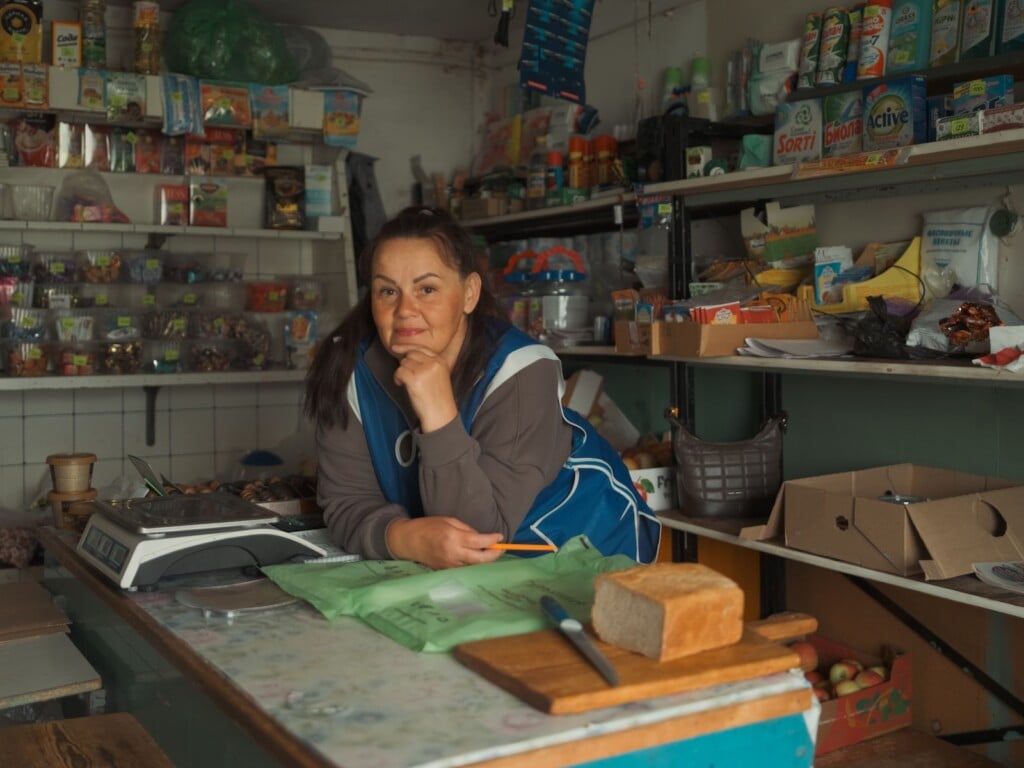
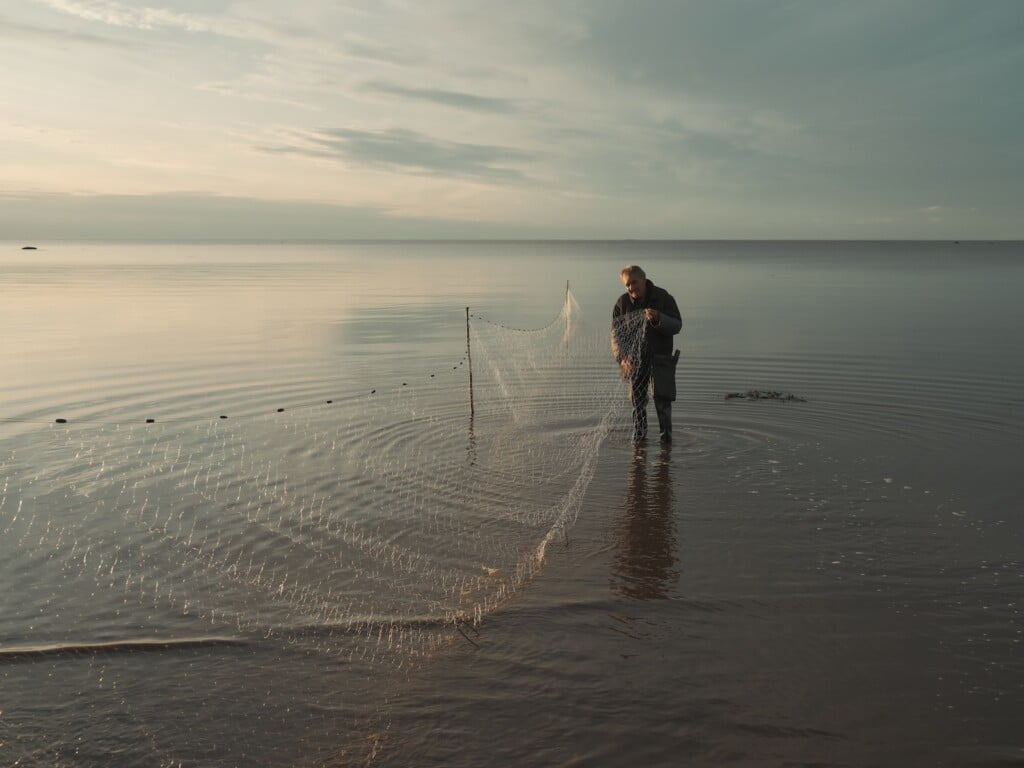
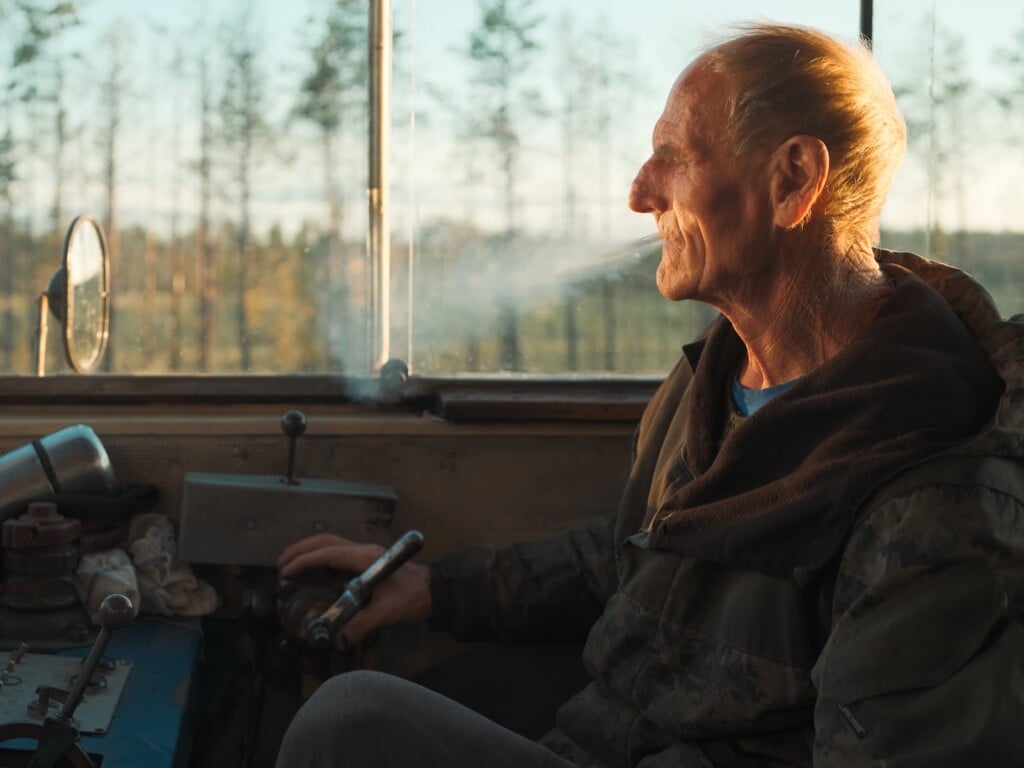
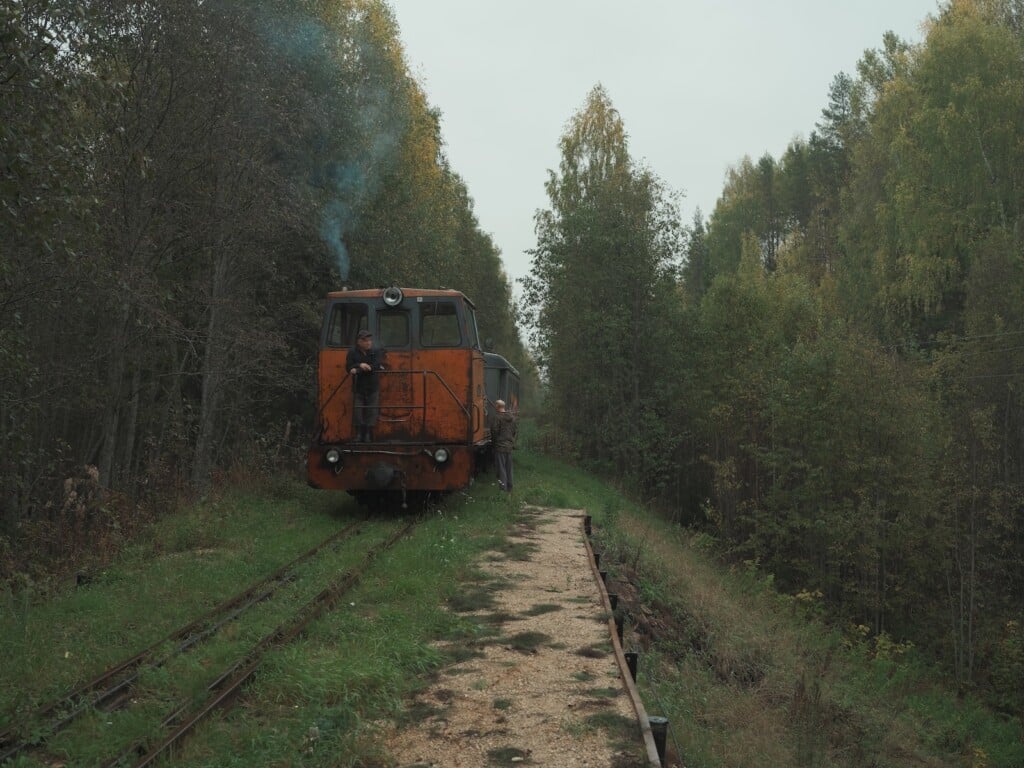
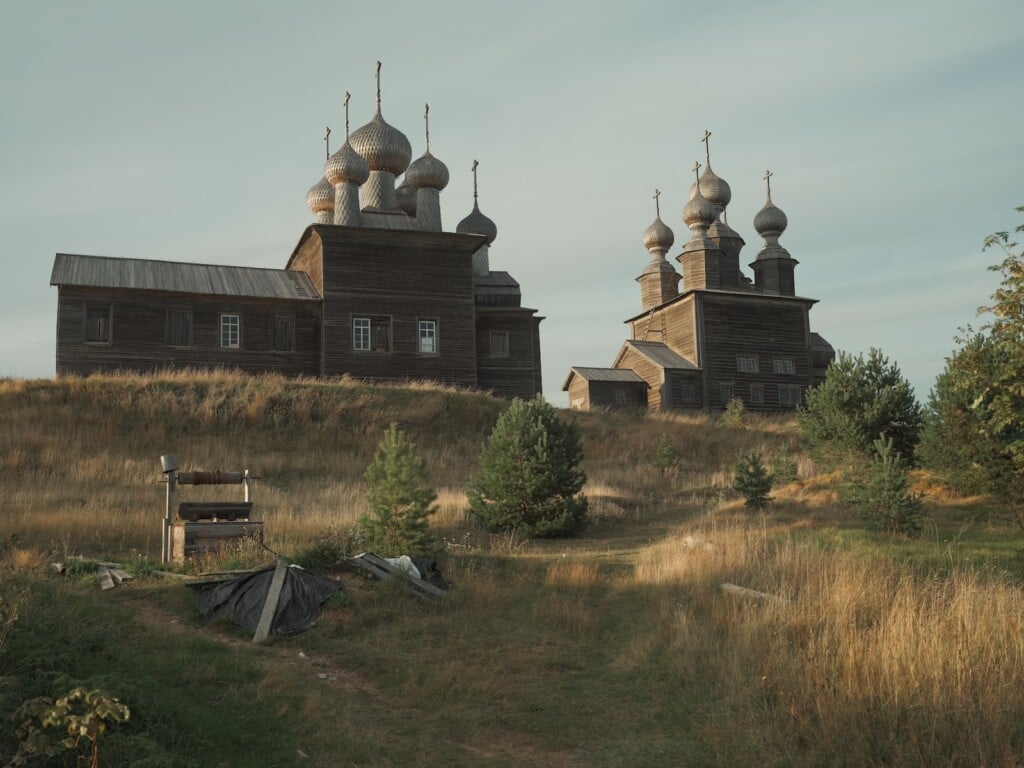
With the arrival of summer, the series changes atmosphere: ice gives way to water, the woods fill with green and distances seem to take on a different consistency. A man walks through a stretch of shallow water, with the horizon opening up before him; some boats rest near a church, while a small wooden building houses a grocery store. In another photograph, a man is portrayed inside a railway carriage, among orange seats and windows that offer glimpses of the landscape. The railway, like the boats, becomes a fundamental presence for understanding the relationship between people and the spaces they inhabit.
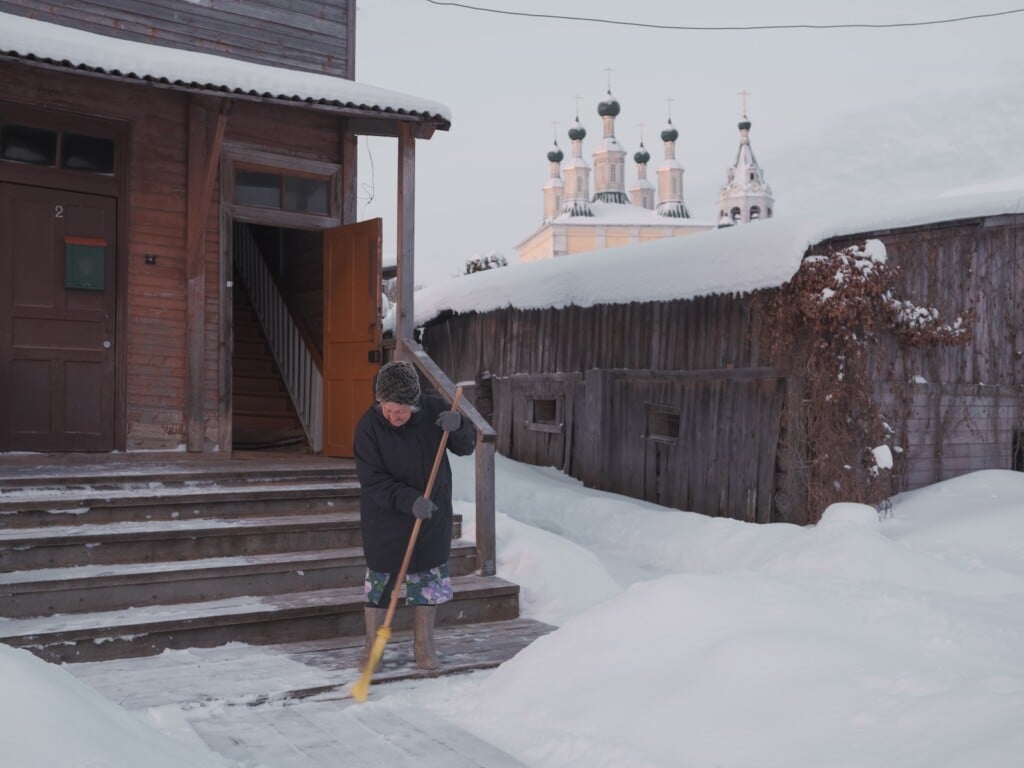
What changes is not only the light, but also the way the territory reveals itself. If winter seems to accentuate the sense of distance, summer offers greater closeness to things: the homes, the faces, the workplaces. However, the two seasons do not represent two separate realities. They are rather two complementary perspectives on the same identity, built over time through adaptation and continuity.
This is an aspect that also emerges from the photographer’s own words. After traveling through the Arkhangelsk region, Faizulin says he recognized in the North something that, despite the differences in climate and landscape, brings it closer to the South of Russia: in both territories, people reached remote places, built autonomous communities, kept their faith and developed cultures recognizable through architecture, traditions and daily life.
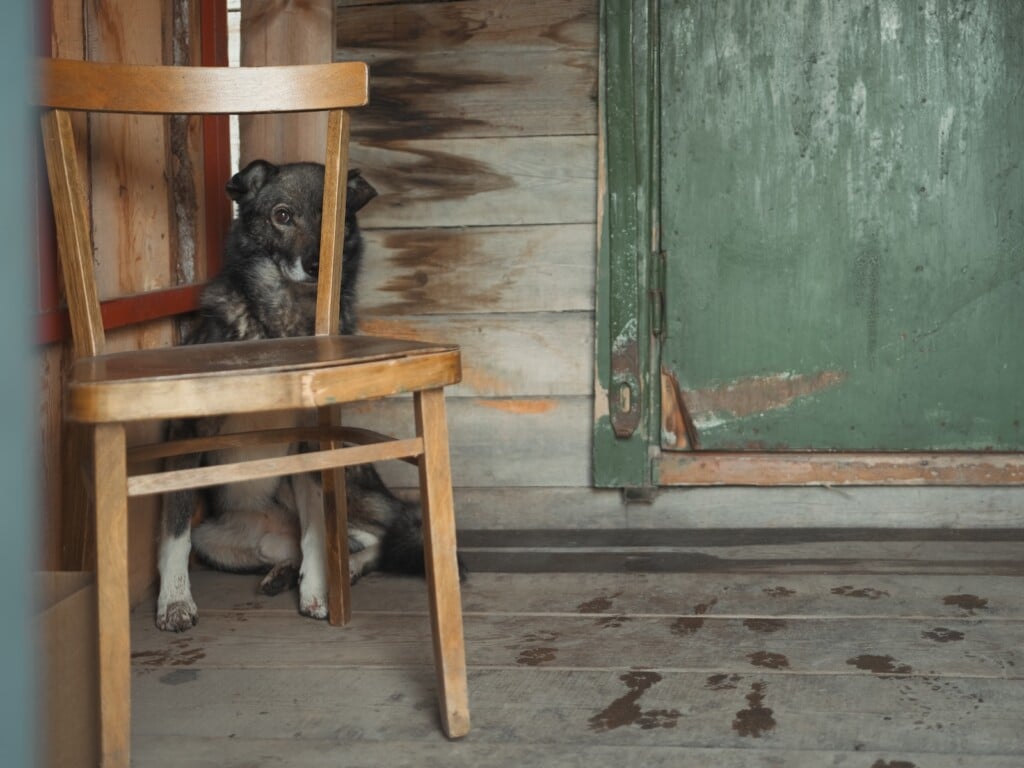
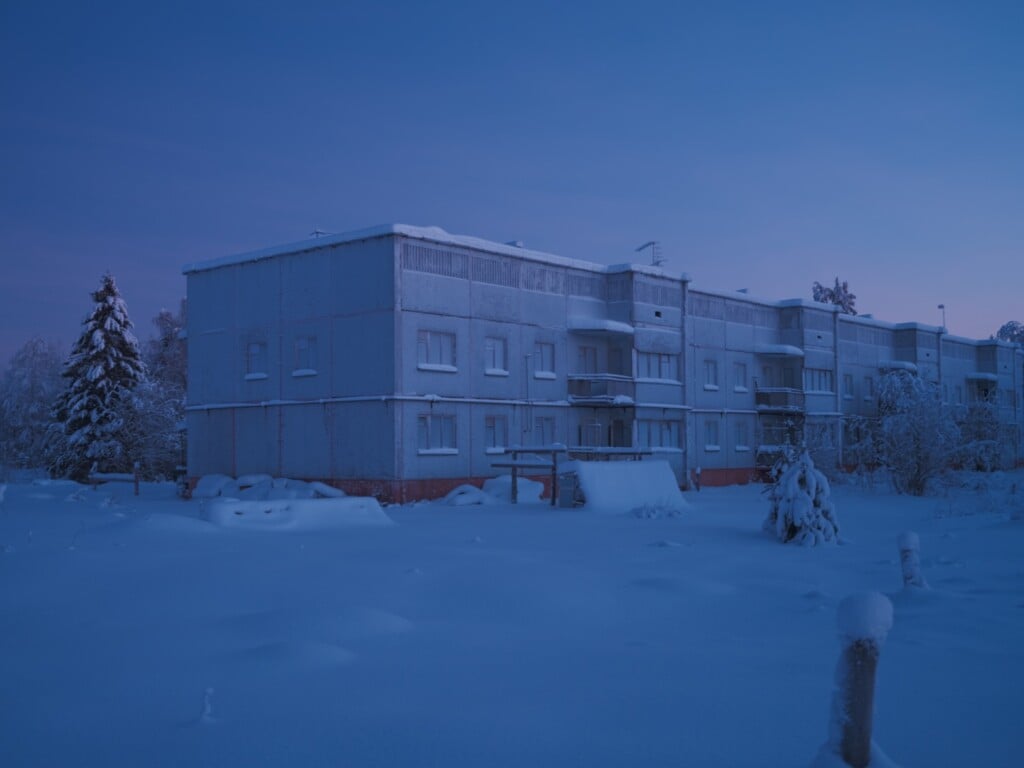
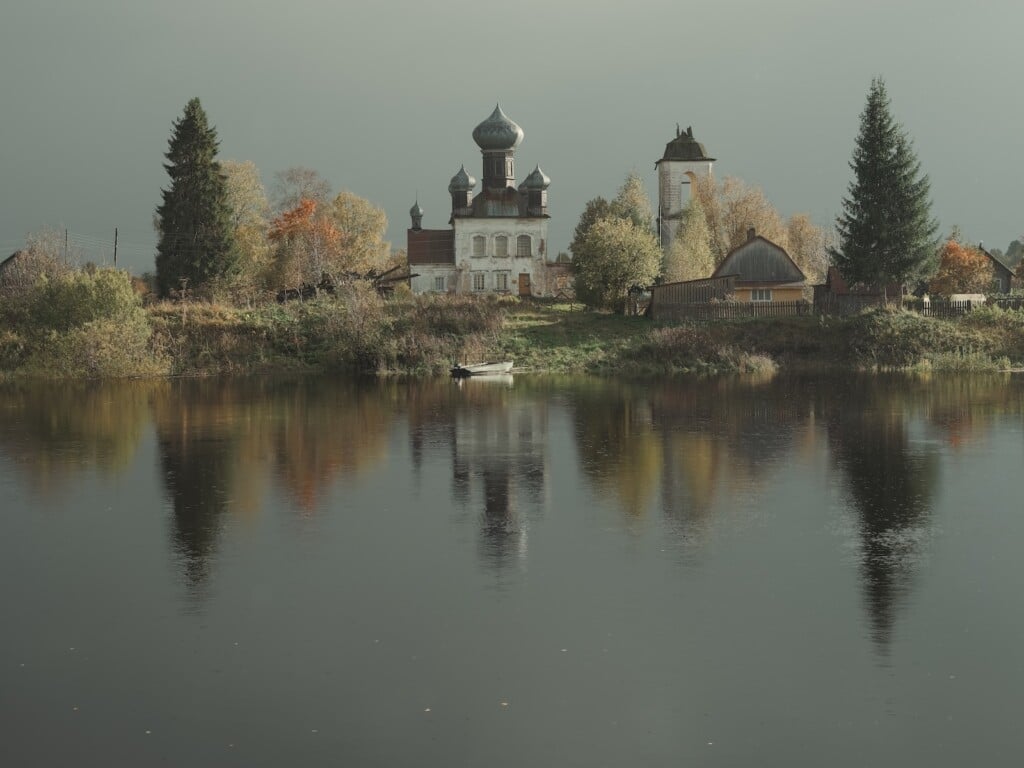
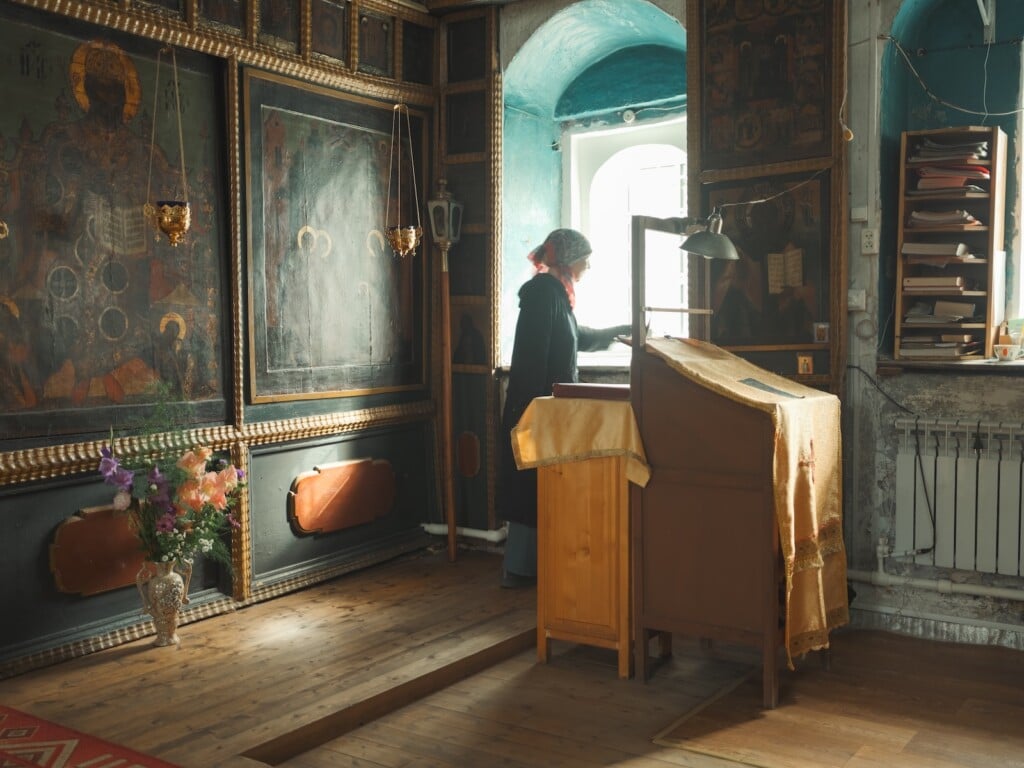
In this sense, The Russian North – On the choice to stay is not only a landscape story, but also a reflection on the choice to remain, on what binds people to a territory beyond its material conditions. Faizulin observes the North without turning it into a mythical land or a place to flee from: he shows its harshness, but also a beauty that does not need to be softened. Between a road that disappears into the woods, a man at work and an expanse of snow lit by twilight, the photographs thus compose a portrait of a place where life does not stop, but takes on different forms.