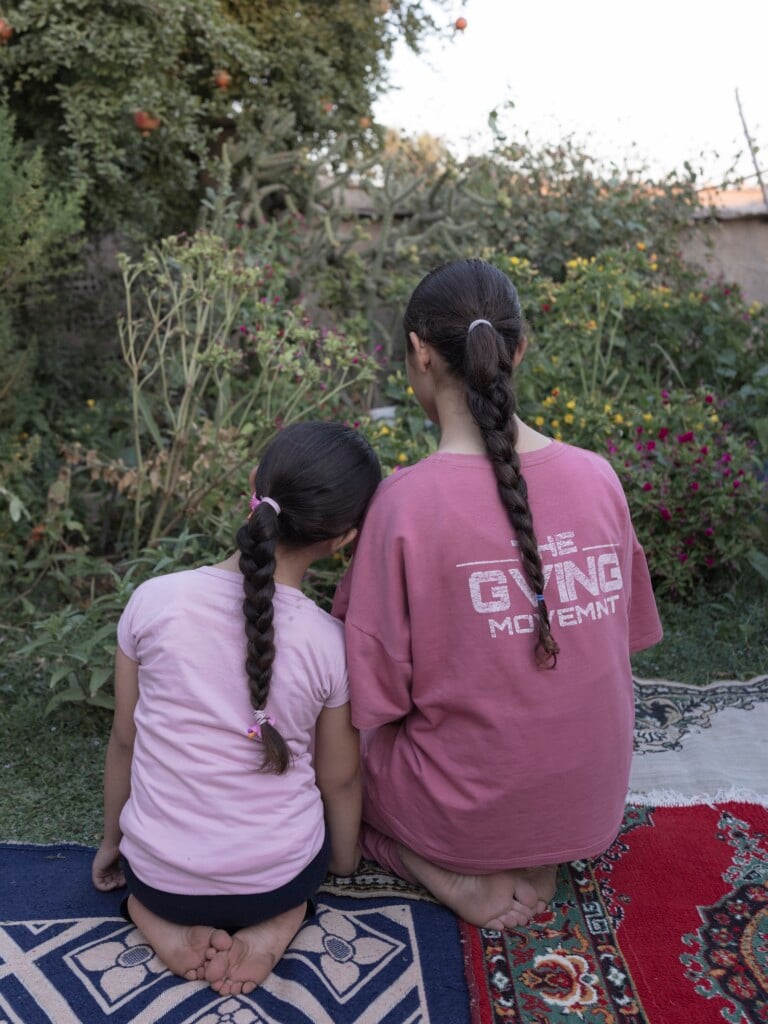
In Rojava, in north-eastern Syria, revolution is measured not only through political change, but also through the way a community chooses to organize its own life. For over ten years, this region has been experimenting with a model of self-government that puts direct democracy, ecology and women’s liberation at its center. Jinland – Where Women Keep the Heart Alive, the photographic project by Matteo Trevisan, comes from this reality. It documents a social transformation in which women’s participation is not a symbolic achievement, but a concrete presence in institutions, farming cooperatives, health centers and self-defense units.
Here the principle Jin, Jiyan, Azadî – Woman, Life, Freedom – becomes a daily practice.
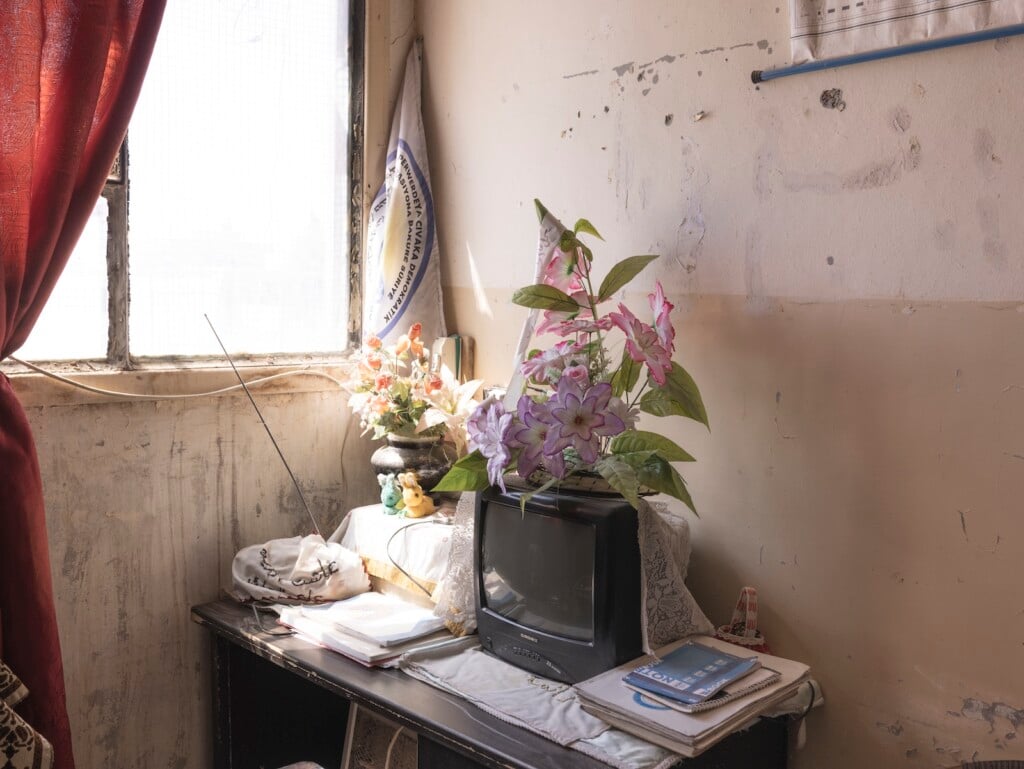
The photographer Matteo Trevisan‘s path to Rojava begins far away, with the stories of his partisan grandparents and a question about the meaning of revolution and collective commitment. After following resistance movements in Italy, including the No TAV movement, he traveled to the Middle East, initially to explore the relationship between revolution and ecology. He soon realized, however, that in Rojava protecting the environment cannot be separated from women’s liberation: both are part of the same political and social vision. The project was carried out over two stays, in autumn 2025 and spring 2026, living as a guest of the communities and building the story through listening and dialogue with the people he photographed.
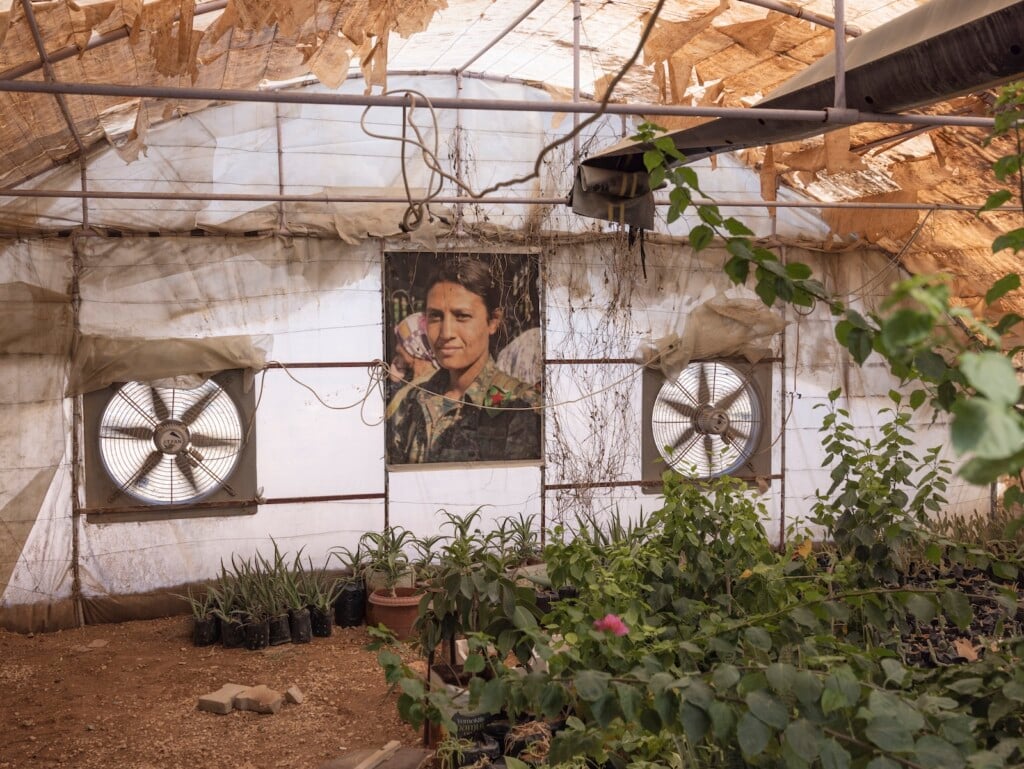
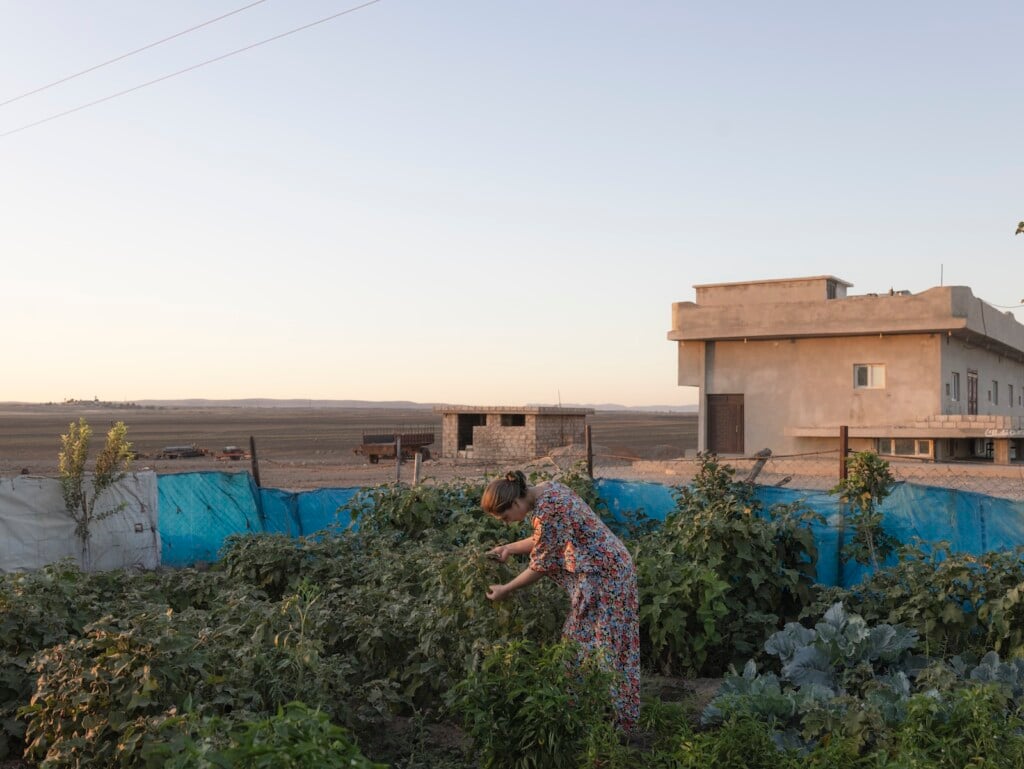
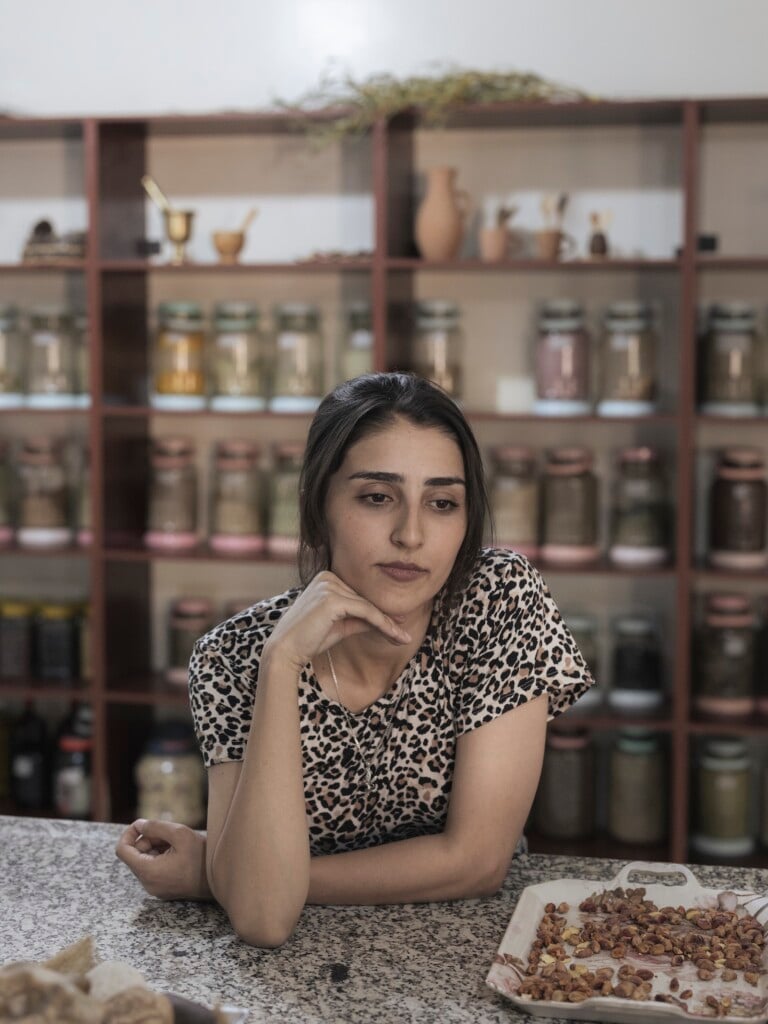
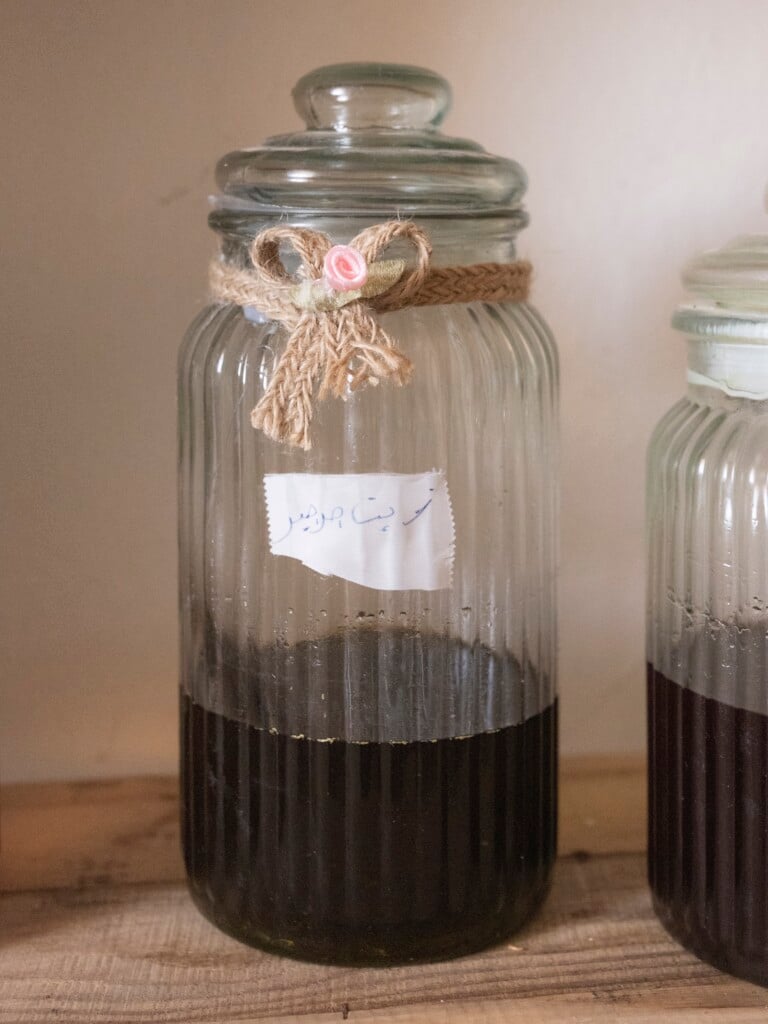
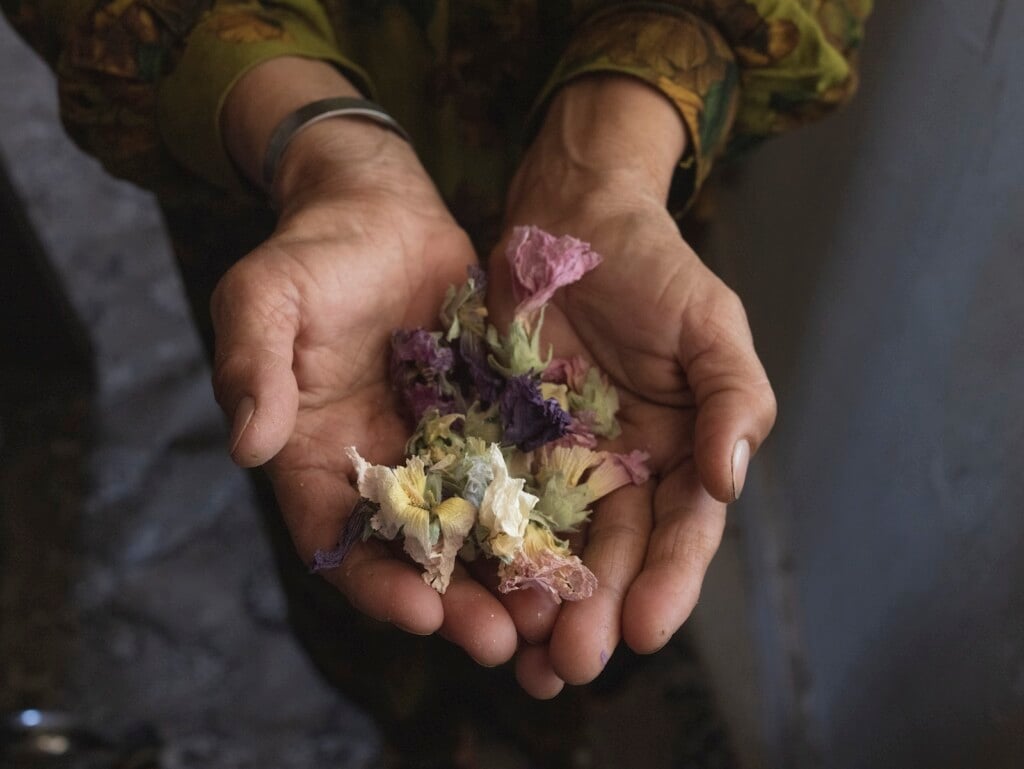
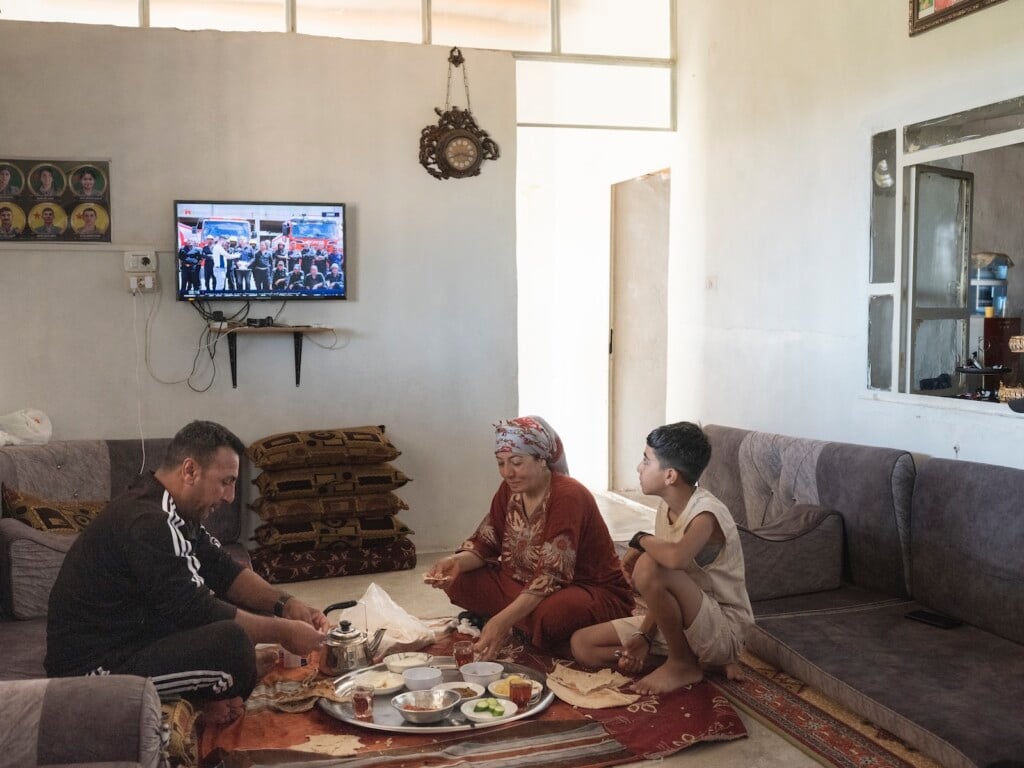
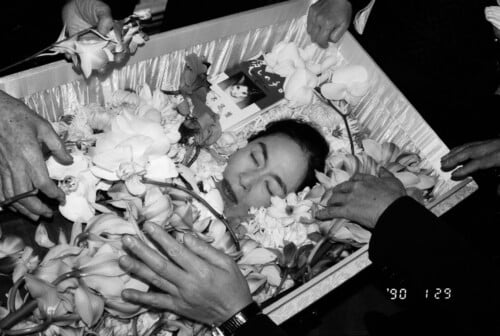
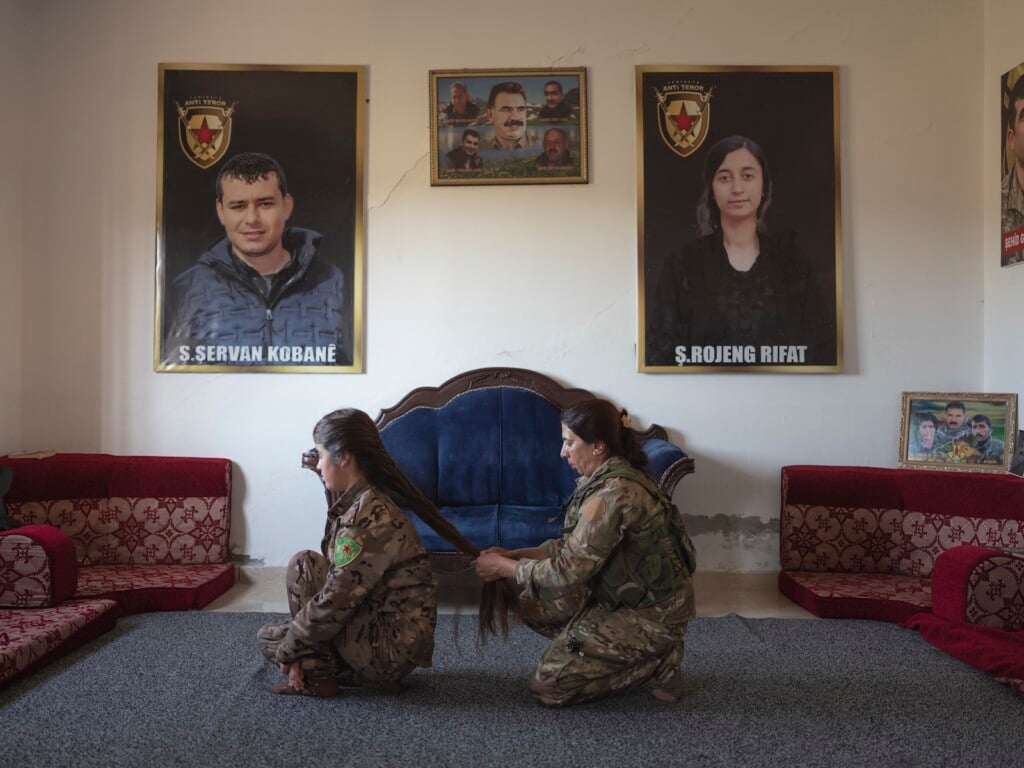
The images move through very different dimensions of this experience: they take us to Jinwar, the village founded and inhabited exclusively by women and their children, with its shared gardens, schools and spaces for care; they meet the women involved in reforestation programs and natural medicine; they reach as far as the women’s self-defense units, the funerals of fighters and families marked by war.
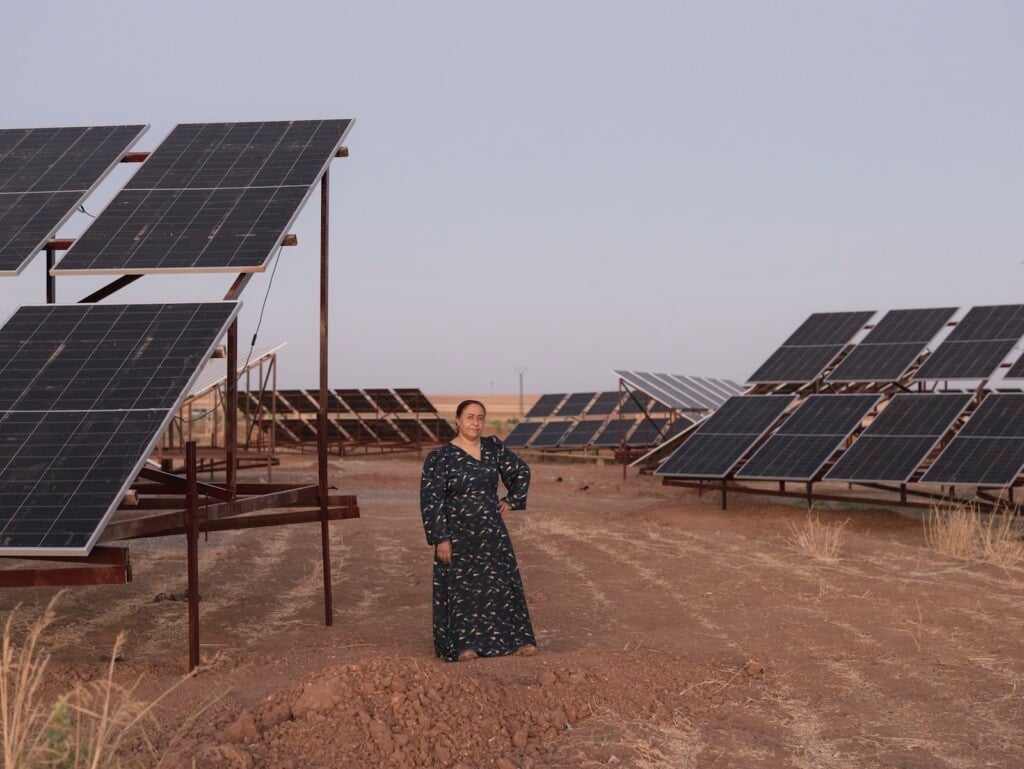
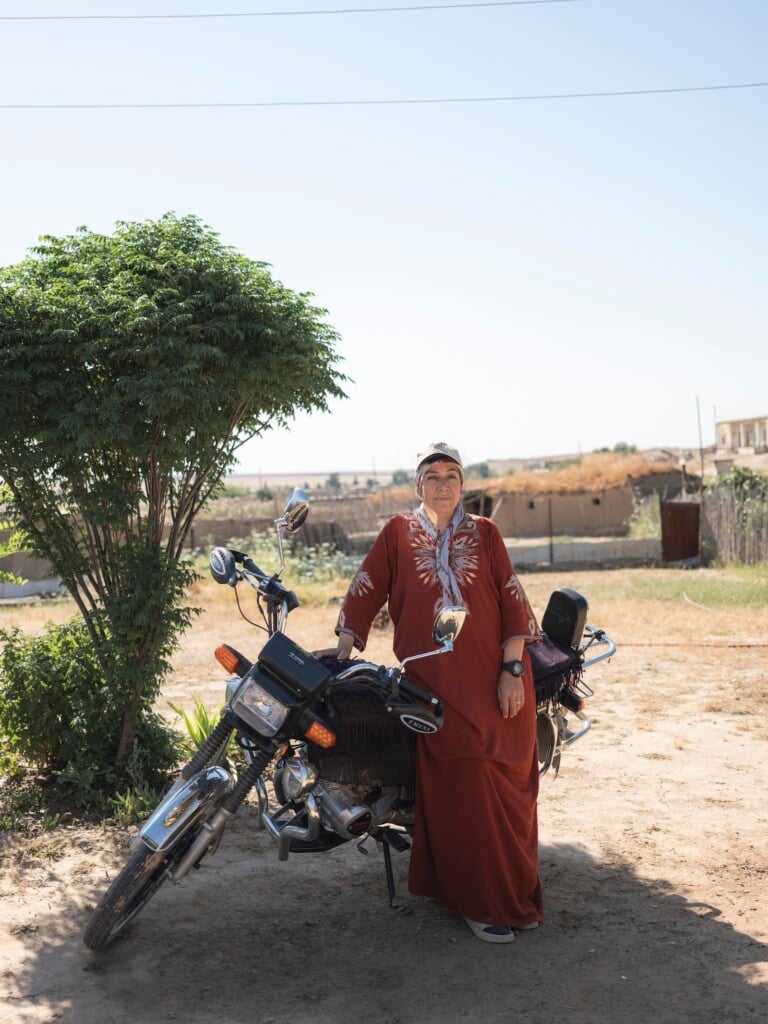
Amal in Jinwar, an eco-feminist village founded during the Syrian war as a refuge for women. The village, powered in part by solar energy, was built collectively and inaugurated in 2018. Jinwar, Autonomous Administration of North and East Syria (Rojava), Syria — September 2025
In this scenario, the women’s question remains one of the central issues. For the women of Rojava, revolution has meant not only winning greater political representation, but challenging patriarchal structures deeply rooted in society, building concrete forms of autonomy through education, work, care and self-defense. It is an achievement that now appears particularly fragile, as the future of the Kurdish political experiment is still uncertain and the rights obtained risk being called into question.
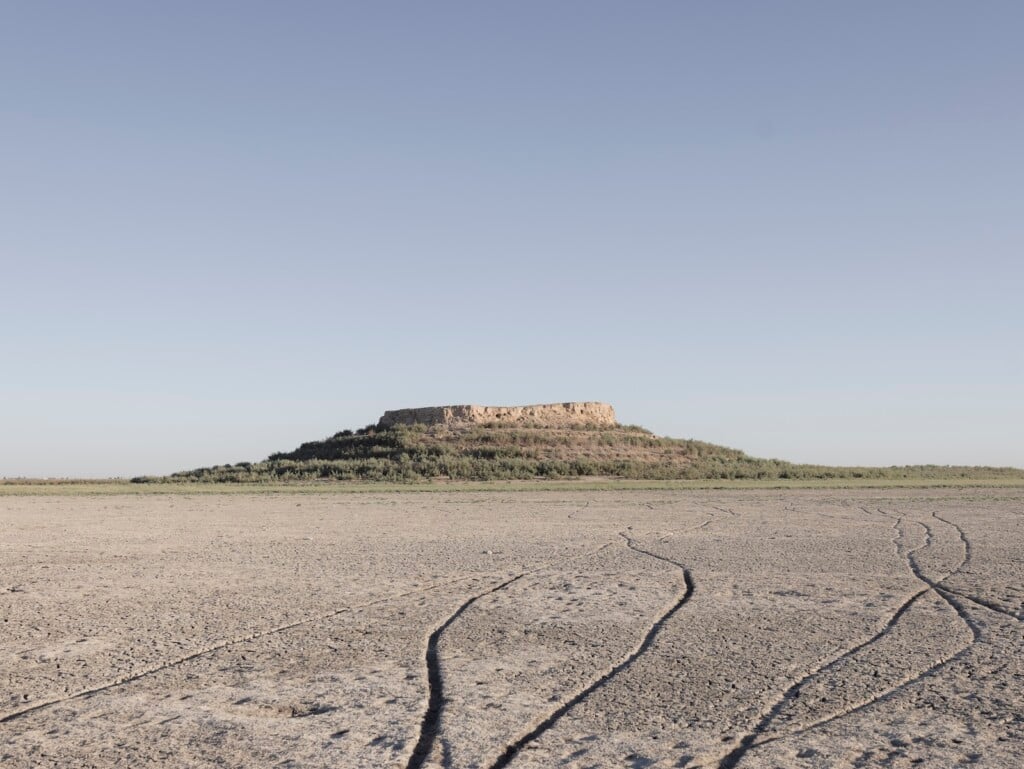
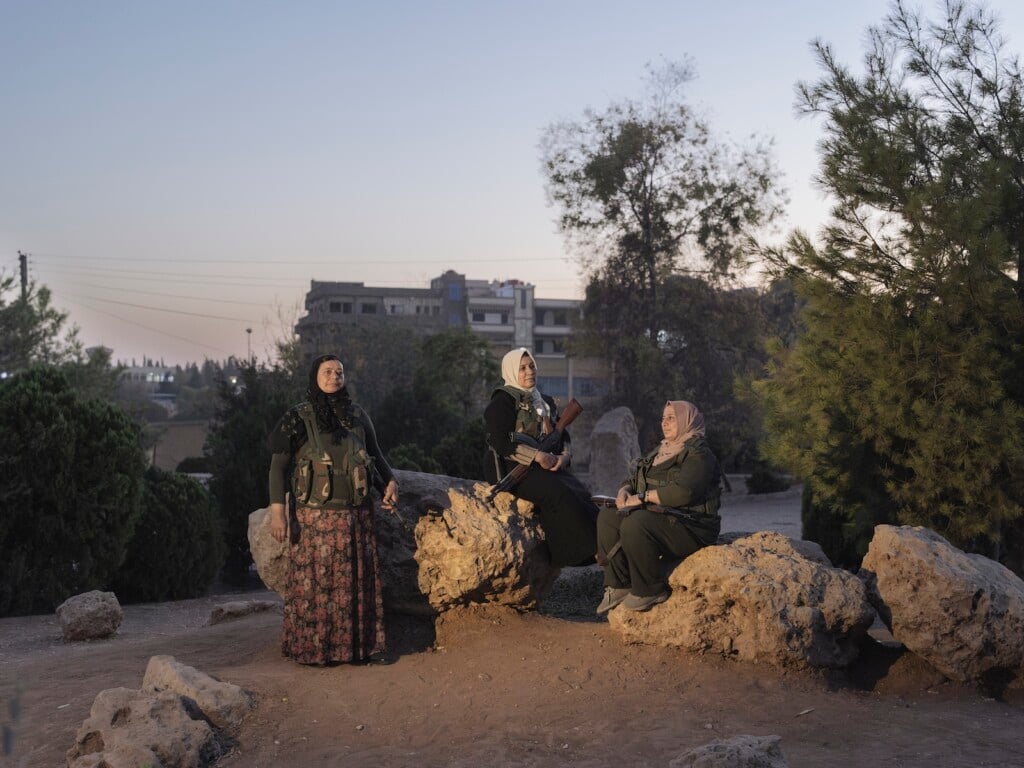
There is no single image of the revolution, nor a narrative free of contradictions. Alongside the construction of new forms of autonomy, there are water scarcity, the effects of the embargo, the consequences of the conflict and the uncertainties of the new generations, who must decide whether to stay or leave their land.
Today, after the conflict of the first months of 2026, the future of this experience is particularly uncertain. The integration process with the new government in Damascus calls into question some of its fundamental principles, starting with the freedoms won by women, the continuity of the YPJ women’s self-defense units and the system of co-leadership between men and women. Jinland – Where Women Keep the Heart Alive does not try to offer definitive answers, but keeps a question open: what will remain of this revolution, and how much space will it manage to keep in the Syria to come? Through individual stories and the daily life of the communities, Matteo Trevisan paints the portrait of a society that, even at its moment of greatest fragility, continues to imagine its own future.