Some time ago we told you how denim, Levi’s in particular, managed to conquer Japan, and how the imaginary linked to it is that of the miners and gold diggers, the rock stars of the 50s and 60s and James Dean and Marlon Brando with the studded leather jacket.
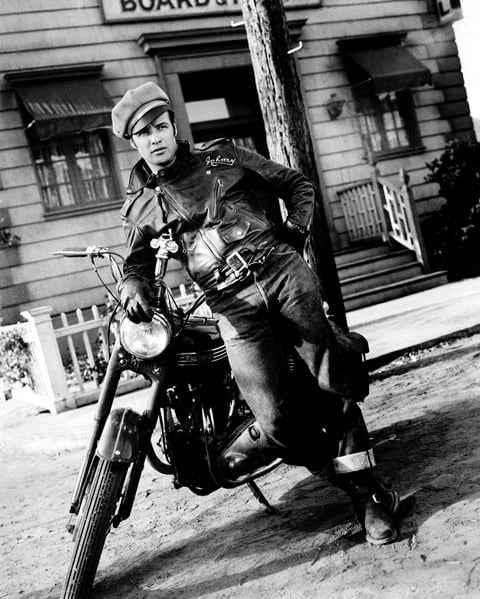
But while this all-American tale became “history”, there was another one that remained in the undergrowth, much truer and more real. That of those who fought for freedom, that of those who were part of the African American civil rights movement and who contributed not a little to the extraordinary success of denim.
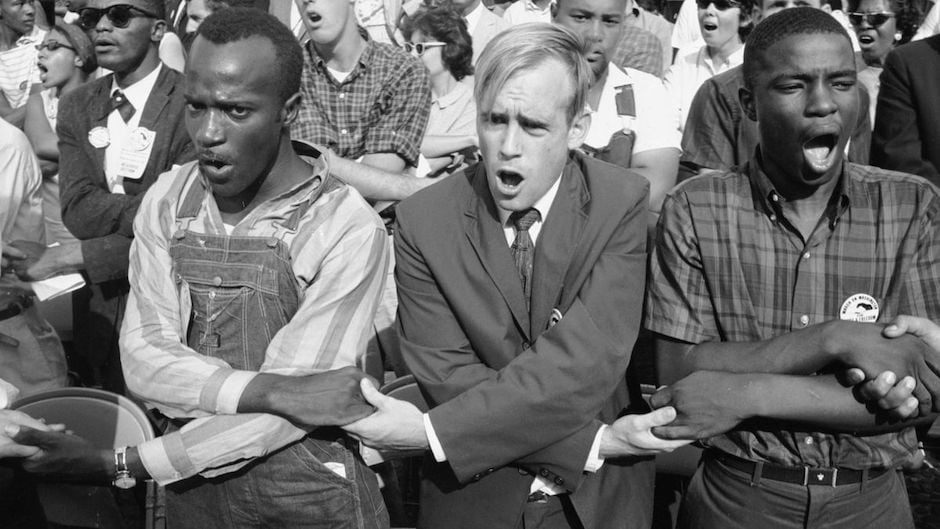
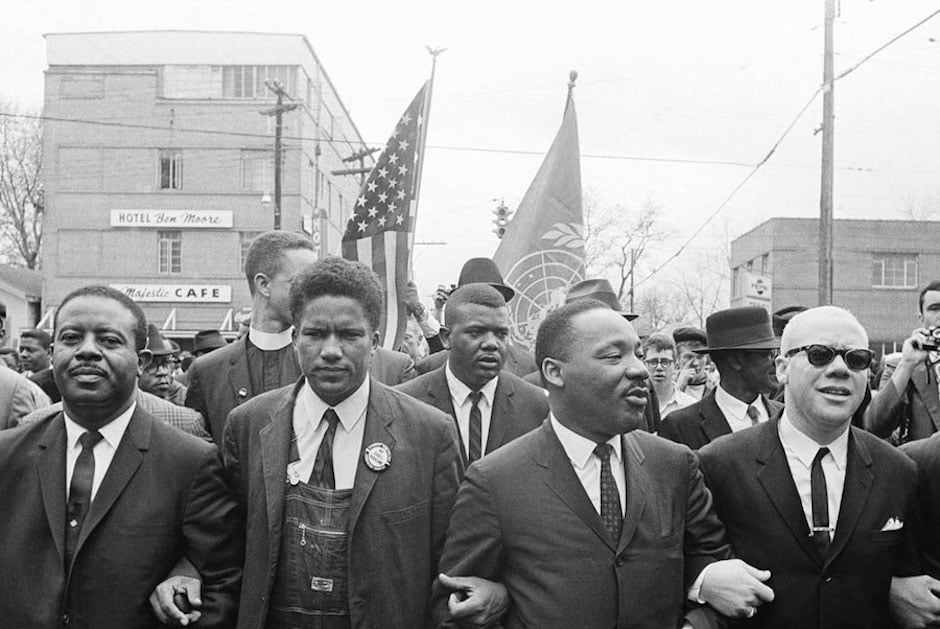
The day that sanctioned the definitive rise of denim was August 28th, 1963 when, during the Kennedy presidency, the March on Washington for Jobs and Freedom took place. A great political demonstration in which more than 250,000 people participated in support of civil and economic rights for African Americans, the one in which Martin Luther King make his historic speech “I have a dream” calling for an end to racism and peace between whites and blacks at Lincoln Memorial.
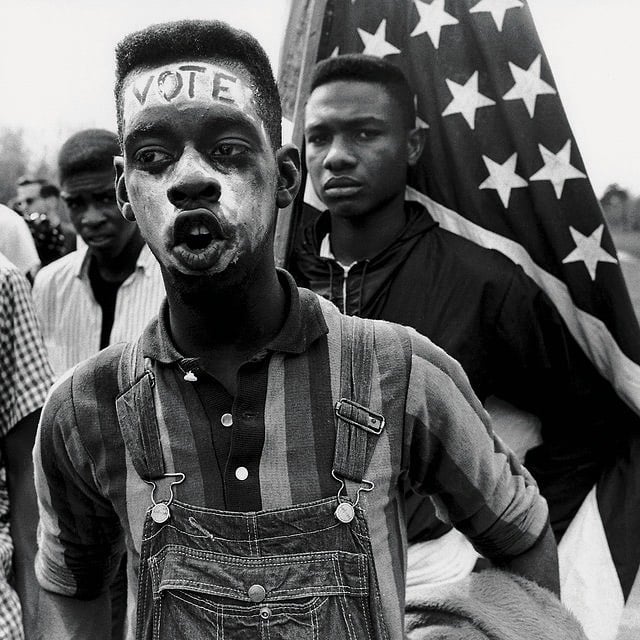
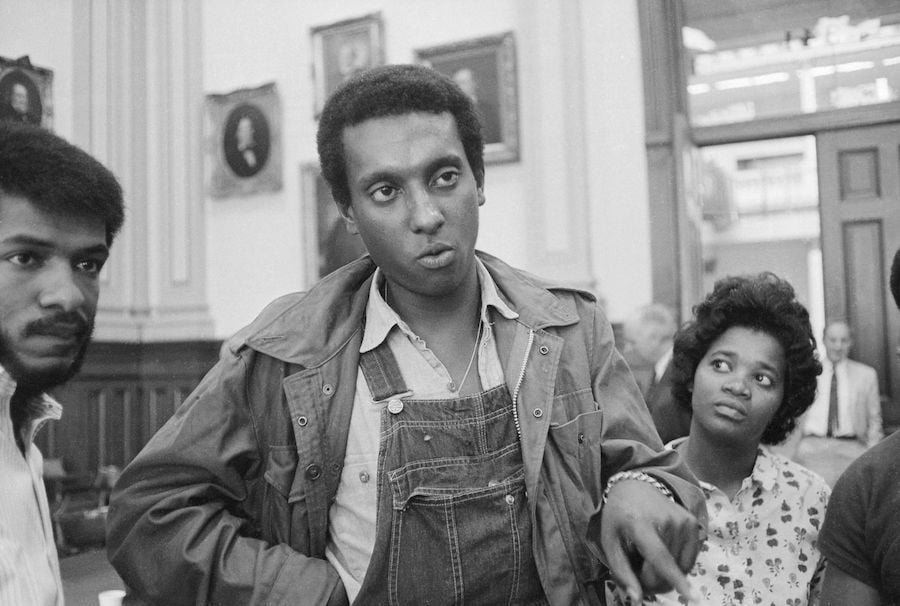
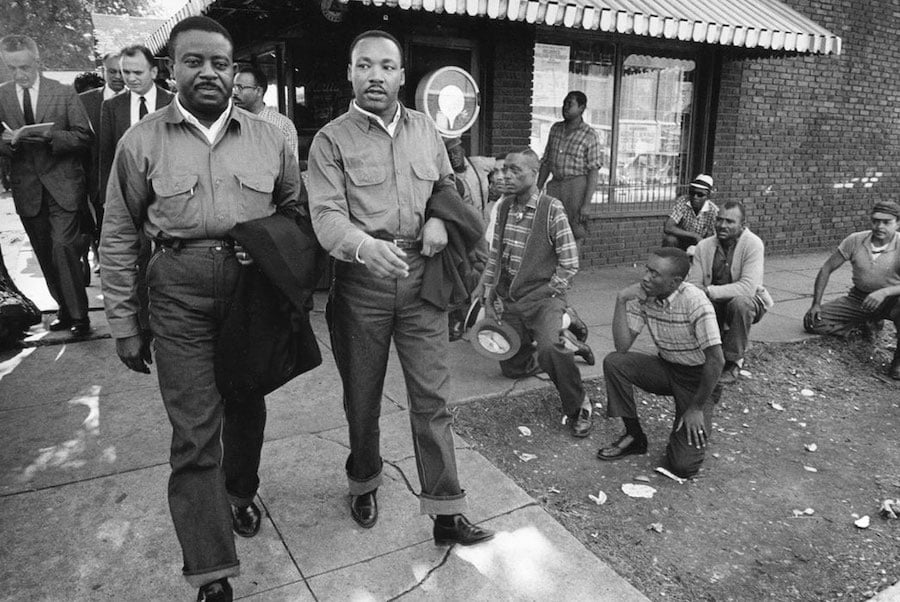
“It took Martin Luther King’s march on Washington to make them popular”, wrote Caroline A. Jones in her book ‘Machine in the Studio: Constructing the Postwar American Artist’, “It was here that civil rights activists were photographed wearing the poor sharecropper’s blue denim overalls to dramatize how little had been accomplished since Reconstruction”.
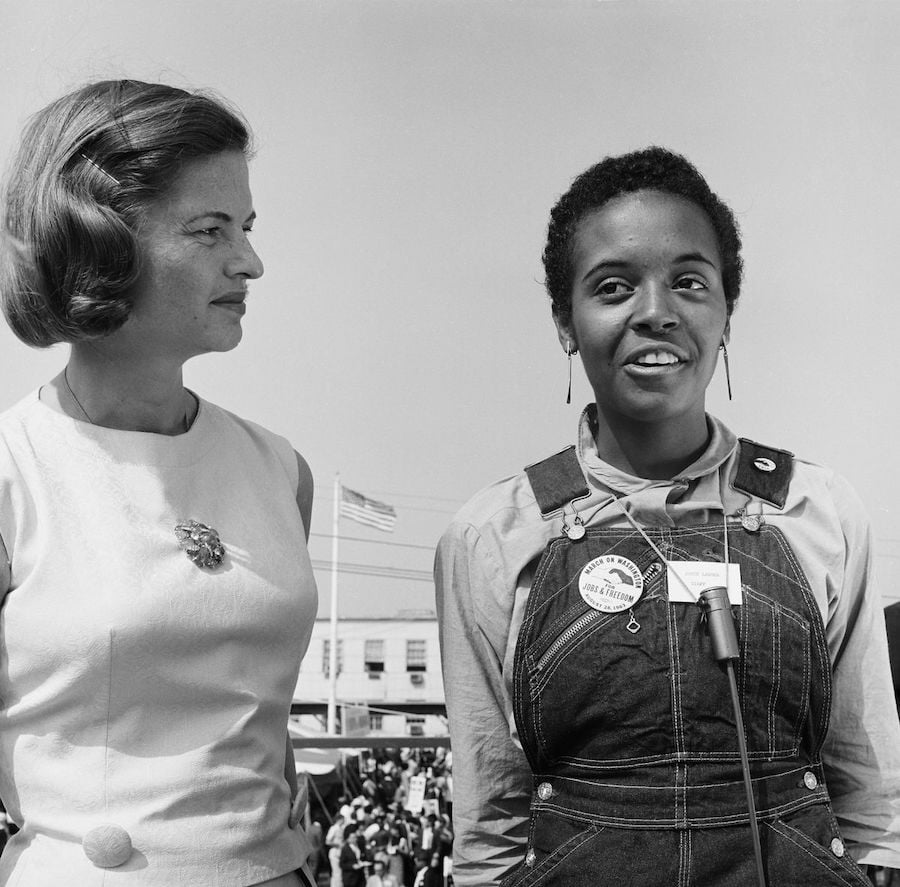
The activists wore the overall for practical reasons, they resisted the vents of the high-pressure hoses of the industries or the attacks of the dogs, often turned against them, but also as a reminder of a not too distant past when denim dungarees seemed like clothes for black people. Slave owners bought them both for their sturdiness and because they were in perfect contrast to the linen of their clothes and the lace of the parasols of their families who ran the plantations.
It was meant to be a representation of the social divide.
For many African Americans wearing denim was disrespectful, James Brown for example never let his band wear jeans.
So denim was not James Dean, Marlon Brando and Marlboro Man and not just comfort and resistance but a symbol of solidarity, struggle and the desire for equality and racial justice. Time has made denim what it is today but what we should never do is forget what it represented and the story it told.