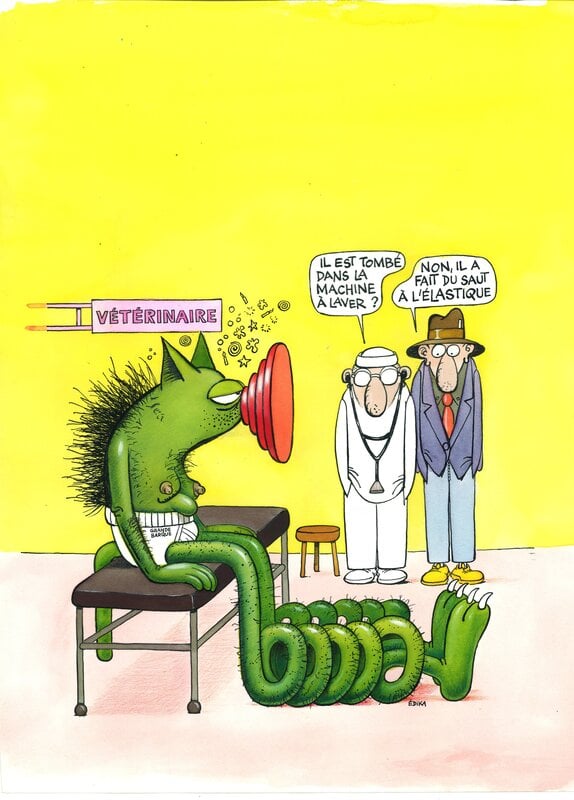
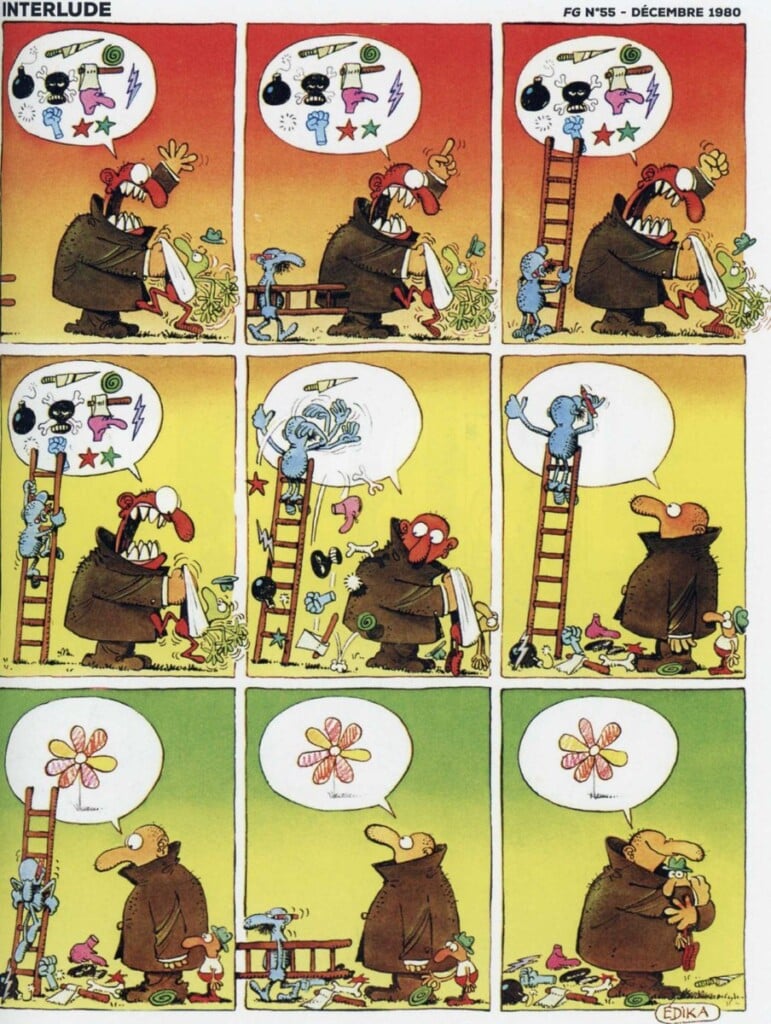
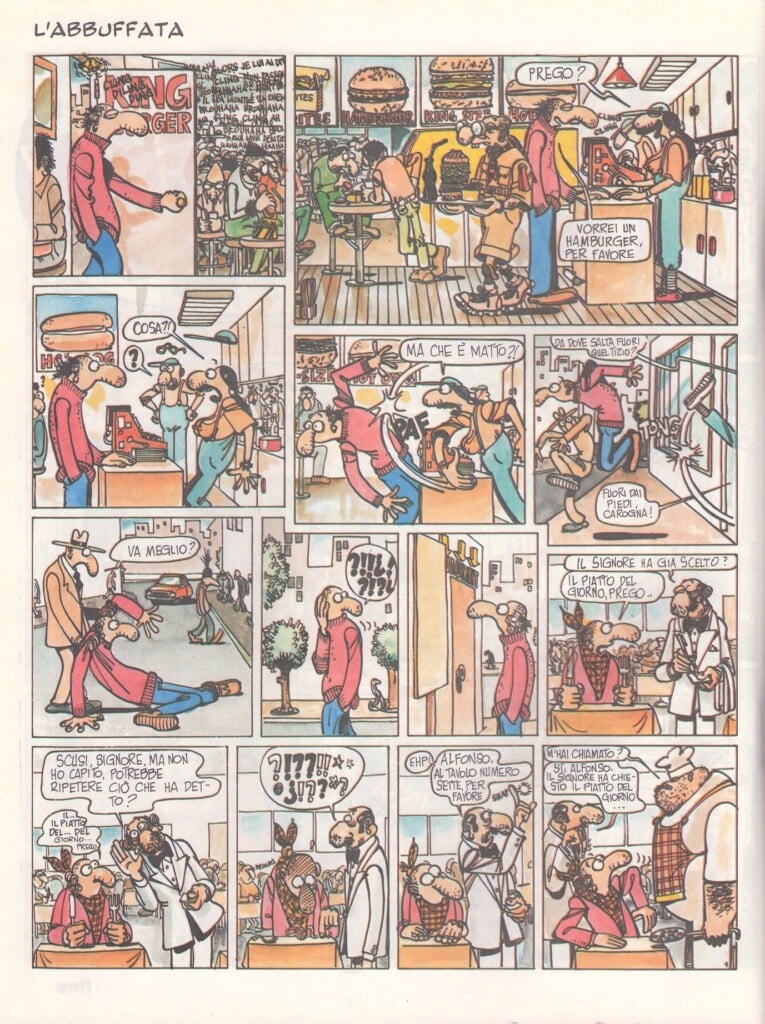
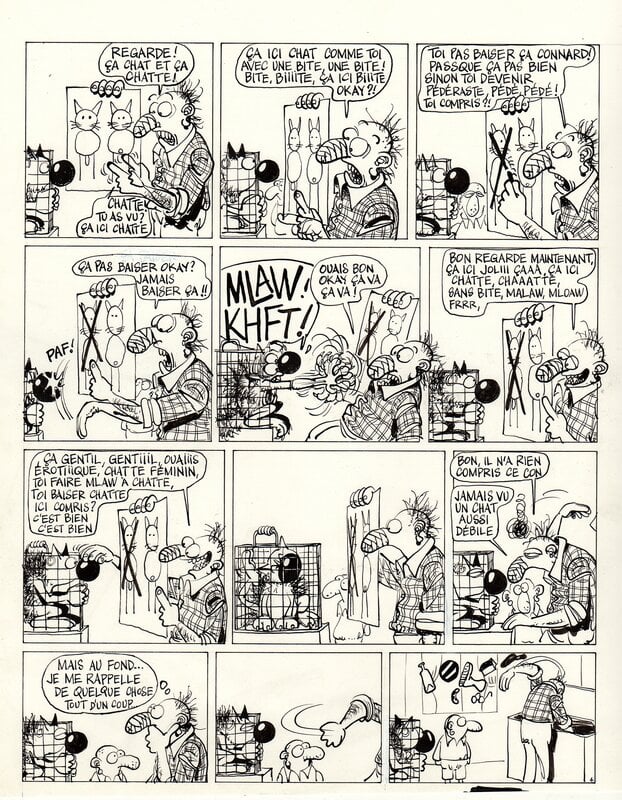
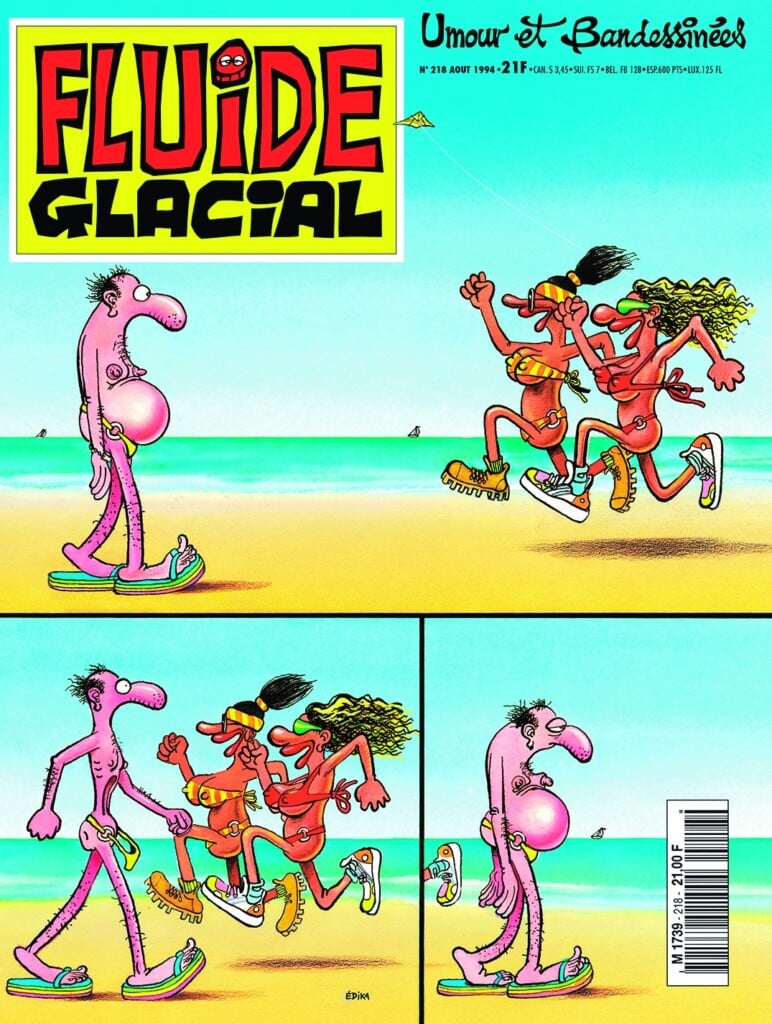
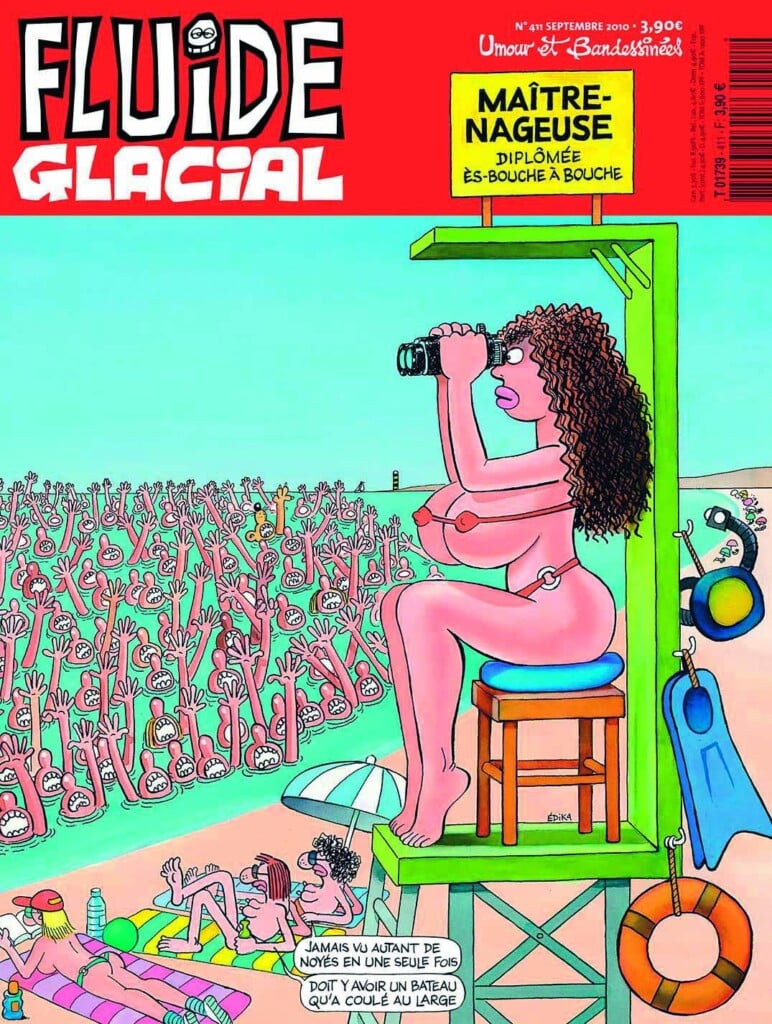
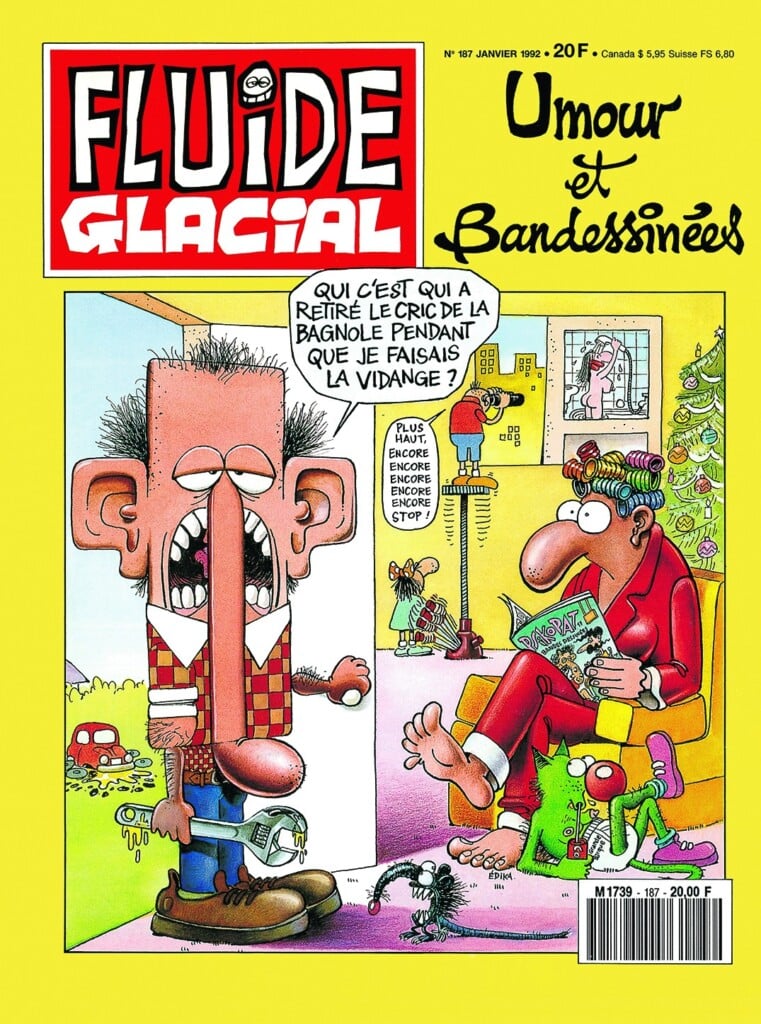
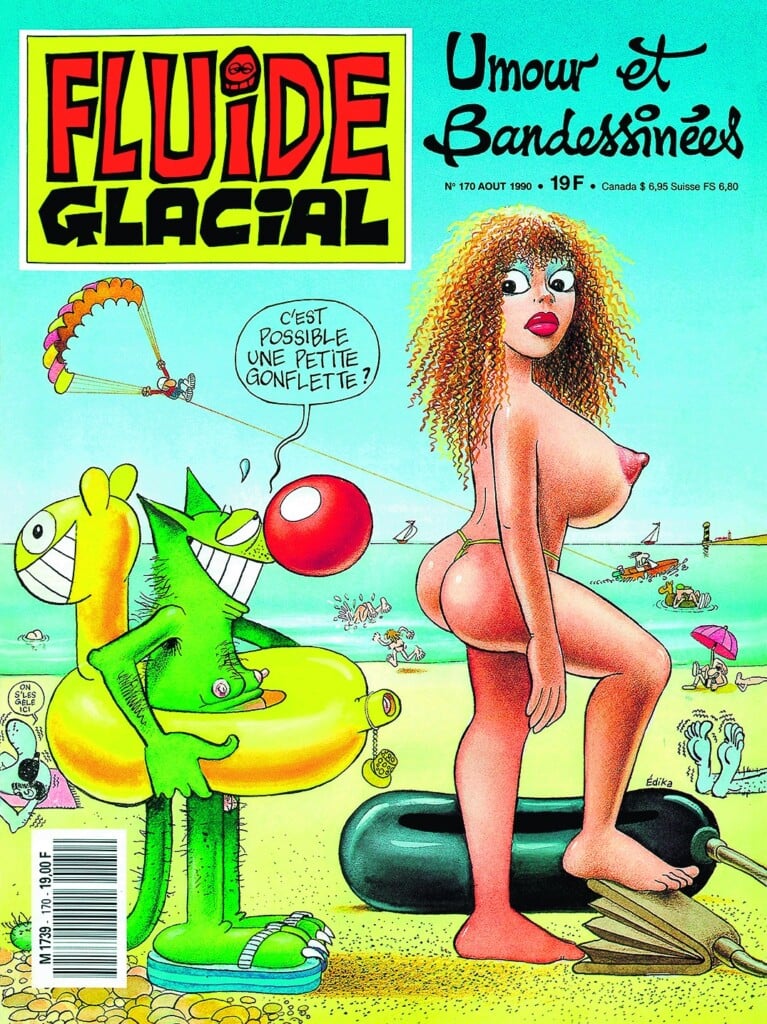
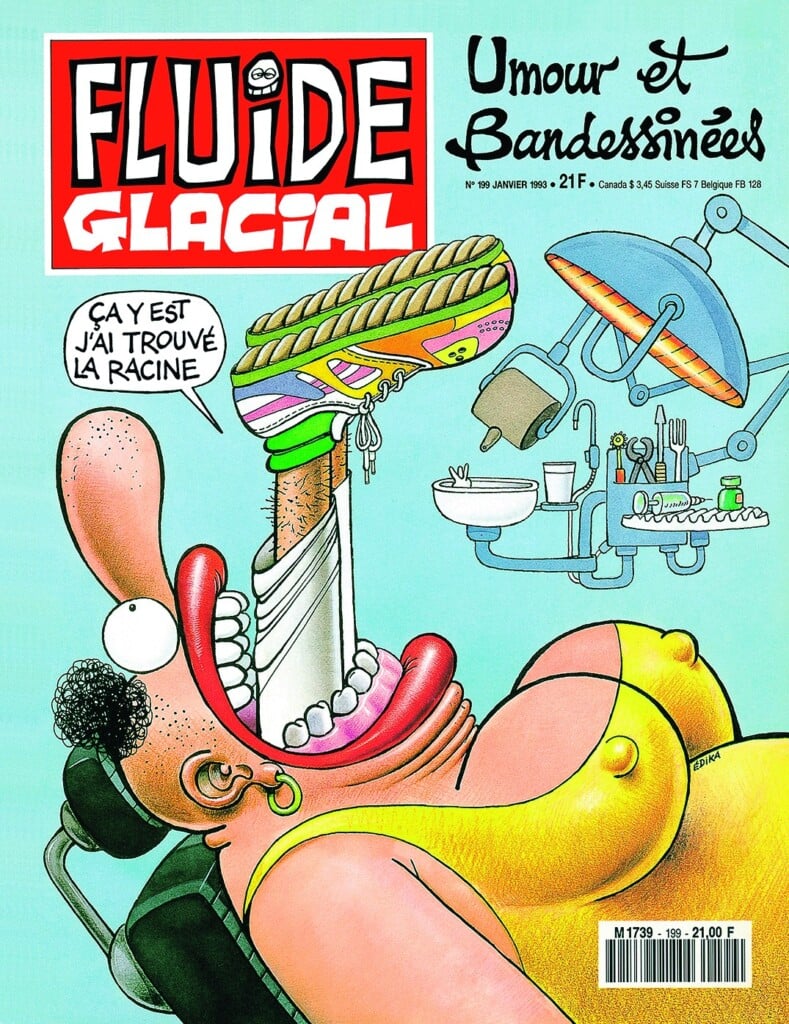
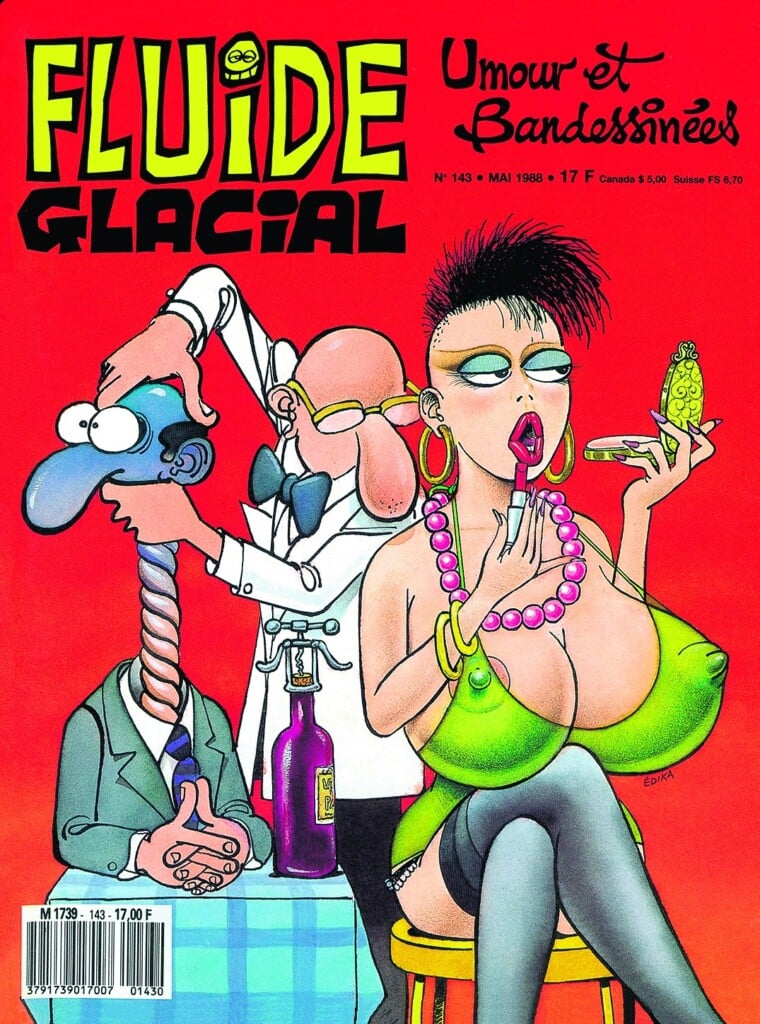
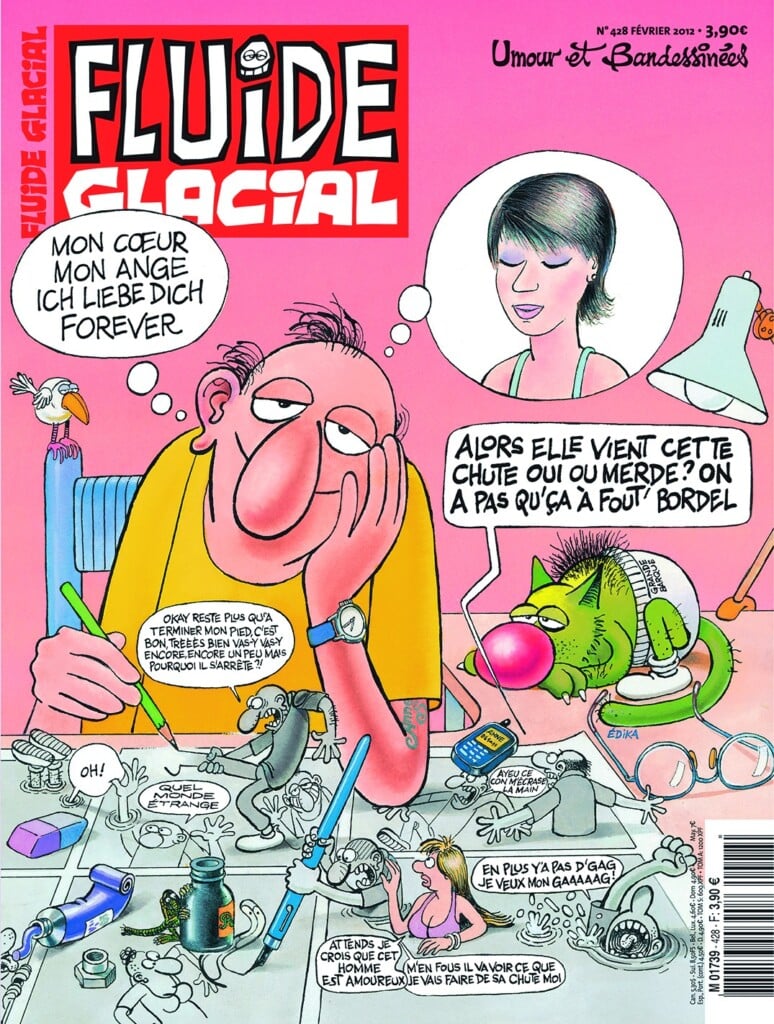
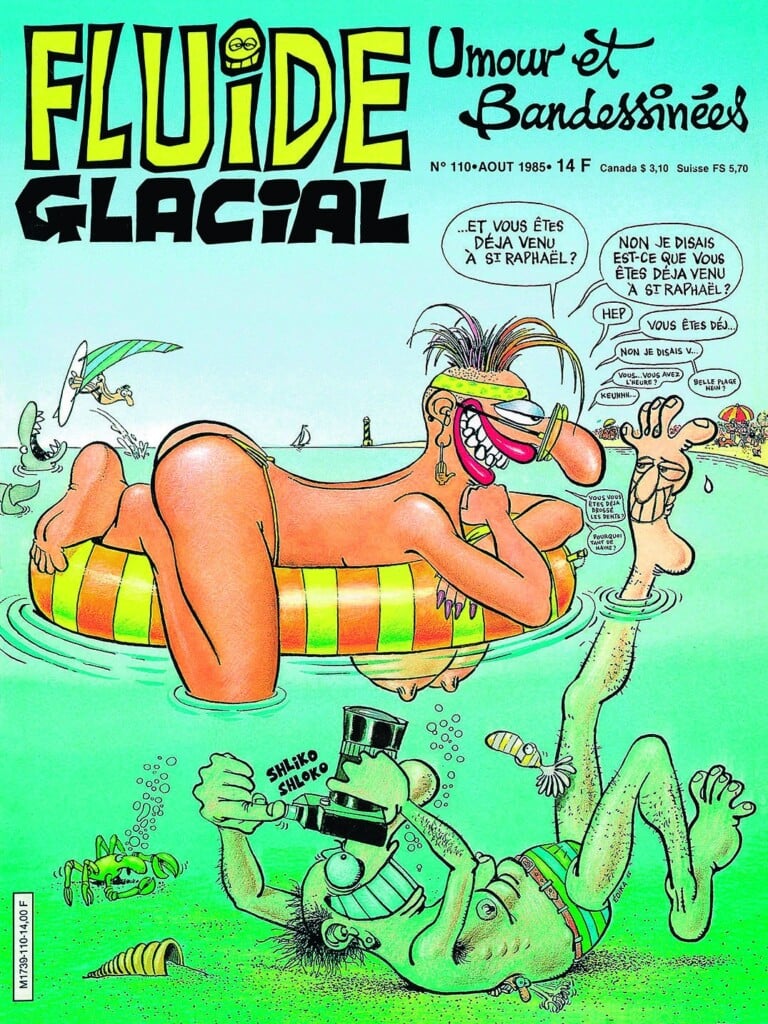
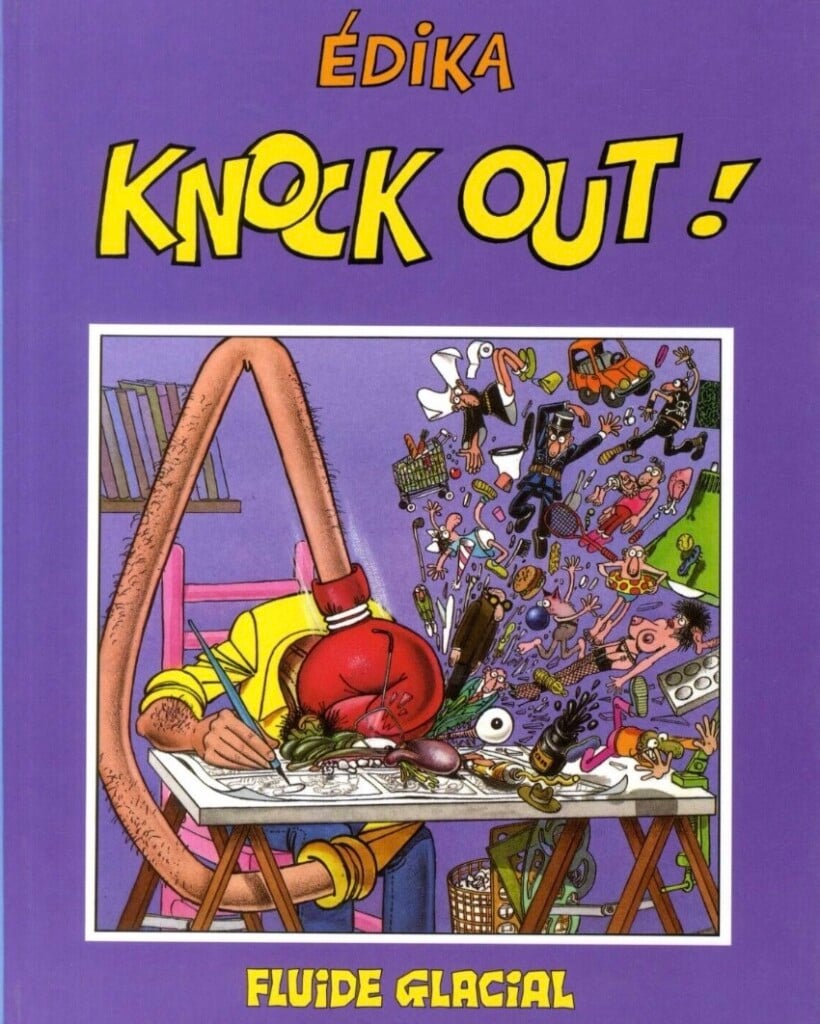
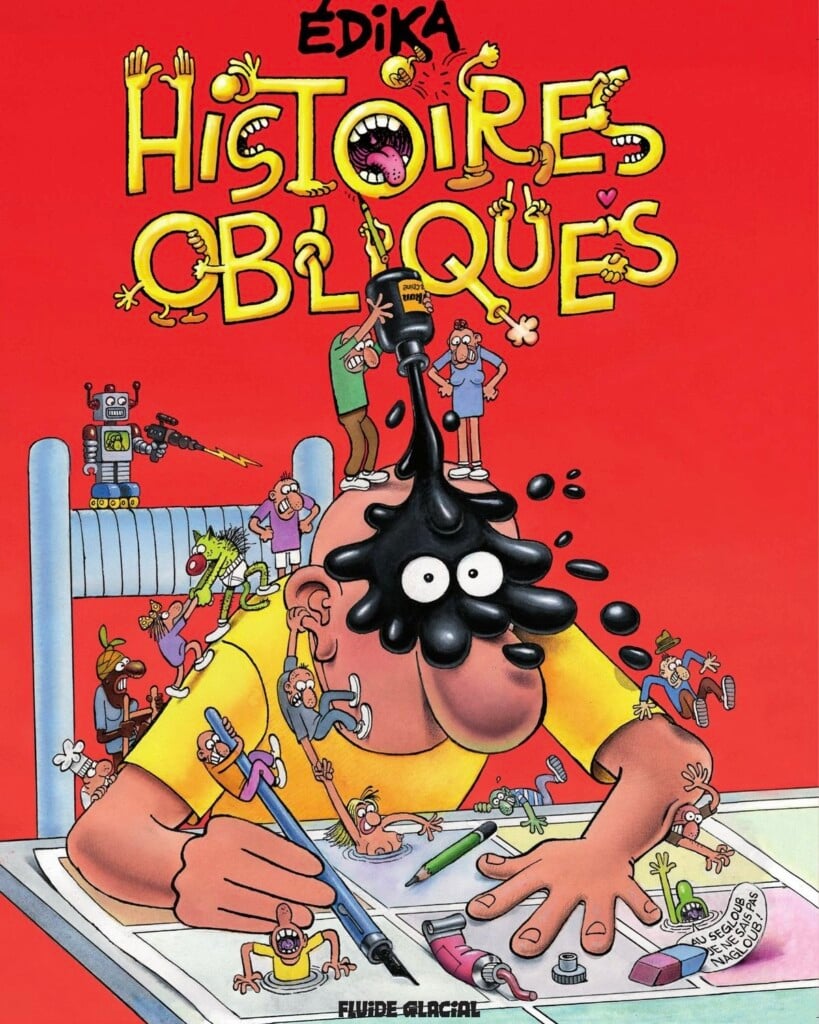
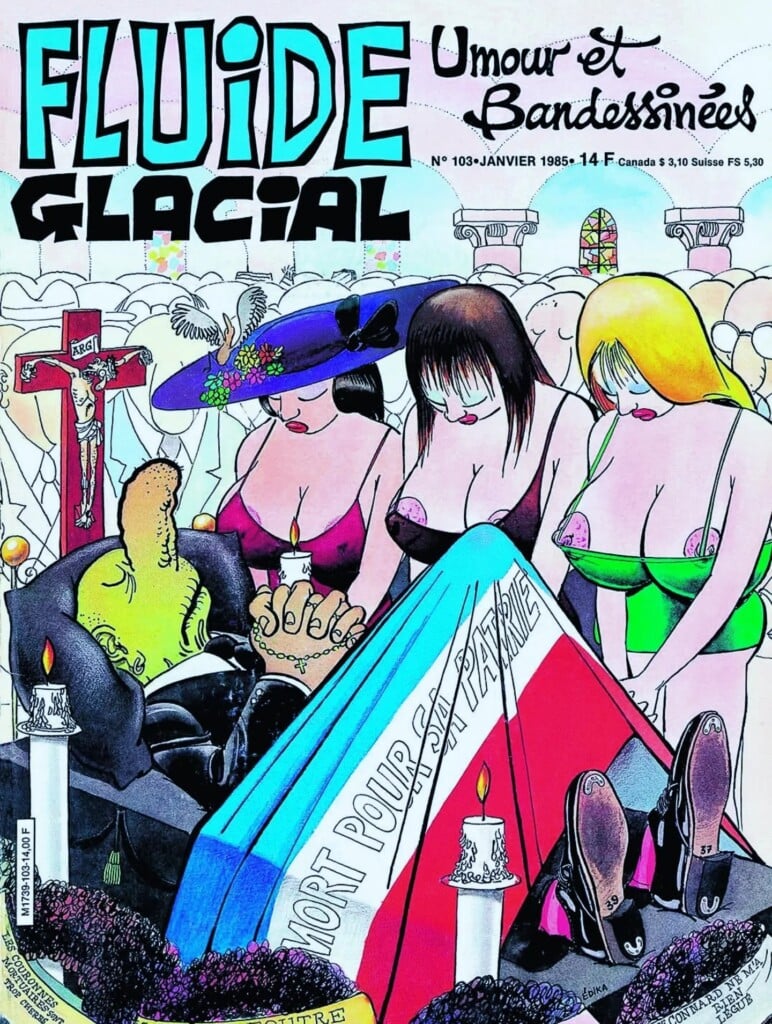
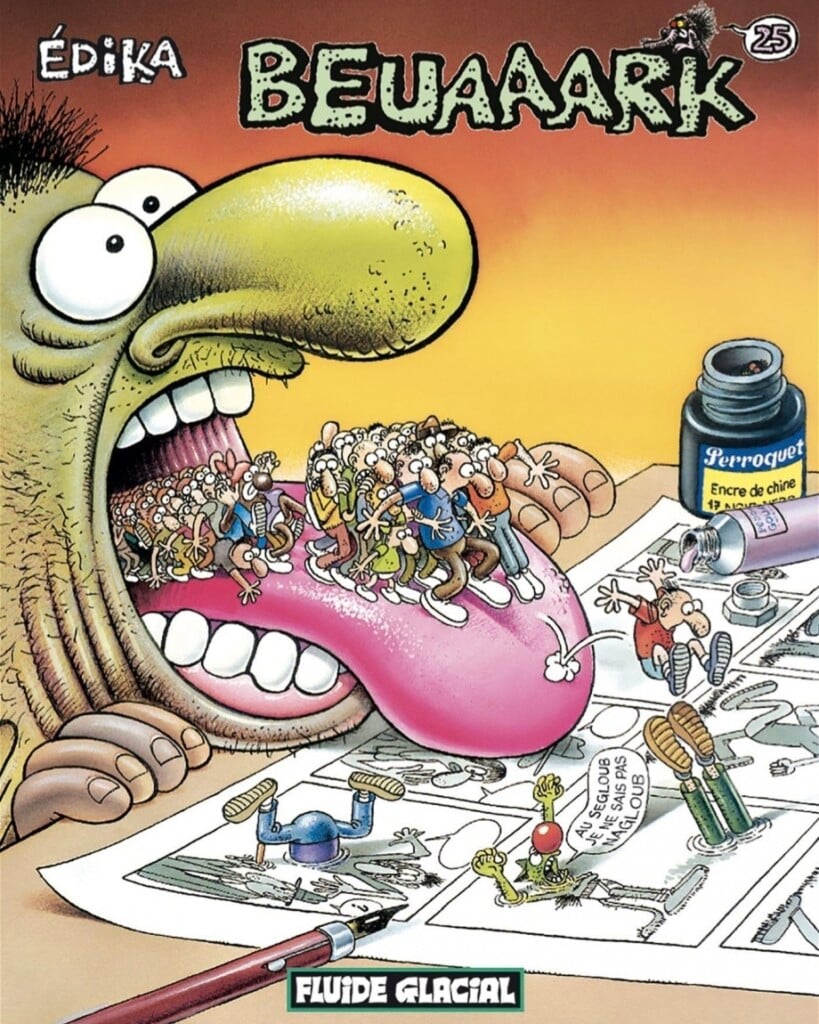
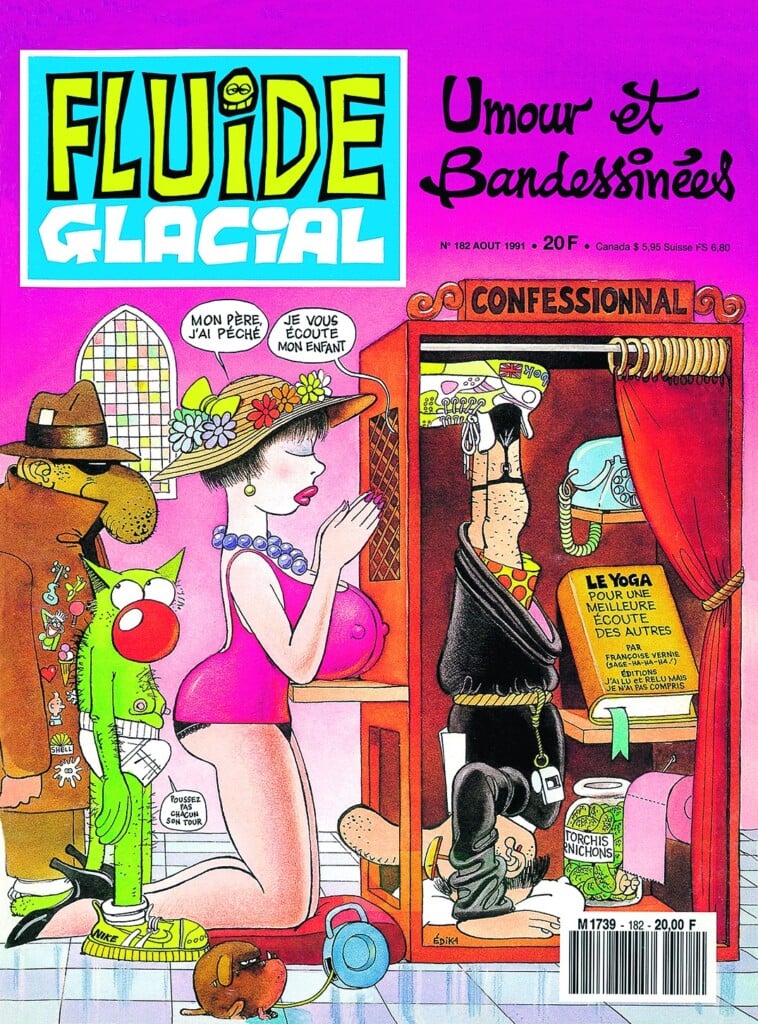
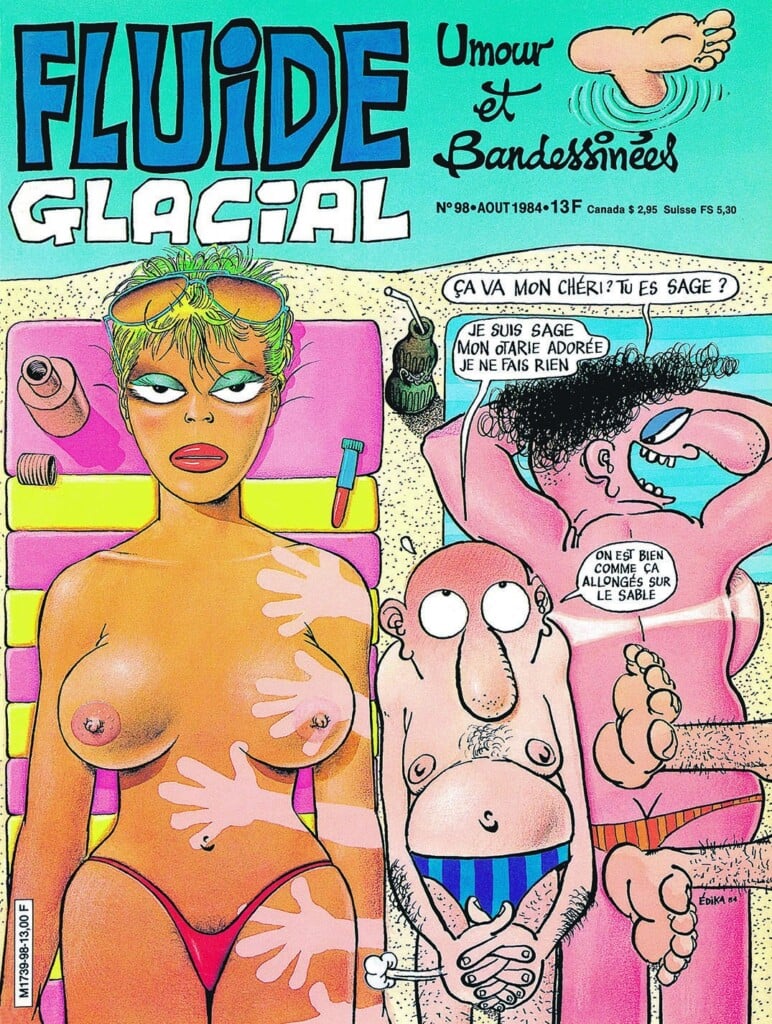
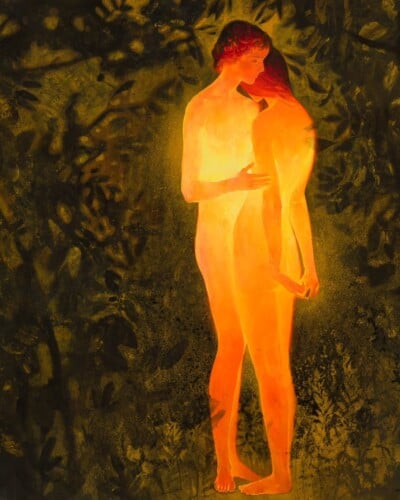
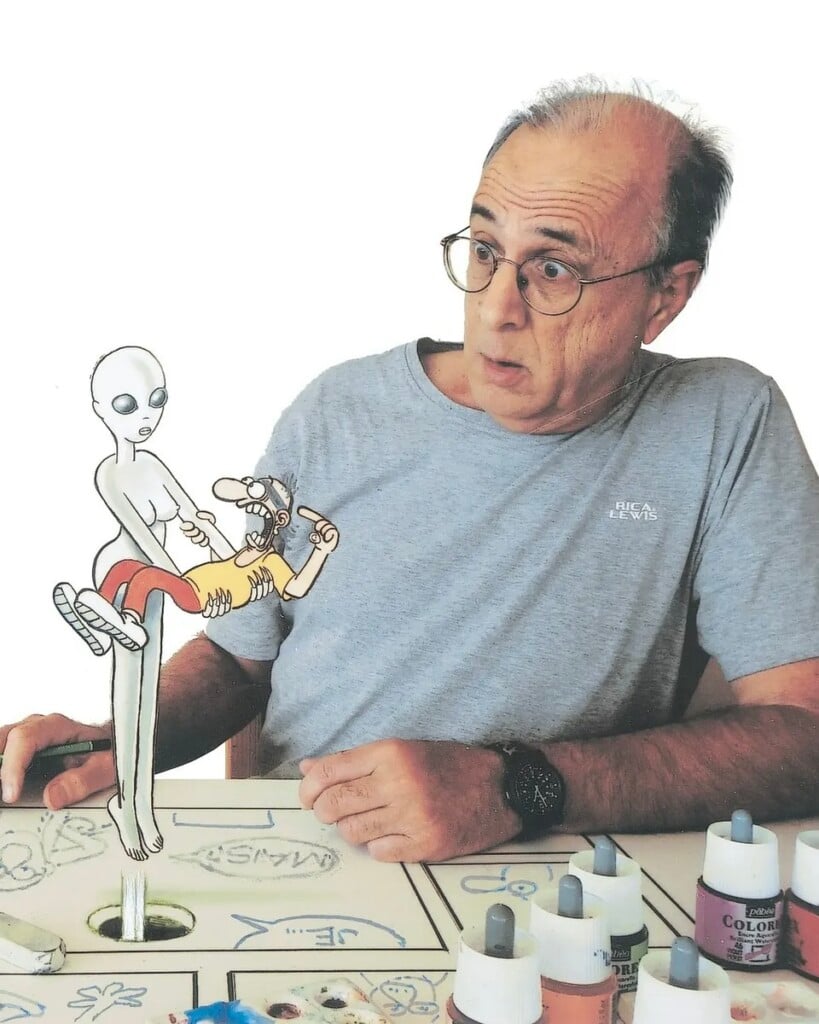
On December 16, 2025, just shy of his 85th birthday, Édika—the pseudonym of Édouard Karali—passed away. He was one of the cornerstones of the French magazine Fluide Glacial and a central figure in European comic-strip humor. Described by his own editorial team as “a unique, cult author like no other,” Édika leaves behind a world of proboscis-like noses, surreal cats such as Clark Gaybeul, and a narrative anarchy that tore down every academic standard.
I discovered Édika when I was eight or nine years old. I remember spending entire afternoons at my grandmother’s house with my cousins, in my uncles’ old bedroom: there were baskets filled with their collections of Corto Maltese, Linus, Alter Alter, Frigider, and Metal Hurlant. Authors like Pazienza, Liberatore, Manara, and Pratt were my first encounter with underground, author-driven illustrated literature, and a taste of a culture that would later become fundamental to me.
Édika was different. I met him in the pages of Totem Comics, with those covers always bearing the phrase “Why so much hatred?”. While Manara taught pure sensuality, Édika was unique and completely insane—a kind of Russ Meyer of comics, where everything was exaggerated, wild, rubbery. Within that madness there was a dose of playful sensuality, entirely outside any convention.
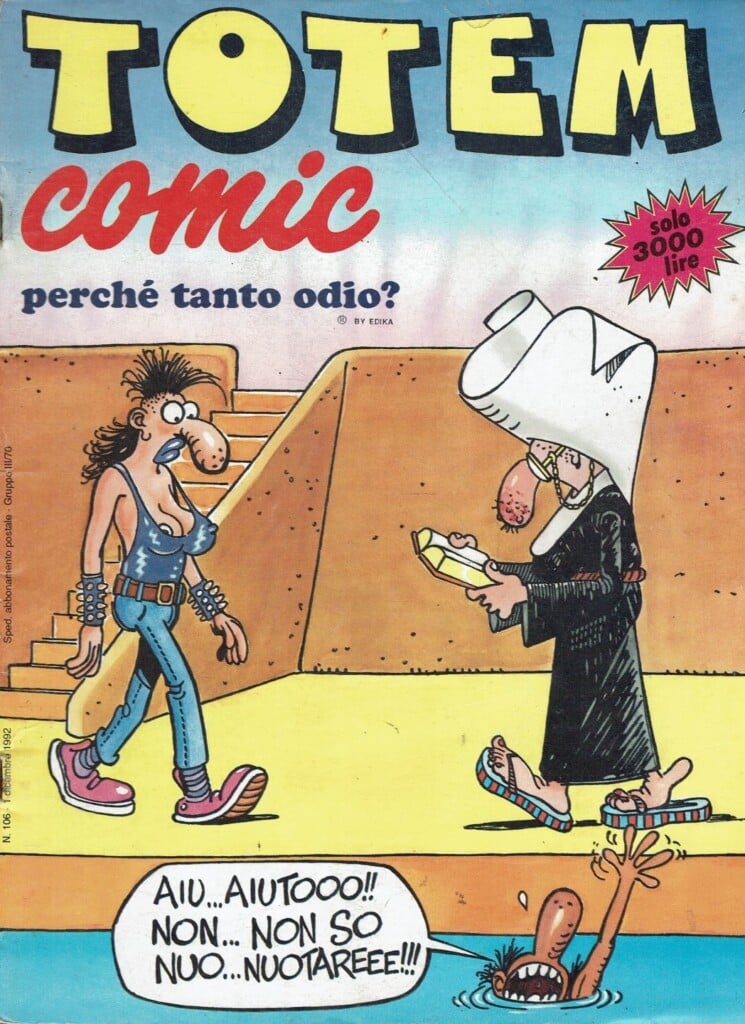
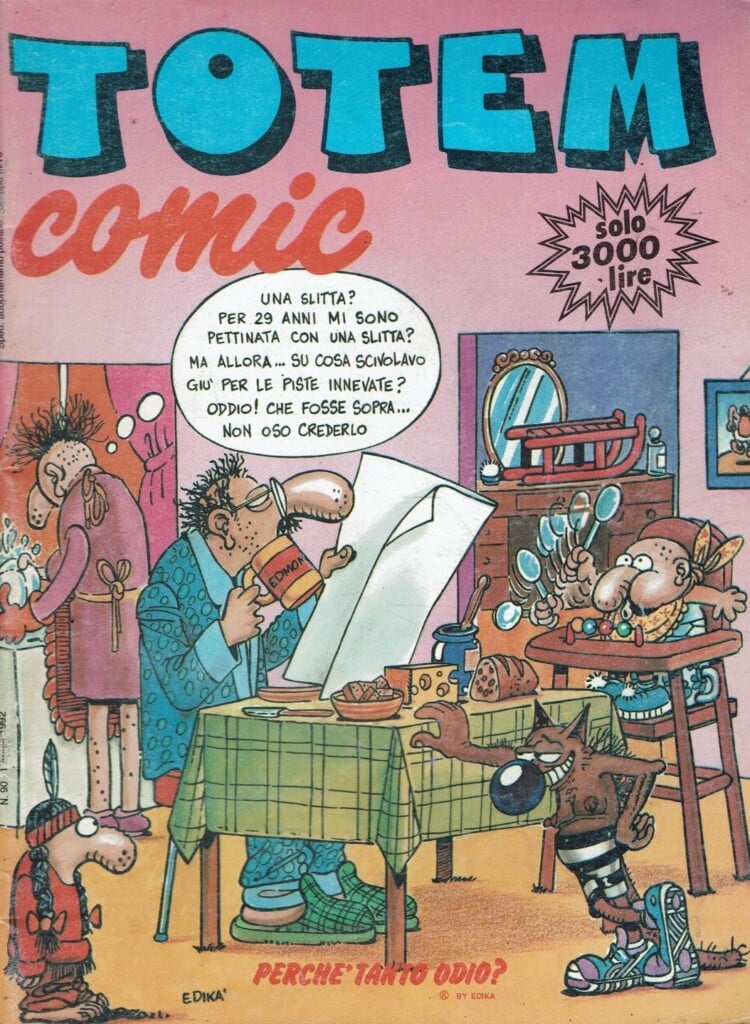
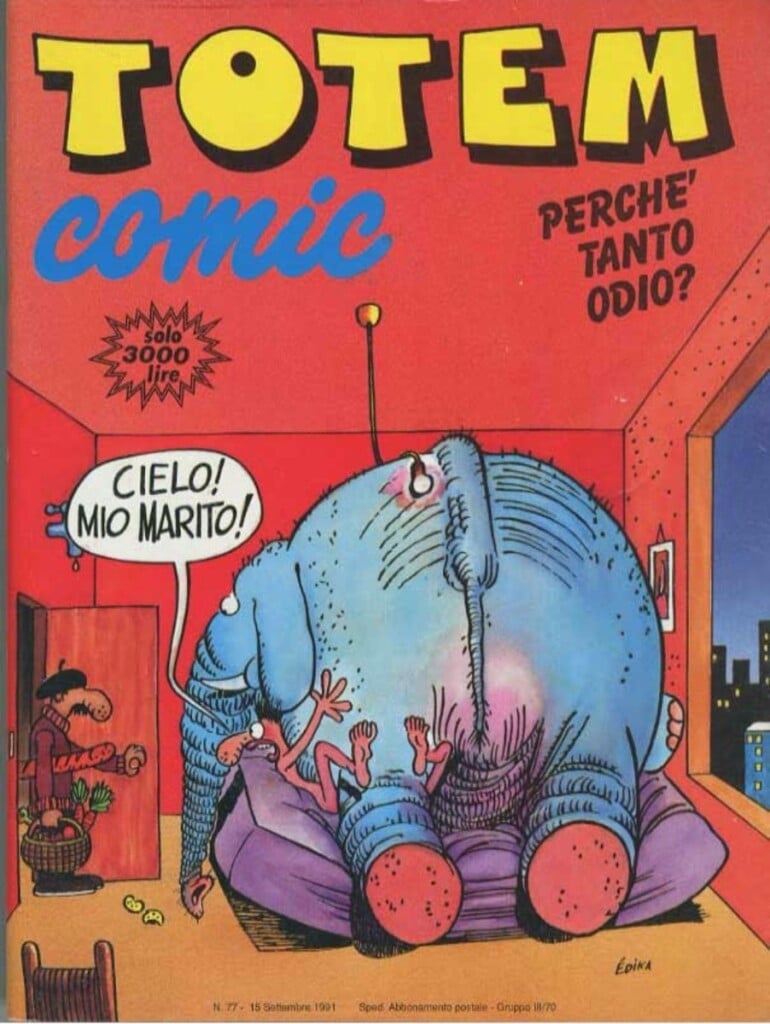
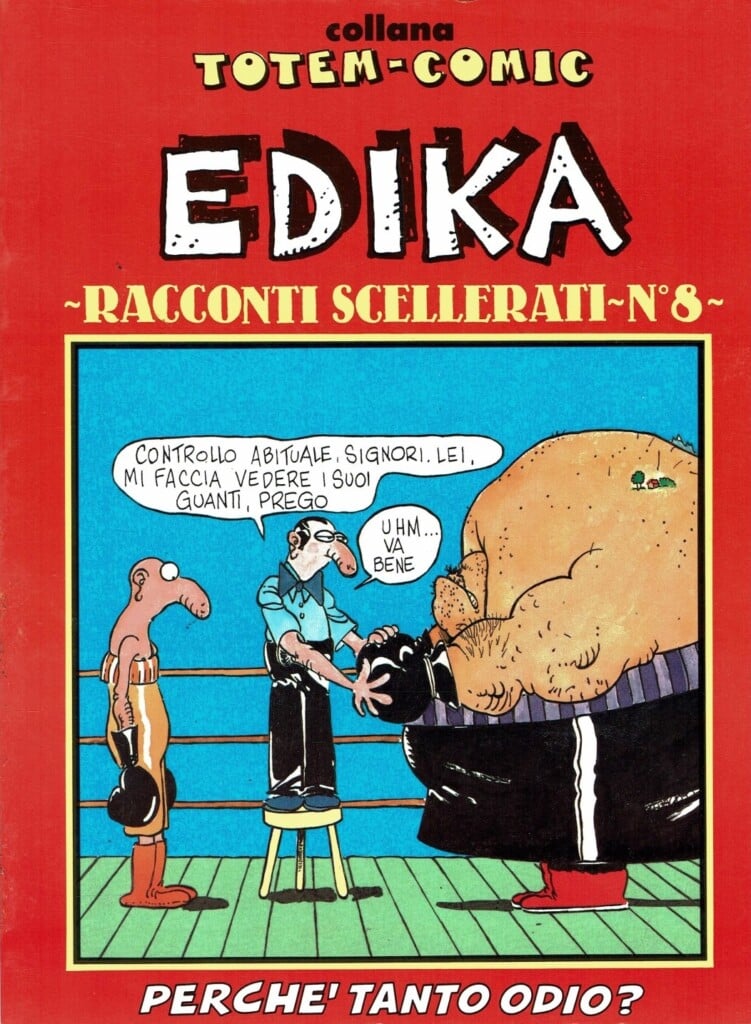
Édika always went beyond the stereotype—he took it and turned it into a caricature of a caricature, until it became pure authorial revelation. An unmistakable aesthetic. His lines were visceral and dynamic, a mark that pushed the characters’ physical reactions to the point of melting. Contrary to the brevity of his plots, the drawings were dense with manic detail, noisy like a punk concert. He managed to turn everyday life and eroticism into a grotesque farce.
Édika didn’t write stories in the traditional sense—he sabotaged them. A master of nonsense, he introduced a form of narration in which the plot often deliberately shipwrecked into abrupt or metatextual endings. His innovation lay in making the reader an accomplice to chaos, moving his characters through worlds devoid of moral or logical gravity.
He was a pioneer who knew how to say “No” to the boredom of linear storytelling long before digital background noise became a threat. He wasn’t just a cartoonist; he was a constant reminder that, amid the chaos of visual production, the only thing that truly matters is the ability to leave a mark that is deeply dirty and incredibly true.
In a media landscape that today risks cultural flattening and endless, recycled standardization, Édika’s work shines as a warning—and a celebration—of creative freedom.