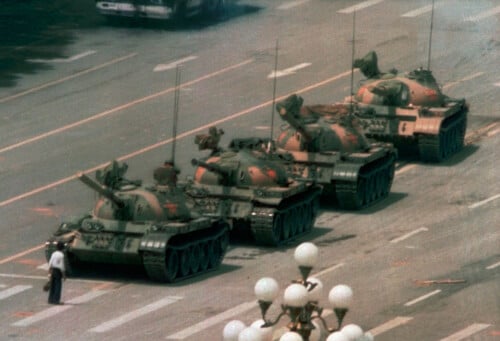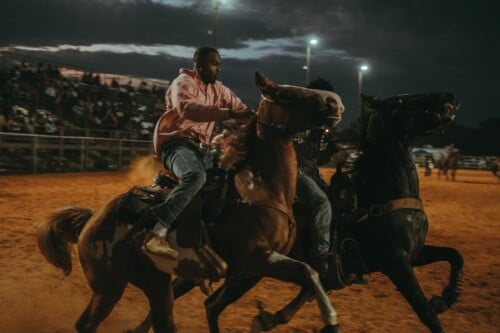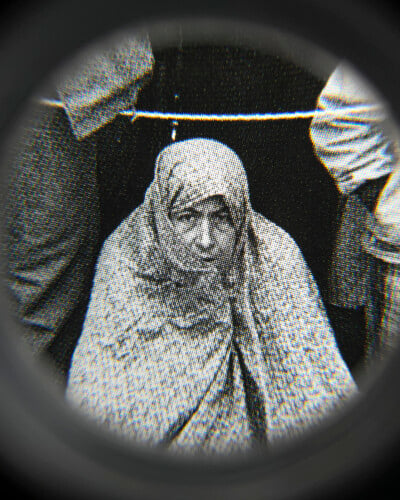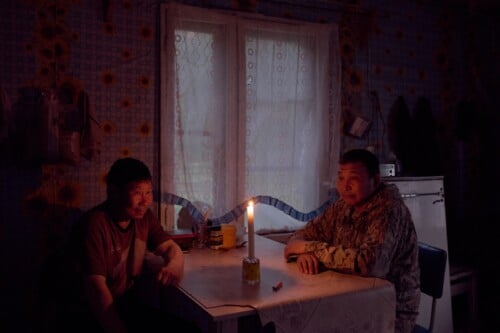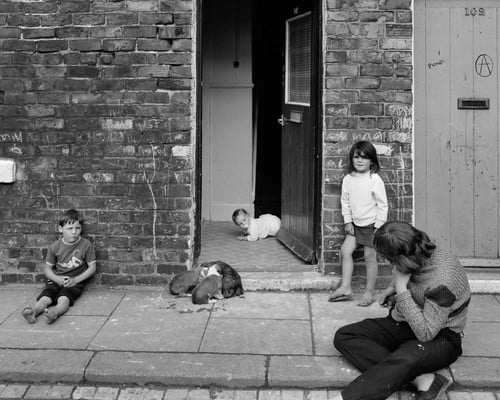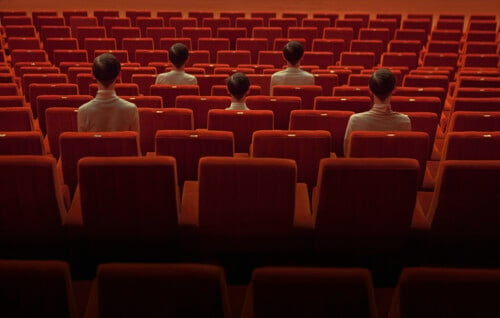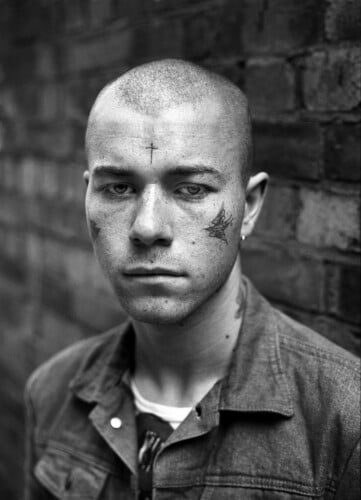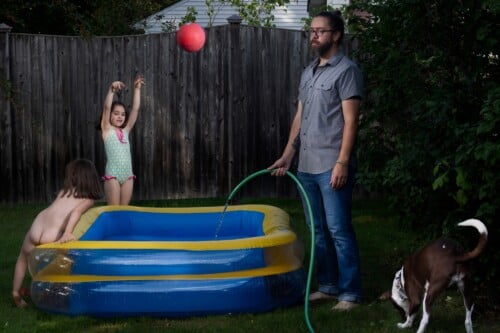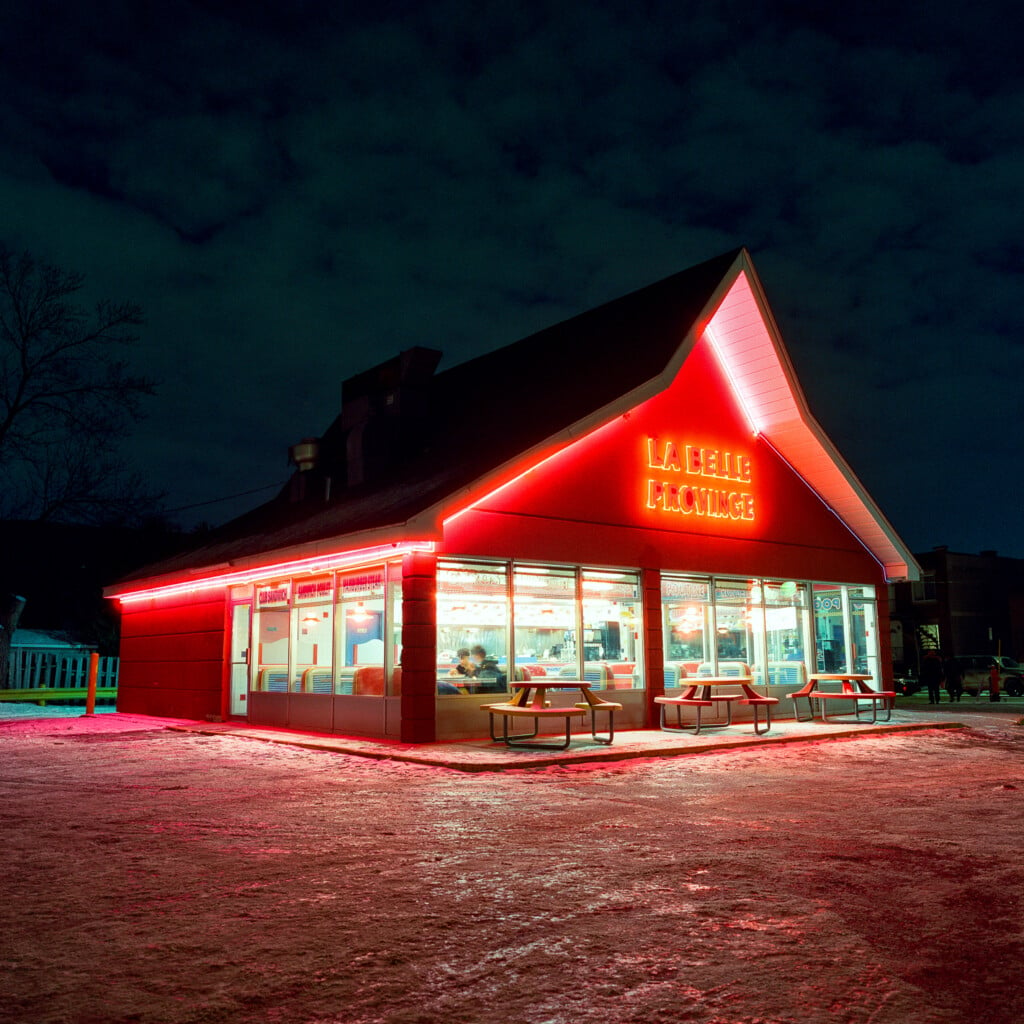
In the work of Roland Clairvoyant, analog photography is not a nostalgic choice, but a mental stance. Shooting on film begins before the technical gesture: it is a decision tied to mood and the conditions of the moment, capable of shaping the gaze and the rhythm of the day. The choice of film stock becomes an emotional compass, determining what to observe and when to stop.

There are no shot lists or predefined subjects. Once the film is loaded, Roland entrusts himself to what he encounters, adopting an open and contemplative approach. Walking with a camera becomes a way to slow down, to step back from everyday life and carve out a space of visual silence. Photography thus turns into a therapeutic gesture, closer to observation than to the pursuit of the perfect image.


The limited number of frames, according to Roland Clairvoyant, imposes a natural discipline: every shot is a choice, never an automatic reflex. Waiting replaces urgency, attention takes the place of speed. In this process, analog photography becomes an exercise in intention and patience.


Equally essential, according to Clairvoyant, is temporal distance. Images remain unseen for weeks or months, until the moment of scanning, when memory has already faded. The photographs resurface as fragments of recovered time, free from immediate judgment. It is in this trust in instinct, in the acceptance of imperfection and of time as part of the process, that this photographer’s gaze is defined: a photography that does not capture, but passes through.


Read also: Japan through the lens of Freddie Roach