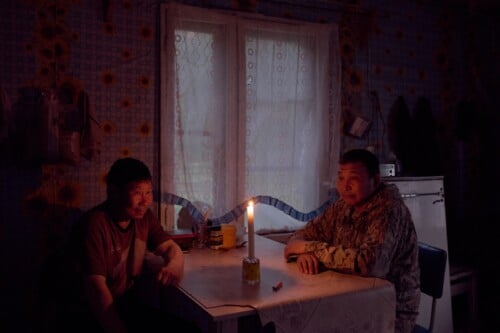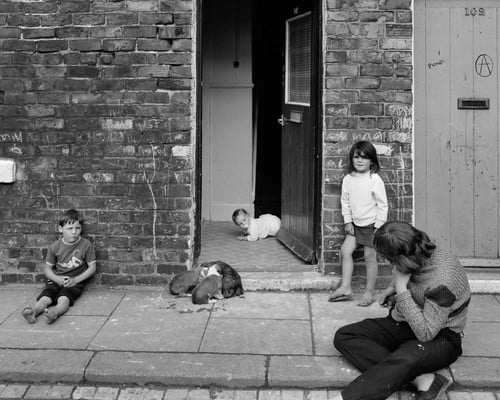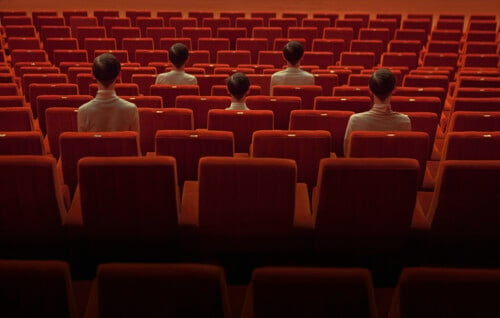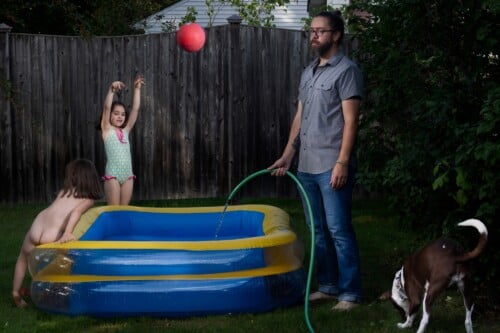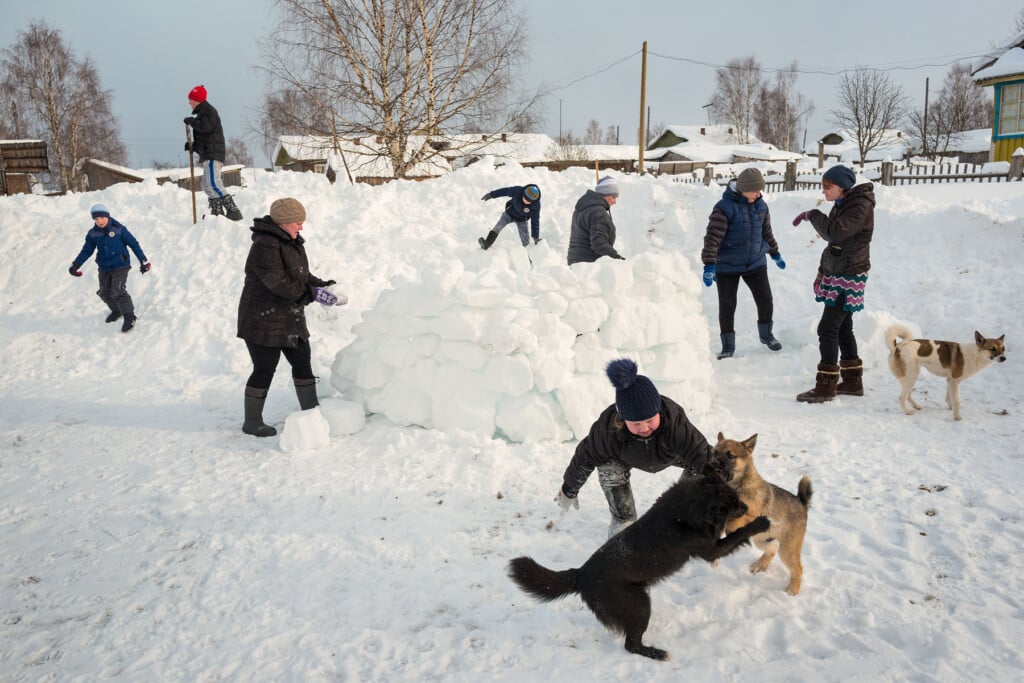
Along the course of the Mezen River, in the far north of European Russia, time seems to settle into layers. With Mezen: By Sky’s Edge, Russian photographer Emil Gataullin builds a project that moves between the Arkhangelsk region and the Komi Republic, following the slow rhythm of the water, the seasons, and the lives that endure at the edges of the world.

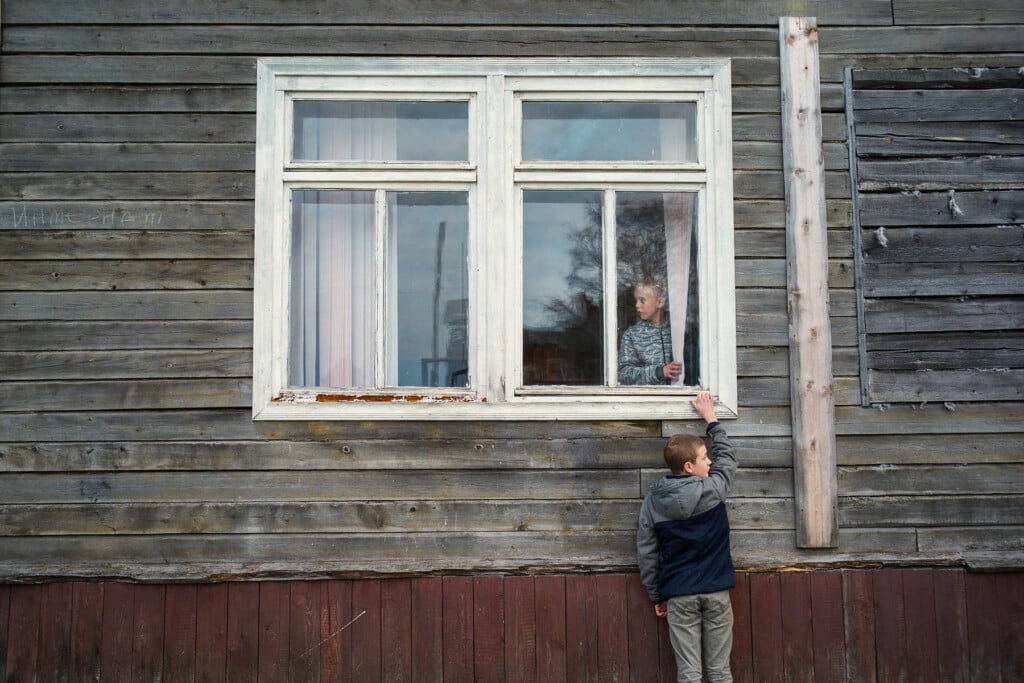
The project grew out of a long immersion in these remote territories, where the river is road, border, and primary infrastructure. Gataullin’s gaze is direct. The light is often milky, heightening a singular sense of suspension. Abandoned Soviet cars become relics of an era that promised progress and left behind silence. War memorials, ruined chapels in rural cemeteries, and crosses along wind-beaten roads speak of collective memory—of an identity held together through remembrance and ritual.
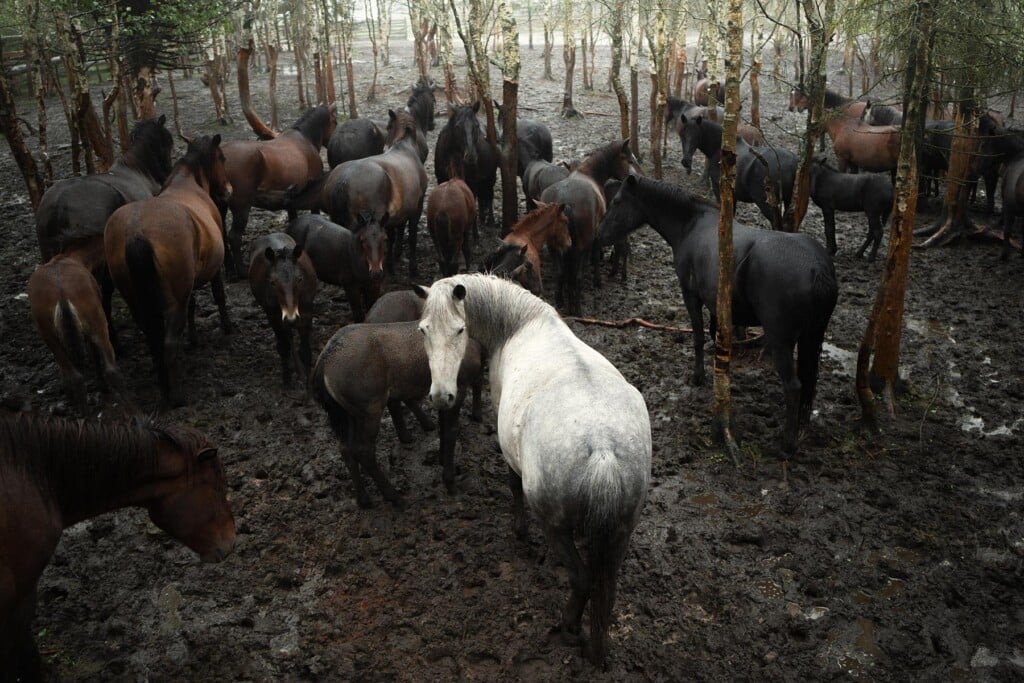
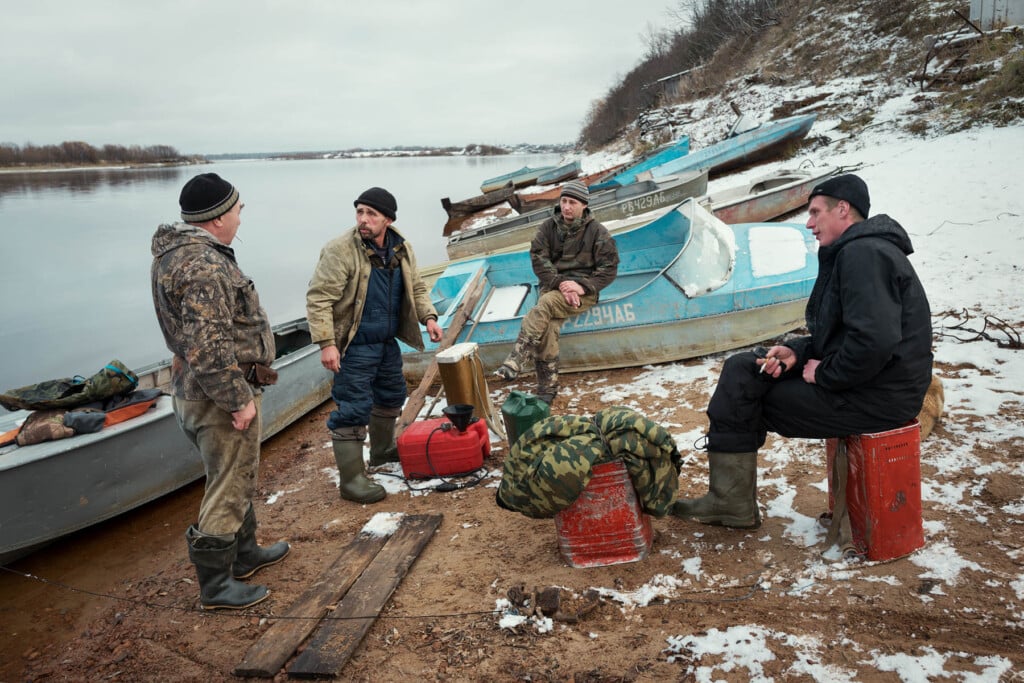
An archaic dimension runs through the entire project: Mezen horses, a native breed able to survive the harshest winters; the aurora borealis cutting through the night sky; boats built by hand by artisans who safeguard inherited knowledge. Here, people do not conquer the land: they adapt to it, move through it, respect it.

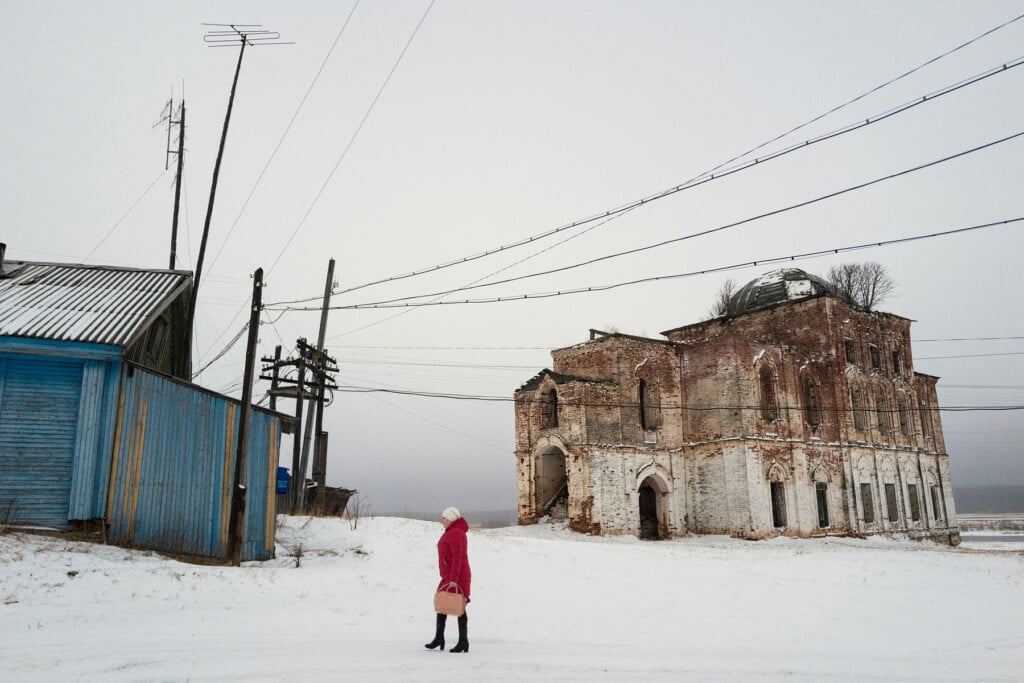
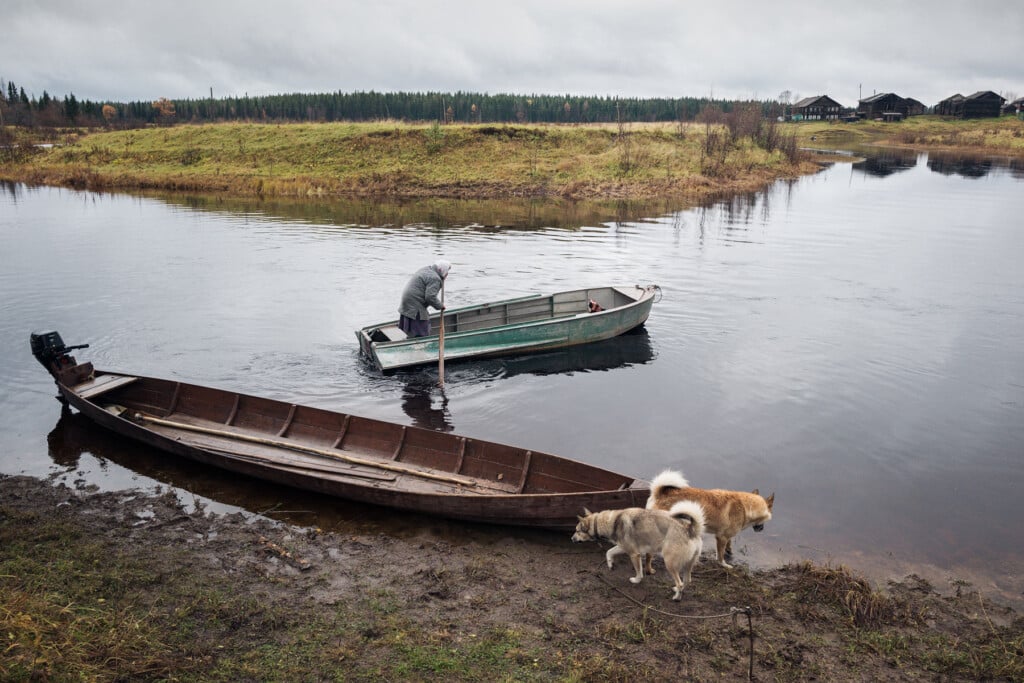
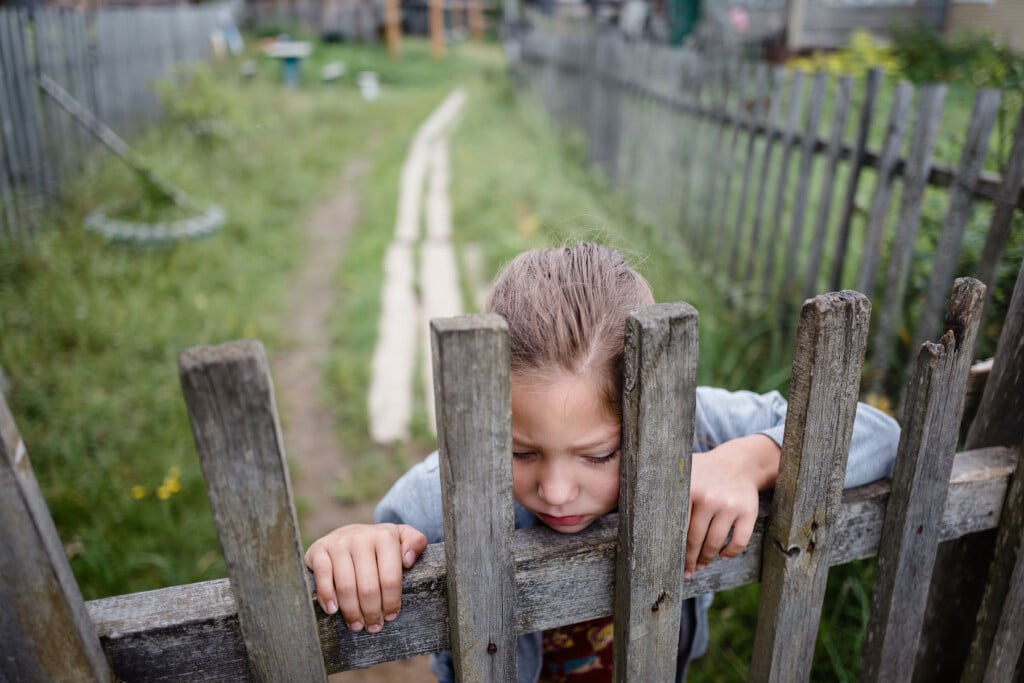
The portraits are perhaps the emotional core of the work: weathered faces, steady postures, eyes that do not seek compassion. A woman with a scythe, an elderly woman crossing the river by boat, a man fixing a car on a bridge, sisters leaning on the fence outside their home. There is no spectacle of marginality, no romanticizing of poverty. There is presence.
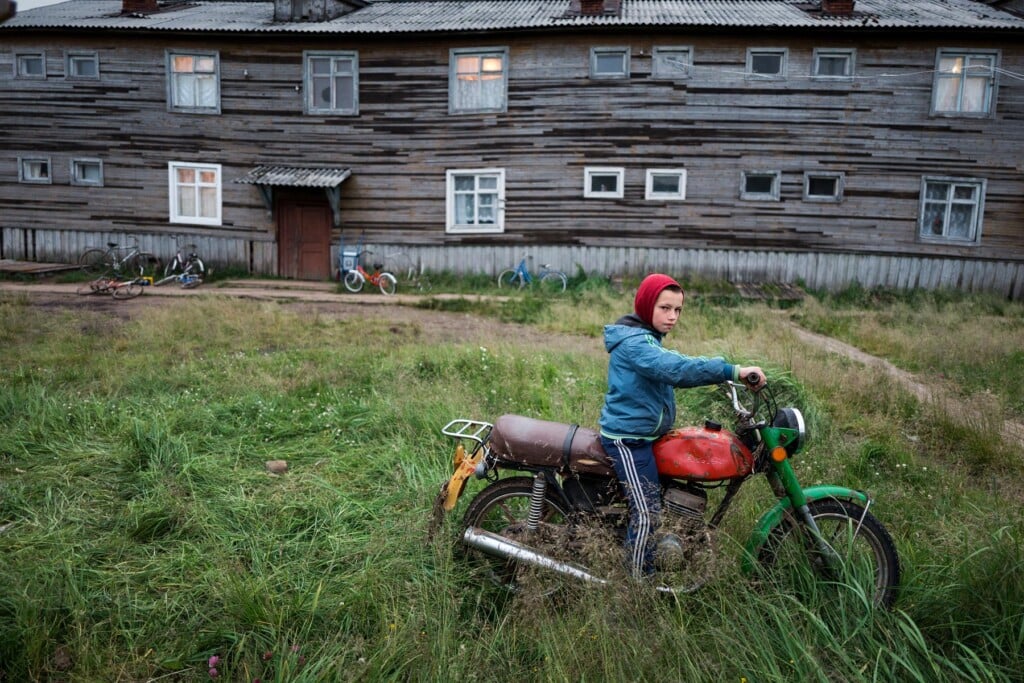
Mezen: By Sky’s Edge by Emil Gataullin ultimately reads as a story of a Russia far from urban centers and dominant narratives. A body of work that refuses exoticism and opts for continuity—the continuity of seasons and traditions. And looking at these images, it feels natural to ask what it really means to live “on the margins.”
in cover: Children and their teachers build a snow fortress in the schoolyard. Village of Ust-Chulasa, Arkhangelsk region, 2018.
Read also: Lights and Shadows in the Photography of Fernando Coelho