The void plays a powerful role in cities. It’s a condition that defines, connects and stimulates. It’s the space where the city breathes, where desires, memories and possibilities accumulate. It’s the suspended energy waiting to be transformed into centrality, experience and relationship.
The second season of Cantiere Scandurra, the podcast by Scandurra Studio in collaboration with Collater.al, dedicates its latest episode to this theme. Alessandro Scandurra guides the listener through squares, residual lots and abandoned spaces, showing how the void can become living matter for design, an infrastructure of relationships and a laboratory of urban innovation.
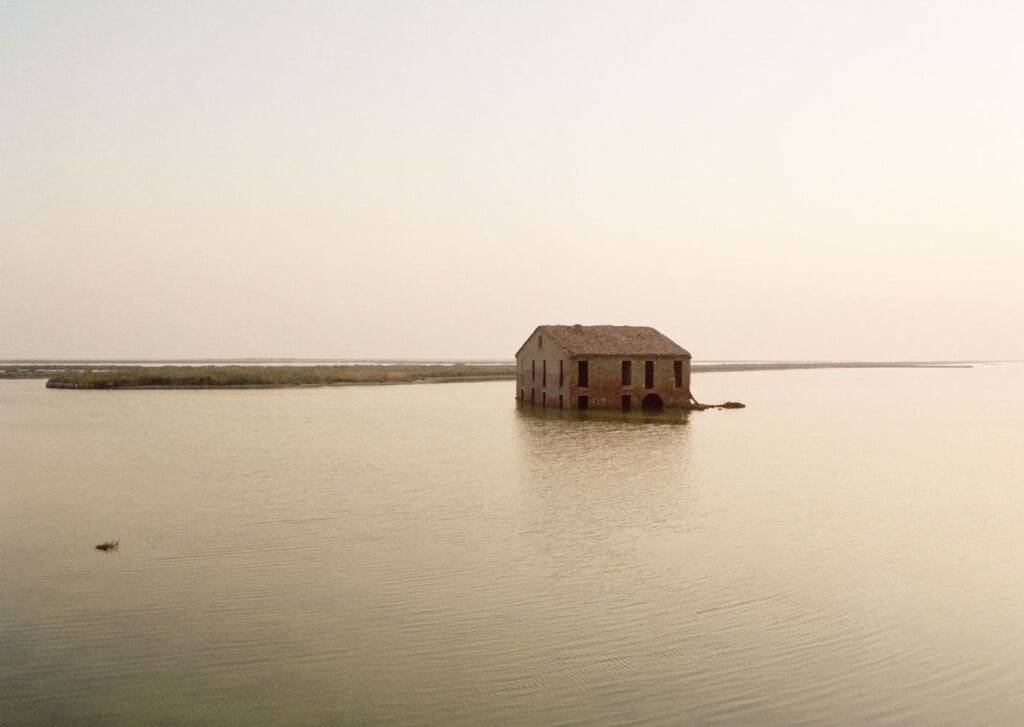
Scandurra observes that no square, courtyard or empty street exists on its own: it’s the result of what surrounds it. Buildings, porticoes, flows of people and defined paths generate the space, shape its perception and turn it into a place of public life. The void tells the story of context and amplifies the relationships that pass through it.
At the same time, the contemporary city produces inactive voids: abandoned warehouses, unused lots, residual areas. Spaces that hold latent stories and potential. It’s precisely in these suspended fragments that enormous design potential resides: improvised skateparks, open courtyards, rooftops turned into rooftop bars or community gardens become small urban laboratories. Some places are converted into creative hubs or student housing with shared spaces and workshops, generating micro-ecosystems where sociality and sharing become part of everyday life.
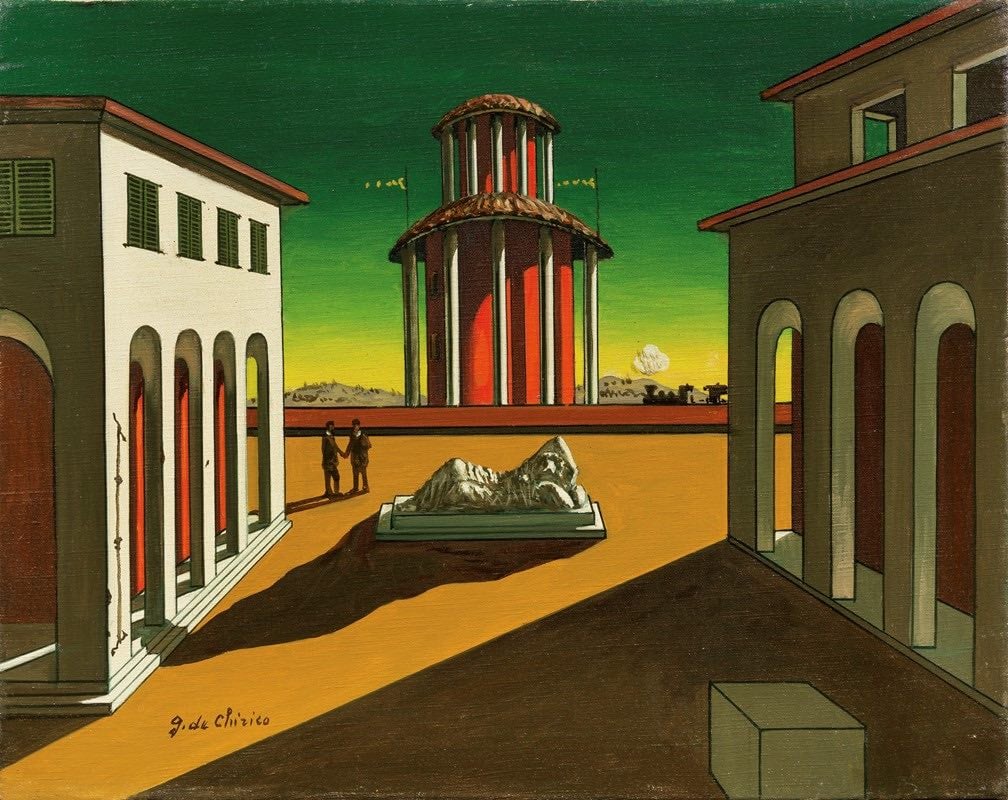
The urban void doesn’t stay isolated: it fits into a layered, porous system. Margins, peripheries and residual fabric dialogue with historic centers, creating unexpected flows. Streets, railways, greenways and digital networks take part in this transformation, becoming active infrastructures of relationship and movement. Scandurra adds that reading the void means understanding the tensions, memories and desires of the city and translating them into concrete forms capable of activating relationships and centrality.
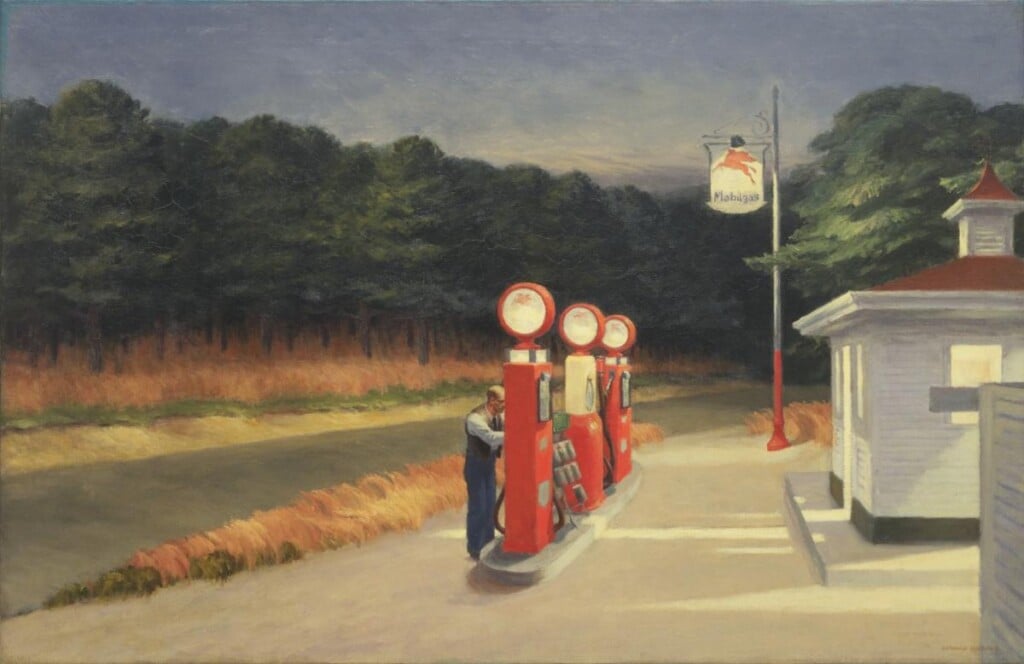
The void also has a narrative and cultural dimension. As in the paintings of Edward Hopper, every suspended space can tell of waiting, solitude and encounters; as in the novels of Haruki Murakami, suspension becomes an occasion for unexpected detours, necessary pauses for reflection and discovery. Filling a void doesn’t mean occupying a space, but giving it meaning, restoring vitality and identity, turning what is residual into a place of encounter and design.
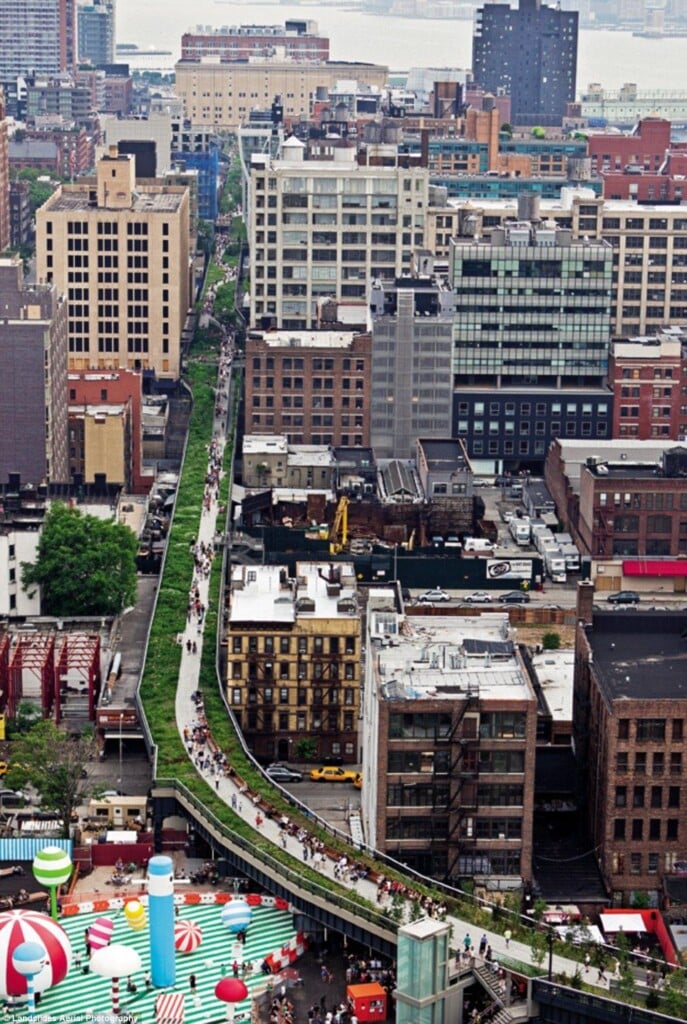
The practical dimension of the void emerges clearly in concrete examples. Linear parks that cross neighborhoods and connect universities, laboratories and cultural centers turn unused spaces into infrastructures of knowledge and sociality. Student housing that integrates shared areas, workshops and green courtyards becomes an urban micro-ecosystem. Intergenerational neighborhoods, with shared spaces, creative hubs and reconverted public areas, show how design can turn absence into an opportunity for social innovation.
It’s the place where the city builds relationships, experiences and centrality; where design becomes a tool for urban regeneration, memory and innovation. Scandurra concludes by recalling that the void is energy, is possibility, is living matter: “That’s where the city decides who it wants to be tomorrow.”