Bringing a character to life doesn’t just mean drawing its appearance, but building a set of gestures, movements and expressions that make it recognizable. It is a lesson that Jeff Gipson learned over years of working in the world of animation and that he now brings to a different territory: that of technology and artificial intelligence. After working with Walt Disney Animation Studios on productions such as Frozen, Zootopia and Moana, Gipson now puts his experience at the service of Microsoft, collaborating with the creative team on the development of the visual language and the motion design of Autopilot.
Before landing on this project, Gipson spent years at Walt Disney Animation Studios, working on films such as Frozen, Zootopia and Moana. It was a path during which he explored the relationship between characterization, gesture and storytelling, learning how even a small change in expression or movement can help define a character’s identity. It is precisely this attention to detail that he now transfers to a context very different from that of film.
As he recounts in the article published on Microsoft Design, The Art of Playing a Supporting Role, the challenge is to understand what role character design and animation can play in interactions with artificial intelligence. Unlike a film, in which every gesture is designed to accompany an already written story, an AI agent has to deal with unpredictable situations, different requests and personal goals. It therefore cannot behave like the protagonist of a narrative: rather, it must help the person using it to stay in control.
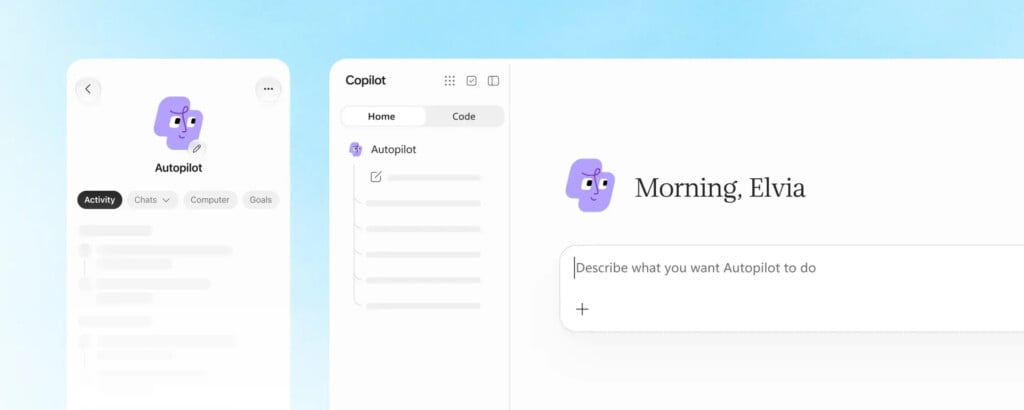
This is the principle that guides the design of Autopilot. The user remains at the center of the experience, while the artificial intelligence takes on a supporting role, similar to that of a narrative sidekick. A concept that Gipson compares to characters like Olaf, Timon and Pumbaa or the Genie from Aladdin: figures with a personality of their own, but whose value lies above all in accompanying the protagonist on their journey.
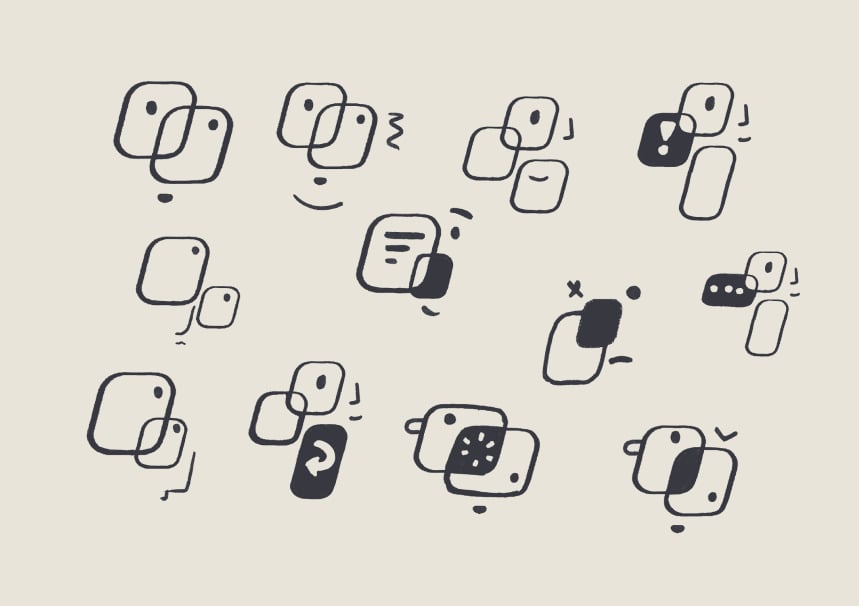
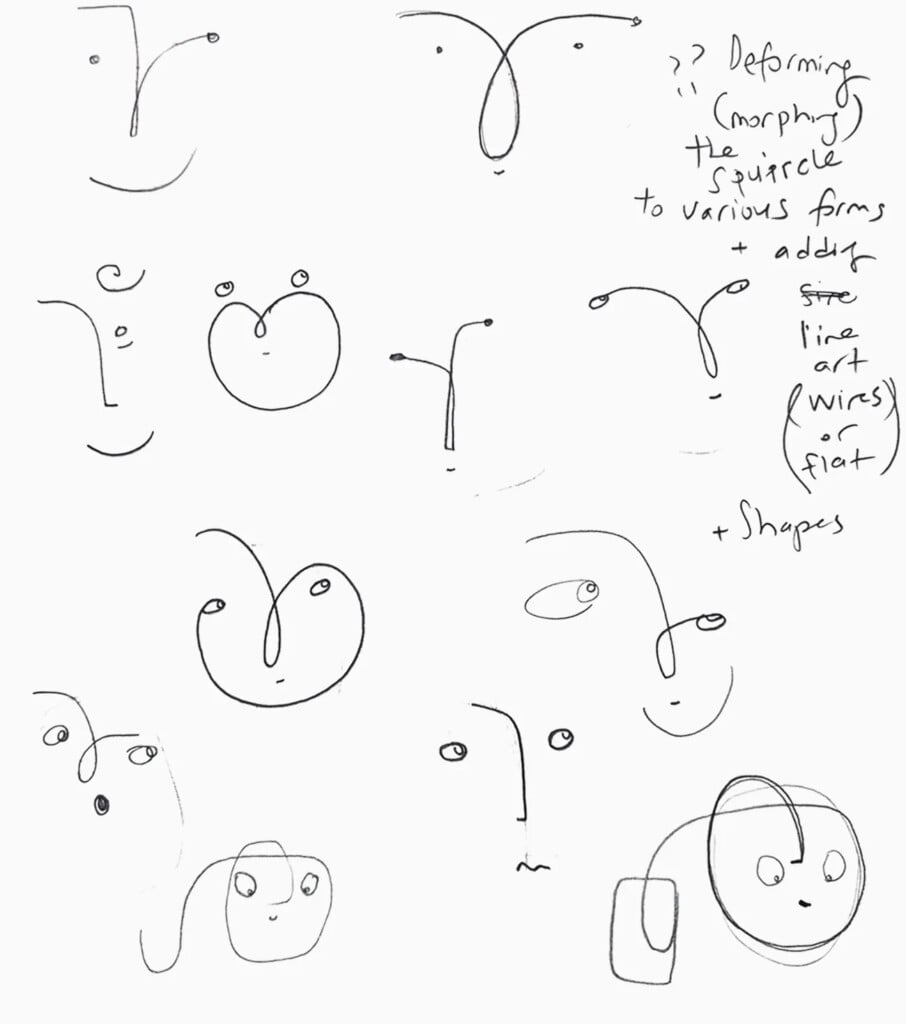
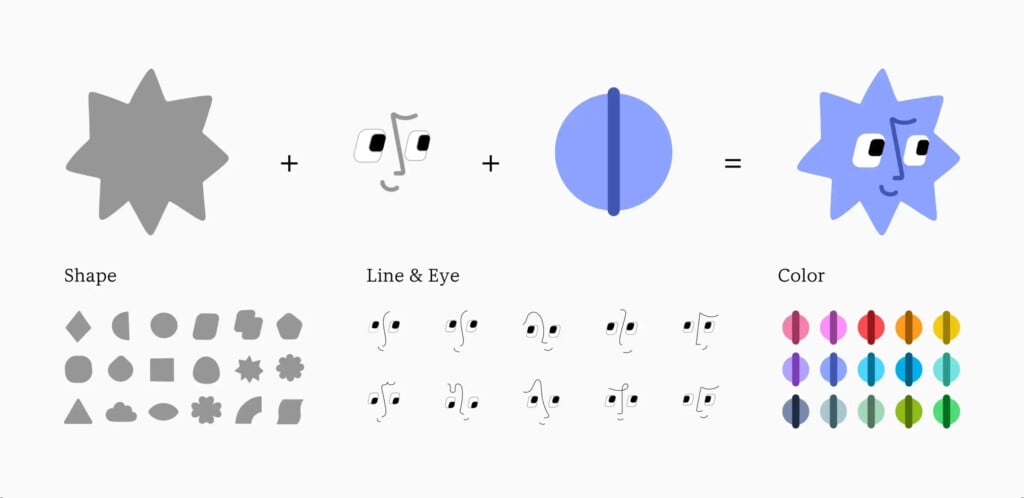
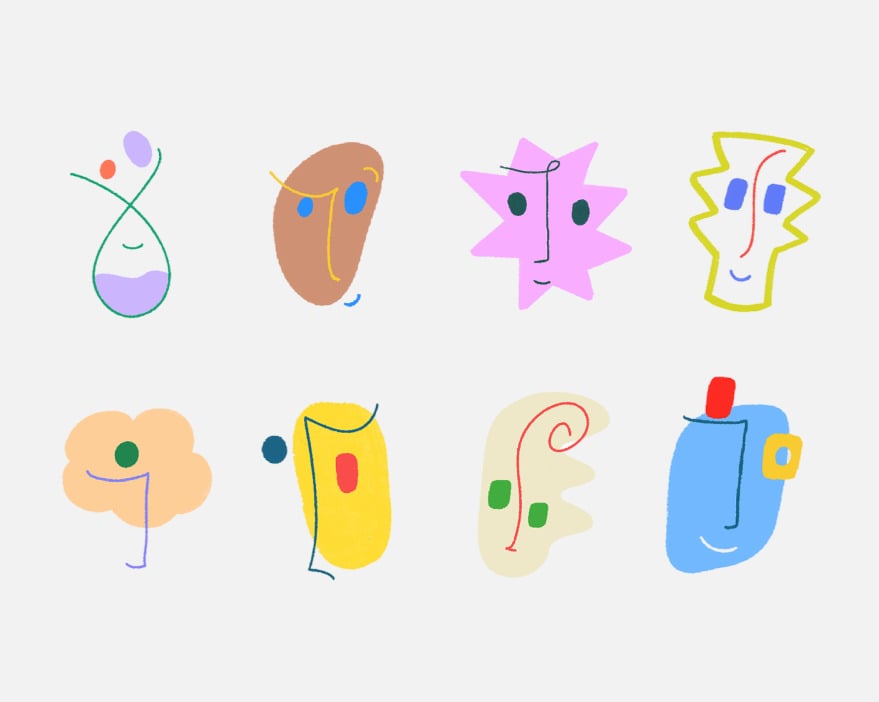
Together with illustrator Chi Michalski and the Microsoft team, Gipson develops a flexible visual language that avoids associating the AI with a single character. The starting point is the line, a simple and versatile element that can transform into different shapes, figures and expressions while maintaining visual consistency. The animations also have a functional role: through movements and transformations, they help people understand what Autopilot is doing, for example when it looks for information, reads an email or prepares a message. Design thus becomes a tool for making the actions of technology more understandable.
In Autopilot, animation is not a mere decorative element, but a tool for making the actions of artificial intelligence visible and understandable. Movement helps people understand what the technology is doing and when it requires the user’s intervention. Gipson’s work thus shows how character design can evolve, moving from telling stories to making interaction with AI more intuitive. The goal, however, remains the same: to let the real protagonist always be the human being.