In recent years, talking about generations has become increasingly complex. It is no longer just a matter of age, but of access to resources, opportunities, and spaces. Social media makes this especially clear: memes, jokes, and viral trends constantly compare Generation Z, Millennials, Generation X, and Baby Boomers. Behind the irony, however, lies a very real phenomenon: ageism, meaning discrimination, prejudice, or stereotyping based on age, which limits the participation and visibility of both younger and older people.
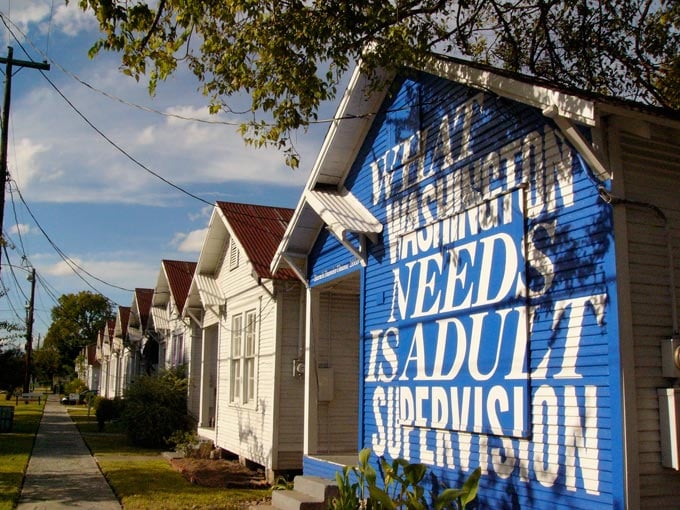
This is the starting point of the fourth episode of Cantiere Scandurra, the podcast by Scandurra Studio created in collaboration with Collater.al. Alessandro Scandurra, the studio’s founder and the narrator of this journey, begins with a key observation: today, the generational divide is not only cultural, but also spatial and urban. Younger generations are demanding more public spaces, more places for sharing and innovation, and environments where they can grow, work, and experiment. At the same time, a significant portion of the adult and elderly population continues to face barriers to accessing suitable housing, shared spaces, and inclusive urban infrastructure. This is not merely a theoretical issue but a tangible one: without places that translate these needs into physical form, dialogue and inclusion remain empty words.
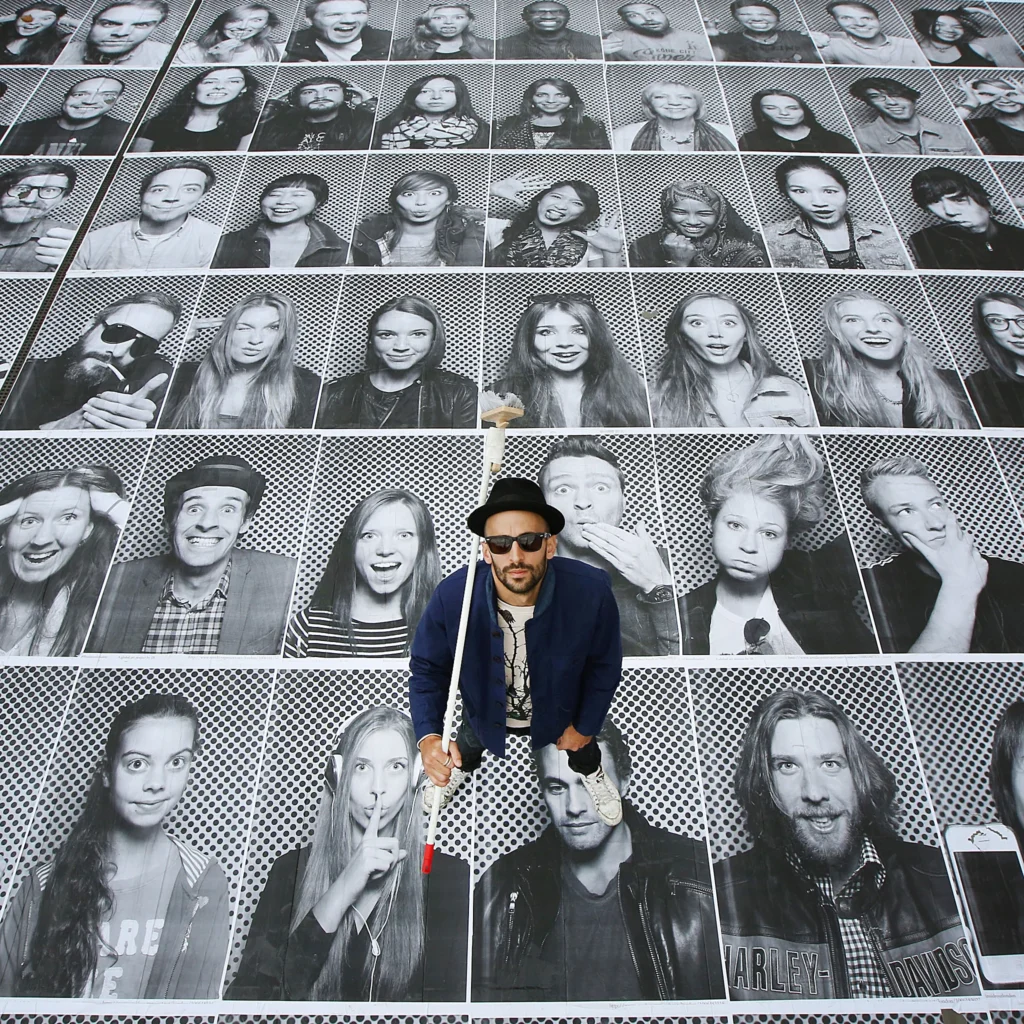
The Italian context confirms this reality. Generation Z is seeking co-living, student housing, and shared cultural spaces; Millennials and Baby Boomers have different yet overlapping needs: accessible services, safe neighborhoods, and opportunities to participate in community life. Designing for generations means creating environments where these needs can meet without conflict, rather than isolating age groups into demographic islands.
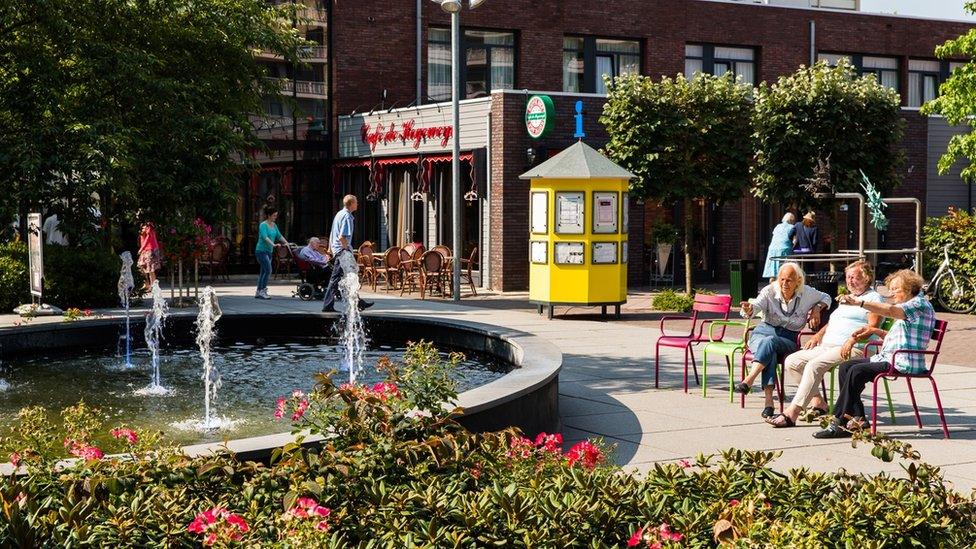
In this sense, intergenerational design becomes an urban strategy: student residences alongside senior housing, shared courtyards, collaborative workshops, communal kitchens, gardens, and flexible public spaces. Natural materials, safe pedestrian pathways, bright environments, and accessible services are not merely aesthetic choices; they are practical tools that encourage interaction, collaboration, and mutual care. Places where age is not a barrier, but a value that enriches everyday life.
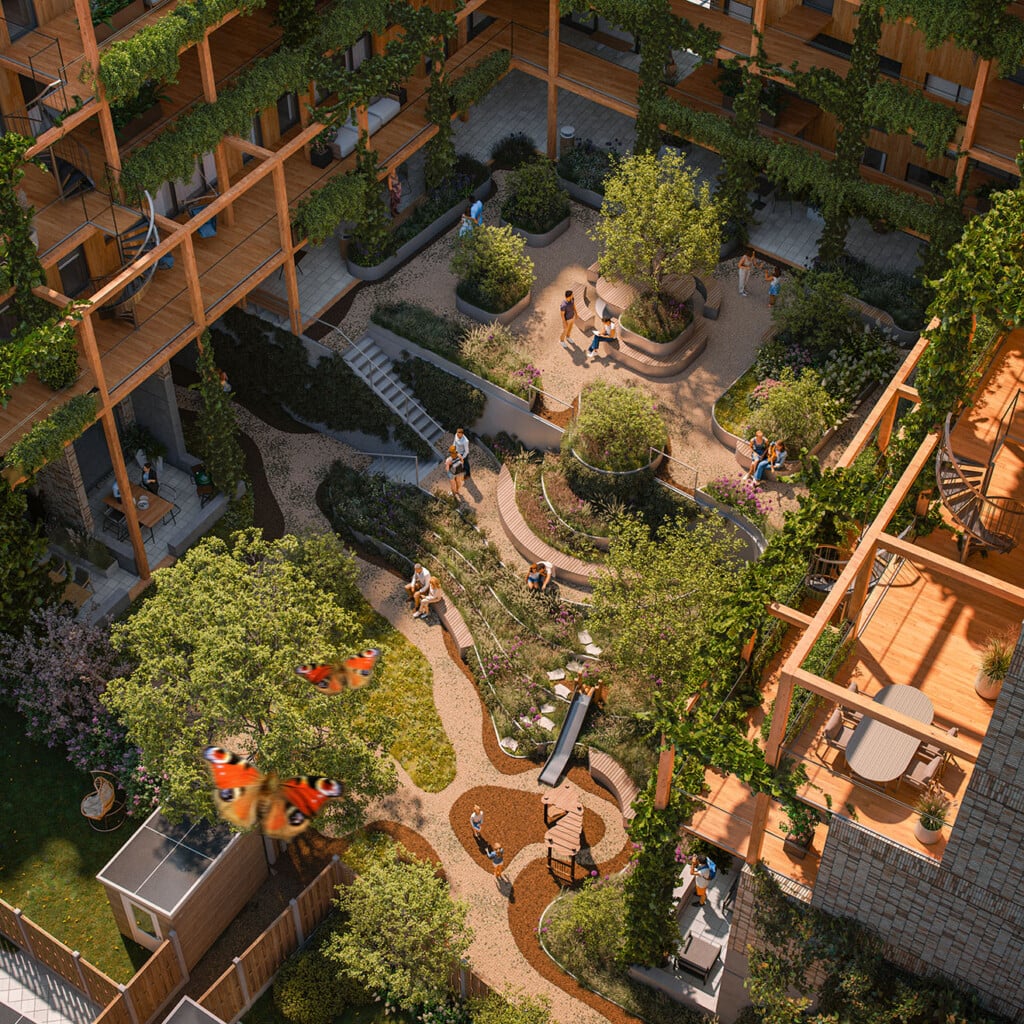
Architecture and urban design, as Alessandro Scandurra points out, play a direct role in this process. They can translate social tensions and emerging needs into vibrant spaces capable of fostering learning, innovation, and participation. Intergenerational neighborhoods and student housing thus become tools for inclusion and opportunity—not merely functional containers, but true cultural devices that address the generational gap in practical terms.
The message is clear: younger generations are asking for concrete opportunities to express themselves, experiment, and build communities; adult and older generations are asking for accessibility, dignity, and representation. A city capable of listening to and translating these needs into physical spaces and appropriate services is not only fairer—it is also more innovative, resilient, and socially connected. Ageism is challenged through spaces that enable people of different ages to live, share, and learn together, day after day.