The shots by Gian Paolo Barbieri — a photographer who passed away last year — are never mere photographs. Each image becomes a story, each suspended pose a fragment of cinema or theatre. It is no surprise that his career is closely intertwined with the rise of Made in Italy.

Alongside designers who changed the course of international fashion, Barbieri crafted a new imaginary made of unconventional elegance and a sensuality freed from the rigid rules of glossy photography.
In Milan, at Via Santa Margherita 11, just steps from Teatro alla Scala, the new headquarters of Zurich Italia and Zurich Bank opens its doors to the photography of Gian Paolo Barbieri with Eternal Elegance.
The exhibition itinerary does not merely bring together his most celebrated works; it also presents previously unseen pieces that emerged from meticulous archival research. As Eugenio Calini and Luca Casulli, directors of the 29 ARTS IN PROGRESS gallery, explain, the selection was conceived to offer the public “a comprehensive view of Gian Paolo Barbieri’s oeuvre, alternating images that have entered our collective memory — from Monica Bellucci for Dolce & Gabbana to Naomi Campbell in Yves Saint Laurent — with lesser-known or never-before-exhibited works.” These include unique portraits such as Audrey Hepburn for Valentino, experimental campaigns for Pomellato and Missoni, as well as manual photomontages from the 1960s and theatrical set designs from the 1990s. The goal, the curators add, was to “create a vivid dialogue between memory and discovery, icon and revelation.”

The exhibition thus becomes a journey through the artist’s stylistic hallmark, recognizable at a glance. “Barbieri’s light is sculpted and theatrical,” Calini and Casulli note, “yet always able to convey naturalness and emotion. His compositions are rigorous, almost architectural, but animated by an unexpected detail that captures attention: the conspiratorial gaze of Rupert Everett, the elegant distance of Donatella Versace, the timeless grace of Audrey Hepburn. In him, cinema, theatre, and fashion converge into a visual language that turns photography into narrative and fashion into an art form.”
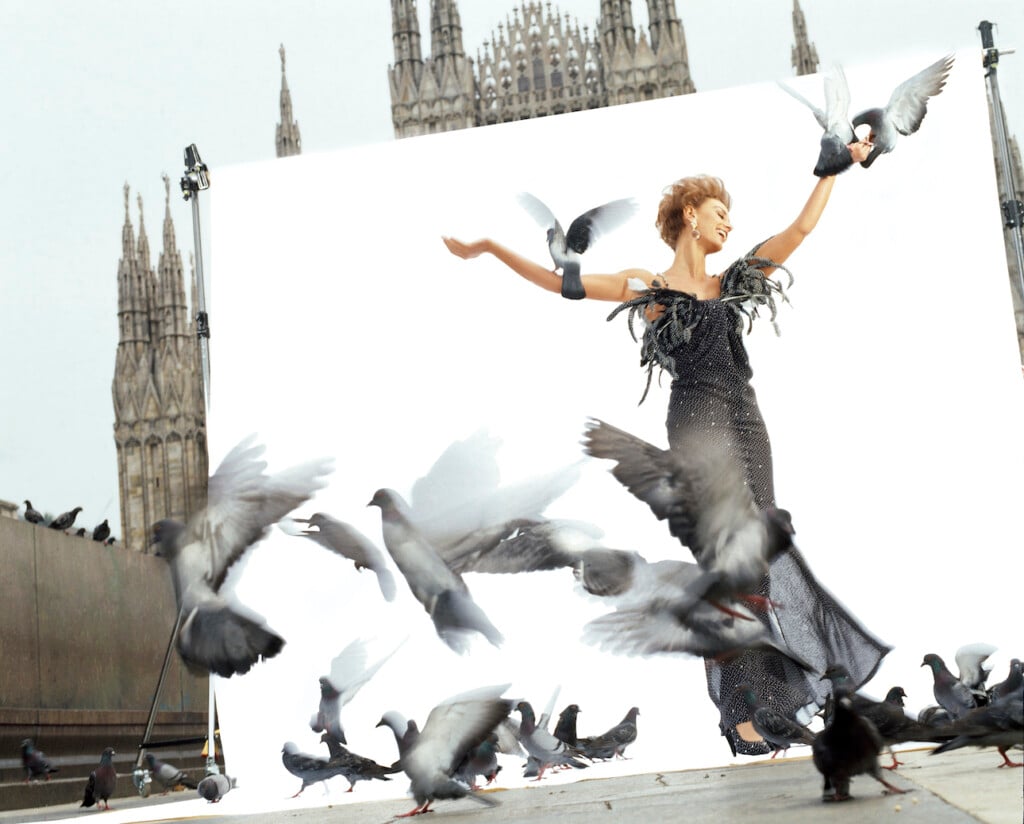
The exhibition reveals images that carry the echo of Cinecittà, references to art history, cinematic quotations, and sets staged in exotic locations. It’s a cultured and ironic game, provocative and refined, which has made Barbieri one of the clearest interpreters of fashion as a cultural language.

The previously unseen works come from the archives of the Gian Paolo Barbieri Foundation and the 29 ARTS IN PROGRESS gallery. “Some negatives had never been printed; others remained as visual notes, almost secrets,” the curators recount. “The main challenge was to respect their authenticity: to give new life to these materials without betraying their essence.” Meticulous work on the prints and their display has allowed the original freshness to emerge, in dialogue with the most iconic images, without losing that rare aura of discovery.

Winner of the Lucie Award in 2018 as Best International Fashion Photographer, Barbieri remains a precious figure, able to fascinate and surprise with images that go beyond pure aesthetics. The women in his work free themselves from canonical poses and become protagonists of a new, effortless and sensual elegance.
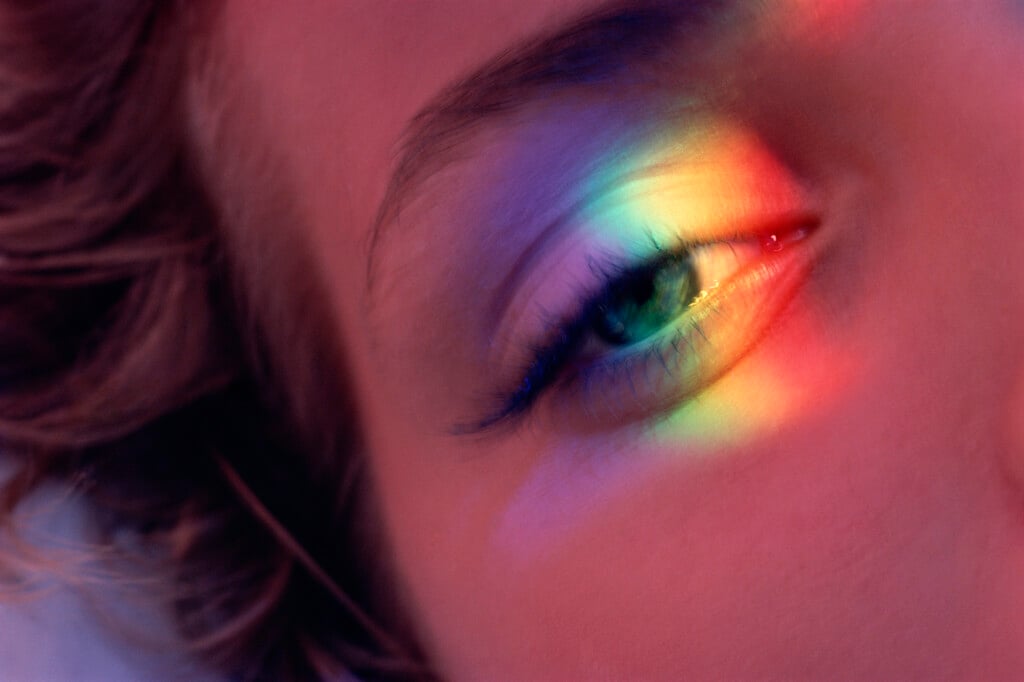
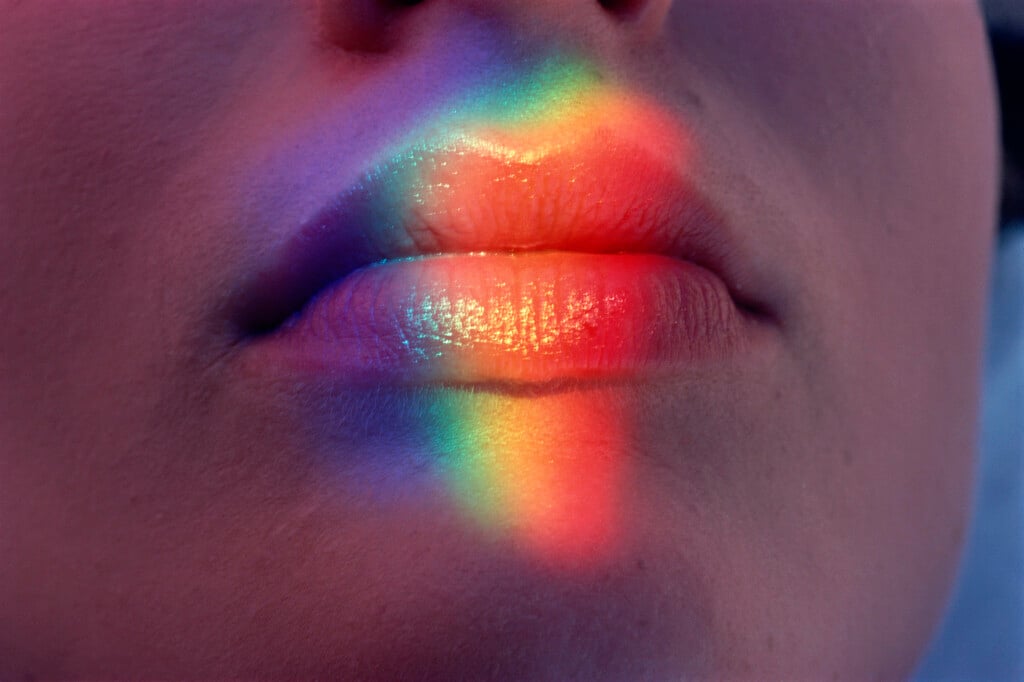
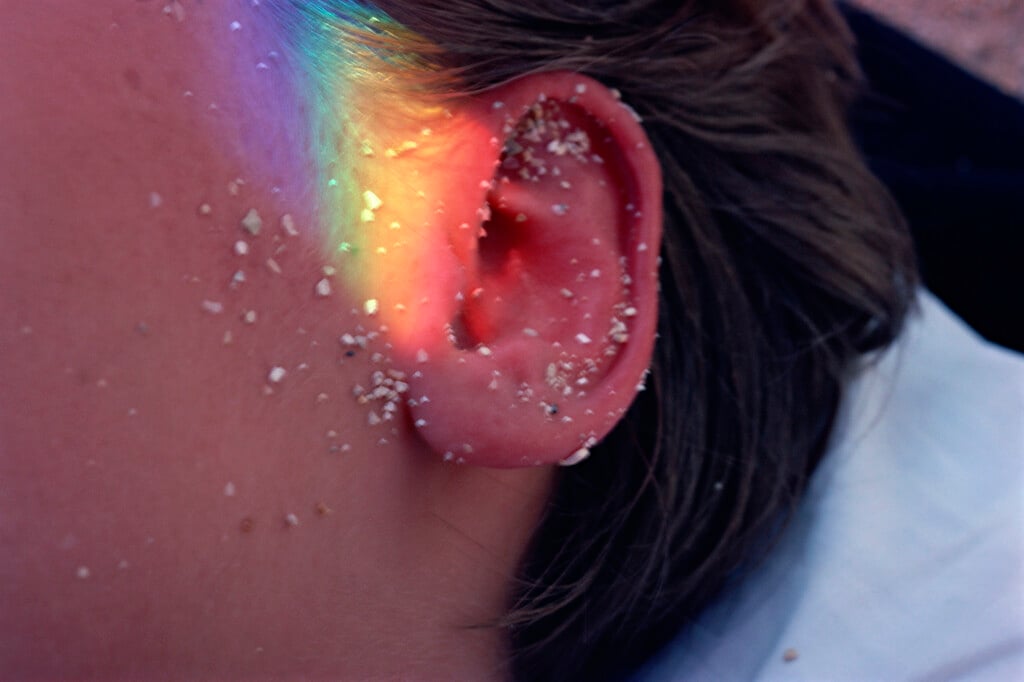
In his photographs one recognizes the idea that fashion without art is naked and empty. And it is precisely for this reason that his work continues to touch both heart and mind, reminding us that the function of art is also to make us look at the world with different eyes, turning every instant into something eternal.

Copyright Gian Paolo Barbieri – Courtesy of 29 Arts in Progress Gallery