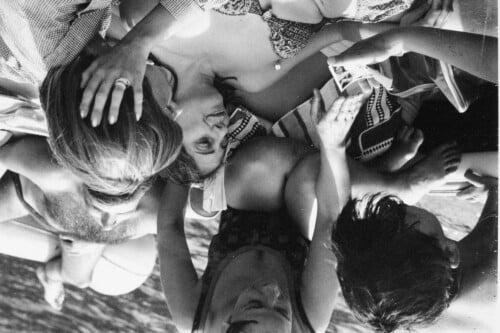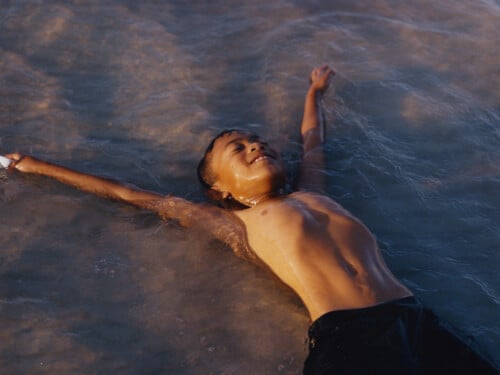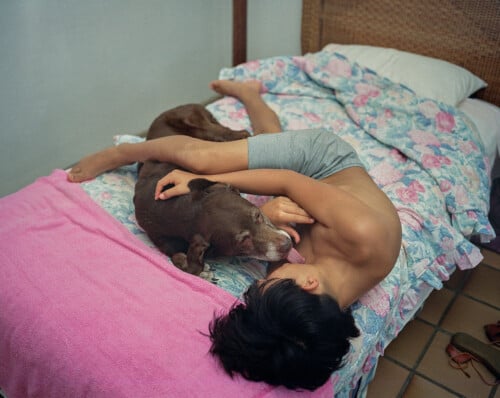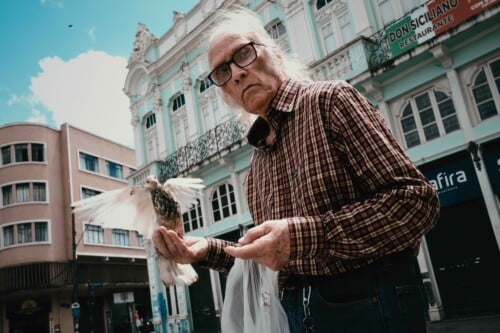
It is not just a story about Sicilian cooking, nor the portrait of a couple who left London to come home. In the project Via delle Palme, Simone Falcomer observes something complex to photograph: the construction of a time made of waiting, gestures, people and matter, where food becomes the most concrete way to talk about belonging.
Via delle Palme begins at the edges of the table, in the walls, in the objects, in the vegetable garden, in the cars, among the fishermen, in the house and in the bodies. The photography seems to proceed through successive approaches, as if before photographing what is served at the table it were necessary to understand the world that makes that food possible.
The photographer arrives in Santa Maria del Focallo to tell the story of Giuliana Puccio and Salvuccio “Buccio” Cappello, the duo behind Via delle Palme. After years spent in London, the two returned to Sicily and turned their relationship with cooking, memory and the land into a professional project. The name comes precisely from the street tied to Buccio’s family home. Their work moves between private dining, research into traditional recipes and a form of hospitality built around relationship.
It is a story that, told superficially, could easily become one of the many contemporary narratives about “returning to one’s roots.” But Falcomer’s photographs seem to slip away from exactly this formula.
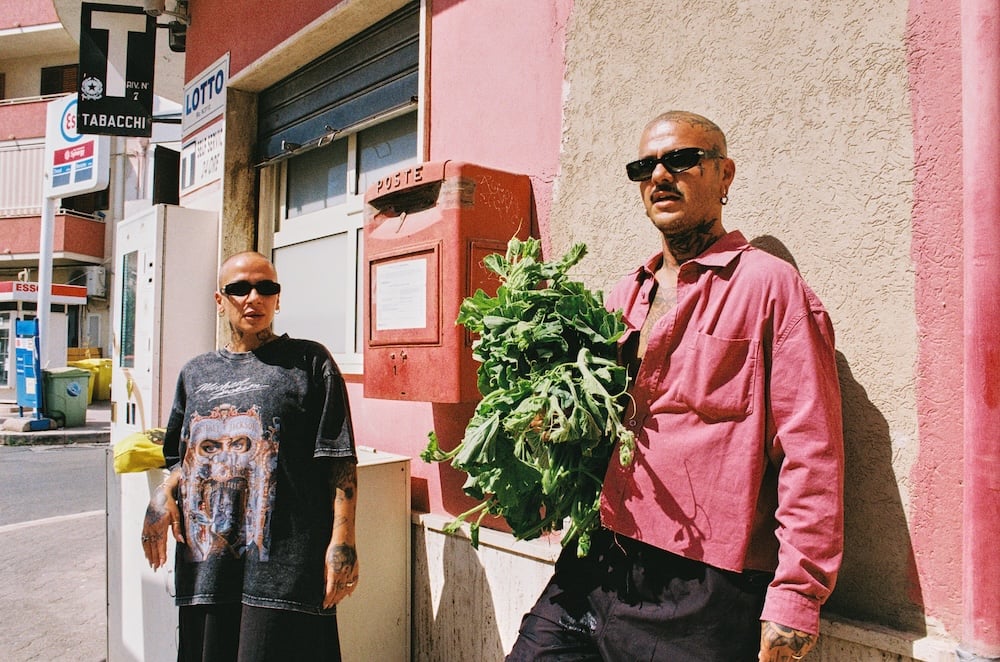
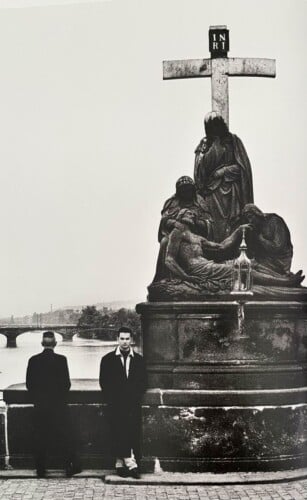
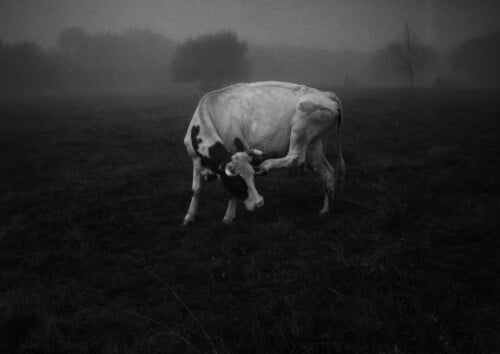
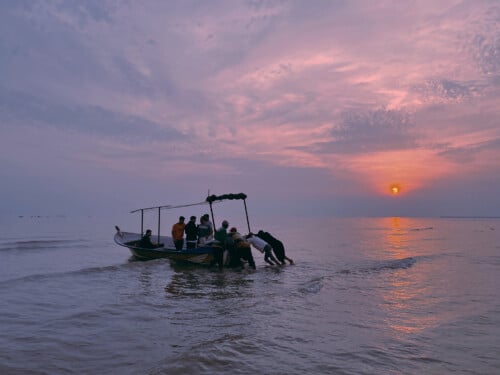
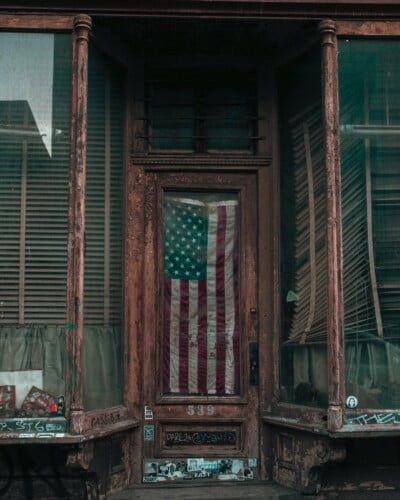
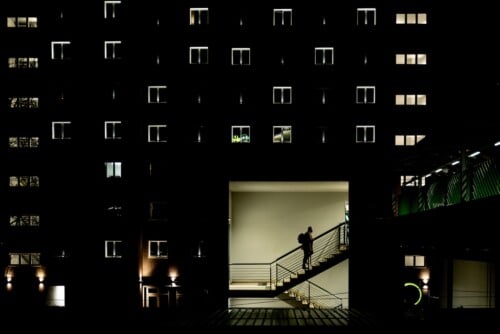
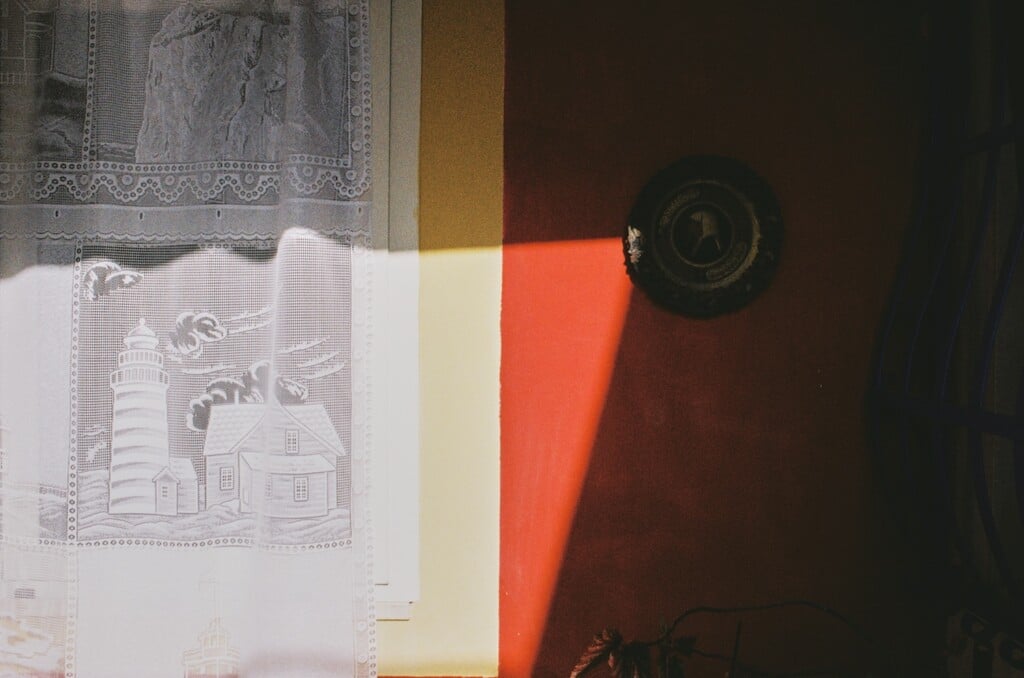
The photographer is not looking for postcard Sicily; on the contrary, he places a vegetable picked from the earth, an old domestic interior, a boat, a petrol pump, an empty street, a set table all on the same level. The Sicily that emerges is concrete and contemporary: tattoos, plastic, cars, work tools, casual clothes, preserves, wine, sea and concrete are all present. Simone Falcomer starts from a seemingly simple idea: so-called slow living risks becoming just another image to consume, an aesthetic of slowness packaged for social media. This is why he chooses not to photograph “slow life” as an ideal, but to observe people who have concretely changed their relationship with time. Here the concept takes on a photographic dimension.
Falcomer says he started out photographing a great deal and gradually slowed down, seeking a relationship before the image. The camera is no longer there just to show what Giuliana and Buccio are like, but to convey what it feels like to be with them.
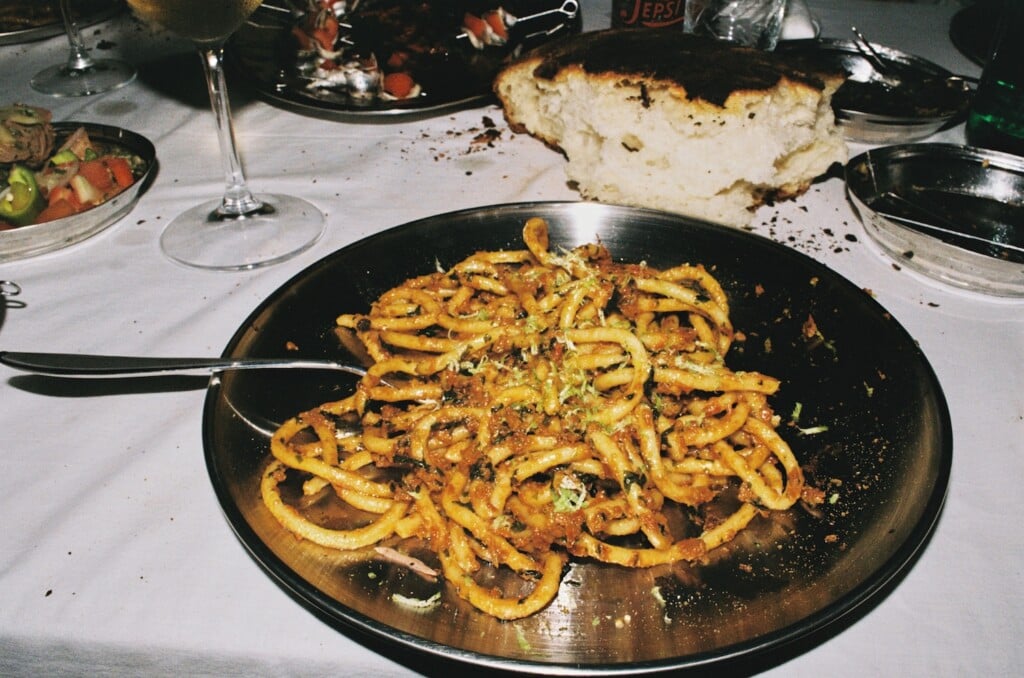
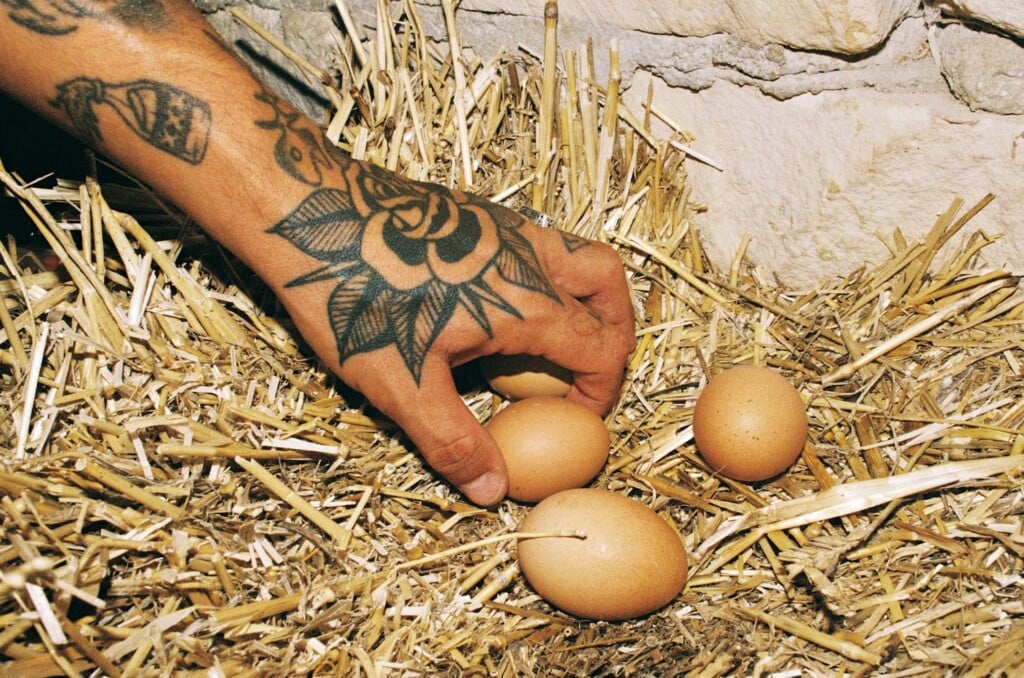
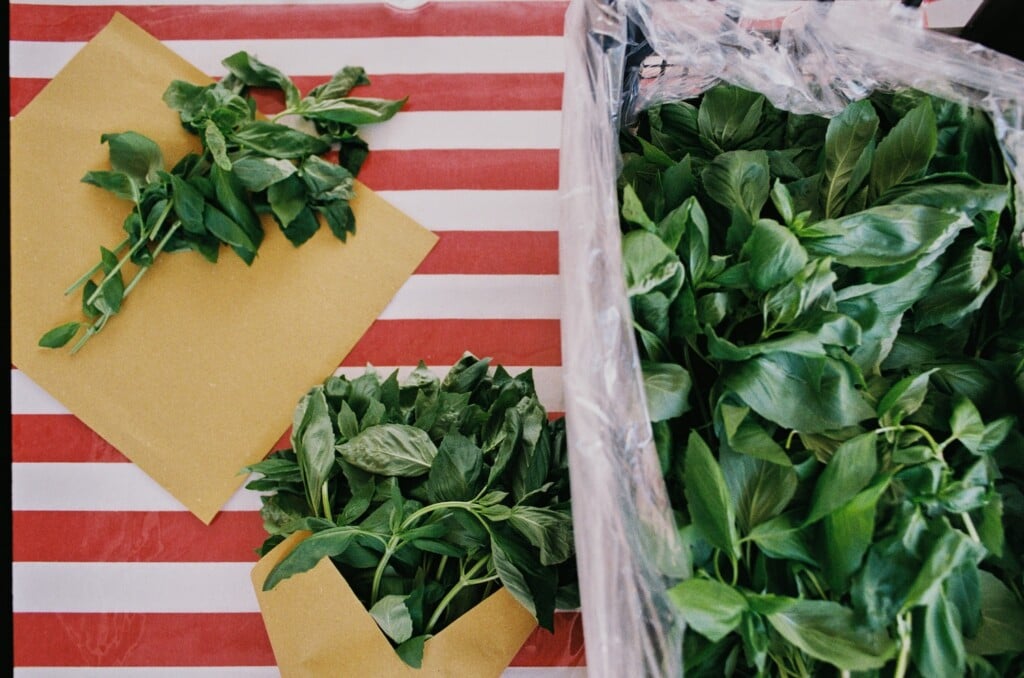
One of the series’ most successful choices is in fact not turning the protagonists into the story’s only characters. We can observe work in the vegetable garden, eggs being collected, the preparation of ingredients, and many other processes; the narrative thus continually expands from the two protagonists to the people and objects surrounding them.
For Simone Falcomer, telling the story of Via delle Palme means photographing a network of relationships, and food, in this sense, is not the final subject but the point of connection. It links whoever grows to whoever cooks, whoever fishes to whoever eats, whoever produces the wine to whoever pours it, a mother to the recipe she has passed down, a territory to the memory of those who inhabit it.
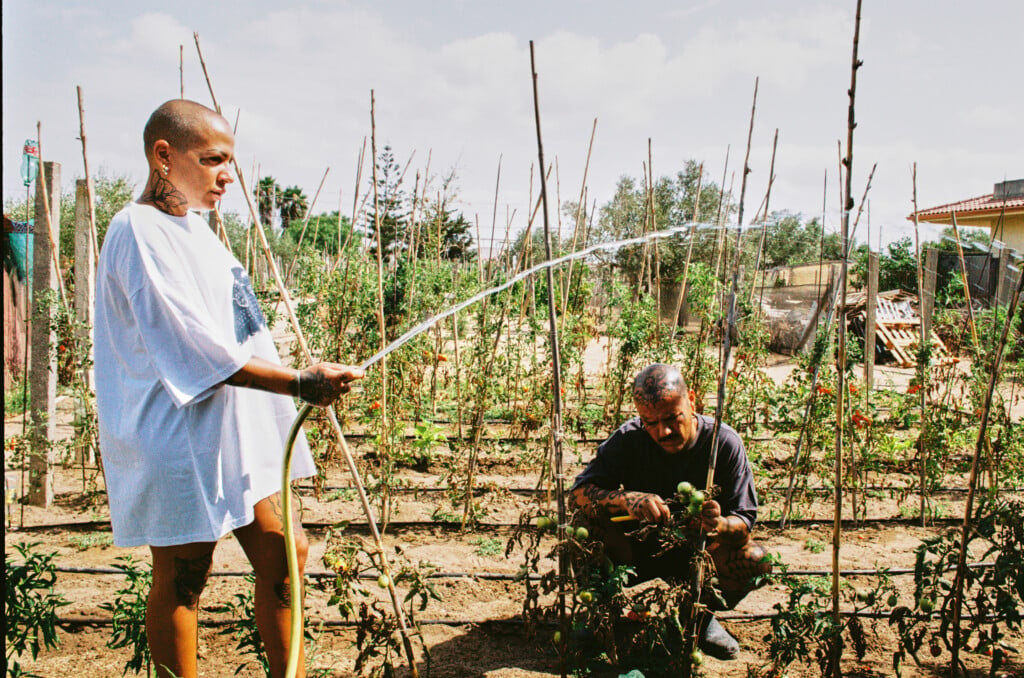
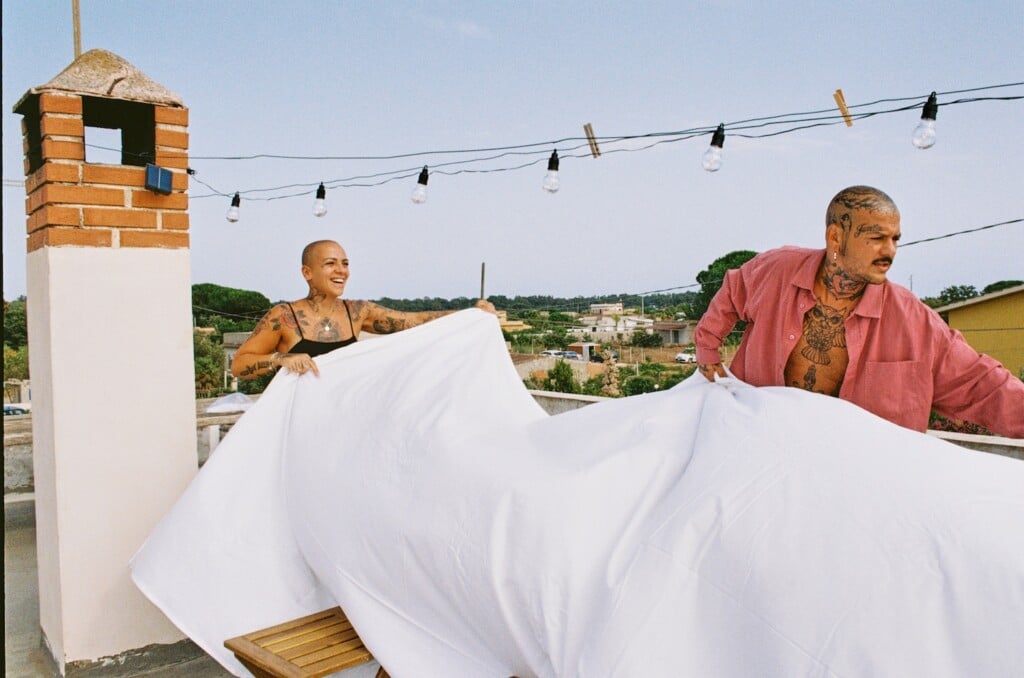
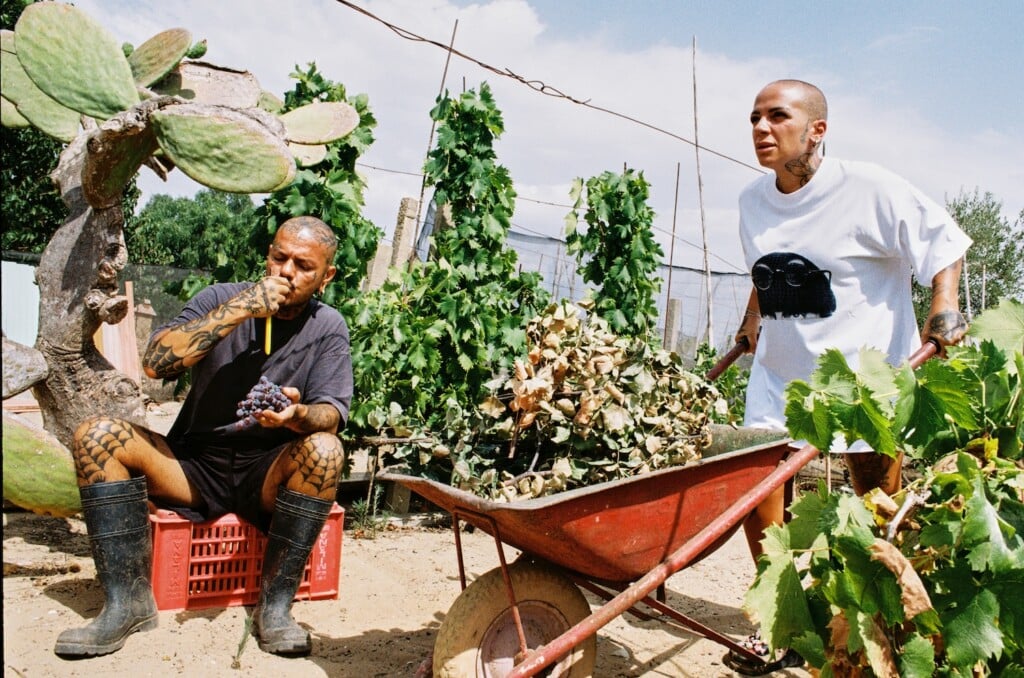
Buccio and Giuliana are not presented through the traditional codes of food photography. They are not simply “the chef” and “the sommelier”; their bodies occupy an important part of the narrative. In one of the series’ most immediate images, the two are in the vegetable garden: Buccio’s tattooed body, Giuliana’s light-colored shirt, the wheelbarrow, the plants and the earth build a scene that does not seem to want to prove anything. There is no professional pose of the chef at work. There is instead the feeling of an ordinary day, of a routine. The contrast between their contemporary appearance and the rural setting keeps the story from falling into nostalgia. The return, then, is not a reset. It is a transformation.
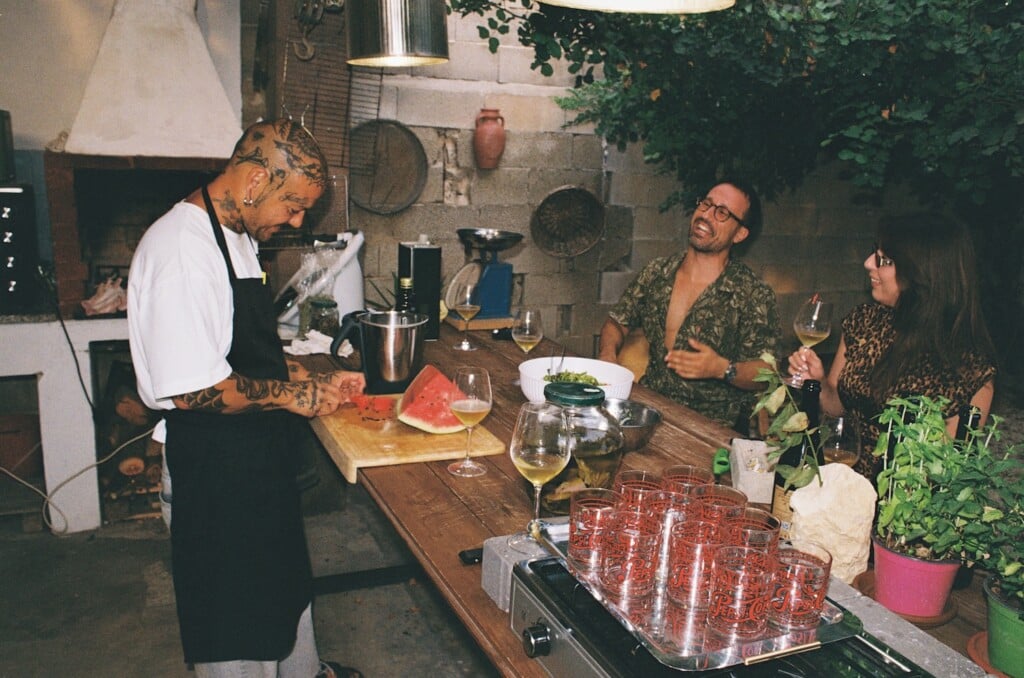
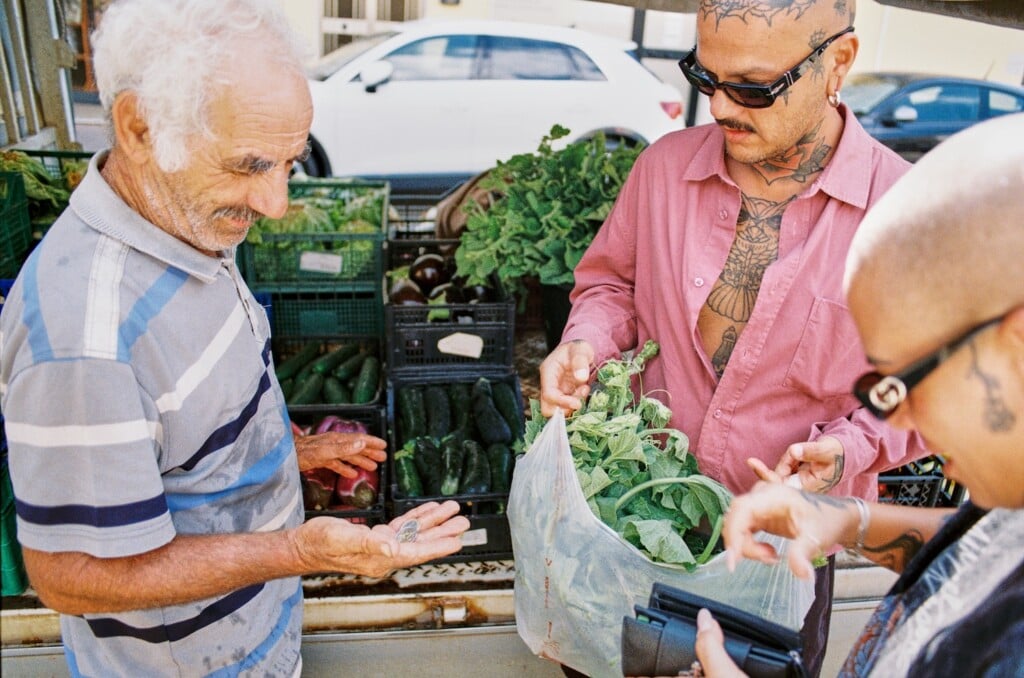
In Falcomer’s work, compositional care remains a central focus of all his photography, as does his attention to bodies, color and the scenic presence of objects. But instead of constructing an image, Simone Falcomer seems progressively to defuse it.
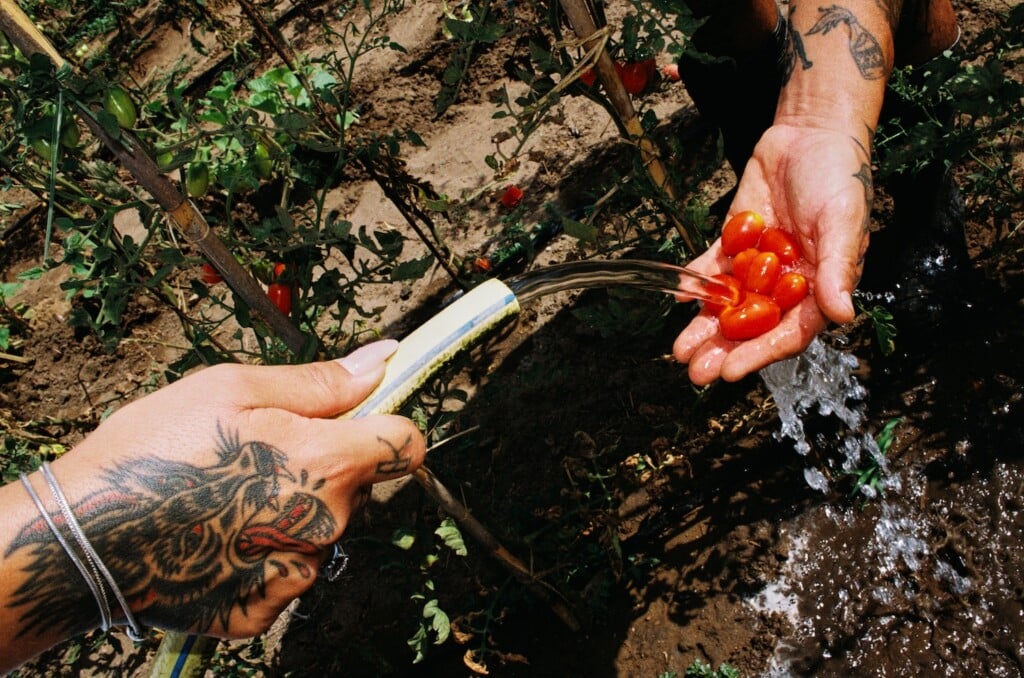
A hand picking something from the earth can precede a portrait. An empty street can sit next to a dish. A petrol pump can become part of the same story as the table. The series works because it grants narrative value even to what would normally remain out of frame.
And perhaps this is precisely the point: slowness is not shown through the absence of movement, but through a different attention to the movement of things.
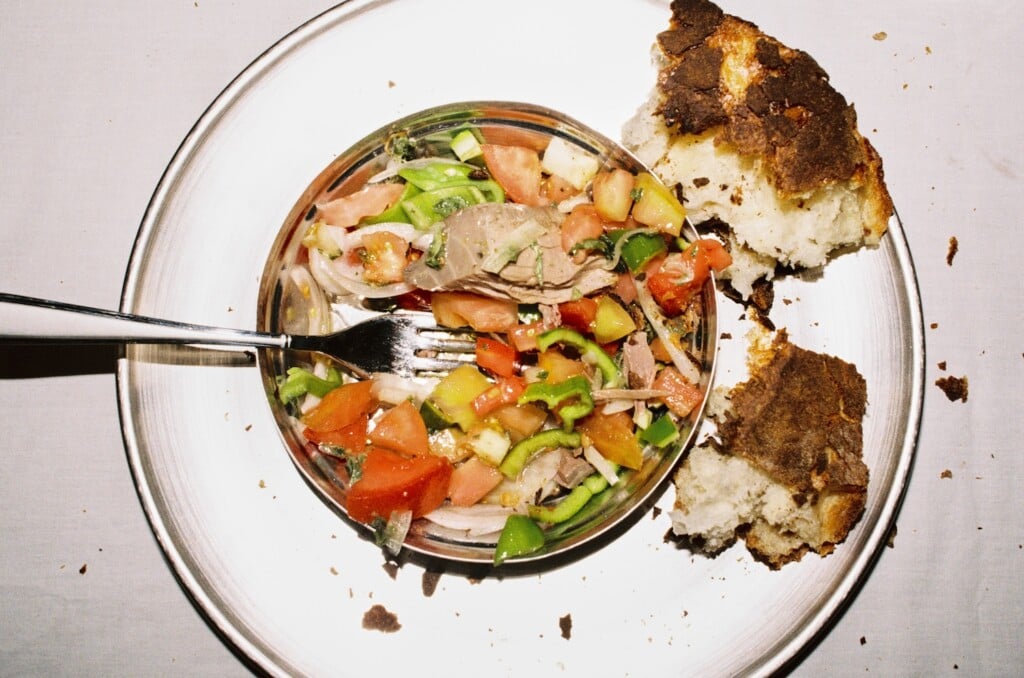
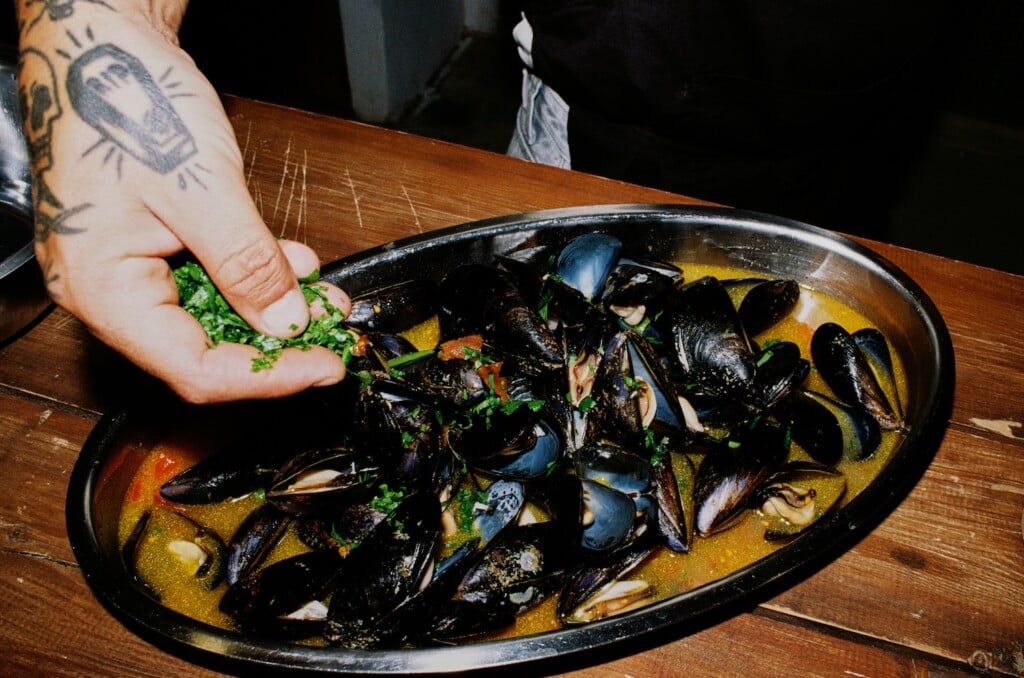
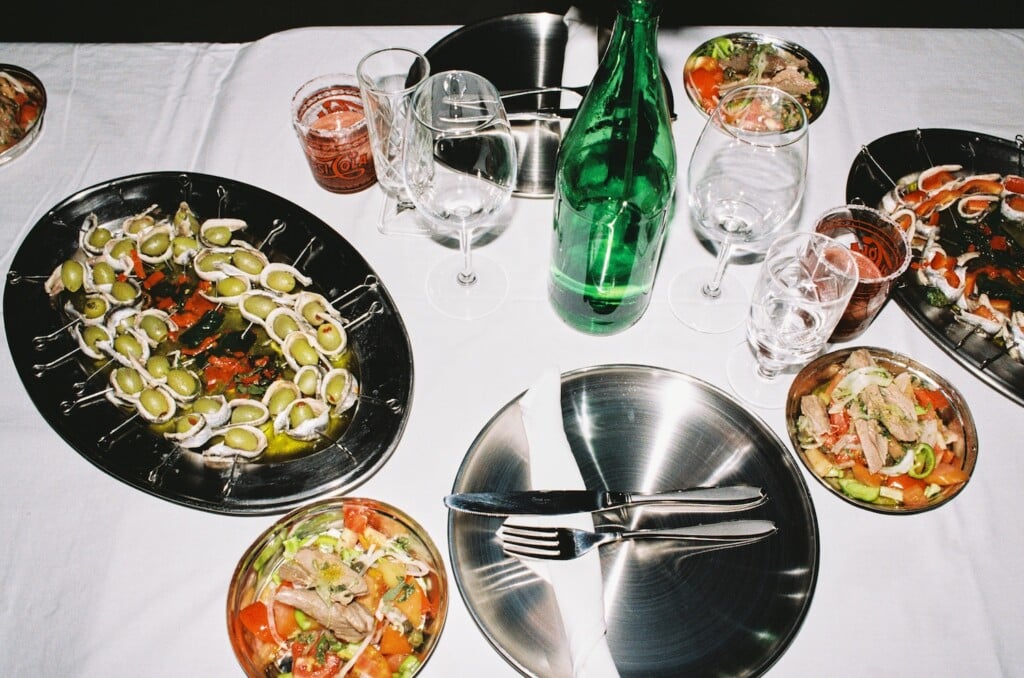
When the meal finally arrives, everything that came before returns into the image. The table is no longer just the place where food is eaten; it becomes the point where all the previous relationships meet. Perhaps the title Via delle Palme can then be read in a different way. It does not just indicate an address. It is a geographic point that becomes a point of view. From London to Sicily. From the city to the countryside. From profession to research. From the restaurant to the home. From speed to duration.
In this project, photography stops trying to be “beautiful.” A tomato picked and eaten under a tree can carry the same weight as an elaborate dinner. Falcomer describes exactly this experience: the usual hierarchy between important moments and secondary moments seems to dissolve.