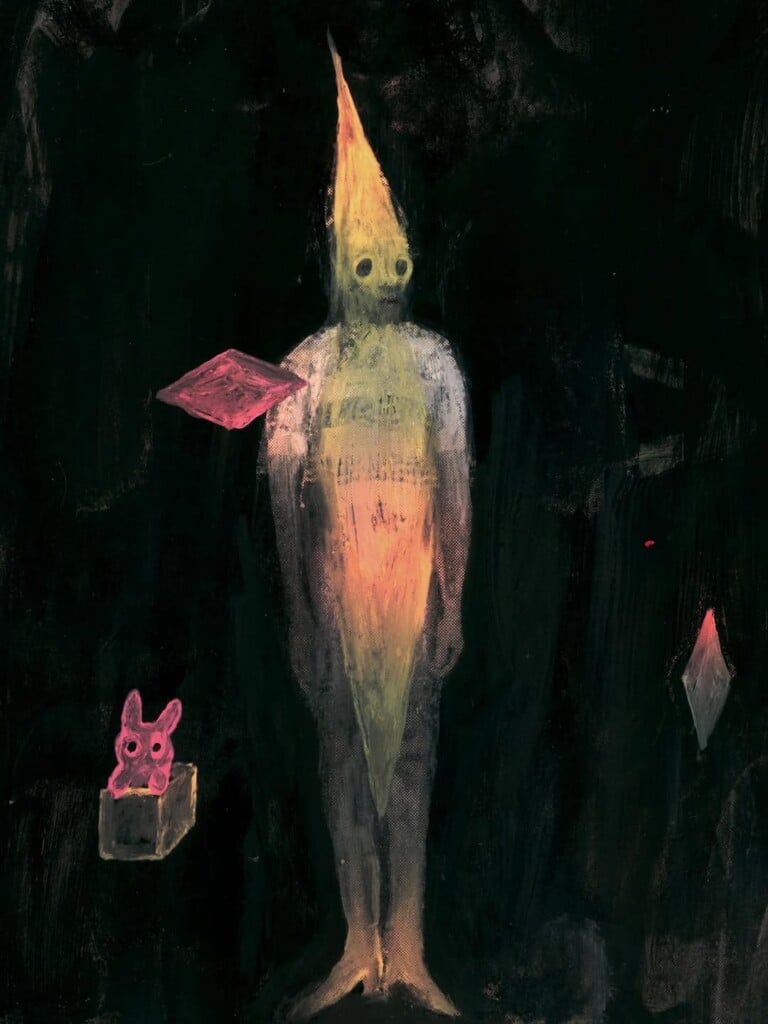
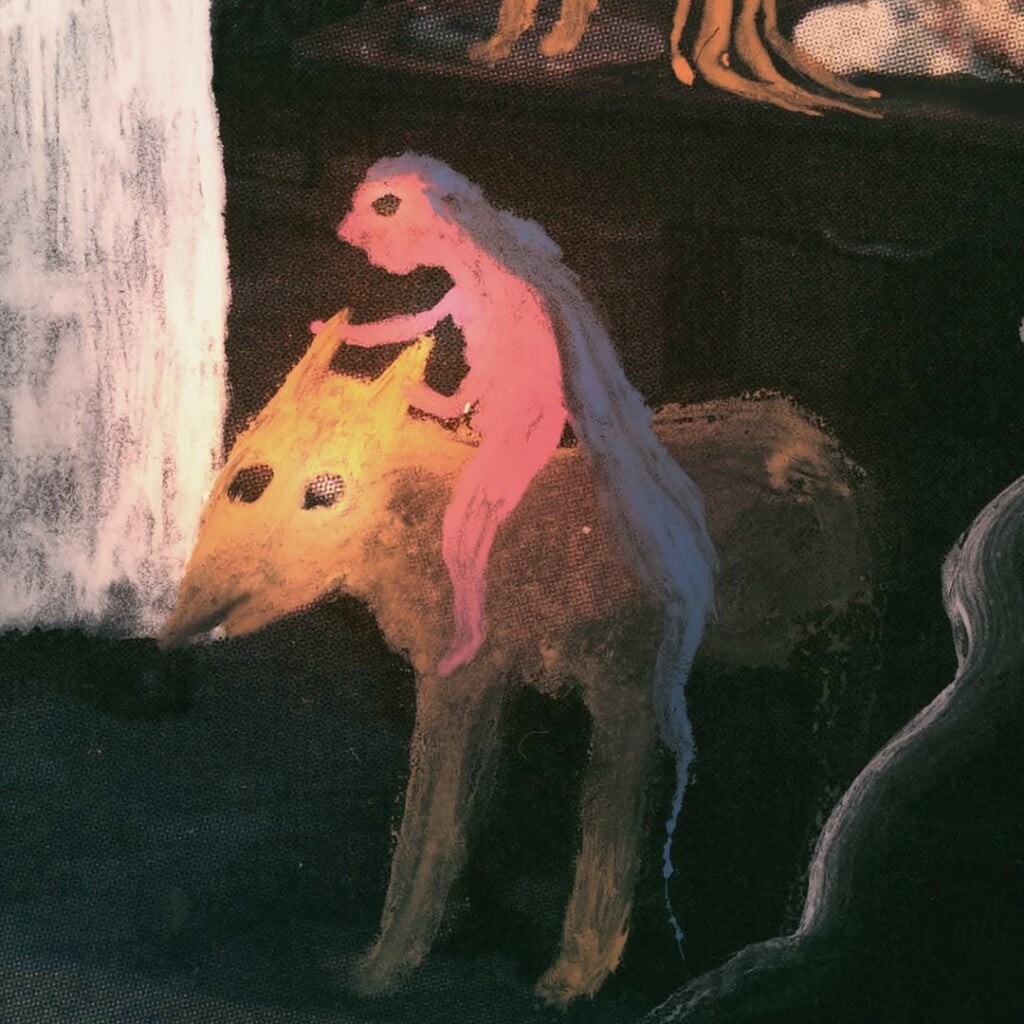
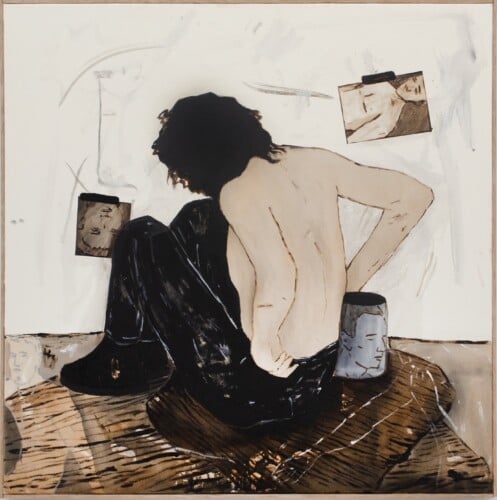
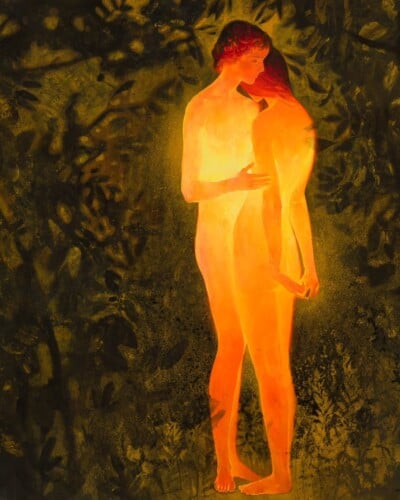
In the work of Julia Soboleva, fragments of memory, identity, and dream coexist. The Latvian-British artist builds worlds suspended between painting, collage, and archival photography, where each image seems to emerge from a ritual of evocation rather than a mere artistic gesture. Her imagery is dense, layered, and imbued with symbols and gothic atmospheres that speak of belonging, loss, and rebirth.
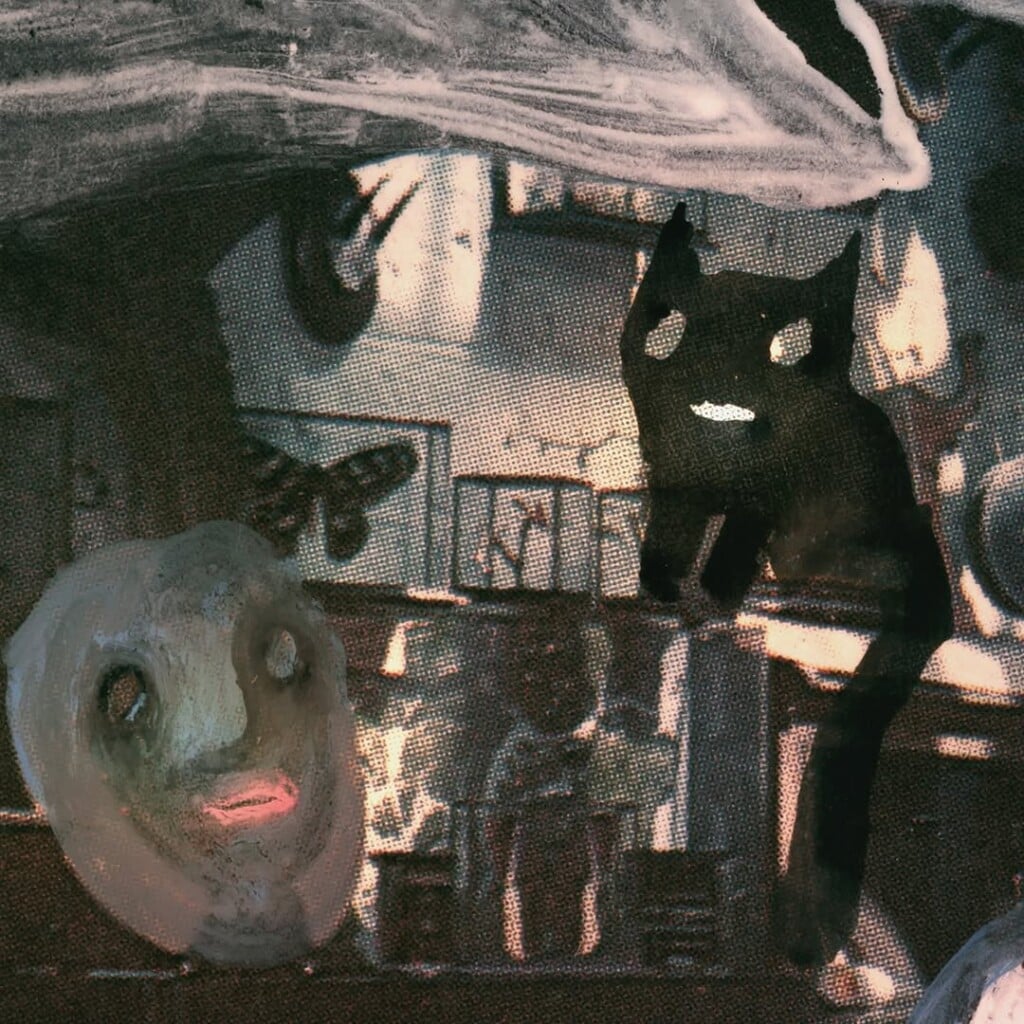
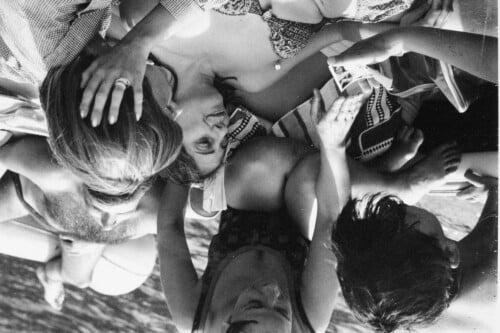
Raised in Latvia during the 1990s and later moving to the United Kingdom to study, Soboleva experienced firsthand the sense of dislocation typical of those who navigate between languages and cultures. This feeling of displacement becomes the key to her work: in her painterly collages, we recognize faces that can’t find a place, fragmented figures, and archival images that seem to come from an uncertain past — both collective and personal. Each piece becomes a small ritual, an attempt to give visual form to what remains when memory fades.
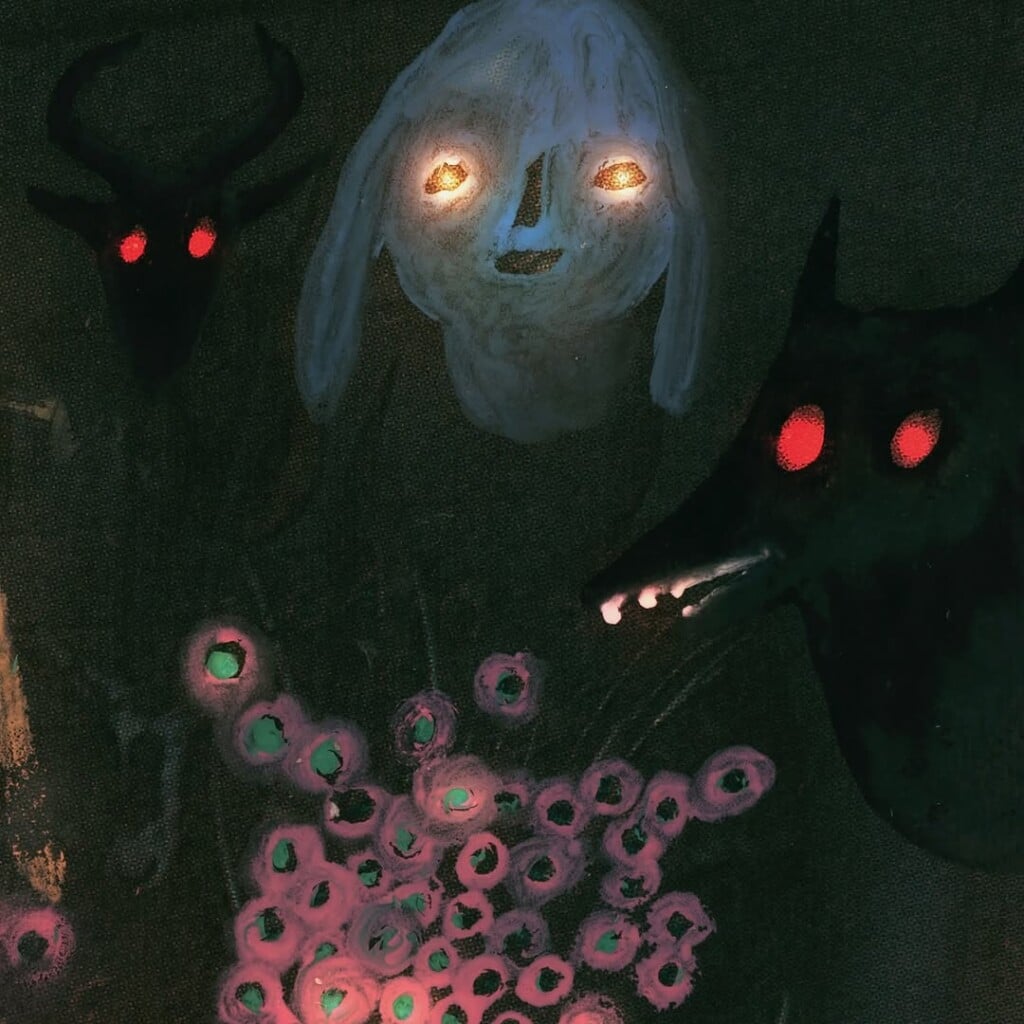
Her process is instinctive and almost archaeological: Soboleva starts from found materials — old photographs, anonymous clippings, forgotten papers — which she transforms into narrative surfaces, blending painting with hand-made interventions. Like a slow discovery, layer after layer, she brings to light an inner reality made of memories and presences, of bodies suspended between the visible and the unconscious.
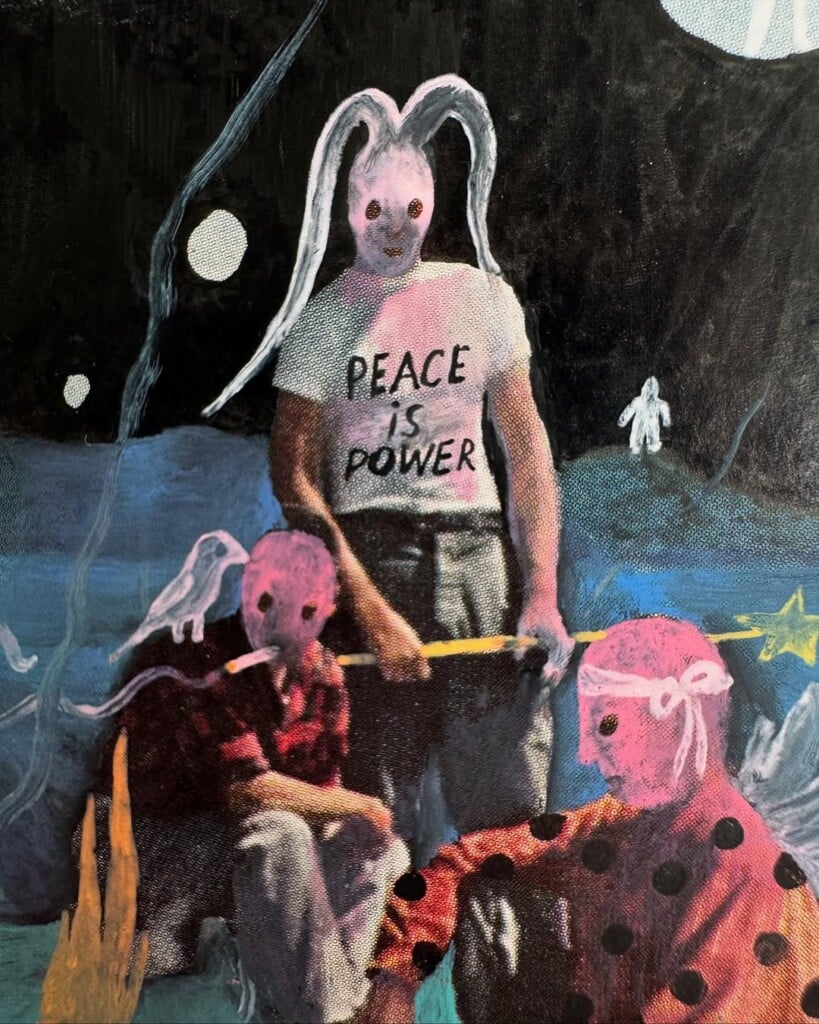
In her works, the spiritual dimension intertwines with the psychological one. Soboleva’s figures seem inhabited by subtle tensions, as if every face were the reflection of another, every gesture an attempt to cross an invisible boundary. The result is an intimate and haunting universe, where fragility becomes language and loss turns into a creative act.
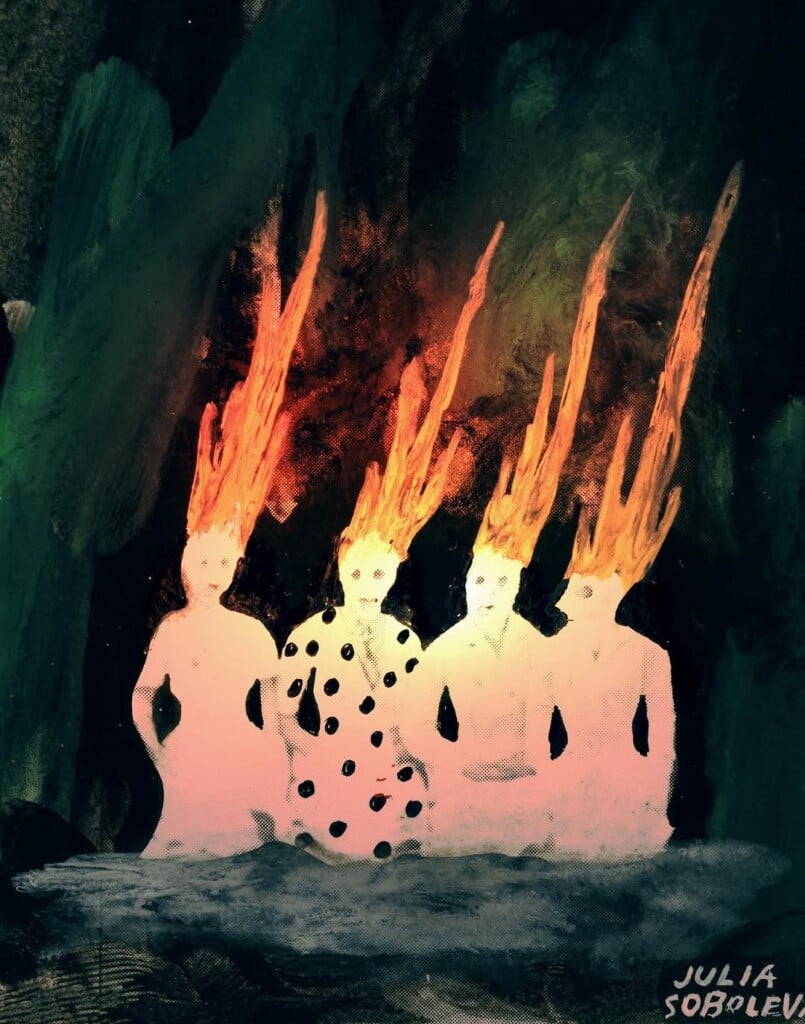
Julia Soboleva’s art appears as a necessary counterpoint: a search that does not fear shadow, that embraces flaw and distance as poetic matter. To look at her works is to accept getting lost — for a moment — in an elsewhere that speaks (also) of us.