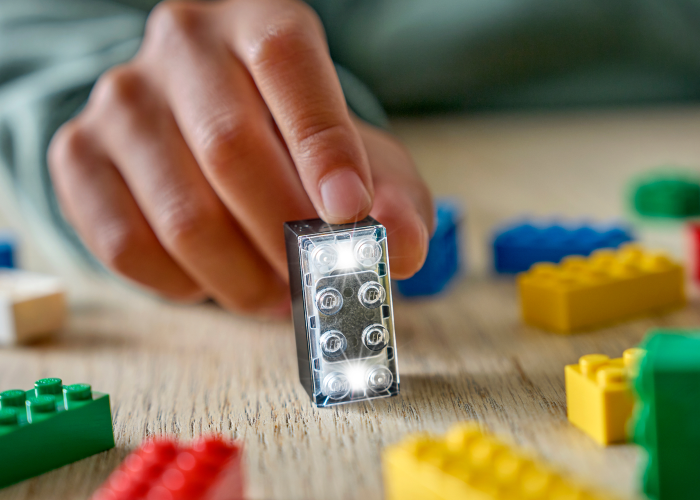
LEGO is ready for a revolution. And to tell the story of SMART Play, the new SMART Brick, the Danish giant also seems to have decided to break the mold. Starting in 2026, the LEGO SMART Play system promises to change the way we interact with bricks, introducing an invisible technology that can react to play in real time—without screens or apps acting as intermediaries.
Visualizza questo post su Instagram
At the heart of it all is the SMART Brick: a standard-looking brick that hides a custom chip inside, smaller than a LEGO stud. Sensors, micro-speakers, and recognition systems allow bricks, tags, and certain minifigures to communicate with one another, light up, make sounds, and physically respond to children’s actions. This isn’t a digital extension of play—it’s a material evolution of it.
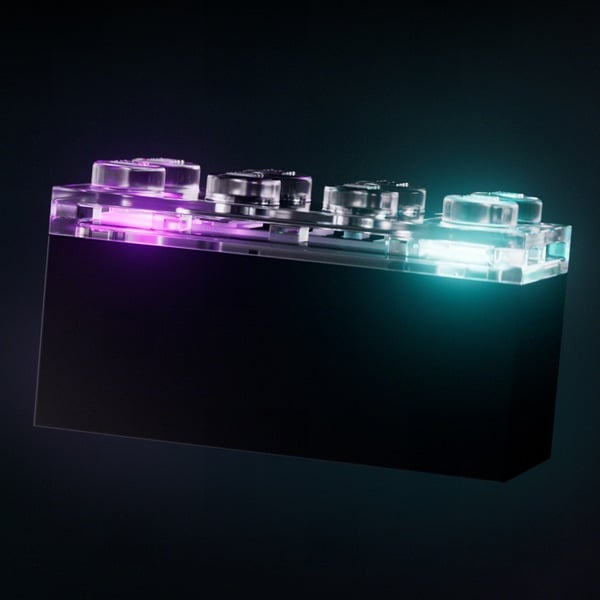
The idea has been a long time coming. About ten years ago, LEGO’s research teams began asking how to add a new dimension to the LEGO experience without distorting its essence. Research launched in 2017 identified three key desires: playing together, seeing a direct impact from one’s actions, and having an experience that can evolve based on play style. SMART Play is the answer to these needs—built around gesture, not the screen.
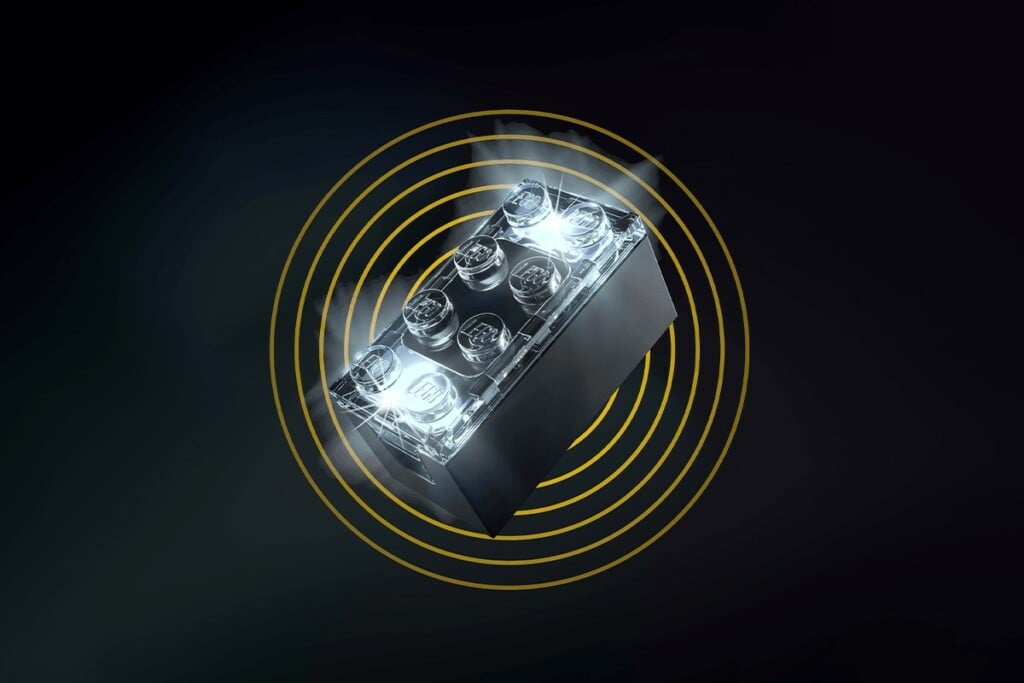
What stands out about this revolution is above all its “invisible” approach to technology. Everything is integrated into familiar physical elements that are compatible with the traditional LEGO system. Builds become responsive not because they’re connected to an external device, but because they can sense what’s happening around them. A paradigm shift that puts touch and imagination back at the center.
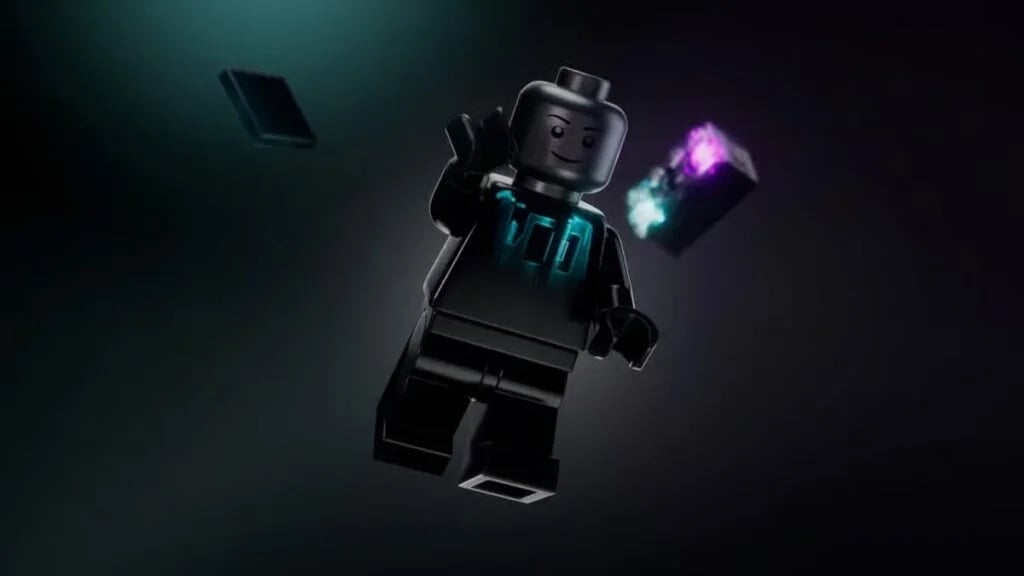
Presented as the most ambitious project since the 1978 minifigure, SMART Play doesn’t compete with digital gaming—it redefines physical play in the post-screen era. A system that doesn’t ask children to learn an interface, but keeps learning from them instead.