In the 1940s the great Mexican muralist Diego Rivera (Guanajuato, 1886 – Mexico City, 1957) conceived a vast participatory museum complex, capable of gathering the testimonies of a Mesoamerican tradition finally free to meet the research of scholars and the art of young Mexican academics.
Over the course of a life devoted to political commitment and artistic creation, Rivera was also a passionate collector of ancient pre-Columbian artifacts. His collection, of over 59,000 pieces of inestimable human and intellectual value, soon made him feel the need for a stable home, one that would answer to the civic mission of a meeting with knowledge open to all of society.
In this land of in-between, crossed in that first half of the twentieth century by the great historical and intellectual figures of the time, Rivera chose to raise the foundations of a monument to the memory of the ancestors, divine and timeless.
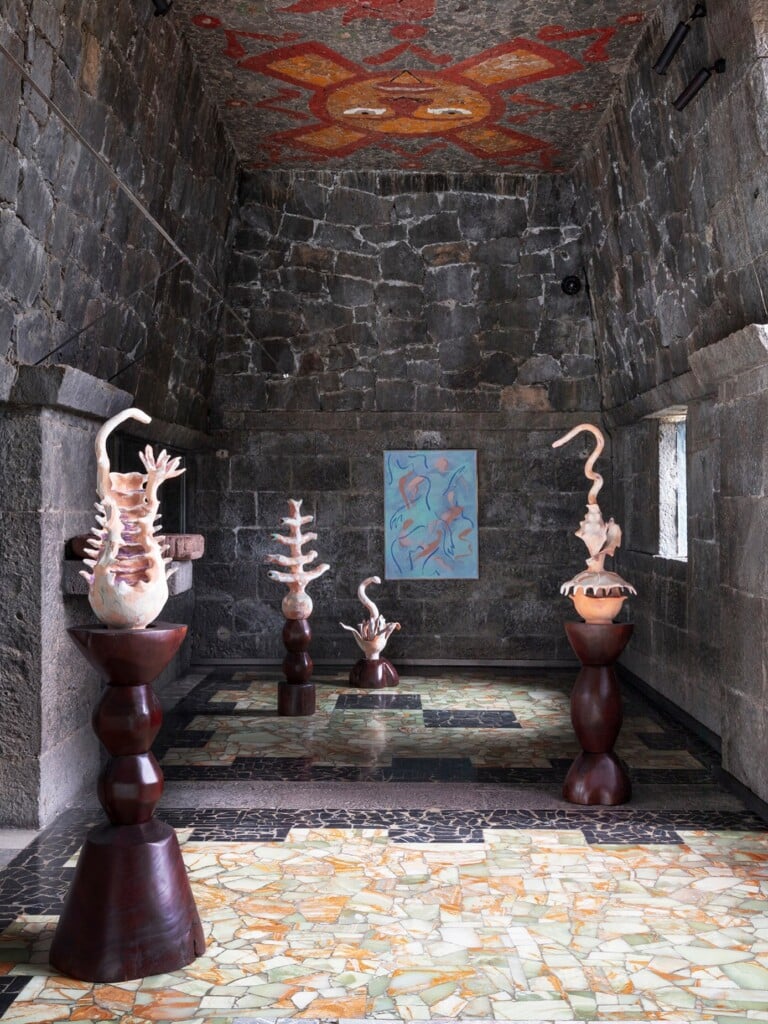
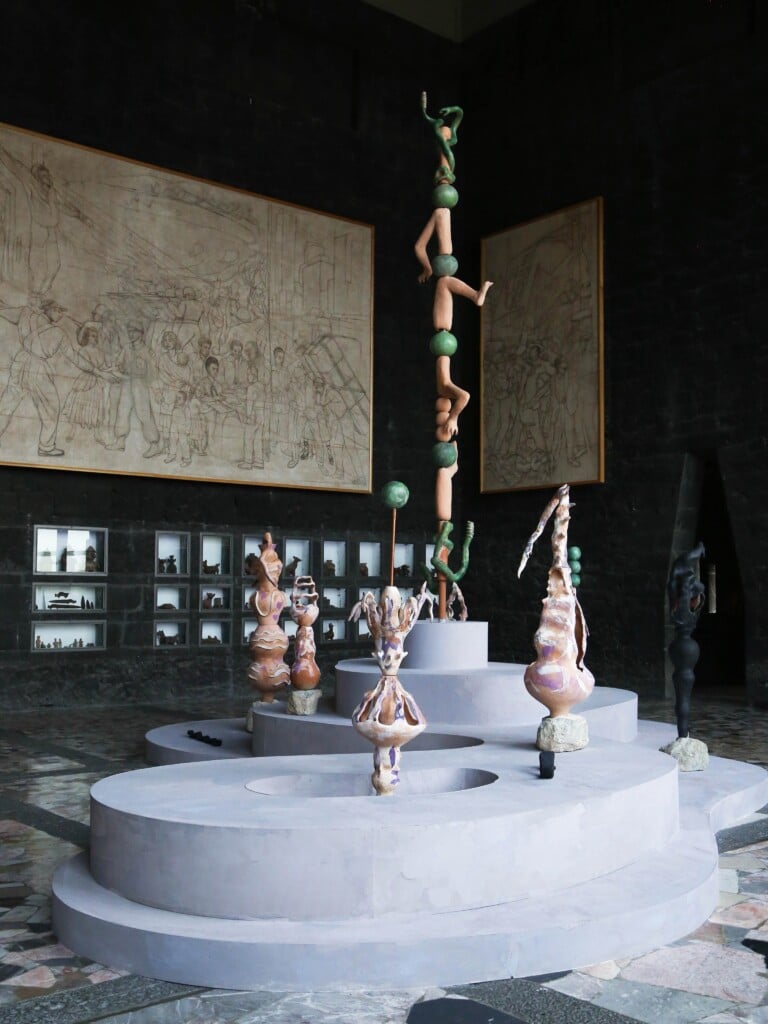
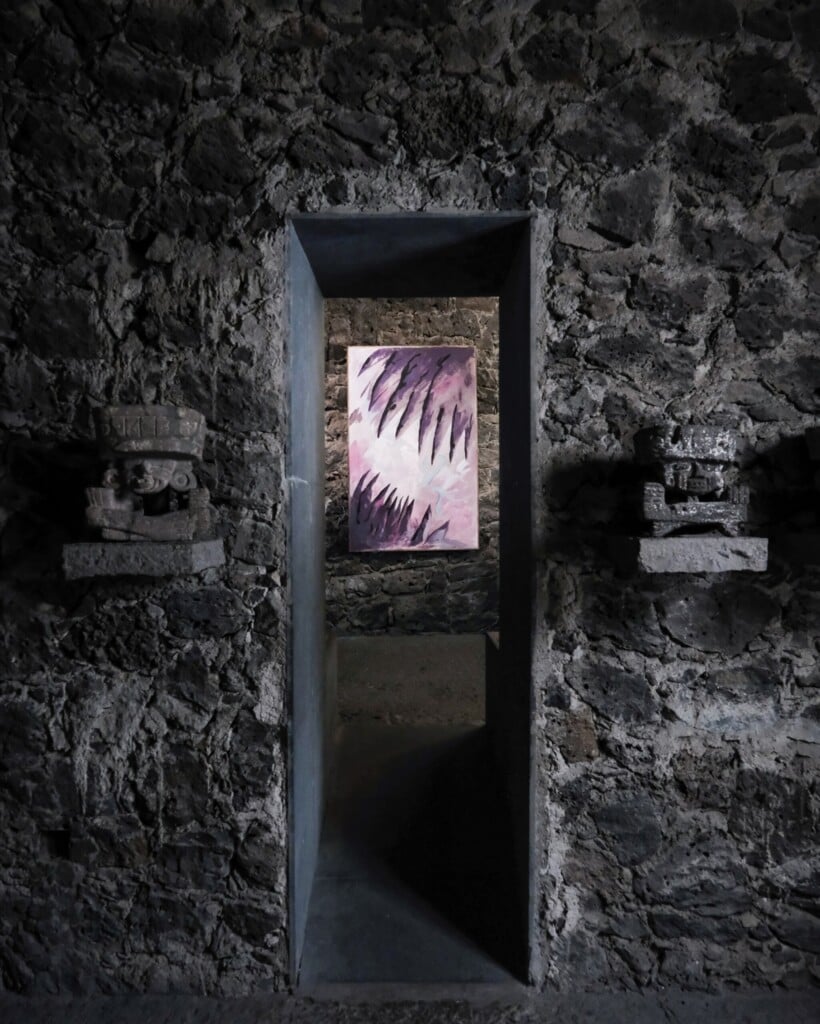
The construction of a true “temple for art” began in the area of Coyoacán, south of Mexico City. The site was chosen for the tangible presence of earth mixed with the lava flow of the Xitle volcano, which still concretely testified to the living relationship between the human horizon and the animistic universe of the earth. The model that inspired Rivera and his collaborators was clearly the pyramid of Aztec origin. The aesthetic of the sacred teocalli underpinned an almost divine conception of the building that would preserve living memories. The name Museo Diego Rivera Anahuacalli forever sealed this call to a participatory and deeply decolonial sensibility.
Death overtook Rivera while the project was still underway, so from 1947 until its inauguration in 1963 it was the architects Juan O’Gorman and Heriberto Pagelson, together with Ruth Rivera Marín, the artist’s daughter, who brought it to completion. Today the museum complex includes a gallery, a library, offices and workshops designed for public participation.
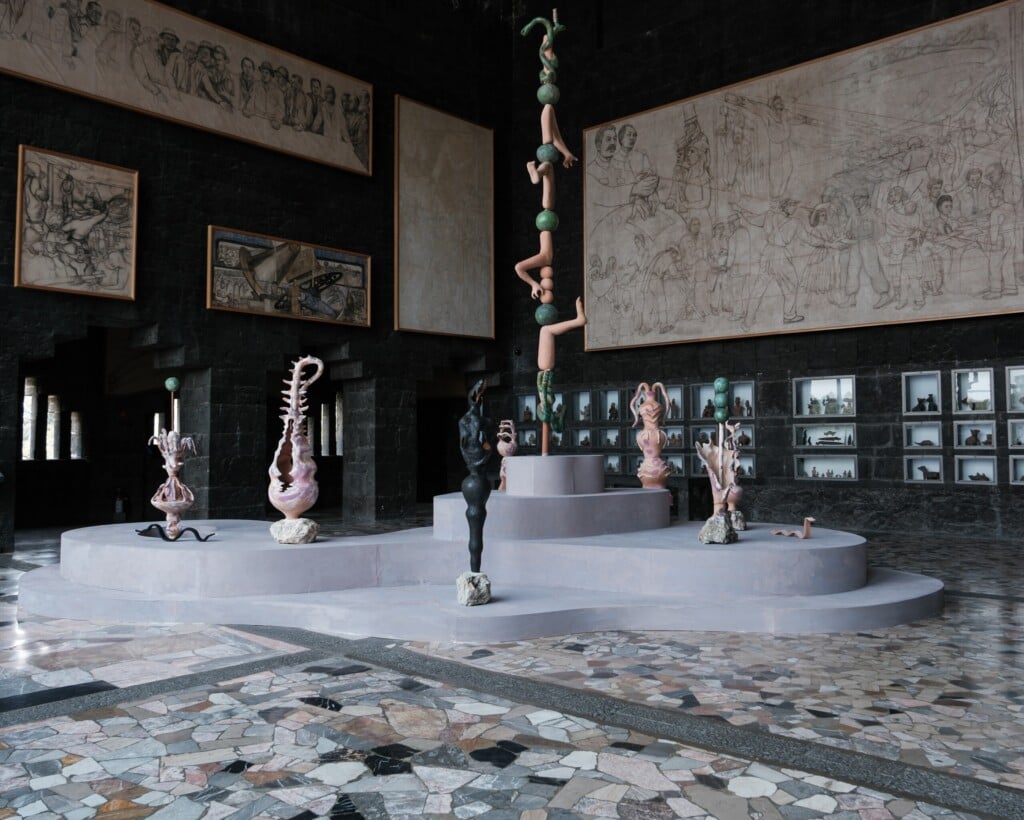
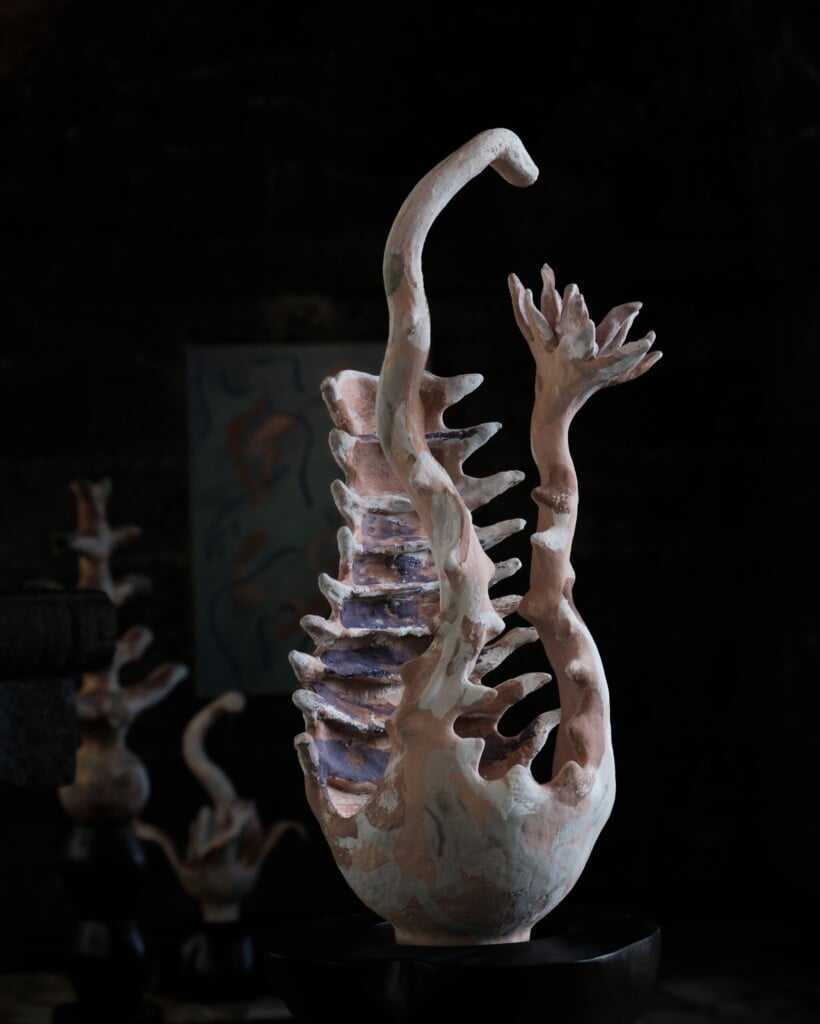
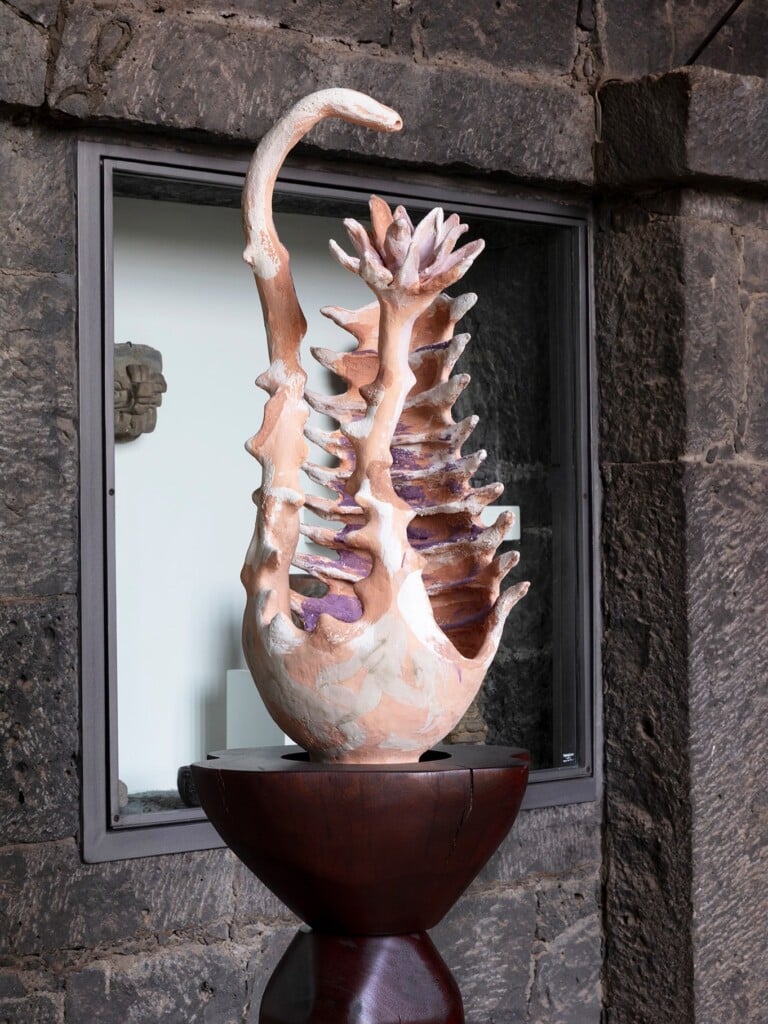
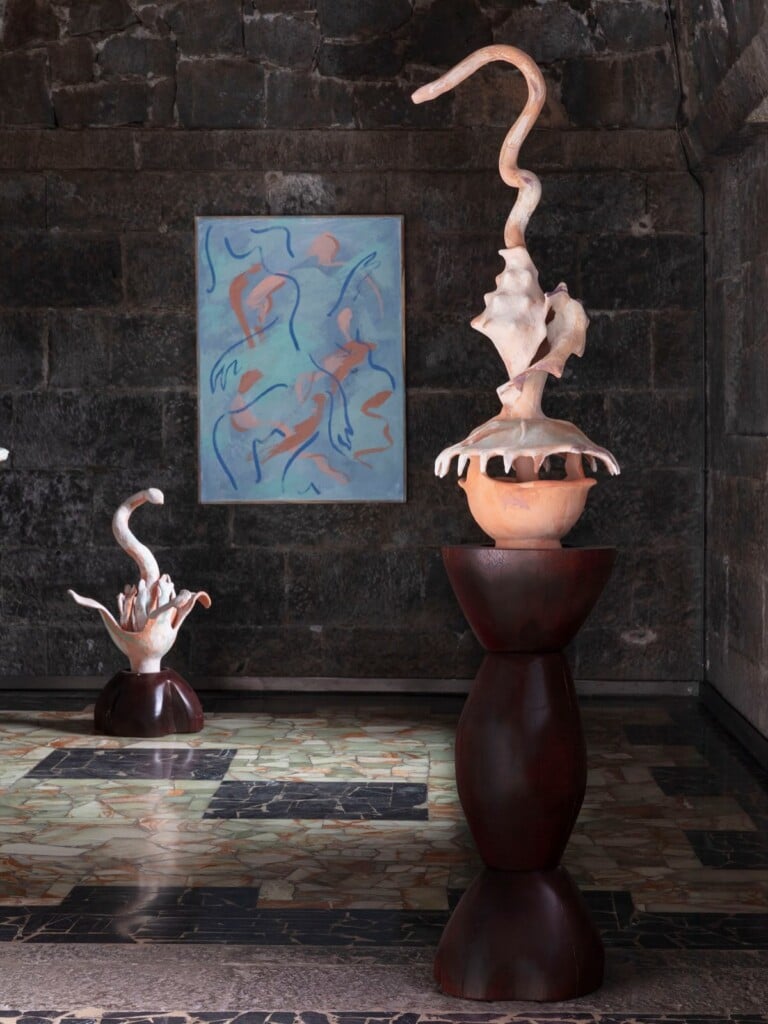
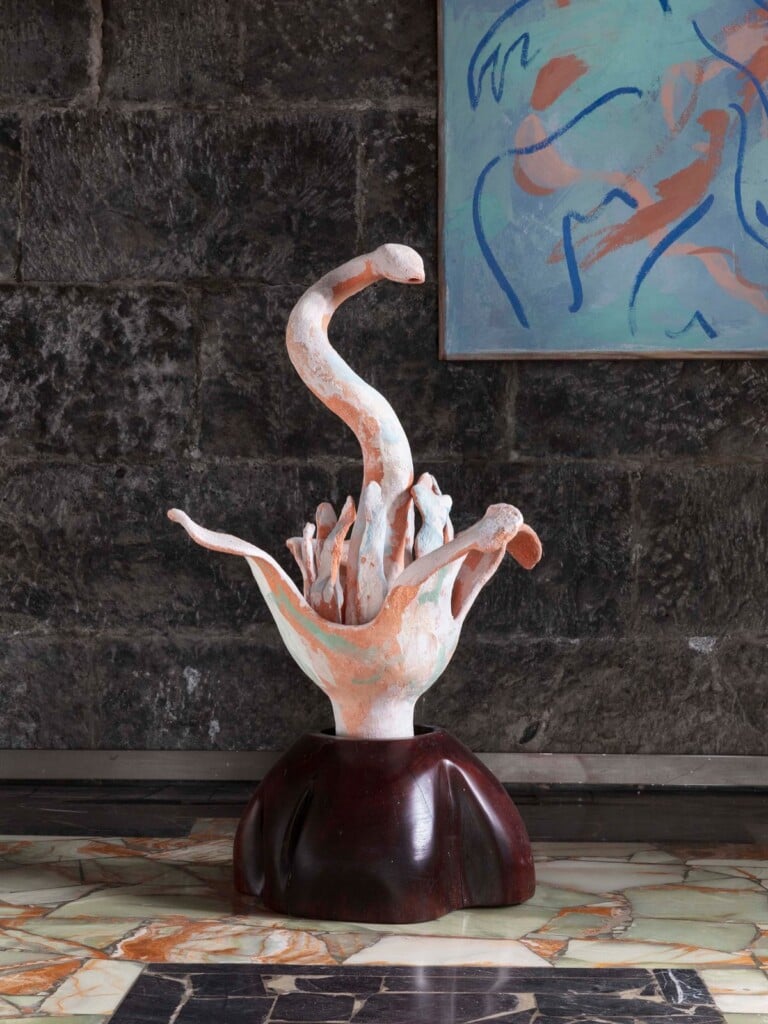
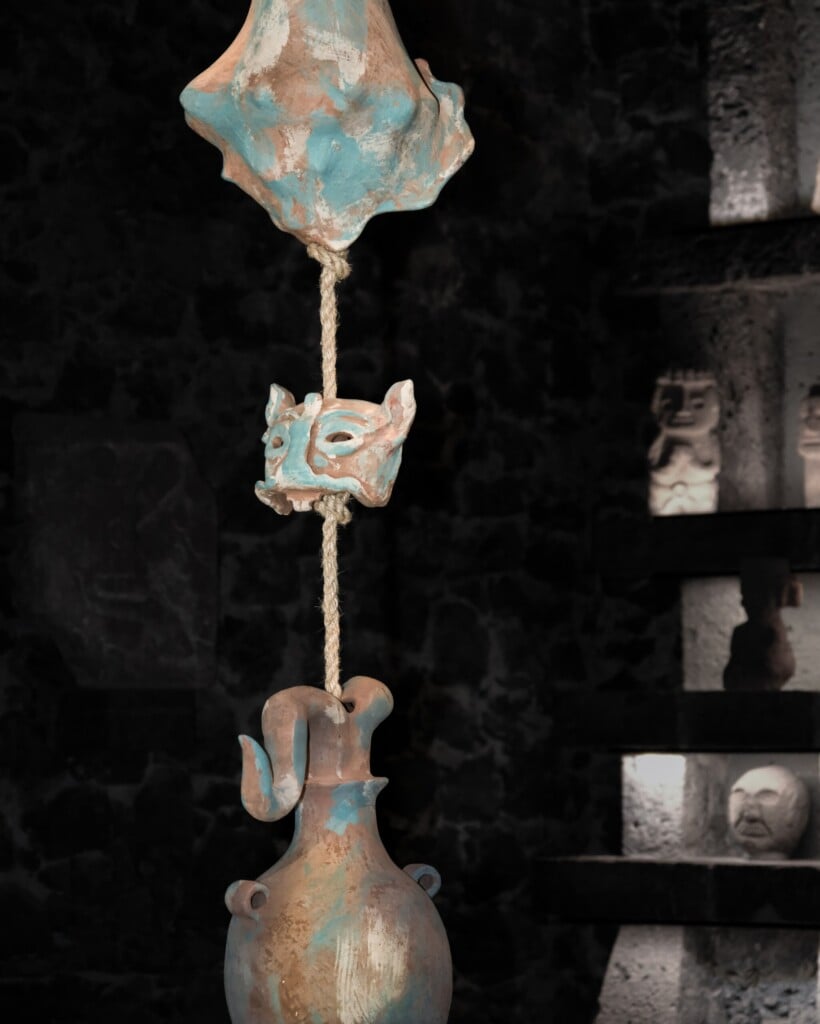
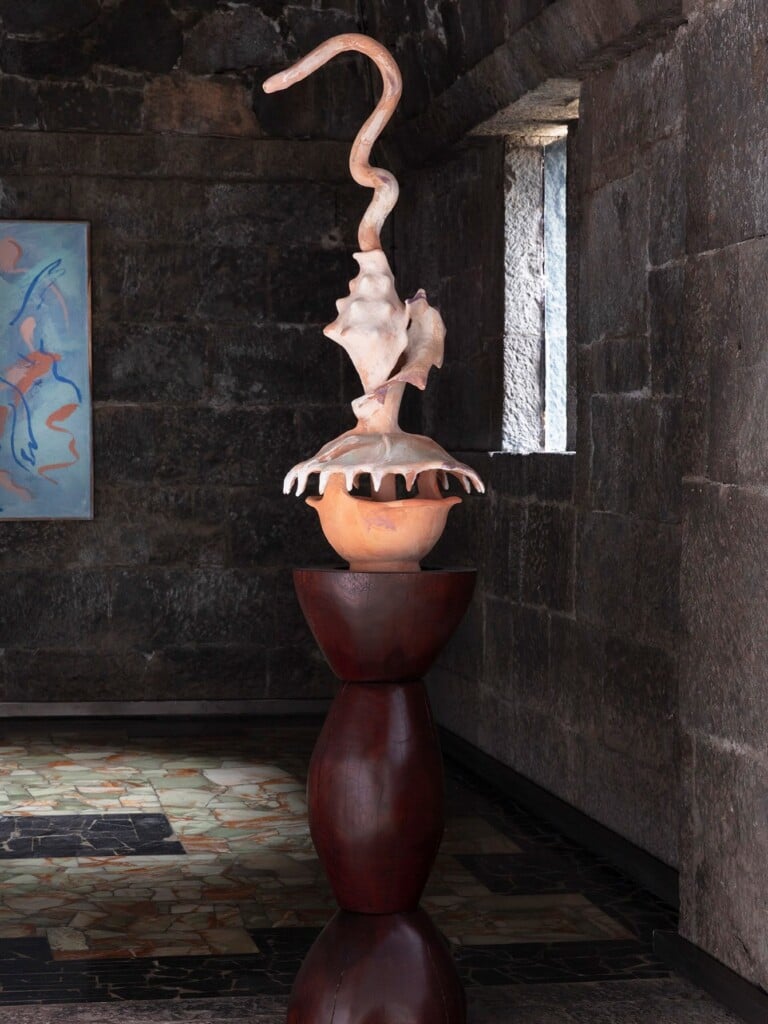
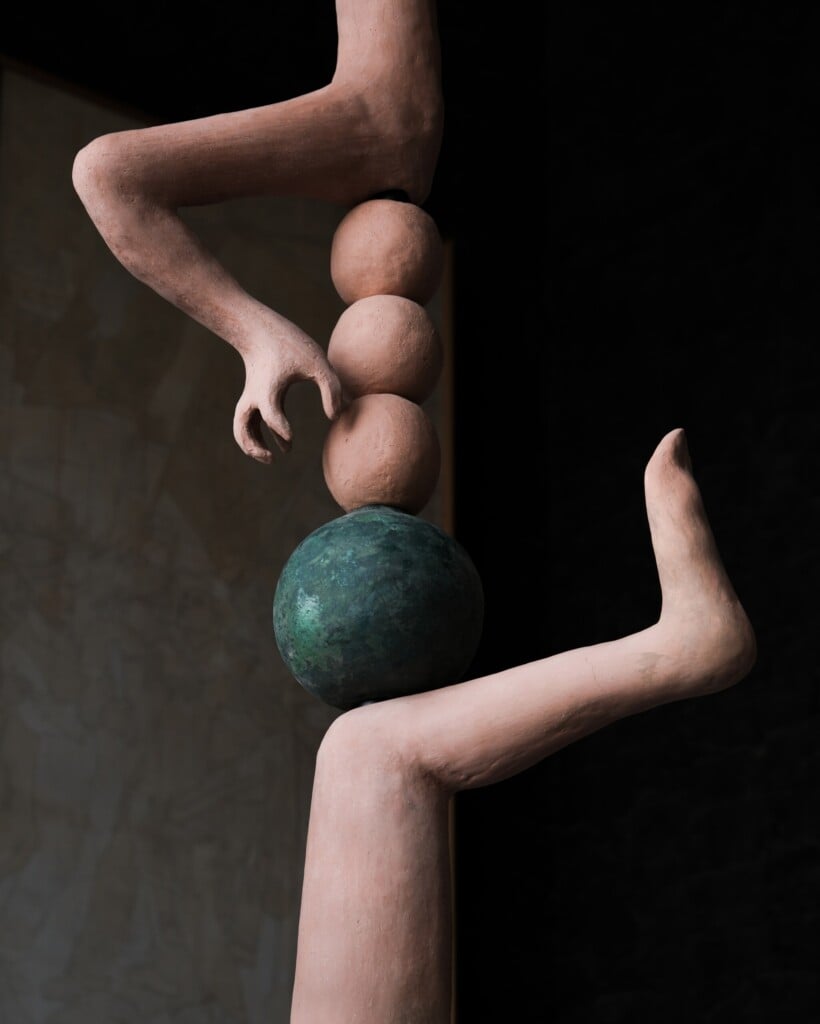
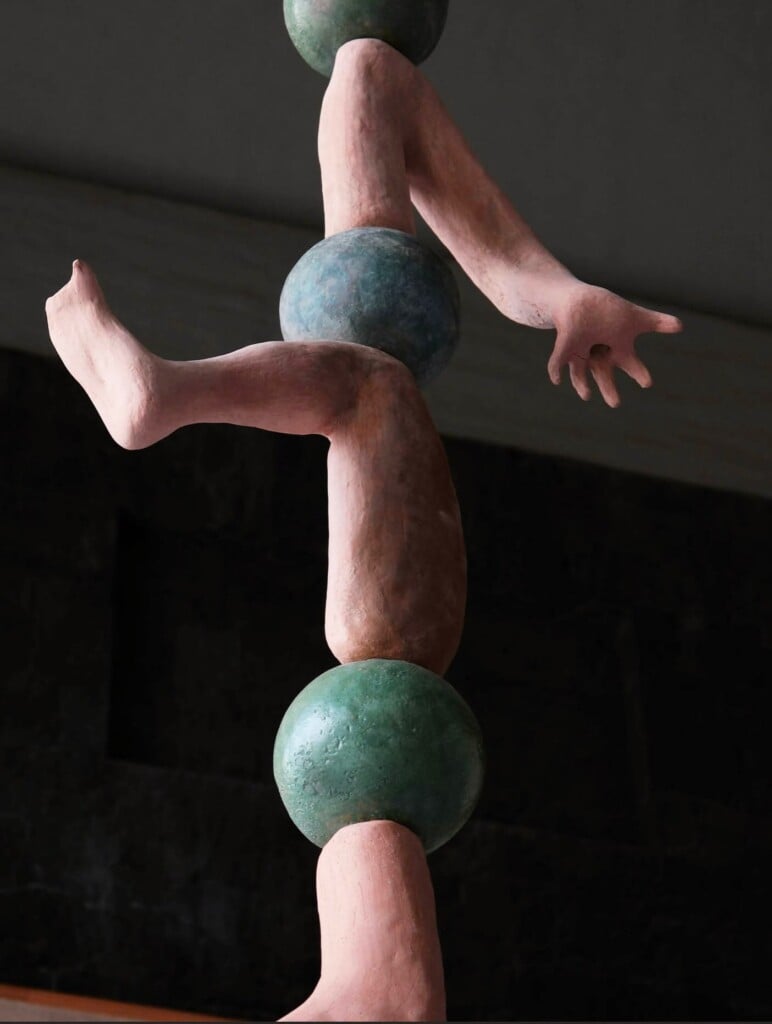
The Mexican artist Lorena Ancona (Chetumal, 1981), from June 20 to September 6, 2026, has taken part in this great project that embraces space and time, bringing into the black casket mystic ceramics that chant and weave the itinerary of a mythological, carnal and powerful tradition. Drawing on the tradition of Teotihuacan – whose etymology literally refers to the “place where one becomes a god” – and on the supreme figure of Aztec mythology Tlaltecuhtli, the artist explores the encounter, struggle and hybridization between the twilight magma that pervades the essence of the earth and the beauty of a sky reaching toward the boundless territory of dreams.
In ceramic worked with the strength of spirit and hands, Ancona establishes a dialogue with the context that embraces the works on display. Vivid, bright colors accompany a journey of material discovery that celebrates both the poetry and the ferocity of a primitive matter, viscerally bound to an idea of space and territory that is entirely its own. For the exhibition Ojos como pozos, boca como cueva, the measured space of a powerful architecture and the dense darkness of a land of in-between, deliberately left irregular in its depths in deference to art, experiment with another way of recovering and telling a story that belongs to the most living origins of humanity. In the territory of the sacred, a Mother Nature luminous, dark, rebellious.