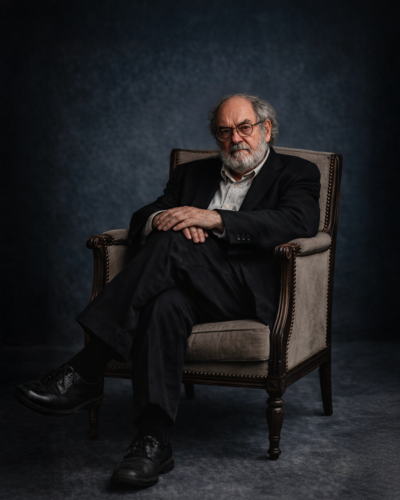
There is a director who has shaped the Christmas imagination of at least three generations. An author whose works are not simply films, but recurring appointments—domestic rituals that return every year among blinking lights and decorated trees. Chris Columbus didn’t just direct stories set at Christmas: he helped build its contemporary aesthetic.
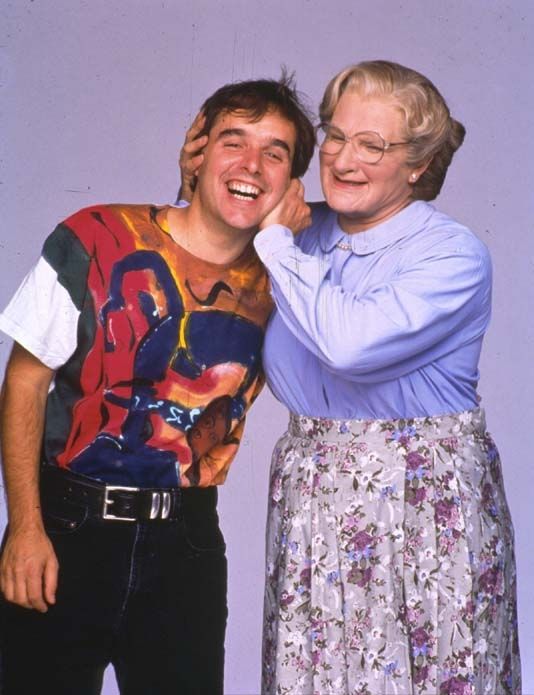
Home Alone, Gremlins, Mrs. Doubtfire: titles that don’t wear out through viewing, but are cyclically reactivated. Yet behind this apparent pop immediacy lies a precise method. A process that begins long before the set, and has little to do with improvisation.
Before being identified as “the Christmas director,” Columbus was—and still is—a draughtsman.
From comics to cinema
Born in Spangler, Pennsylvania, in 1958 and raised in Champion, Ohio, Columbus spent his childhood immersed in Marvel comics. His first goal wasn’t Hollywood, but the drawing table: he dreamed of becoming a comic artist, of telling stories through illustrated sequences.
The turning point came at fifteen, when he saw Francis Ford Coppola’s The Godfather. Cinema suddenly appeared as a natural extension of drawing: visual storytelling capable of combining rhythm, space, and editing. But his relationship with paper didn’t end there. On the contrary, it became central.
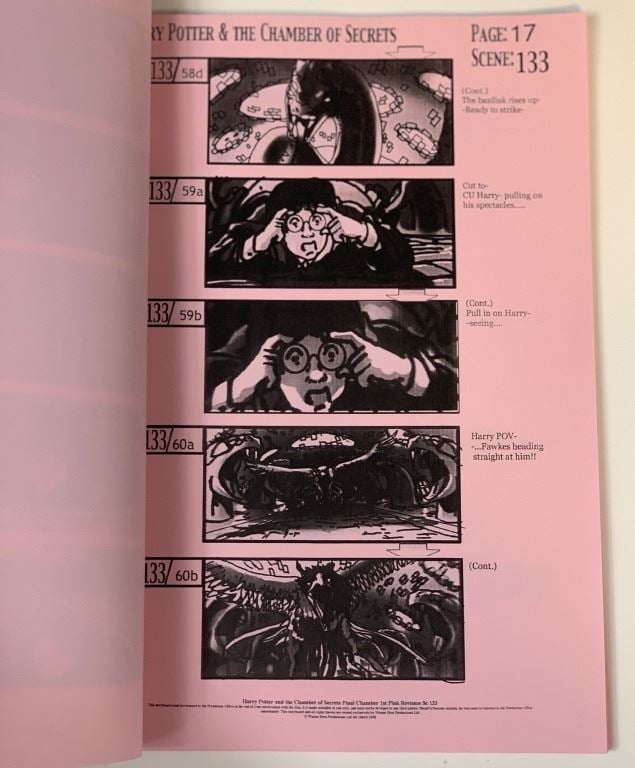
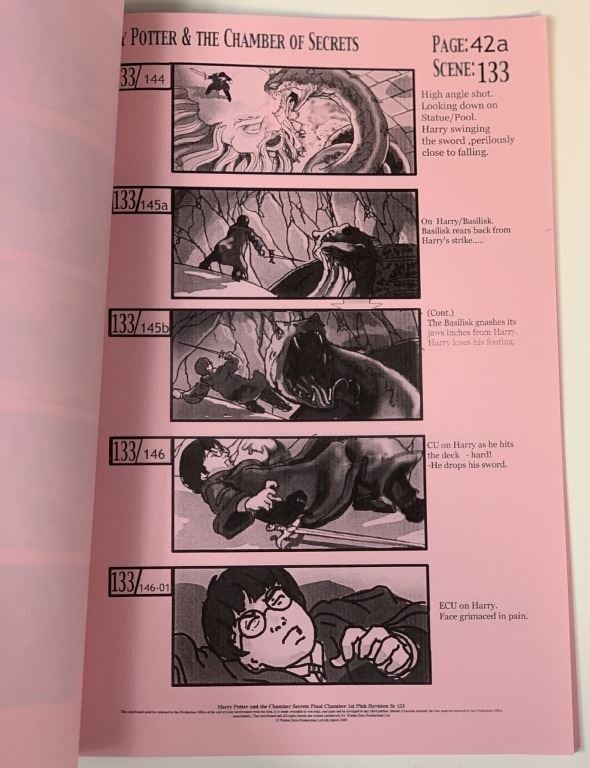
During high school, Columbus shot 8mm short films personally creating the storyboards. It’s a practice he would never abandon. Even today, every one of his films passes through hundreds of preparatory drawings, made by hand.
Storyboards as visual grammar
In Columbus’s work, the storyboard isn’t an accessory tool, but the very core of directing. It doesn’t merely coordinate crew and set design: it defines the emotional tone of scenes, their internal timing, and the relationship between characters and space.
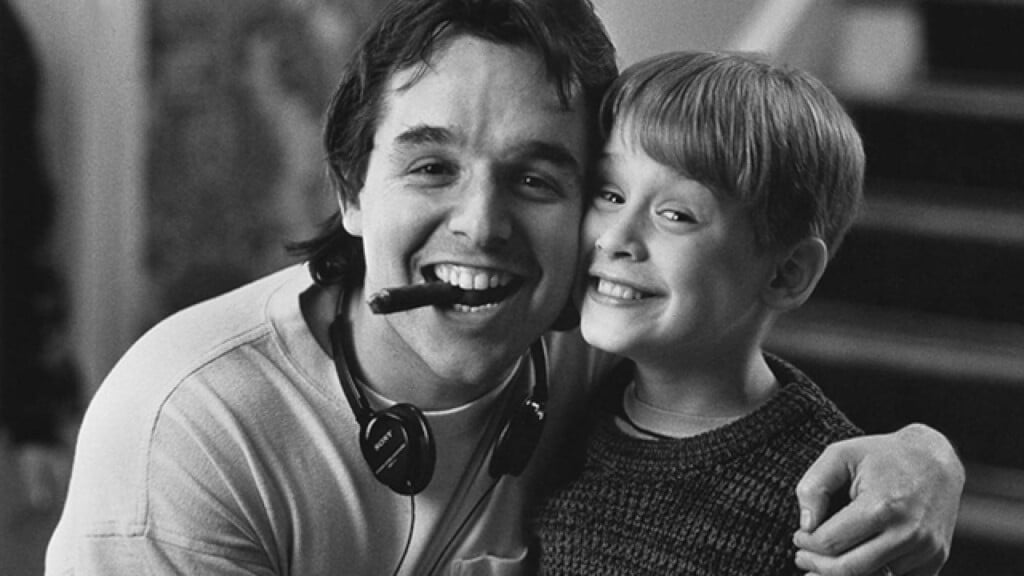
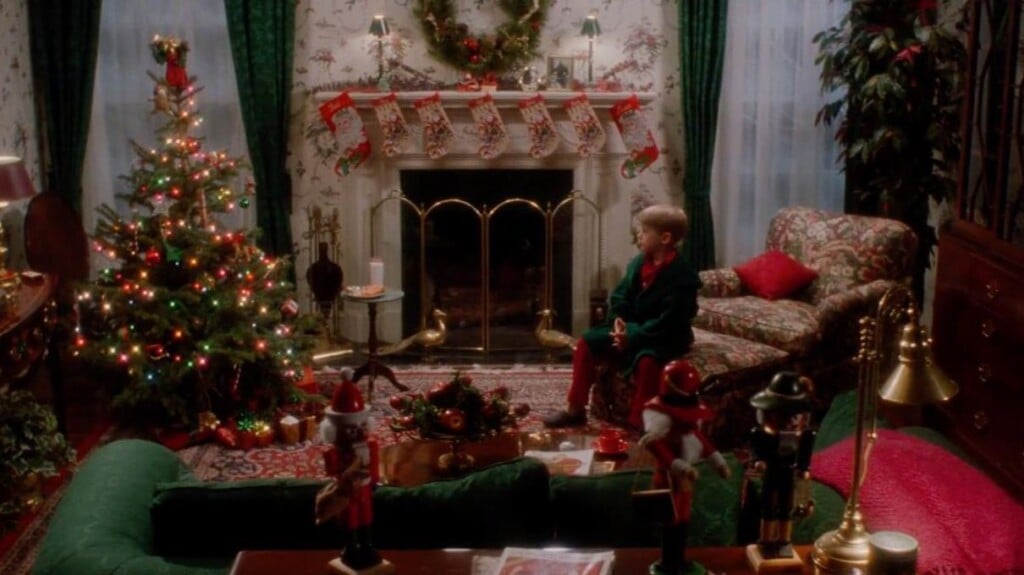
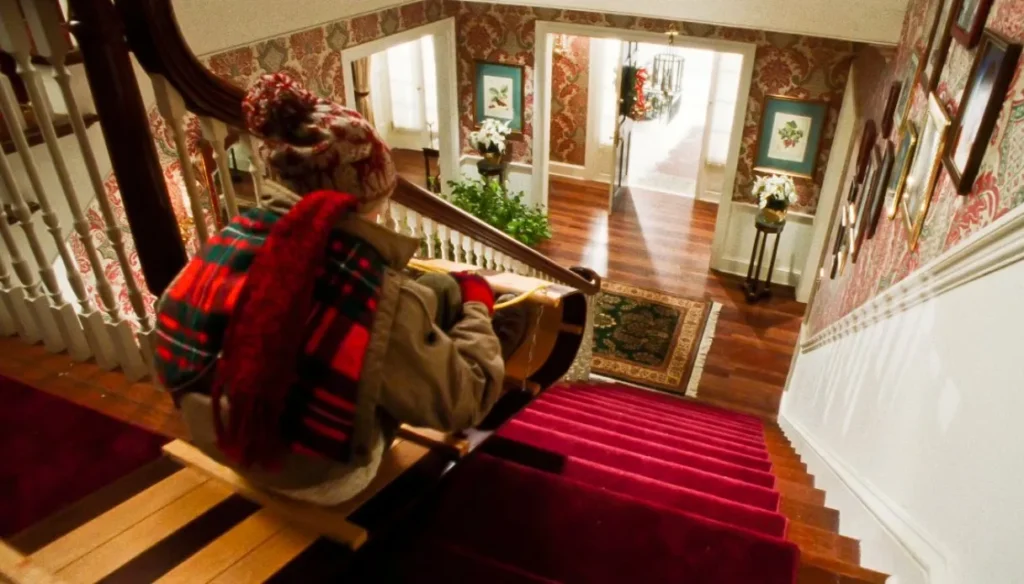
Home Alone is the most evident example. The McCallister house is conceived as a narrative system: a domestic environment transformed into a comic and physical device, where every movement is planned in advance. Kevin’s traps work because they are drawn as autonomous sequences—almost animated slapstick—yet inserted into a believable space.
Columbus’s background as a comic artist taught him to think in images before dialogue, to build rhythm on paper even before reaching the set. The result is an extremely legible cinema, where every visual element serves the story.
From screenwriter to director: the collaboration with Spielberg
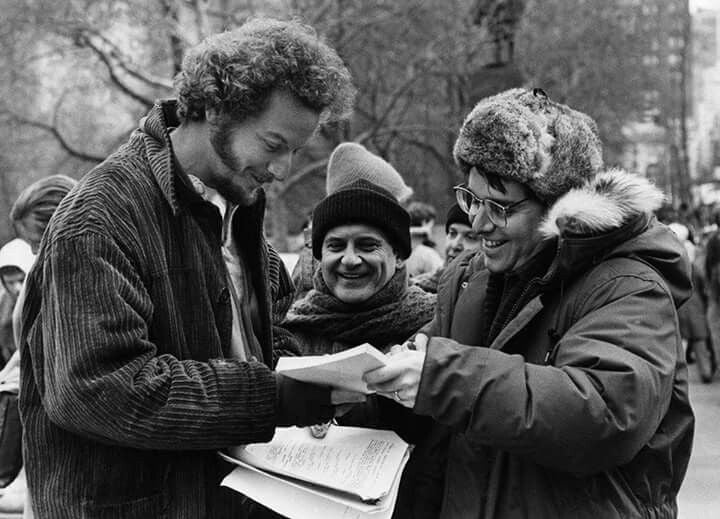
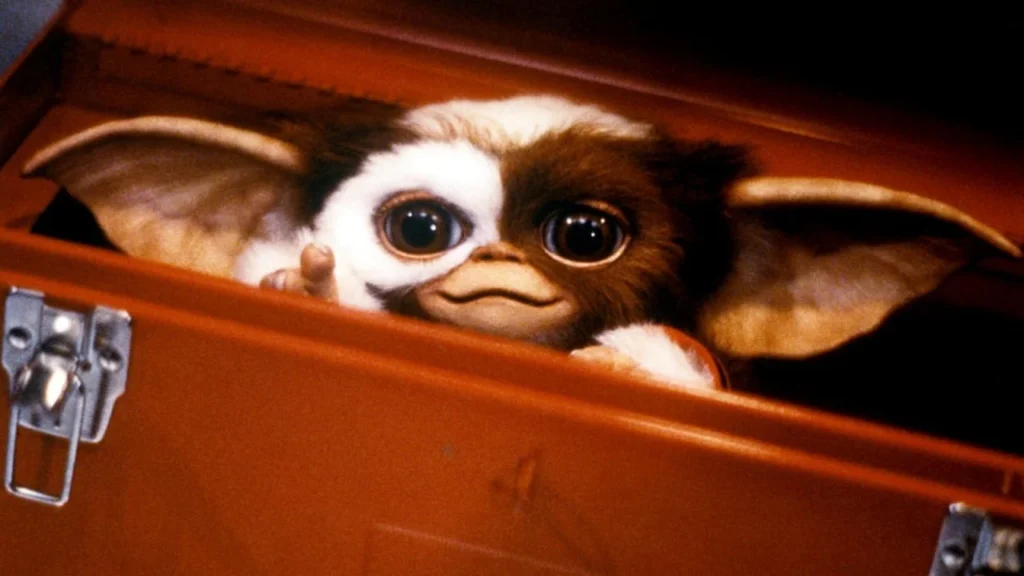
In the 1980s, Columbus entered the industry as a screenwriter. Gremlins (1984) is the project that brought him into contact with Steven Spielberg and the Amblin universe. The original script was much darker than the final film, but it already defined a recurring theme: Christmas as a moment of rupture, of sudden chaos within an apparent order.
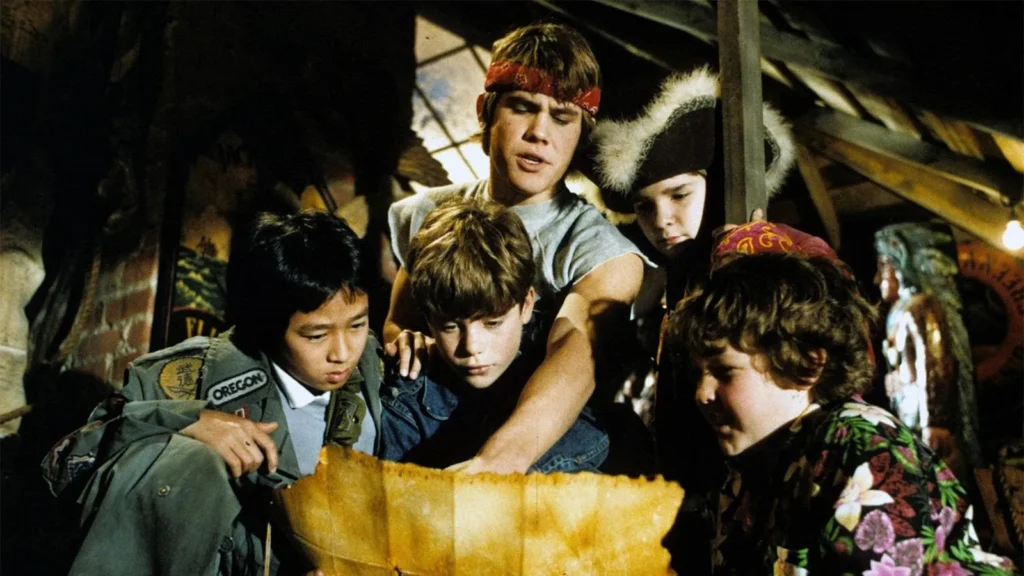
This was followed by The Goonies and Young Sherlock Holmes, films that helped define the era’s kids’ adventure cinema. Children are the true protagonists, while the adult world remains in the background, often inadequate or hostile.
The transition to directing came in 1987 with Adventures in Babysitting, but it was with Home Alone that Columbus found a definitive synthesis between writing, drawing, and mise-en-scène.
Christmas as narrative space
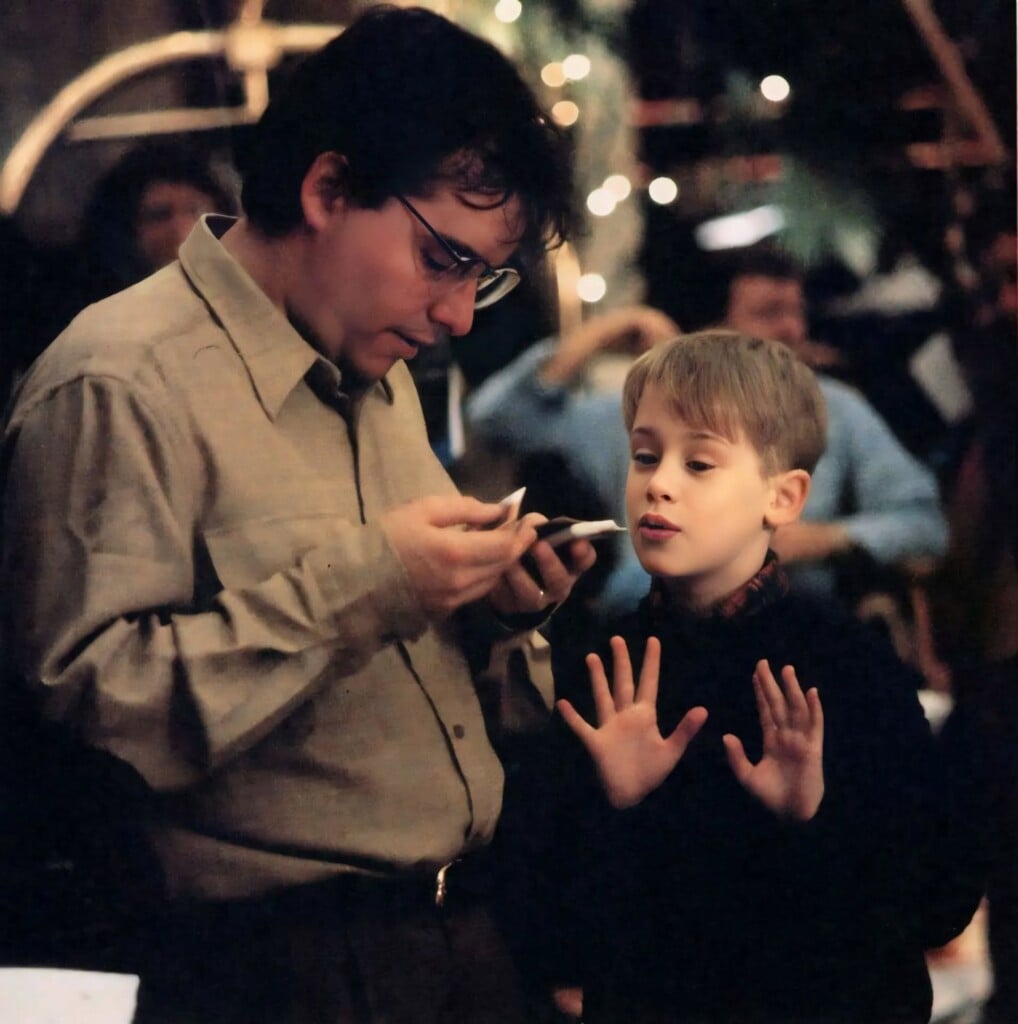
When Home Alone was released in 1990, its success exceeded all expectations. The film not only launched Macaulay Culkin, but also defined a recognizable Christmas imagery: warm colors, cozy interiors, houses that become both refuges and battlegrounds.
Columbus also directed the sequel set in New York, expanding the scale while maintaining the same principle: Christmas as a visual and narrative framework, not merely a seasonal backdrop.
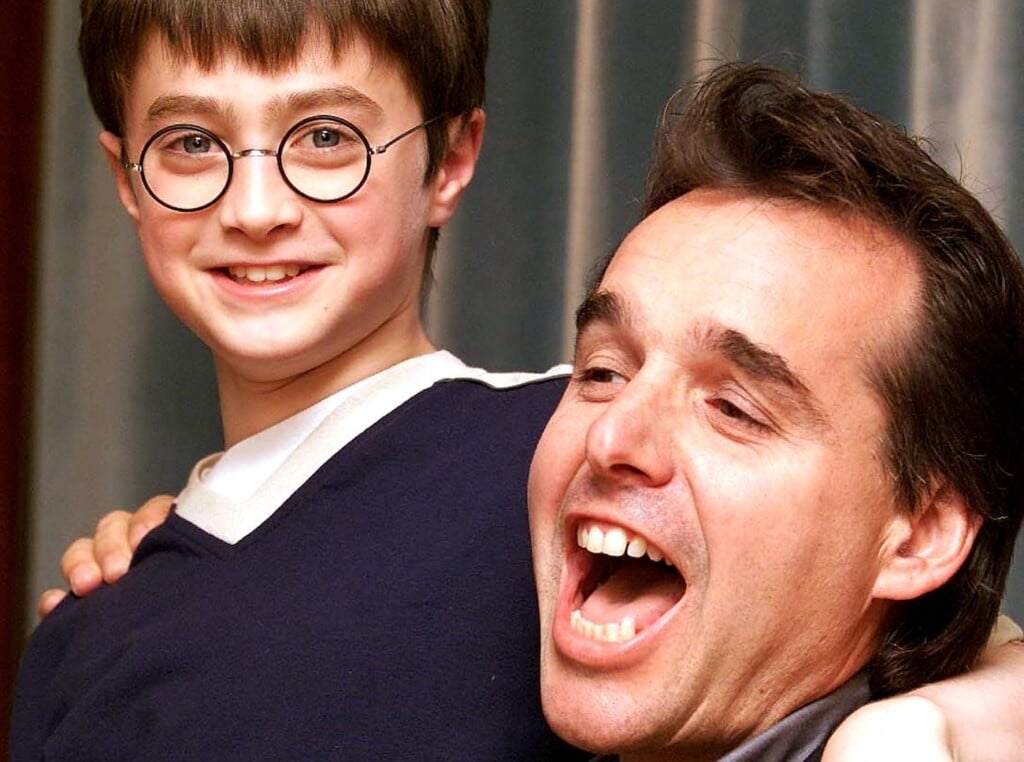
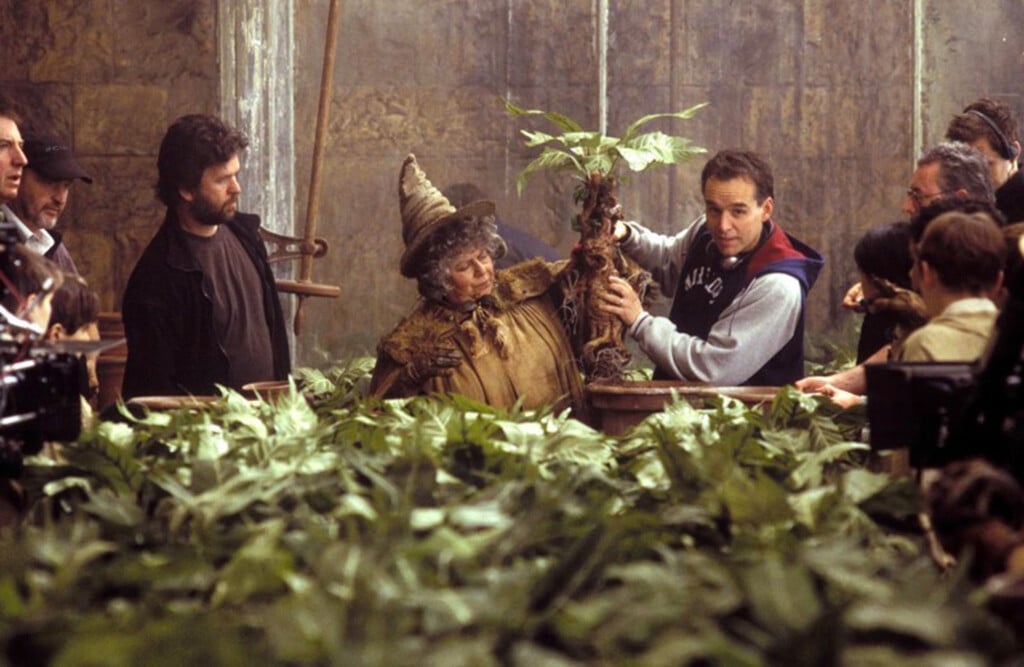
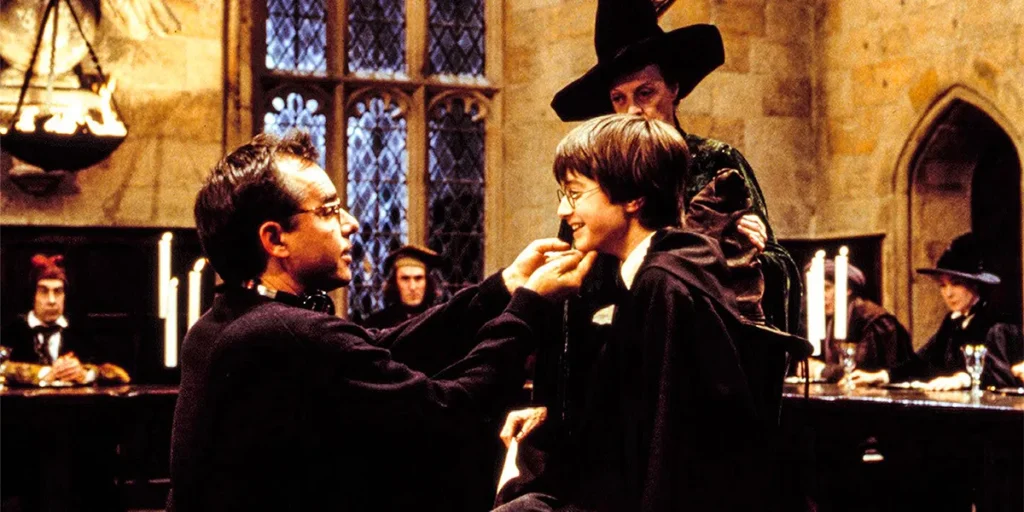
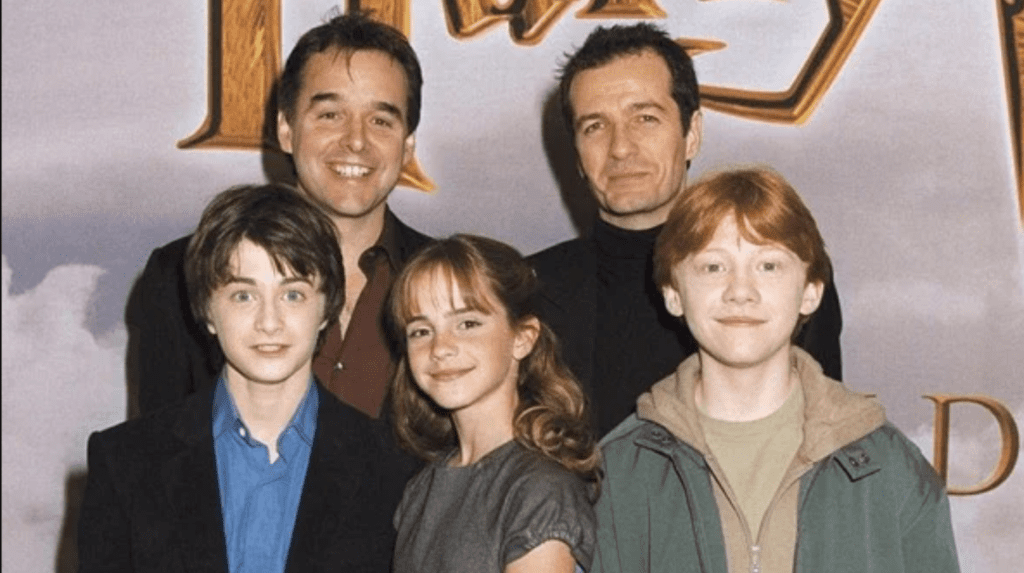
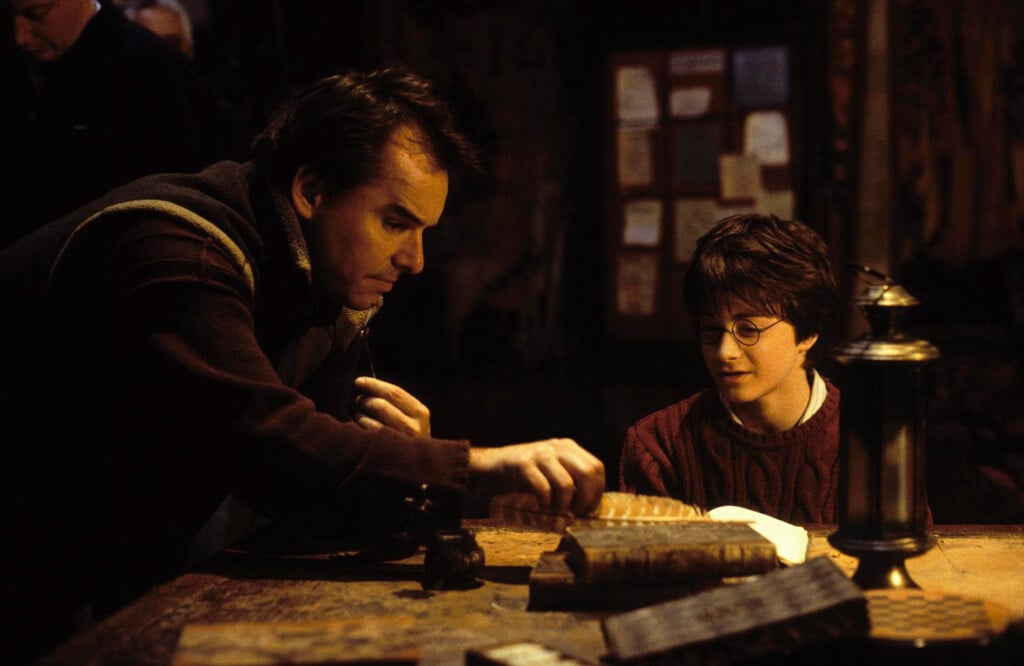
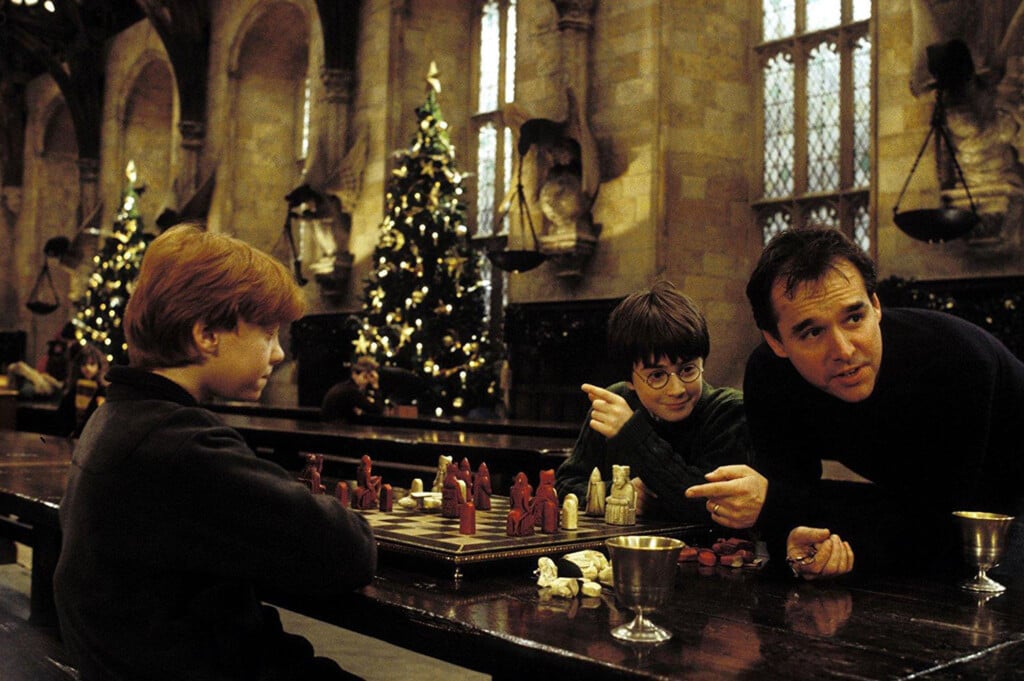
This approach also returns in the first two Harry Potter films, both directed by Columbus. The Christmas moments at Hogwarts become emotional landmarks—luminous pauses within a broader story. Once again, everything begins with preparatory drawings.
From Hogwarts to children’s books
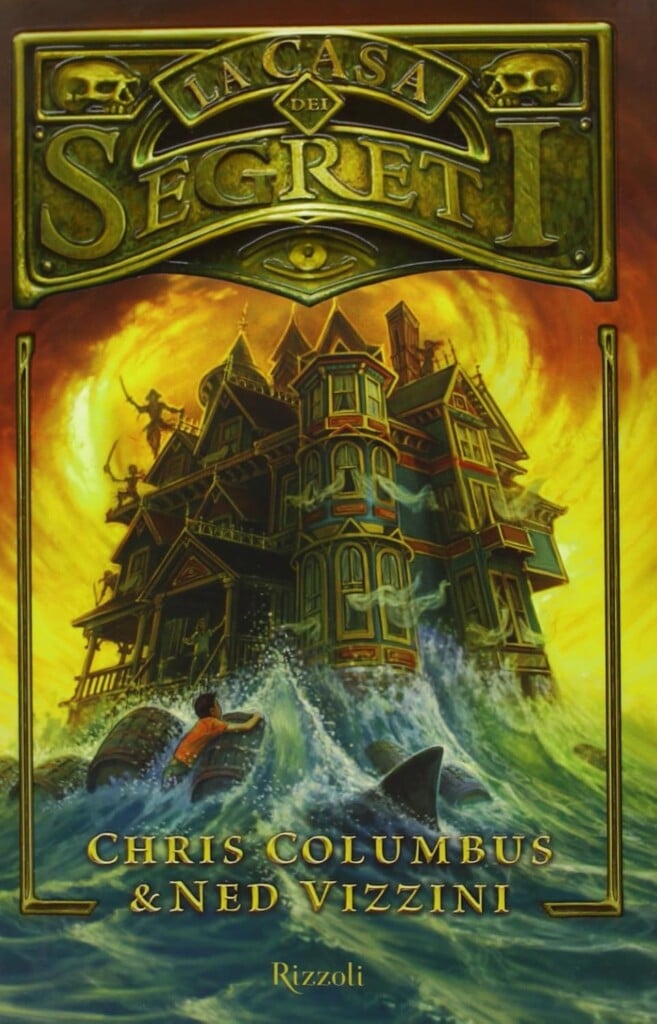
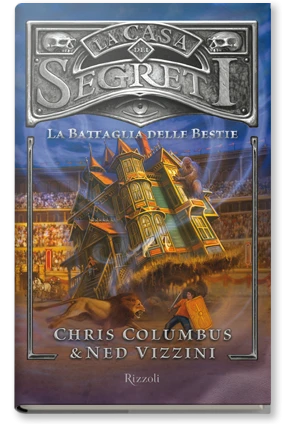
Less well known is Columbus’s work as a writer. In 2013 he published House of Secrets, a fantasy trilogy for young readers born from an unpublished screenplay of his, later transformed into a novel together with Ned Vizzini. A project that confirms his tendency to move between different languages while maintaining visual and narrative coherence.
As a producer as well—through 1492 Pictures and later Maiden Voyage Pictures—Columbus continues to develop stories aimed at a broad audience, often connected to childhood and collective memory.
Drawing in order to keep telling stories
In an increasingly digitized industry, Columbus maintains an analog approach. He draws, writes, plans. His storyboards aren’t promotional materials, but private archives in which the film takes shape before it exists.
This may be why his cinema continues to return, especially at Christmas. Because it doesn’t live only on screen, but in domestic space, in repetition, in familiarity.
And because, before anything else, it is born from a simple gesture: a pencil on a blank sheet of paper.