The end of summer brings a strange feeling that blends nostalgia with the desire to start over. The still-warm weather certainly doesn’t help us leave it behind completely. Perhaps that’s why the idea of going to discover the new OPPO Find X10 Series in Mallorca didn’t seem like a bad one. At this time of year, the largest of the Balearic Islands goes through the end-of-season shift. After hosting us, Mallorca is getting ready to close many of its tourist and beach facilities until next summer.
But the end of summer isn’t defined only by a mix of different emotions. It is also defined by colors.
The days get shorter, darkness falls earlier, the sun no longer warms the way it did a few weeks ago, and the tones all turn a little colder. It’s a slow change, almost imperceptible if you compare one day with the one before, but at some point you find yourself admitting that winter is closer than we thought.
Anyone who photographs knows that light is the raw material of every image, and that it is precisely during the change of seasons that it becomes hardest to capture. Photographing reality as it is, without making it brighter, warmer or more perfect than it perhaps already is, is arguably the most demanding challenge for any camera. Besides living the last moments of summer, thanks to OPPO we discovered a device capable of capturing all its colors, even the most imperceptible shades.
OPPO Find X10 and Find X10 Pro Max, two smartphones designed for those who photograph
The new Find X10 series includes two models, OPPO Find X10 and OPPO Find X10 Pro Max, and revolves around one precise idea, that of a “True-to-Life” camera developed together with Hasselblad. It makes no promise of a more spectacular photograph, only of one more faithful to what surrounds us every day.
The Find X10 adopts a Dual 200MP camera system. The Find X10 Pro Max goes a step further and brings all three rear cameras to 200 megapixels (a first in the history of smartphones). The Pro Max has an ultra-wide camera with a 1/1.56-inch sensor and a 124° field of view, a main camera with the new ISOCELL HPC 1/1.28-inch sensor developed with Samsung, and a bright f/2.1 telephoto lens that, thanks to a minimum focusing distance of 10 cm, also turns into a tele-macro camera.
Lots of megapixels, as we know, don’t make a good photograph on their own. The most interesting part is the one that governs them, the LUMO True Image Engine, OPPO’s new computational photography engine. Its stated goal is to keep colors, tones and details consistent with what we see with our own eyes, and to do so it relies on a True Color camera that collects multispectral color information. The benefit shows most with mixed and tricky lighting, from the nuances of landscapes to skin tones.


As for tonal rendering, the Hasselblad Master Mode approach is now built directly into the default Photo mode. The system avoids aggressively brightening every area of the image and preserves the natural relationship between highlights and shadows, so as to maintain depth and atmosphere even in backlit shots. It also reduces excess sharpening, noise reduction and AI-generated detail, leaving more room for real textures.
The video is up to the task too. You can shoot in 4K and 8K, even in slow motion, and the result has an almost cinematic look, with formats and color standards usually found in professional productions. For the first time on an OPPO there is also Open Gate recording, which uses the full surface of the sensor and leaves more room to crop and adapt the same footage to different formats, from the vertical of social media to the classic horizontal. OPPO worked with Blackmagic Design, a name well known to anyone who makes video, to bring these features to a professional recording app, and with Meta to make sure videos posted on Instagram lose as little quality as possible.
But the Find X10 Pro Max doesn’t just capture color well, it reproduces it just as well, and the credit goes to a truly remarkable display. Very bright, it reproduces a wider color gamut than usual, the same one cinema aims for, and you notice it especially in the most saturated scenes, such as a sunset or a vivid landscape.

From Mallorca to Palma, the field test
And it was in Mallorca that we put the Find X10 Pro Max to the test, over two days, going from the beach to the historic center of Palma. A choice of locations that is anything but random. The sea, the pale sand and the open sky are a punishing test for any sensor, with intense reflections, strong contrasts and shades of blue that are easily exaggerated. The streets and courtyards of the historic center offer the exact opposite, with deep shadows, ancient stone, light filtering in stripes and surfaces in warm colors.
Moving from one environment to the other within a few hours made OPPO’s stated goal evident. The blue of the sea stayed the blue of the sea, without turning into the fake one we usually saw on postcards. The walls of the buildings kept all their nuances, and the lights and shadows of reality were rendered to perfection.
At a time of year when the light changes quickly with every hour, a device that doesn’t try to correct it but to respect it becomes a different kind of tool, incomparable with the others (we’ll go out on a limb and say that for photographic quality, the Find X10 Pro Max may be the best smartphone on the market today).


Creator Kit, how to go even further
What’s more, anyone who wants to push the phone’s performance even further, especially in video, can count on the Tilta Khronos Creator Kit designed for the Find X10 Pro Max. The kit includes an additional grip, a 67 mm filter adapter, an adapter for the OPPO Hasselblad teleconverter and an active cooling fan, useful for managing the phone’s temperature during longer recordings.
To this we can add the OPPO Hasselblad teleconverter, which brings the optical magnification to 3.28x and lets you get closer to distant subjects. In short, at the next concert we go to we won’t have to worry about being too far from the stage, because with this little gem it will feel like standing on it.

For once, we’re coming home from a trip with photos that can show our friends and family the reality of how it was. No accompanying words will be needed, the quality of the images will do all the work. Because in the end, in front of a late-summer sunset the only thing we want is the chance to photograph it exactly as it is, and now, finally, we can.




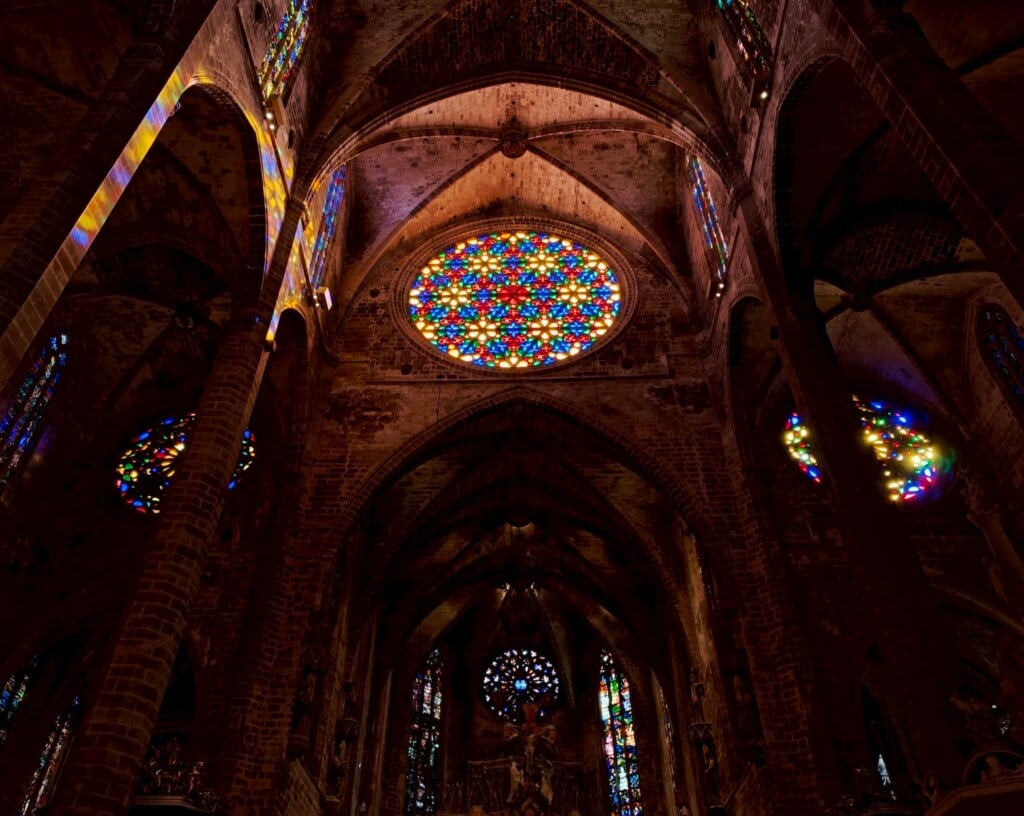

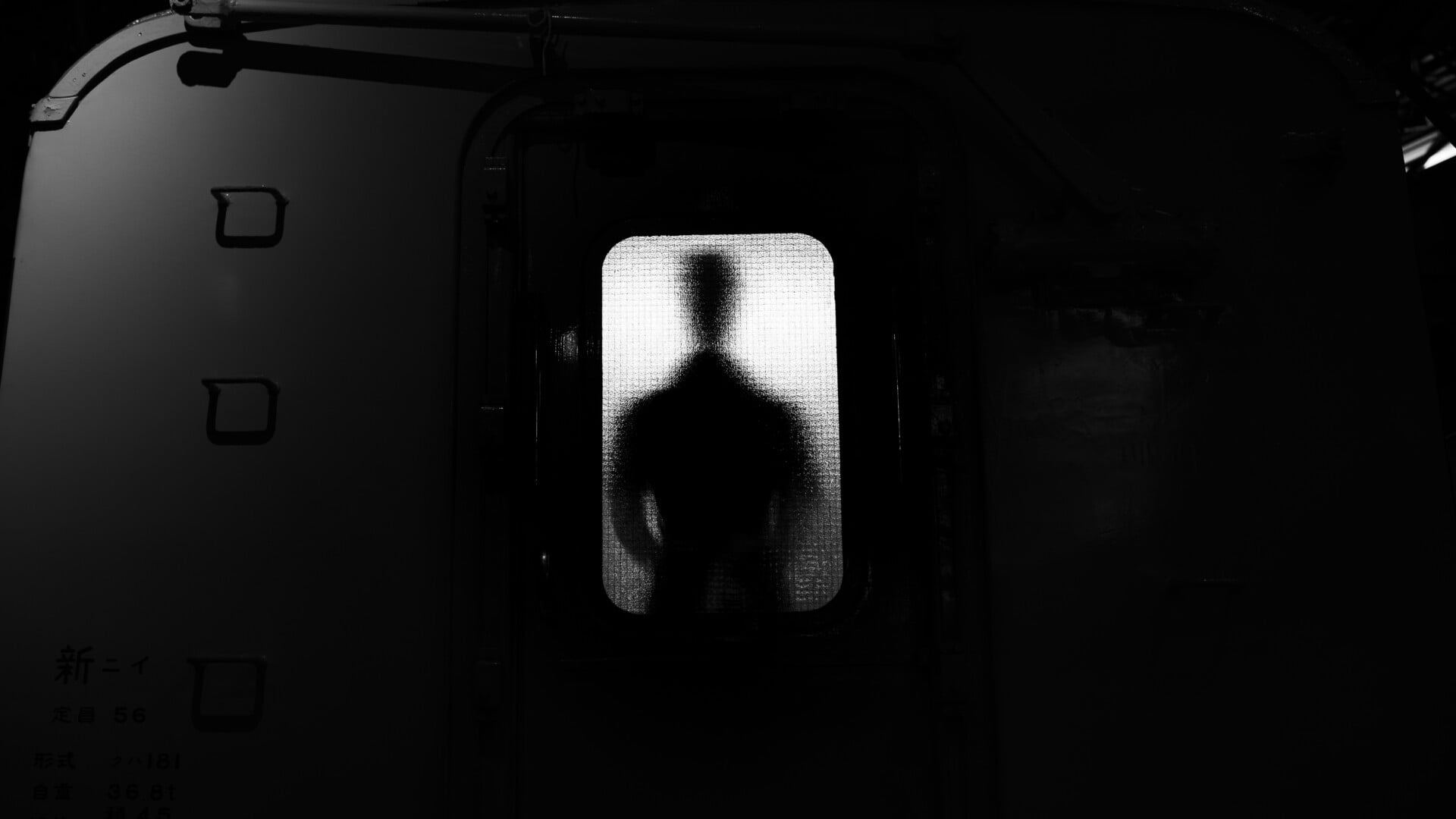
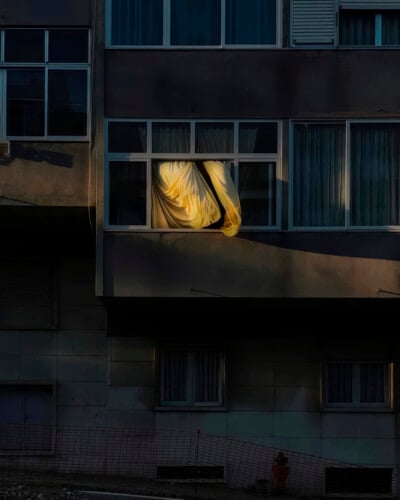
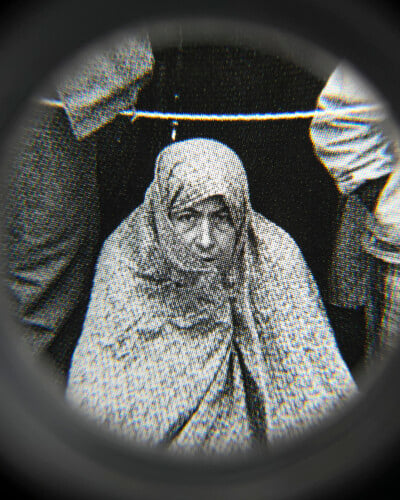
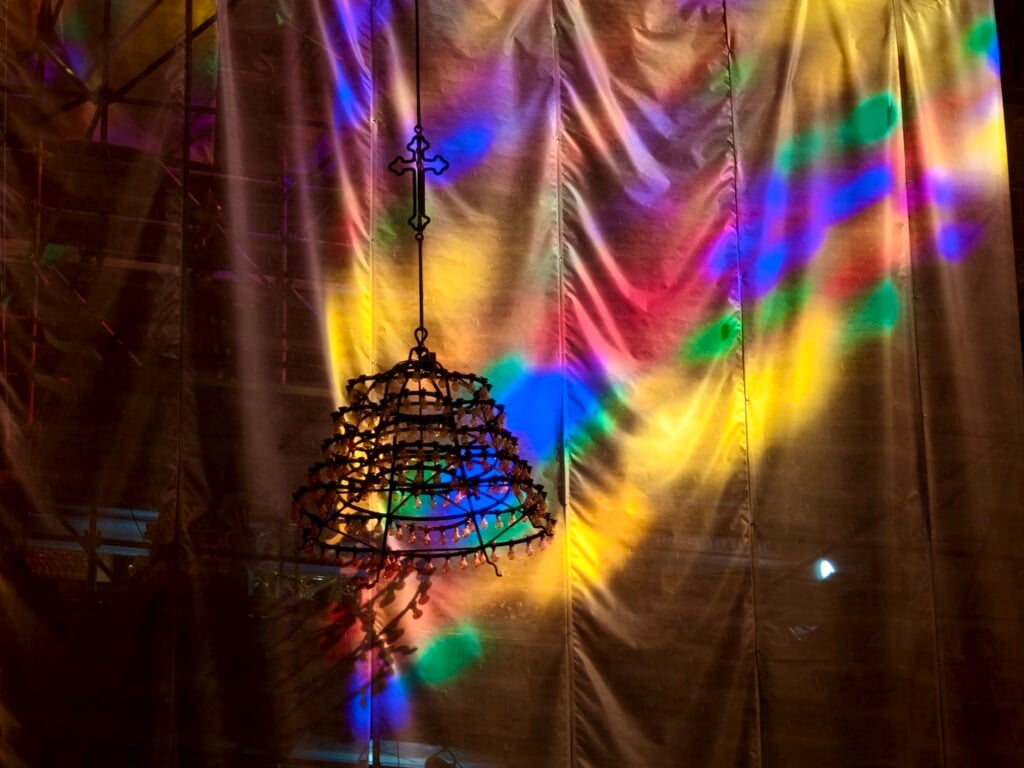
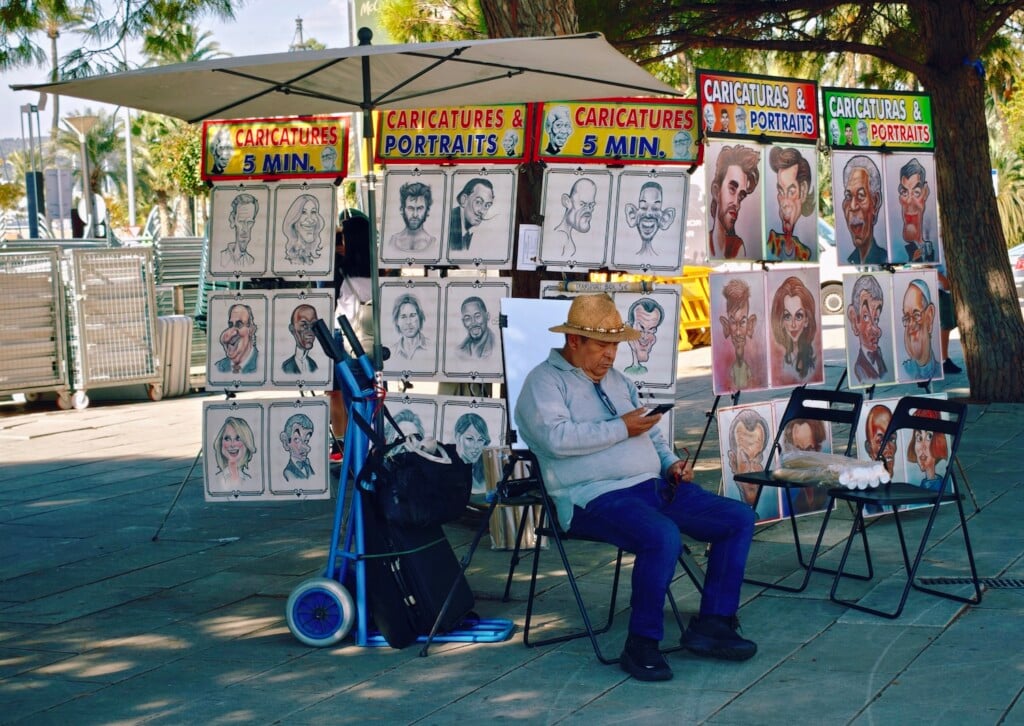
All photographs were taken with OPPO Find X10 Pro Max
Read also: