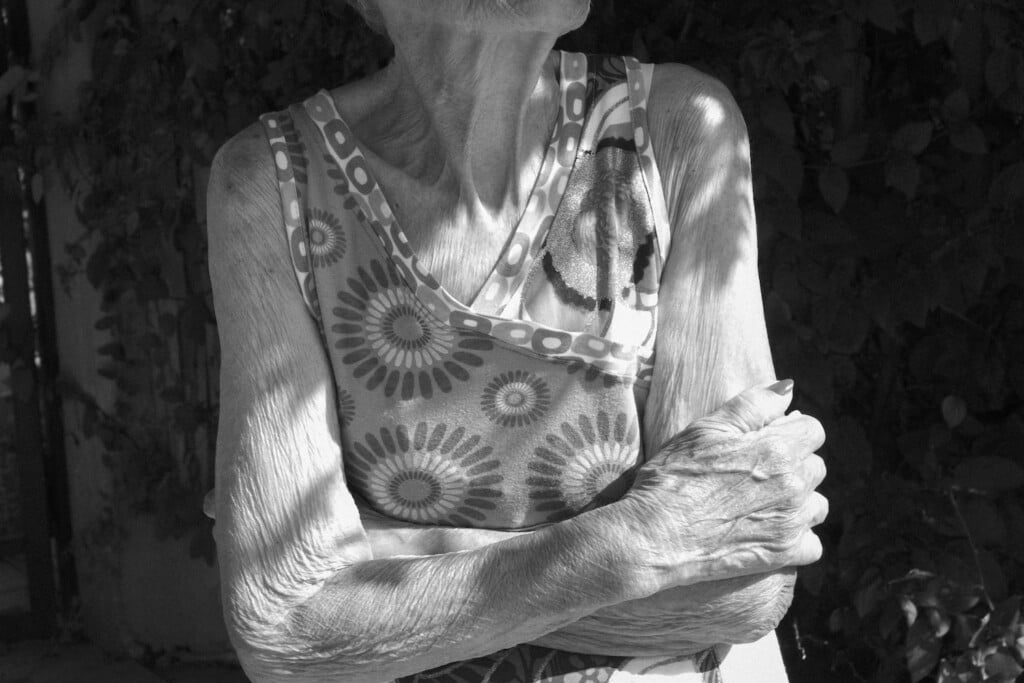
It was the night between 14 and 15 January 1968 when the earth shook in the Belice Valley, in western Sicily. Entire towns collapsed, and with them a way of inhabiting places built over generations. From this fracture was born Belice 1968, the photography project by Alessandro Greco and Giulia Mancuso.
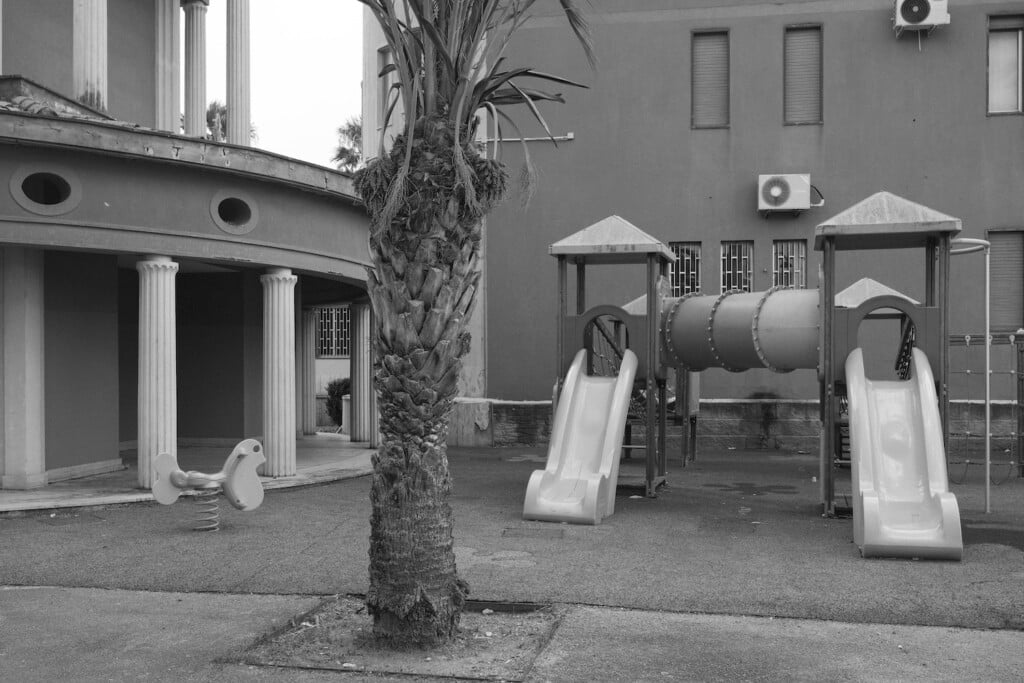
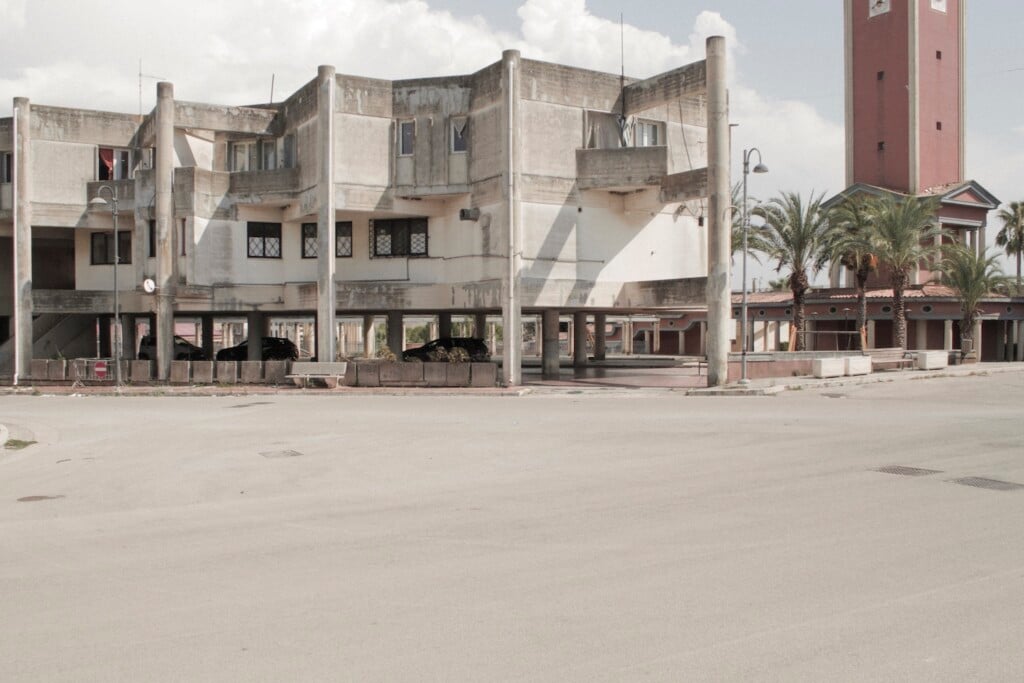
The destruction was followed by a reconstruction based on experimental urban and architectural models, with artists and architects called upon to imagine a future for the territory. Gibellina and Poggioreale, both rebuilt far from their original settlements, became laboratories of cultural experimentation. And yet rebuilding the buildings and laying out new streets was not enough to restore relationships, habits and a sense of belonging. The displacement of the inhabitants and the distance from the historic centres made clear just how difficult it is to rebuild a community through architecture alone.
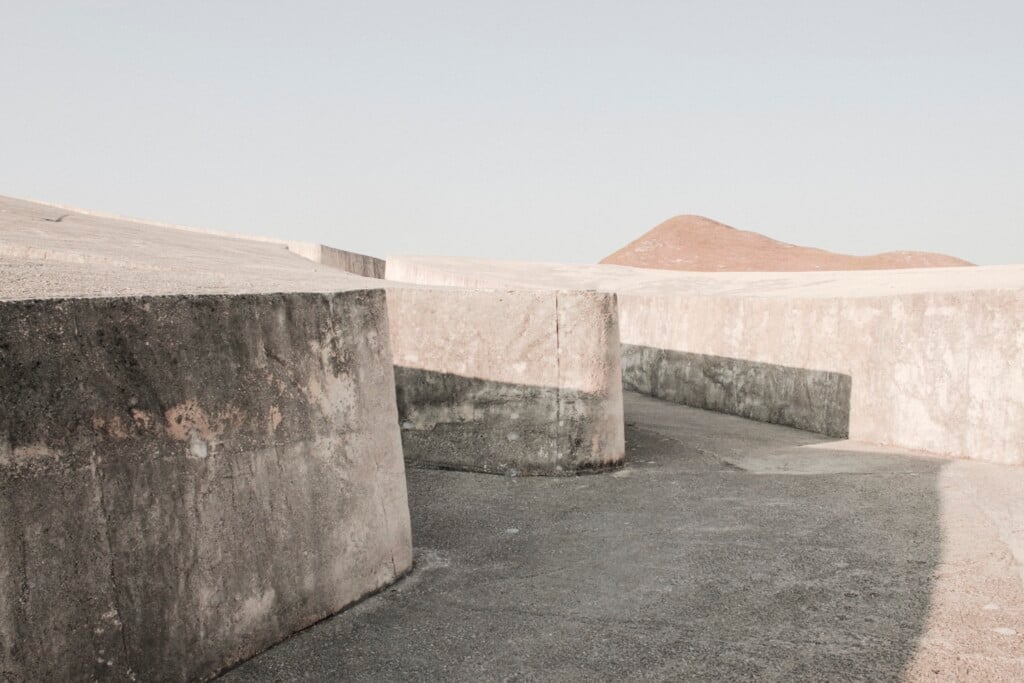
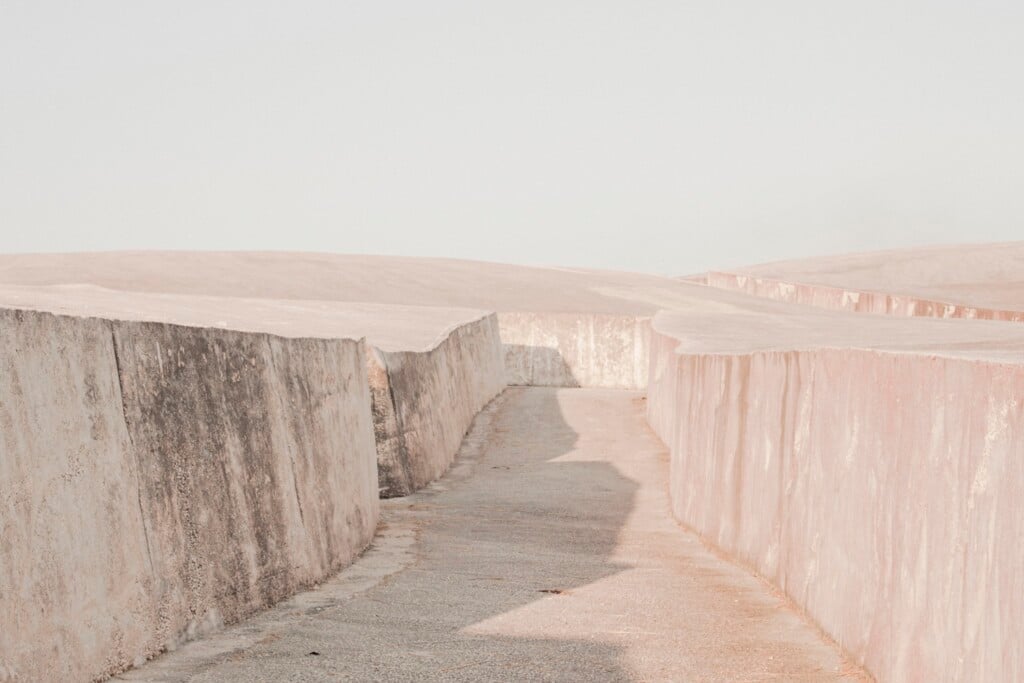
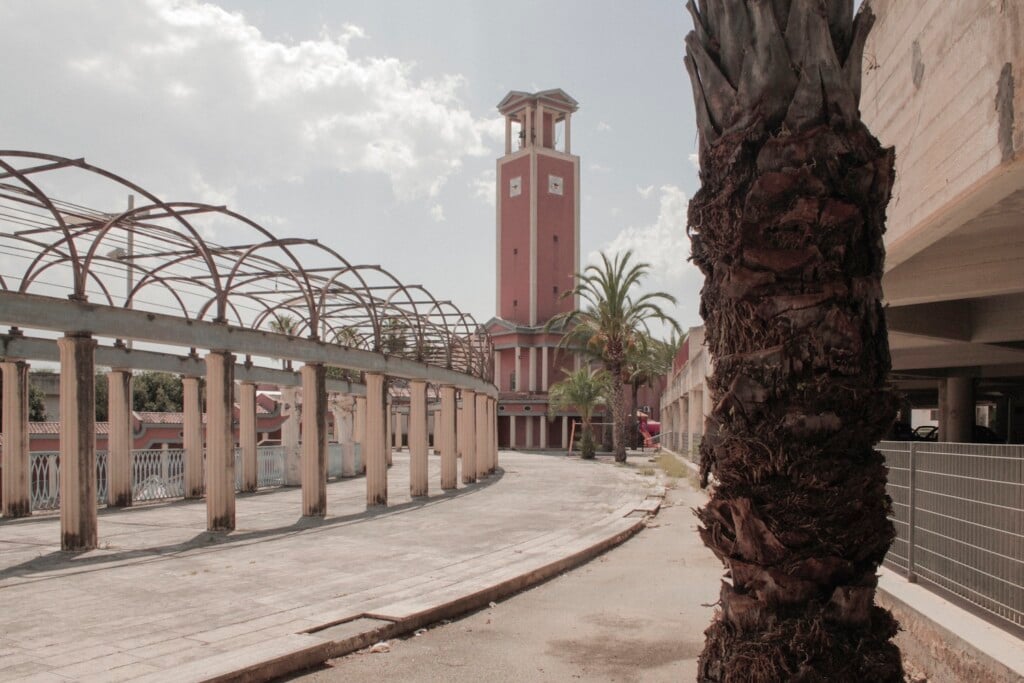
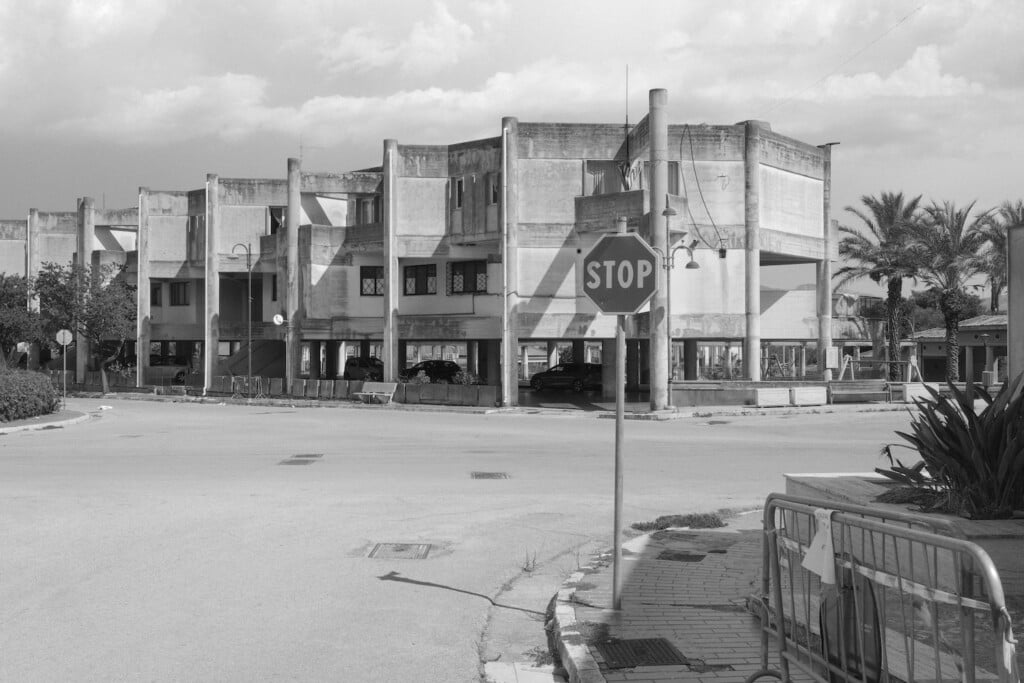
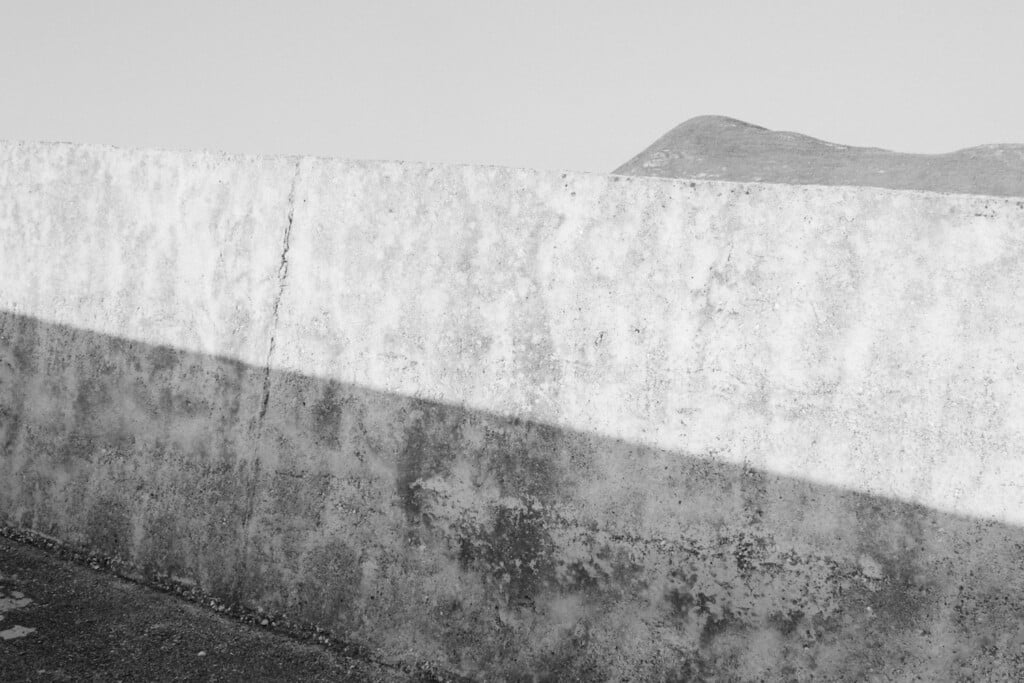
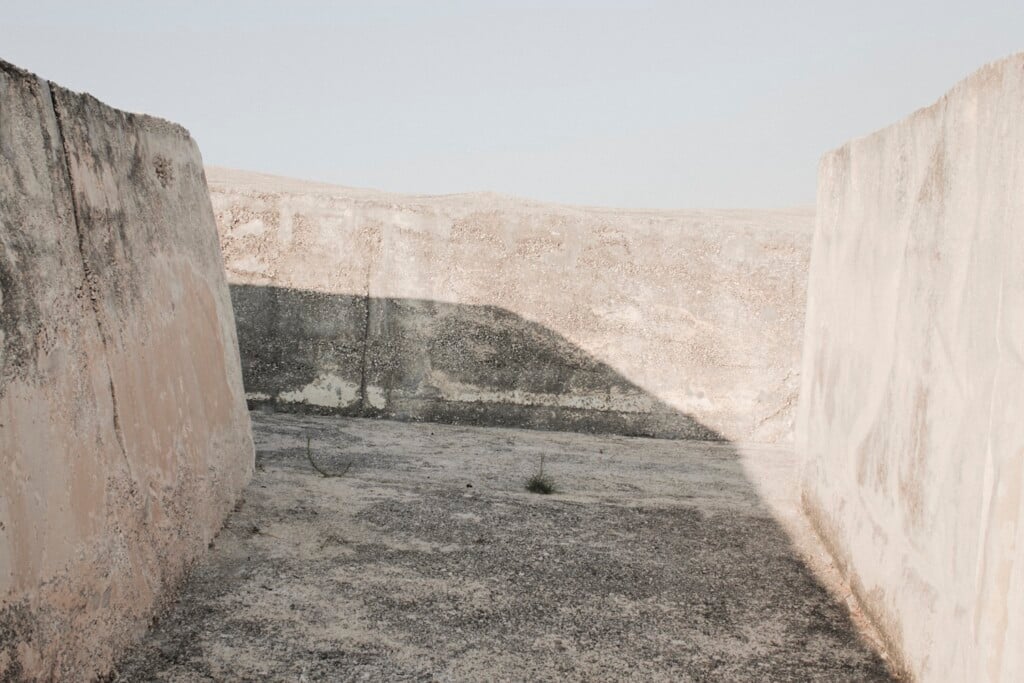
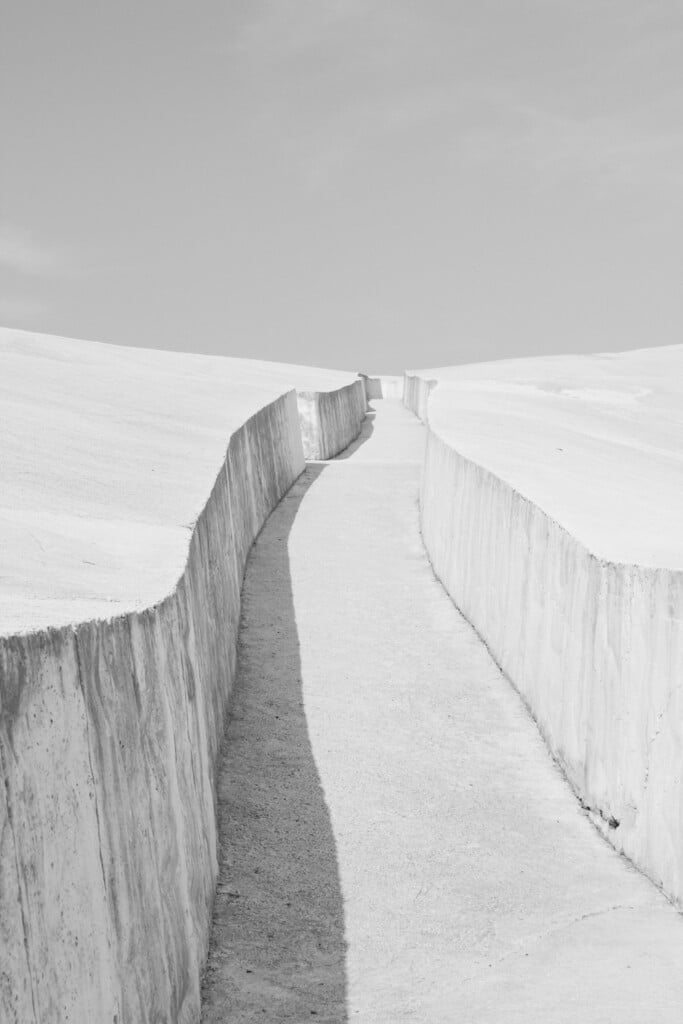
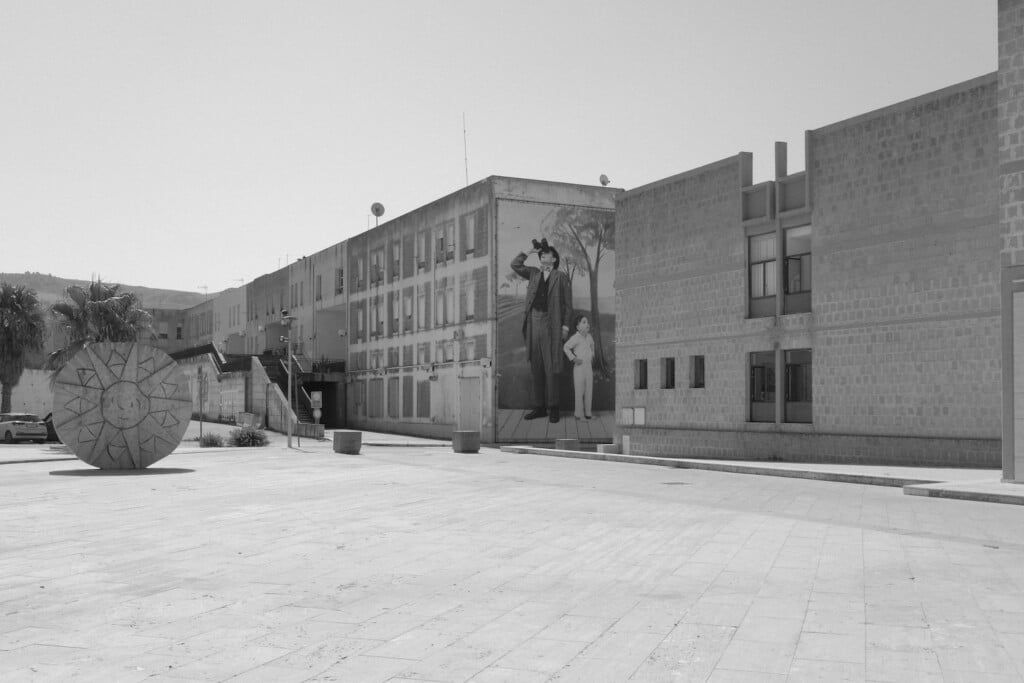
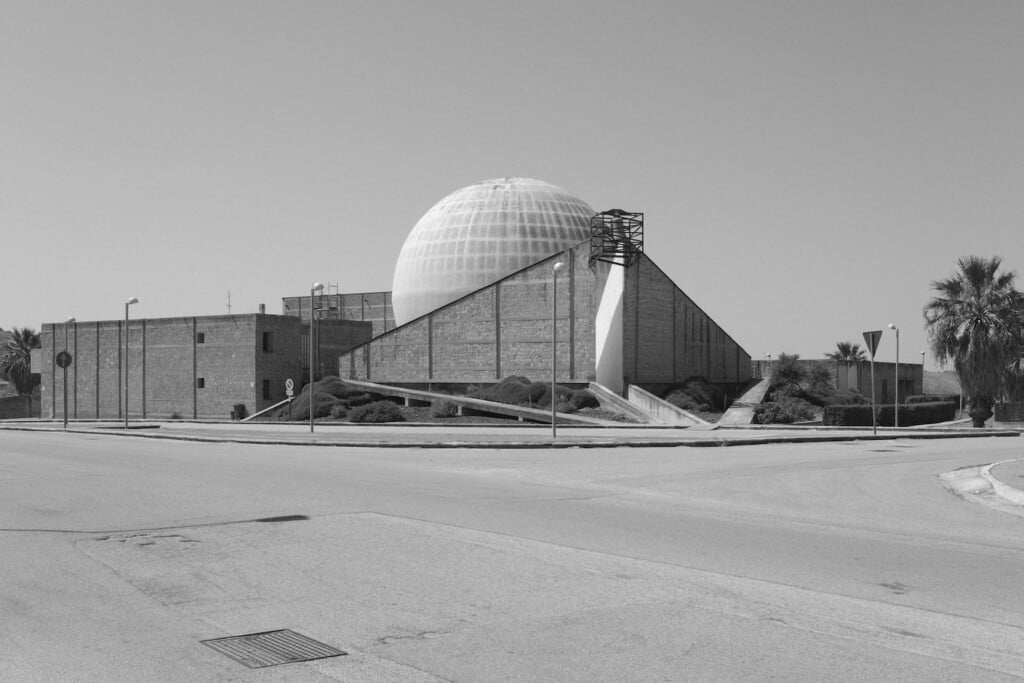
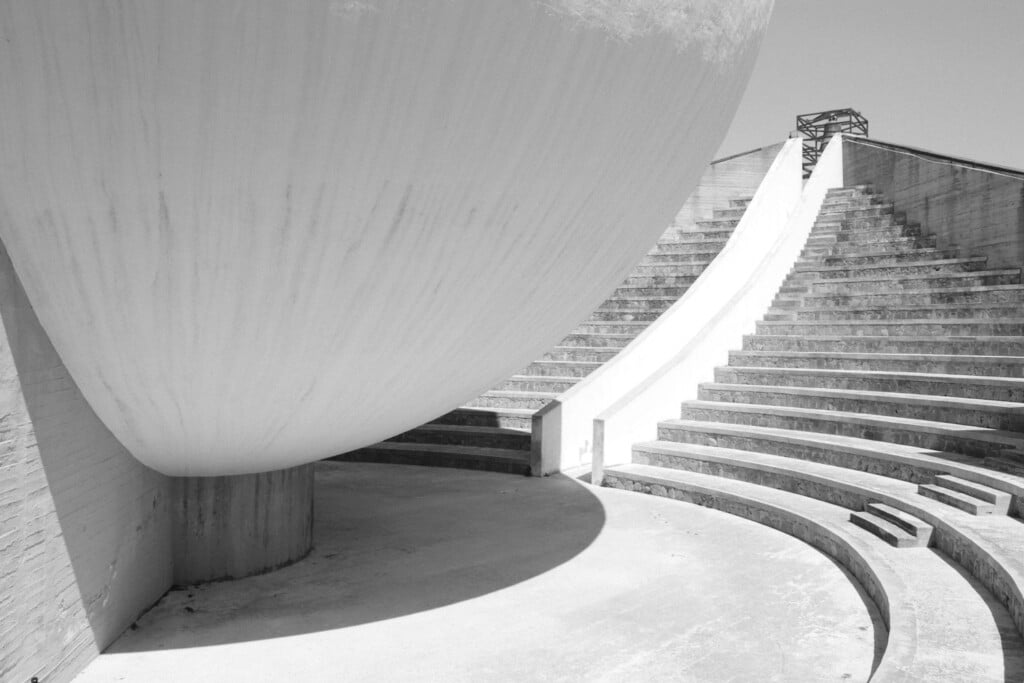
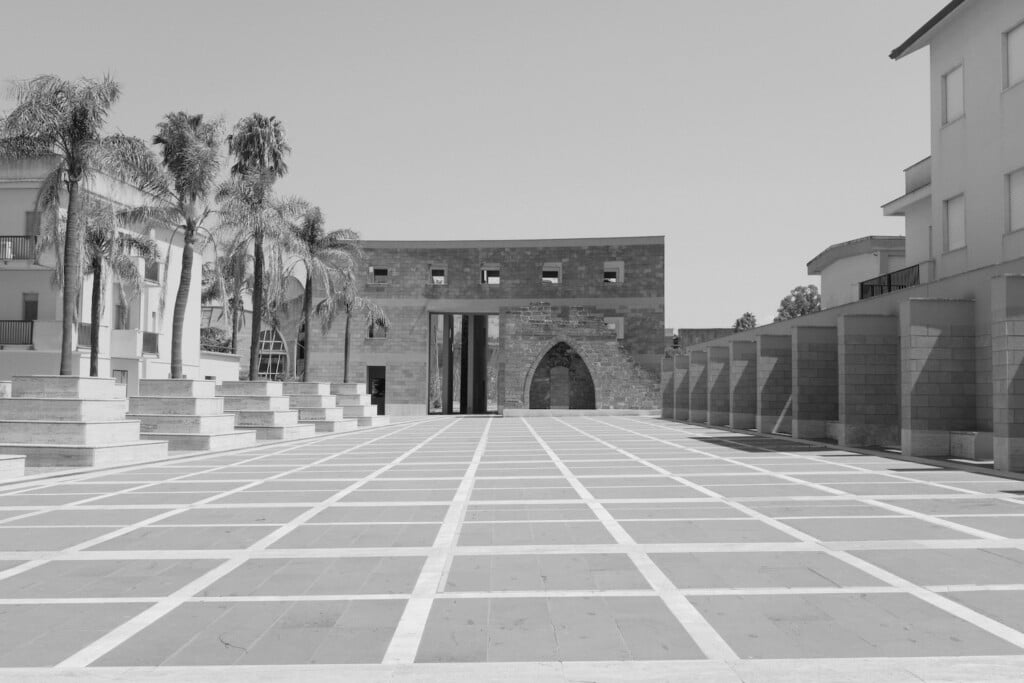
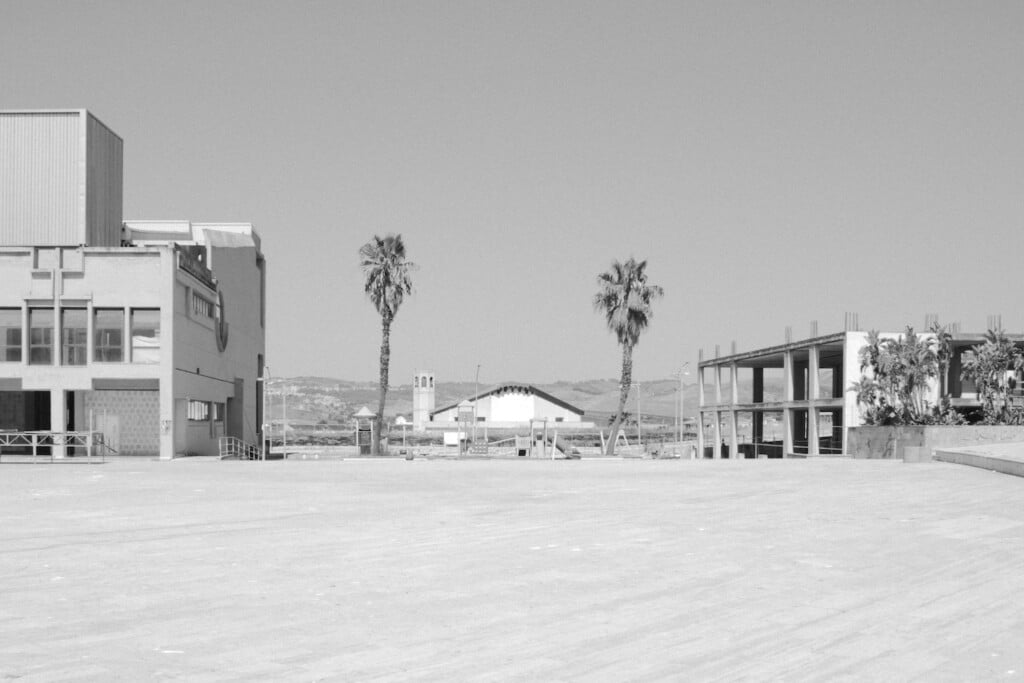
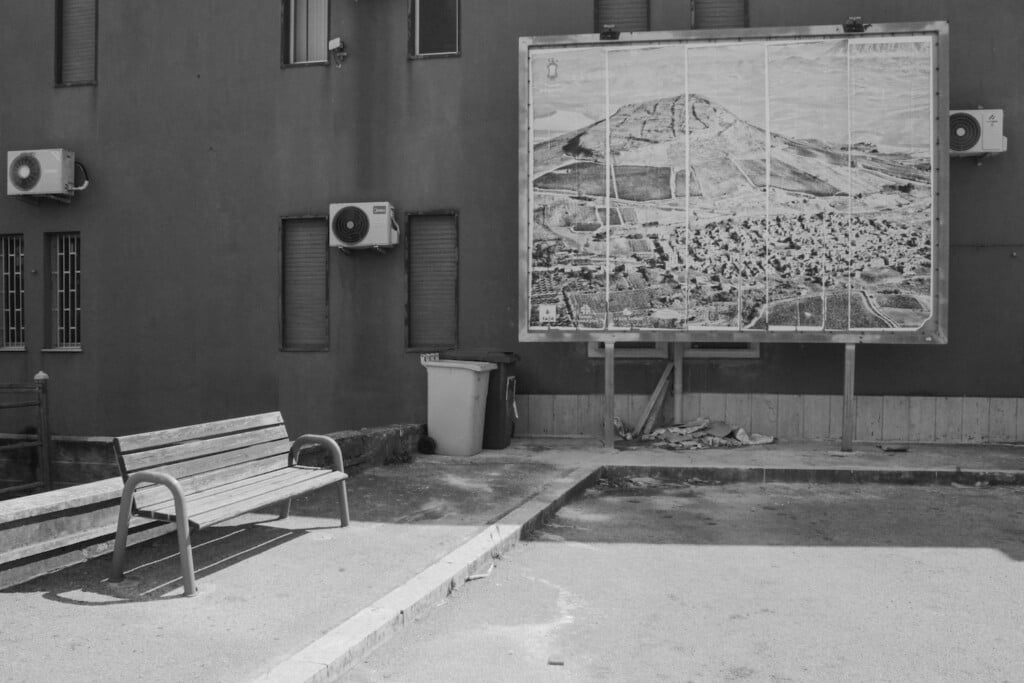
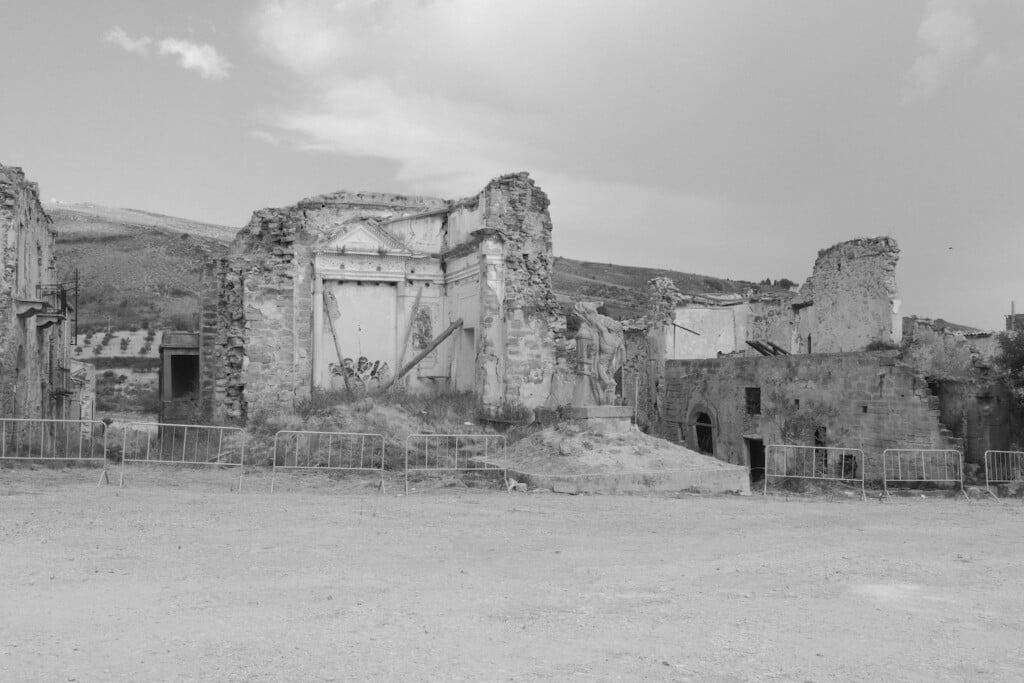
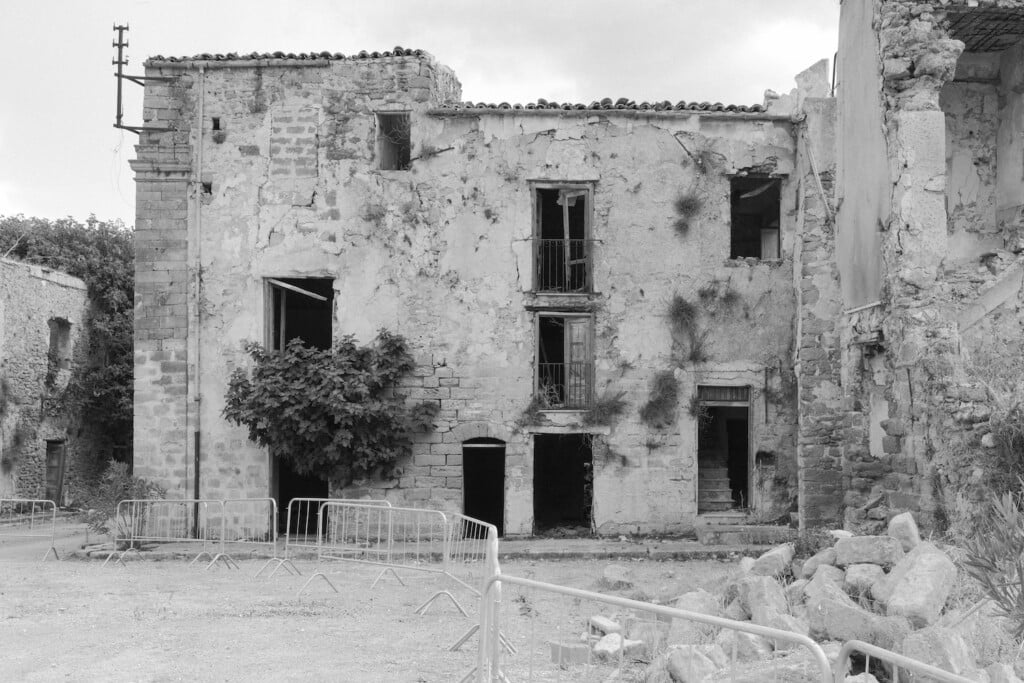
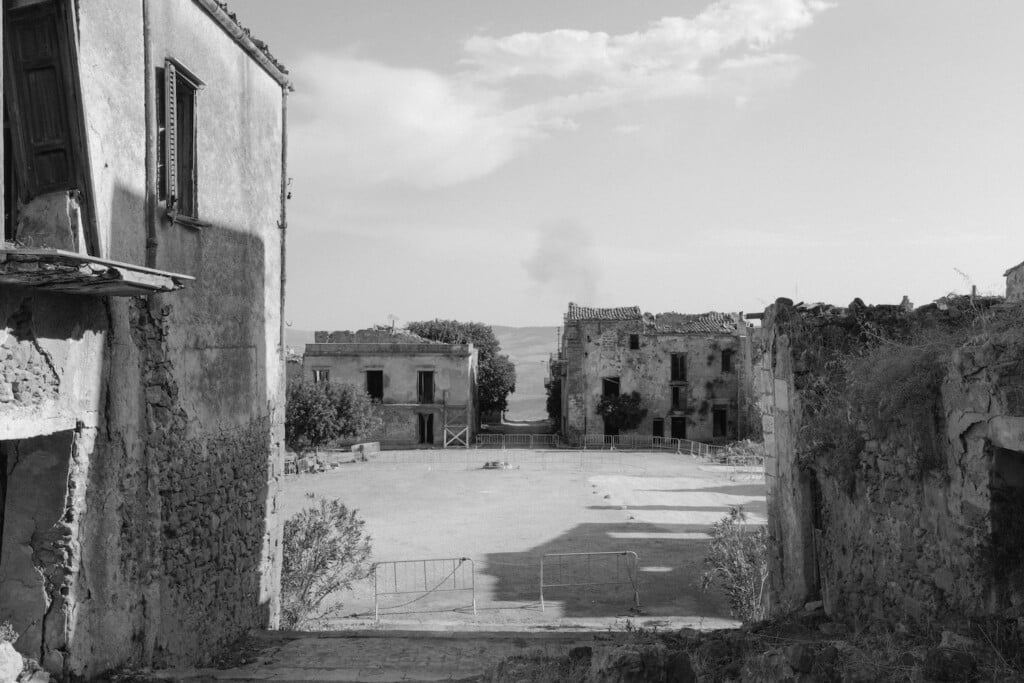
Decades later, the landscape still bears the marks of this transformation. The architecture of the new Gibellina, Alberto Burri’s Grande Cretto covering the rubble of the old town, the silent streets of old and new Poggioreale offer different images of the same wound. On one side, the attempt to build a future through urban and artistic forms; on the other, the persistence of what has been lost, entrusted to ruins, voids and traces of an interrupted life.
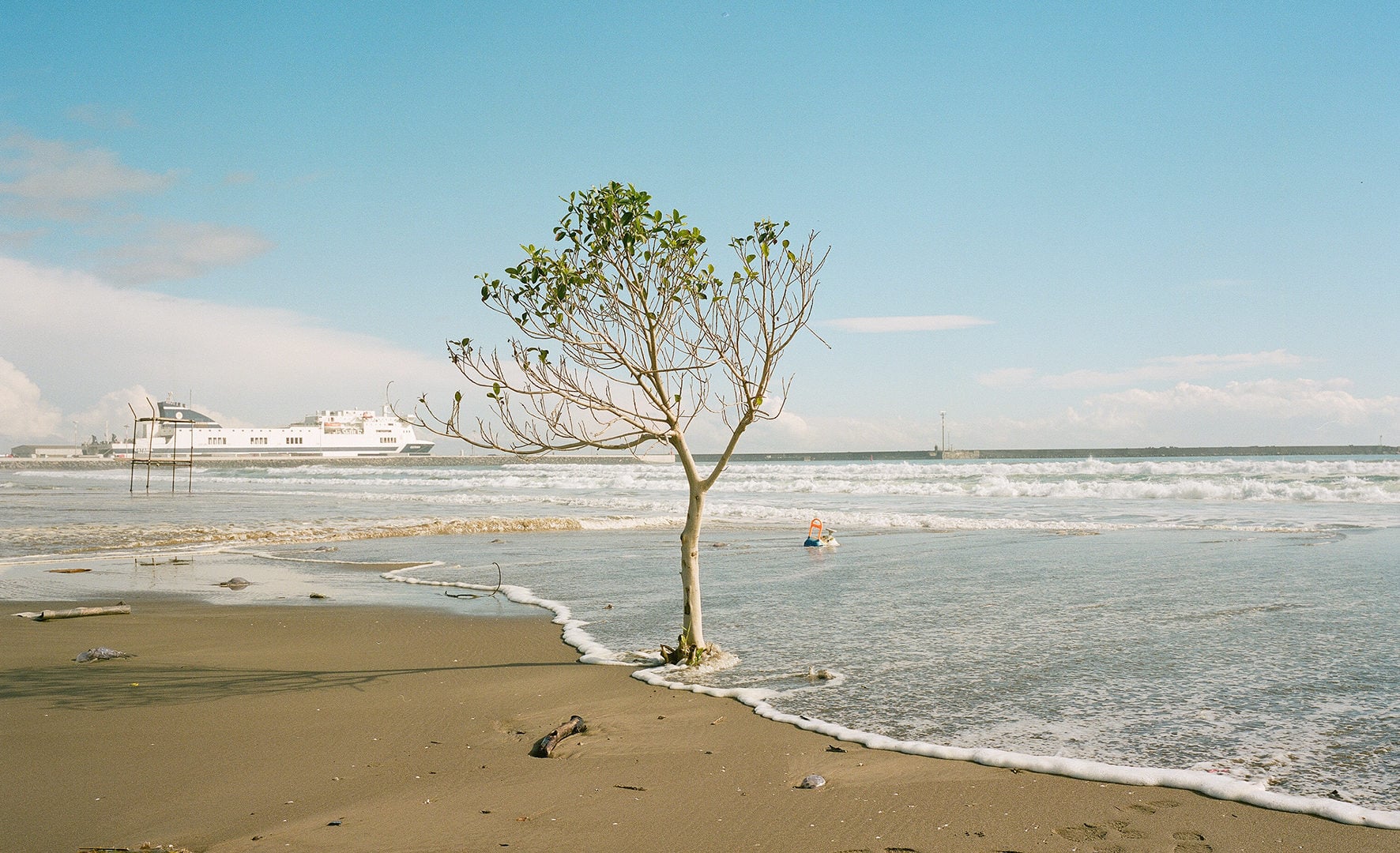
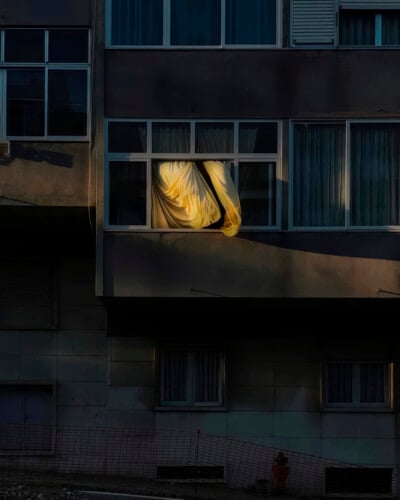
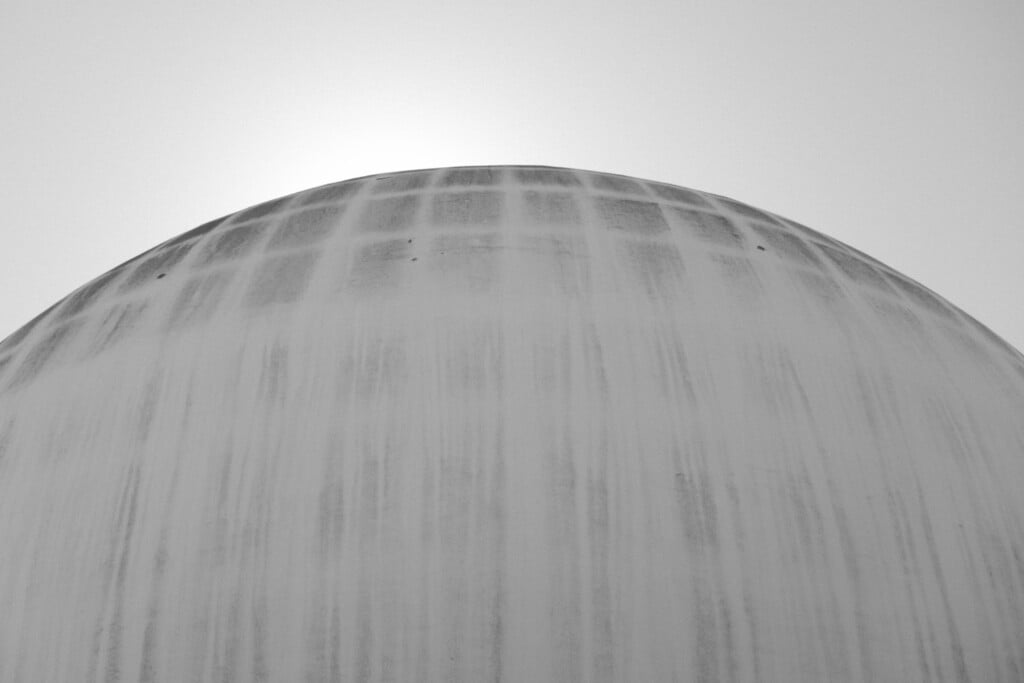
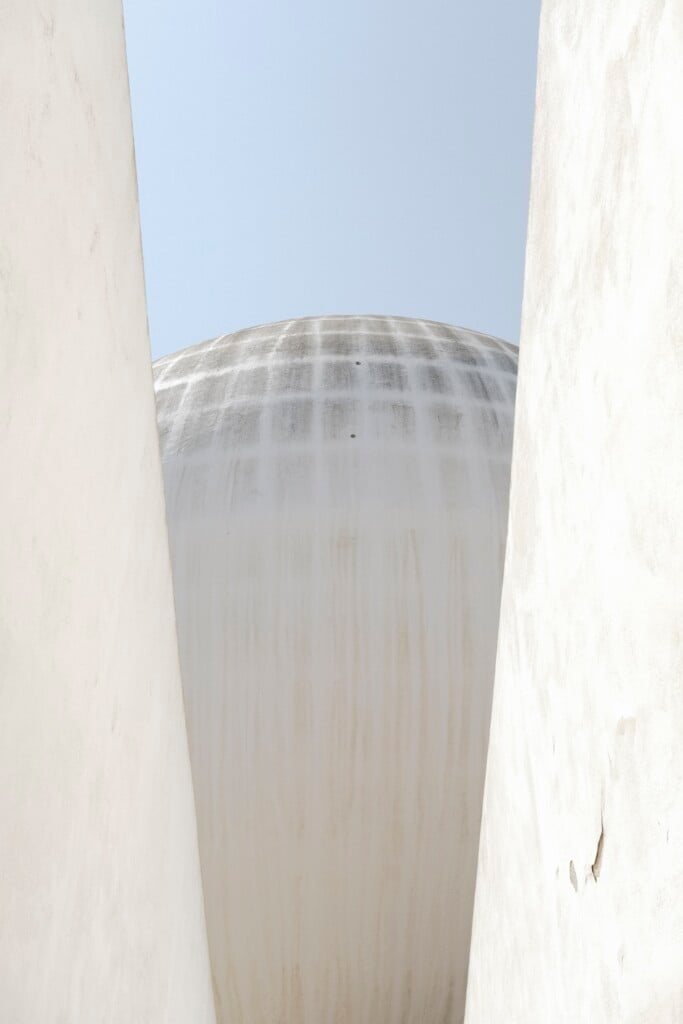
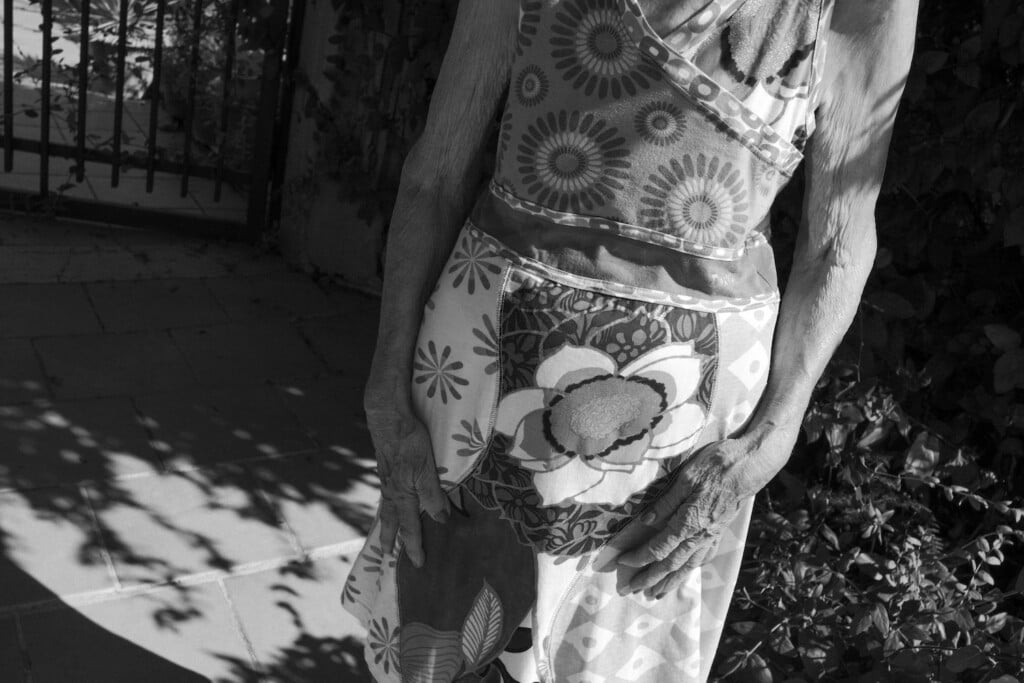
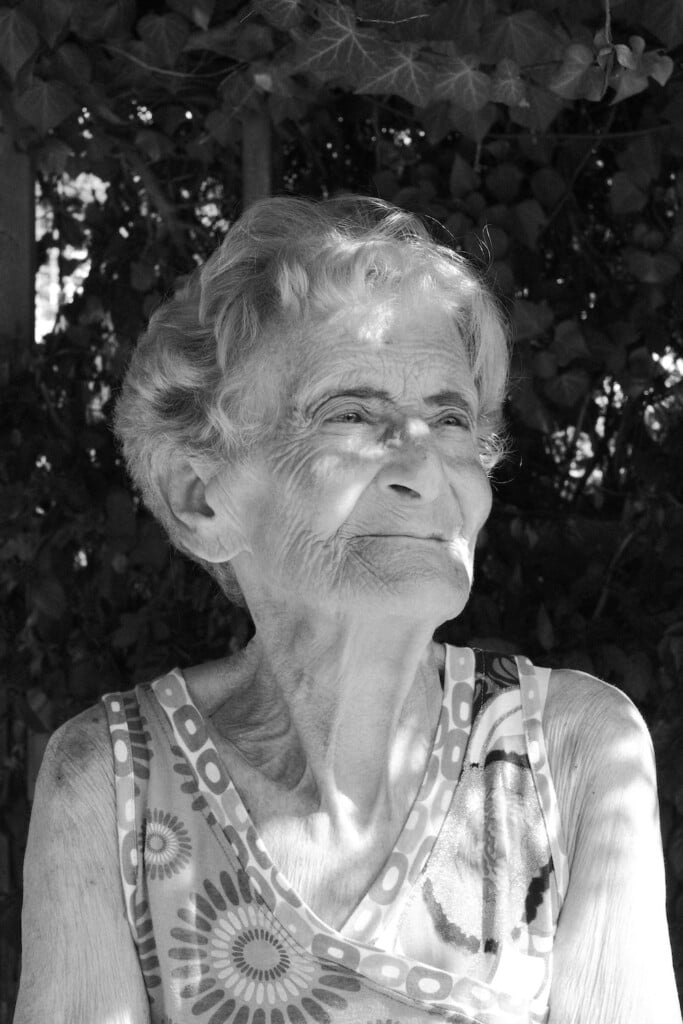
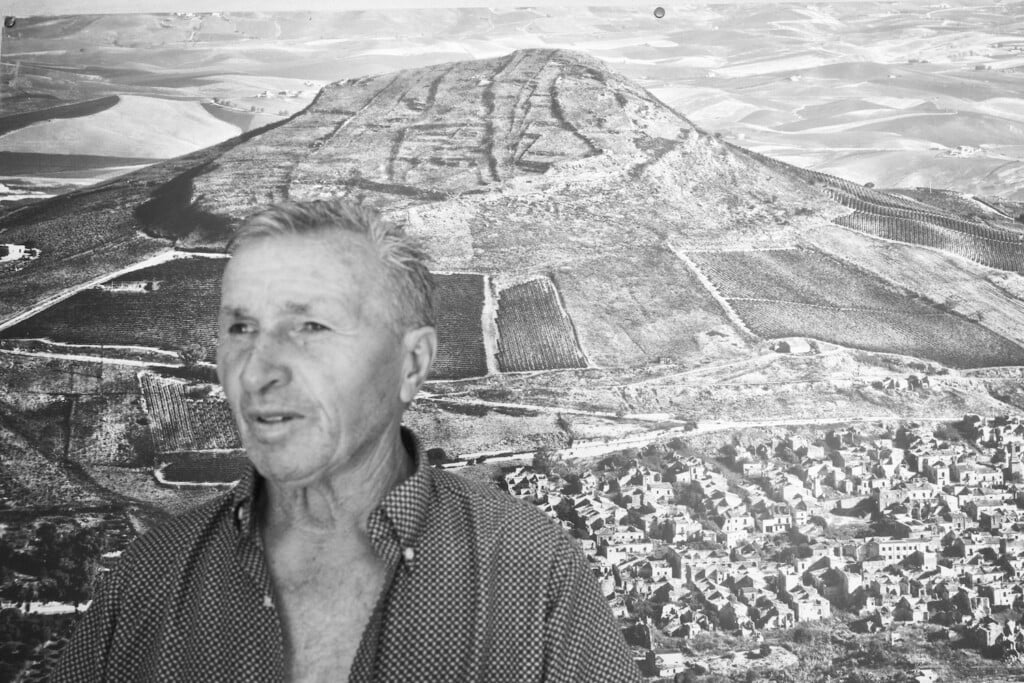
Greco and Mancuso’s photographs move through these places, observing the relationship between architecture, landscape and memory. Built spaces, abandoned ones and the signs left by time become a way of reading the consequences of an event that continues to shape the identity of the territory. The gaze lingers on contradictions, on the distance between design intentions and everyday life, between the will to start over and the difficulty of finding a bond with what once was.
The aim is not to fix a definitive history or to pass a single judgement, but to question what remains, what has changed and what seems never to have found a new form. Rebuilding a place does not mean giving it back its life, and preserving its ruins does not only mean safeguarding the past. In between lies a space of tension, where memory and transformation overlap without always finding a synthesis, and where the Belice Valley continues to tell of a past that does not disappear and a future that is in part still unfinished.

Read also: