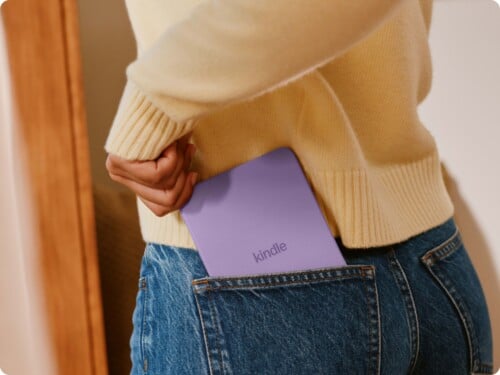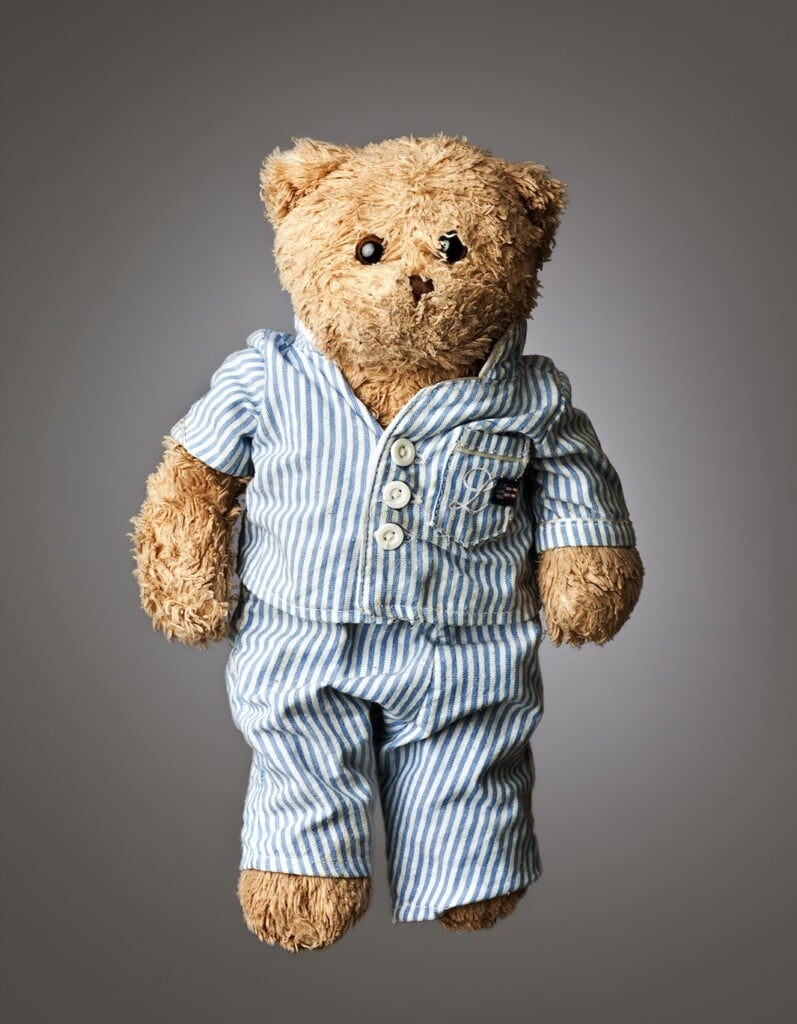
Opening a second-hand app and scrolling through objects that once belonged to strangers has become an increasingly familiar gesture. A vintage jacket, a bag from the Nineties, a pair of sneakers worn only a few times. Objects that come from lives different from our own and that, for some reason, end up in our cart. We don’t know who chose them, where they were worn, or what stories they’ve been through — and yet it is precisely this narrative dimension that seems to make them more interesting.
This is the starting point of the first episode of the second season of Cantiere Scandurra, the podcast by Scandurra Studio produced in collaboration with Collater.al. Alessandro Scandurra, the architect and founder of the Studio and the narrator of this journey, uses the second-hand phenomenon as a vantage point to talk about something broader: the way we build meaning, memory, and belonging today.
In recent decades the world has become increasingly interconnected. Images circulate endlessly, trends spread rapidly, and cultural identities seem ever more fluid. While this global network has broadened the range of choices available, it has also produced a widespread sense of rootlessness. In a present that is constantly shifting, finding stable reference points becomes increasingly difficult.
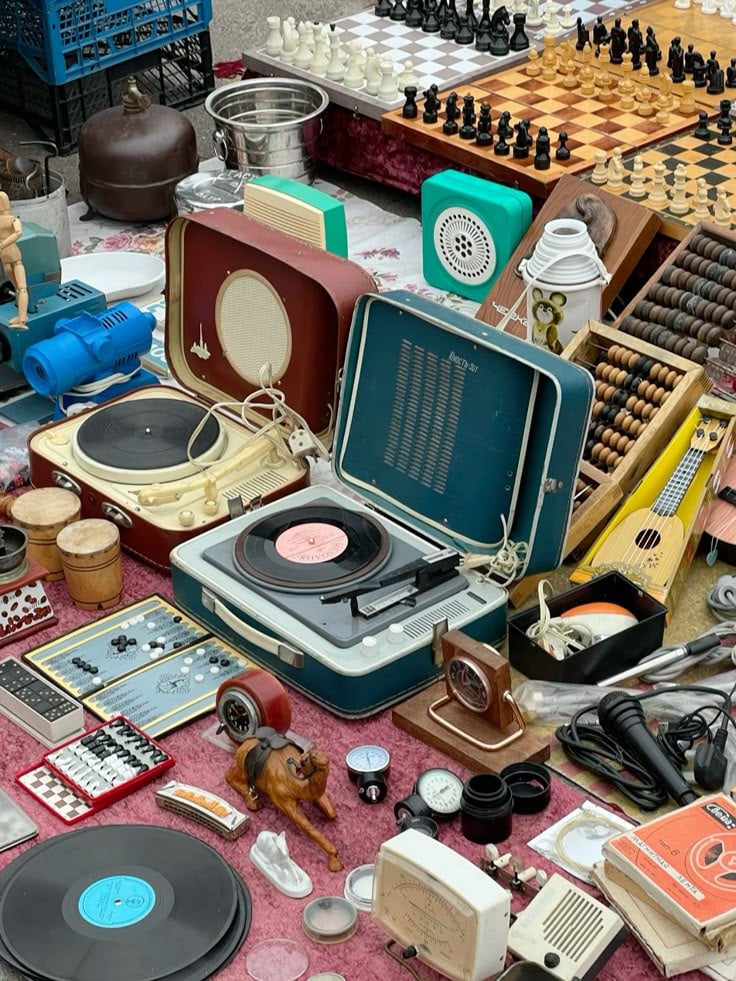
It is in this context that the past takes on a particular value again. The return of vinyl, analogue photography, and vintage fashion is not merely an aesthetic matter: it speaks to the desire to re-establish a connection with something that feels more lasting.
As Alessandro Scandurra observes in the podcast, the term pre-loved captures this shift in perspective well. It does not simply mean “used”: it points to something that has already been loved.
The distinction is subtle but significant. A pre-loved object is not merely what remains after consumption — it becomes a fragment of a story that continues. In this sense, objects cease to be entirely anonymous: they carry traces of previous lives, of choices, of contexts.
It is telling that it is above all younger generations who have embraced this emotional language. In a world dominated by rapid production and ever-faster consumption cycles, the value of an object seems to depend partly on its ability to tell a story. Buying a pre-loved item means entering a small material genealogy: joining a sequence of relationships that connects people who will most likely never meet.
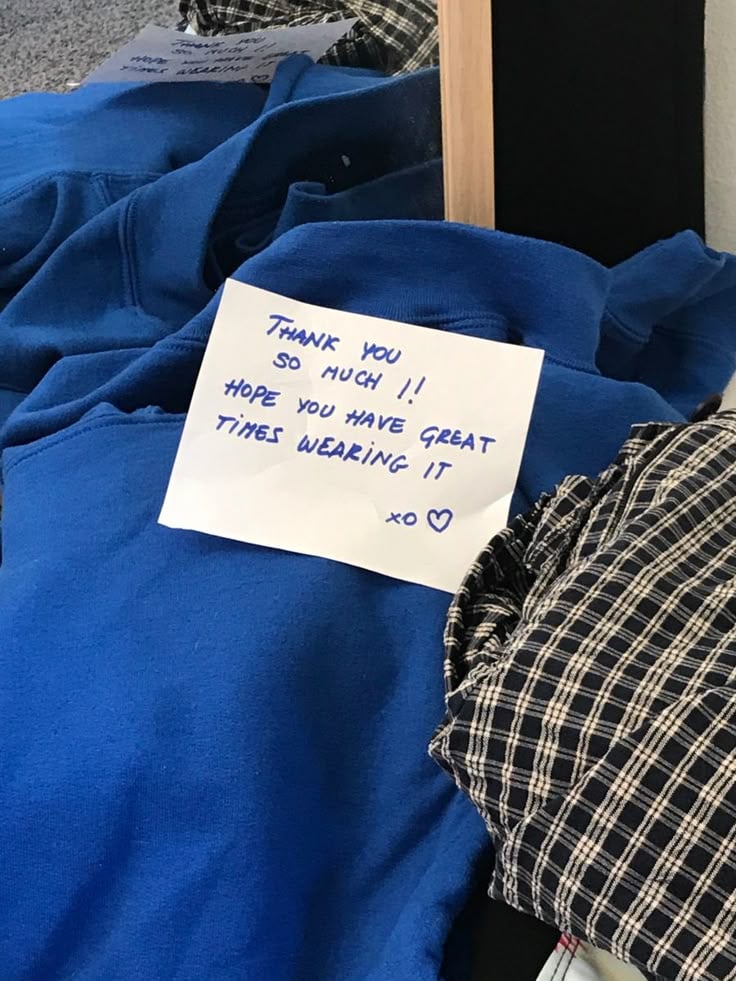
It is no coincidence that this phenomenon has grown on the very digital platforms dedicated to second-hand exchange. Apps like Vinted have made swapping objects simple and immediate, but they have not erased the social dimension of the experience. The chat between seller and buyer, the negotiation over price, and mutual reviews recreate a form of relationship that closely resembles that of traditional markets.
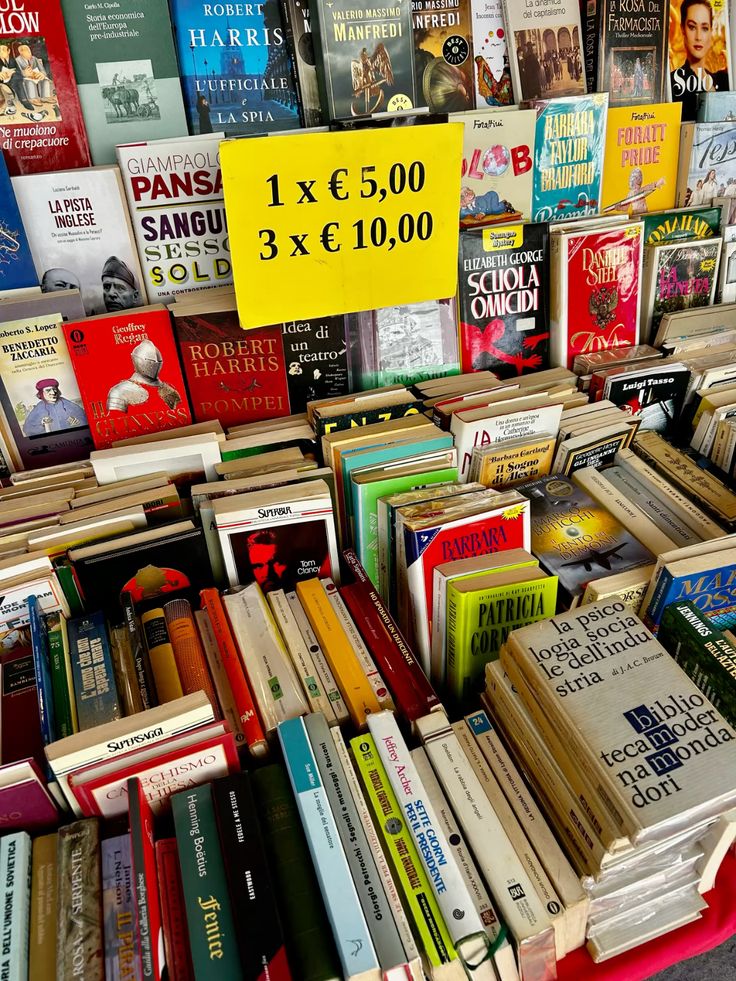
As Scandurra suggests in the episode, these platforms function almost like contemporary markets: spaces where not only goods circulate, but also stories, reputations, and small fragments of identity. Even though everything happens through a screen, there remains a sense of participating in a network of exchanges that connects individuals and different contexts.
Ultimately, what emerges from this reflection is that objects continue to serve a very powerful symbolic function. They do not merely satisfy practical needs — they also help build a sense of continuity. In a world perceived as increasingly fast-paced and unstable, choosing something that has already had a life can become a way of rebuilding a connection with time and with others.
When we buy something pre-loved, we are not just looking for an object. We are looking for a story we can recognise ourselves in — a small fragment of belonging in a present that often seems to have no roots.