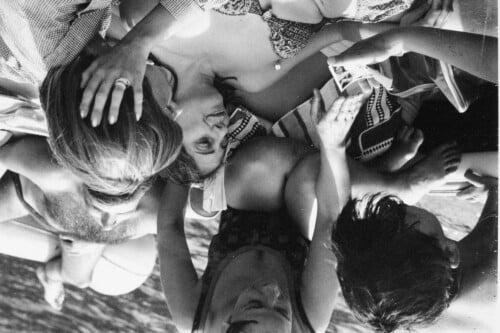
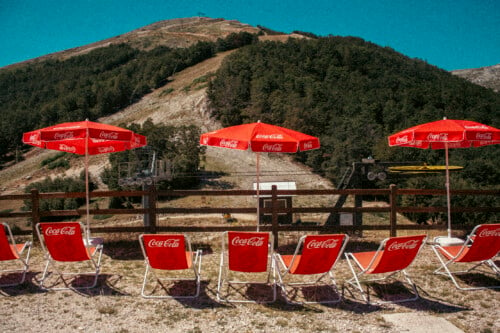
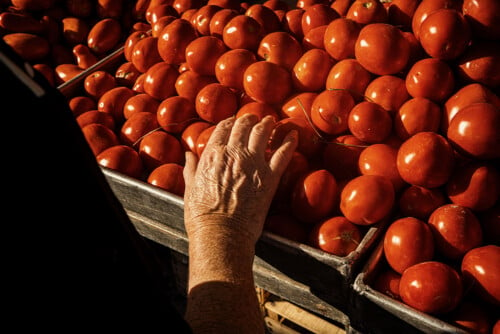
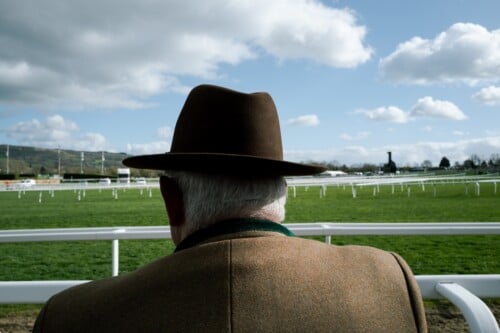
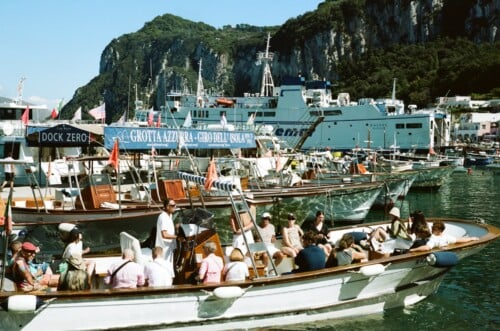
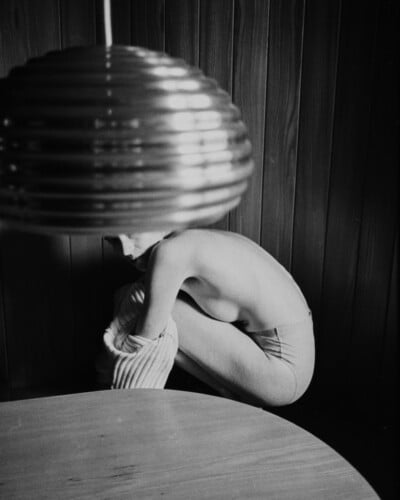
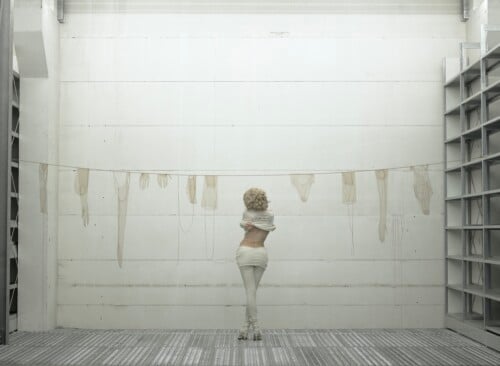
“Adriatic”, the photographic work of Riccardo Fregoso, is a story that stops time and invites us to reflect on the value of memory. The coasts of Abruzzo and Molise are captured in light. Light is the protagonist of these photographs and it is always light that creates forms and gives them colour. It is certainly not a Caravaggesque light, but a modern one, inspired by early 20th-century painting and the style of great photographers.

We could call it metaphysical, able to freeze time and catapult us into a temporary suspension of reality. It is like his photos, so limpid and diaphanous, sincerely show an eternal hour that has always existed but is, in some ways, ancient. It is the hour of a precise instant, where everything stops and dreams chase each other, where we imagine fixed and unchanging places that have existed and that now seem to return from an undefined past.


Riccardo Fregoso’s references to photographers such as Luigi Ghirri or Joel Meyerowitz cannot be overlooked, like certain traces of Hopper’s light, to define his aesthetic. The Adriatic Sea turns out to be a sort of Italian Cape Cod, not only a place of holiday, but of memory.

These photographs, so precisely composed and balanced, show a calibrated portion of space, leaving our imagination to fill them with everyday life, Fellini characters and an all-Italian horizon of scents, aromas, sounds and perceptions. After all, the memory of each individual cannot be separated from a collective memory, which draws its origins from a shared history of images, films, songs and books. And the holiday resort is one of the artistic spaces in which writers, filmmakers and singers moved most after the Second World War.
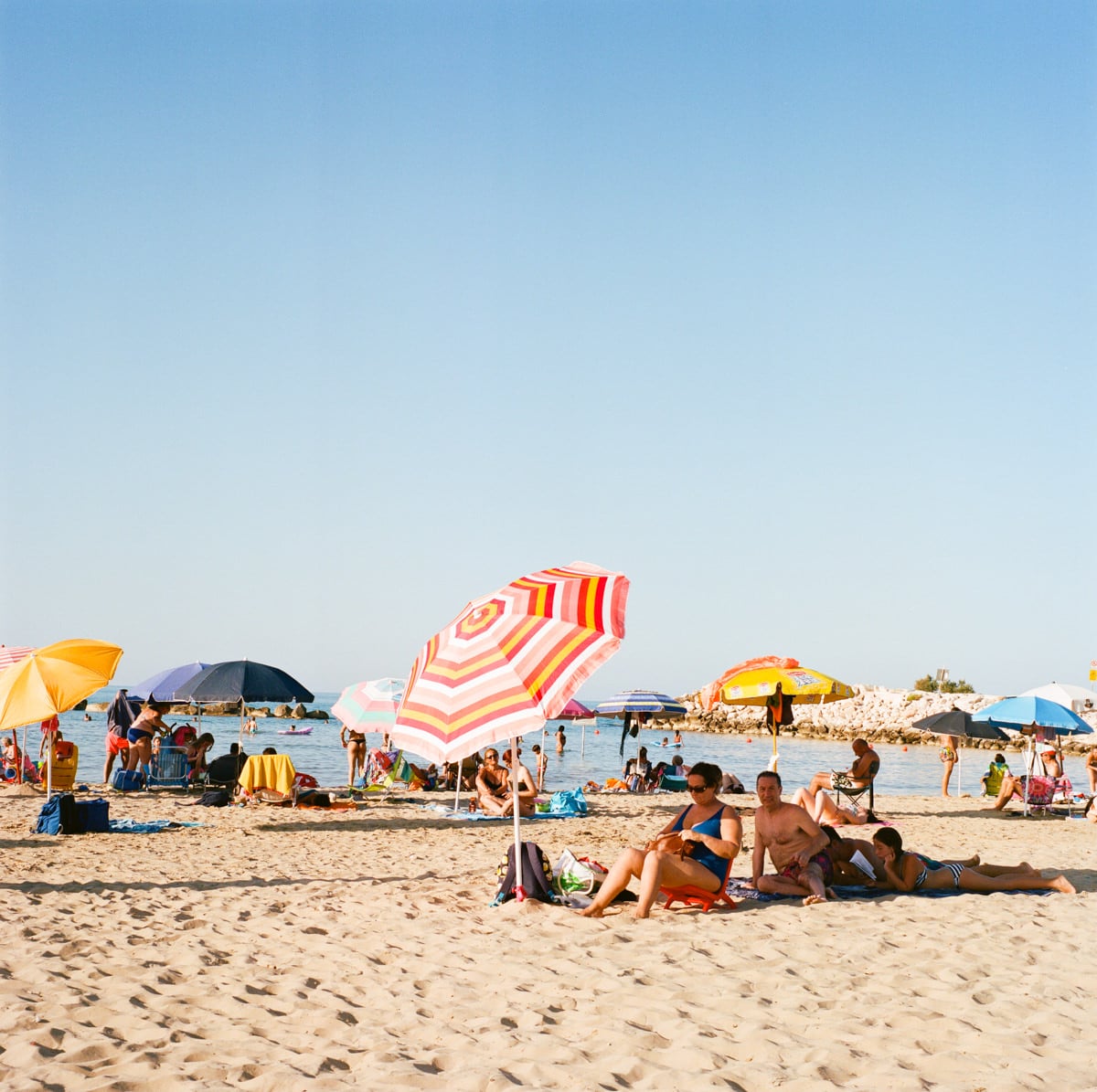
That is why, even if we have never been in Abruzzo or Molise, we feel that the photographs in this work are somehow ours, we see them as part of our personal history because they belong to another story, another tale, which is common to most us.


Autore: Francesco Fusi