The energy transition has a precise image: stretches of solar panels, wind turbines on the horizon, electric cars and technologies designed to reduce dependence on fossil fuels. But what happens before all of this becomes reality? Building the tools that promise a more sustainable future requires resources extracted from the ground, industrial processes and territories that, often far from our eyes, are profoundly transformed.
It is from this contradiction that The Mineral Age takes shape, the photographic project by Tom Hegen, a German photographer who for six years has been documenting from above the landscapes of mining and raw material production. Published by Hatje Cantz, the book gathers 247 aerial photographs that tell the least visible side of the energy transition: that of the places from which the materials essential to contemporary technologies come.
Lithium, cobalt, nickel and rare earths have become central elements of the contemporary economy. They are found in electric vehicle batteries, solar panels, wind turbines and the electronic devices we use every day. As the need to reduce carbon emissions and move away from coal, oil and gas grows, so does the demand for these resources. A transformation that raises a question that is hard to ignore: how much does the extraction of the materials needed to build a more sustainable future weigh, environmentally and socially?
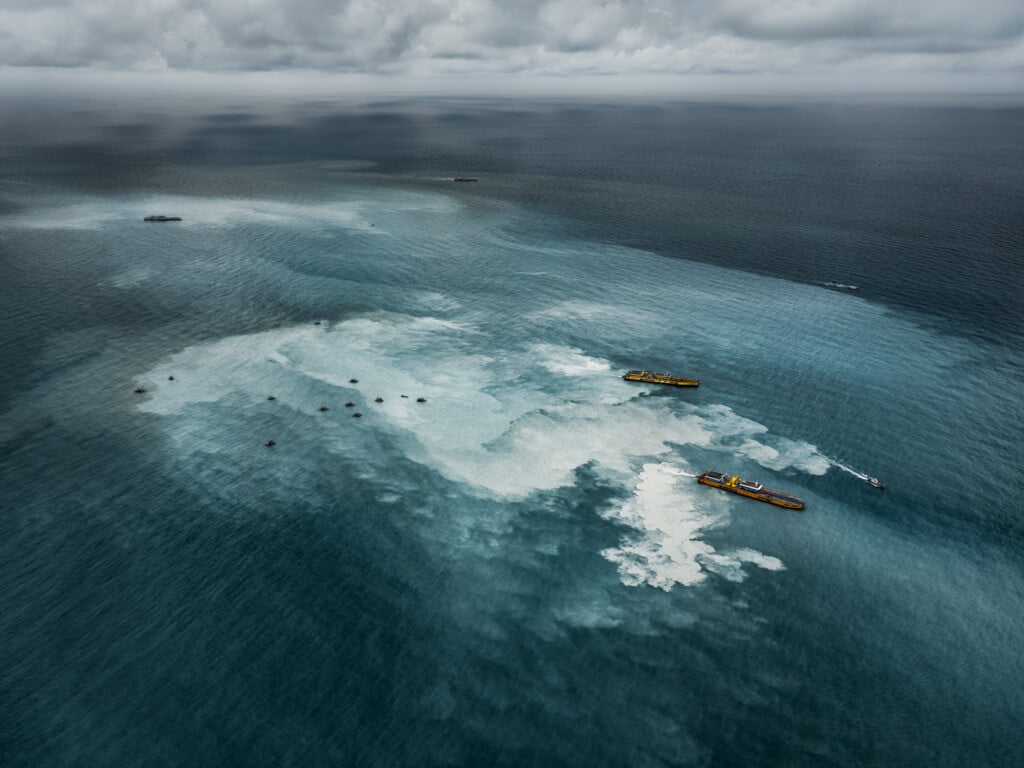
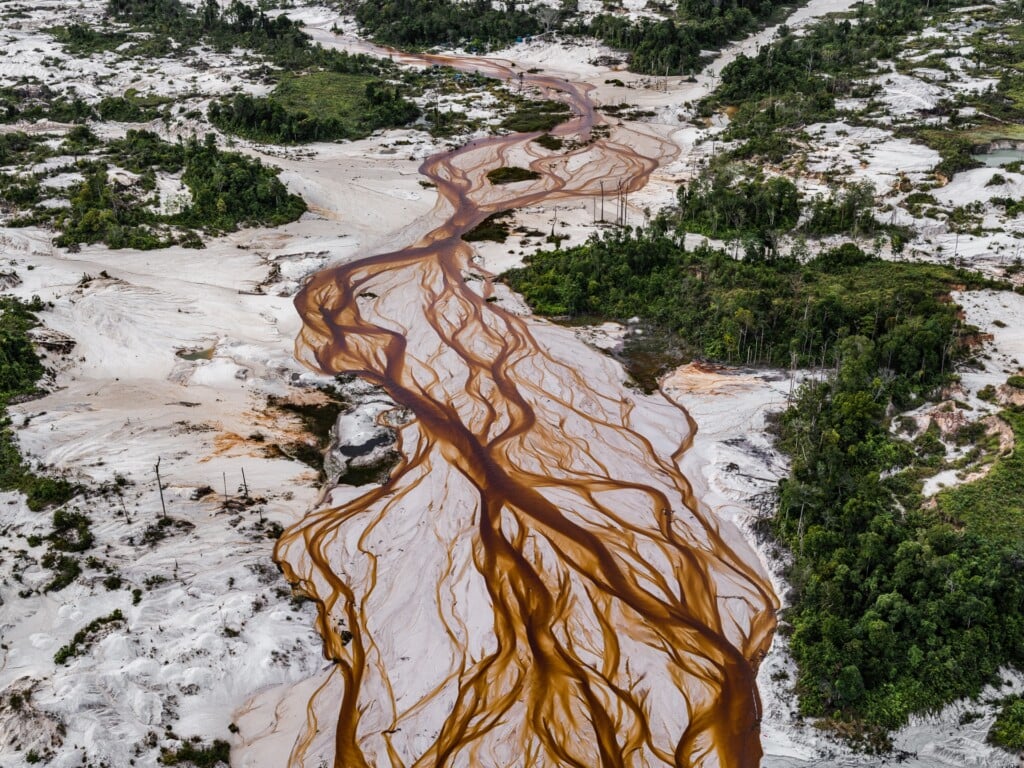
In The Mineral Age, Tom Hegen tackles this question without limiting himself to telling it through data and words. His vantage point is the sky. From above, open-pit mines, evaporation ponds and industrial plants take on shapes and proportions that are hard to grasp when viewed from the ground. The geometries of extractive activities draw new structures on the land, while the scale of human intervention becomes an integral part of the landscape.
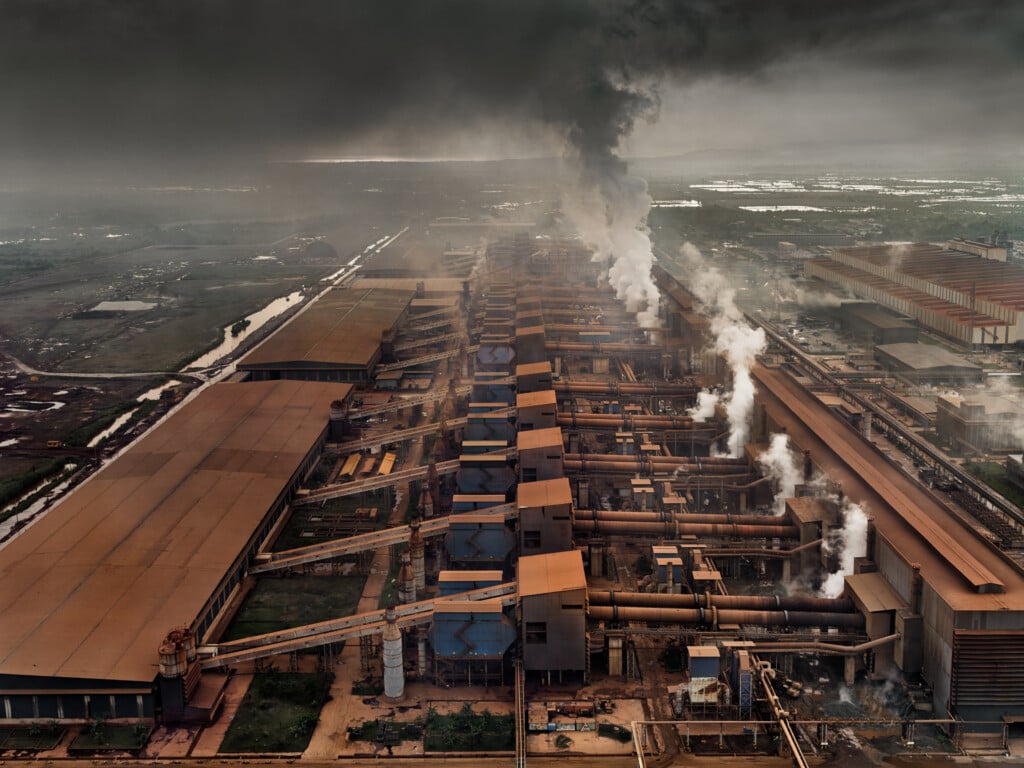
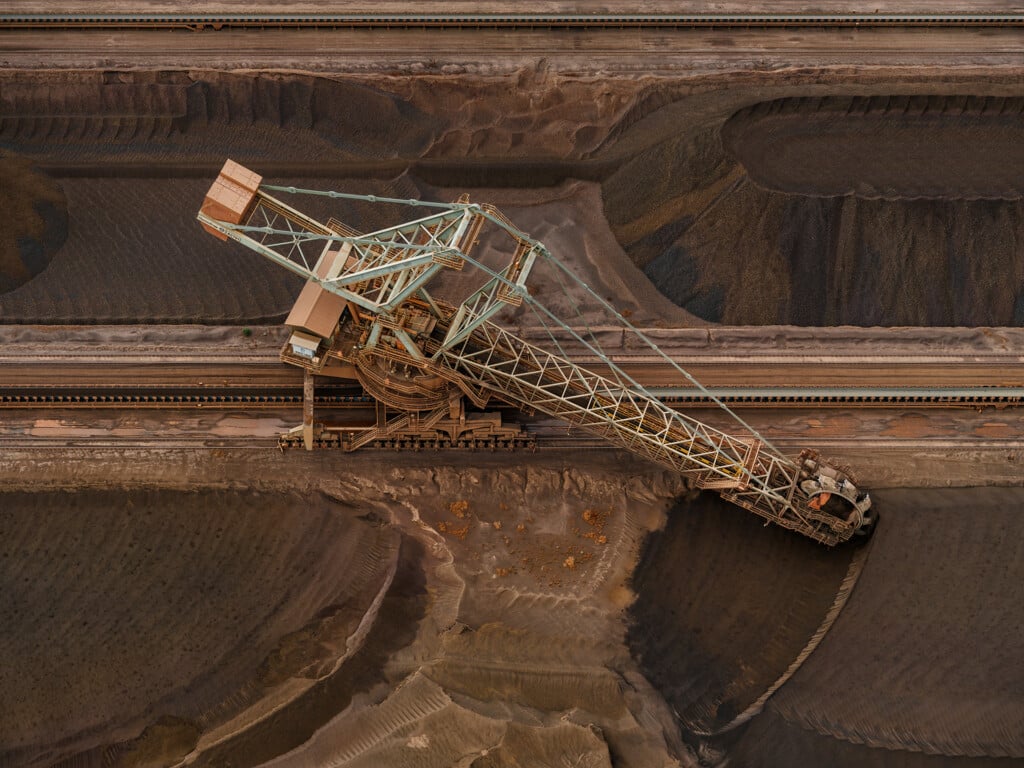
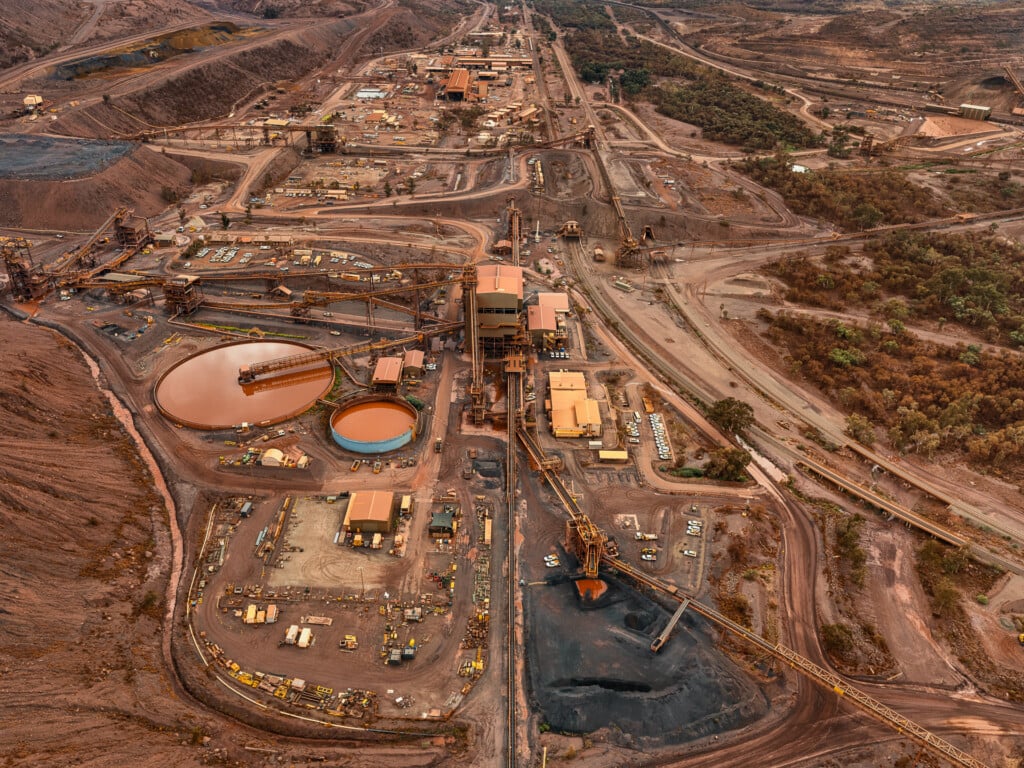
The photographs thus offer an unusual perspective on places that normally remain outside the imagery associated with the green revolution. There are not only the finished technologies, ready to be used, but also the infrastructure, the excavated surfaces and the industrial processes that make their production possible.
The project crosses different territories around the world, following the traces of the raw materials that fuel the energy transformation. In the Atacama Desert in Chile, Hegen photographs the evaporation ponds used for lithium production, while in the Democratic Republic of the Congo he documents the areas dedicated to cobalt extraction, including the artisanal mines of Kolwezi, with their active and abandoned pits.
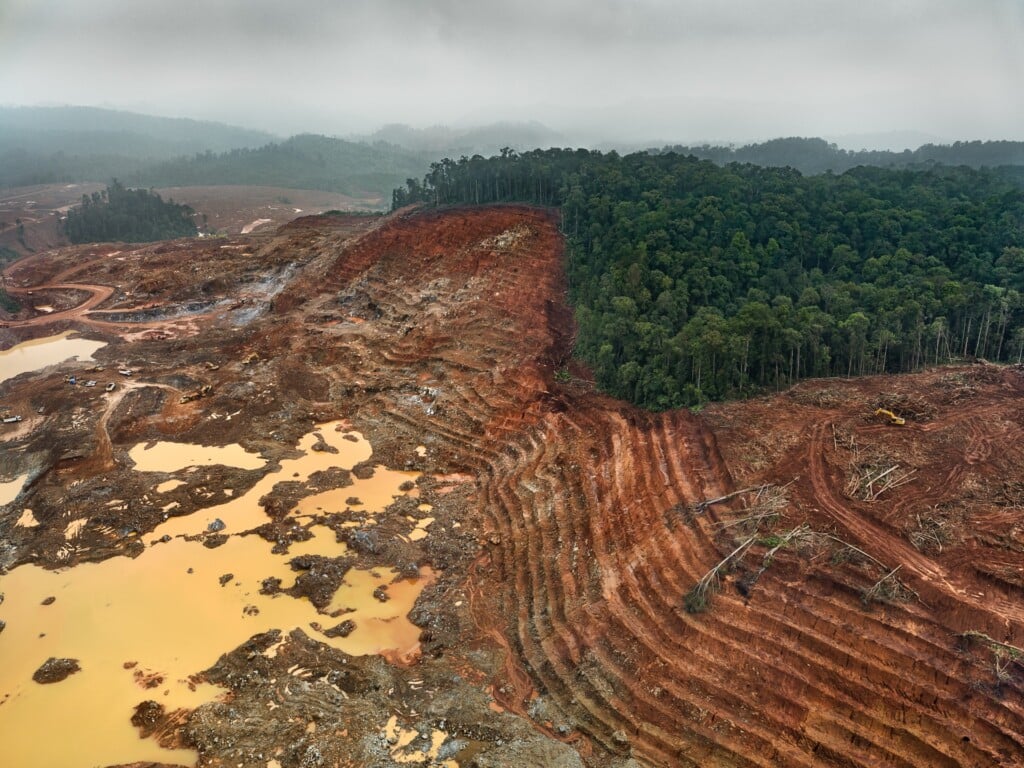
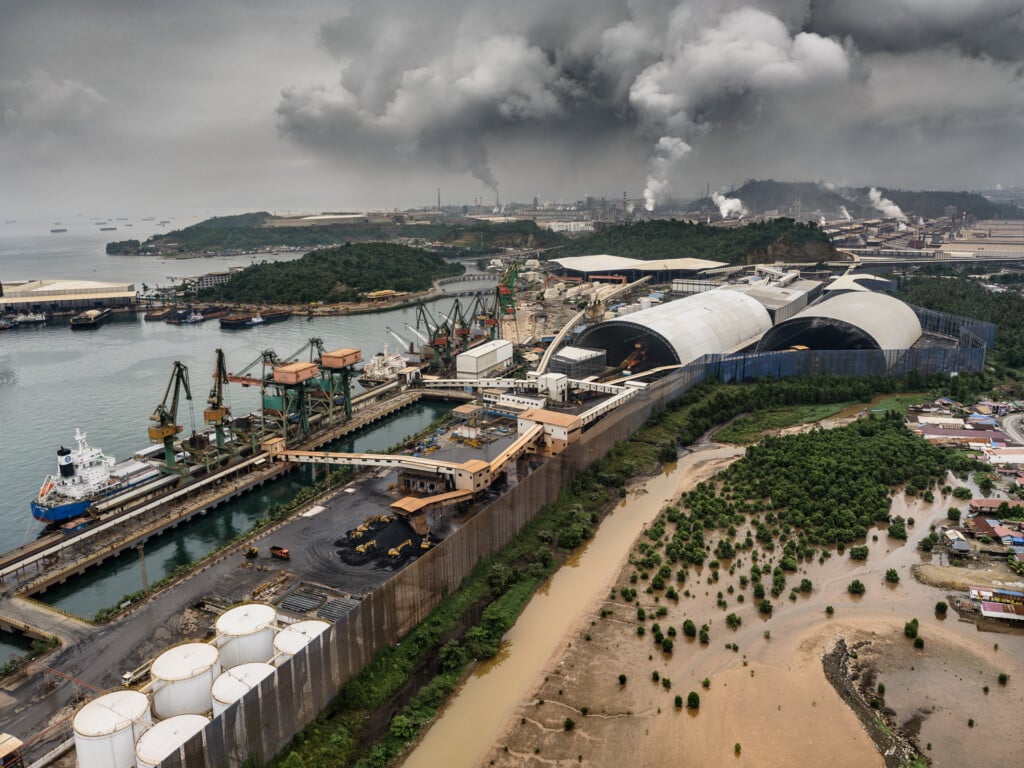
In Indonesia, on the island of Sulawesi, the lens instead focuses on open-pit nickel mines advancing toward the primary forest and on the industrial complexes linked to its processing. These are different scenarios, united by the direct relationship between global demand for resources and the transformation of the places where they are extracted.
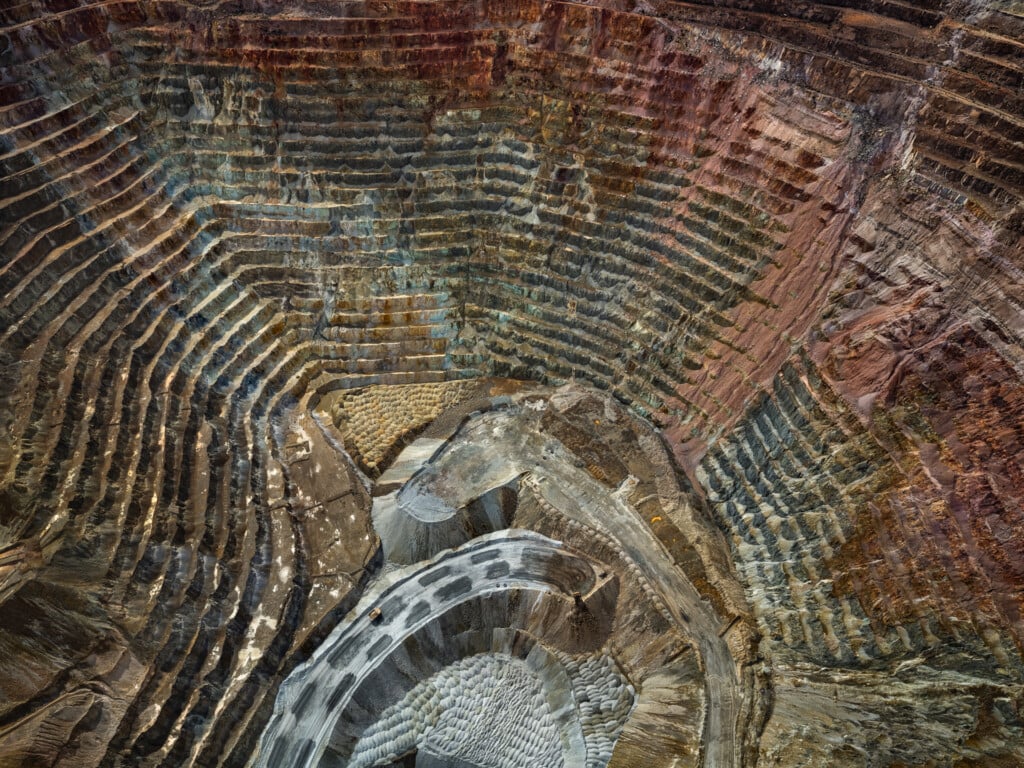
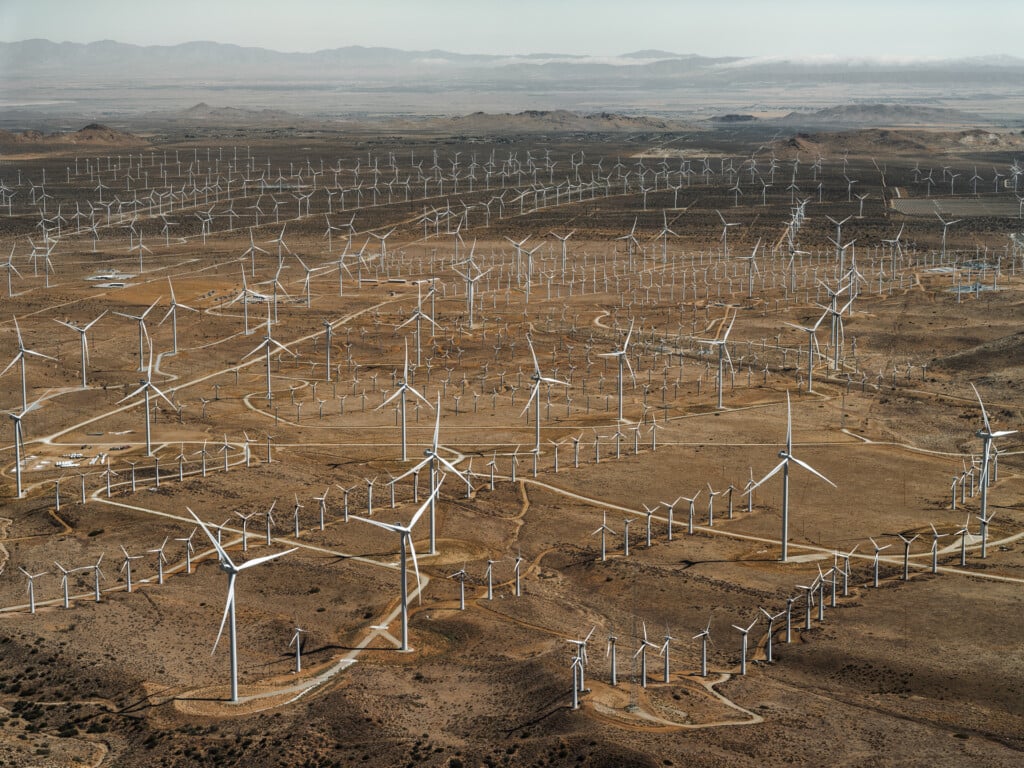
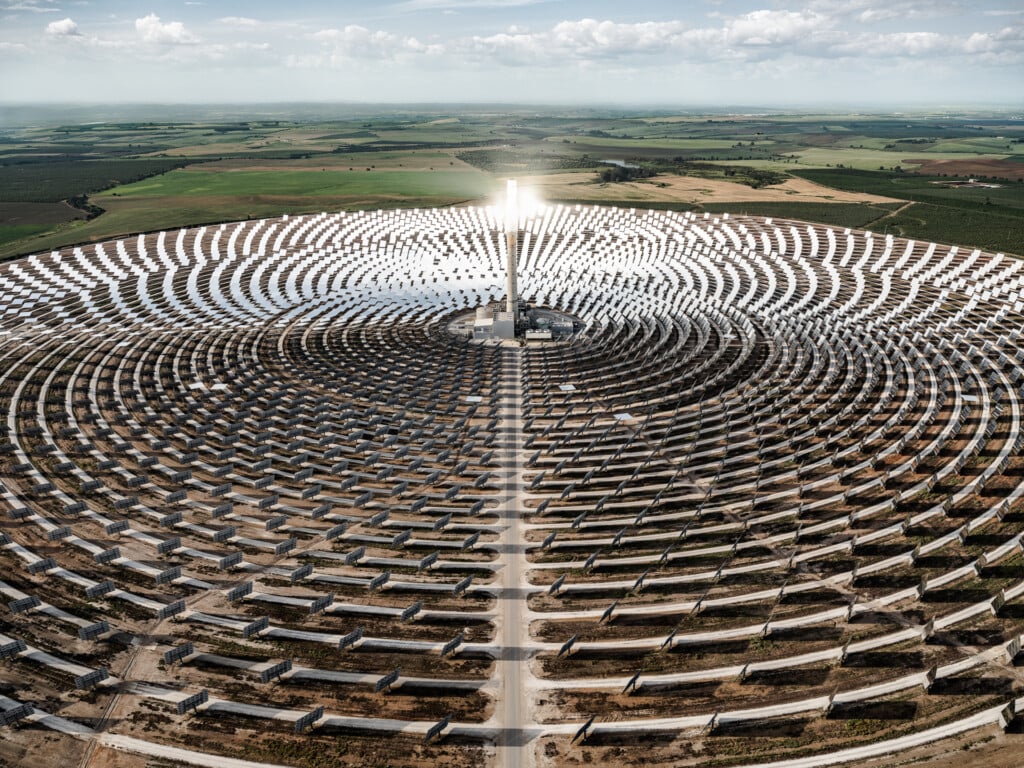
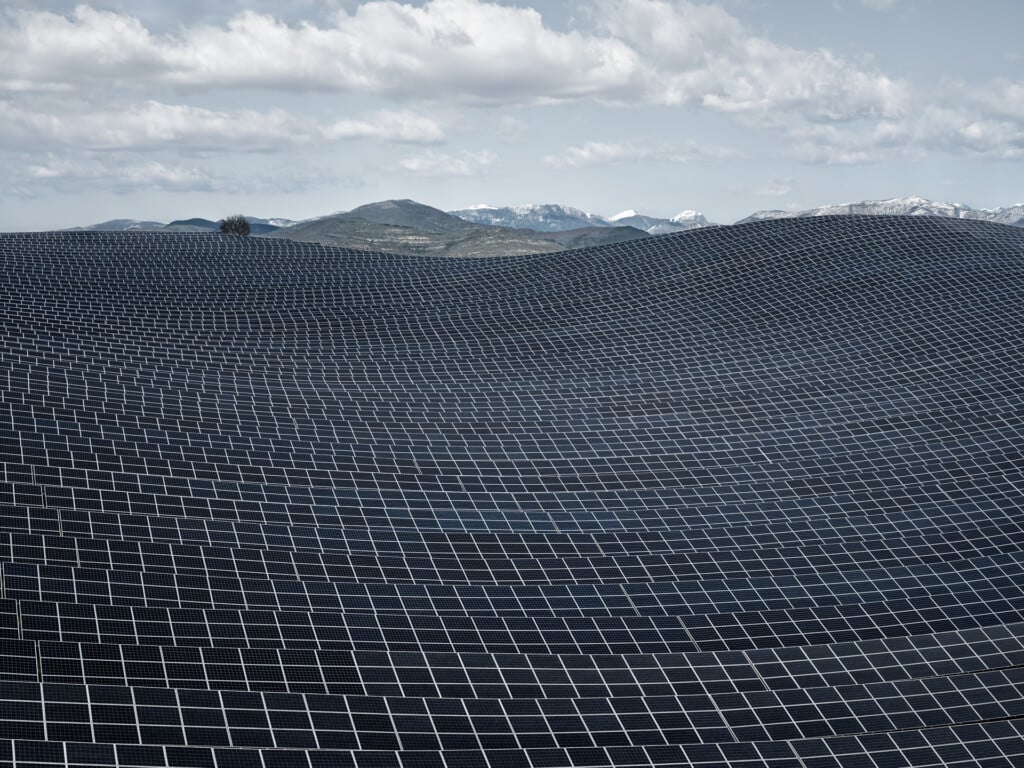
These images are accompanied by photographs of other energy infrastructure, from the expanses of solar panels in California and in Provence to wind farms in Spain, up to the works linked to hydroelectric power production in Switzerland. The story therefore does not stop at mining, but extends to the landscapes built to support the energy transition as a whole.
The variety of images connects two dimensions that are often kept separate: on one side, the infrastructure that produces energy from renewable sources; on the other, the territories from which the raw materials needed to build it come. It is in this link that the project finds one of its most interesting points, showing how the shift to a new energy model does not coincide with the disappearance of human impact on the environment, but with its transformation.
In Tom Hegen’s work, aerial photography is not just an aesthetic choice. By changing the point of view, it allows the land to be read as a surface crossed by interventions, infrastructure and production processes. The geometric shapes of extraction areas and the vast industrial expanses become particularly evident, revealing a dimension of resource consumption that, in everyday life, tends to remain distant.
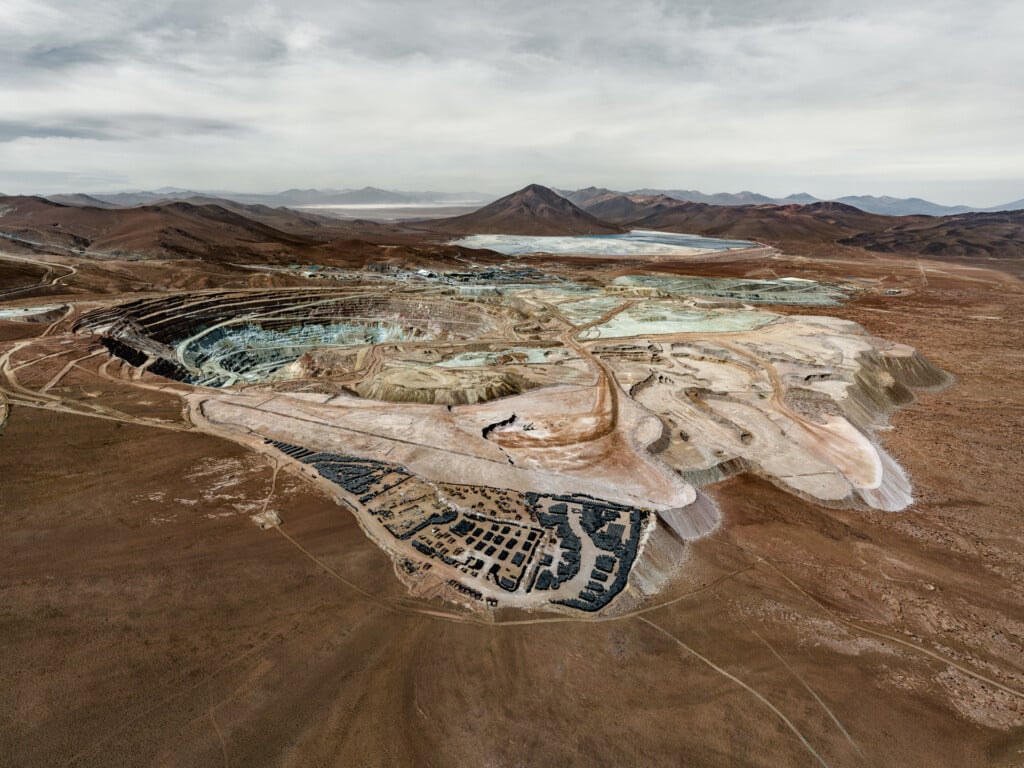
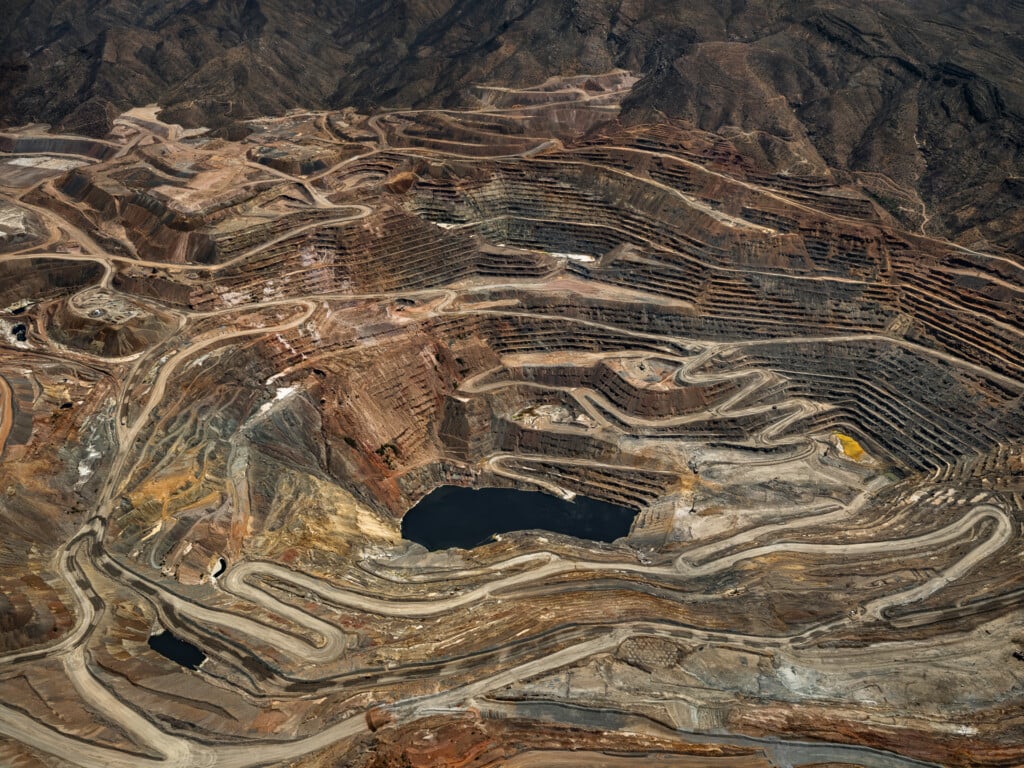
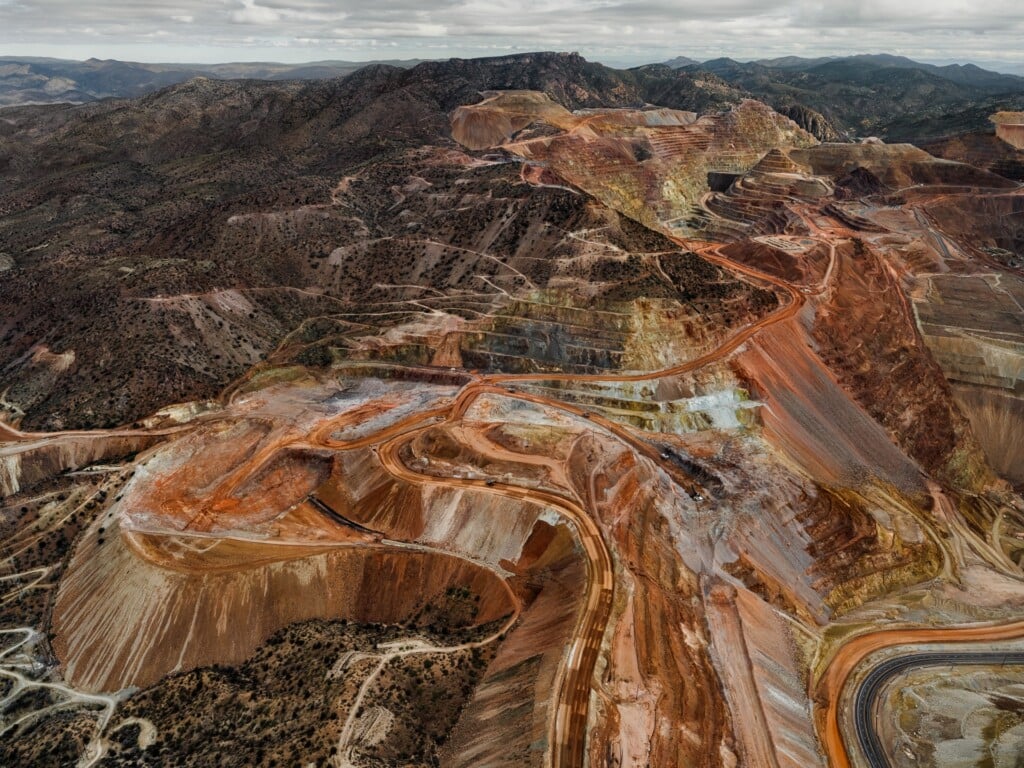
The result is a visual archive in which the power of the images coexists with the complexity of the themes addressed. The photographs can attract with their compositions and the shapes that emerge from above, but what they show goes beyond their visual quality: they are real landscapes, shaped by the needs of industry and by the growing demand for raw materials.
The book brings together color photographs, accompanied by infographics, in-depth analyses and essays by Olivia Lazard and Jean-Baptiste Fressoz. An apparatus that places the images within a broader discourse, relating the visual dimension to the environmental, political and social dimensions of resource extraction.
With The Mineral Age, Tom Hegen invites us to look beyond the surface of the technologies that promise to change our relationship with energy. To truly understand this transformation, the project suggests, it is not enough to observe what arrives in our homes or what moves on our roads: we must follow the path of the materials to the territories from which they are taken. It is there that the energy transition also shows its most concrete side, made of altered landscapes and finite resources, and poses a question that accompanies every promise of progress: what footprint do we leave on the Earth to build the future?