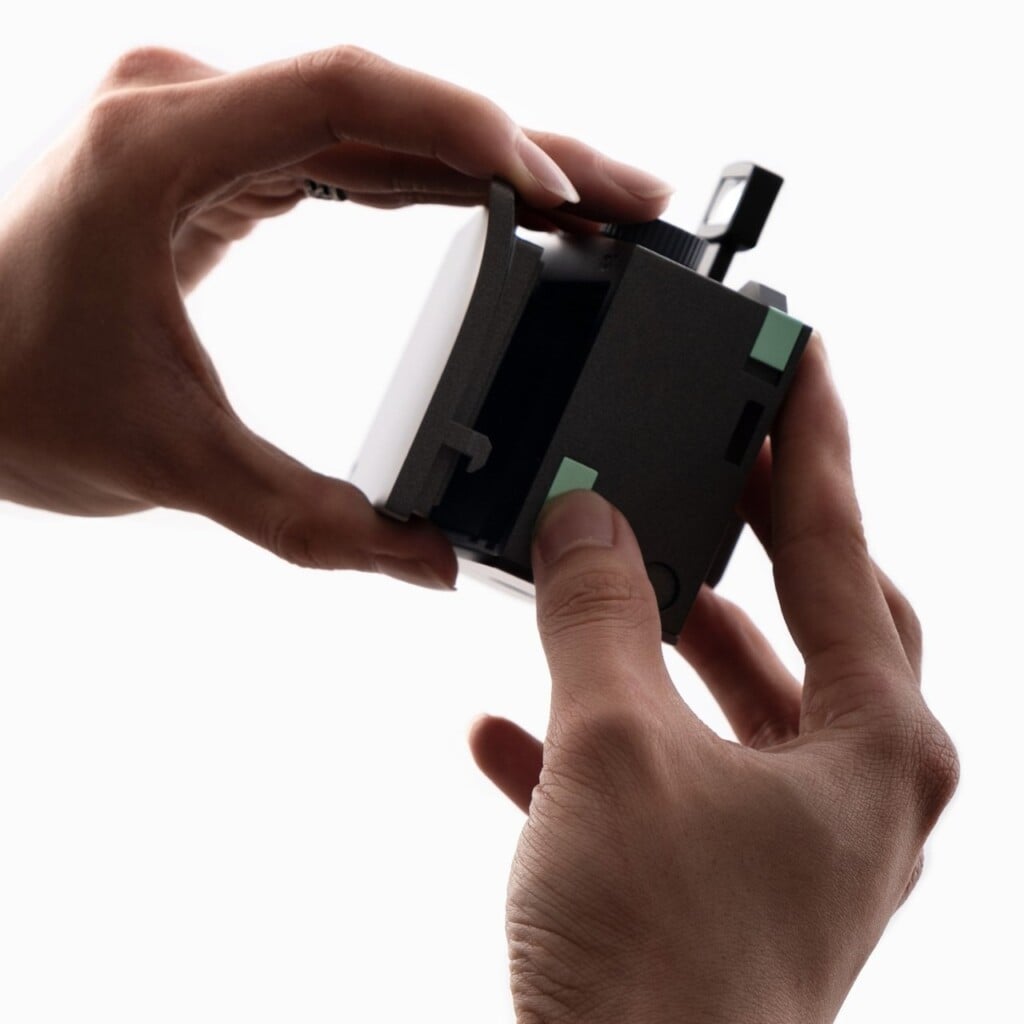
We take thousands of photos every day without even thinking. Tap, swipe, forget, repeat. But what would happen if a camera literally forced you to slow down? That’s the question behind RAW, the pinhole camera concept designed by designer Seulgi Kim: an object that feels halfway between a time machine and a meditation tool, created to give back something digital photography has slowly eroded — awareness of the moment.

The name RAW works on two levels. On the one hand it means “raw,” a direct nod to its essential, filter-free philosophy. On the other it recalls the RAW files of digital photography — modern negatives that contain all the image data before any intervention or manipulation. Two meanings that interweave to define a single idea: returning to the origin of the photographic gesture, freeing it from excess.
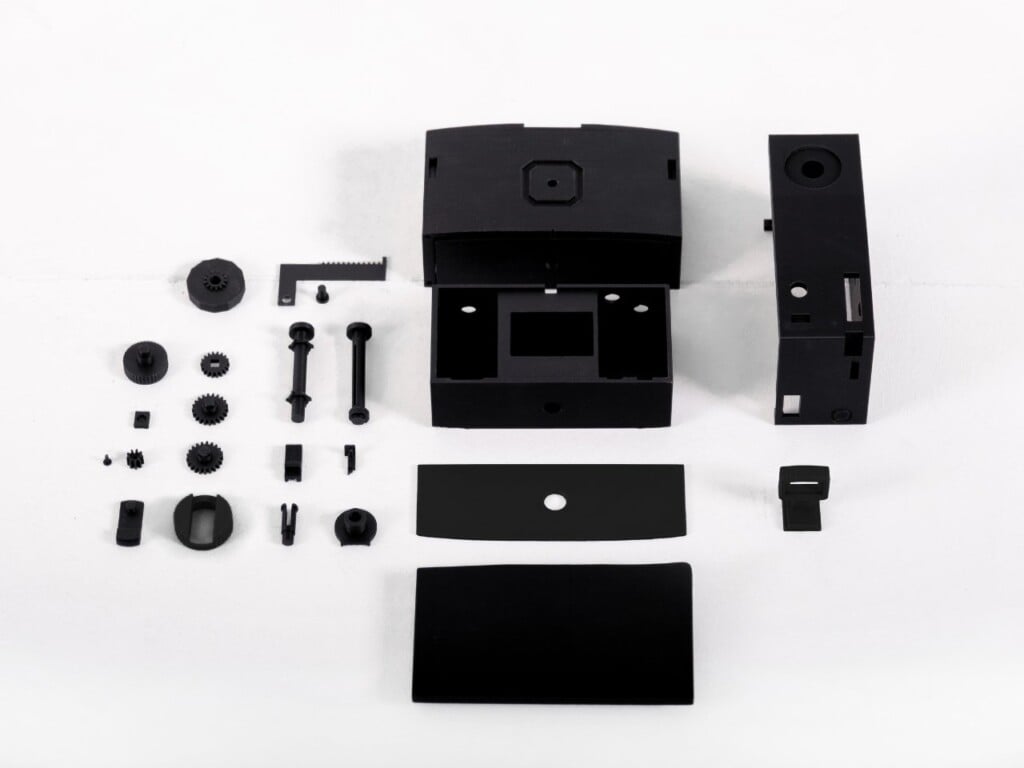
While smartphones let us shoot hundreds of photos in seconds, RAW does the exact opposite. It uses a pinhole instead of a lens, forcing each exposure to last several seconds — sometimes minutes. You can’t capture everything in a hurry, you can’t document every moment absentmindedly. You have to pause, wait, truly observe what’s in front of you. It’s like choosing to walk instead of drive, not out of necessity, but for the pleasure of noticing what surrounds you.

The curved panel on the side of the camera, as noted here, is inspired by Korean roof tiles, designed to deflect rain and wind. Here that curve becomes an ergonomic grip, prevents slipping, and adds stability: tradition turned into function. The twelve-sided dial on top, which sets the exposure time, also reinterprets the geometric logic of Korean polygonal structures, created to ensure balance and strength. From Bulb to 30 minutes, turning that dial makes time a tactile experience.
On the front, an octagonal lens hood welcomes the light and reduces reflections, ensuring more balanced exposures. Every detail of RAW is a small act of equilibrium between form and function, between aesthetics and mechanical precision.
In an age when our phones automatically enhance photos even before they’re taken and artificial intelligence can generate images from a single line of text, RAW is almost an act of rebellion. Kim doesn’t reject technology; she questions its pace. What do we lose when everything becomes immediate?
Shooting with a pinhole camera means making peace with time. When a single frame takes minutes, every choice becomes intentional: the subject, the light, the waiting. It’s an exercise in presence, a way to reconnect with what you’re looking at. Drawing on the slowness of Korean architecture and the purity of photography’s origins, Seulgi Kim has created something that not only captures images but changes the way we learn to see them.