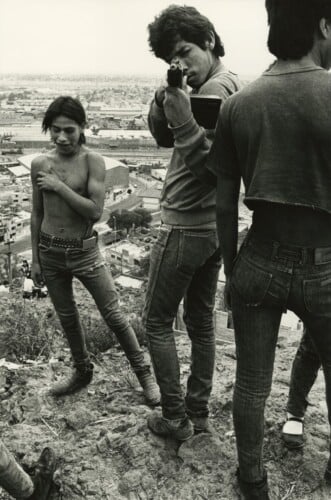
For over forty years, Shirley Baker walked the streets of England with a camera around her neck and an eye able to pause on what others overlooked. She never chased success or the spotlight. Perhaps this is also why, during her lifetime, she did not receive the recognition she deserved. Today, however, she is considered one of the most authentic voices of British street photography: the first English woman to capture the street from within, without filters, without hierarchies.
Baker documented a country in transformation, starting from the ground up: the working class of the North, neighborhood communities, the elderly, young people reinventing themselves through music, clothing, and attitudes. A real, everyday England, far from the glossy imagery of the boom years.
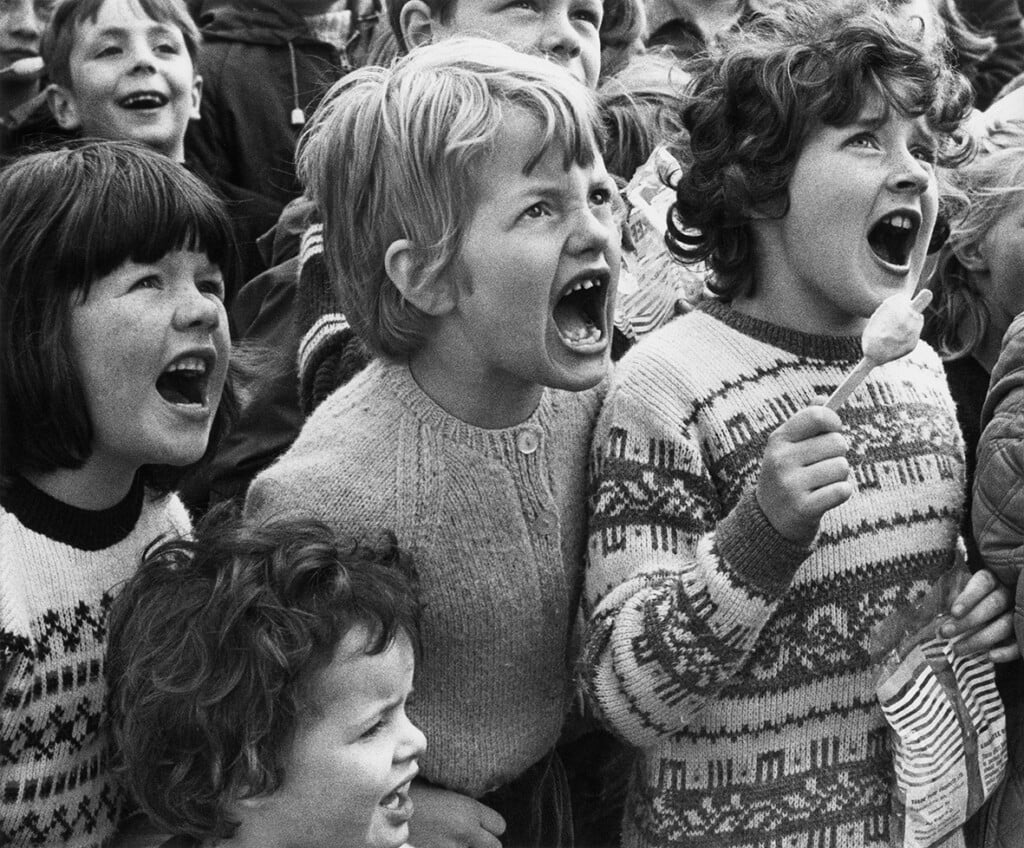
A Woman Photographer in a Man’s World
Born and raised in Greater Manchester, Shirley Baker received her first camera at the age of nine, a gift from an uncle. From that moment on, she never stopped observing the world through a lens. Her passion became a life choice when she enrolled at the Manchester College of Technology: it was the late 1950s, and in her photography class, women could be counted on one hand. She was one of only two.
Entering the professional world, however, was not easy. In the 1960s, obtaining a press pass meant joining male-only unions. Baker did not fight to force that door open: she simply chose another path.
“The men, the authorized photographers, were busy photographing the rich and famous. She preferred to photograph the more mundane aspects of life,” recounts her daughter Nan Levy for the Museum of Youth Culture. And it is precisely in that choice that the strength of her work is born.
The Streets as a Living Archive
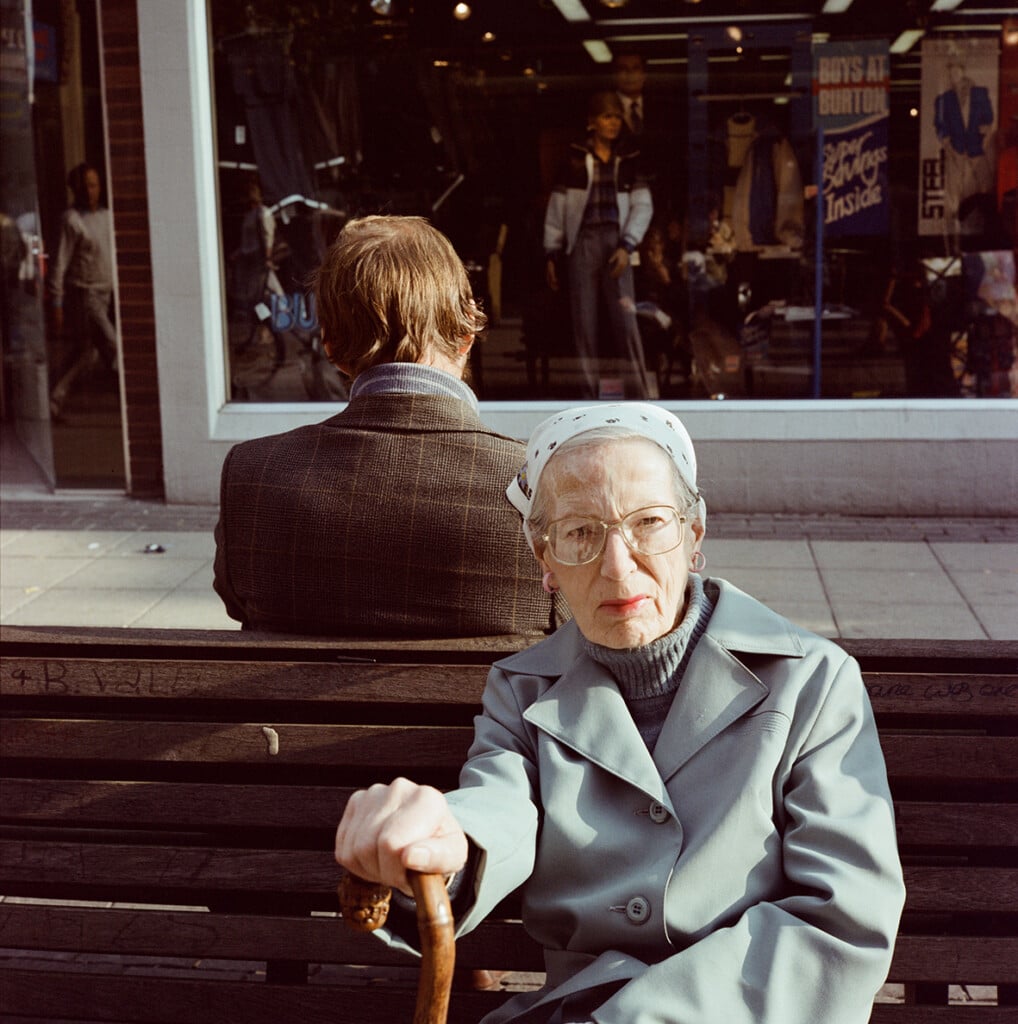
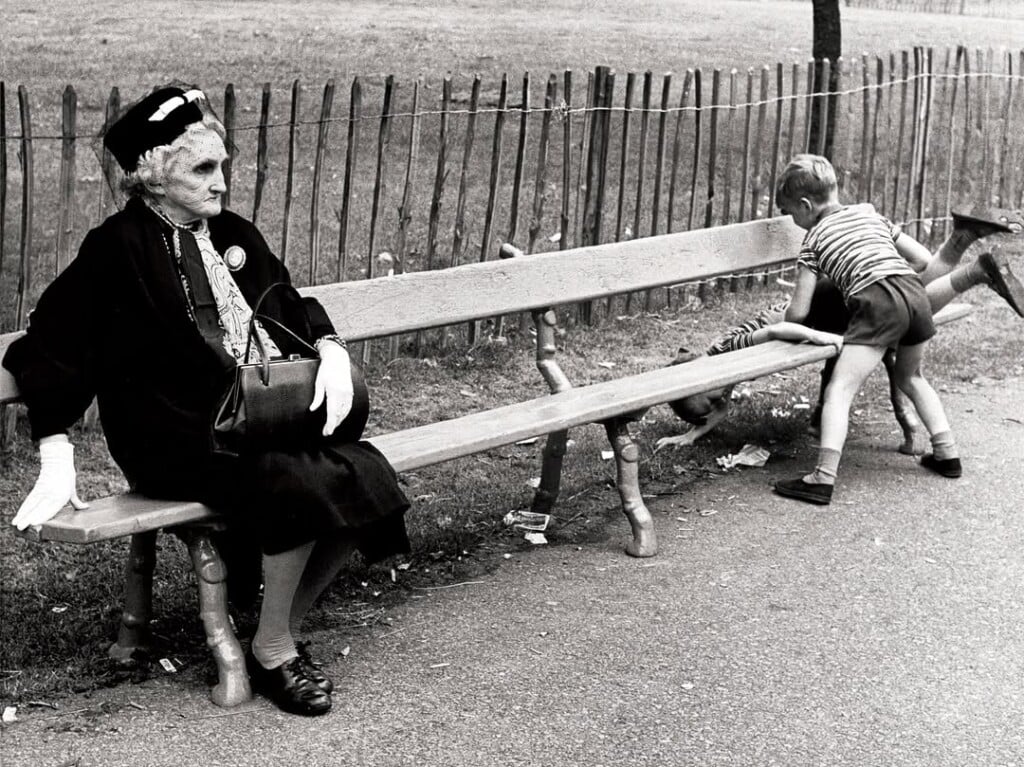
While British photography focused on glamour and celebrities, Shirley Baker wandered through Camden, Stockport, Manchester, and Salford with an empathetic, never intrusive gaze. Her images depict the working class of Northern England with disarming naturalness: elderly people walking dogs at dog shows, chatting on park benches, or sitting outside their doors, watching the world slowly go by.
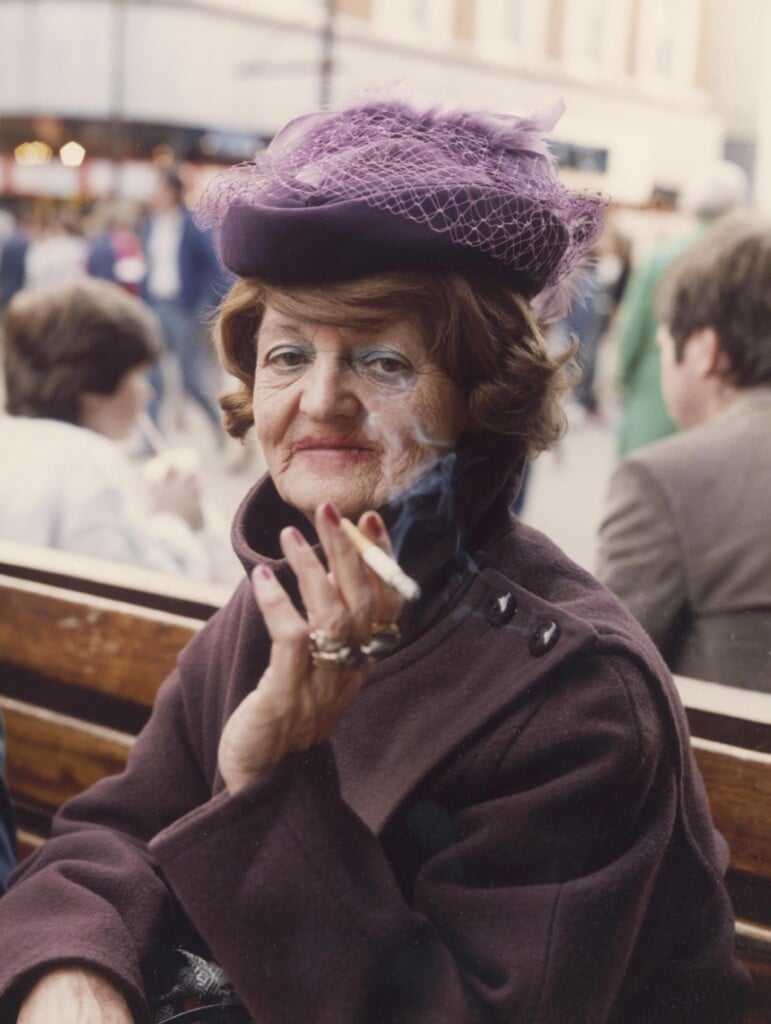
There is particular attention to domestic details, idle moments, solitude, and the dignity of everyday life. On her website, a section is dedicated to the Golden Years, portraits of elderly people caught in their most fragile and genuine moments. Today, those images are much more than photographs: they are social documents of an England that no longer exists.
Inside Youth Culture Before It Became Legend
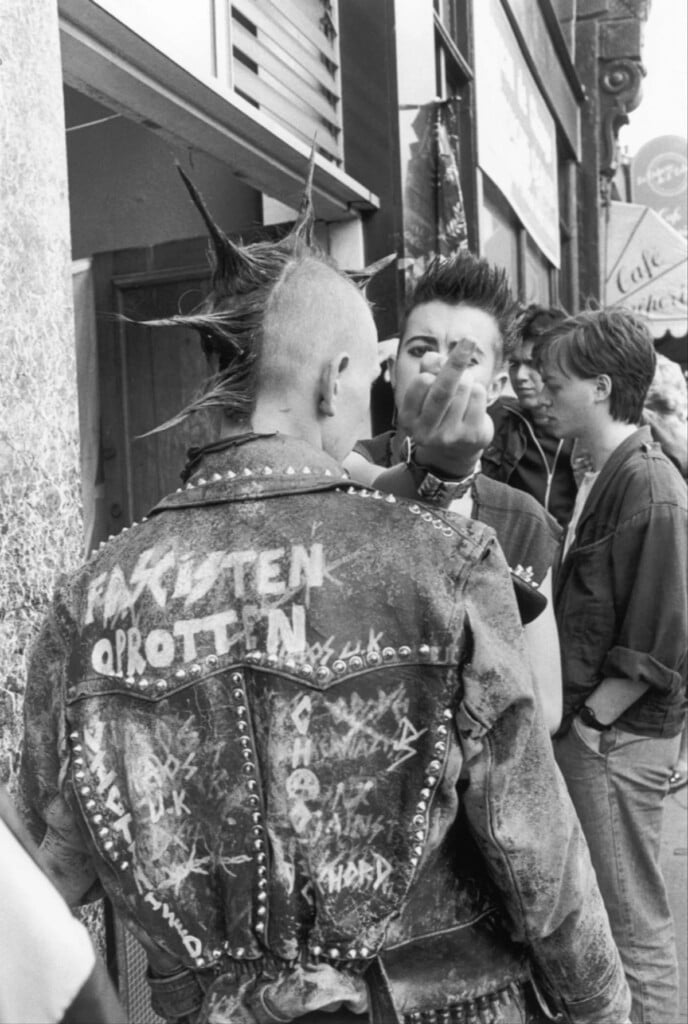
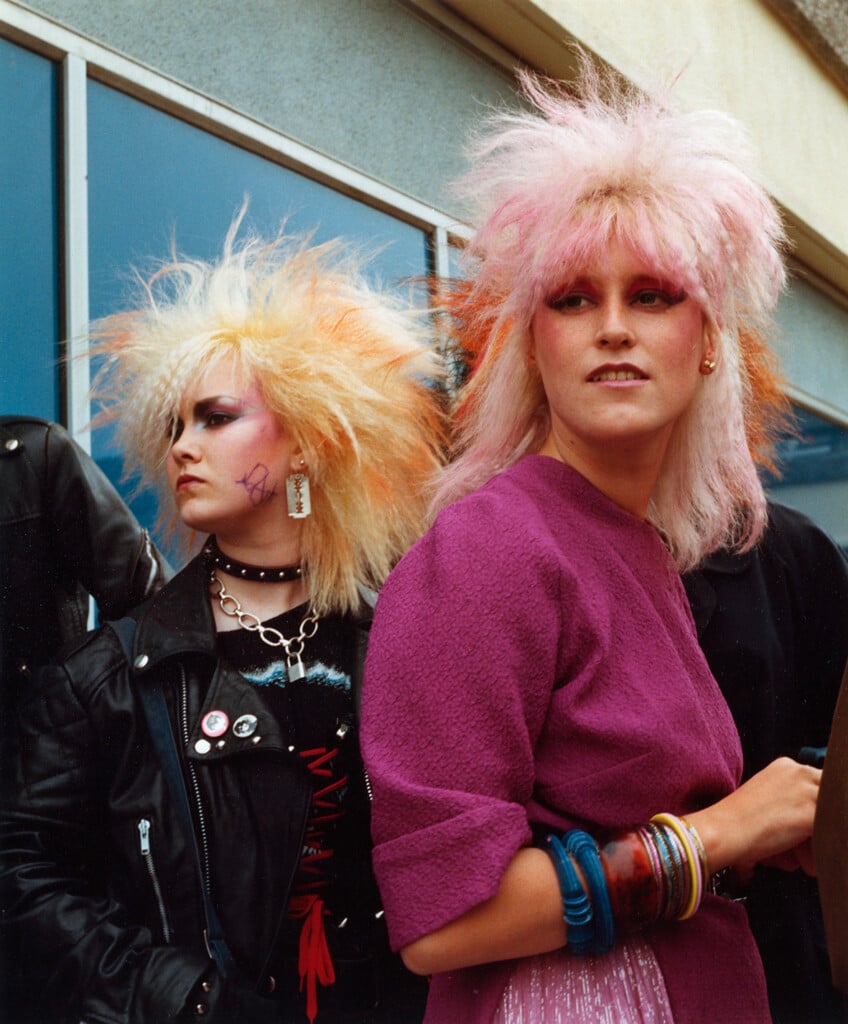
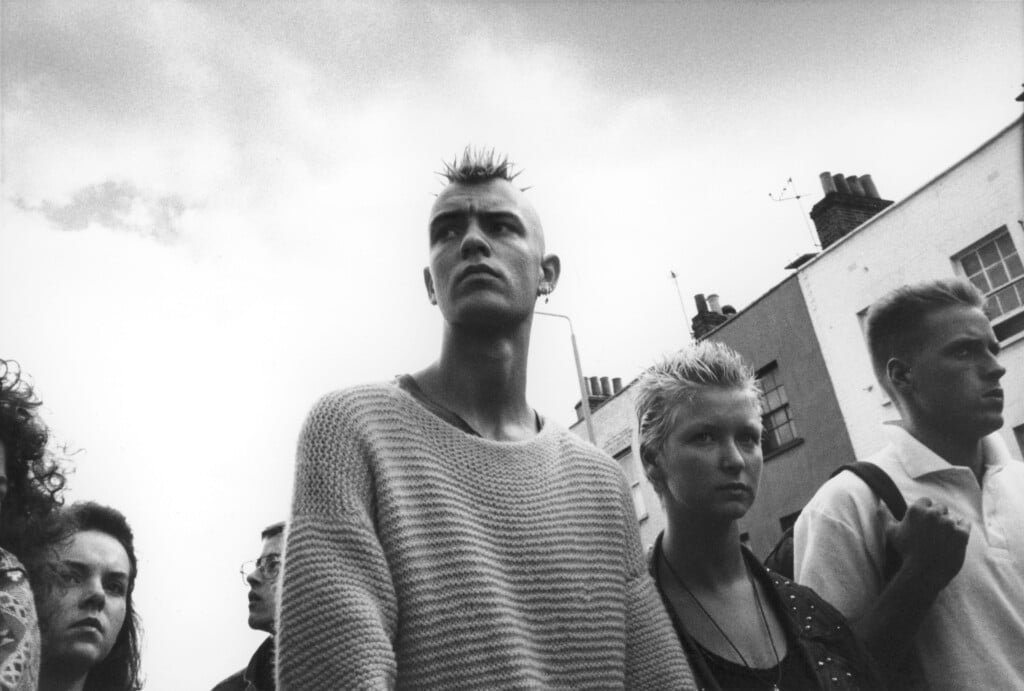
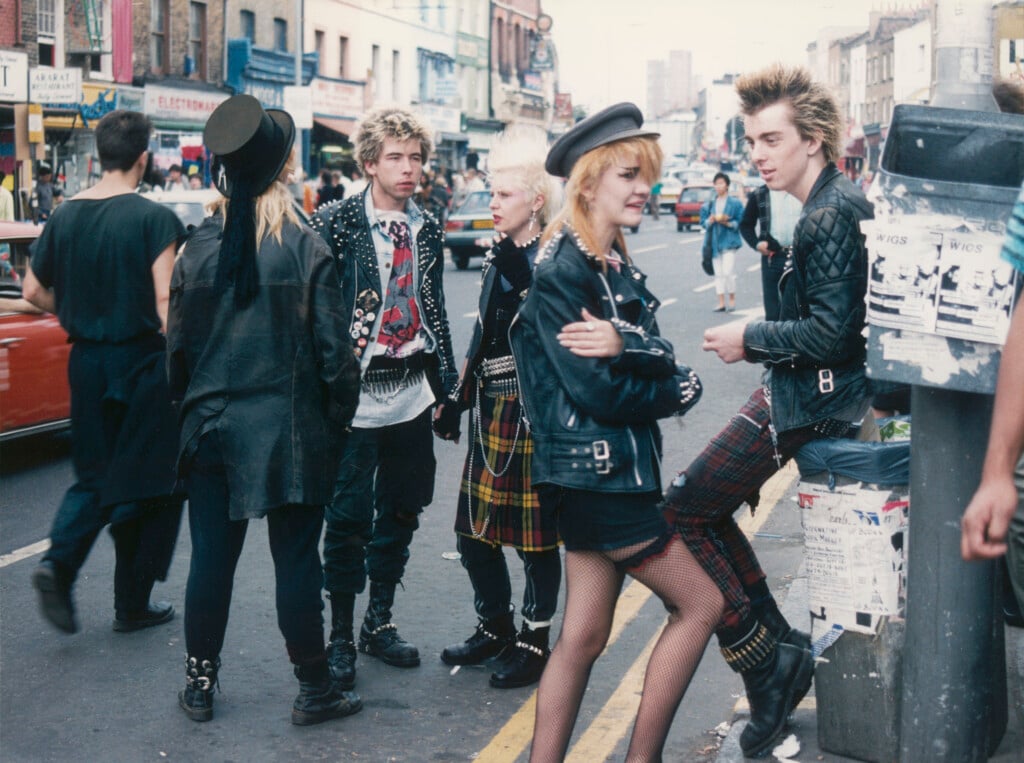
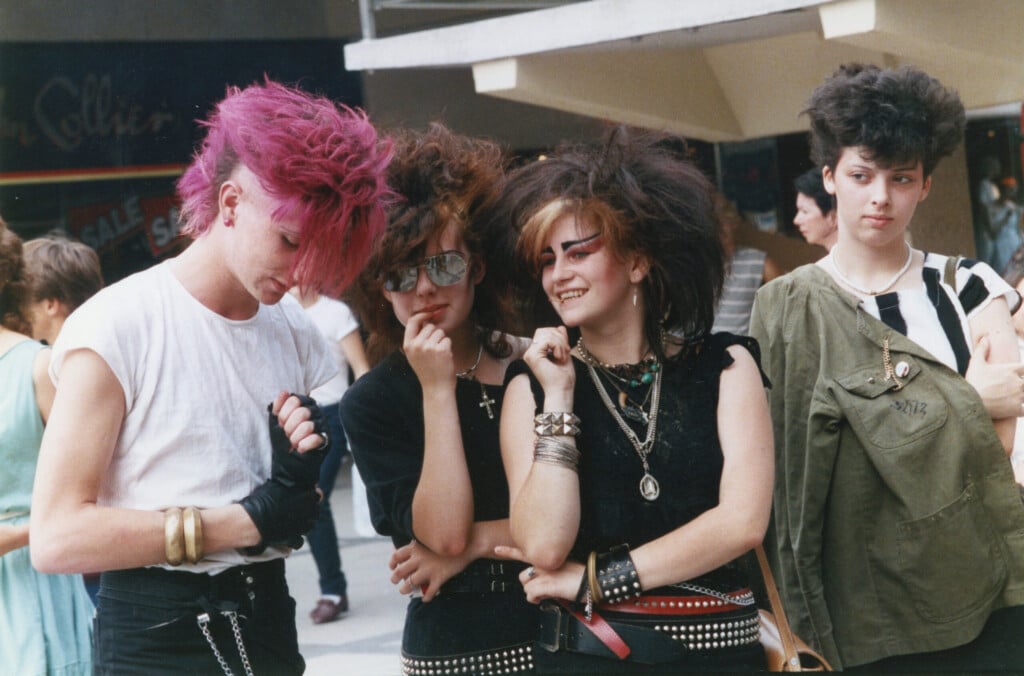
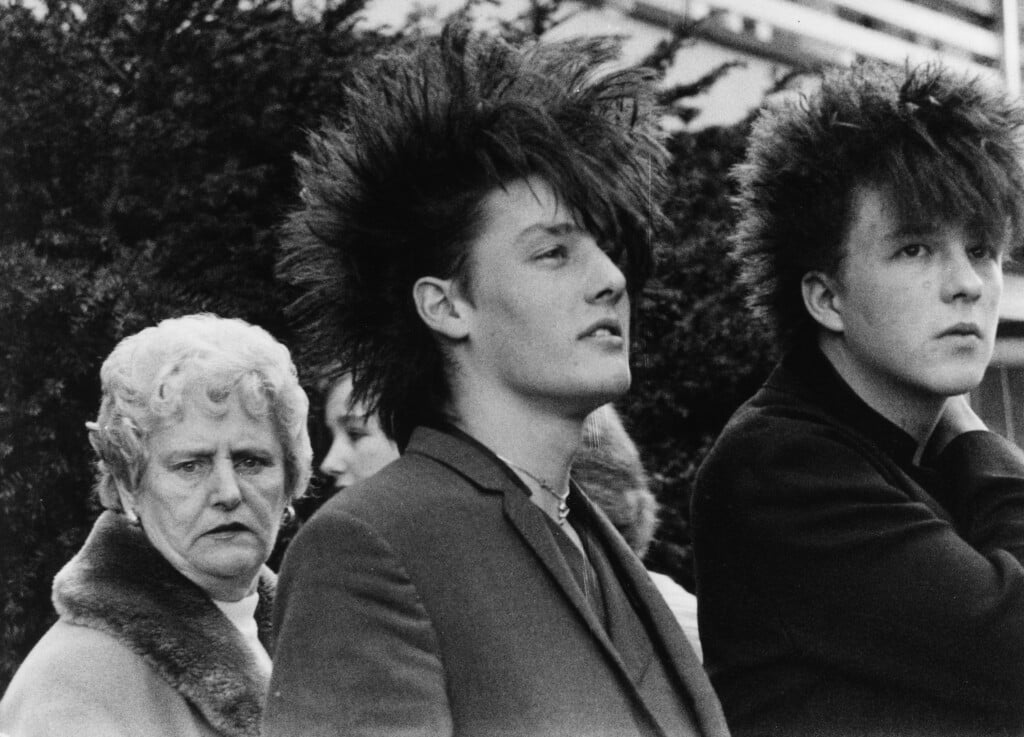
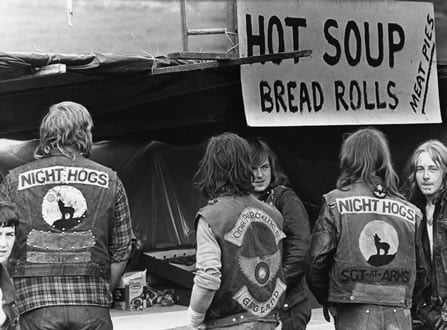
Since the 1960s, Baker was drawn to youth culture. She was interested in how young people construct their identity through their bodies, clothing, and social interactions. Her photographs follow the evolution of urban subcultures: from teddy boys to punks, across clubs, markets, streets, and squares.
Although many shots were taken in daylight, Baker entered venues without hesitation, photographing bands on stage, young people dancing, recognizing each other, and seeking one another out. In the 1970s and 1980s, London became a second home. Camden, in particular, was one of her favorite places: here she documented the punk scene without mythologizing it or making it safe, capturing its energy, insecurity, and identity-forming force.
In Stockport, in her Greater Manchester, she photographed local punks with the same approach: capturing DIY creativity, but also the lightness of time spent together on the streets.
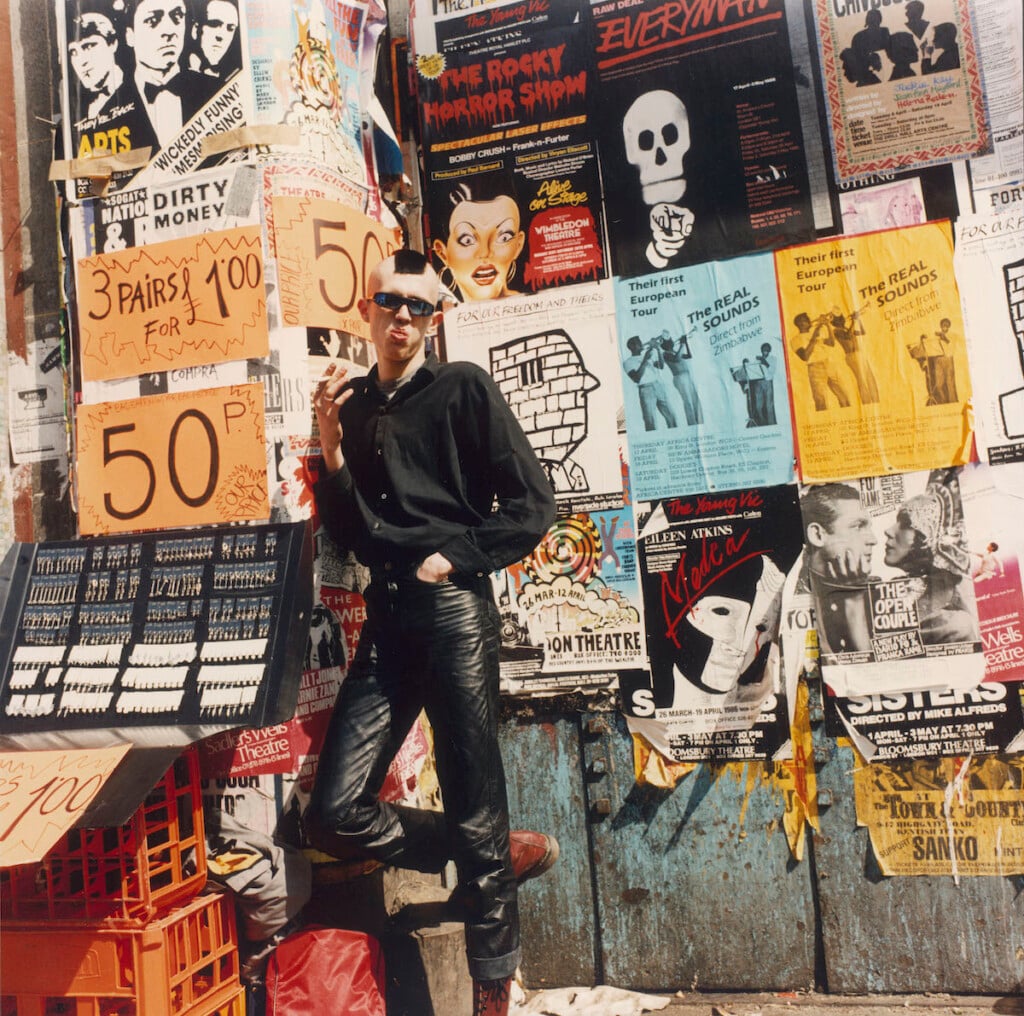
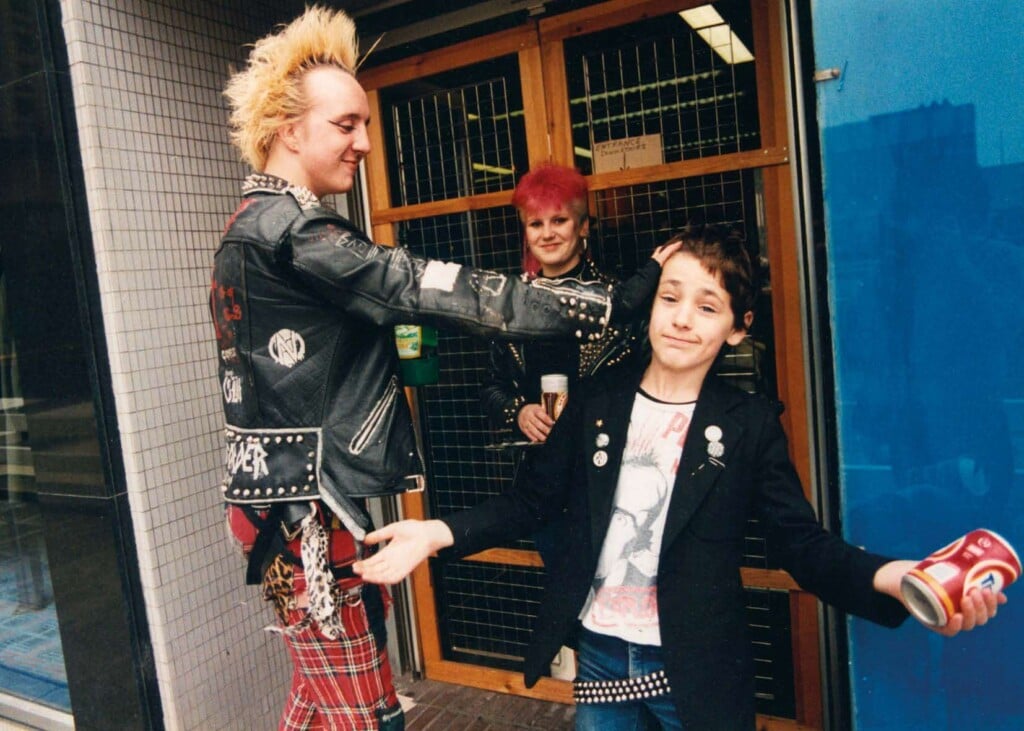
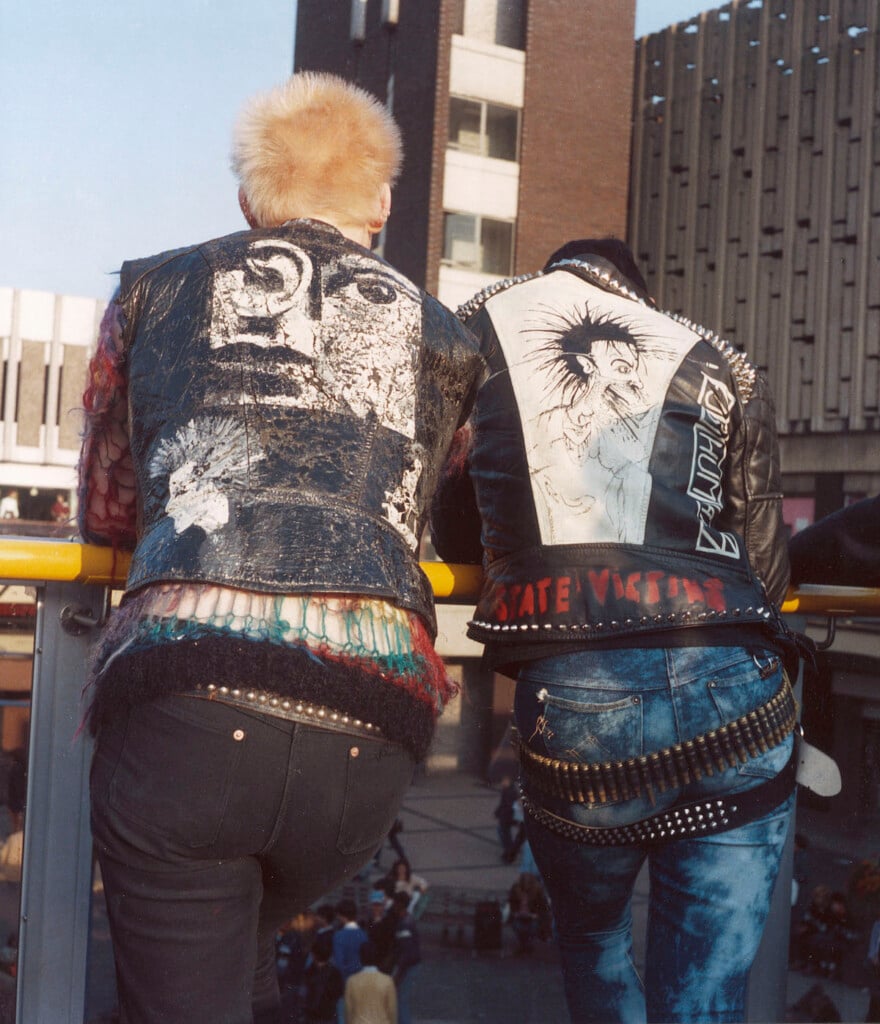
What makes Shirley Baker’s work unique is the absence of distance. She does not observe youth culture as a phenomenon to study or a trend to catalog. She lives within it. Her images do not seek the perfect composition or the symbolic moment: they record gestures, glances, and bodies that do not yet know they are making history.
In her photographs, punk is not a pre-defined aesthetic manifesto. It is an identity under construction, a daily, imperfect rebellion. It is youth before anyone called it “style.”
Long marginalized from official recognition, today Shirley Baker is considered one of the most honest witnesses of her time. Her archive, also presented at the Museum of Youth Culture and the Working Class Movement Library, continues to speak to those who look beyond the icons, toward the life that pulses before becoming legend.
Long before street photography became a codified and celebrated genre, Shirley Baker was already doing something fundamental: building a story of England seen from below, from within, with respect, attention, and deep humanity.
Also read: The Forgotten Punk Photos in a Drawer