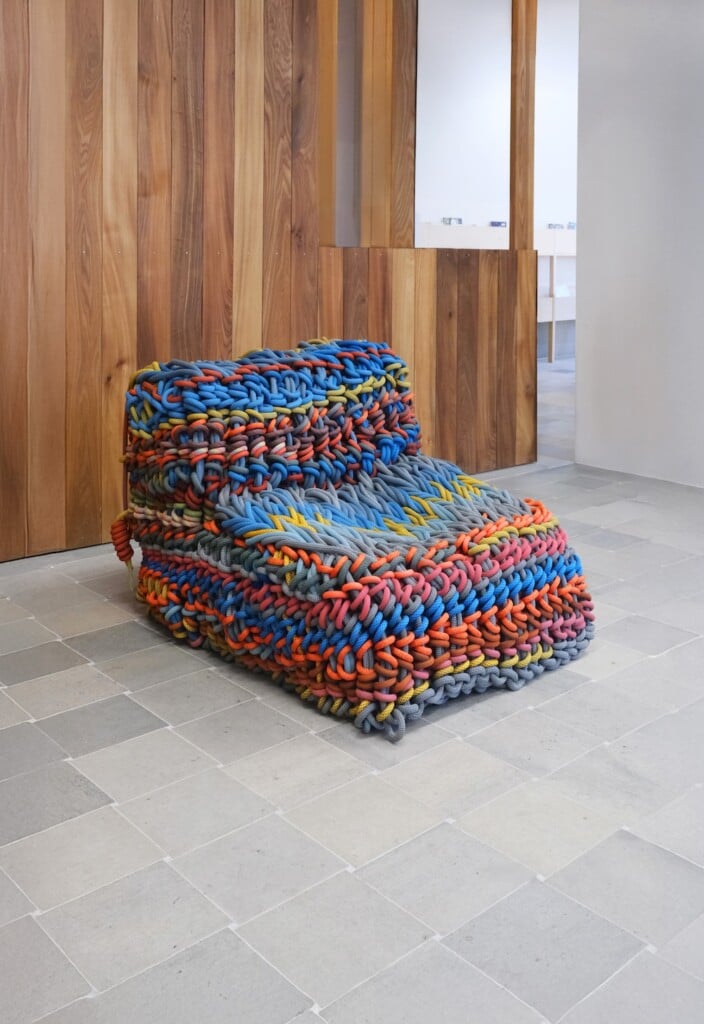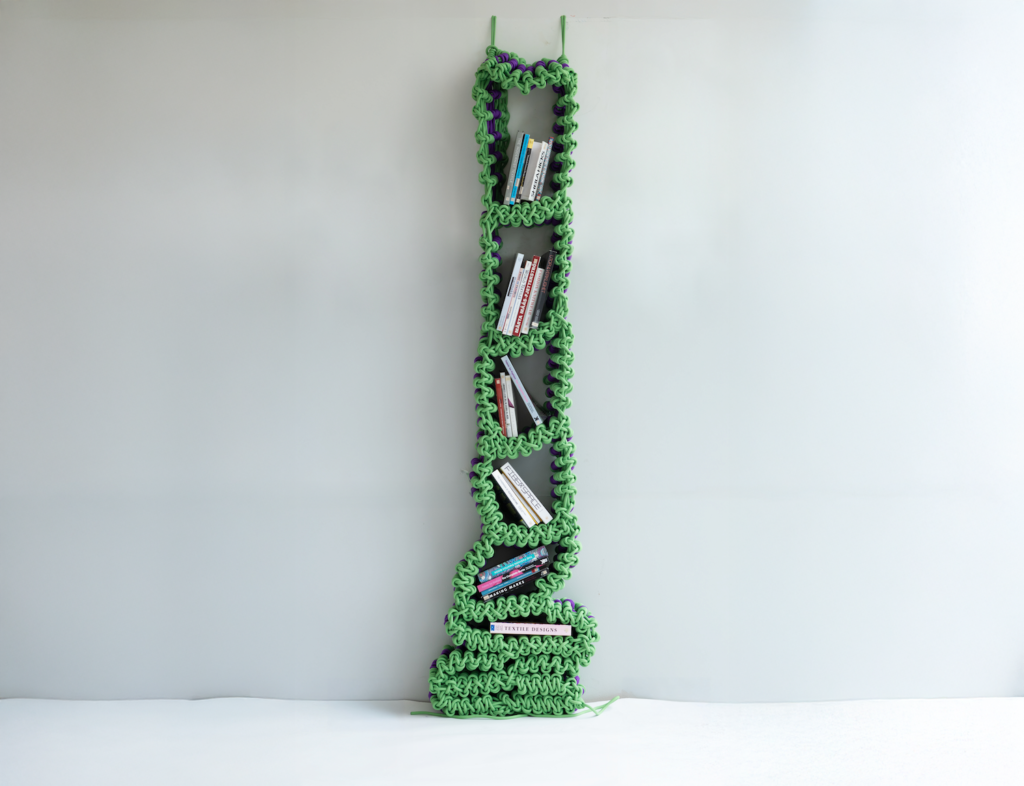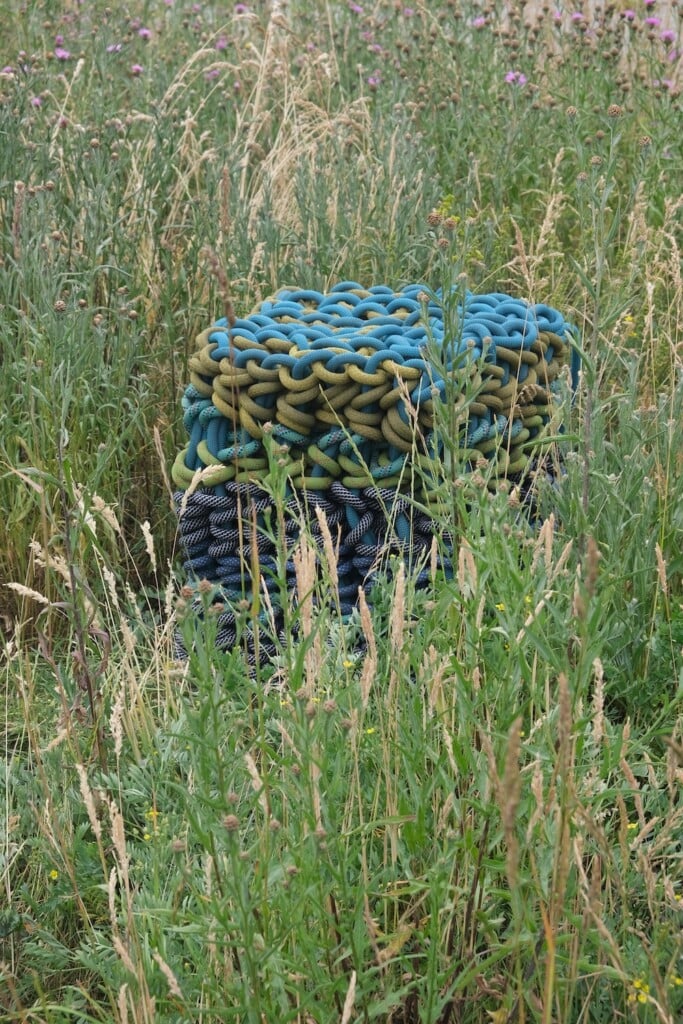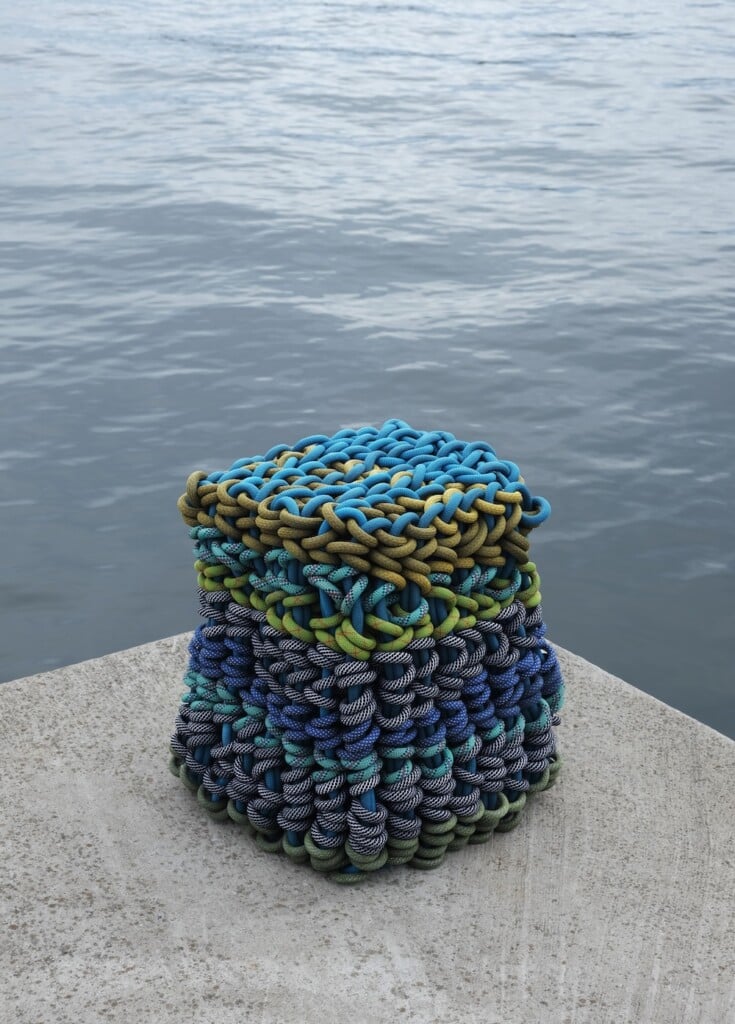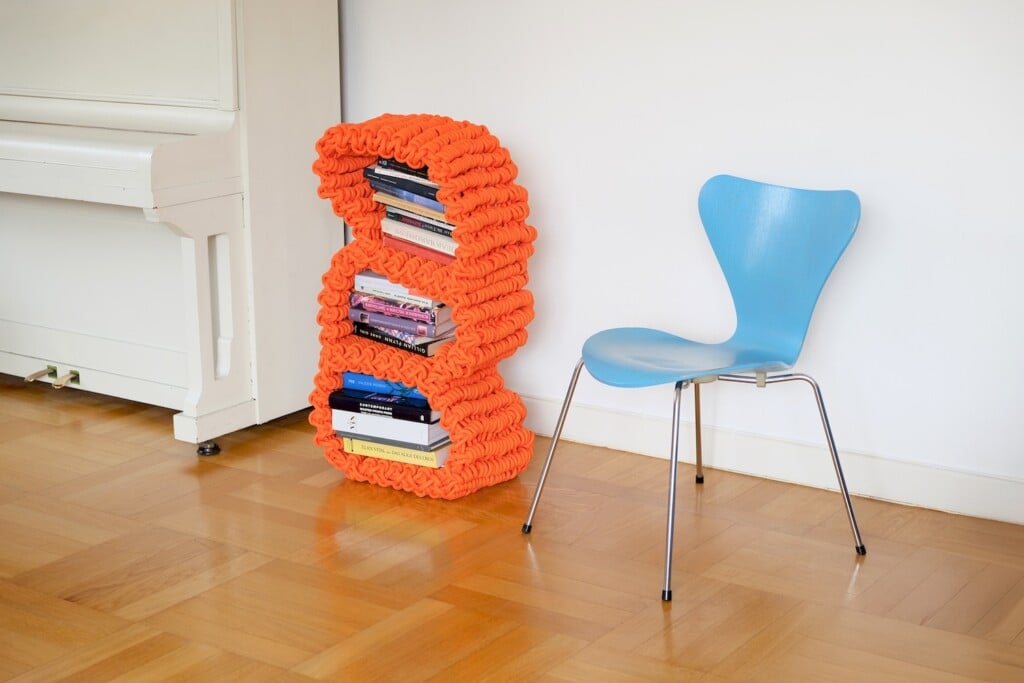
Many of the most interesting innovations in design don’t come from inventing new materials, but from rethinking ancient techniques and everyday gestures. It’s from this intuition that Studio Kryss takes shape, founded in 2025 by Swedish designer Svea Tisell, who transforms rope into the structural element around which seating and furnishings come to life. Through the MultiWeave technique, the project explores the potential of a simple material, showing how weaving can become a true design language.
Rope is one of humanity’s earliest technical tools and, over time, has crossed very different fields: from navigation to construction, from agriculture to mountaineering, all the way to contemporary applications in design and architecture. Its strength lies in its structural simplicity, capable of adapting to extreme contexts and opposite functions, while remaining unchanged in the logic of weaving. The studio’s collections reinterpret a craft tradition with an essential, contemporary aesthetic. Here rope doesn’t cover objects or serve as a mere decorative detail: it becomes an integral part of their architecture, defining their shape, tension, and balance. The result is a minimal design that puts craftsmanship, research, and experimentation into dialogue.
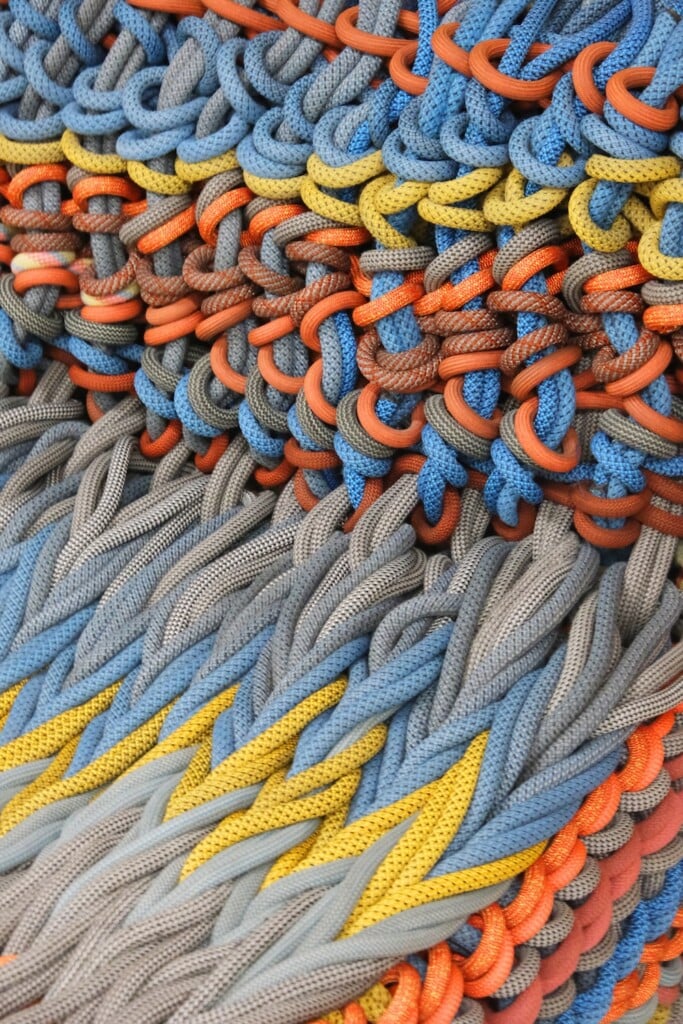
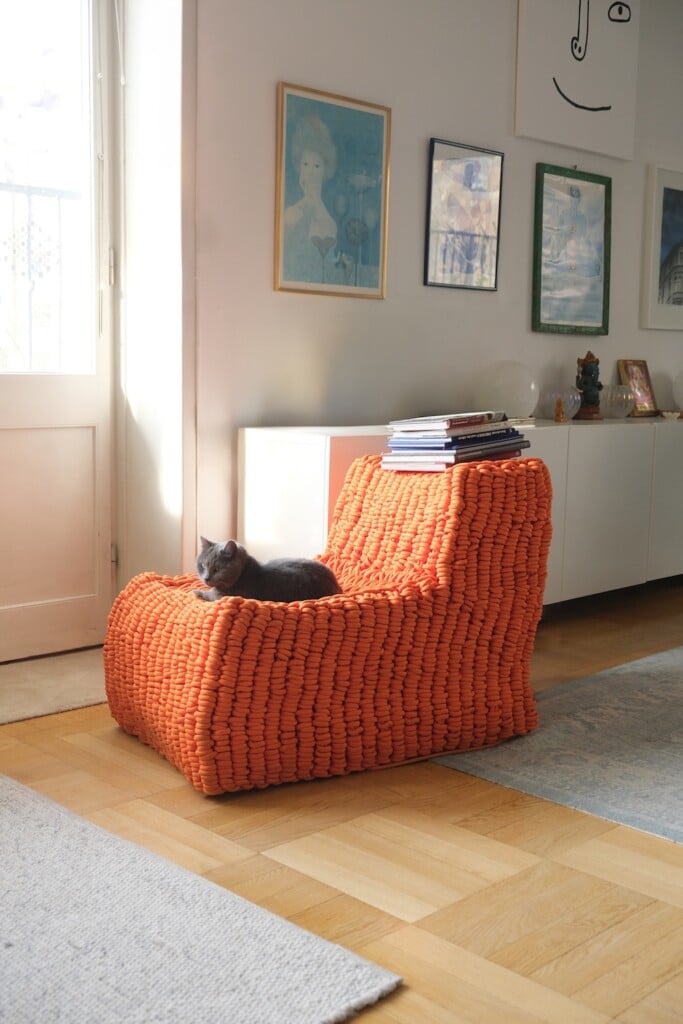
For Studio Kryss, weaving means building. Rope doesn’t cover the object or serve as a simple aesthetic element: it becomes an integral part of its architecture, contributing to the stability, tension, and formal identity of the project. The surfaces preserve the memory of manual work, while rigorous geometries and essential proportions place the objects in a decidedly current dimension. The reference to mountain landscapes becomes a design method grounded in respect for materials, the durability of objects, and the simplicity of forms. Each piece tells a story of research that looks at material culture as an archive of solutions that remain surprisingly relevant today. Weaving, born to meet practical needs, is reinterpreted through a minimal sensibility that eliminates the superfluous and lets the quality of the craftsmanship emerge.
In today’s landscape, now dominated by increasingly ephemeral products, Studio Kryss proposes a different idea of design, a slow, tactile one, deeply tied to the processes of making. Returning to manual work means re-establishing a direct relationship with materials and with the time needed to transform them. With Studio Kryss, objects don’t try to impress through spectacular effects, but win over through the precision of their details, the honesty of their materials, and the ability to transform an ancient knowledge.