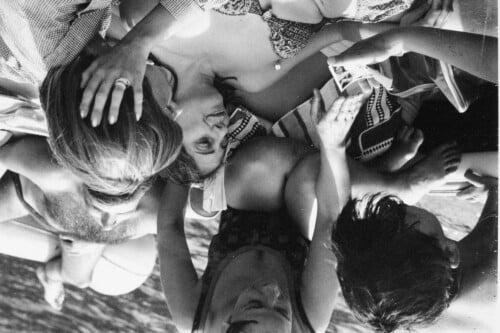
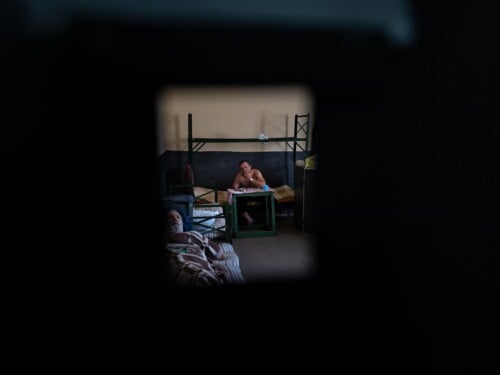
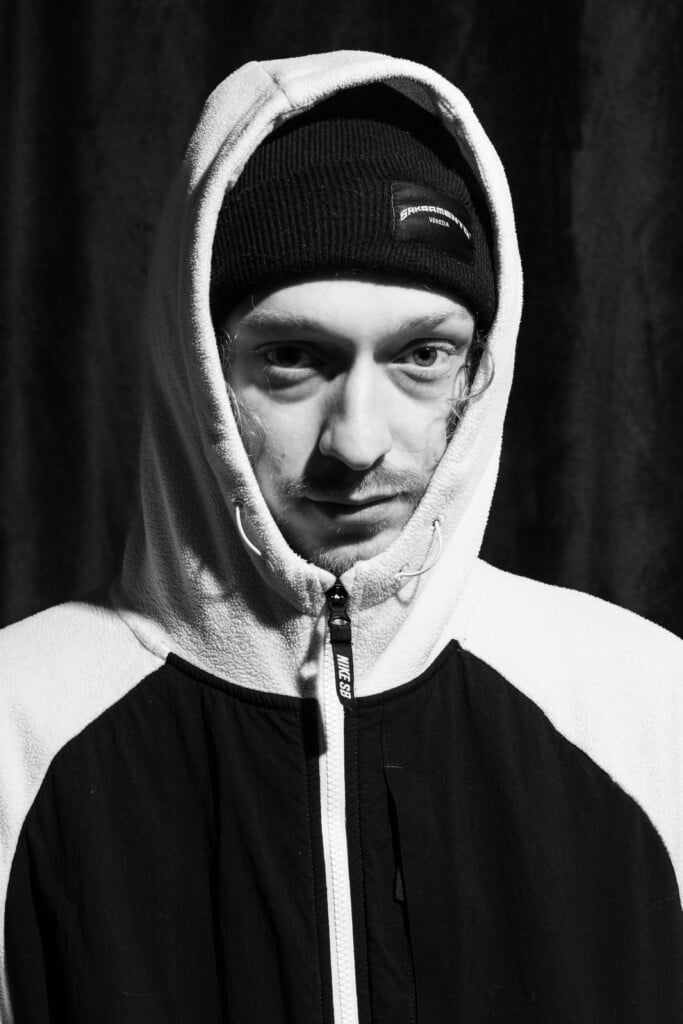
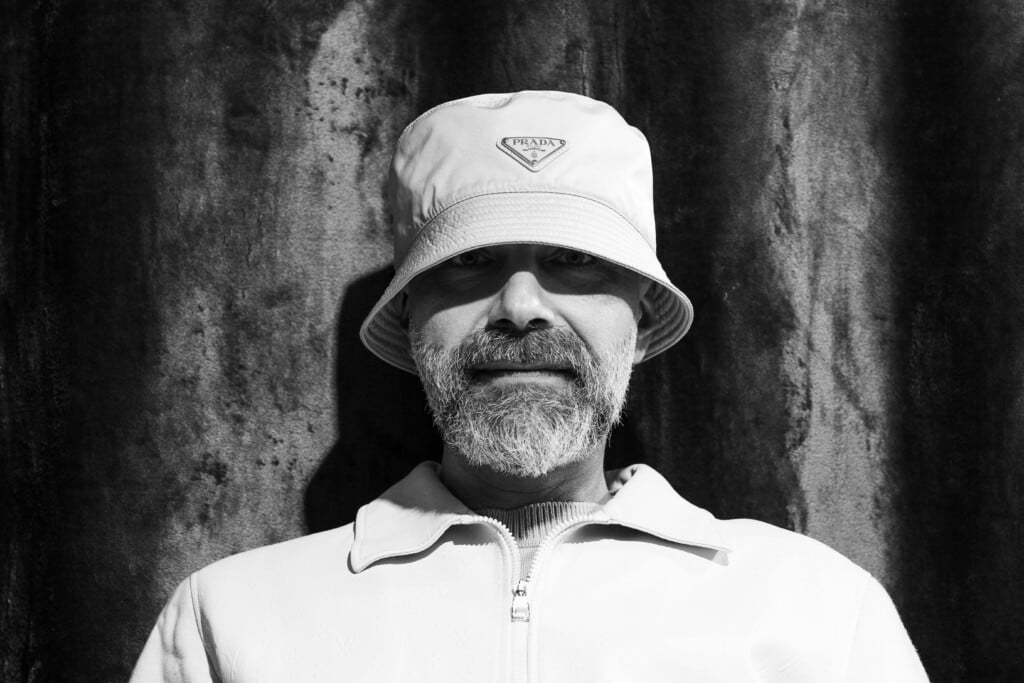
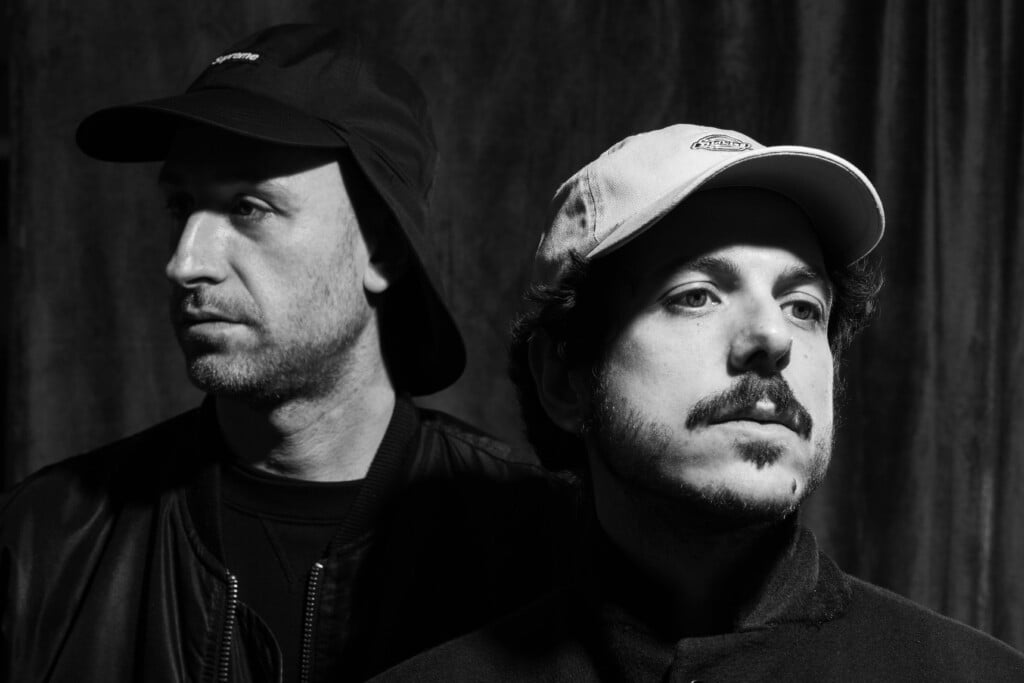
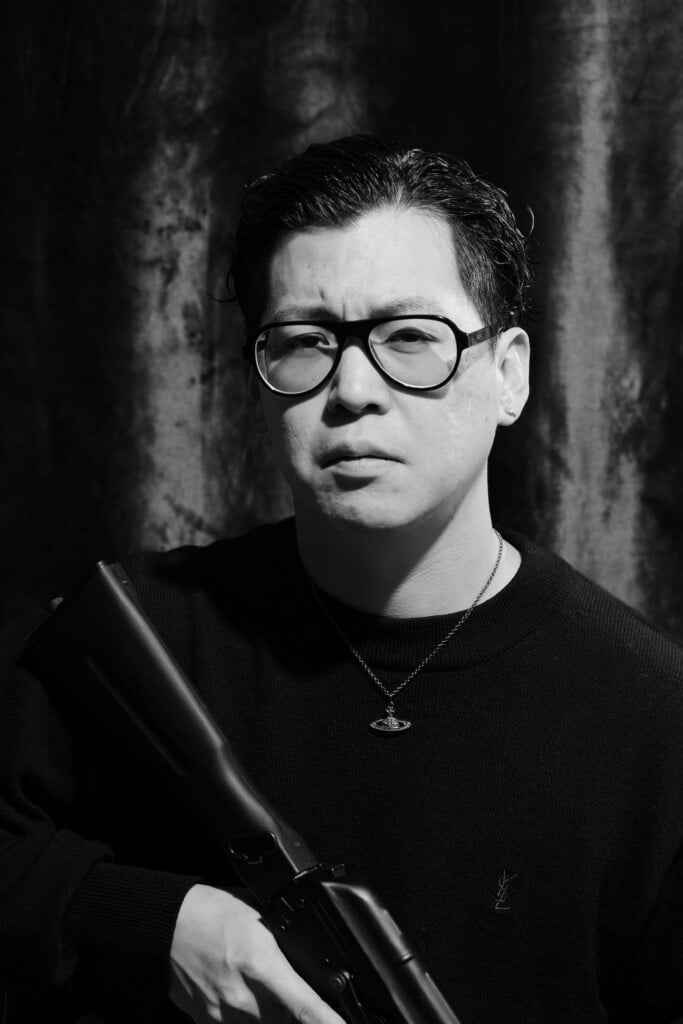
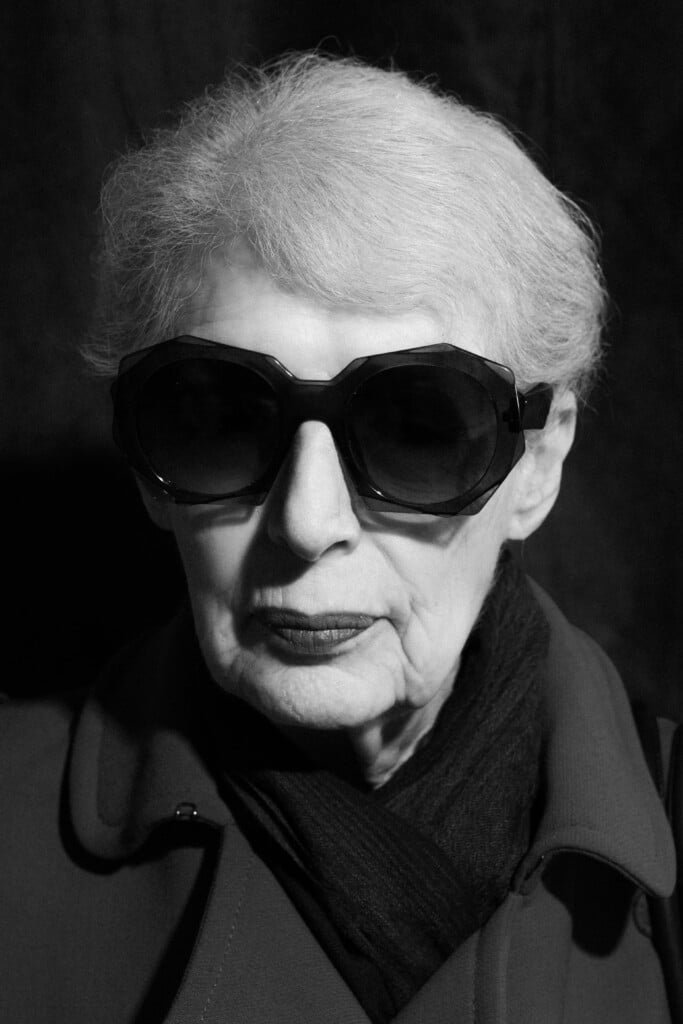
Perhaps not everyone knows Via Malaga, not even the Milanese themselves. We are talking about a historical place of the Milanese underground that somehow reveals the other side of Milan, the one that few experience and the one that many find hard to believe. It is said that here, in this place populated by artists and creatives, the art of Milan was born. A true community of people who help and support each other, from musicians to architects to artists of all kinds and ages. This weekend, precisely Sunday, June 2, Malaga will be open. The event, precisely Malaga Aperta, will give the most curious a chance to immerse themselves in this place that is as open as it is indecipherable. To understand more, we interviewed photographer Enrico Rassu, who lives on Malaga Street, and filmmaker Jacopo Ambroggio, with whom Enrico made a short film to document the lives of the locals. Everything will be accompanied by I volti di Malaga, Rassu’s photographic project that through black-and-white portraits of the people of Via Malaga, tells the story of place that draws its strength from art and the sense of community that, as Ambroggio explains, «has been able to destroy, in its own small way, the individualistic mentality of Milan.»
When and why was the Malaga Street documentation project born?
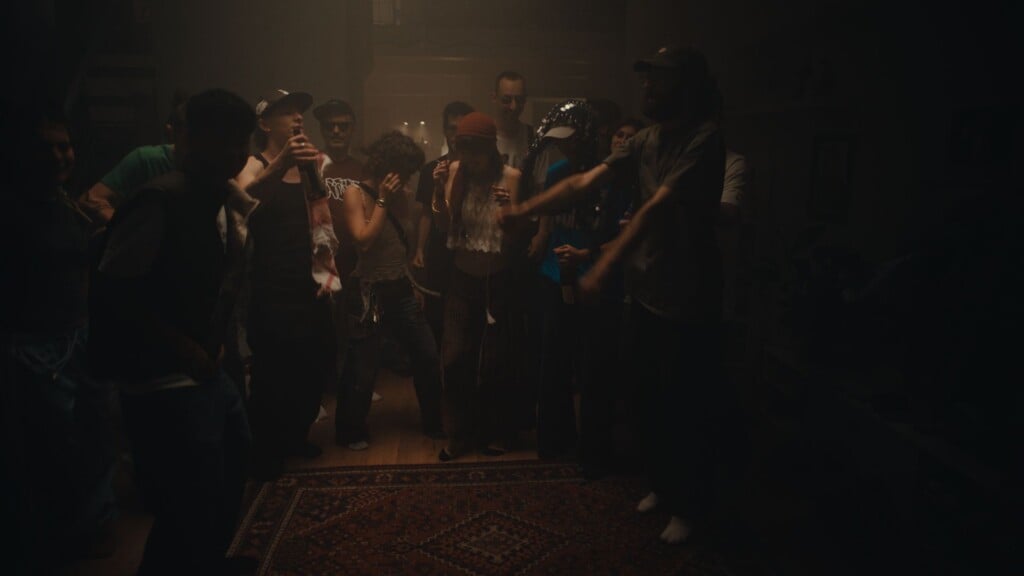
Enrico Rassu: «The project was born two months ago. When Gennaro, the administrator of Malaga, told me that he would like to have a party here I immediately thought it would be essential to document the faces and words of the people who live there. A historicization and dissemination of one of the most interesting places in the city of Milan».
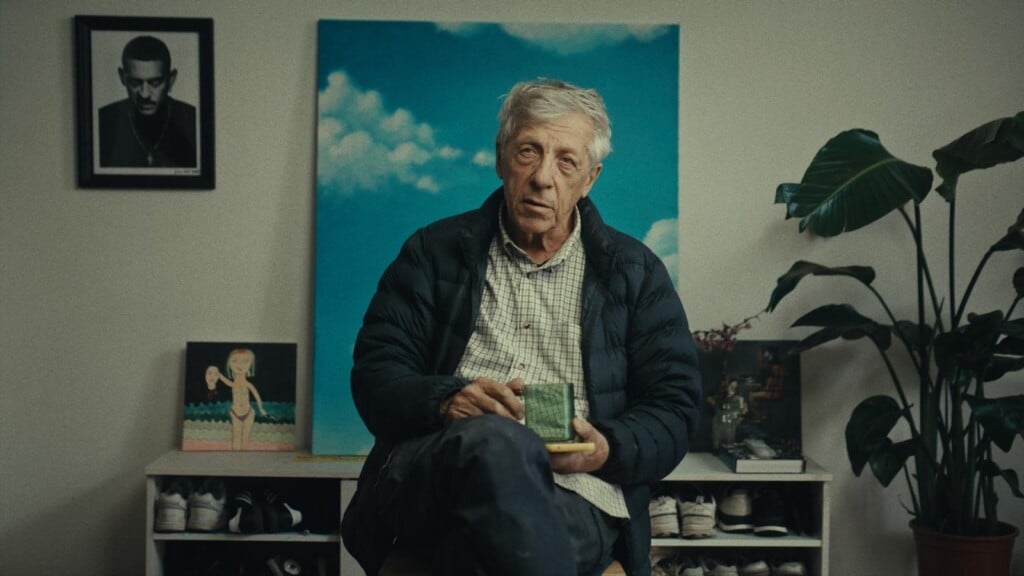
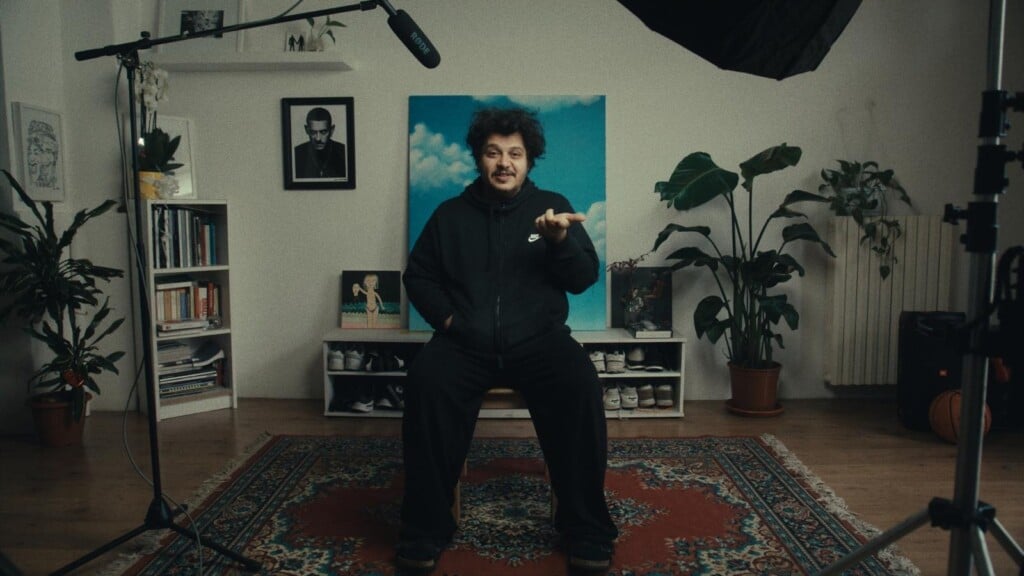
Jacopo Ambroggio: «The documentary is the brainchild of Enrico Rassu and his need to tell the story of this community and the people in it. He relies on me to direct and, more generally, on RAT Collective, a collective of young people working in the world of corporate filmmaking. Directors, writers, cinematographers who have come together under one name to tell different stories, like this one.»

What prompted you to investigate more about these people and this place?
Jacopo Ambroggio: «My curiosity about this place stems first from its legend. “This is where Marracash recorded there,” I was told, “This is where Esse Magazine was born,” “The art of Milan was born inside this court.” Some time later I meet some of its tenants, in particular Enrico Rassu who shows me the more intimate part of Malaga, the more social part, the part made by the people who live here. Here everyone greets each other sincerely, helps each other if the shopping is too heavy, and if one of them throws a party, there is no need to get an invitation. But what is perhaps even more fascinating is that diametrically opposed people coexist in these unwritten rules. DJs and families, musicians and architects. When there is a contrast, a conflict, usually, there is a story, and here I did not contradict myself. The contrast also lies in the geographical location where Malaga Street is located, which is Milan. There is a sense of community here that is jarring in the urban context of Milan, which is notoriously focused on individualism.»
Is the neighborhood’s sense of belonging discernible? How important is it?
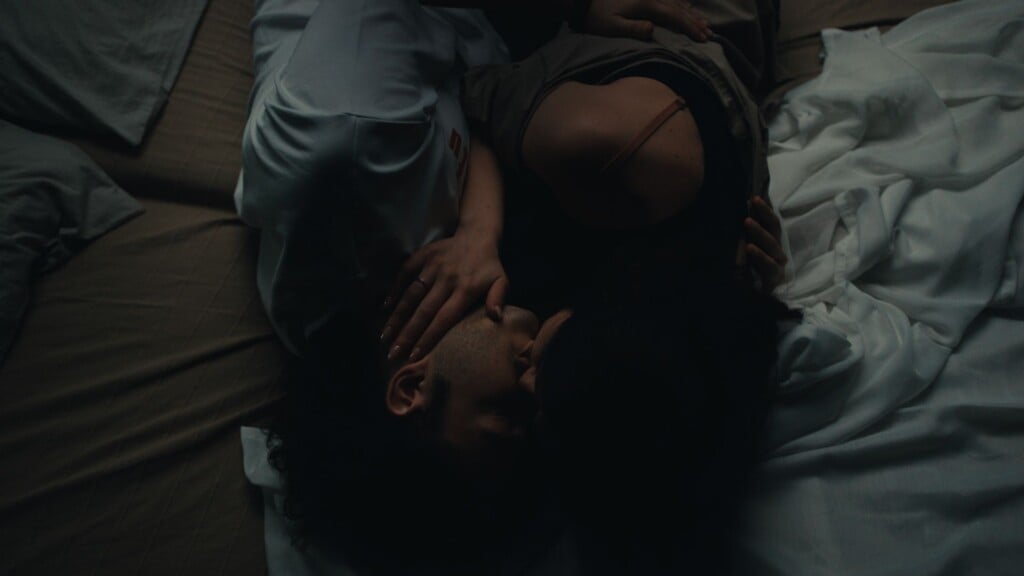
Jacopo Ambroggio: «I answer this question by reporting an anecdote that happened during the filming of the documentary. We were interviewing a historical tenant in Malaga. I position the cameras, take the clapperboard, and to put him at ease I turn to him and say “Thank you for being here and welcome,” he lifts his head, looks at me and says “welcome you here”.»
I turn to Enrico who lives here, do you think in any way this place can influence your research?
Enrico Rassu: «If my research aims to discover new talents and new people, it has definitely influenced me in a positive way and introduced me to new contexts. We who observe take inspiration from every angle, from a lady’s eyes to a plant coming down from a terrace, so absolutely yes.»

Let’s get to the heart of the project. Explain the history of Malaga Street. How did you become aware of it? What were you looking for? What kind of people did you find?
Enrico Rassu: «I moved to Milan two years ago and randomly ended up here, not knowing anything about its architecture or the people who lived here. When I arrived, I was impressed by my surroundings and the energy of this place. I was just looking for a balance and a place that would make me feel comfortable.»
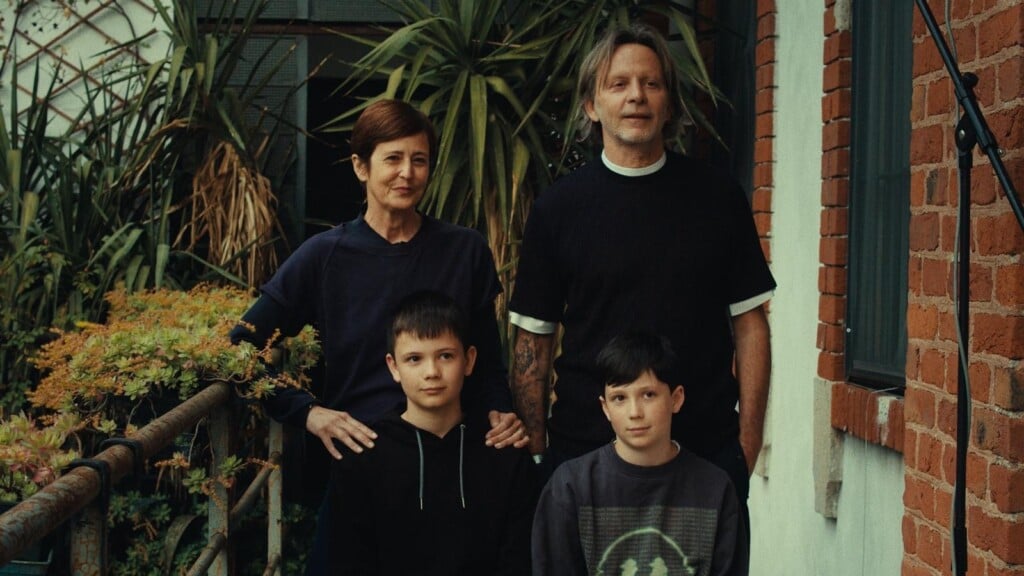
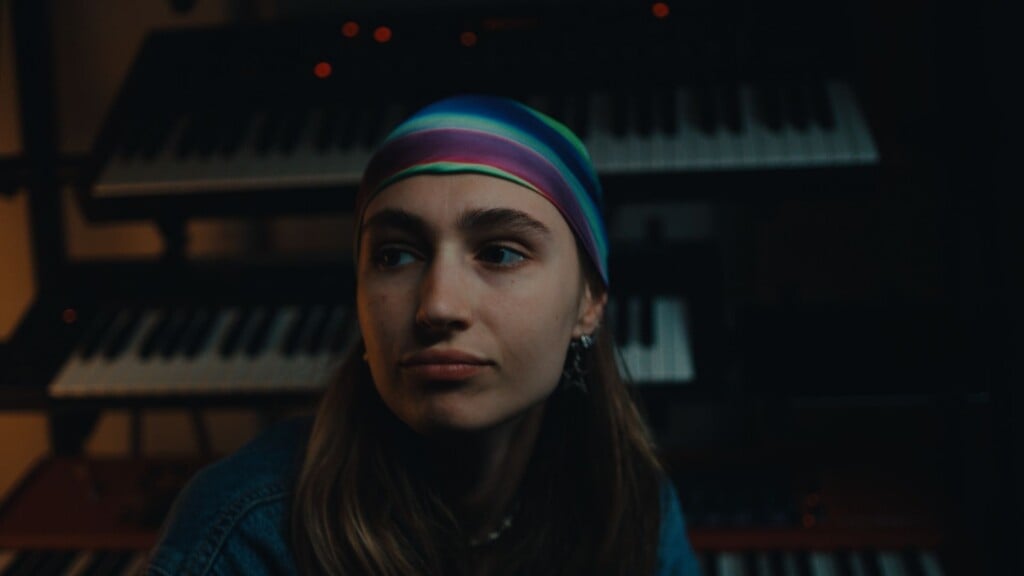
Jacopo Ambroggio: «What makes this project valuable in telling its story lies precisely in the diversity of the people who inhabit these spaces. We found particularly interesting personalities. Like Daniela, who opened the doors of her home to us, showing us that you can have 15 abat-jours and 30 Barbie dolls in 20 square meters while remaining stylish. Or like Vadim, who emigrated from Ukraine and managed to find a second family and his place in the world here. And then photographers, writers, musicians, stunt men.»
What is the aspect that fascinated you most about this whole project?
Enrico Rassu: «To have had the opportunity and the good fortune to have come in contact with this incredible human heritage. It fascinates me to think that in 30 years these people will no longer live here, the place will be renovated, we won’t know what it will be like. Yet we have stopped this time.»
Jacopo Ambroggio: «Via Malaga and its community have managed to do something truly revolutionary, using as weapons: art, creativity and a sense of community. Thus they destroyed, in their own small way, the individualistic mentality of Milan. It was no surprise to discover that much of their happiness also resided in the place where they chose to live, in the friendships they managed to create and to be part of this community. This gave me hope for the replicability of this “phenomenon,” perhaps just by choosing to see their condominium garden as a space for art and creativity for all.»

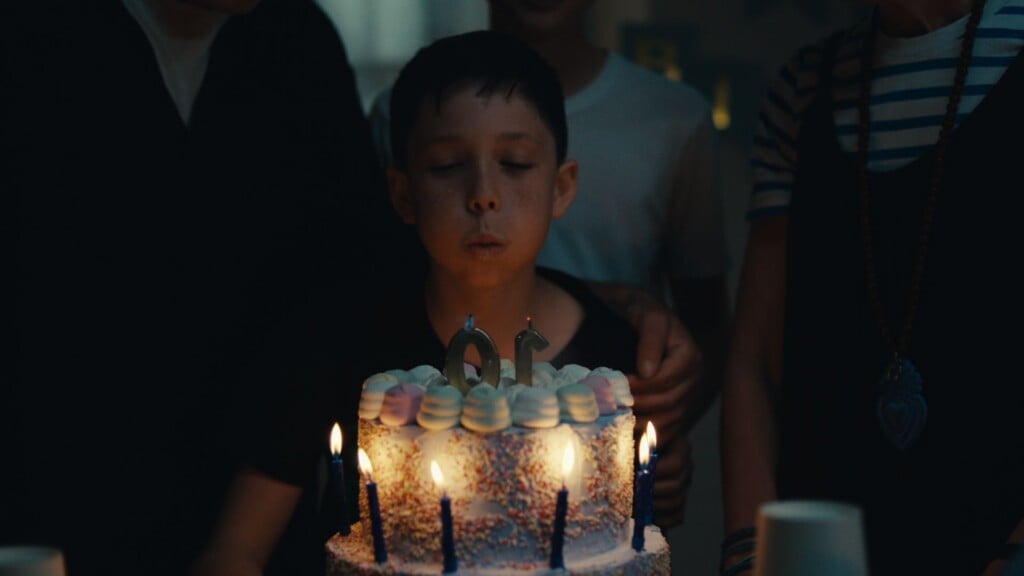
Courtesy Enrico Rassu, Jacopo Ambroggio, Collettivo RAT