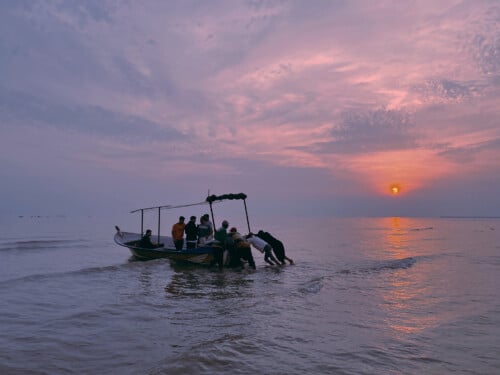
In the 1970s, as the world was beginning to look more critically at the consequences of industrialization, an American photojournalist did something that few before him had the courage to do: live among the people affected by an environmental disaster and tell their story through photography. That photographer was W. Eugene Smith.
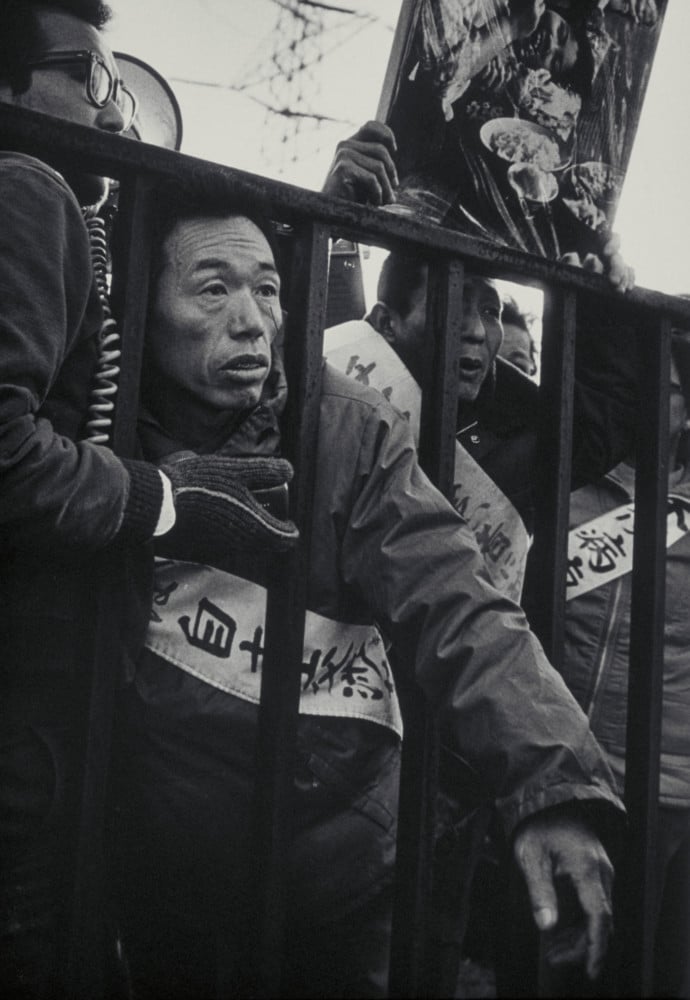
Smith and his wife Aileen Mioko Smith arrived in Minamata, Japan, in 1971 and stayed there for more than three years, fully immersed in the life of a community devastated by Minamata disease, a severe form of mercury poisoning caused by the dumping of heavy metals by the Chisso corporation into the sea and the local food supply.
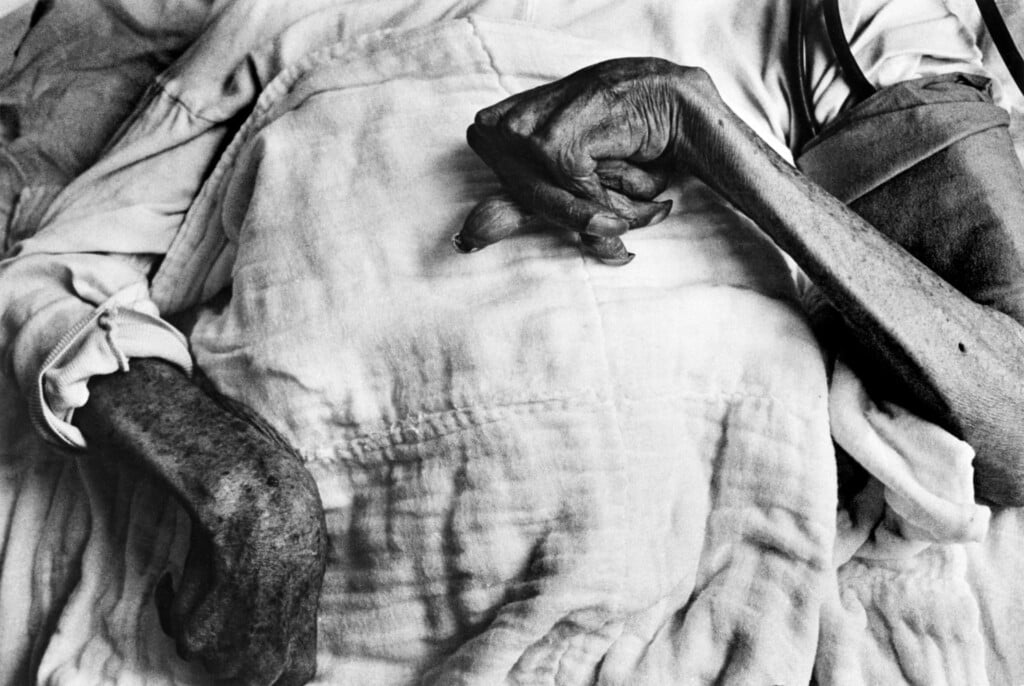
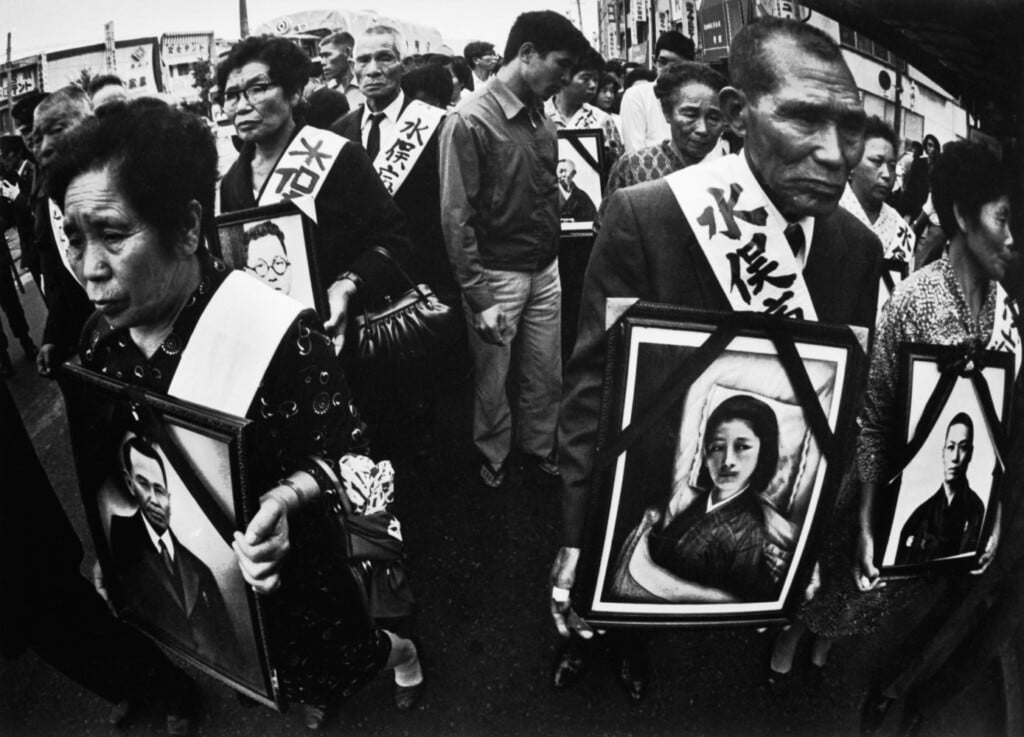
It was here that one of the most powerful and iconic images in the history of photography was born: Tomoko Uemura in Her Bath, the black-and-white photograph portraying young Tomoko, a victim of the disease, cradled in her mother’s arms during her daily bath. An intimate, painful, and profoundly human image that does not simply document suffering, but forces us to confront it.
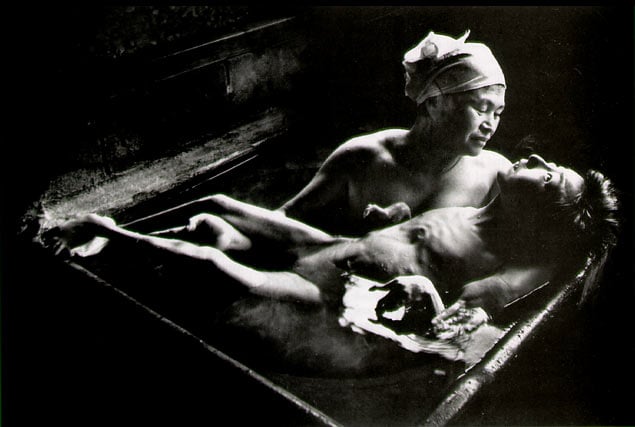
Smith was not merely a witness: he fully immersed himself in the community, earning trust and respect, and used his art to give a visual “voice” to those who were often ignored by international media.
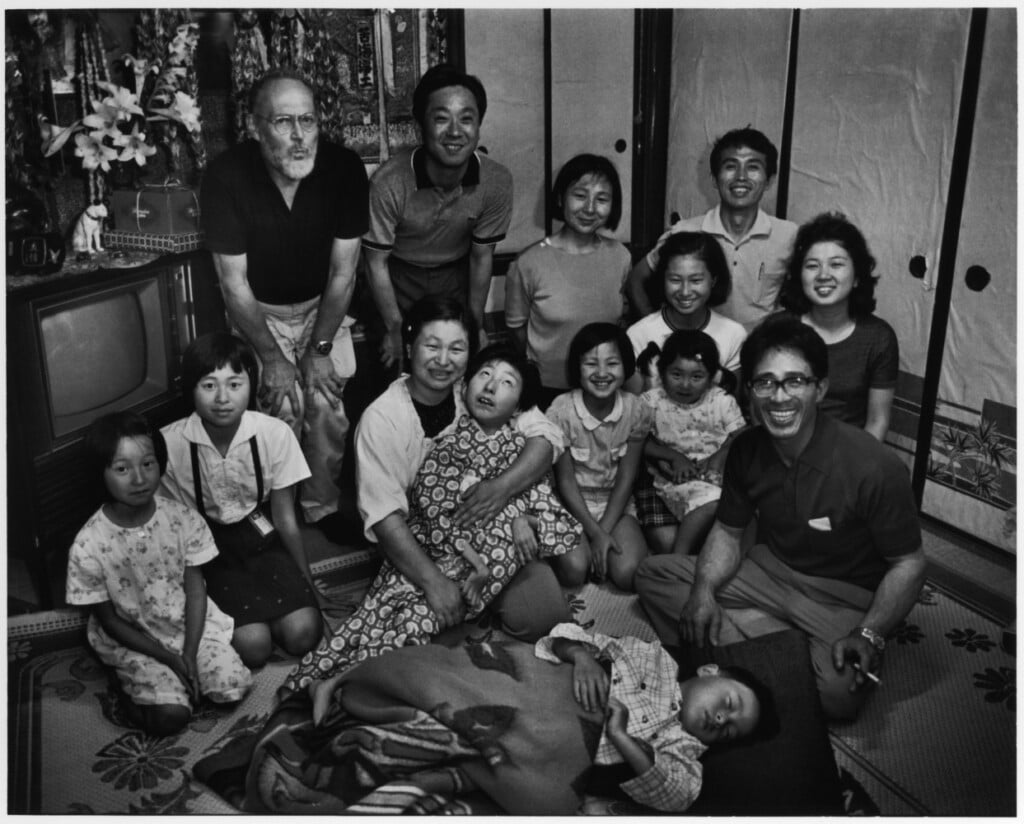
Their testimony was also revisited in the 2020 film Minamata, which brought this story back to the center of global attention — a reminder of how photography can become an act of courage and truth.
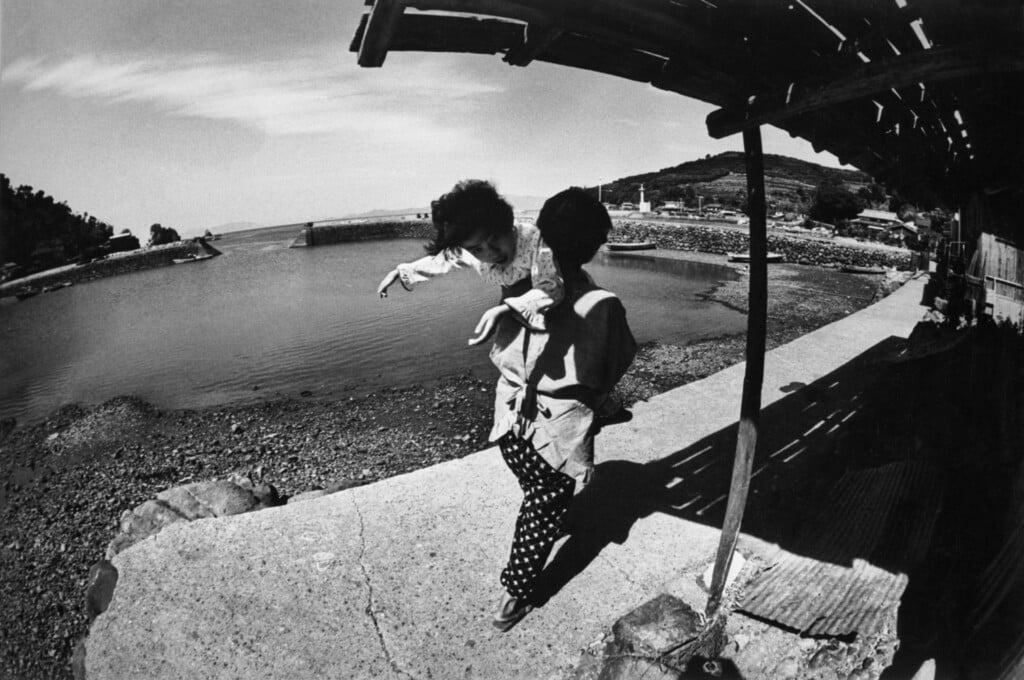
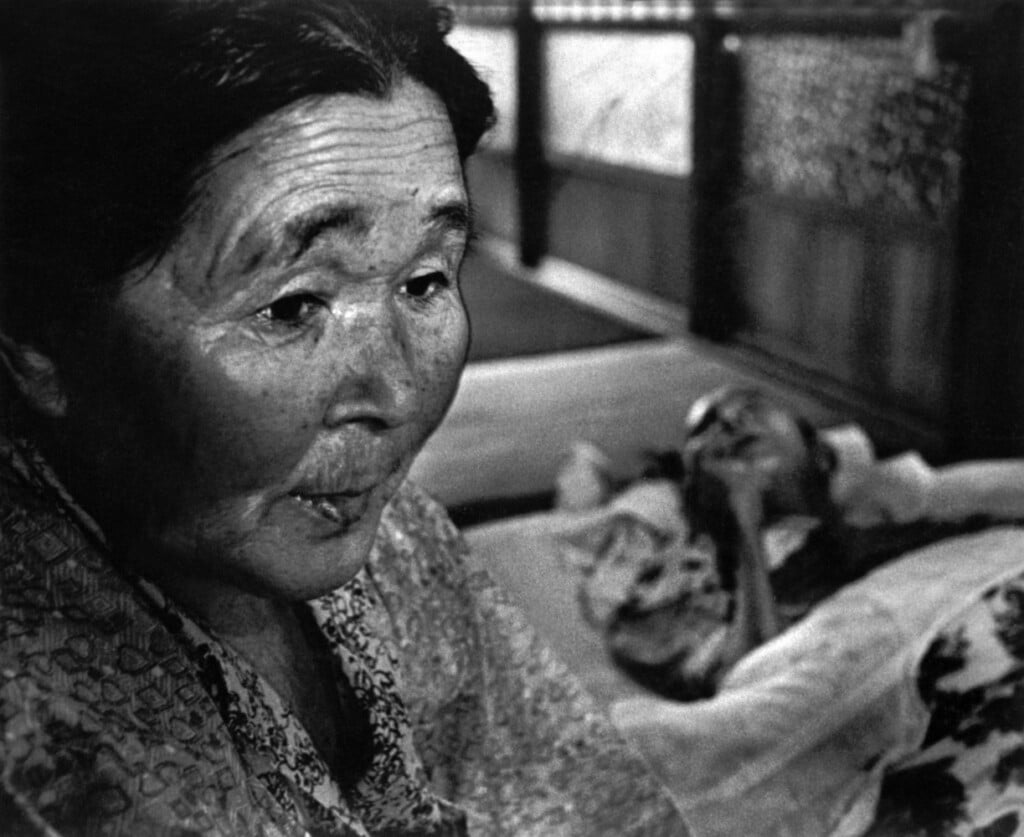
This article was produced in collaboration with Luigi Falanga aka @super8otto.