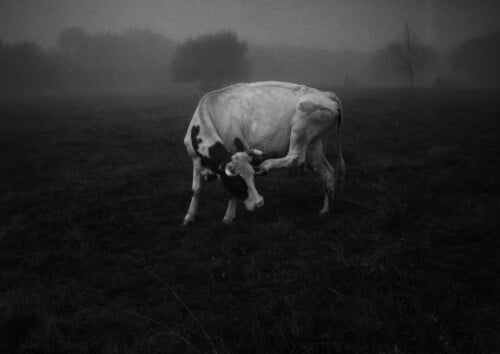
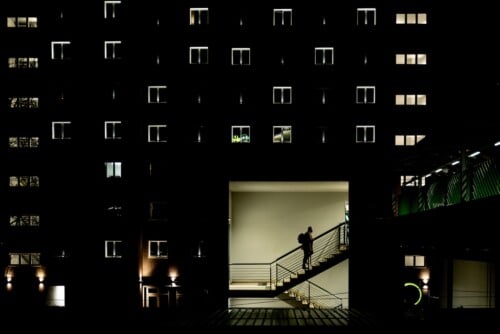
What is Butoh? – This is the question posed by Yulia Skogoreva, a Russian photographer living in Tokyo, whose project is named after this Japanese practice. Looking at her shots, one can sense the style of masters like Sebastião Salgado, Albert Watson, or Isabel Muñoz, a photographer specialized in the world of dance and in all the movements—between light and shadow—that define it. This principle is also reflected in Skogoreva’s photography.

Butoh is an avant-garde form of Japanese dance that emerged in the late 1950s. It is characterized by slow, controlled movements that often evoke raw emotions, darkness, and introspection. In short, it’s the dance of brutal honesty. Butoh performances challenge conventional aesthetics of dance, frequently addressing themes such as suffering, death, and the human condition. However, despite its often dark nature, Butoh can also express hope and transformation.


«I was surprised to discover that, in the country where this artistic movement was born, many people had never heard of it. Thirteen years ago, I could never have imagined that Butoh would become a central theme in my photography. Before then, I had no idea what Butoh was, but I was passionate about theater and everything that allowed me to use my skills in Japanese» says the photographer.

Even today, there doesn’t seem to be a clear answer—according to Skogoreva—to the question: What is Butoh? These images guide us on a journey to discover this practice, revealing the possibility of finding comfort even in the darkness of what we can only describe as a magical dancing ritual.