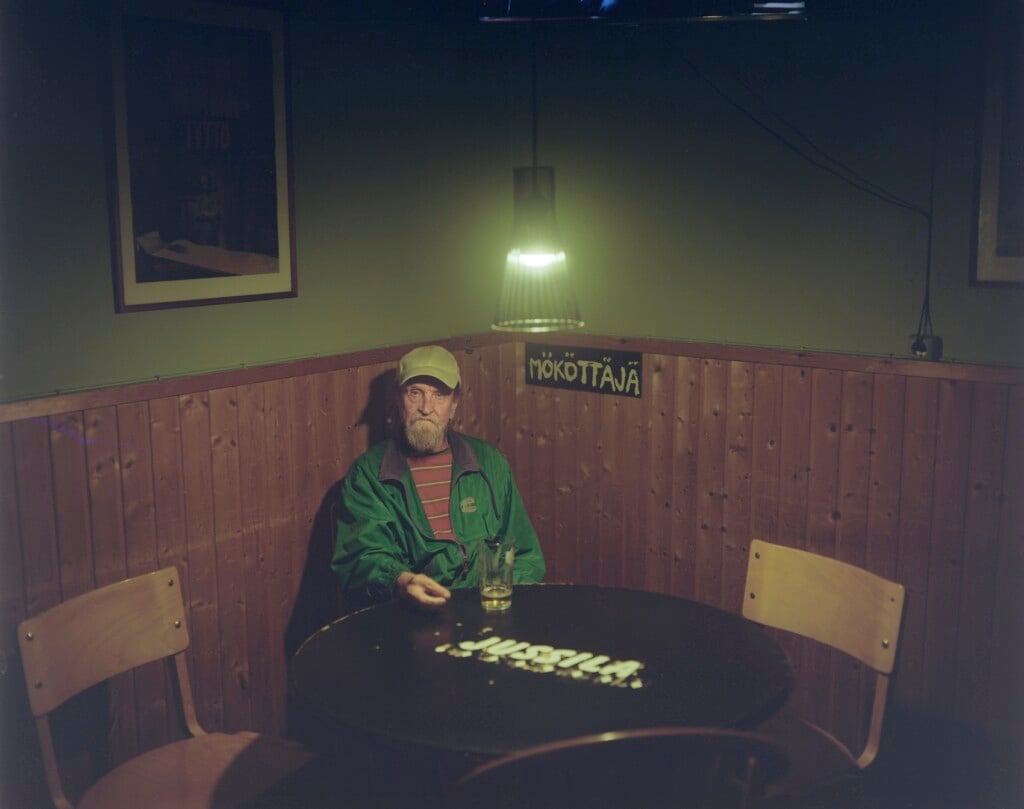
There is an image of Finland that in recent years has become almost a brand: pristine forests, silent lakes, orderly cities and a quality of life that seems to have found a balance unattainable elsewhere. Unsurprisingly, the country has been named the happiest in the world for nine consecutive years by the World Happiness Report. But what is left out of this representation?
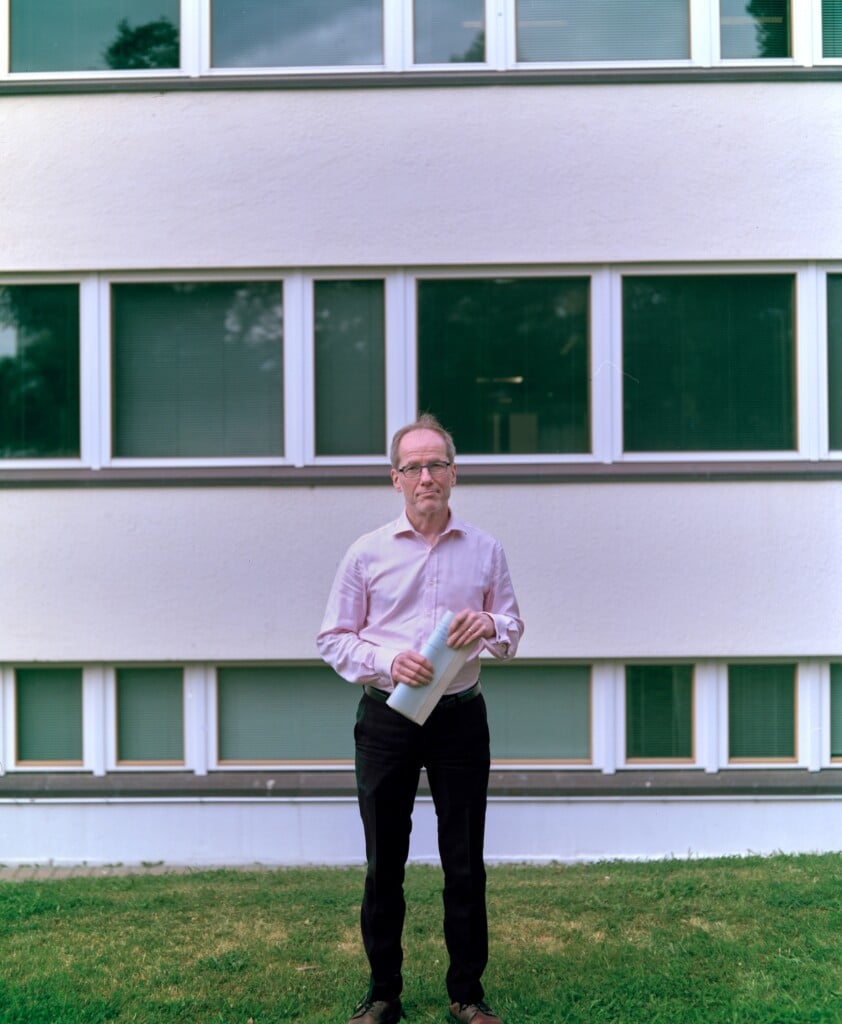
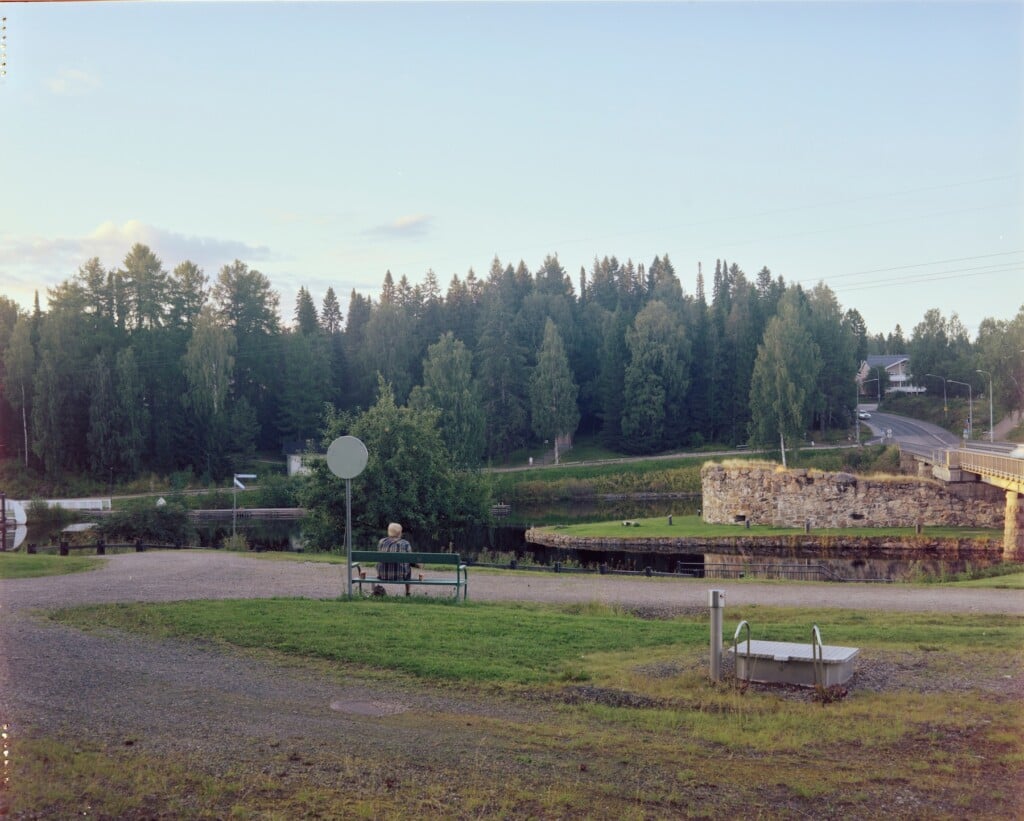
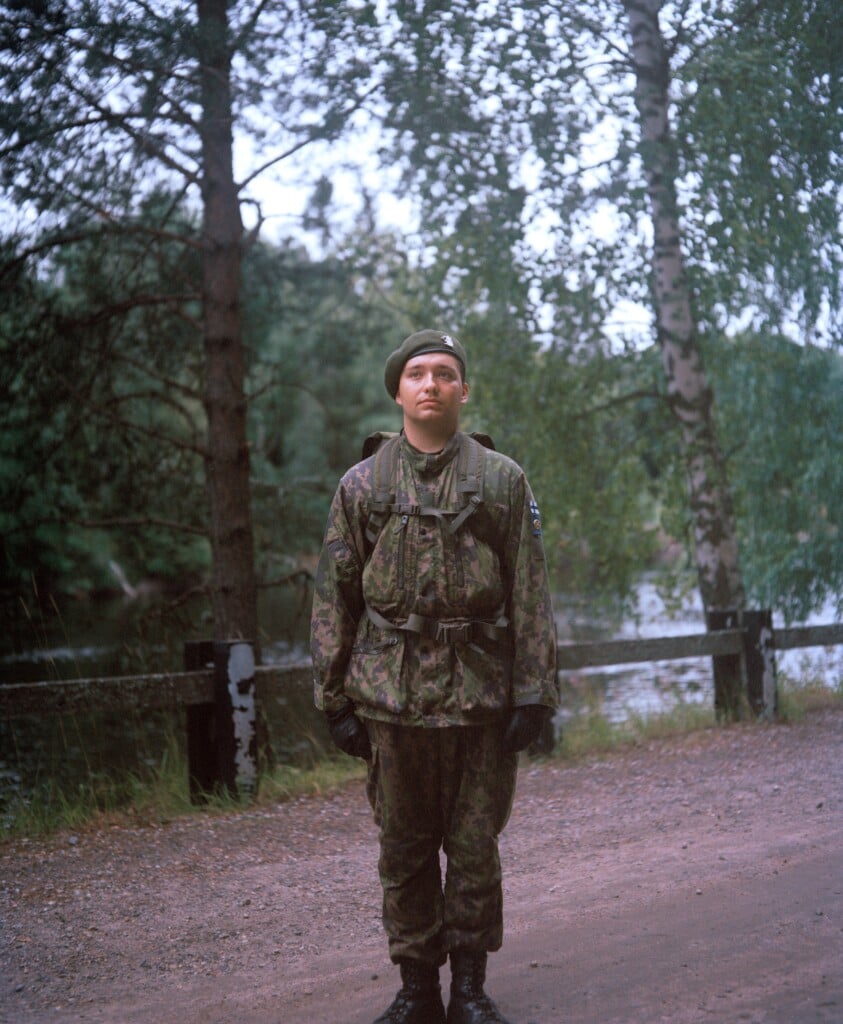
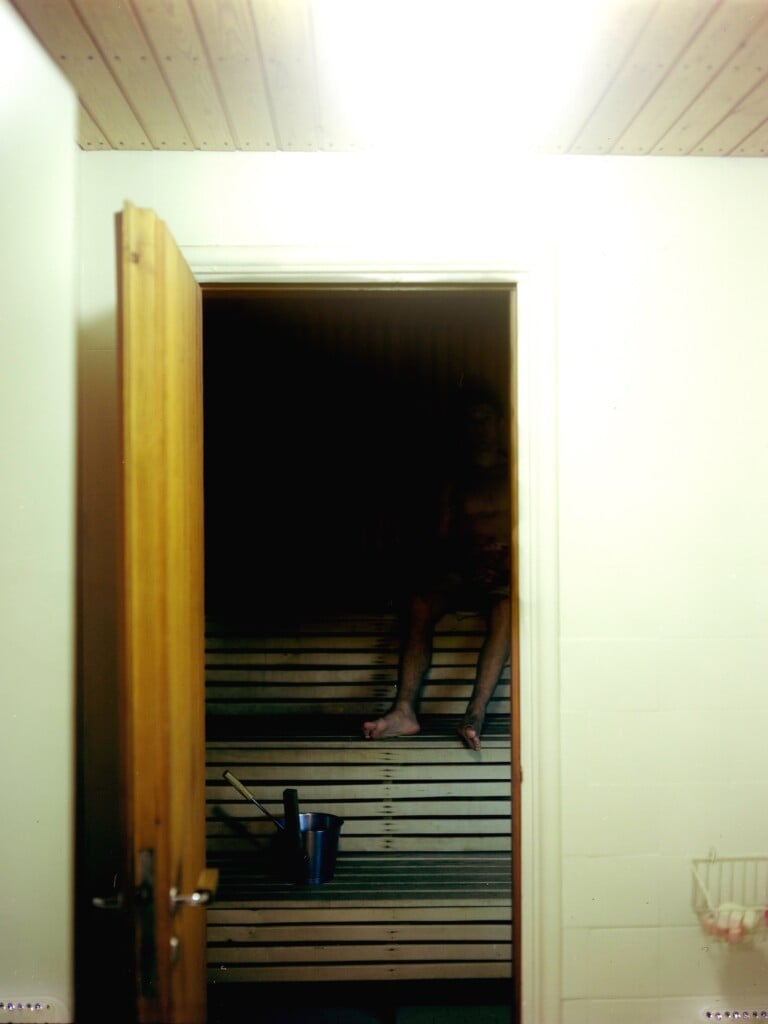
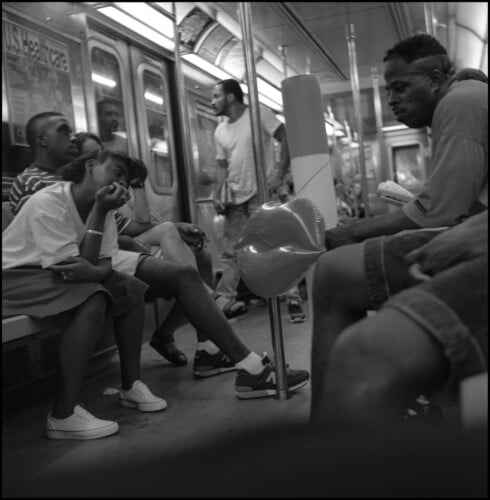
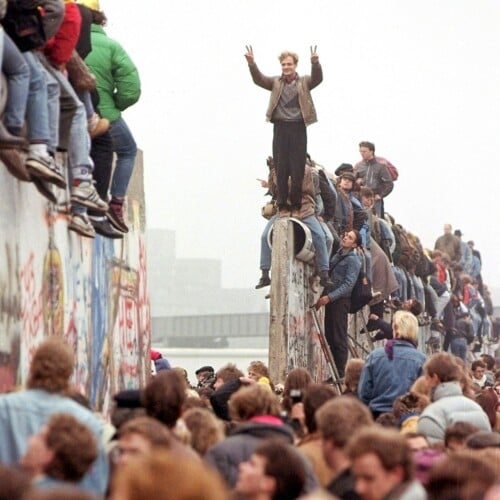
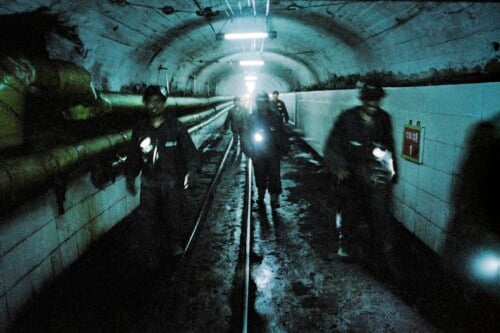
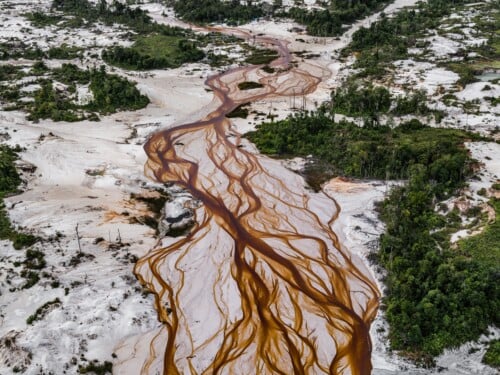
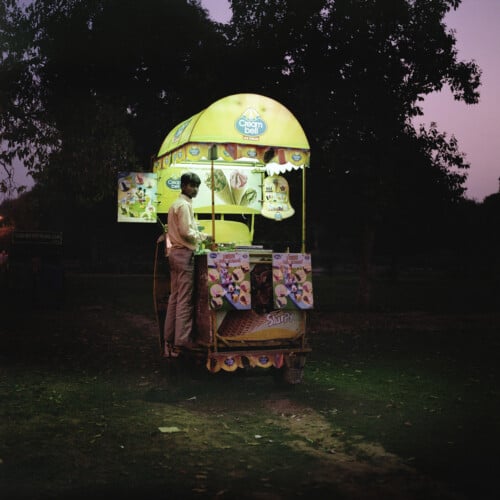
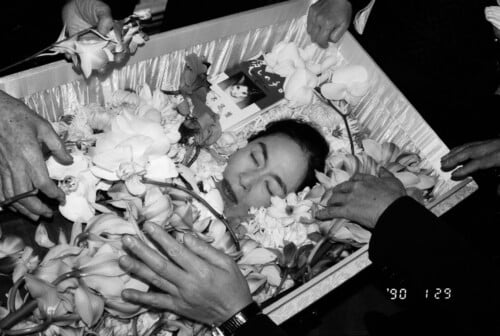
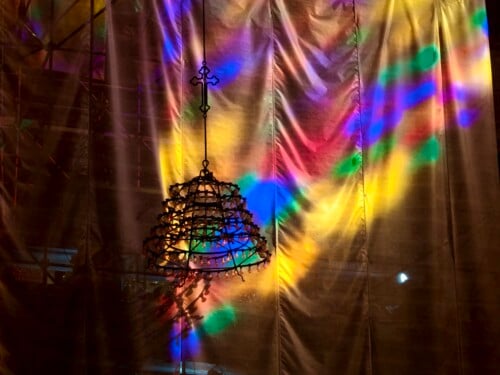
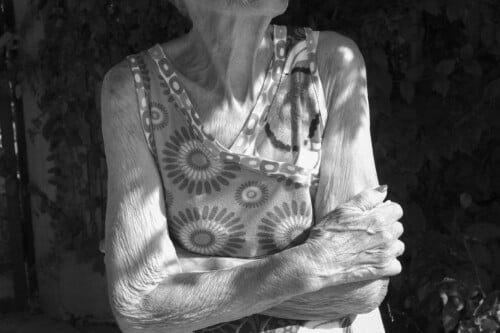
It is from this distance between public image and everyday experience that In The Corner of the Dark Fatherland takes shape, the photographic project by Louis Sartori, who chooses to look at Finland away from postcards and reassuring narratives. Created over the course of a week, mostly in the post-industrial town of Kajaani, the work delves into the psychological landscape of Finland’s small communities, among dense woods, isolated towns and places marked by a difficult memory. Here photography does not seek the exceptional, nor does it build a spectacular tale of hardship: it lingers instead on an atmosphere, on what remains when the great national narratives break off and make room for individual experiences.
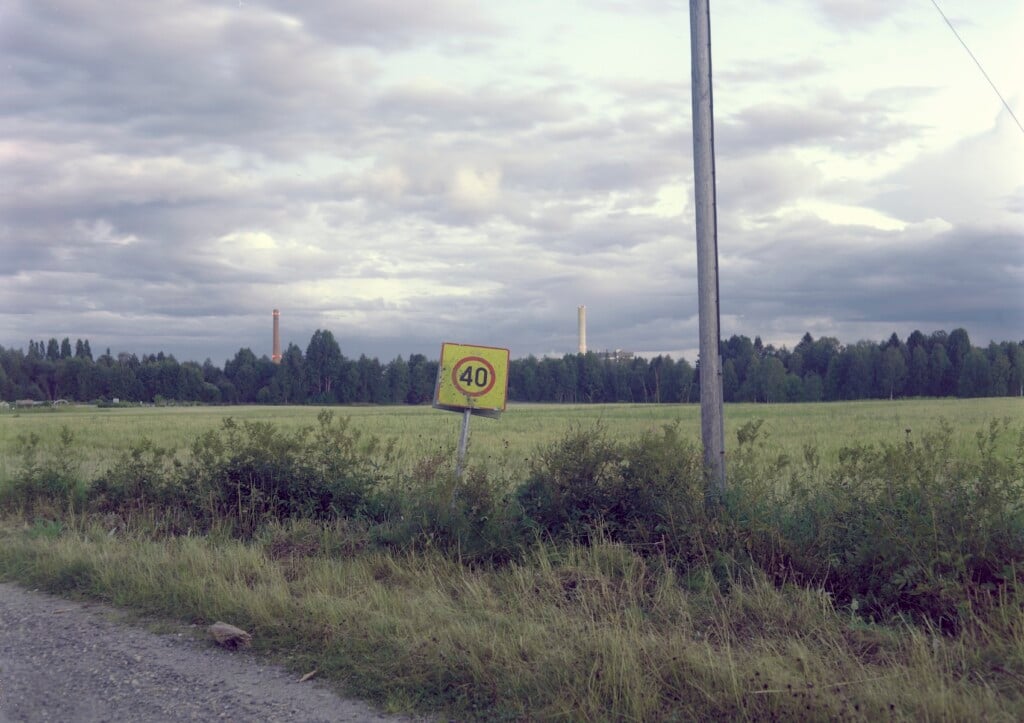
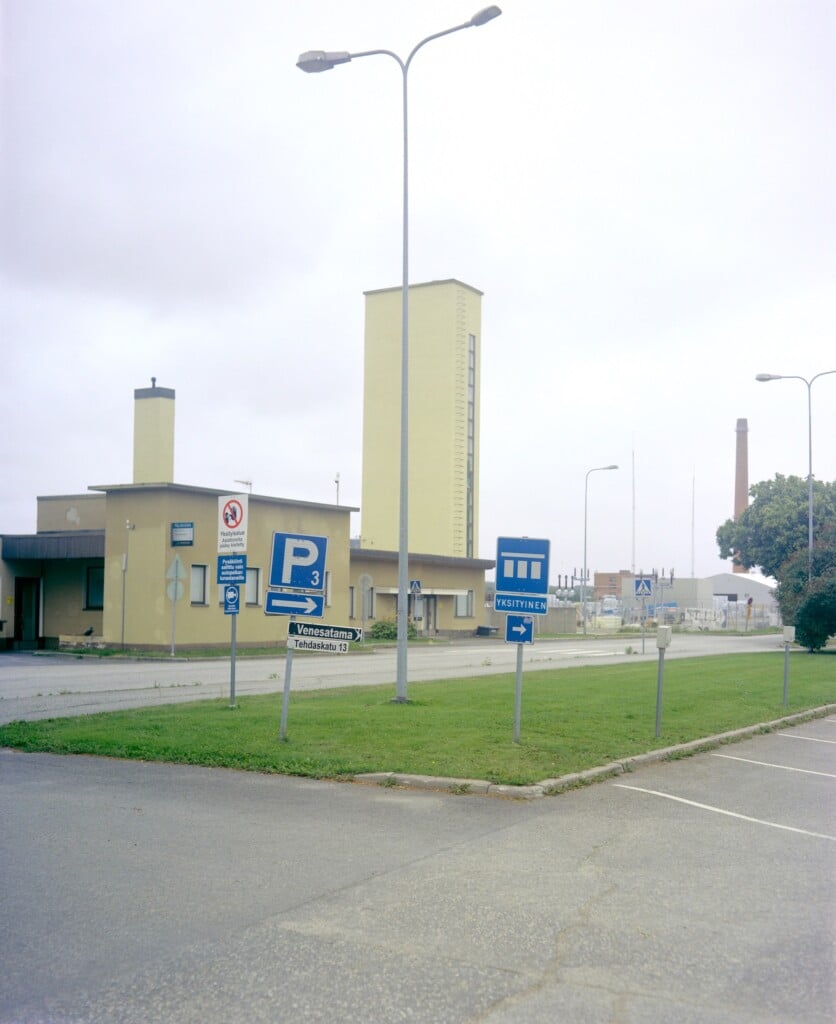
The point, however, is that the ranking does not necessarily tell the story Sartori wants to bring into focus. The World Happiness Report does not measure happiness as a permanent emotional state, nor does it directly assess citizens’ mental health: it is based mainly on how people judge their lives as a whole, on a scale from zero to ten. It is an important distinction: a country can be considered happy and, at the same time, live with mental health problems. In Finland, the suicide rate remains above the OECD (Organisation for Economic Co-operation and Development) average, even though it has declined since the 1990s. A reality that reminds us that a nation’s well-being cannot account for the experiences of everyone who lives there.
It is precisely in this space between progress and fragility that Sartori’s work finds its place. His photographs do not claim to prove that Finland is not a happy country, but they challenge the idea that a national average can capture the complexity of all the lives that make it up. A ranking can describe a trend, but it cannot tell every experience, nor give a voice to those who remain at the margins of the collective story.
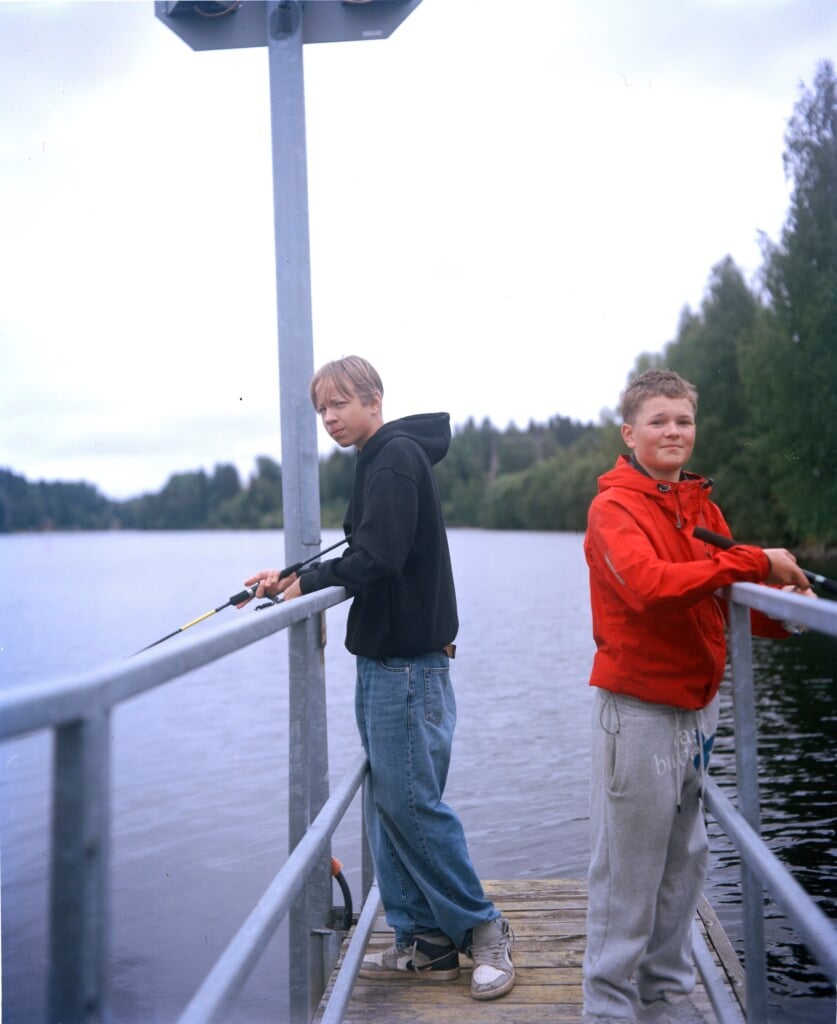
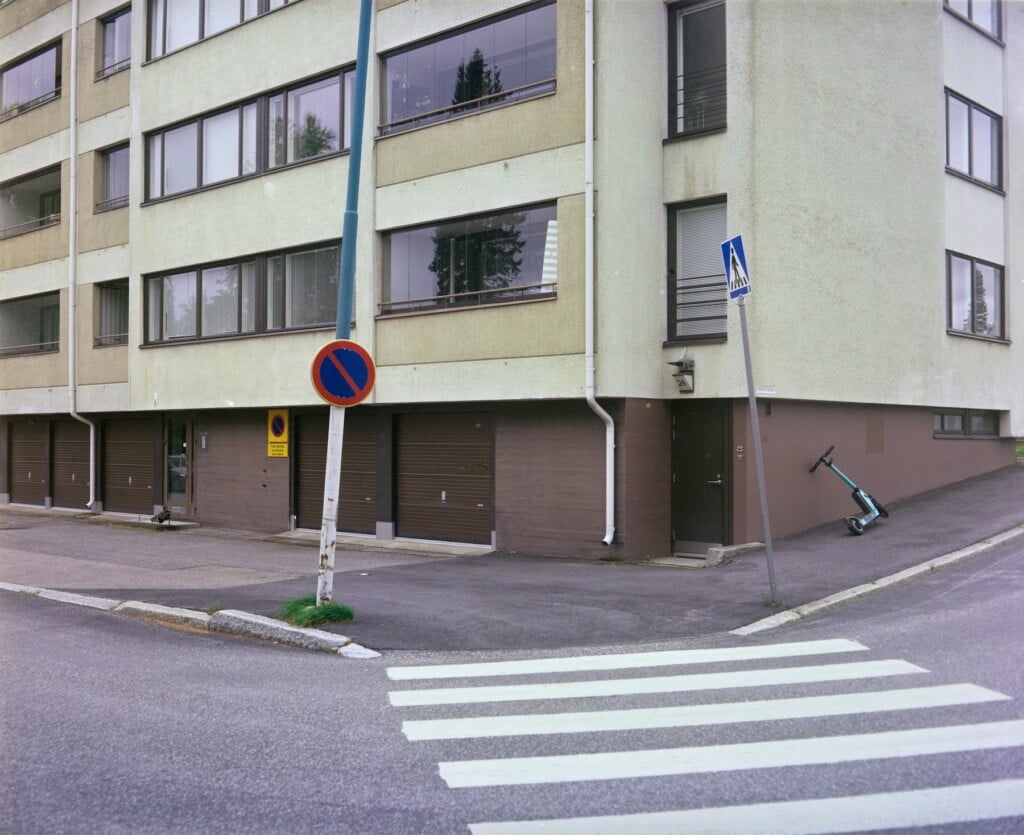
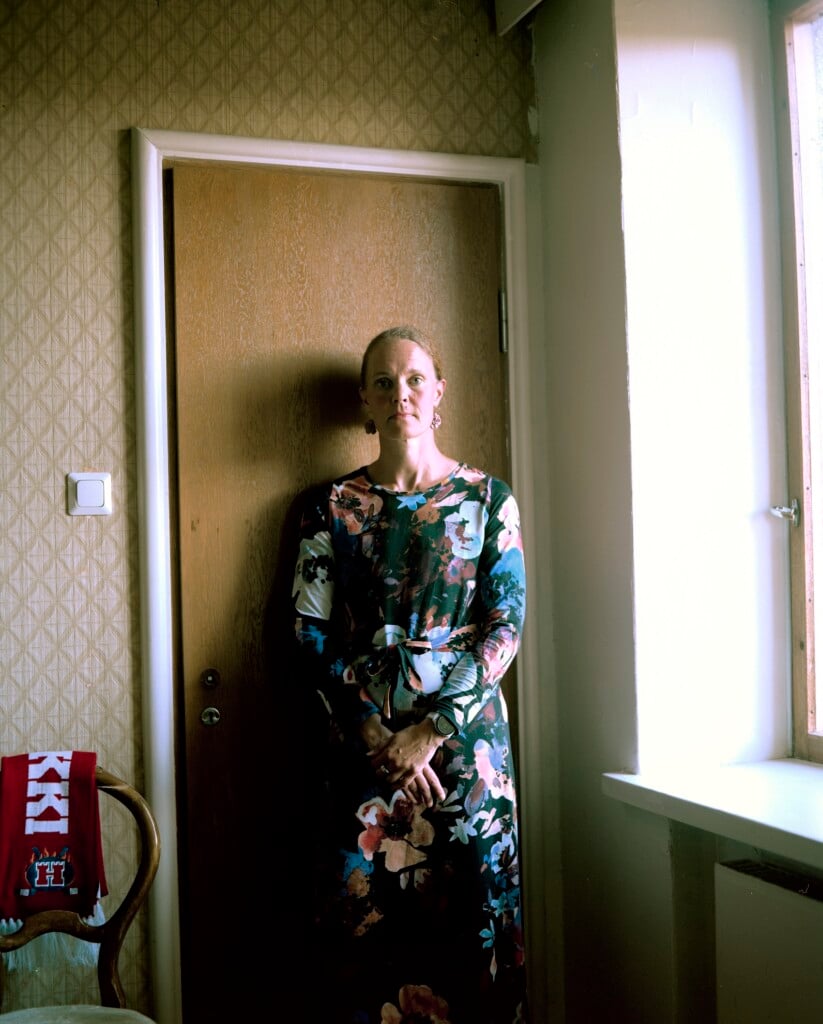
The title also helps build this tension. In The Corner of the Dark Fatherland takes up a line from the English translation of the regional anthem of Kainuu, Nälkämaan laulu, literally “Song of the Land of Hunger”: a reference that ties the project to a specific territory and its memory, rather than to an abstract idea of Finland. The word Fatherland also introduces an almost identity-related dimension, while Dark cracks the bright, reassuring image associated with the country. Sartori seems to suggest that every national identity contains shadowy areas, stories that find no space in official narratives and conditions that cannot be resolved with a positive label. In this sense, photographing Kajaani also means questioning what happens far from the most visible centers, in those communities that risk becoming invisible when we talk about collective well-being.
The project does not seek a consoling conclusion and does not offer a single explanation for hardship: it asks instead that we look, that we acknowledge what exists even when it contradicts the image we have chosen to build. Because perhaps the problem is not determining whether Finland is truly the happiest country in the world, but remembering that no definition, however prestigious, should become a reason to stop listening to those who cannot feel that happiness.