This year, in the spaces of Alcova Milano, we rediscovered its ability to occupy forgotten places, reactivate them and, at the same time, allow them to remain partially unresolved. Once again, from April 20 to 26, the project expanded across two opposite poles — the Baggio Military Hospital and Villa Pestarini — creating a fragmented geography that, as usual, is both its limitation and its strength.

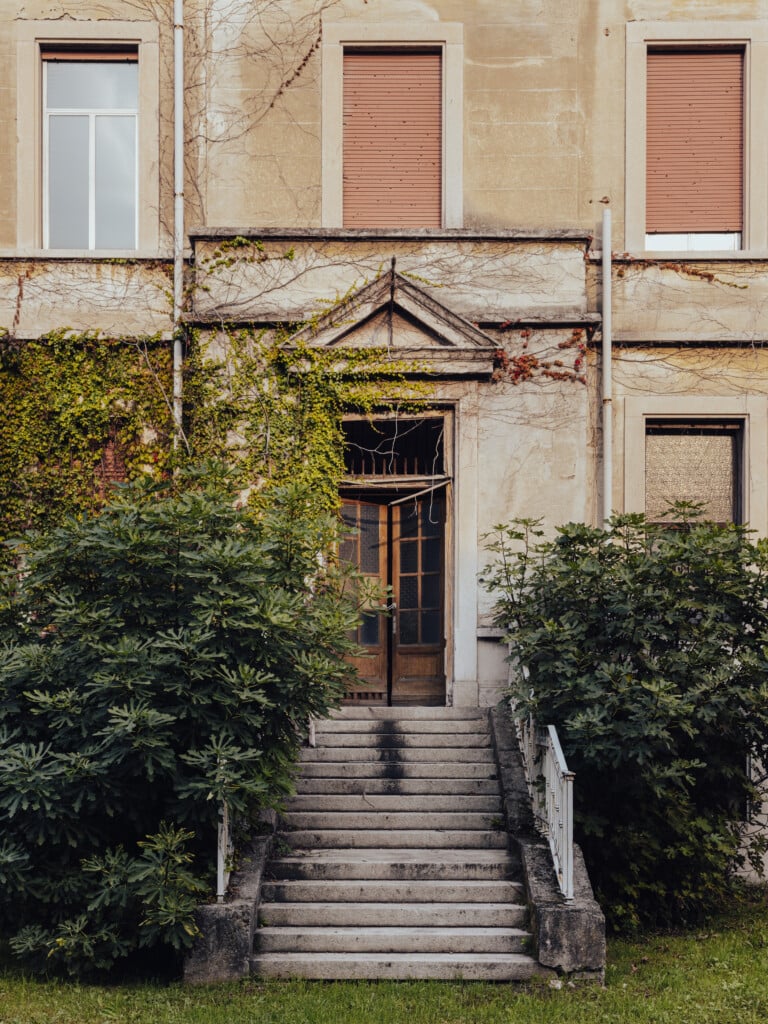
On one side, the hospital: a true city within the city, a system of pavilions, corridors, courtyards and hangars in which to get lost, but also to explore. This is where Alcova finds its most authentic dimension, because it does not simply display design, but forces it to enter into dialogue with time and with the sense of abandonment that radiates throughout the entire complex. It is not a space to be experienced linearly, but one that reveals itself gradually, deviation after deviation. Dispersive, yes, but also remarkably fertile.
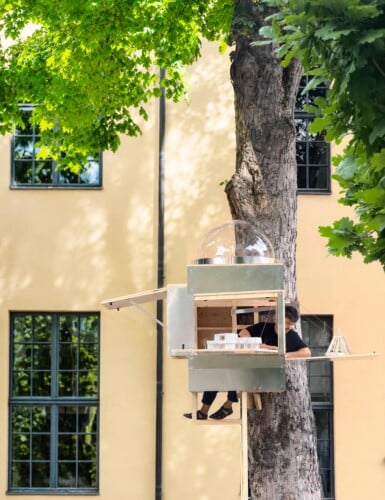
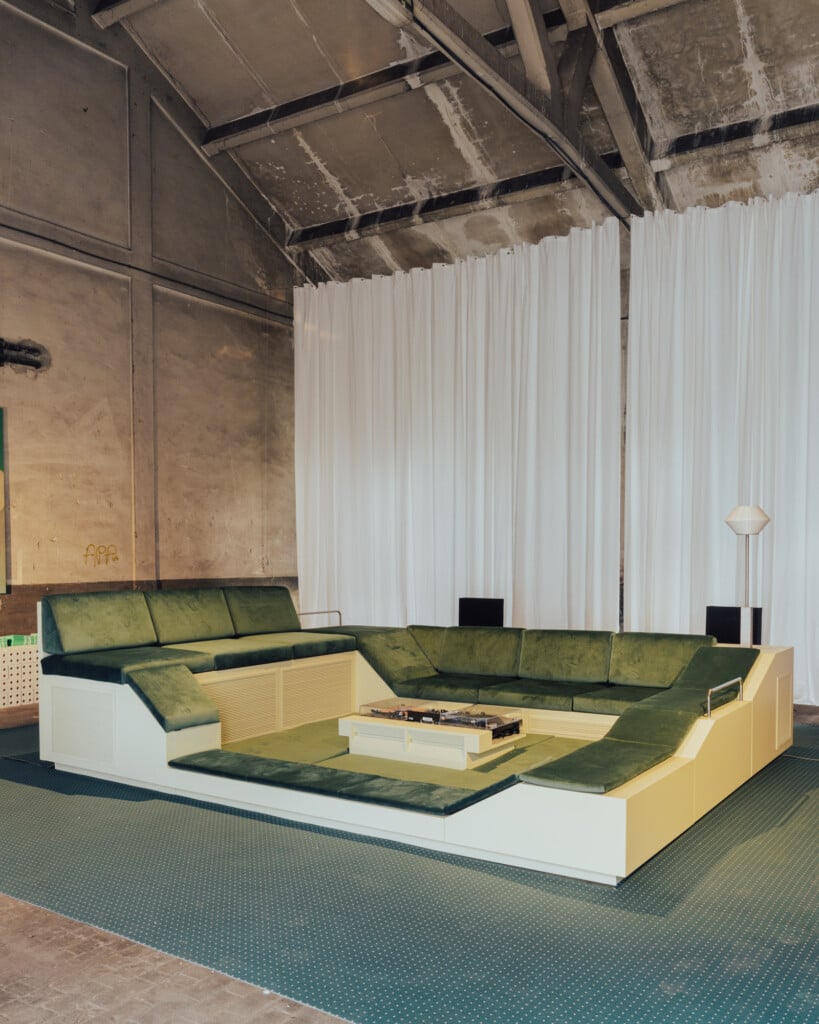
It is precisely in one of the hangars that two of the most convincing projects of this edition emerge. THRESHOLD by DOOOR x Objects of Common Interest is more than an installation: it is a mental condition, a suspension that rewrites the way we move through architecture. Just before that, Supaform completely shifts the tone with Seat in touch, an investigation into the city’s functional spaces transformed into devices for social interaction.

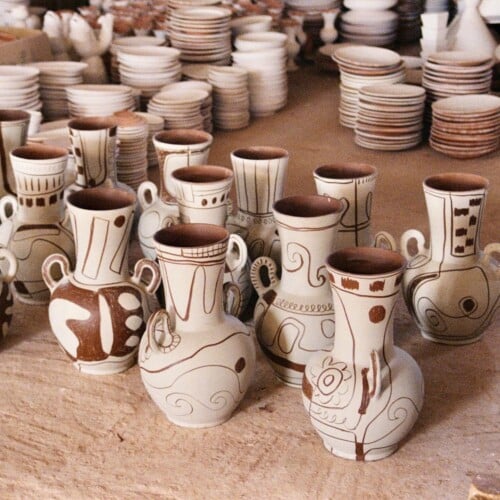
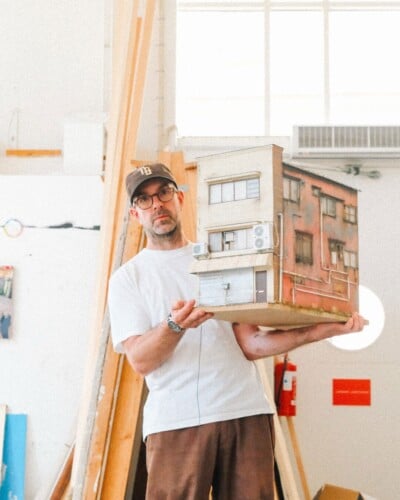
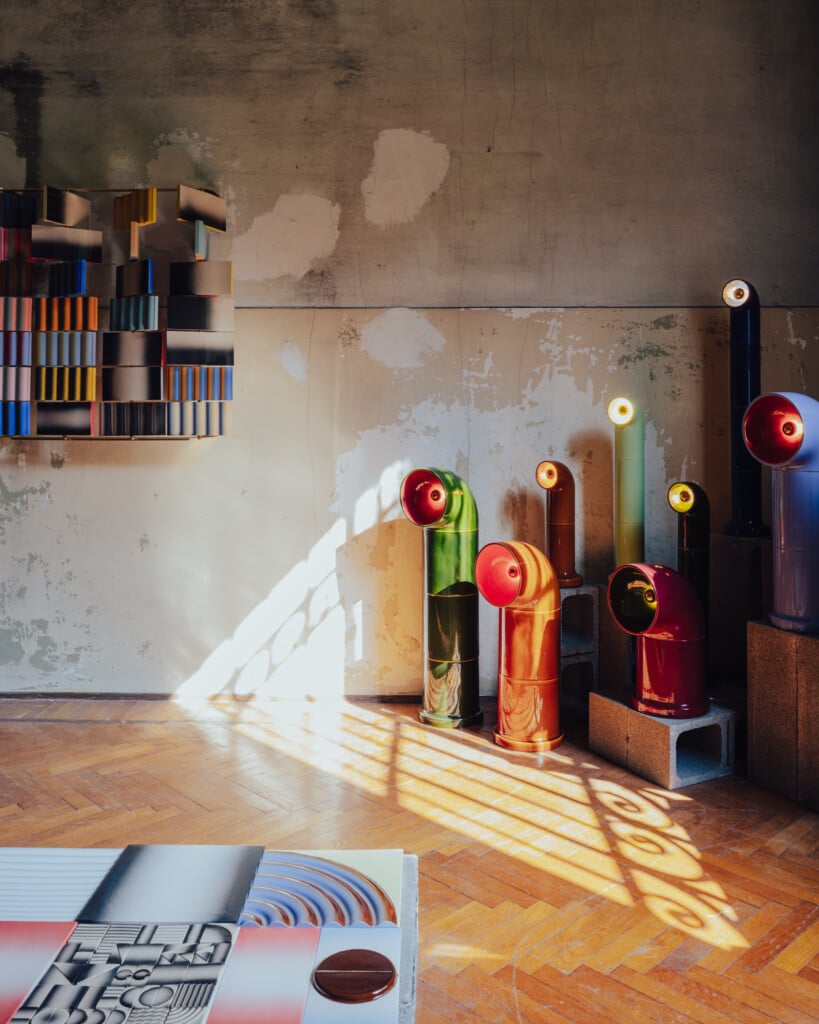
One of the most surprising interventions inside the Hospital is by Umprum Academy of Arts, Architecture and Design, which takes shape in the Laundry spaces with a project capable of holding together research and materiality. Not far away, the Temple hosts Slalom x V.A.I., presenting a more technical and sensory reflection on sound and space. But it is perhaps in the House of the Nuns that we find an approach that feels decidedly more pop: the project by the Center for Creativity, the Slovenian Museum of Architecture and Design, which manages to engage with a context already dense with symbolic layers without overwriting it.

Then there is Villa Pestarini, and here the narrative changes completely. If in Baggio we experienced spaces that felt more dispersive, the villa concentrates much of the design into a more contained place, one that had never been opened to the public until now. Designed by Franco Albini, it is a manifesto of Milanese Rationalism and, at the same time, an extremely domestic, almost fragile place. Its spaces thus become a direct field of comparison with the history of Italian design.

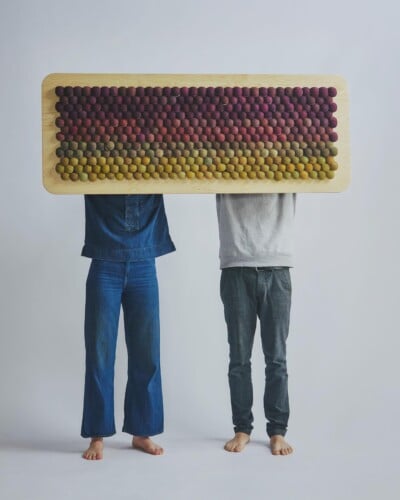
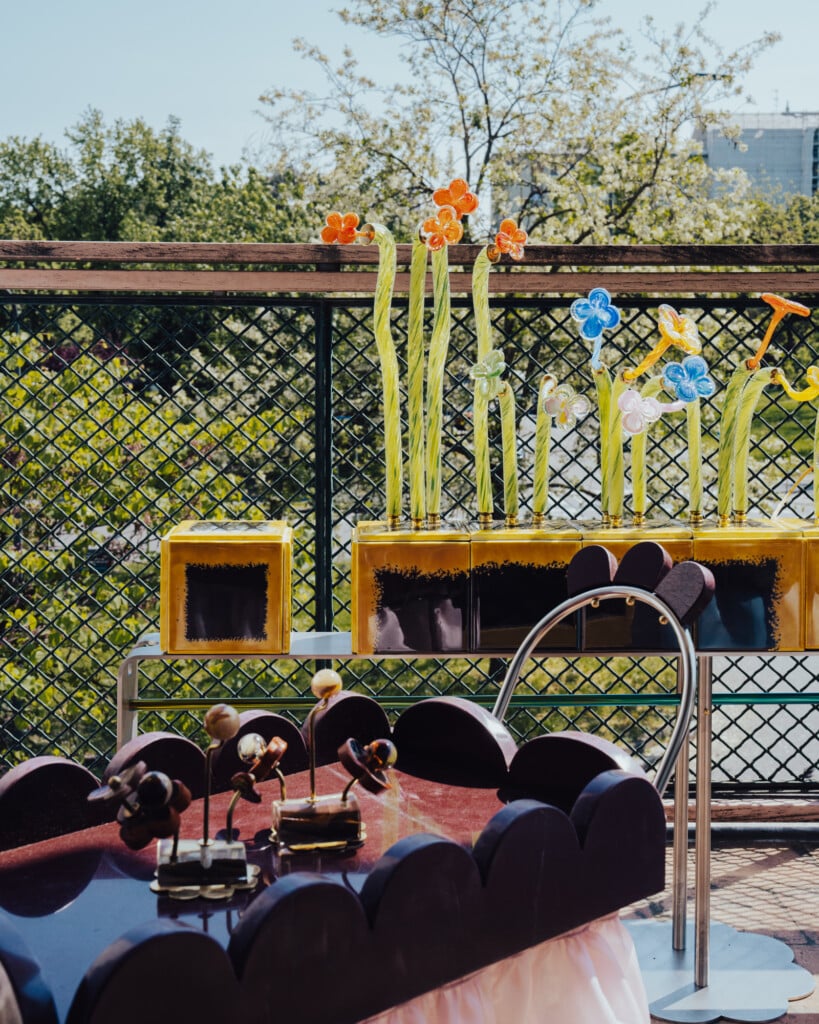
The interventions here are inevitably more restrained, quieter. Basetale’s installation settles into the spaces with an almost architectural sensitivity, avoiding any excessive gesture. Alongside it, the floral works by Sema Topaloğlu introduce an organic dimension that contrasts with the villa’s rigor, without ever truly breaking it.

This dual soul is what makes Alcova so relevant within the landscape of Milan Design Week. It is not just an exhibition platform, but an urban device that every year temporarily rewrites certain places in and around the city, taking the public beyond the more predictable Fuorisalone circuits. In this sense, Baggio is an almost political choice: shifting attention toward a peripheral area that rarely enters the design narrative, transforming it for one week into something new.

Of course, the price to pay is dispersion. It is impossible to see and understand everything, and not everything holds together, with the frequent feeling that something is slipping away. And we found ourselves wondering whether maybe that is exactly the point.
ph. Piergiorgio Sorgetti